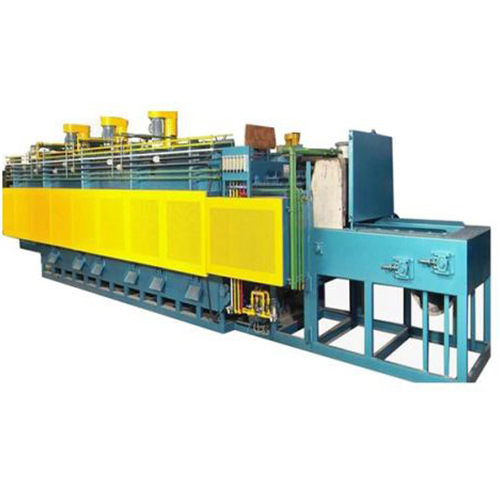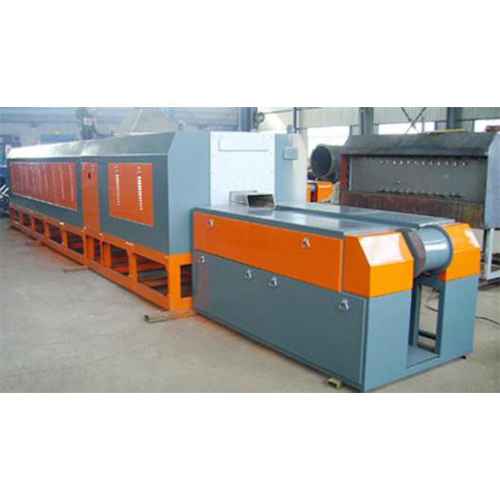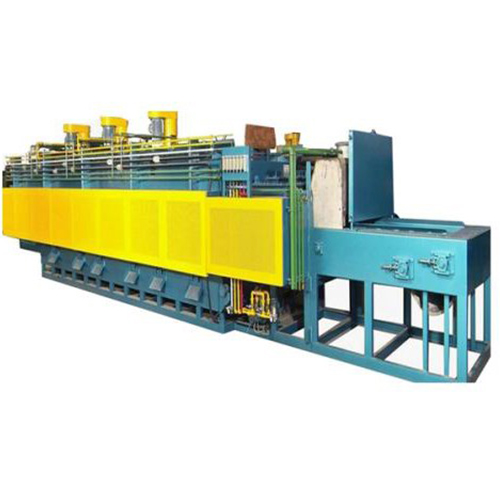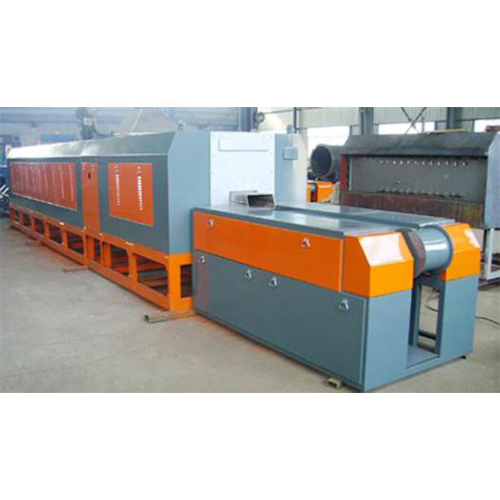










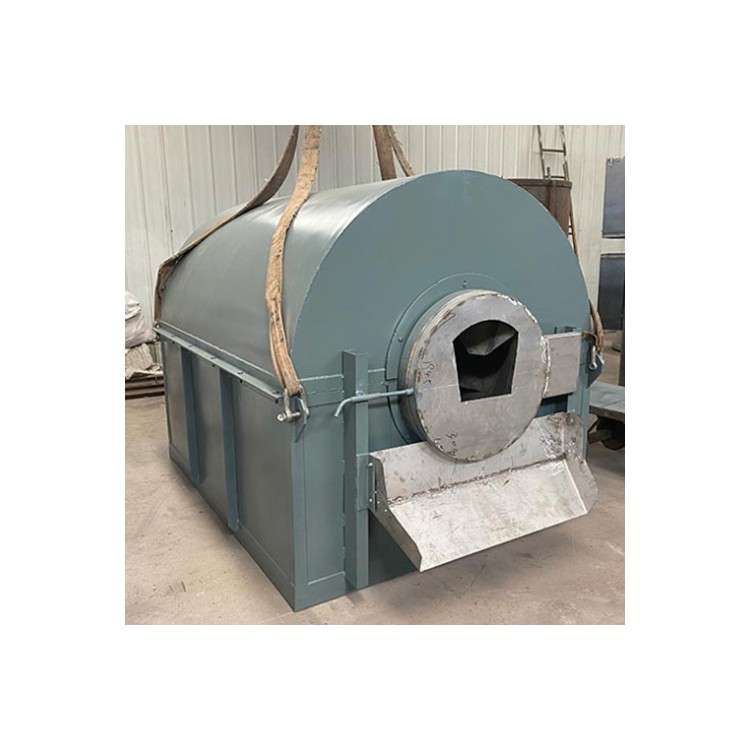
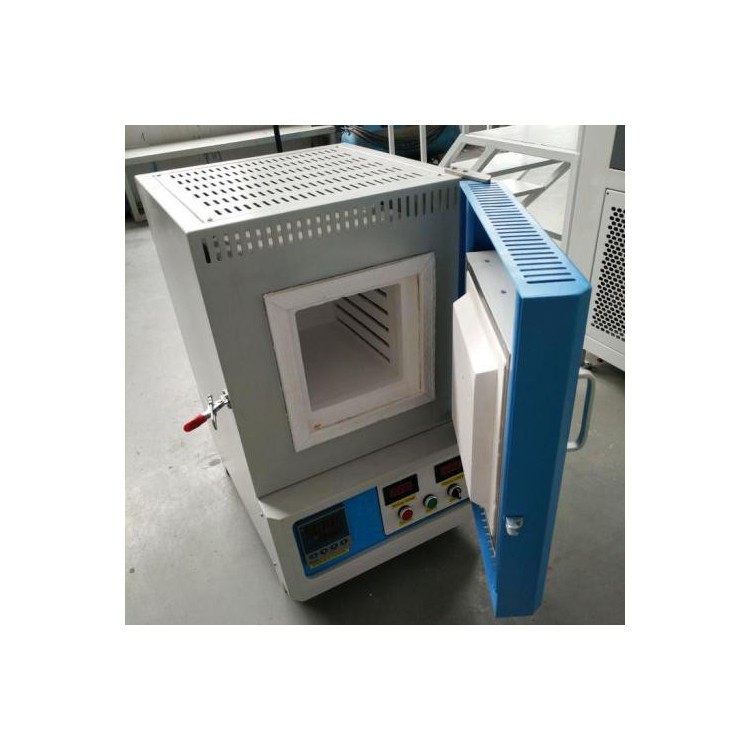
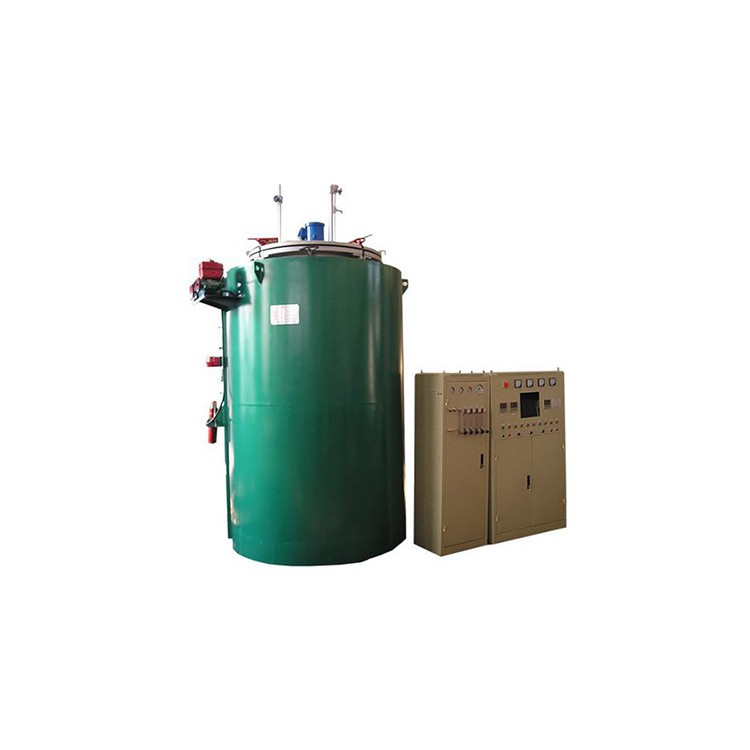
Belt Furnace
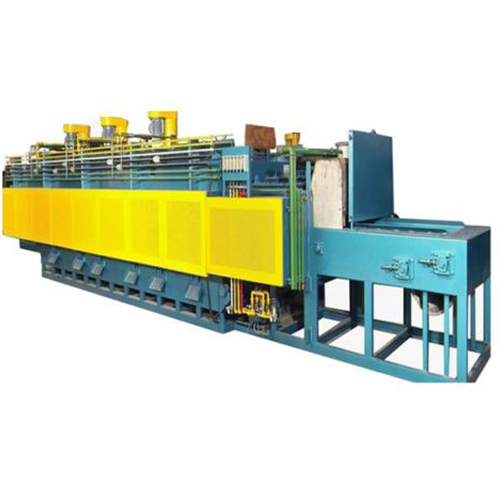
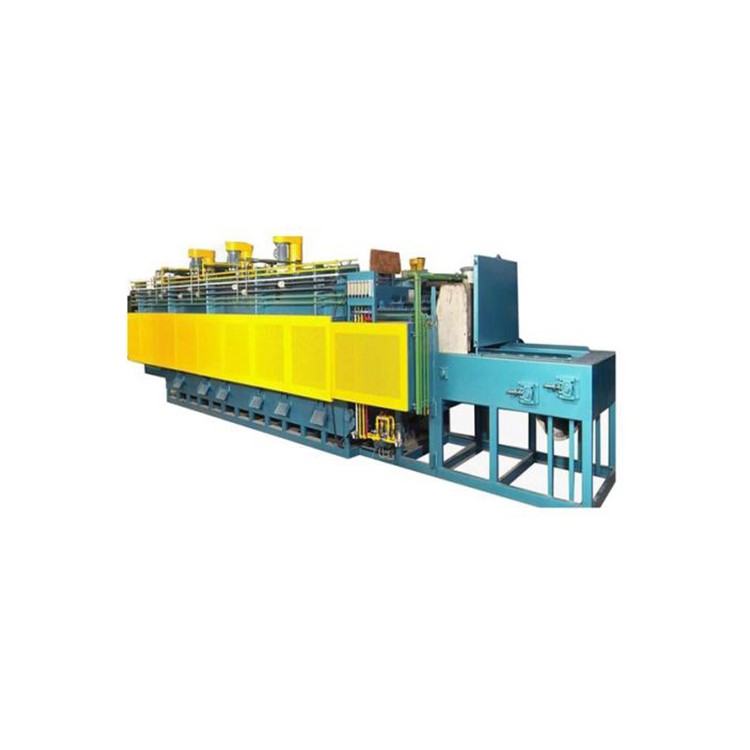
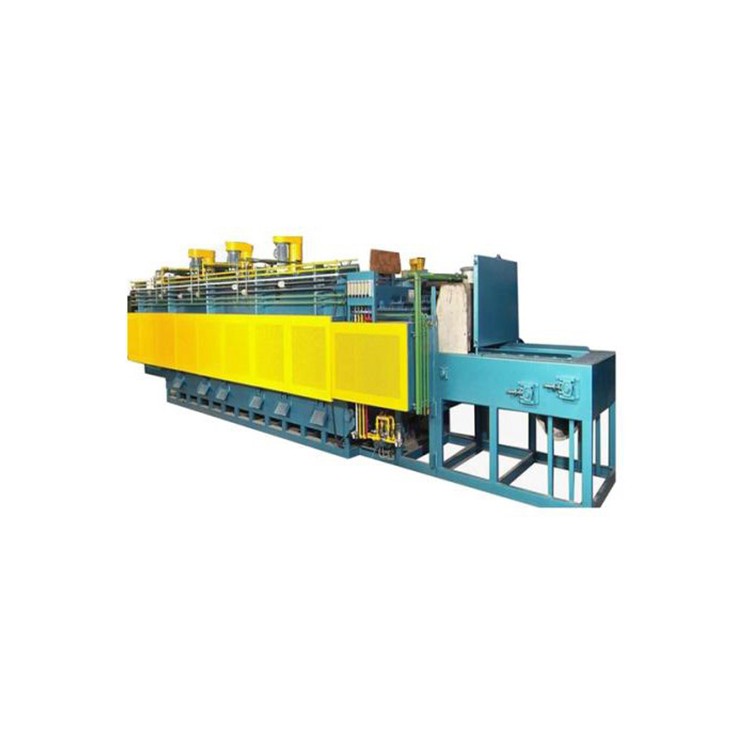
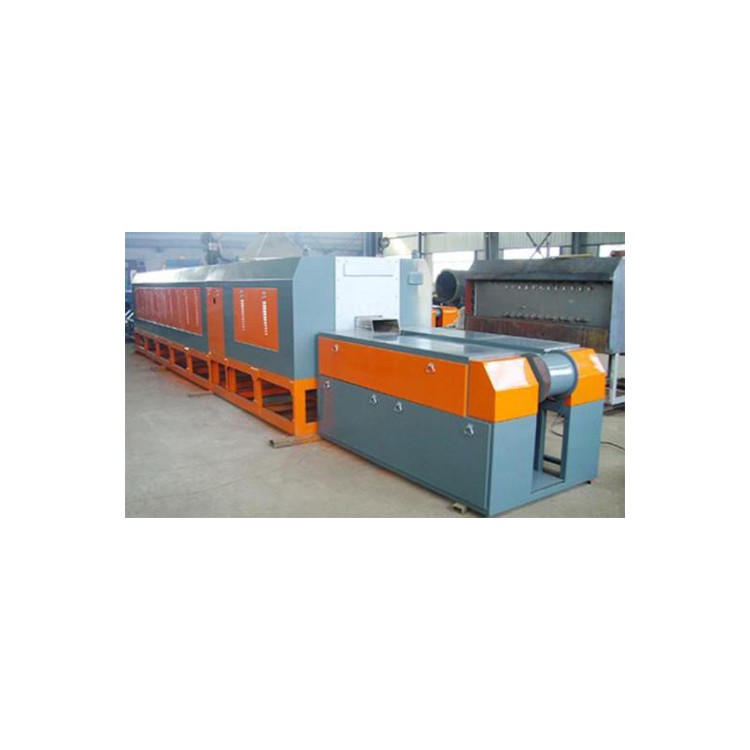
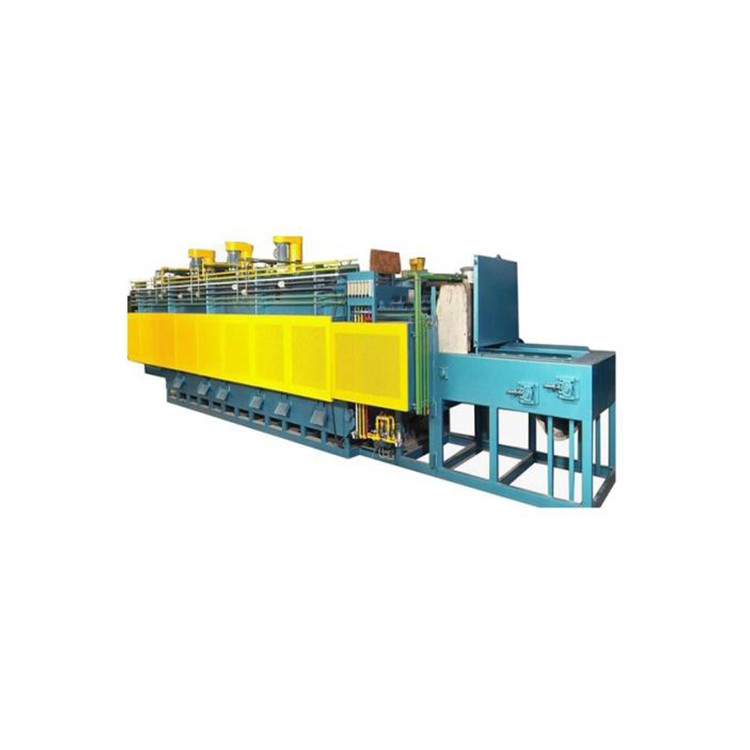
A belt furnace typically consists of a belt protected by a muffle, which continuously transports parts for sintering within the furnace. It is mainly used for sintering of powder metallurgy products, reduction of metal powders, and pre-sintering, firing, or heat treatment processes of electronic products in a protective atmosphere or air.
The complete equipment consists of three main parts: the furnace body, the conveyor belt system, and the temperature control system. The furnace body is composed of the feeding section, pre-burning section, sintering section, slow cooling section, water cooling section, and discharge section. The conveyor belt system includes high-temperature-resistant conveyor belts and transmission devices. The conveyor belt speed is adjusted by a variable frequency drive, and is equipped with a digital display conveyor belt speed measuring device; the belt speed can be directly read. The temperature control system is composed of thermocouples, a digital display conveyor belt furnace intelligent PID regulator, and silicon-controlled rectifiers, forming a closed-loop control system that enables automatic and precise temperature control.
The heating element utilizes FEC ceramic heating plates or ceramic heating rods. The temperature control system is equipped with an imported multi-stage intelligent programmable temperature controller. It can be configured with data communication interfaces as required, featuring variable frequency stepless speed control, heat-resistant steel mesh belt conveying, and a large package angle tensioning wheel design concept, ensuring smooth product conveyance.
Methods to Prevent Cracking:
1. After quenching, the material must be subjected to sufficient tempering or multiple temperings to relieve internal stresses.
2. Use soft or medium-grade aluminum oxide abrasive wheels with a grit size of 40 to 60, and avoid excessive feed rate during grinding.
3. Prior to grinding in the heat treatment furnace, first activate the cooling fluid, and ensure adequate cooling throughout the grinding process.
If the workpiece surface has oil when heated, the thickness and composition of the oxidation scale at the oil-attached area will differ from those of other parts, and carburization may occur. The portion of the matrix metal beneath the oxidation scale that has been carburized will be severely attacked by acid. The oil droplets emitted when the heavy oil burner first ignites and attach to the workpiece can also have a significant impact. The fingerprints of the operators can also affect the process. Therefore, operators should not touch stainless steel components with their hands directly and should not allow the workpiece to be沾上 new oil. If there is cold working lubricant attached to the workpiece surface, it should be thoroughly degreased in trichloroethylene degreaser and caustic soda solution before being washed with warm water, and then heat treated.