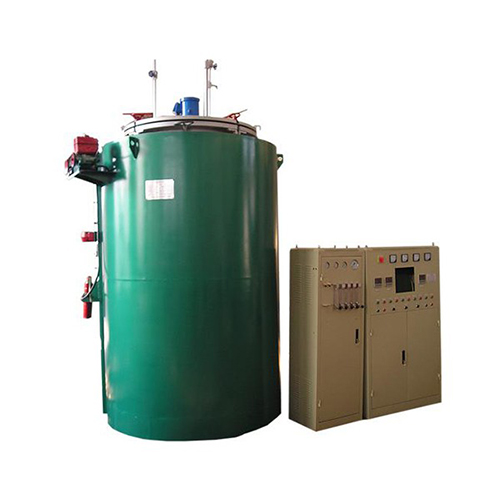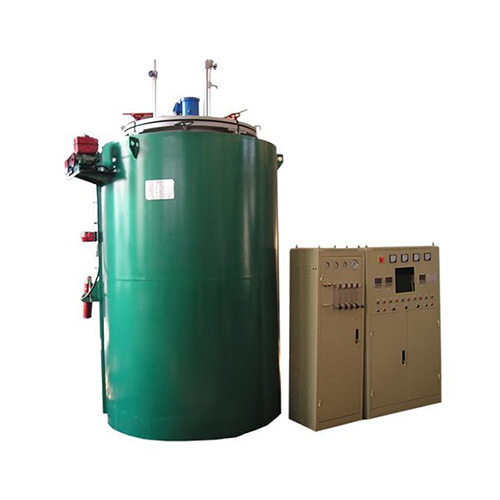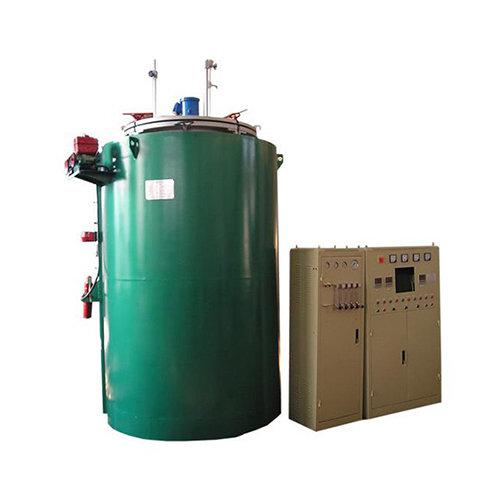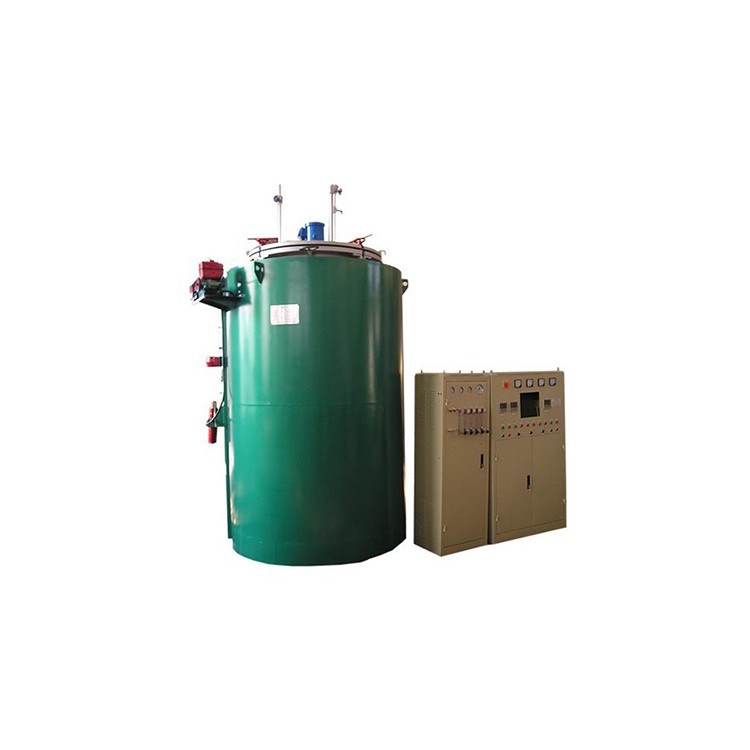

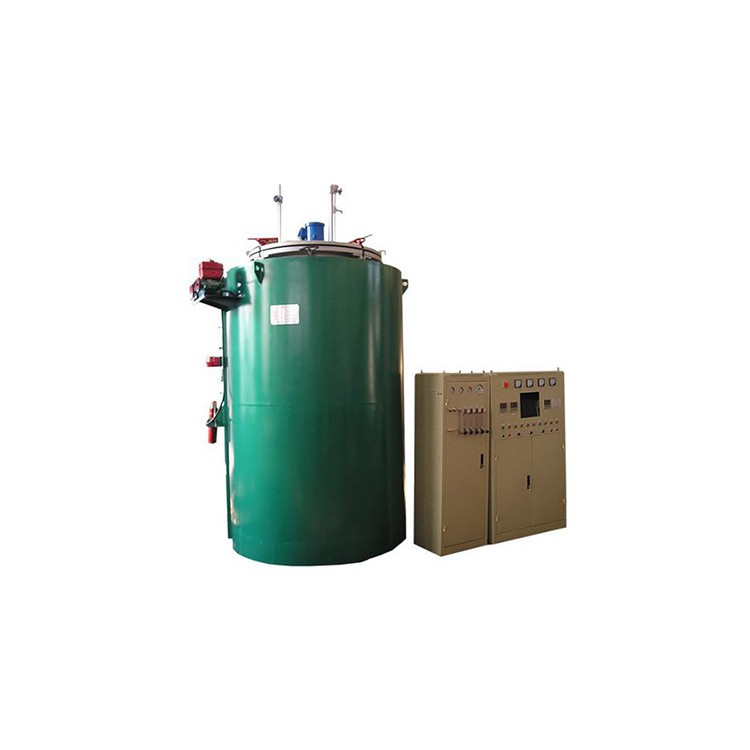











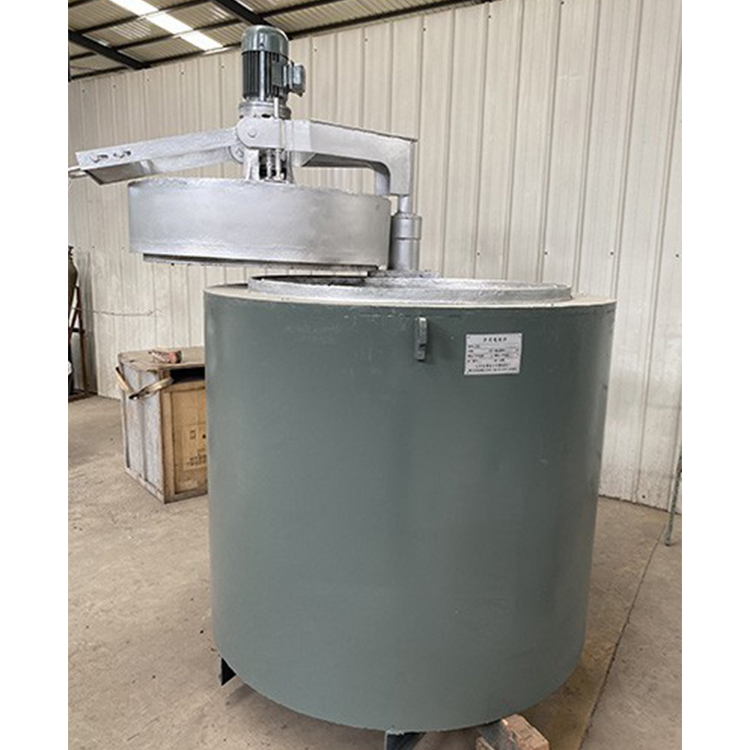
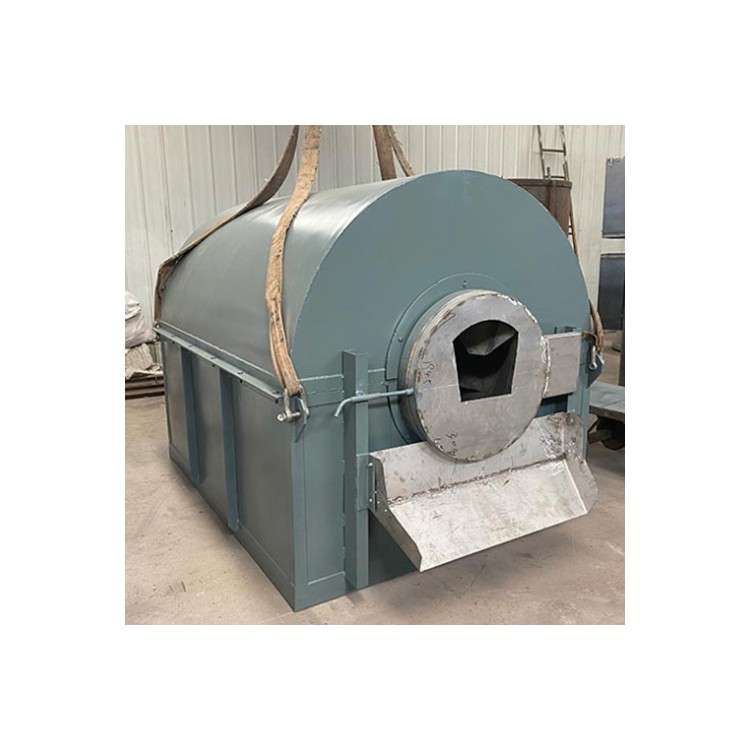
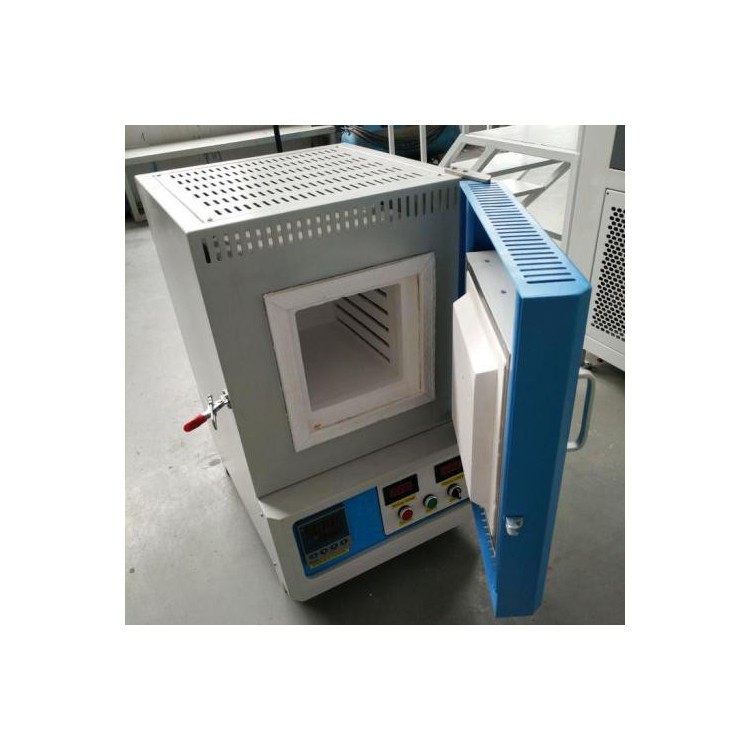
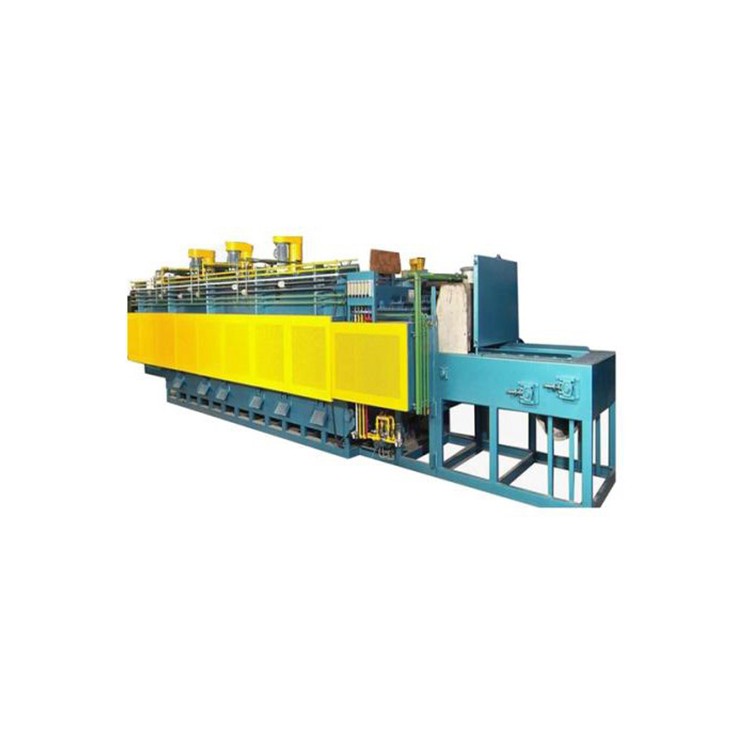
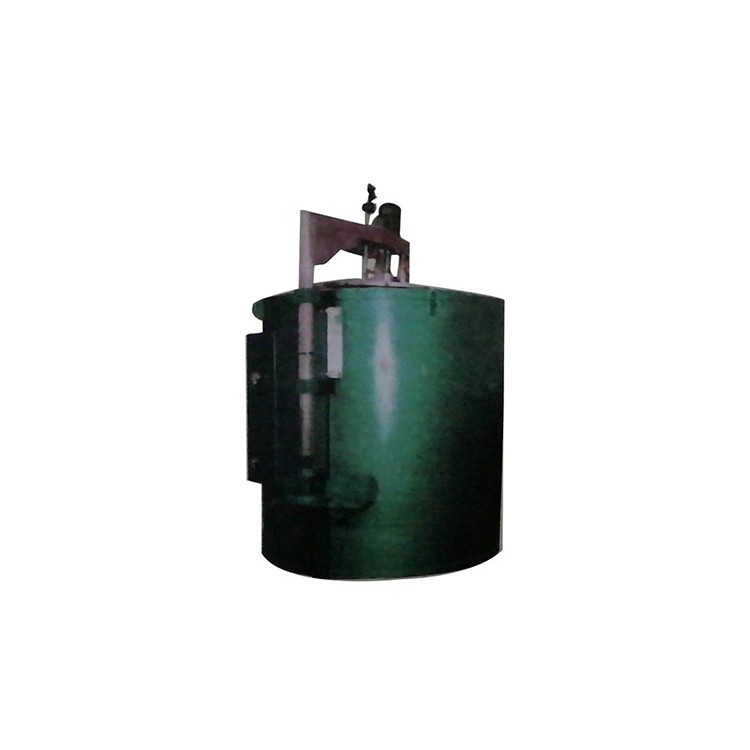
Nitriding Furnace
Nitriding furnace is a treatment equipment with low-temperature, short-duration processing, and minimal workpiece deformation, featuring high fatigue limit and excellent wear resistance.
Nitriding treatment refers to a chemical heat treatment process that introduces nitrogen atoms into the surface of a workpiece at a certain temperature within a specific medium. Products treated by nitriding exhibit excellent wear resistance, fatigue resistance, corrosion resistance, and high-temperature resistance. Nitrogen is introduced into a vacuum-sealed stainless steel container within the nitriding furnace.NH₃Heat to 520°C and maintain for an appropriate duration.
The nitrogen treatment process for workpieces varies from 3 to 90 hours, depending on the material and the渗层 requirements, resulting in a nitrogen-rich reinforcing layer on the surface of the nitrided workpieces. This provides high hardness, excellent wear resistance, high fatigue limit, and good wear resistance. Electrical components may experience issues due to prolonged use, working conditions, and weather influences, necessitating timely inspections and maintenance. This includes regular checks of heating elements, electrical wiring, electromagnetic carbon brushes, hydraulic systems, and numerous mechanical components.
So, the influence of the workpiece on the ammonia decomposition rate is a major factor, and the furnace draft gradually slows down, reflecting the actual situation. As is well-known, the lower the ammonia decomposition rate, the higher the np nitriding capacity, and the stronger the nitriding capacity. However, it should be noted that the nitrogen atoms produced by the decomposition of ammonia molecules are very active. If not absorbed, they will combine with stable nitrogen molecules at an extremely fast rate, but the steel surface cannot absorb them. When the ammonia decomposition rate is very high, that is, the proportion of ammonia in the atmosphere is smaller, or in other words, the ammonia concentration is lower, the number of ammonia molecules contacting the steel plate is less, the number of nitrogen atoms is less, and the nitriding capacity is lower. The higher the ammonia decomposition rate, the higher the hydrogen concentration in the furnace, affecting the absorption of nitrogen atoms. If the atmosphere is filled with ammonia, that is, the decomposition rate is 0, there are no nitrogen atoms present.