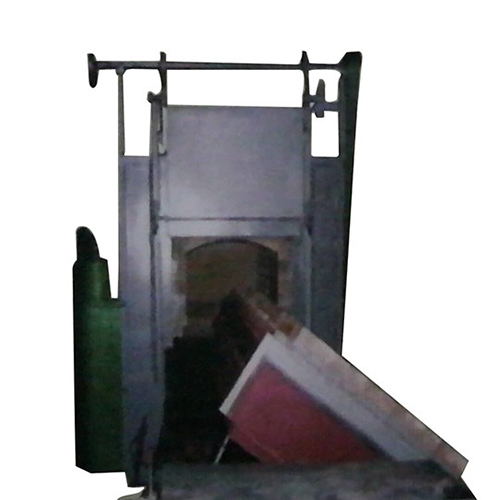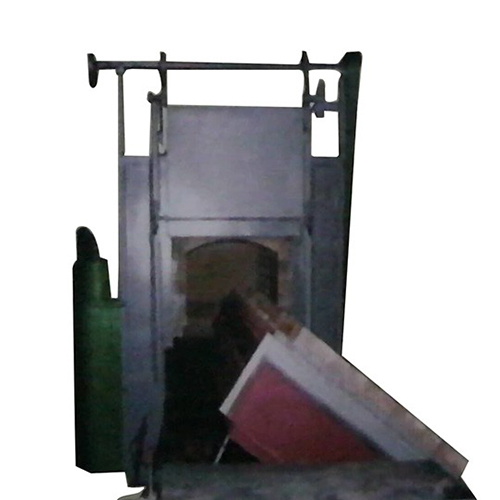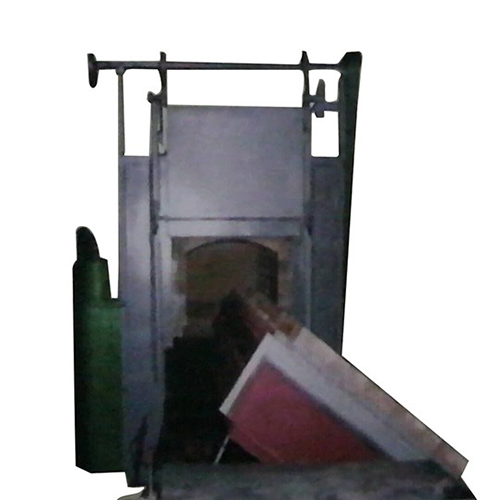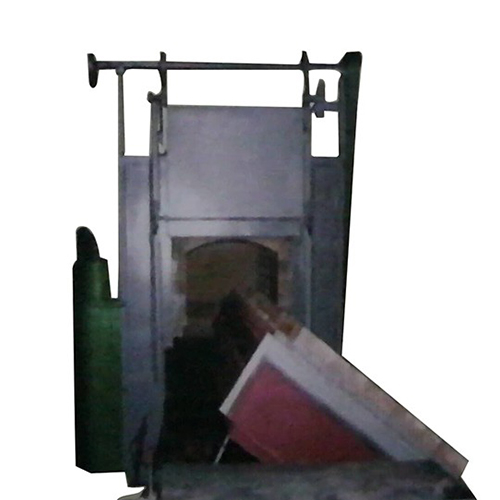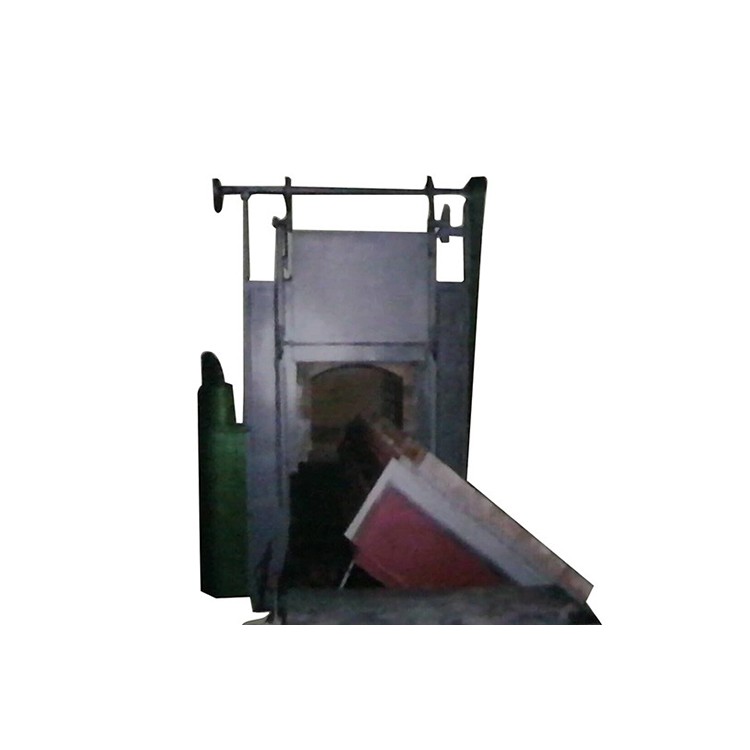

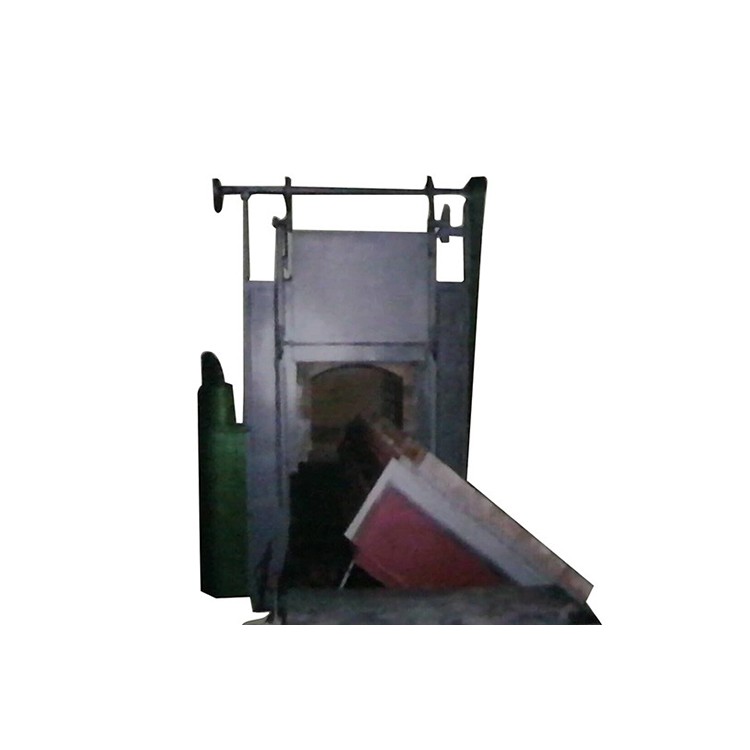
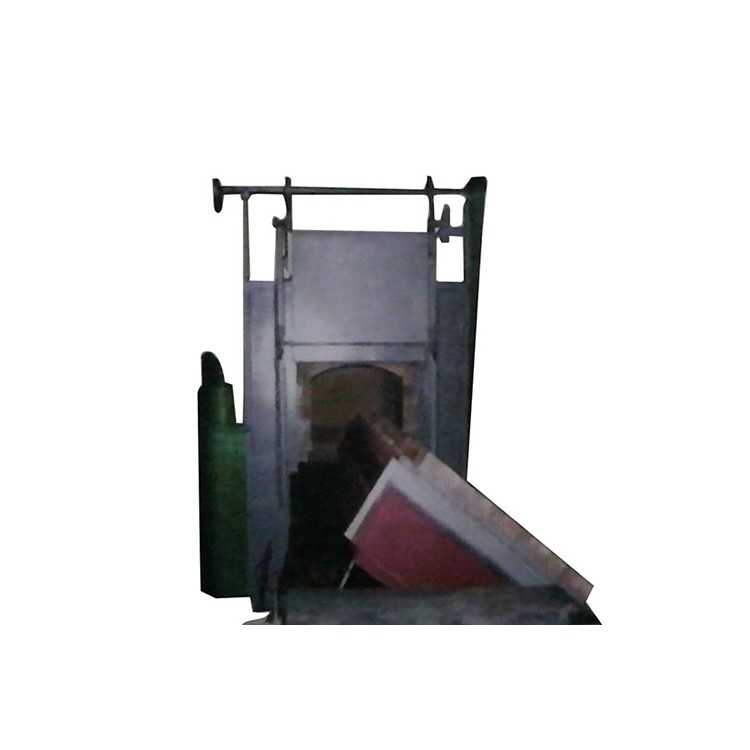
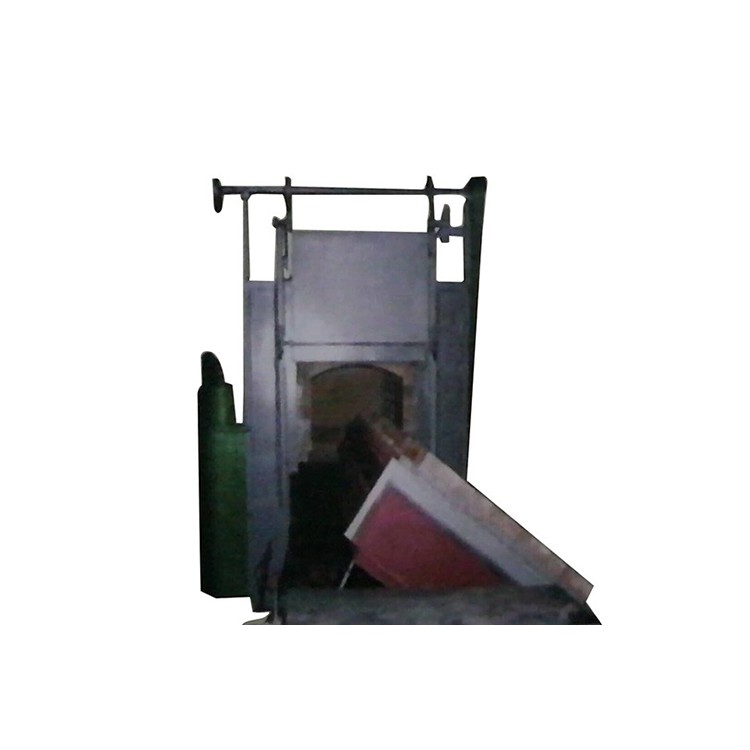











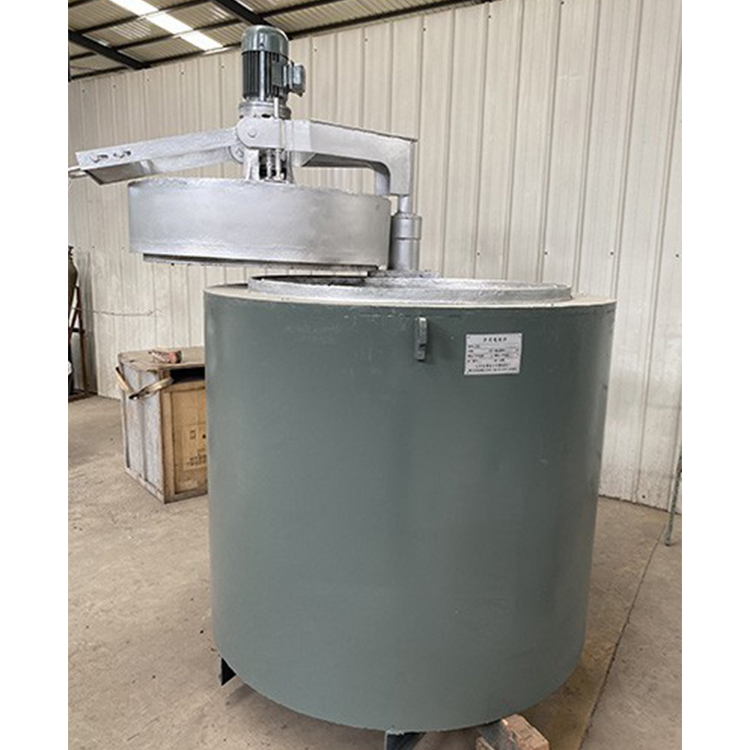
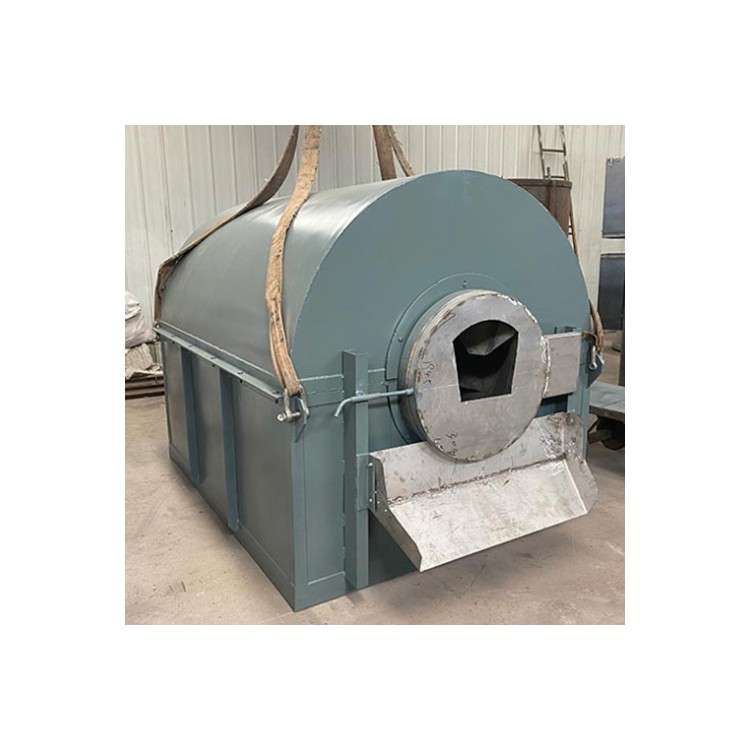
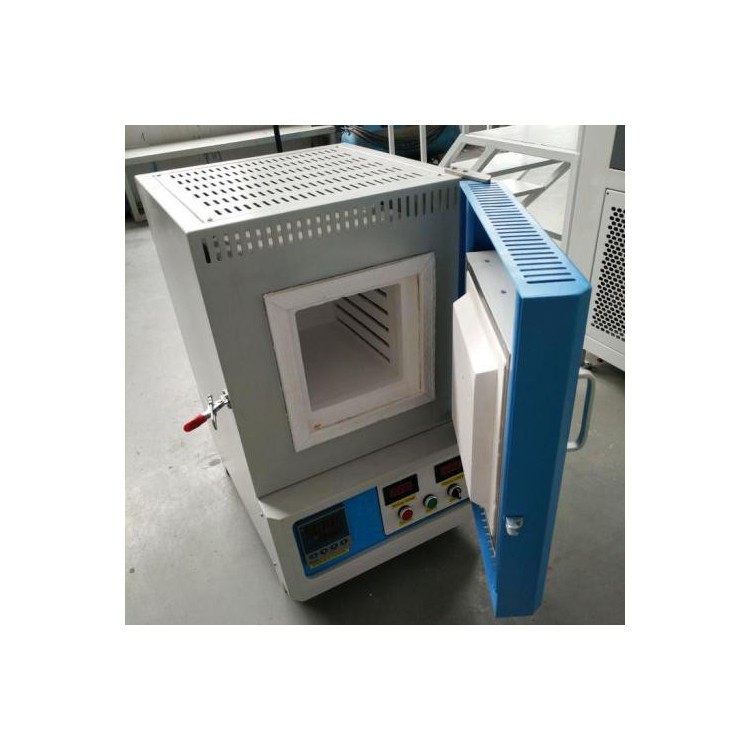
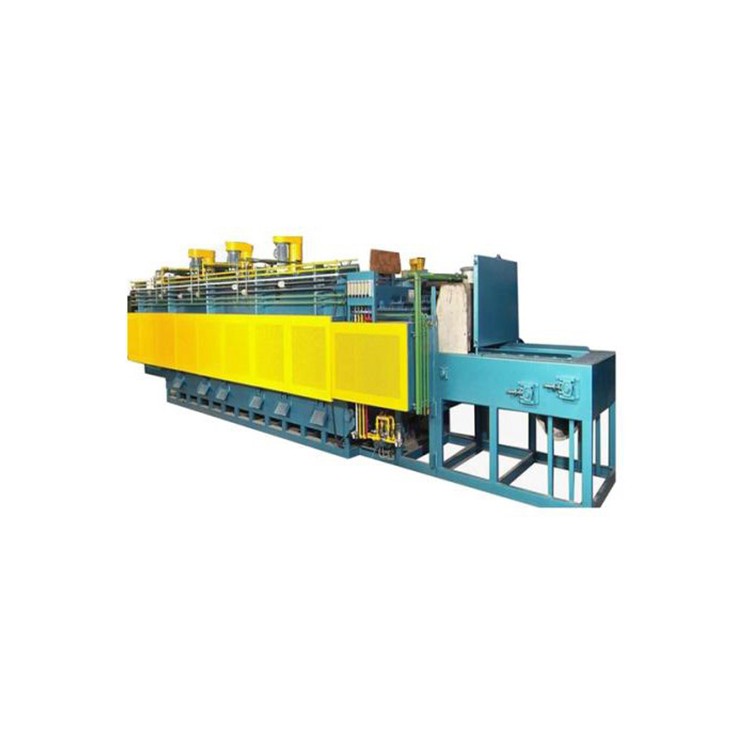
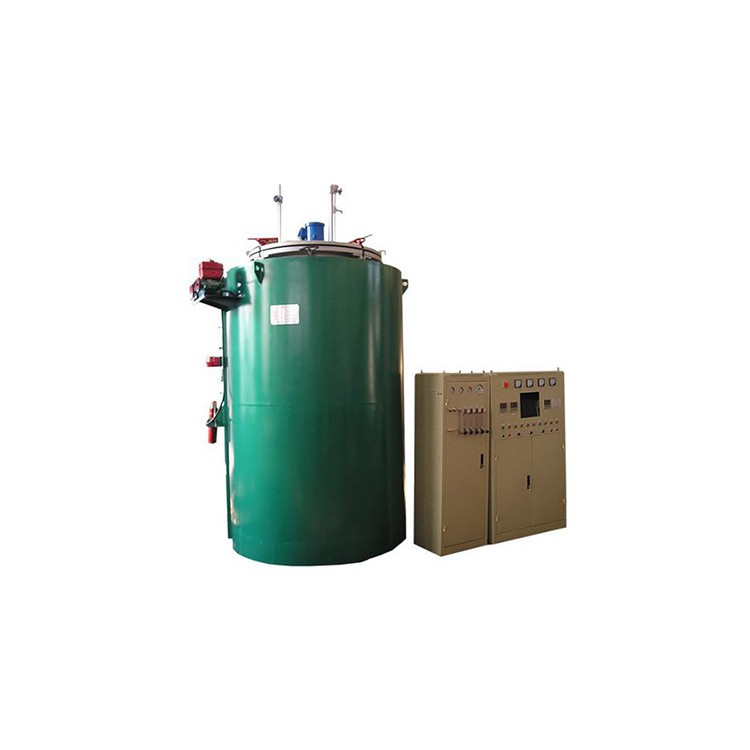
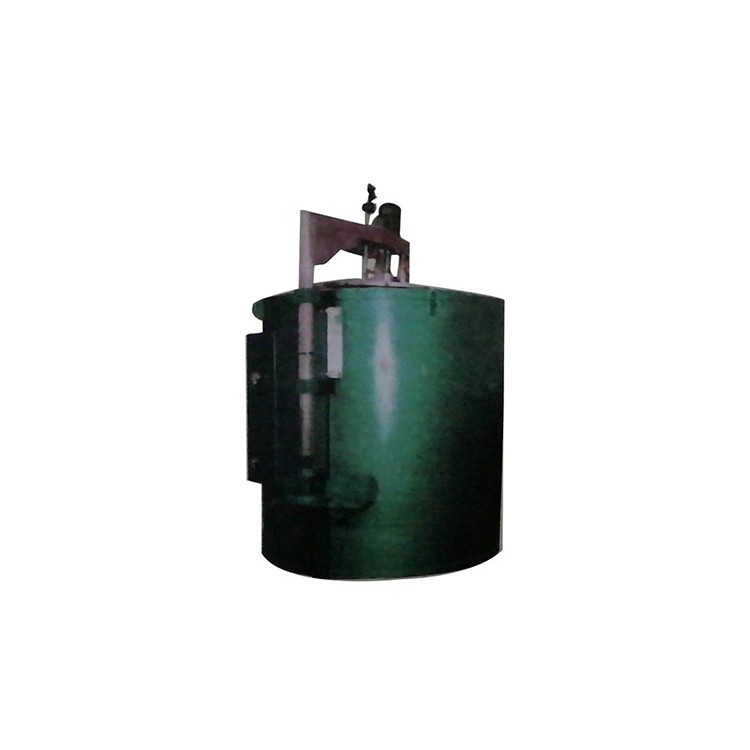
The Flipover Car Furnace is primarily used for quenching general large and medium-sized metal or alloy components at temperatures below the rated level. Its main feature is the ability to quickly flip the workpiece into the quenching tank under high temperatures. This series of products is also suitable for normalizing and annealing processes.
The advantages of the reversible trolley furnace:
1. Energy-saving and Cost Reduction in Production: Featuring a full fiber furnace structure and a hot gas combustion system, the combustion is complete and the thermal insulation is excellent, resulting in approximately 25% energy savings compared to conventional similar furnaces.
2. Even Heat Transfer and Enhanced Product Quality: The heating method features evenly distributed hot gas combustion on both sides, which avoids the common issue of low temperatures at the bottom due to dead corners, thereby affecting the casting treatment effect.
3. Easy to operate and meets the heating process requirements of the workpiece: According to the heating process, simply adjusting the blower, burner valve, and smoke damper sizes is sufficient to achieve the workpiece heating process requirements.
4. Robust furnace body, reduces maintenance: The furnace body is almost indestructible without collisions. In case of accidental damage due to unstable casting loading, simply pull out the trolley and replace the fiber; no need to shut down the furnace for repairs.
5. User-friendly, reducing labor intensity.
Carbon Adsorption Process: The method is to discontinue nitrogen flow.CH₃OHAfter inserting the gas-injected conveyor into the furnace, cut the power to stop the heating element. First, lower the quenching furnace temperature to 750°C, open the debris removal port beneath the furnace shell, allowing air into the furnace to assist in the combustion of accumulated carbon, approximately for 4 hours. If the furnace temperature during carbon removal rises above 900°C, replace the debris removal port cover to reduce air flow, protecting the furnace components from damage due to excessive heat. Once the temperature drops below 750°C, reopen the debris removal port, and repeat this process. Once there is no black carbon falling from the furnace, clean all debris inside the furnace thoroughly (including the preheating area). At this point, observe that there is no more carbon slag falling from the furnace bottom, and there is no accumulation of carbon in any part of the furnace (observed through a rearview mirror). Close the debris removal port, and the carbon removal process is complete.