









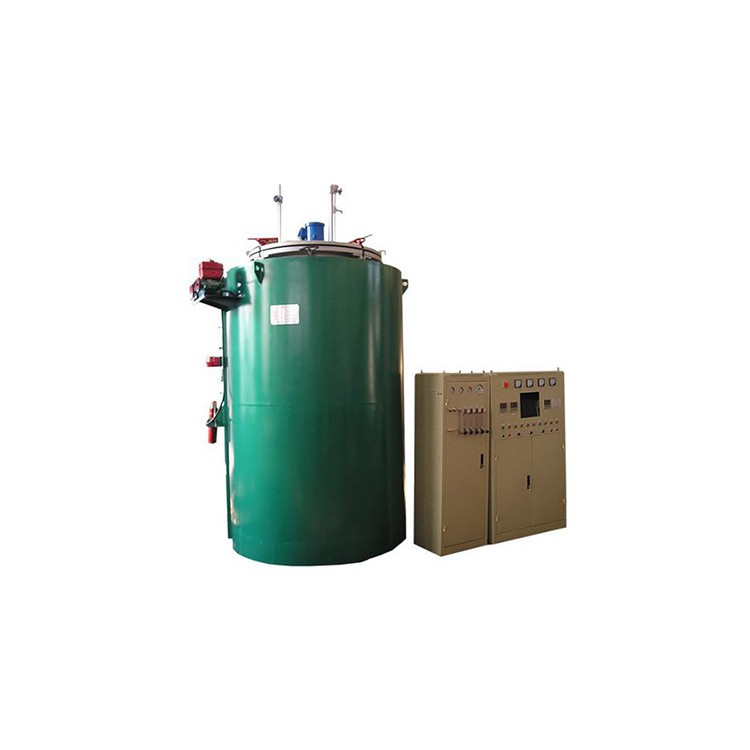
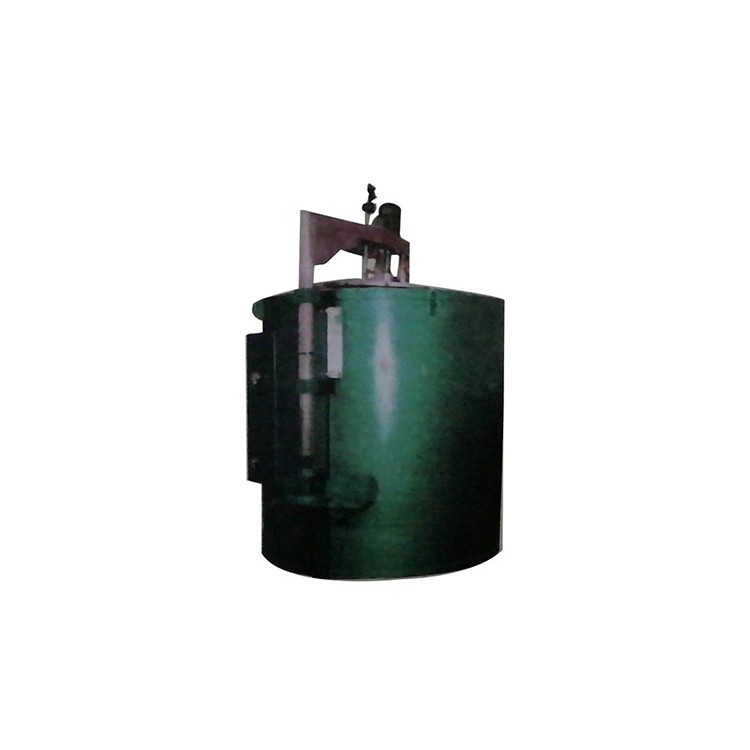
Reversible Chassis Resistance Furnace
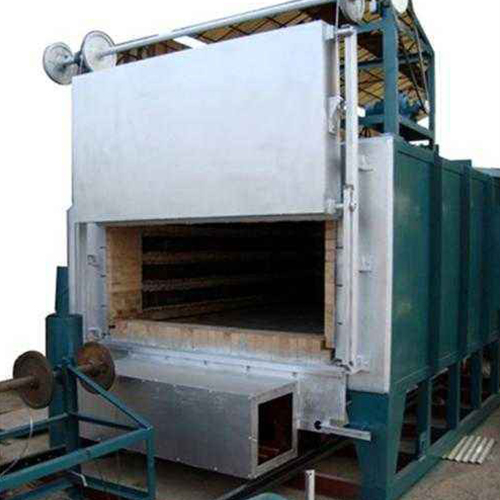
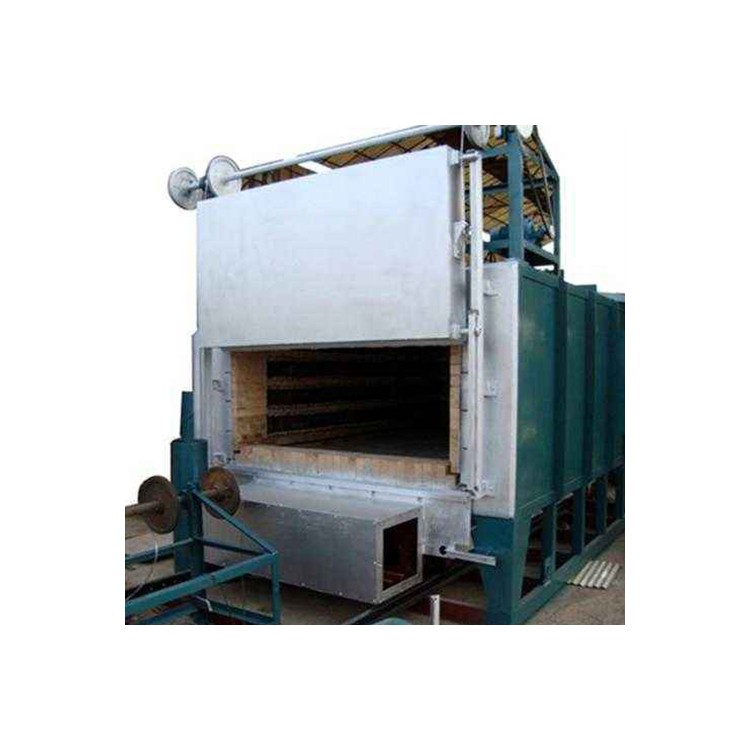
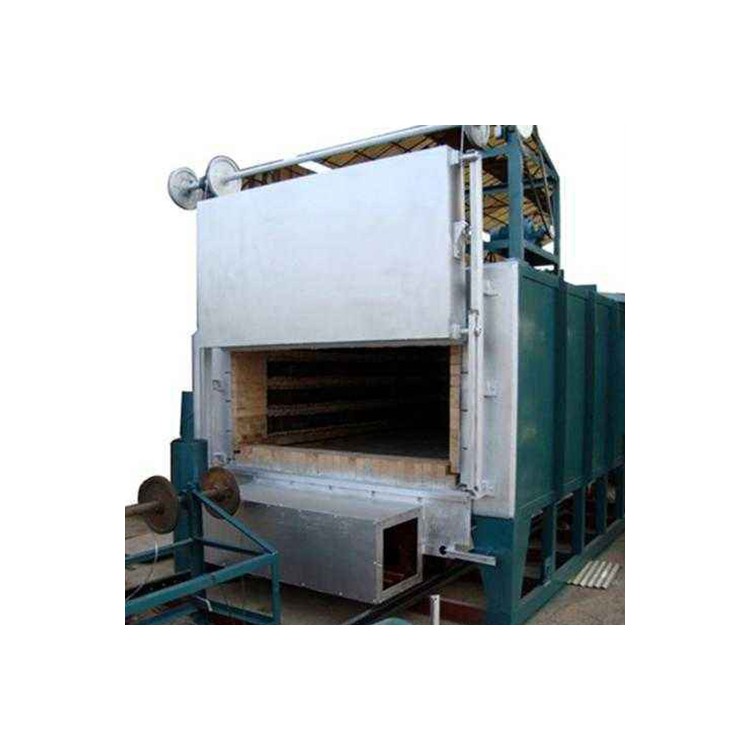
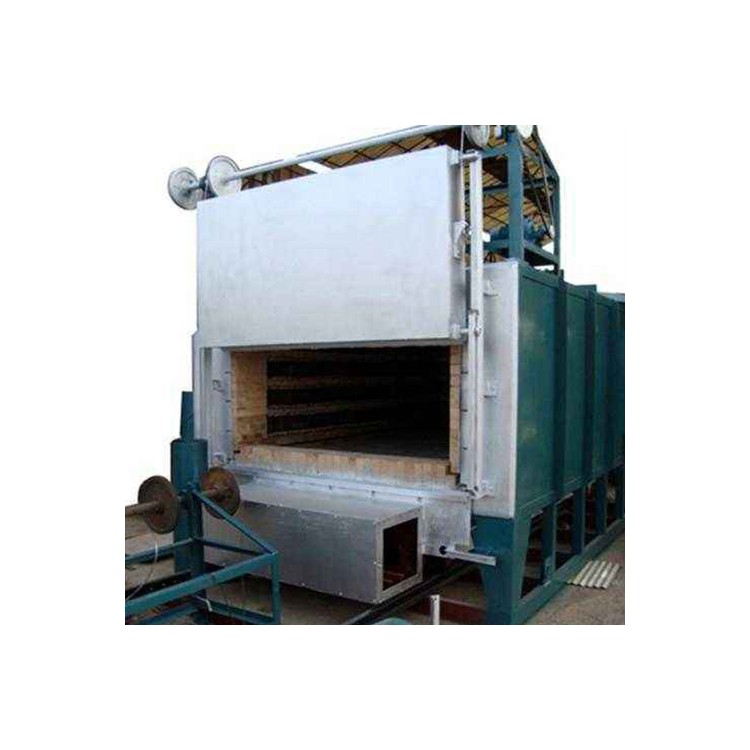
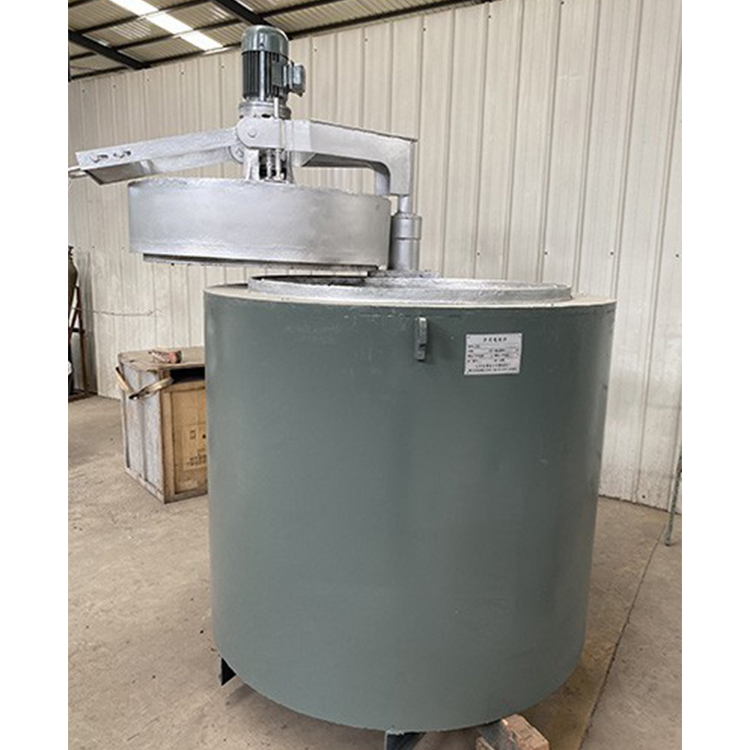
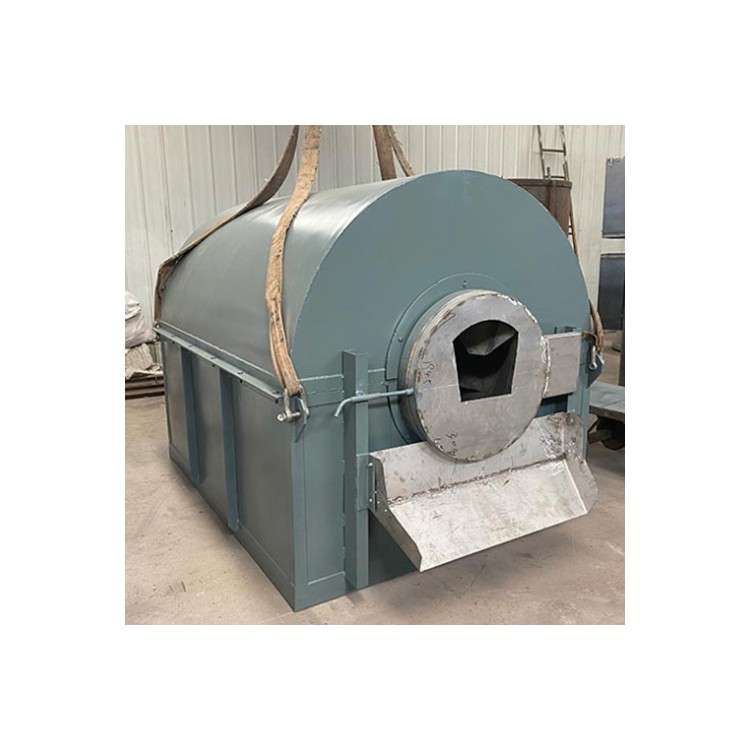
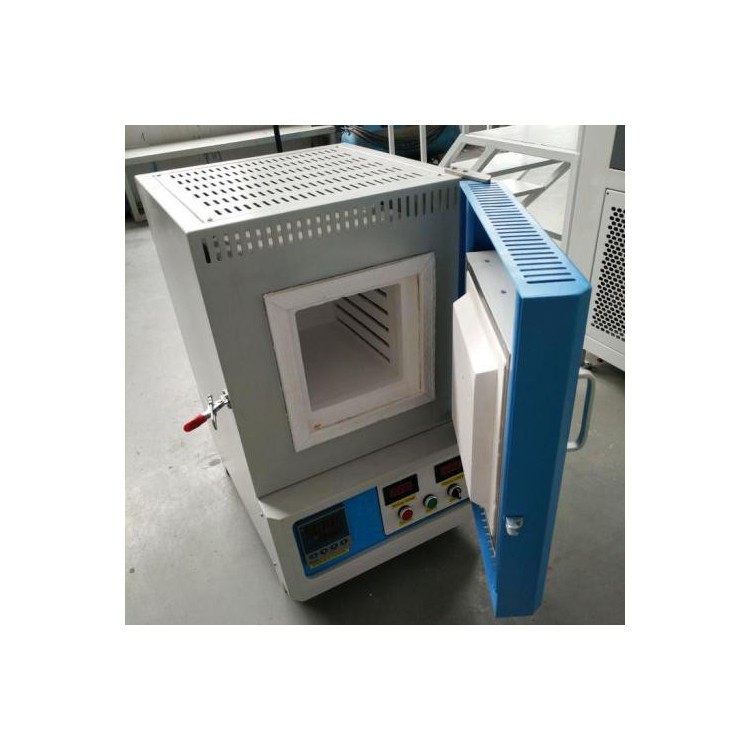
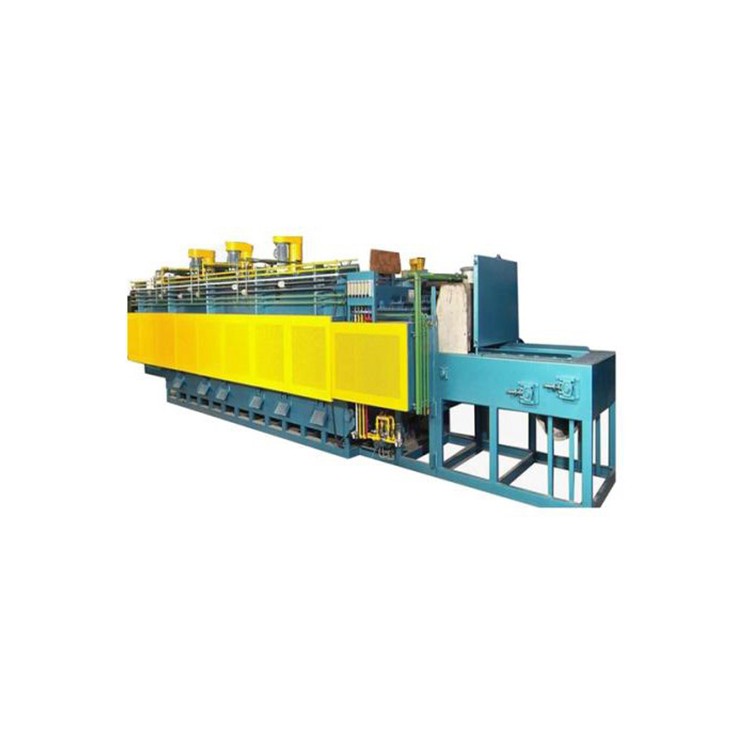
The flip-bottom carriage type resistance furnace is primarily used for quenching high manganese steel castings, stainless steel, alloy steel, and steel ball annealing.
1. Furnace Shell: The furnace body is constructed by welding extruded profiles and steel plates.
2. Lining Material: Made from high-temperature refractory fiber blanket, formed into the required specifications using special pressure equipment. This lining is gapless, achieving excellent heat retention capabilities.
3. Heating Element: Utilizes high-temperature iron-chromium-aluminum resistance heating elements, offering high thermal efficiency, strong anti-oxidation and corrosion resistance. Resistance strips are distributed on the inner walls of the furnace wall and door; resistance wires are distributed on the bottom of the furnace.
4. Furnace Bottom Plate: Cast from high-chromium and high-nickel alloy, it exhibits excellent resistance to oxidation and corrosion at high temperatures, while maintaining its original mechanical properties such as strength and hardness.
5. Furnace Door Assembly: Comprising of the furnace door, door lifting mechanism, and door clamping device, etc.
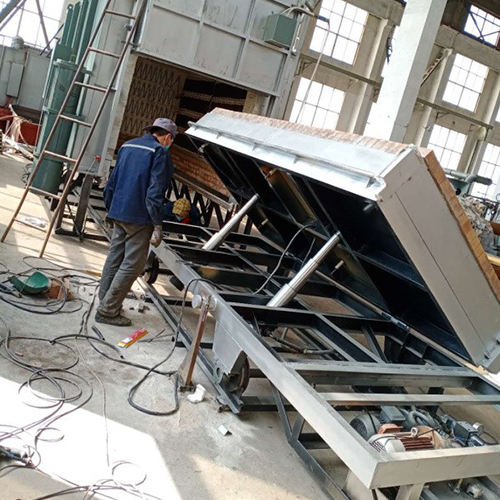
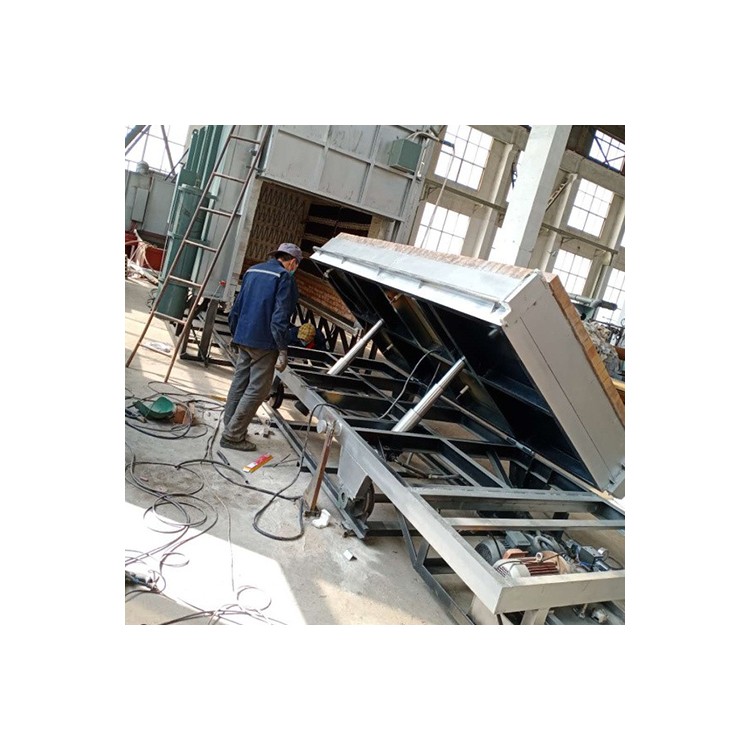
6. Trolley: The trolley steel structure does not deform under full load, internally lined with insulation bricks and refractory bricks; the trolley driving mechanism is driven by a reducer and sprocket to move on the track.
7. Inverting Mechanism: The inverting mechanism is composed of a motor, plunger pump, solenoid valve, and hydraulic cylinder, forming a hydraulic power inverting mechanism. It is controlled by an electric button on the control cabinet and equipped with anti-overturning devices to ensure safe and convenient operation.
8. Temperature Control System: With a temperature control accuracy of ±1 degree, the process curve required for the workpiece may be programmed through a PID intelligent temperature controller. The resistance furnace operates automatically according to the programmed process, significantly reducing manual labor.
The power cable connecting to the controller and electric furnace, as well as the load capacity of the switch and fuse, should be slightly greater than the rated power of the electric furnace.
Inspect the wiring and ensure correct electricity supply. First, turn off the power switch, then flip the switch on the controller panel to the 'on' position. Adjust the setting button to set the temperature to the desired level. There are also contactors, sound-absorbing materials, and electrical power involved. The ammeter indicates the heating current value. The temperature inside the furnace gradually rises, and the temperature and work proceed.
To verify if the accidentally broken protective device is functioning properly, the method is: releasing the thermocouple temperature measurement command quickly raises the temperature to a high point, which automatically cuts off the heating power supply. The accidentally broken device is fine; after resetting, it can work properly with the thermocouple.