












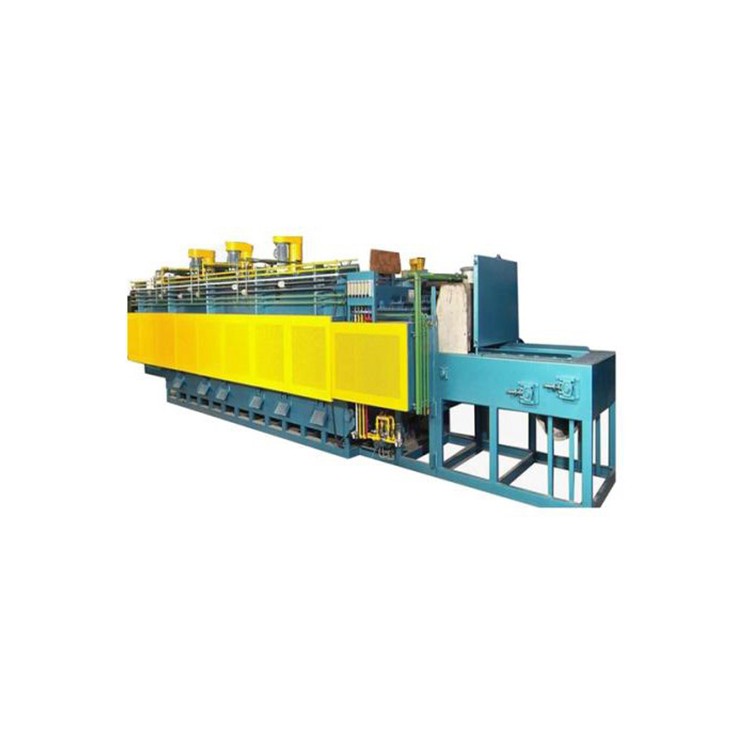
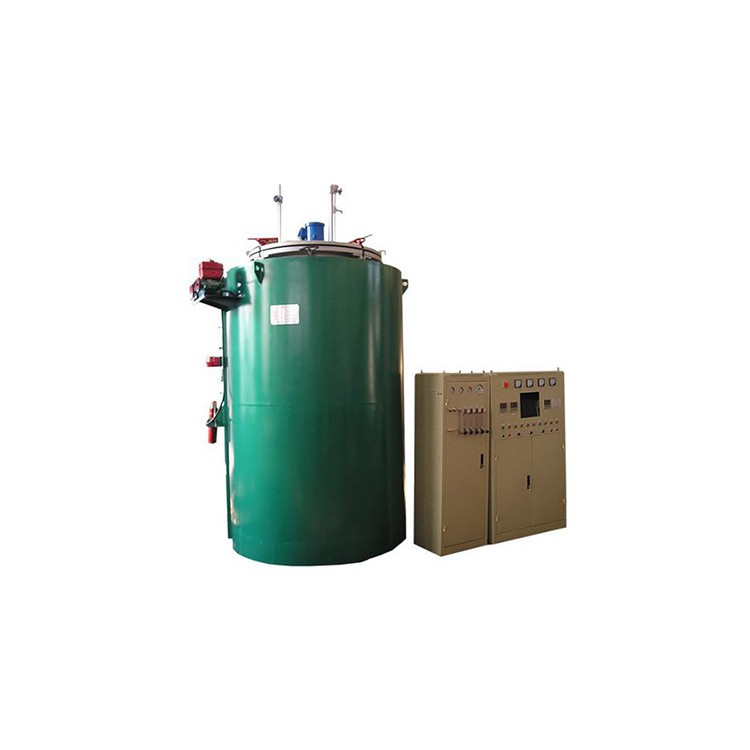
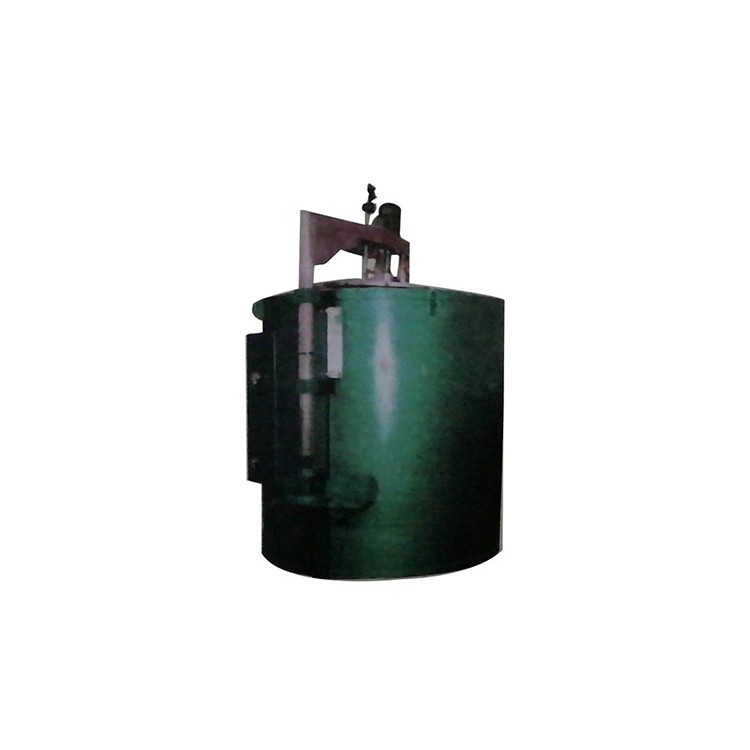
Salt Bath Furnace
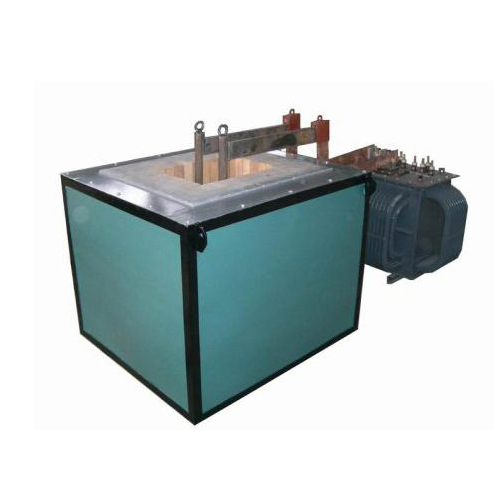
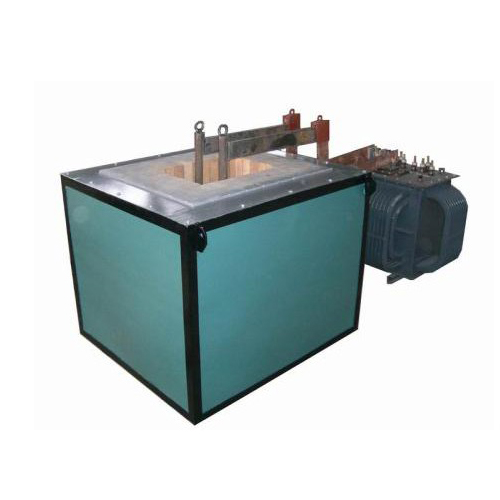
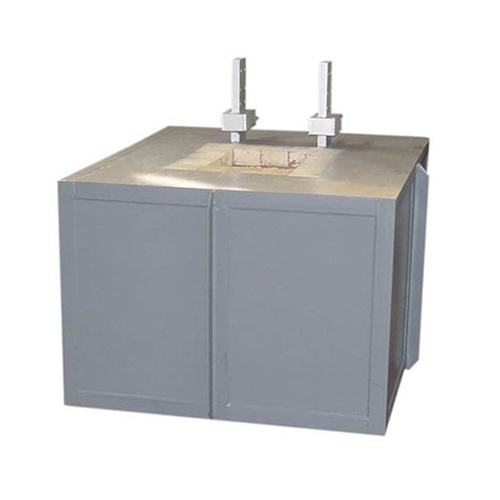
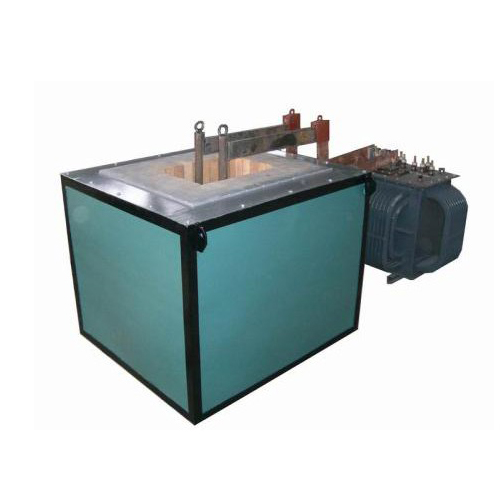
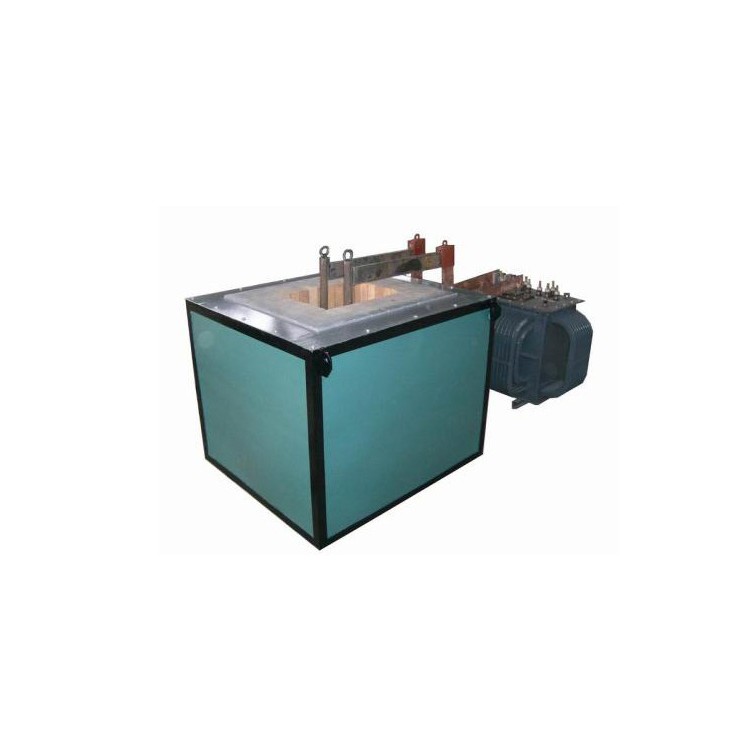
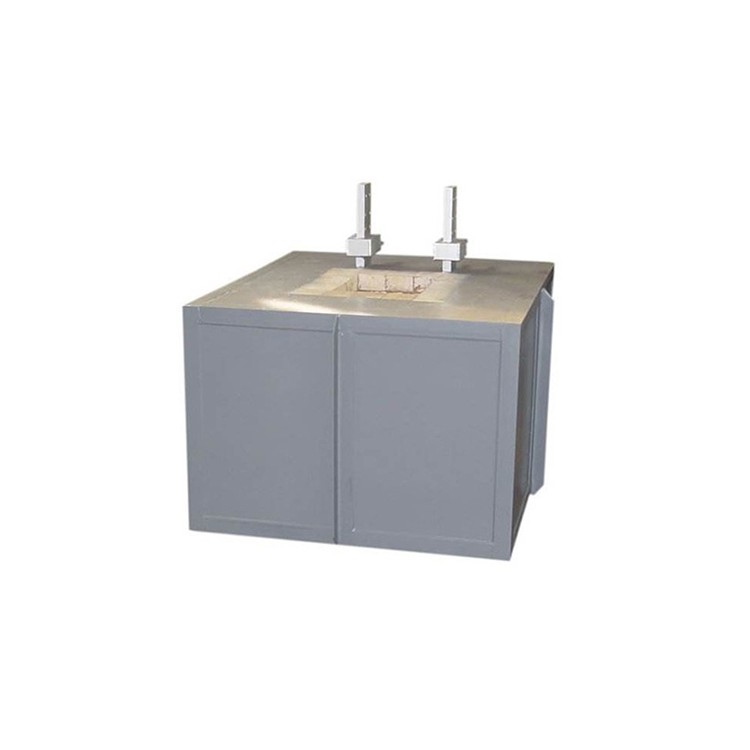
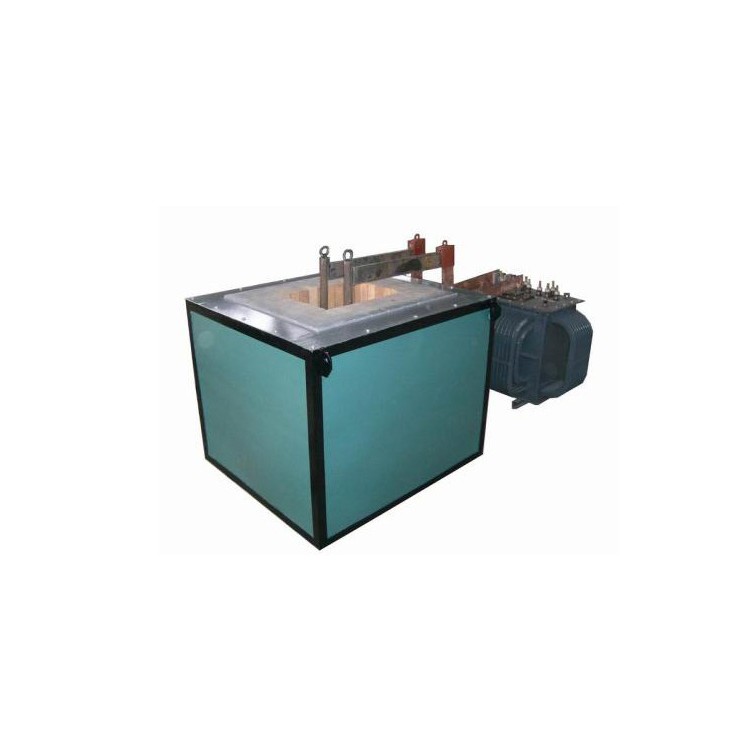
Electrode Salt Bath Furnace: Utilizes metal electrodes to introduce low-voltage, high-current AC into the furnace, where the current passes through the salt solution to generate heat. The salt solution acts both as the heating element and the medium for heating the workpiece. The temperature of the salt solution varies depending on its composition, typically ranging from 150 to 1300°C. The magnetic field facilitates the circulation and movement of the salt solution, ensuring uniform temperature and enhancing the heating speed of the workpiece. The electrode salt bath furnace consists of electrodes, refractory lining, sealed metal tank, insulation layer, and furnace shell, powered by a special transformer. Since solid salt is non-conductive, power is first supplied to the starting electrode to melt a portion of the salt using the resistive heating of the starting electrode, and then the main electrode is connected to allow the current to pass through the molten salt for heating. The main electrode comes in two structural forms: insert type and embedded type.
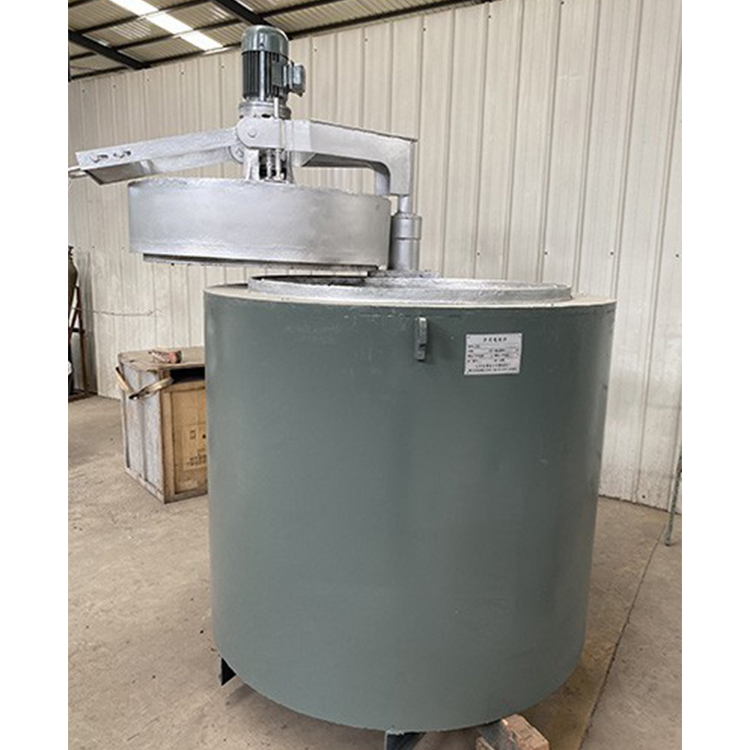
Electric heating element salt bath furnace: It consists of tubular electric heating elements, metal tank, stirrer, insulating layer, and furnace shell. Once powered on, the heating elements generate heat to melt the salt. This furnace commonly uses nitrate salt, hence also known as a nitrate salt furnace. The working temperature of nitrate salt does not exceed 550°C. Exceeding this limit accelerates the decomposition of nitrate salt, leading to accidents, so an over-temperature alarm device is required. If nitrate salt is replaced with caustic soda or caustic potash, it becomes an alkali bath furnace, suitable for the bright quenching of steel.
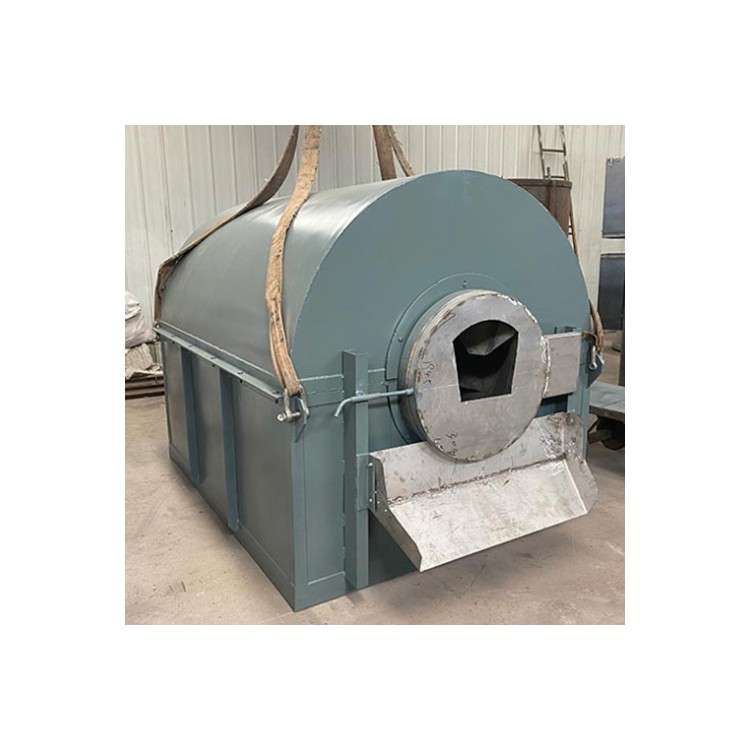
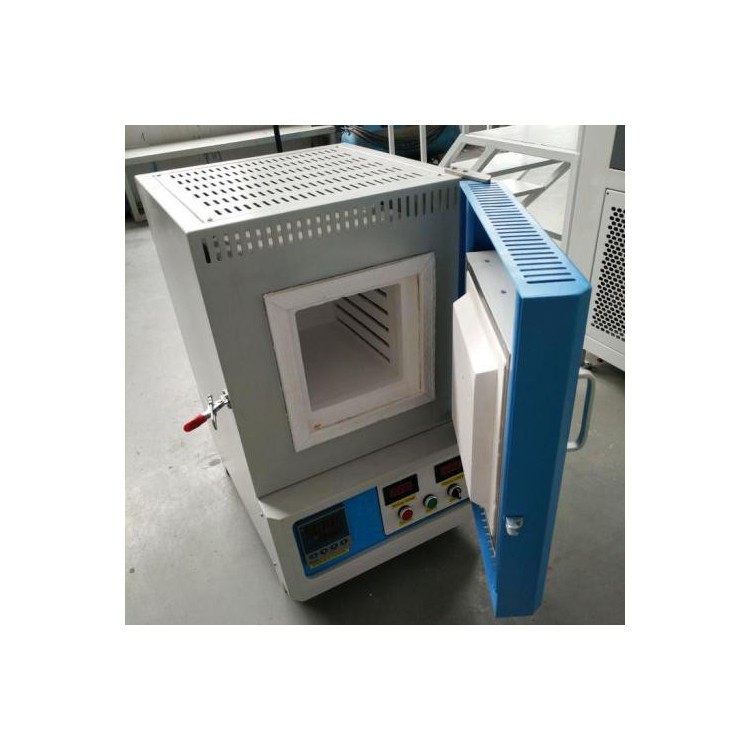
A furnace that uses molten salt as the heating medium, in which workpieces are immersed to be heated. Salt bath furnace refers to an industrial furnace that uses molten salt as the heating medium to immerse and heat workpieces (capable of heating through metal electrodes in the salt bath). Depending on the working temperature of the furnace, sodium chloride, potassium chloride, barium chloride, andNaCNPotassium cyanide, sodium nitrate, potassium nitrate, and other salts are used as heating media. The salt bath furnace offers fast heating and uniform temperature.
The workpiece is continuously heated in a salt bath, and upon exiting the furnace, it has a layer of salt film on its surface, thus preventing oxidation and decarburization. Salt bath furnaces are used for heat treatment processes such as quenching, annealing, tempering, cyaniding, and aging for carbon steel, alloy steel, tool steel, die steel, and aluminum alloys, as well as for low-oxygen heating during precise forging of steel. The steam from the heating medium in salt bath furnaces is harmful to humans, and proper ventilation is mandatory when in use. Salt bath furnaces are divided into two main categories: internal heat and external heat. Internal heat salt bath furnaces are further categorized into electrode salt bath furnaces and electric heating element salt bath furnaces.