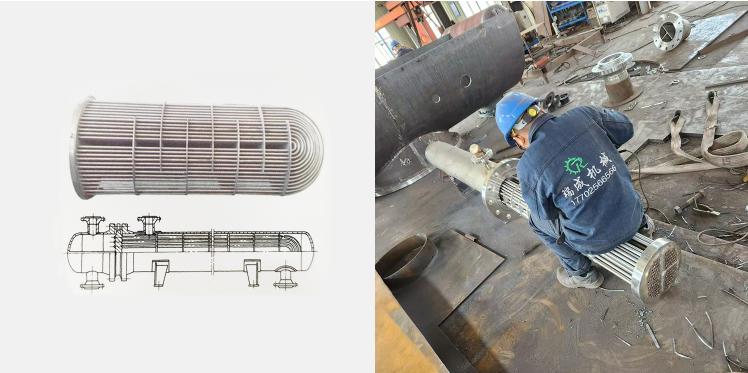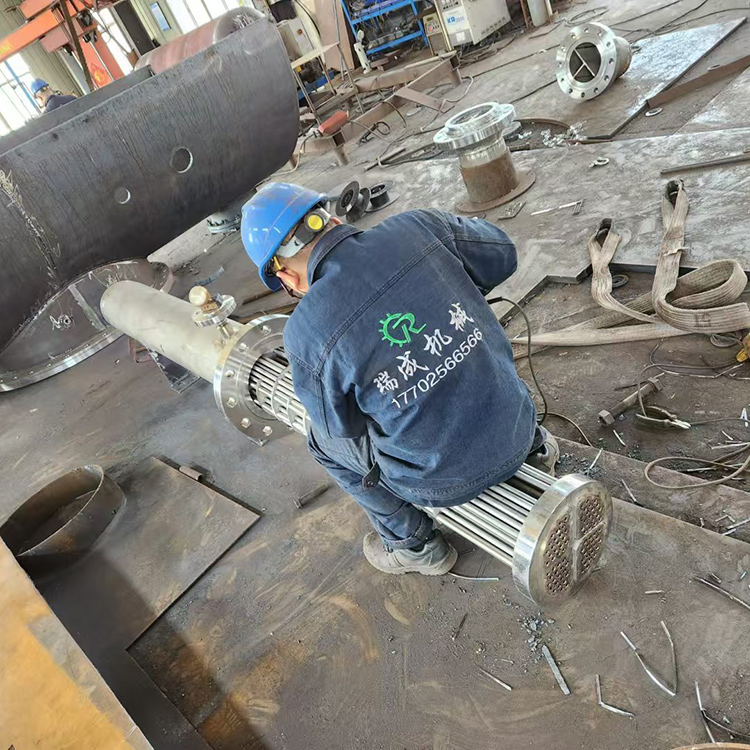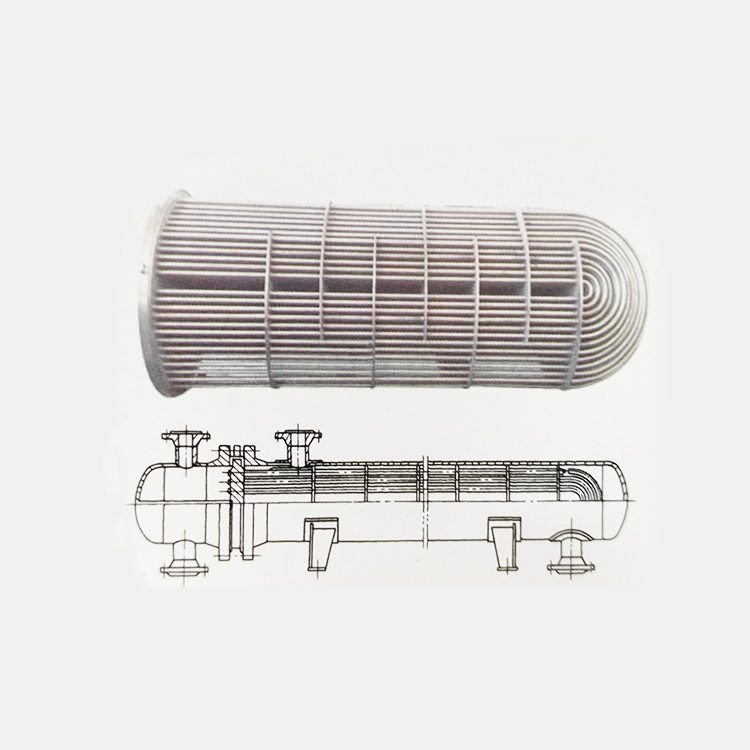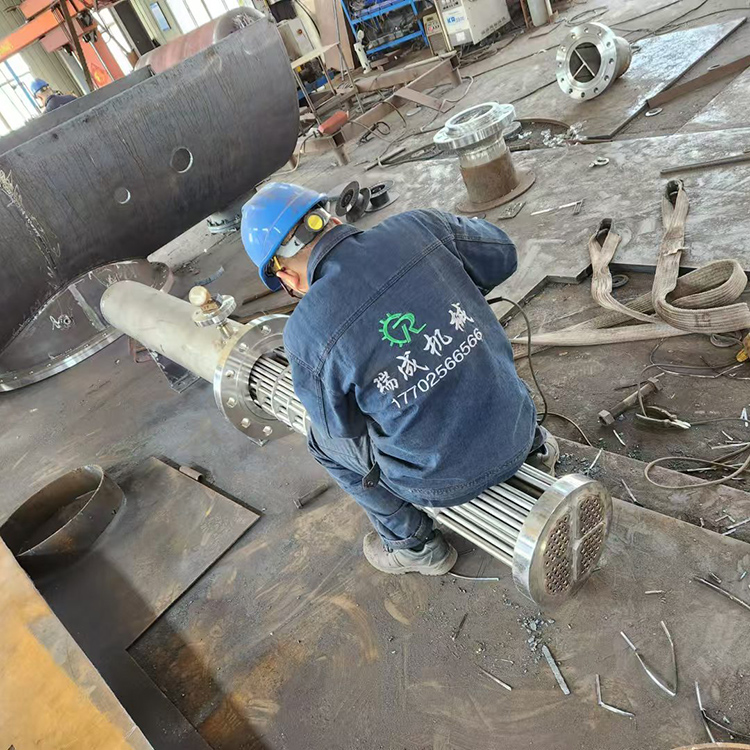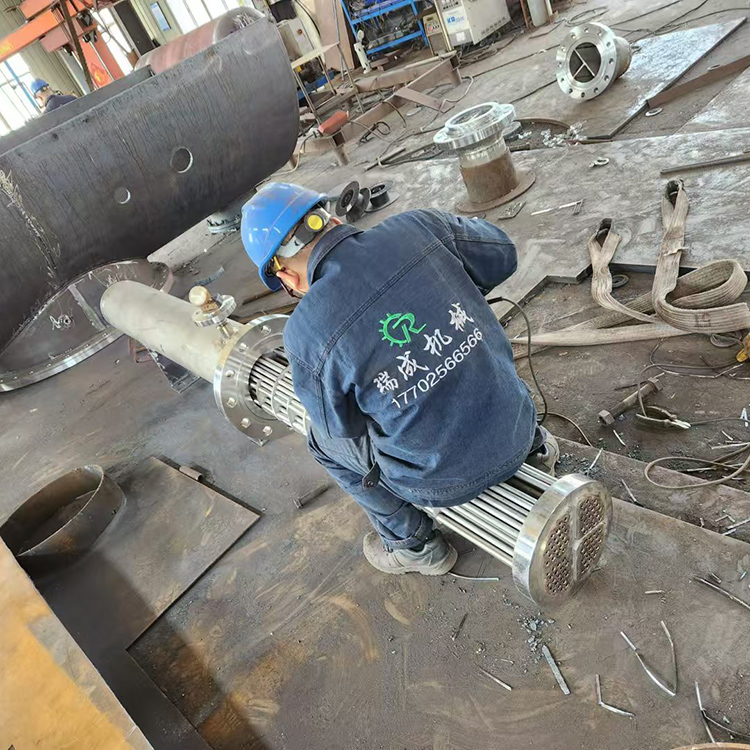


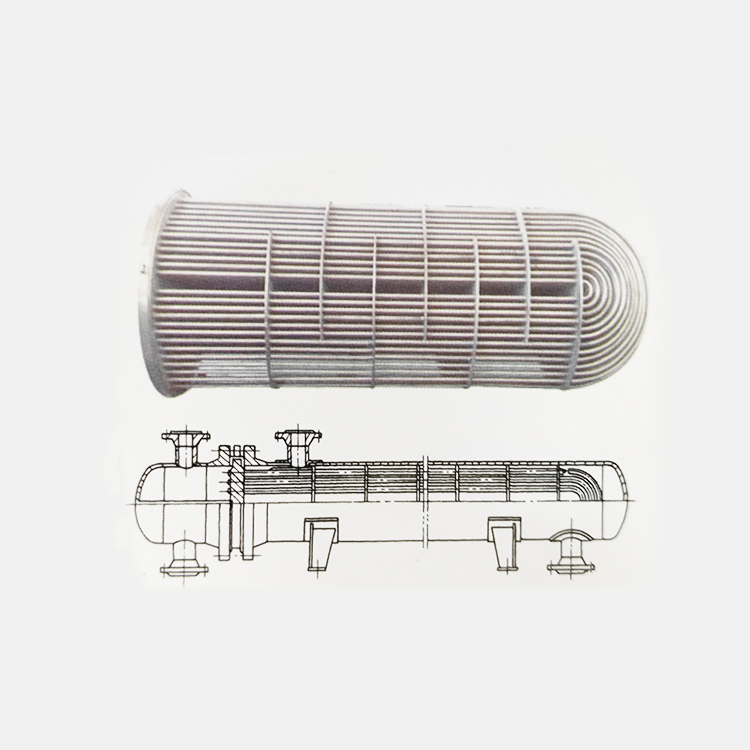
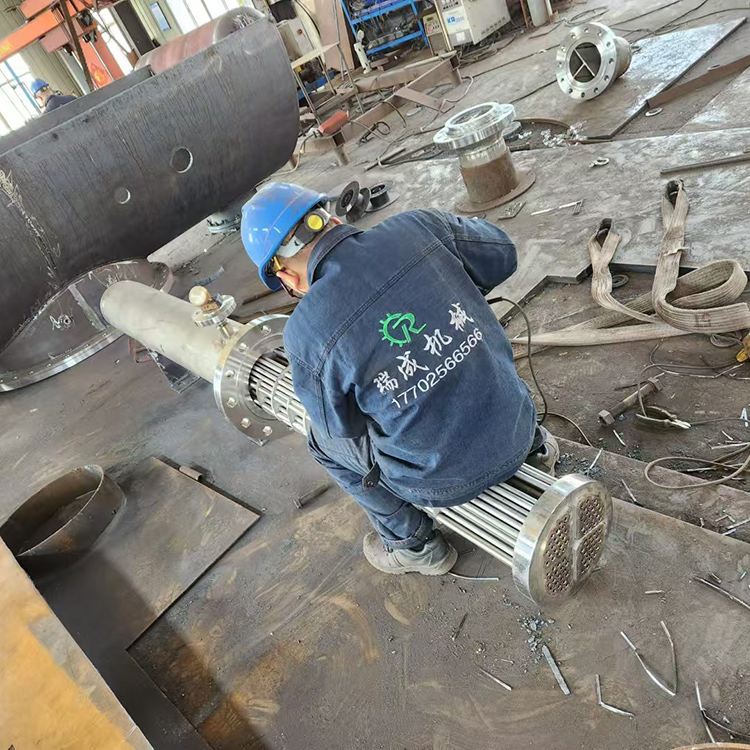











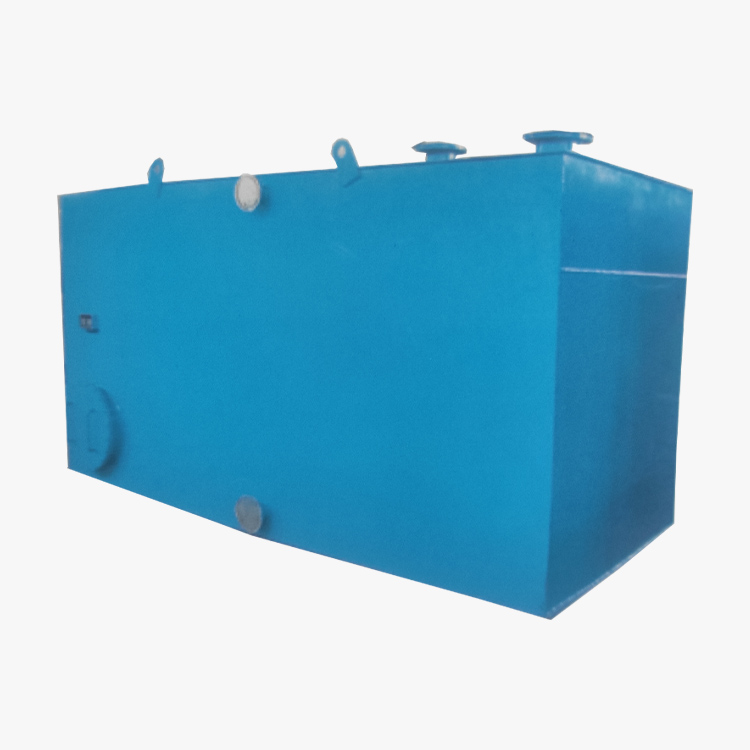
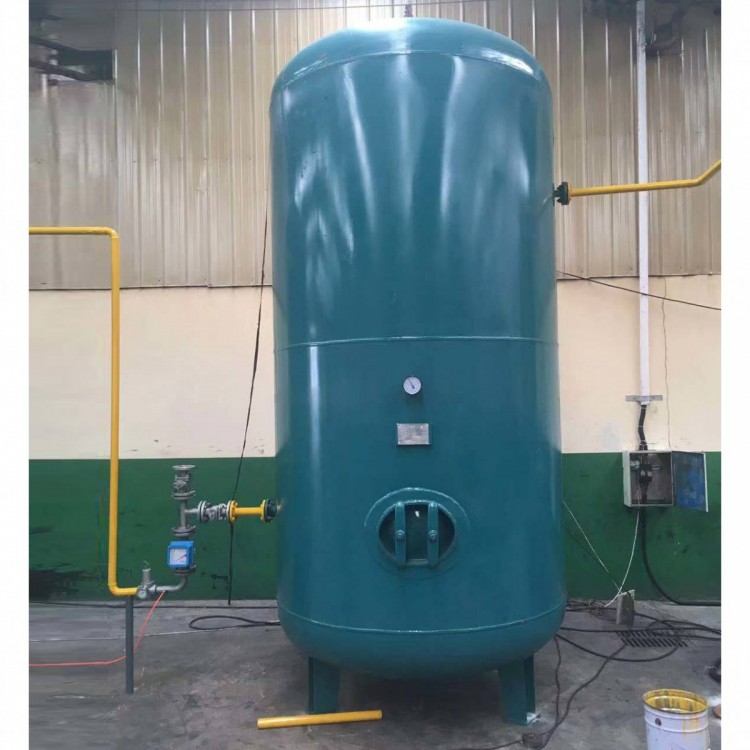
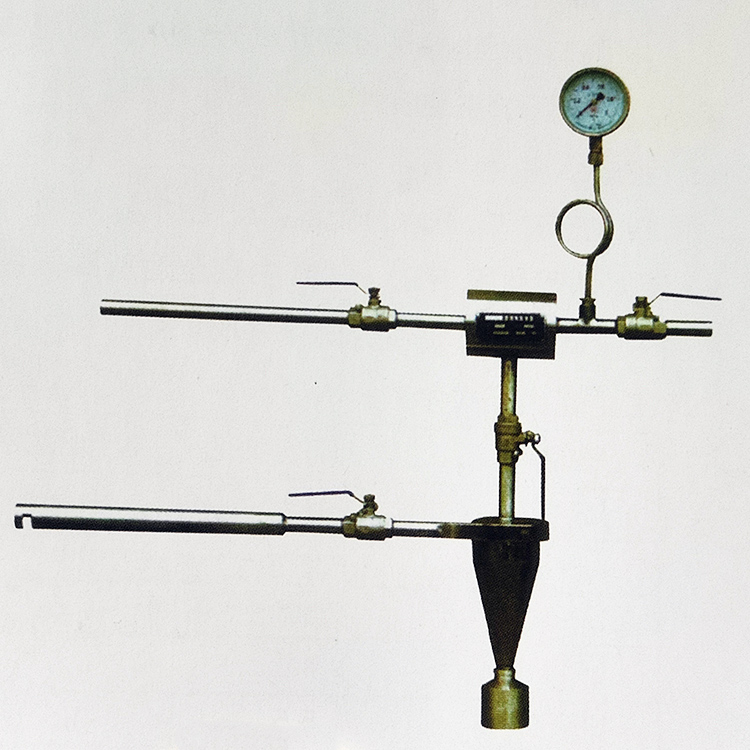
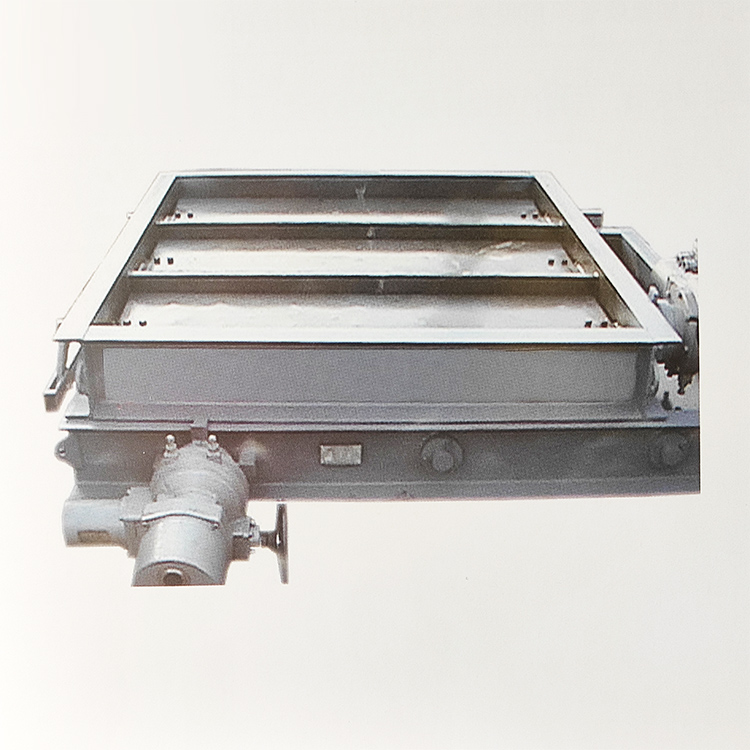
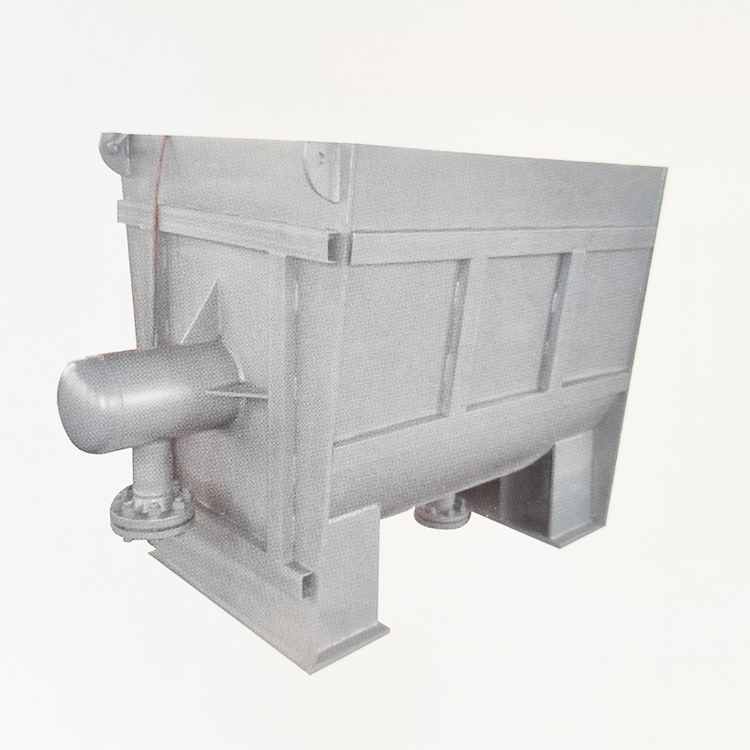
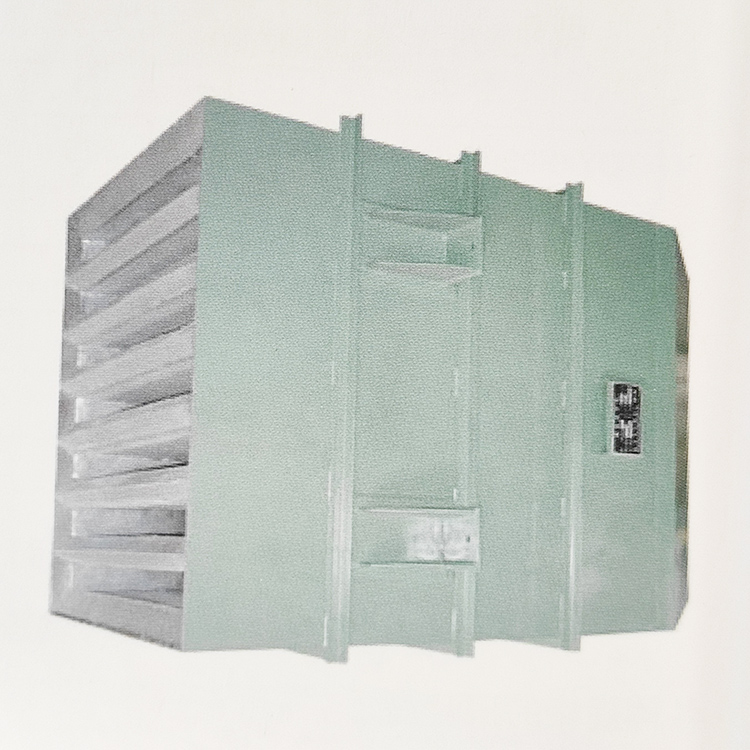
U-shaped tube heat exchangers are structurally simple, cost-effective, and have high pressure-bearing capacity. They are suitable for applications with significant temperature differences between the tube and shell walls, or where the shell-side medium is prone to scaling and requires cleaning, and where floating head or fixed tube plate designs are not suitable. Particularly well-suited for high-temperature, high-pressure, and highly corrosive materials that flow inside the tubes and are less prone to scaling.
I. Overview
U-tube heat exchangers feature a single tube plate with at least two passes, allowing the tube bundle to be removed for cleaning, and the tubes to expand freely. Drawbacks include the difficulty in cleaning the tube inner walls, replacing the tubes, and a limited number of tubes arranged on the tube plate.
Section II: Features
The U-tube heat exchanger features a compact structure and small size, saving about half the land area and building height compared to a typical shell-and-tube heat exchanger, with the height potentially reduced by 30~40%. It also saves on construction investment, facilitates design and layout, and is convenient for operation and maintenance.
Excellent heat exchange performance, low outlet temperature of heat medium, high thermal energy utilization rate, and good energy-saving effect. High heat transfer coefficient, saving heat exchange area; the heat transfer coefficient K value of the steam-water heat exchanger is about twice that of the actual heat transfer coefficient of the plate-type steam-water heat exchanger, with the heat exchange area reduced by 40-60%.
Excellent hydraulic properties with low flow resistance for heat transfer medium and heated water, resulting in excellent energy-saving effects. The condensate temperature from the U-tube water-to-steam heat exchanger is below 65°C-80°C, with no steam loss, a simple pipeline system, and minimal heat dissipation loss.
The U-tube heat exchanger has a larger spacing between tubes compared to a typical shell-and-tube heat exchanger. Each heat exchange unit is smaller in size and weight, making it easier for maintenance and cleaning.