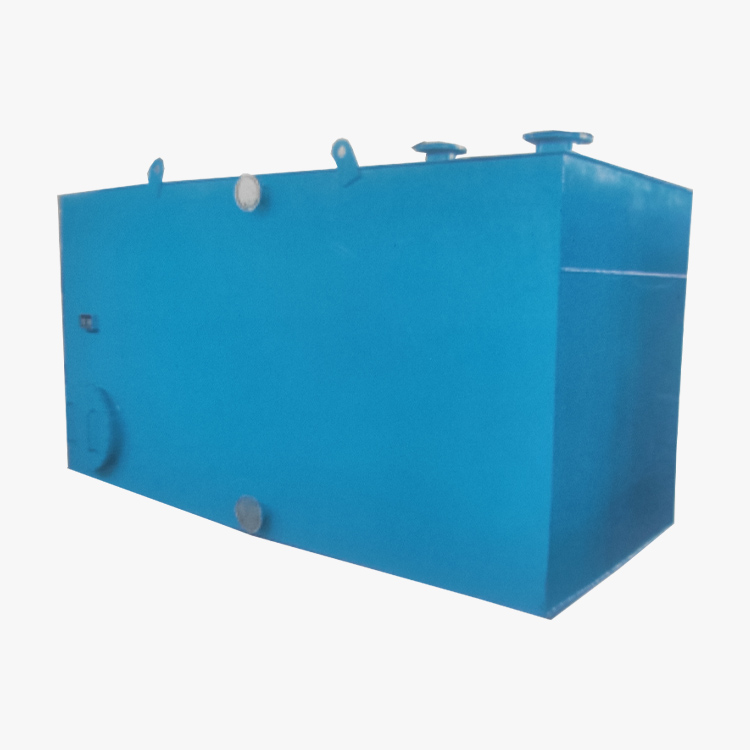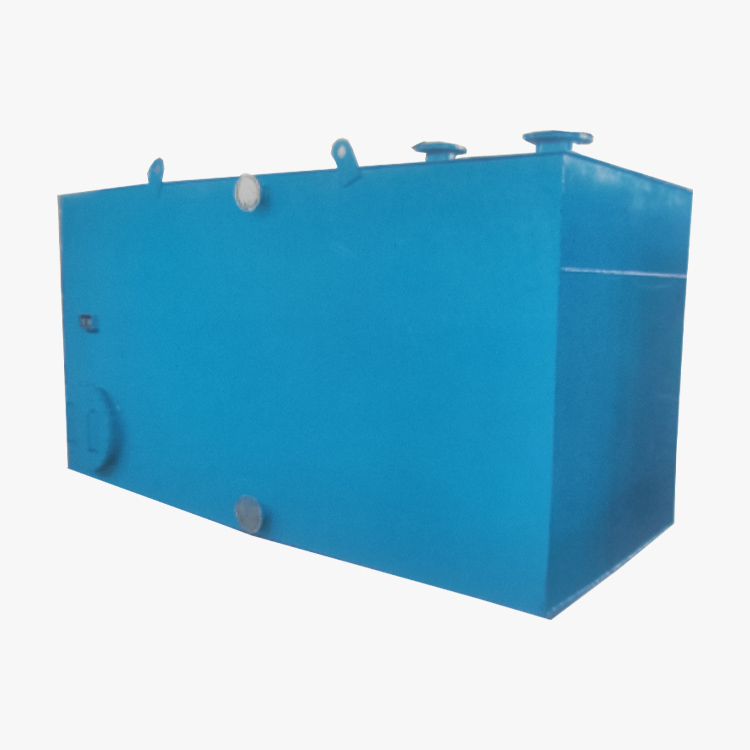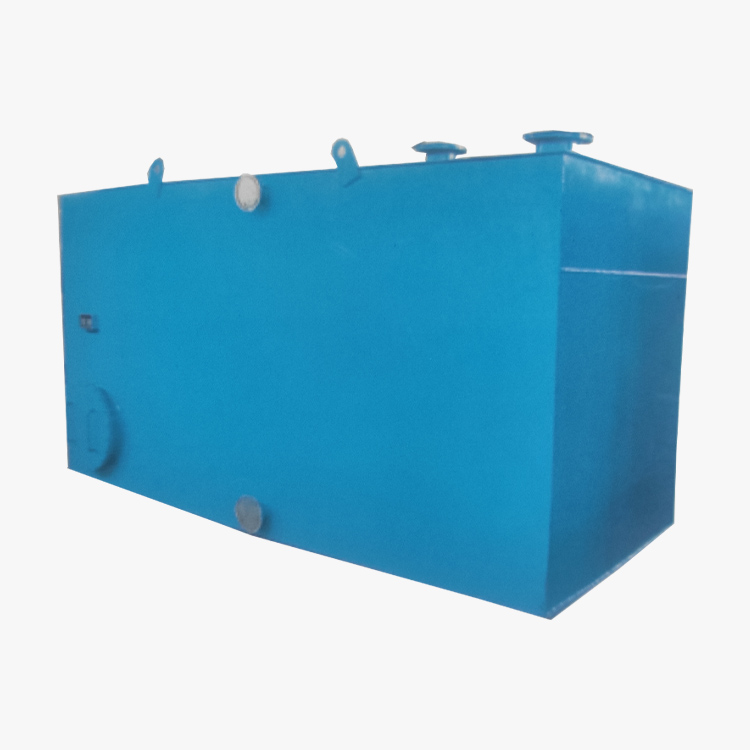

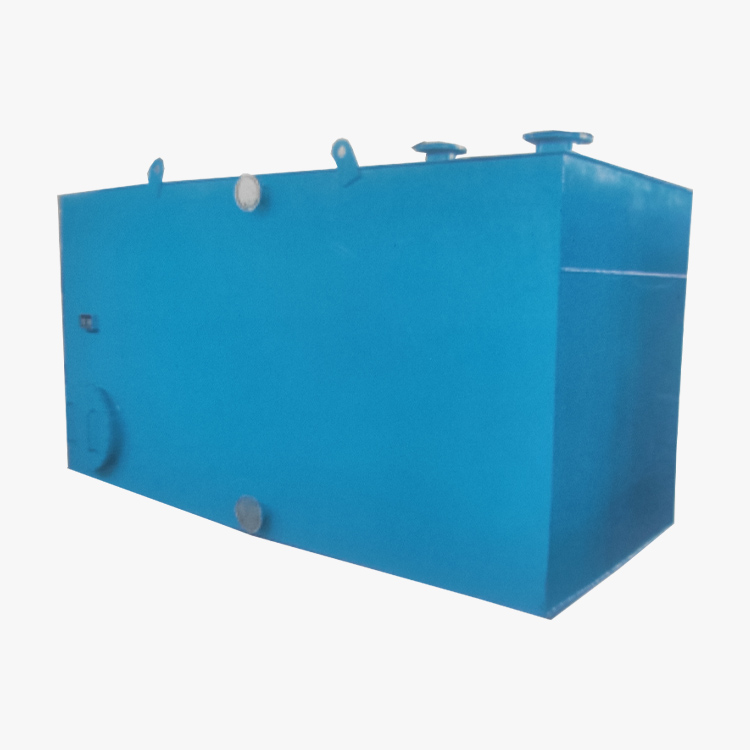
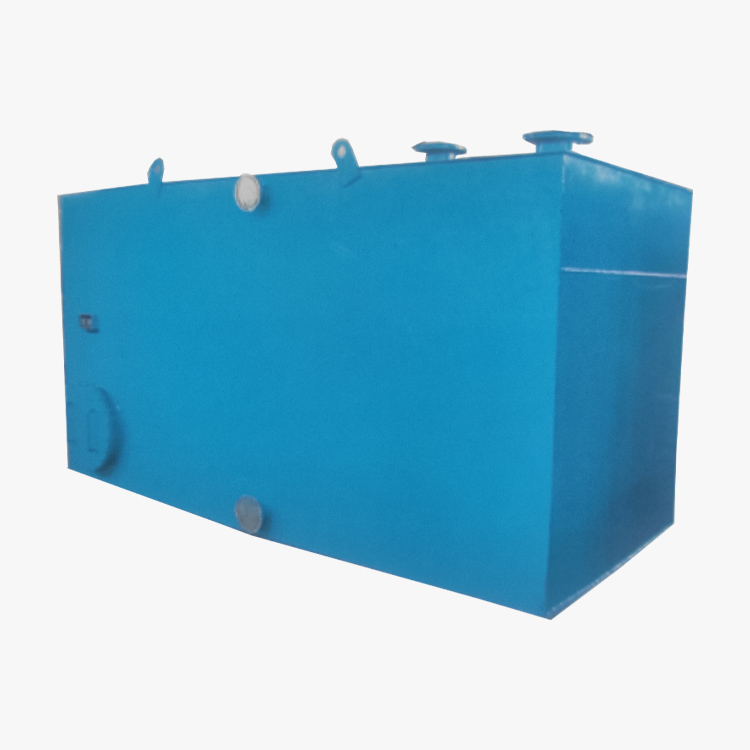











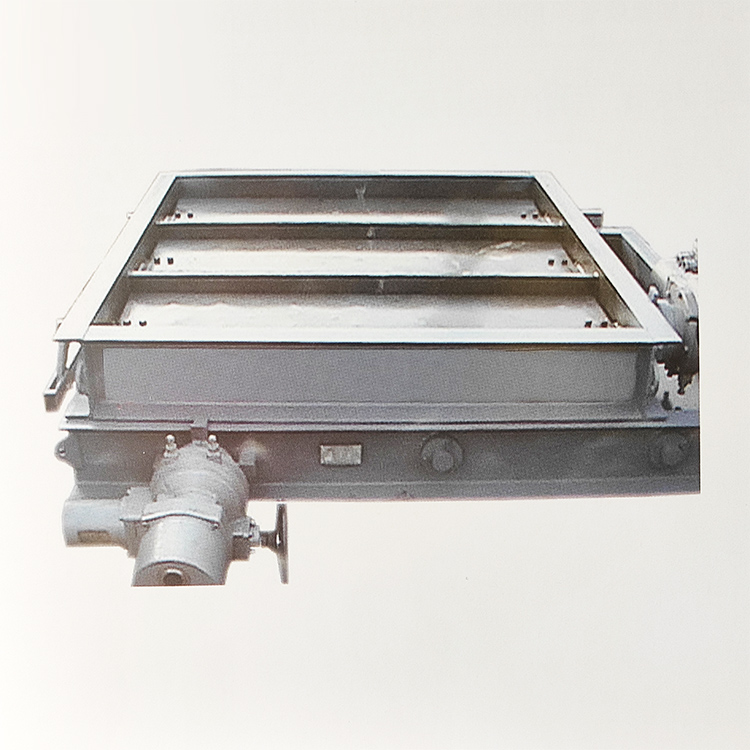
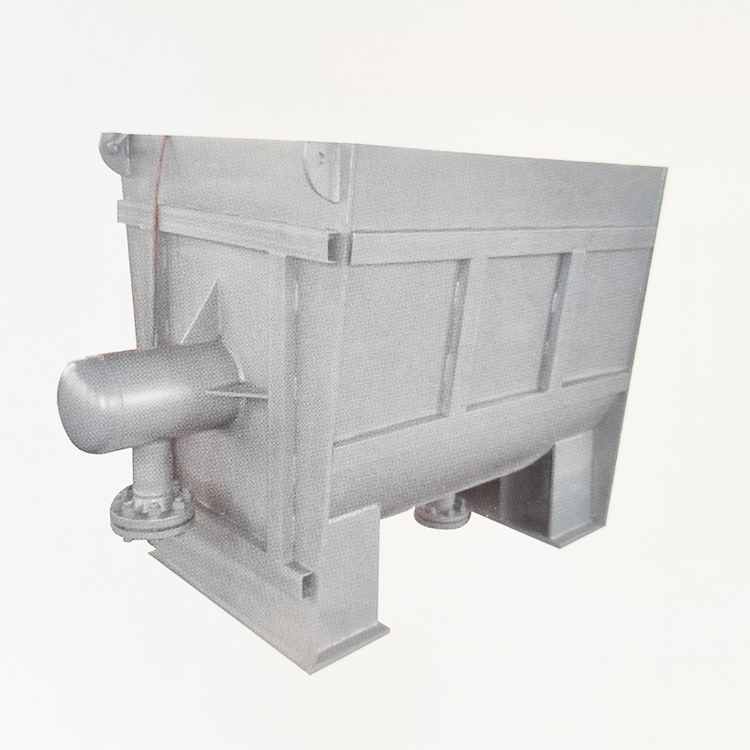
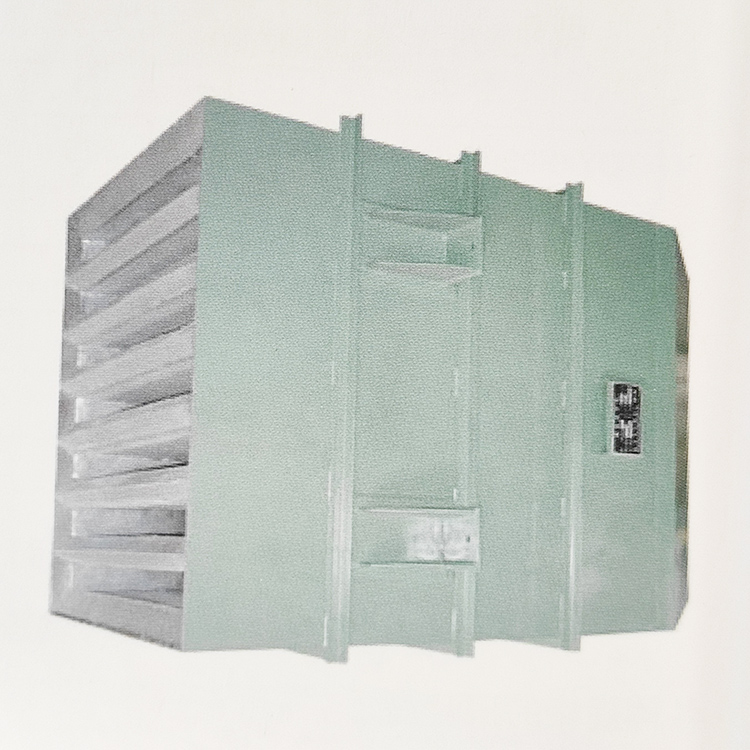
The drain tank is used to store condensate, such as that formed by low-pressure heaters and other steam equipment during operation. Generally, although there is a possibility of contamination, it is still relatively pure. Considering both economic and energy-saving aspects, it holds good value for utilization.
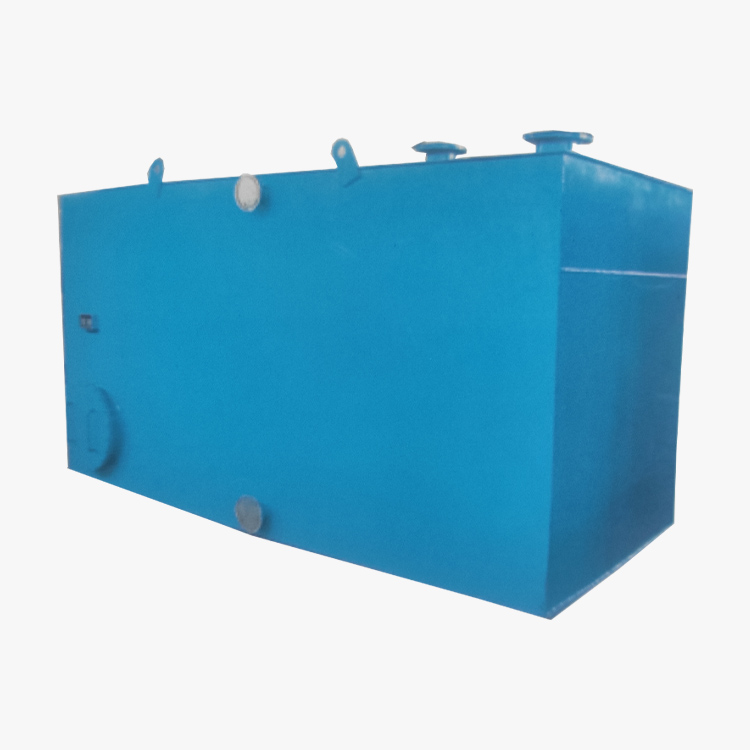
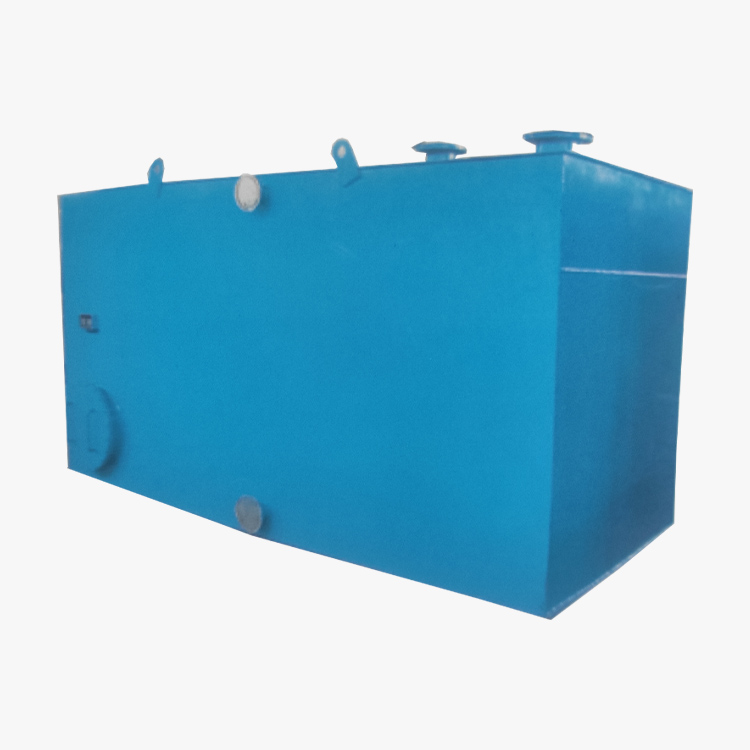
The drain tank is designed for storing condensate, such as that produced by low-pressure heaters and other steam equipment during operation. Generally, although there is a possibility of contamination, it remains relatively pure. Considering both economic and energy-saving aspects, it holds great value for reuse. Therefore, the drain tank serves as a storage device for storing this condensate for future reuse. The structural forms include circular and square, with product series ranging from 10m³ to 50m³. The company can also design and manufacture according to customer requirements.
Section 2: Pressure Equalization Box
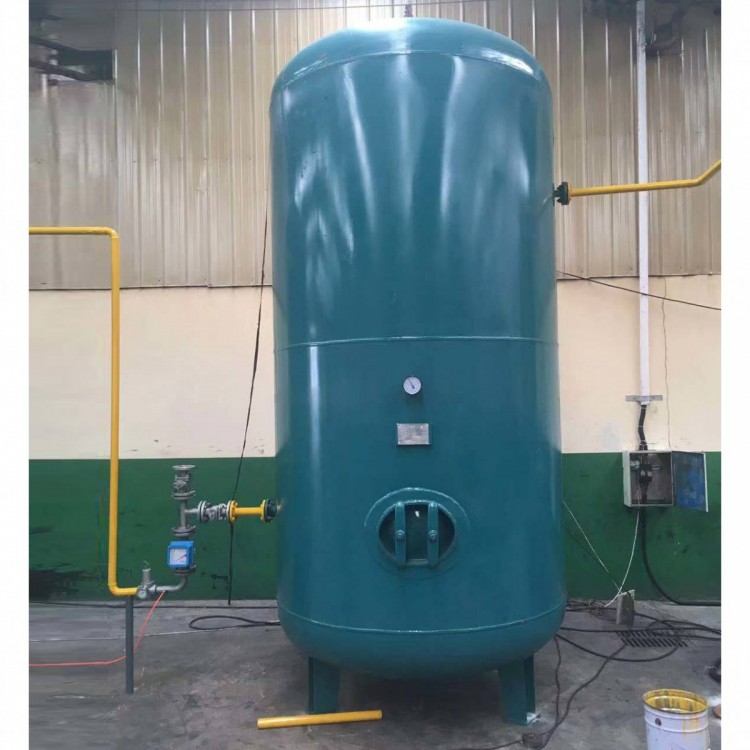
This is a major equipment of the small unit steam sealing system. During low load and unit startup, the steam is reduced in temperature and pressure from the main or auxiliary steam, then enters the equalizing box and supplies steam to the bearings for sealing. After the unit load increases to a certain level (should be 20%), the steam pressure at the high-pressure steam side of the bearing exceeds the pressure in the equalizing box, causing steam to leak out, i.e., into the equalizing box. The normal shaft seal steam is sealed near the atmosphere, isolating it from the atmosphere. The shaft seal steam supply pressure is slightly higher than atmospheric pressure, with the excess shaft seal steam entering the shaft seal cooler through the shaft seal steam leakage interface and pipeline, where it condenses and is discharged into the condenser.
Equal Pressure Box Function:
1. Expand and reduce the pressure of the intake and leakage gas sources in the box, adjusting the steam pressure and temperature required for the shaft seal before startup: 2.94~29.4 KPa, with a temperature of 120 to 140 degrees. Supply steam to the front and rear shaft seals before startup, and during normal operation, the steam for the front shaft seal can supplement the steam source for the rear shaft seal. Additionally, the high-pressure side leakage steam of the water control check valve for the low-pressure stage extraction (third, fourth, and fifth extraction) can also be collected.
2. Prevent steam leakage from the front shaft seal of the steam turbine to improve the workshop environment.
3. Prevent the shaft seal in the low-pressure section from吸ing inwards, affecting the vacuum.
4. During hot start-up, provide high-temperature shaft seals for the front and rear axles.