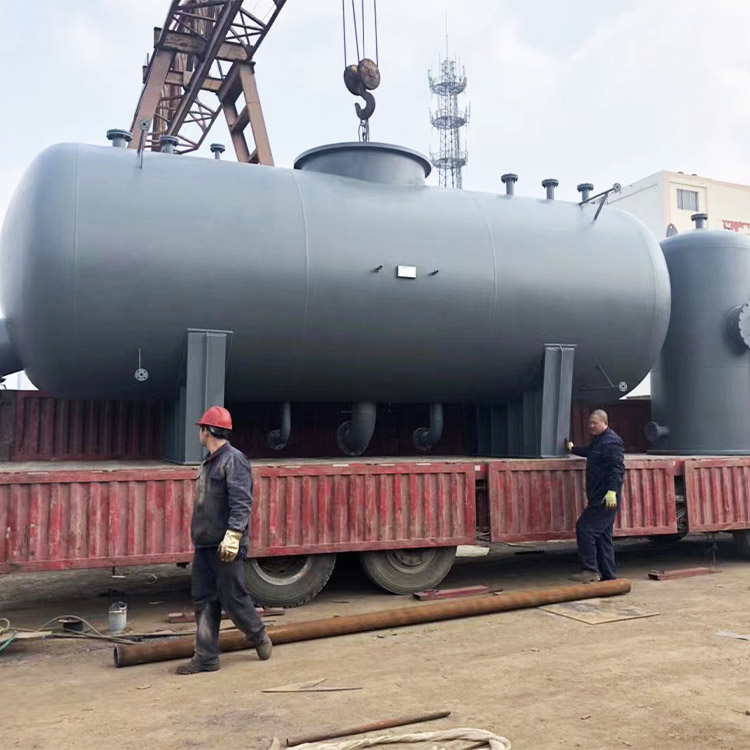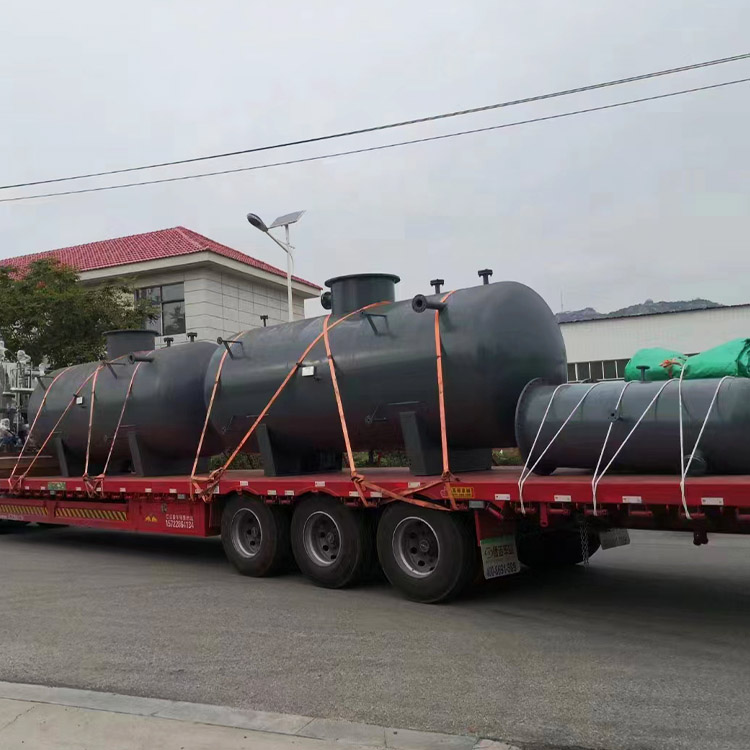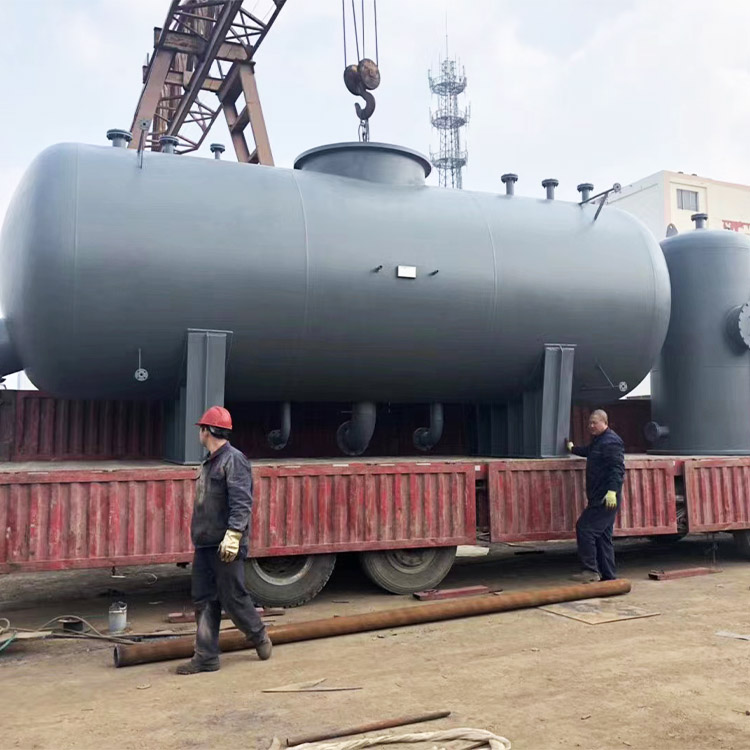

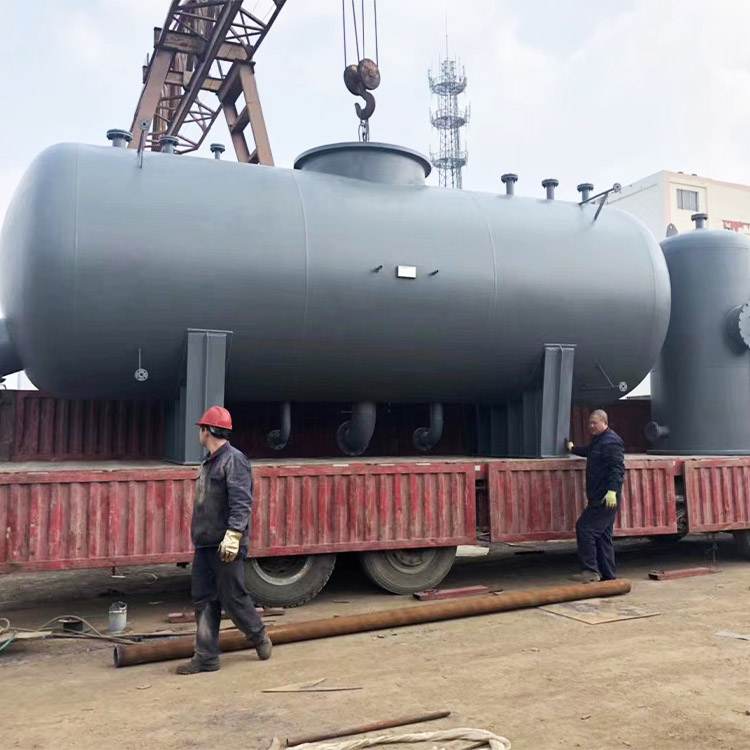


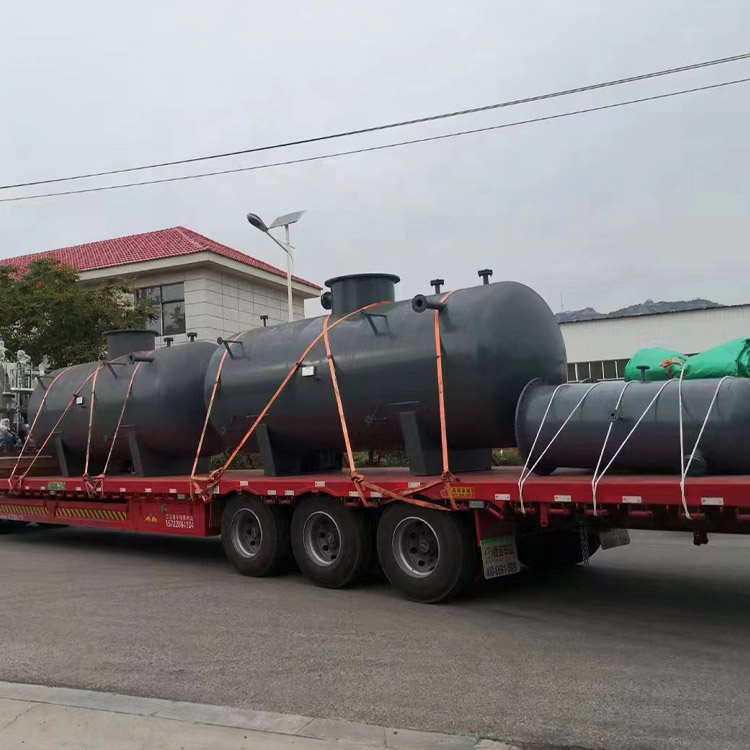












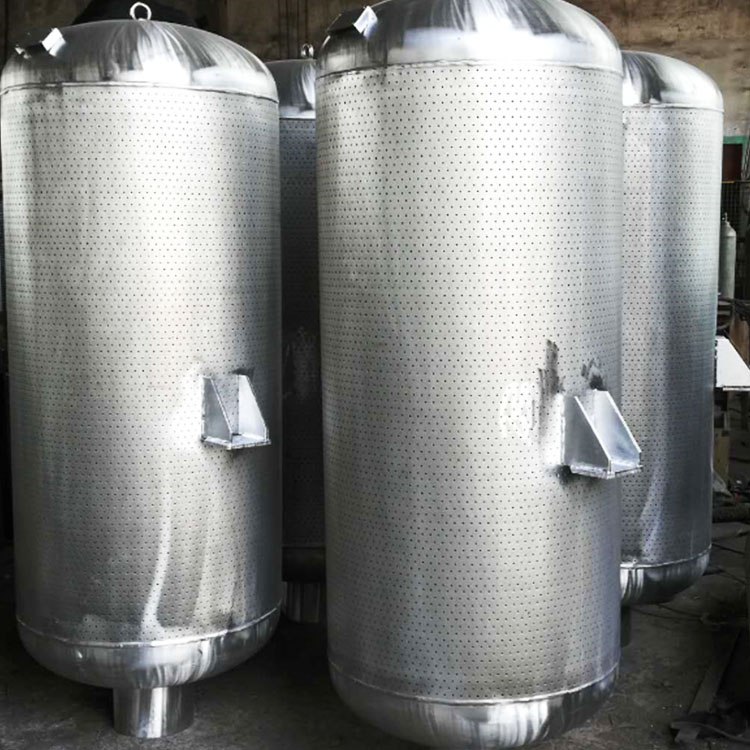
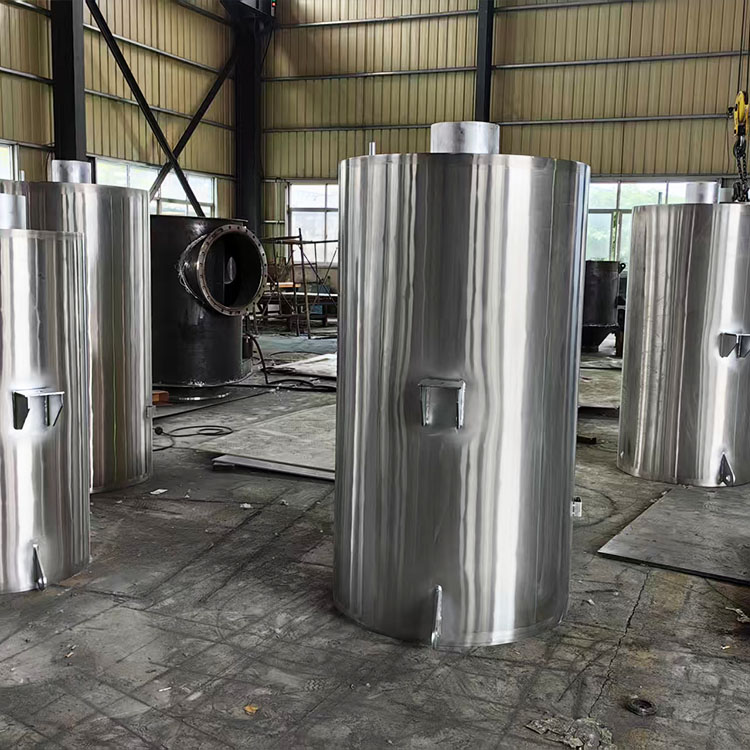
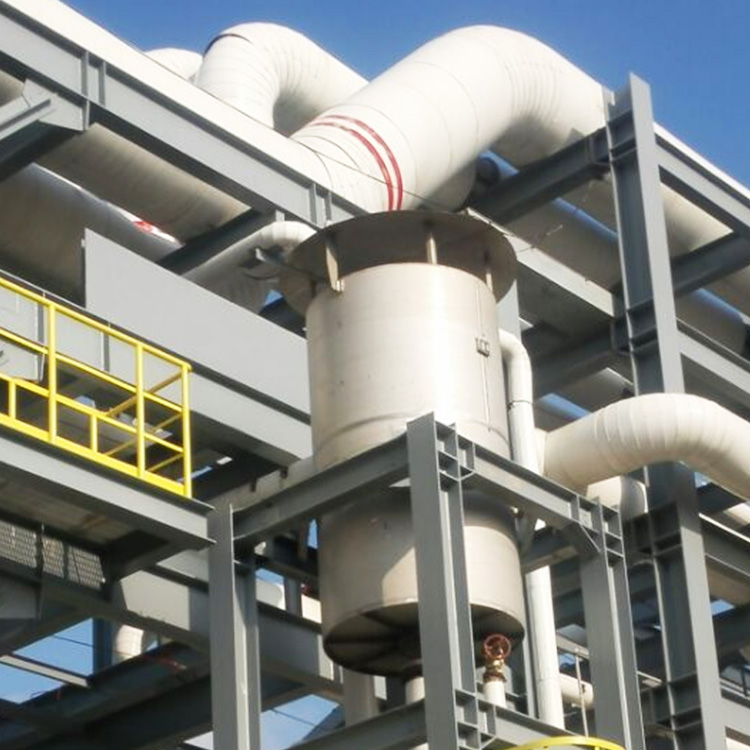
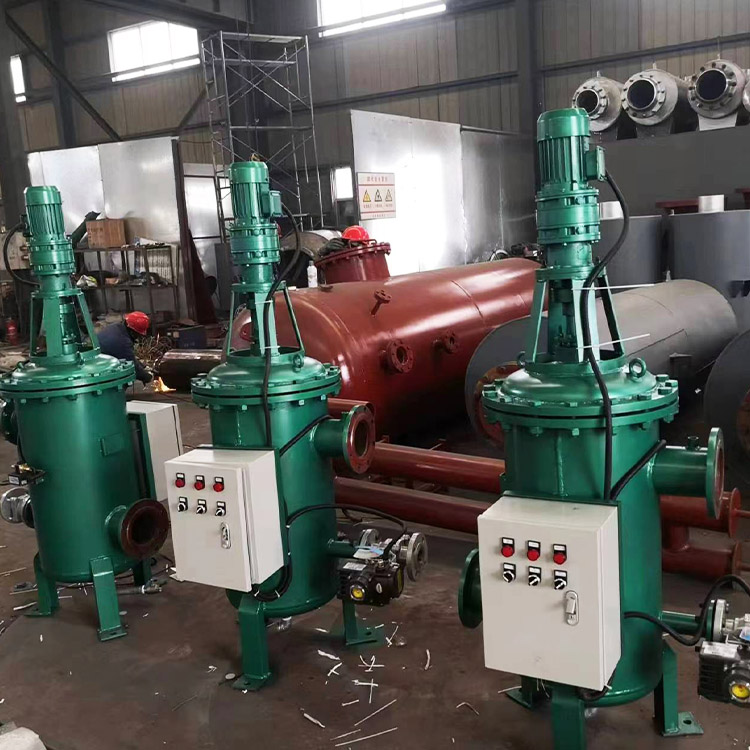
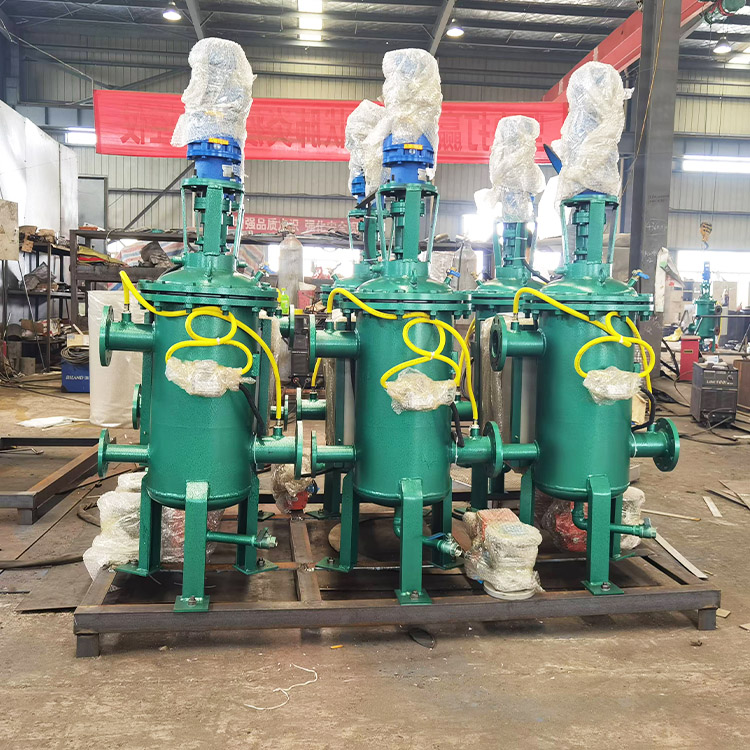
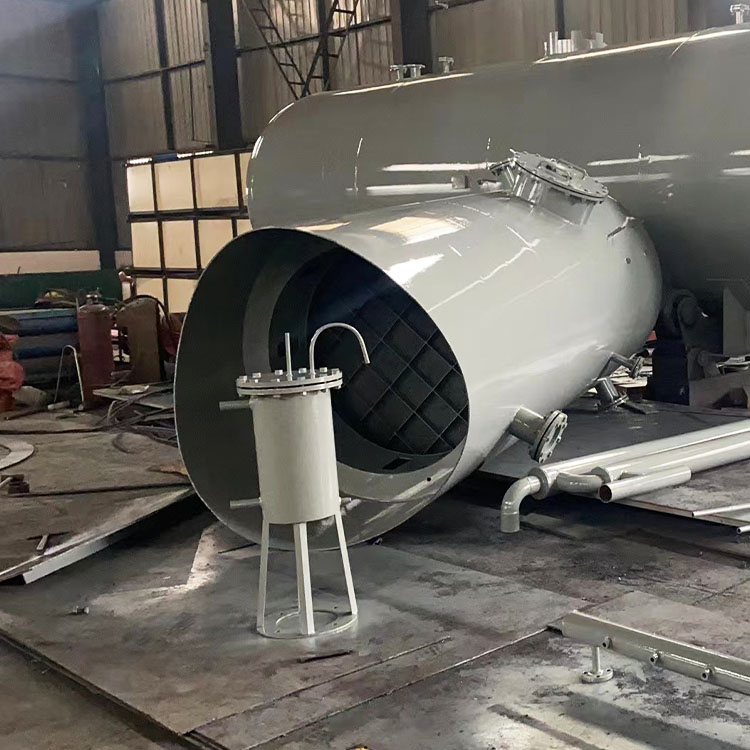

An atmospheric deaerator is a thermal device operating at a pressure range of 0.12~0.15 Mpa (some models at 0.02 Mpa). It deaerates feedwater by heating it to the saturation temperature at the corresponding pressure (usually reaching 102~104°C), causing dissolved oxygen and other gases to escape, ultimately reducing the oxygen content in the feedwater to below 15 μg/L, with some models achieving 10 μg/L. The equipment consists of a deaerator head, a water tank, and multi-stage separation components, primarily used to prevent corrosion issues in boiler systems caused by dissolved oxygen. Its operation at near atmospheric pressure reduces the risk of spontaneous boiling.
Structure and Working Principle
The atmospheric deaerator consists of two main parts: the deaerator head and the water tank. The deaerator head includes six core components: the spiral membrane assembly, the water grate, and the liquid-gas screen. During operation, make-up water forms a spiral water film through the spiral membrane assembly, which exchanges heat with steam. Dissolved gases are then precipitated out after reaching the saturation temperature, and the separated gas is discharged through the steam-water separator.
Technical Specifications
Pressure Characteristics: Operating pressure slightly above atmospheric pressure (0.02~0.15 Mpa) to prevent re-dissolution of gas。
Thermal Parameters: rated output 75t/h (CY-85/35 model), total equipment weight 13.2 tons。
Power Consumption: 25W。
Operation Features
Under near-ambient pressure conditions, the equipment exhibits high pressure stability; however, it is still necessary to guard against spontaneous boiling risks when the incoming water temperature approaches the saturation point. According to the 2025 technical standards, the oxygen content of the effluent must meet the 15 μg/L threshold specified by the National Power Department.
Maintain and Renovate
Shut off the heating steam valve first when halting operation, then cut off the water supply; implement corrosion protection measures for long-term disuse. Some models can enhance deoxygenation efficiency by modifying the rotameter assembly.。