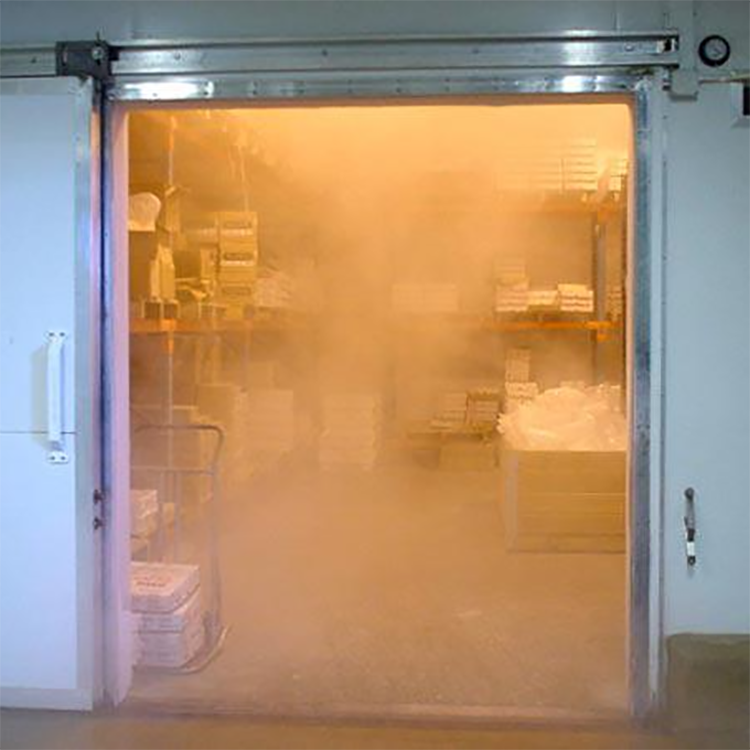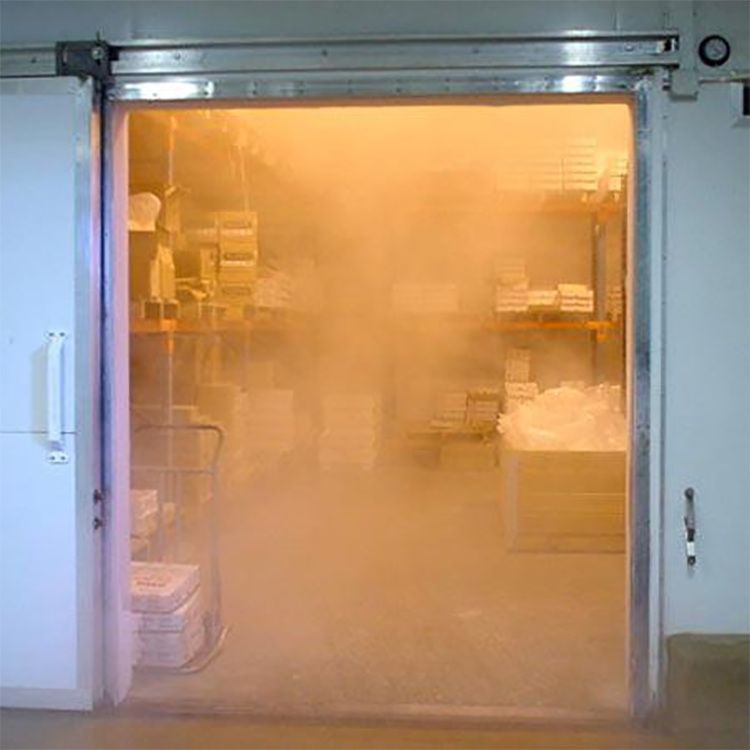

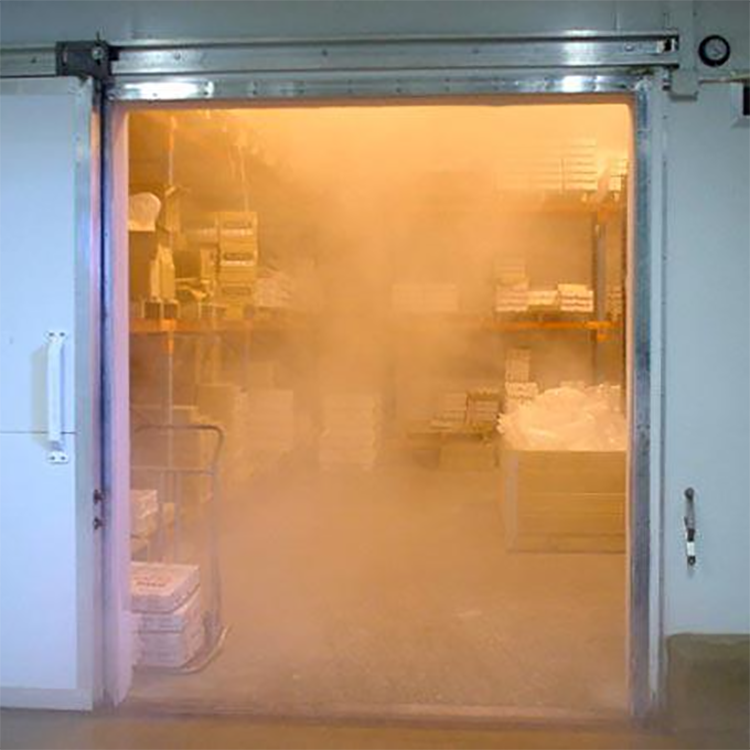














Quick-freezing cold storage prevents the formation of large ice crystals between products, allowing food to rapidly drop to temperatures below those conducive to microbial growth and activity. This effectively resists microbial proliferation and biochemical reactions, reduces the dilution of water within cells, and minimizes nutrient loss during defrosting.
The temperature range in a quick-freezing processing warehouse typically ranges from -25℃ to -45℃, with some specialized cold storage facilities capable of reaching -70℃ or lower, requiring professional ultra-low-temperature insulation and refrigeration systems.
The Quick-freezing Processing Warehouse is primarily used for low-temperature freezing of items such as medicines, herbs, and chemical raw materials, as well as food processing below -25°C and quick-freezing for meat processing. For small and limited quick-freezing needs, the items can be directly frozen in a quick-freezing cabinet and then transferred to a freezing storage for preservation.

Key Points for Frozen Storage Design:
1. Location: Easy access, reliable water source, and a three-phase power supply with sufficient load capacity. Drainage conditions: Preferably flat terrain and good engineering geological conditions.
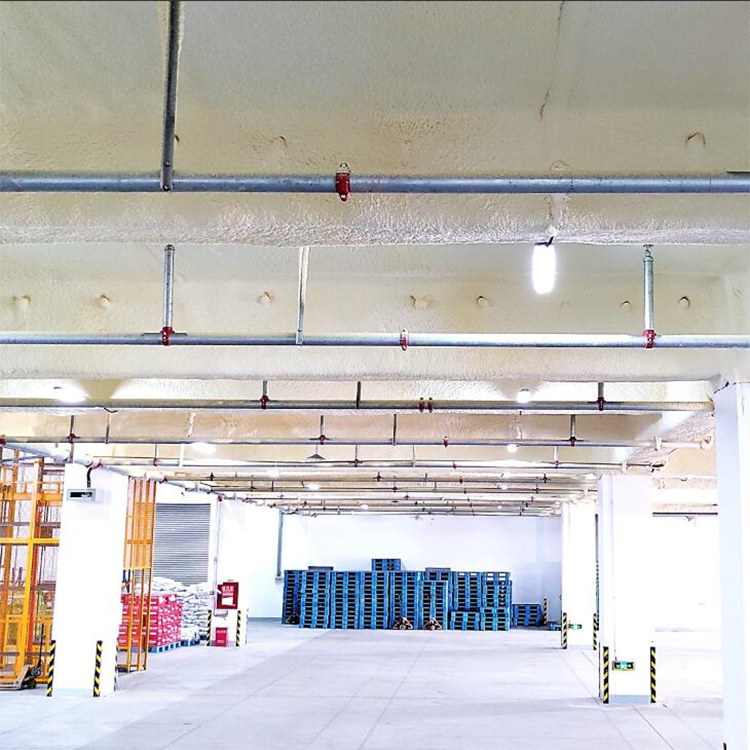
2. Insulation: It is recommended to use rigid polyurethane foam boards for insulation, which boast excellent properties such as low thermal conductivity, high compressive strength, moisture resistance, impermeability, non-absorbent, lightweight, corrosion resistance, and long service life. Thickness specifications: 150mm, 200mm, and above.
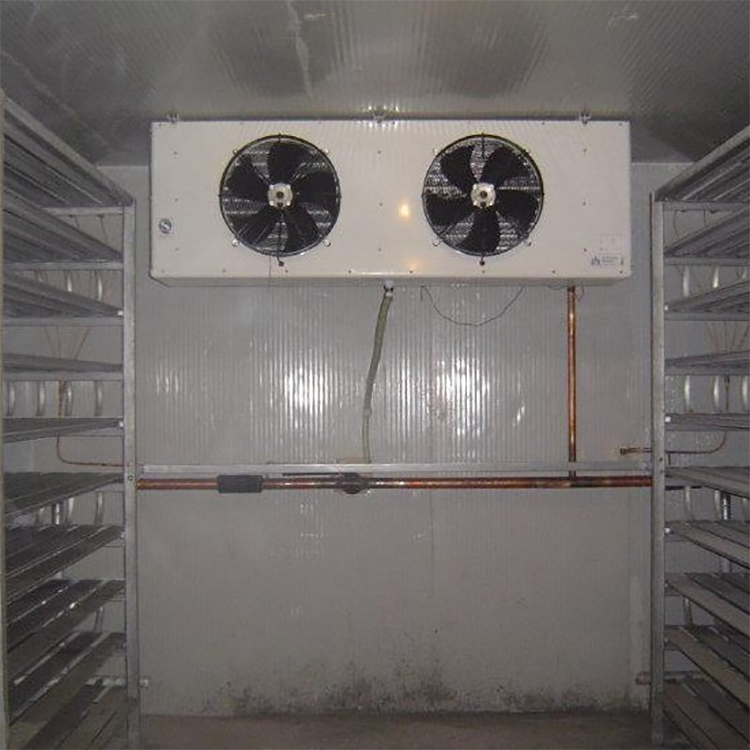
3. Chiller Selection: Recommend using piston or screw chiller units. For large and medium-sized warehouses with high cooling capacity requirements, parallel units can be chosen. Pair with condensation methods such as evaporative cooling (more suitable for northern regions) and water cooling (more suitable for southern regions). Inside the warehouse, use quick-freezing shelves or racks in conjunction with tube and shelf-type evaporators. Utilize powerful air circulation from the cooling fans to accelerate heat exchange, rapidly lower the temperature of goods, and achieve the quick-freezing goal.
4. Special Note:
The selection of equipment for a quick-freezing warehouse is primarily influenced by several factors. Before planning the construction of a quick-freezing warehouse, the following requirements should be established:
(1) Types and forms of quick-frozen goods, such as whole fish or sliced, thick slices or thin slices, whole poultry or after disassembly.
(2) Single batch frozen quantity, such as 1000kg of frozen fish fillets per batch.
(3) Single-time flash freezing inventory entry temperature, center temperature of the goods after flash freezing is completed.
(4) Required time for single-time flash freezing, e.g., goods must be reduced from an initial temperature of 15℃ upon entry to a core temperature of -18℃ within 1 hour.
Warm tip:
If the flash-freezing processing warehouse is used frequently and remains in the flash-freezing process for extended periods, as the warehouse temperature is typically below -35°C, continuous operation can cause freezing expansion damage to the concrete or soil layer beneath the warehouse floor. This leads to phenomena such as foundation frost expansion, ground heaves, and expansion, which can severely harm the insulation of the warehouse body and its structural stability, even leading to its scrapping. Moreover, it may trigger unforeseeable consequences like collapses and over-temperature damage to items. Therefore, it is necessary to construct an elevated floor, ventilation pipe structure, or underfloor heating before building the warehouse body to eliminate the adverse effects of ground foundation deformation.
If the number of quick-freezing processing times per day is limited and the operation is not continuous, each quick-freezing cycle is quick. Depending on the situation, ground frost prevention treatment may not be necessary. In this case, proactive defrosting may also be omitted. Simply open the storage door when the quick-freezing room is idle, allowing the temperature to rise naturally for defrosting. This method saves energy and ensures a thorough defrosting, without affecting the next processing cycle.