

Concept:
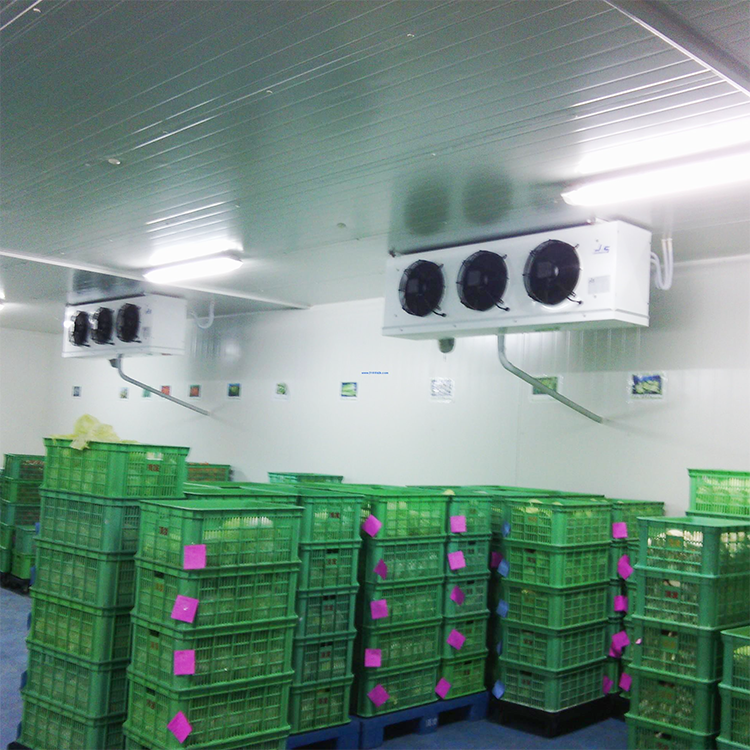
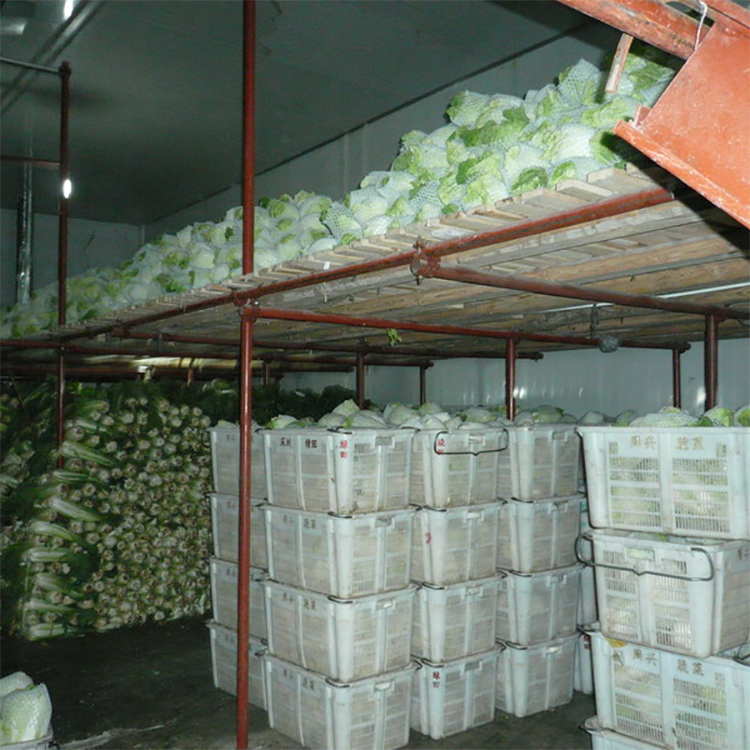
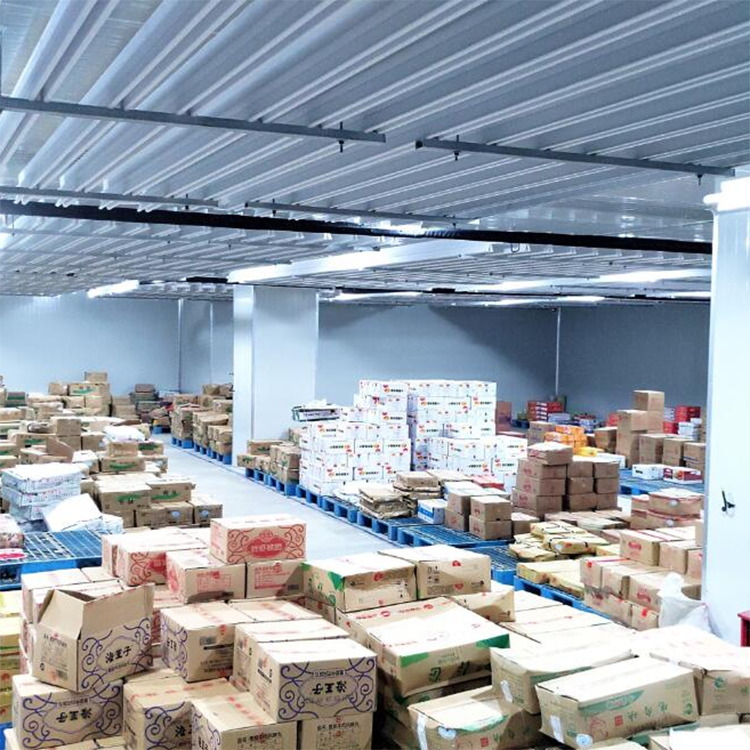
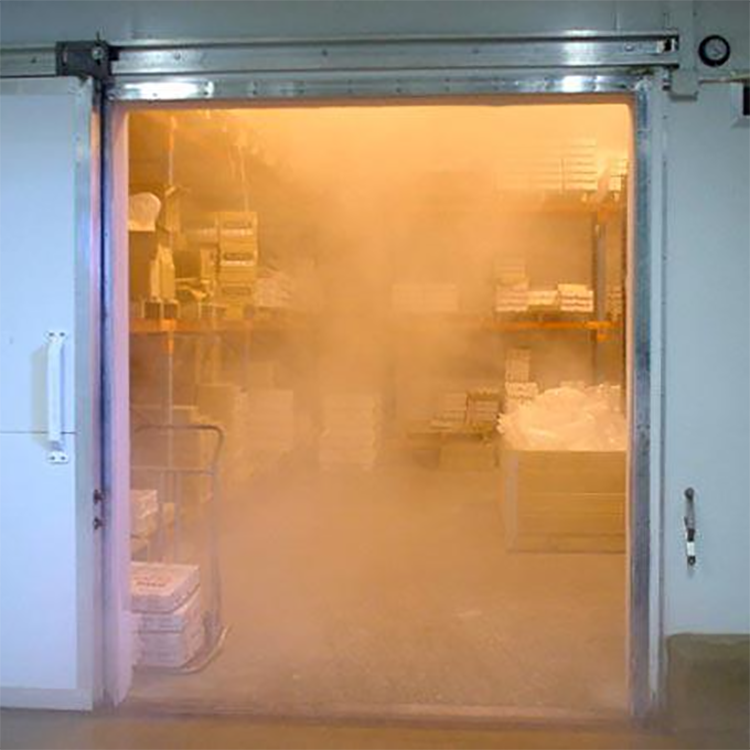
Vegetable preservation in cold storage is a method to inhibit the activity of microorganisms and enzymes, extending the storage life of vegetables. Cold storage technology is the main method for modern low-temperature preservation of vegetables. The preservation temperature range for vegetables is0℃~15℃Proper preservation and storage can reduce the incidence of pathogenic bacteria and the rate of fruit rot, as well as slow down the respiration and metabolic processes of vegetables, thereby preventing spoilage and extending the storage period.
Advantages:
1. Cold Storage: The temperature and relative humidity of the cold storage should be determined according to the requirements of various food cold processing or cold storage techniques. Generally, the microcomputer intelligent control options in Table 1-1-1 can be used. The refrigeration system employs green refrigerant, belonging to the international refrigeration technology of the 21st century.
Material Innovation: The warehouse body is made of rigid polyurethane or polyfoam insulation sandwich panels, formed in one shot through high-pressure foaming technology. Available in various lengths and specifications to meet diverse customer needs. Features include excellent thermal insulation, lightweight, high strength, corrosion resistance, aging resistance, and aesthetically pleasing appearance. Cold storage panel types include color-coated steel, salted steel, stainless steel, embossed aluminum, etc.
3. Easy Assembly and Disassembly: All walls of Kuhua cold storage panels are produced using a unified mold, connected with internal grooves and ridges for easy assembly, disassembly, and handling. Installation time is short, with small to medium-sized cold storage ready for use in just 2-5 days. The storage body can be freely combined, partitioned, or resized to meet customer needs.
4. Wide Application: Storage temperatures range from +15℃ to +8℃, +8℃ to +2℃, and +5℃ to -5℃. It also supports dual or multi-temperature settings within a single storage unit, catering to various customer needs.
Features:
Refrigerated Room Name | Room Temperature (°C) | Relative Humidity (%) | Food Applicability Range |
Cooling room | 0 | Meat, eggs, etc. | |
Refrigerated compartments | -18~-23 | Meat, poultry, rabbits, frozen eggs, vegetables, ice cream, as well as fish and shrimp. | |
Refrigerated cool storage room | 0 | 85~90 | Chilled meat and poultry |
Chilled Room Name | Room Temperature (°C) | Relative Humidity (%) | Applicable Food Range |
Refrigerated Storage Warehouse | -2~0 | 80~85 | Fresh Eggs |
Refrigerated Storage Facility | -1~1 | 90~95 | Fresh eggs, Chinese cabbage, garlic sprouts, onions, carrots, kale, etc. |
Refrigerated Storage Facility | 0~2 | 85~90 | Apples, pears, etc. |
Insulated Cold Storage | 2~4 | 85~90 | Potatoes, oranges, lychees, etc. |
Refrigerated Storage Facility | 1~8 | 85~95 | Persimmons, green beans, cucumbers, tomatoes, pineapples, oranges, etc. |
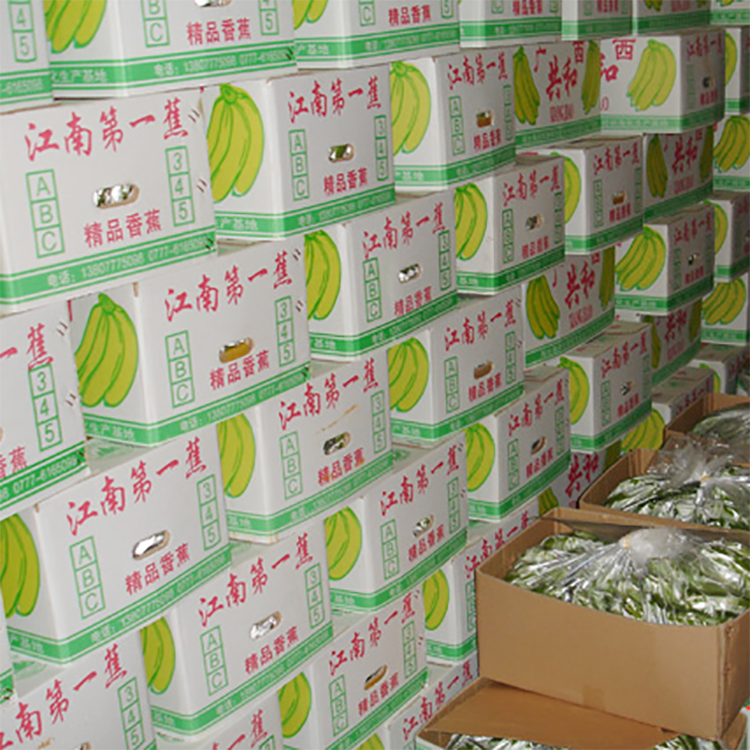
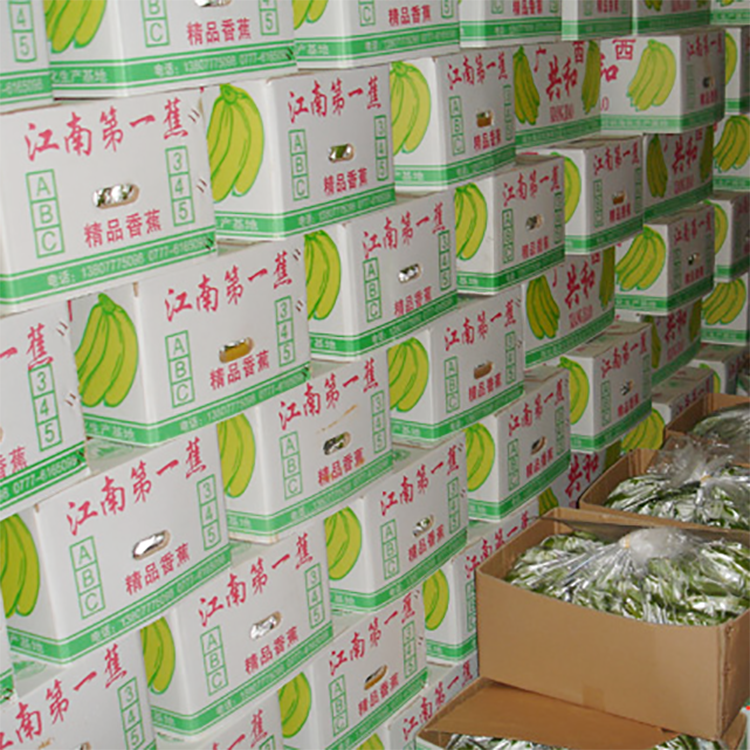
Refrigerated Storage Warehouse | 11~12 | 85~90 | Bananas and similar fruits |
Refrigerated storage for frozen goods | -15~-20 | 85~90 | Frozen meat, poultry, rabbits, frozen eggs, frozen fruits and vegetables, ice cream, etc. |
Refrigerated storage | -18~-23 | 90~95 | Frozen fish, shrimp, etc. |
Refrigerated storage room | -4~-10 | Block ice |