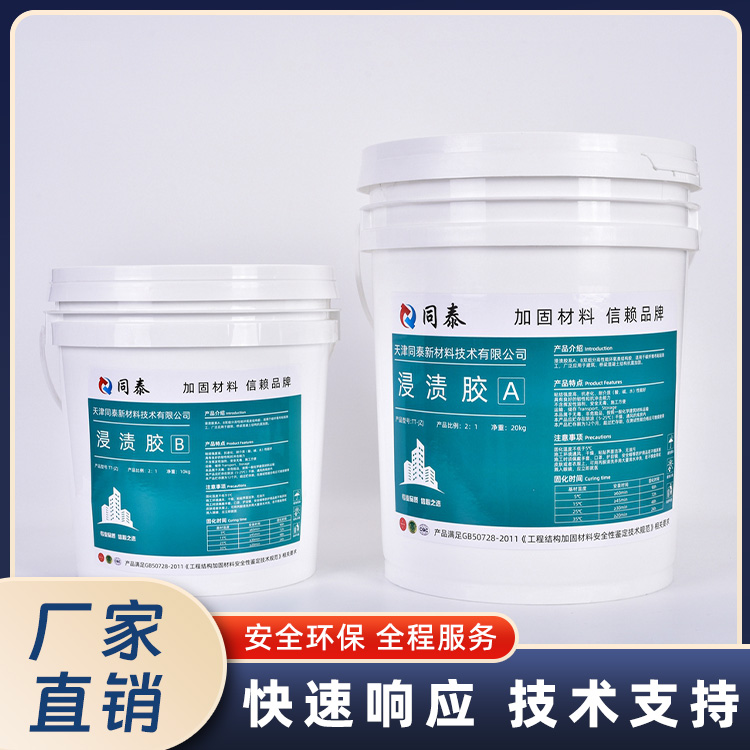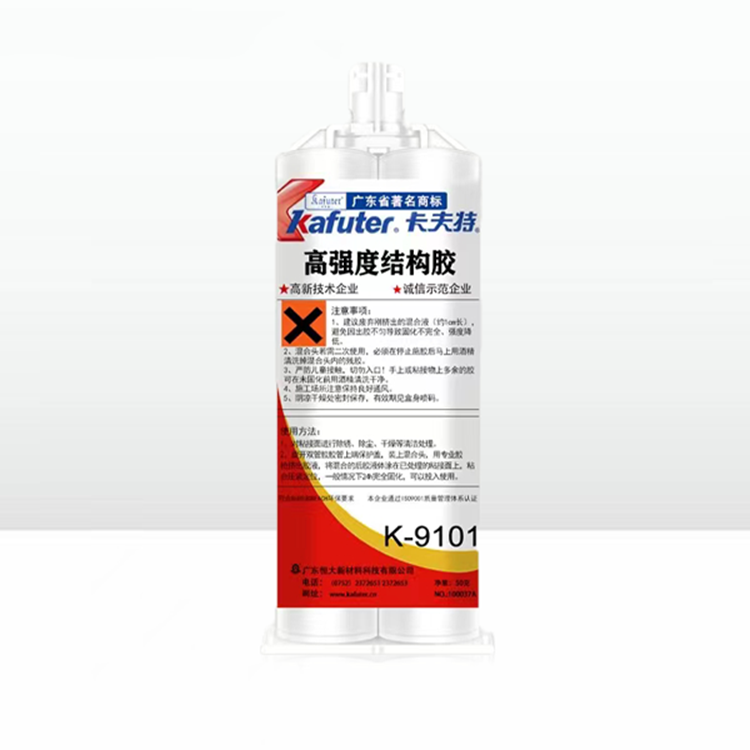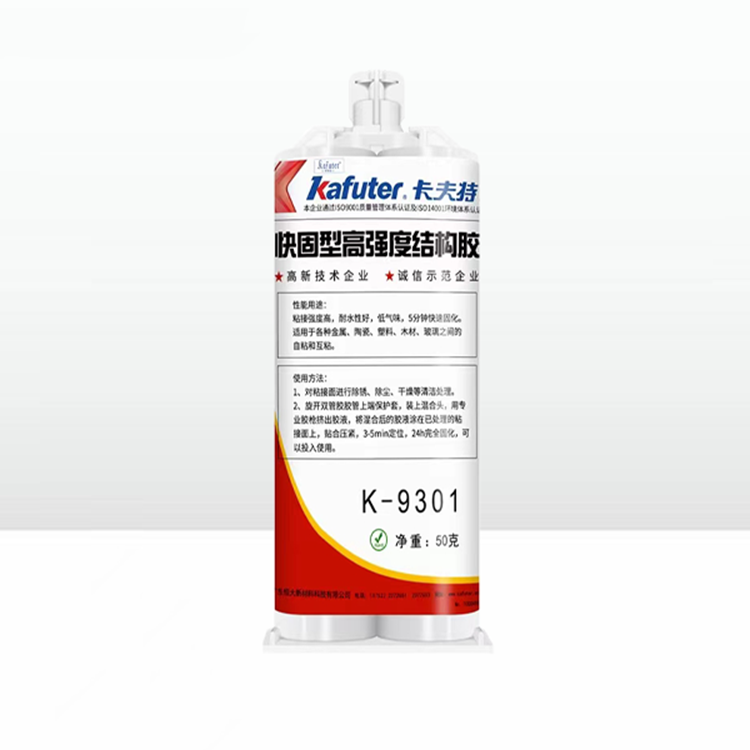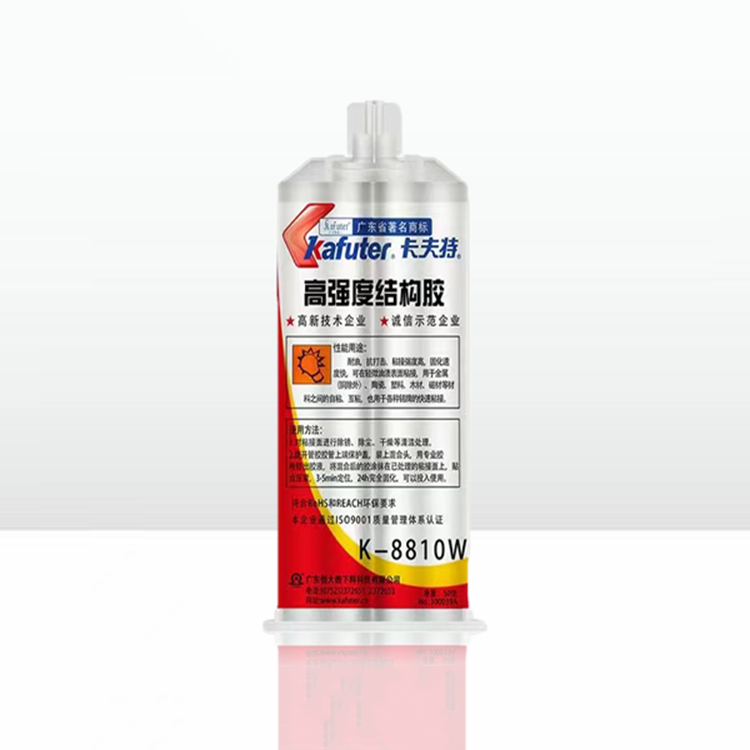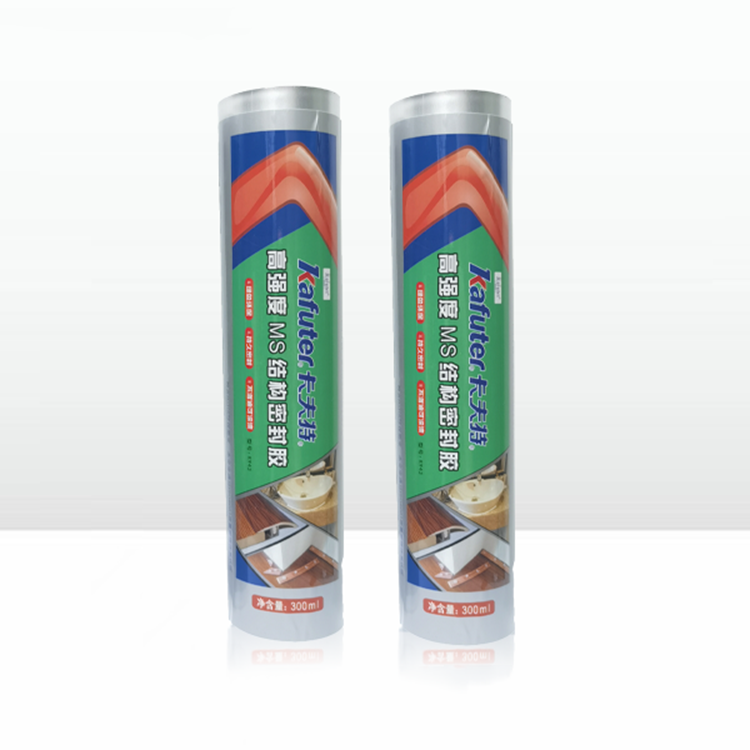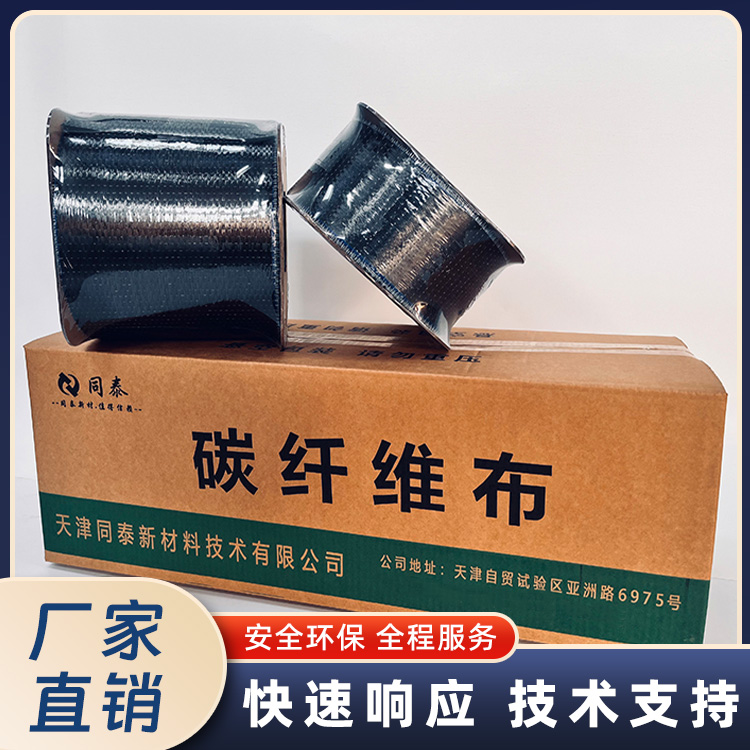


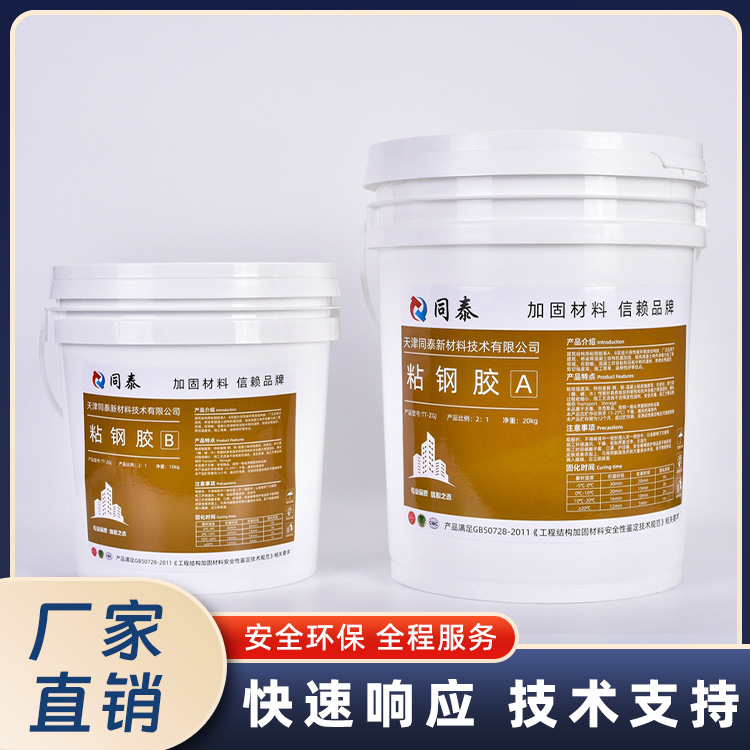


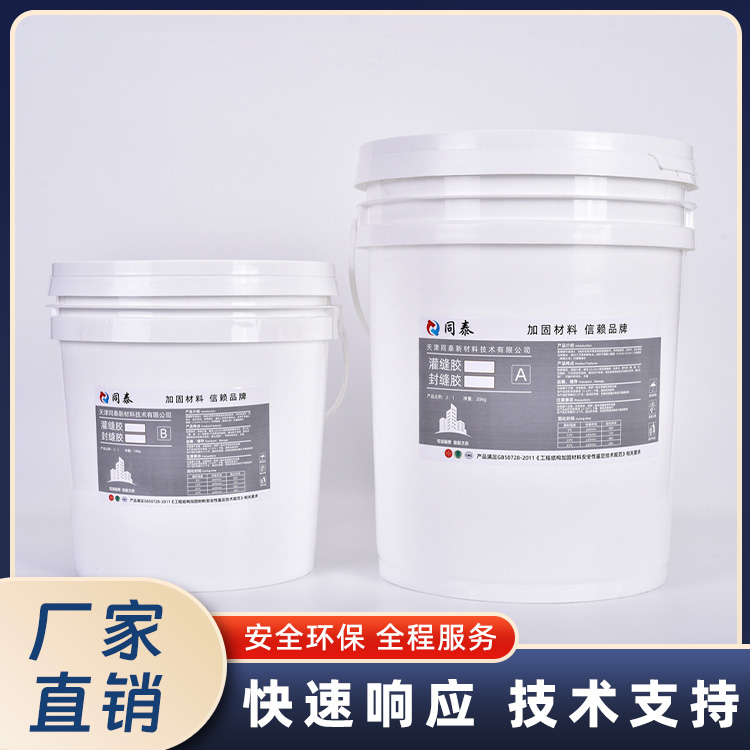
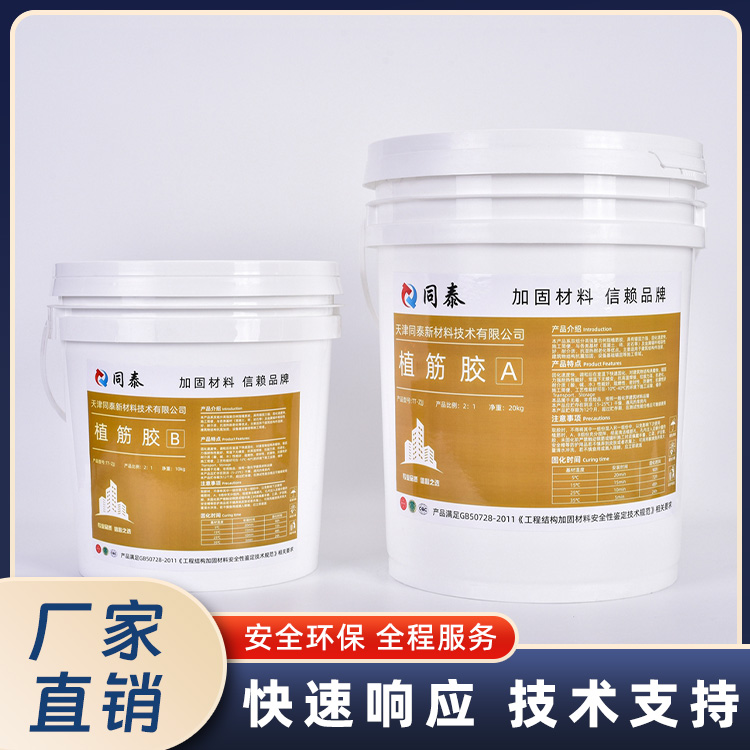
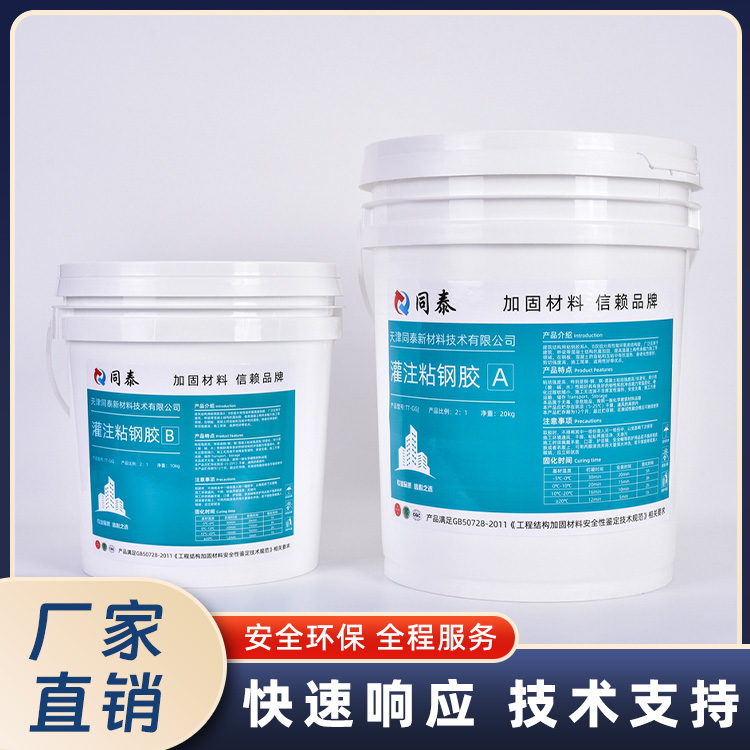
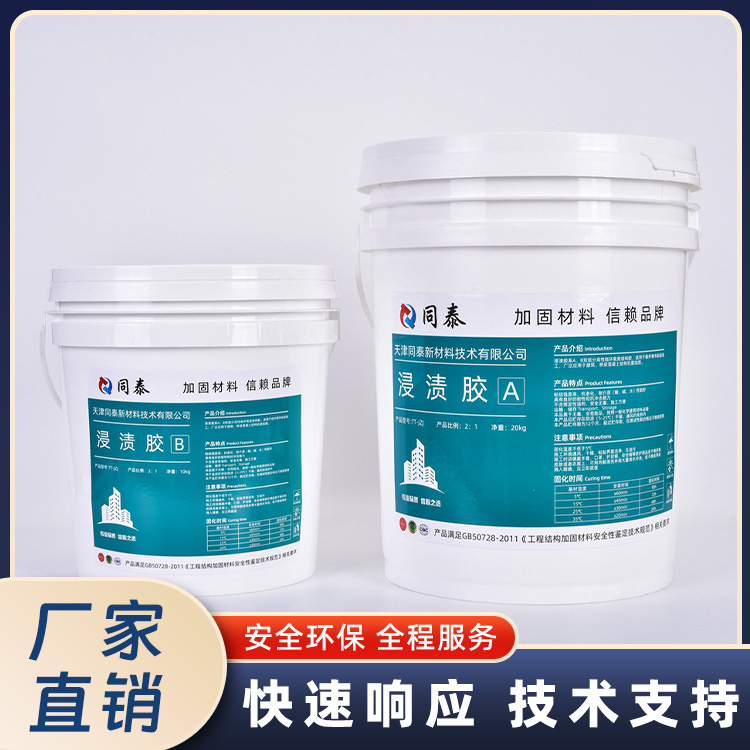






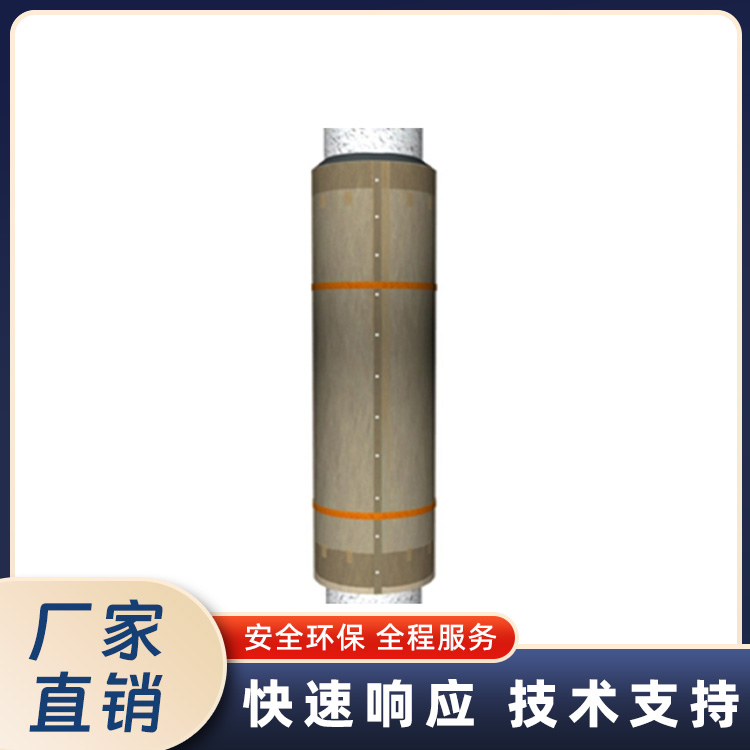
Product Advantages
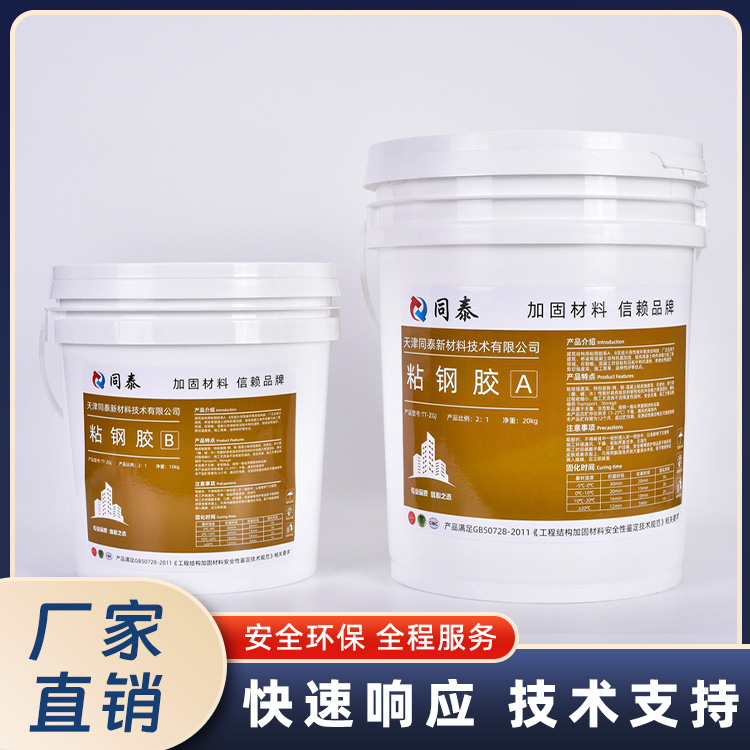
Performance excellence: specifications meet the national standard A-grade adhesive requirements
Stable and Durable: Resistant to humid heat aging and long-term stress, meeting the usage requirements for a design life of 50 years.
High thixotropy: No sagging during side and top surface application
Widely Applicable: -15~35℃ Construction Suitable
Easier Construction: Convenient and fast, saving labor hours
I. Construction Process Flow

Installation Instructions:
Surface Treatment
(1) Clean and remove any surface defects or damaged areas of the concrete components, ensuring they remain dry.
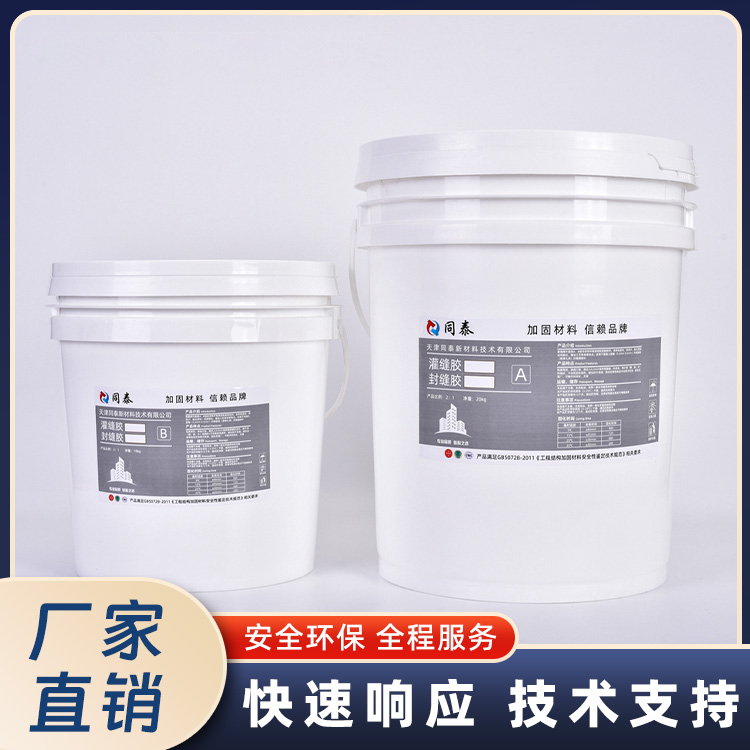
(2) For cracks narrower than 0.15mm, use the same sealant for surface brushing and sealing; for cracks wider than 0.15mm, use crack filling sealant.
2. Fixed Components
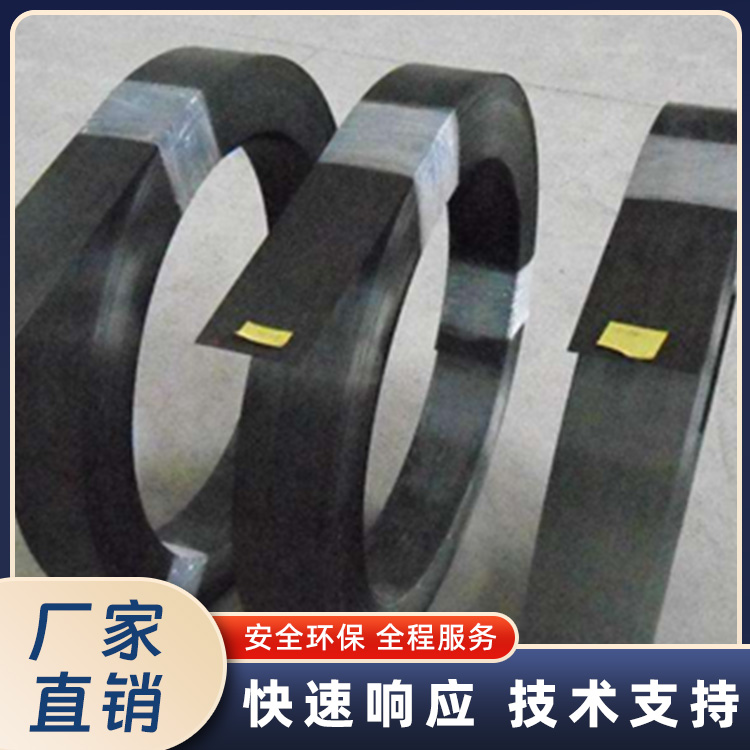
Surface the steel plate until the metal sheen is exposed, then locate, drill, and bolt the reinforcing sections according to the design positions.
3. Steel Adhesive Configuration
Apply an appropriate amount of steel adhesive, weigh it according to a 2:1 weight ratio, mix it at a constant speed for about 5 minutes, until it is uniform and free of any discoloration.
4. Steel plate bonding
(1) Apply an adequate amount of pre-mixed steel adhesive to the concrete and steel plate bonding surfaces, then scrape and moisten it.
(2) Apply Tongtai steel adhesive evenly on the steel plate in a manner that is thicker in the middle and thinner on the sides. The thickness of the application is typically 3~5mm. Then, affix the steel plate to the designated position.
(3) After the steel plate is bonded, gently tap along the bonding surface with a hammer. If there is no hollow sound, it indicates the plate is bonded tightly. Otherwise, remove the steel plate, apply additional adhesive, and re-bond. Note: The density of the bonded area for steel anchoring should be over 95%, and for non-anchoring areas, over 90%.
5 Pressure Fixed
Once the steel plate is bonded, immediately secure it with clamps, supports, or bolts, and apply slight pressure to allow the adhesive to extrude from the edges of the steel plate.
6. Curing and Demolition of Fixed Components
After steel plate bonding is completed, it should be immediately secured. Avoid disturbance during curing. The fixture or support can be removed after curing for 24 hours at room temperature, and it can be used under load after 3 days. If the ambient temperature is low, extend the curing time or use methods such as iodine tungsten lamps to accelerate curing.
7. Surface Protection
Based on the actual on-site conditions, conduct concealed protection.
II. Performance Parameters

III. Precautions
1. Ready-to-use, it is recommended to use 20~30 minutes' worth of adhesive per person to avoid waste.
2. Environmental temperature affects curing speed; the higher the temperature, the faster the curing speed, and vice versa.
3. For winter construction, heating can be applied when the colloidal temperature is low, but the heating temperature should not exceed 50℃.
Keep out of reach of children. Do not ingest.
5. Wear gloves, masks, goggles, and other protective equipment during construction. If the adhesive accidentally contacts skin or clothing, wash it off immediately with water. If accidentally ingested or gets into the eyes, seek medical attention promptly.