











I. Construction Process Flow
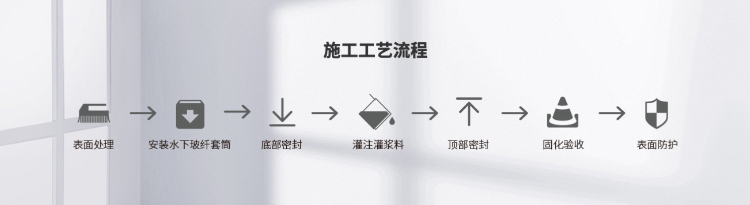
Installation Instructions:
Surface Treatment
(1) Clean and remove any defects or damaged parts from the concrete components' surfaces, ensuring they remain dry.
(2) The concrete corners should be ground into an arc shape, with the radius of the arc not less than 30mm.
(3) For cracks less than 0.15mm wide, apply a sealant for surface brushing and sealing; for cracks wider than 0.15mm, use crack filling adhesive.
2. Leveling Treatment
Use Tongtai patching adhesive to level and smooth out concave areas on concrete surfaces; there should be no sharp edges.
Coating Carbon Sheet Adhesive
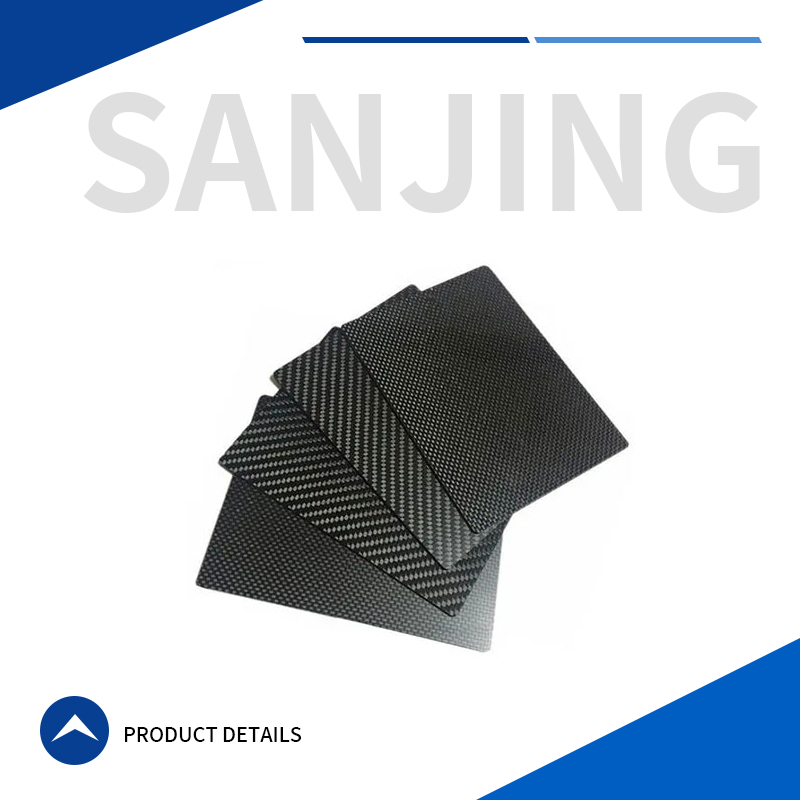
Properly mix carbon plate adhesive in a 2:1 weight ratio and promptly apply it to one side of the carbon plate that has been wiped clean. Ensure the adhesive layer in the center is arched and has an average thickness of no less than 2mm.
4. Carbon Fiber Sheet Lamination
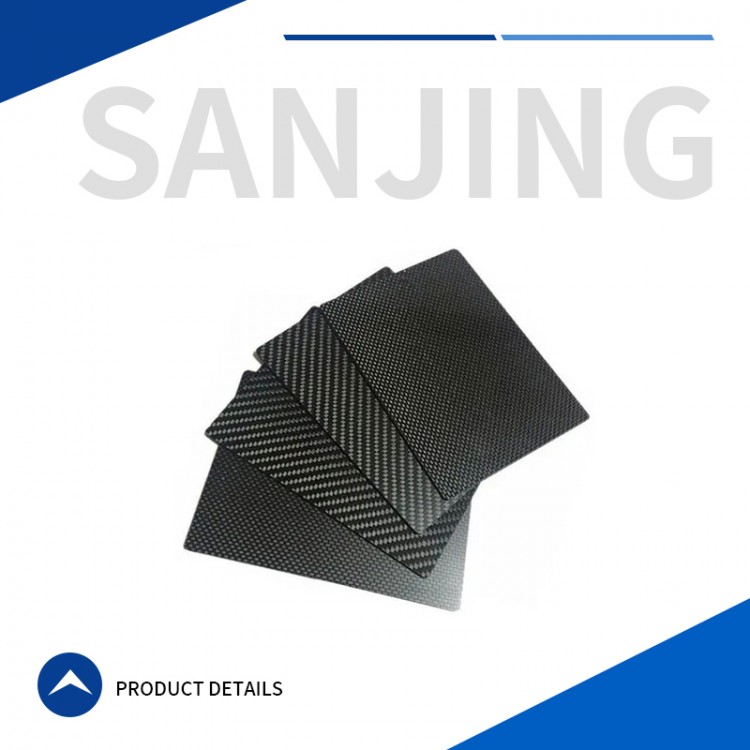
(1) Gently press the carbon fiber board coated with carbon plate adhesive onto the desired粘贴 position, then roll it evenly and smoothly with a rubber roller in the direction of the fibers, allowing the adhesive to挤出 from both sides to ensure a tight and hole-free seal.
(2) When bonding multiple carbon fiber panels in parallel, the gap between the two panels should not be less than 5mm.
(3) Prior to the curing of the carbon board adhesive, it is necessary to use wooden battens or similar supports for support, and it can only be removed after the carbon board adhesive has initially set.When applying two layers of carbon fiber boards, they should be applied continuously; if immediate application is not possible, the bottom layer of carbon fiber board should be reorganized before starting the application.
5. Surface Protection
Select epoxy resin mortar or polyurethane coatings for concealed protection based on the site environment, to prevent UV erosion.
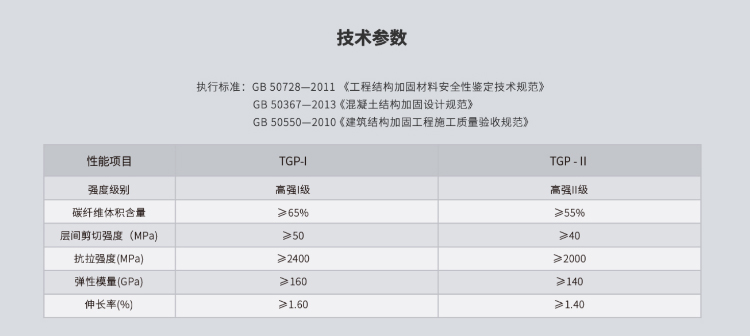
II. Performance Parameters
Section 3: Precautions
1. Use as needed; it's recommended to take 20~30 minutes' worth of adhesive per person to avoid waste and loss.
2. Environmental temperature affects curing speed; the higher the temperature, the faster the curing speed, and vice versa.
3. During winter construction, when the colloidal temperature is low, the colloidal material can be heated; however, the heating temperature should not exceed 50℃.
Do not allow children to touch. Do not ingest.
5. Wear gloves, masks, goggles, and other protective gear during construction. If the adhesive accidentally contacts skin or clothing, wash it off with water immediately. If swallowed or gets into eyes, seek medical attention promptly.