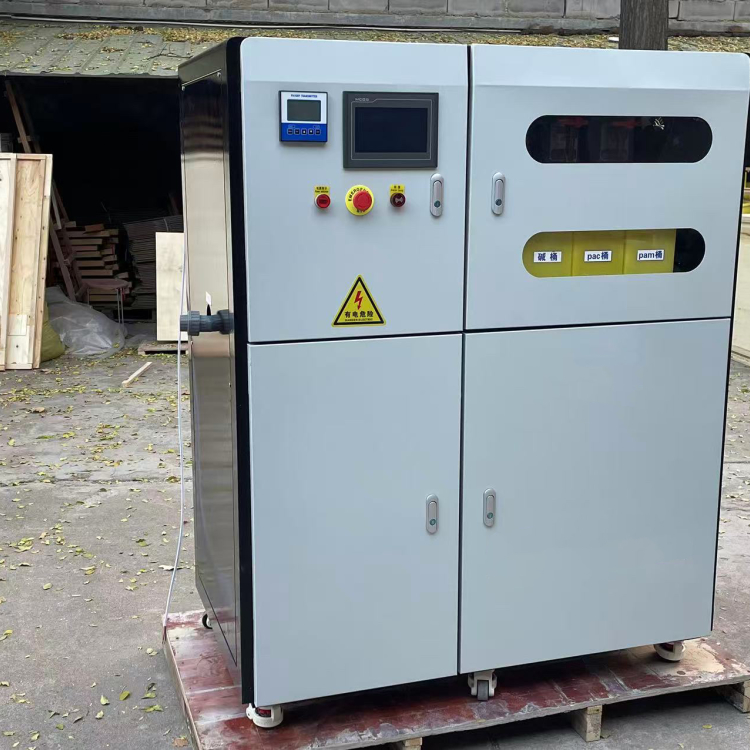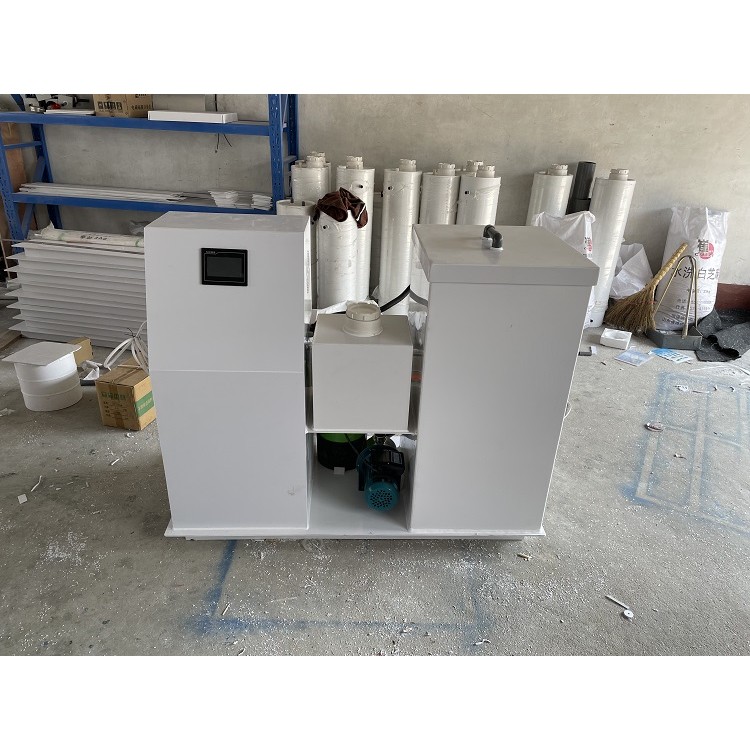
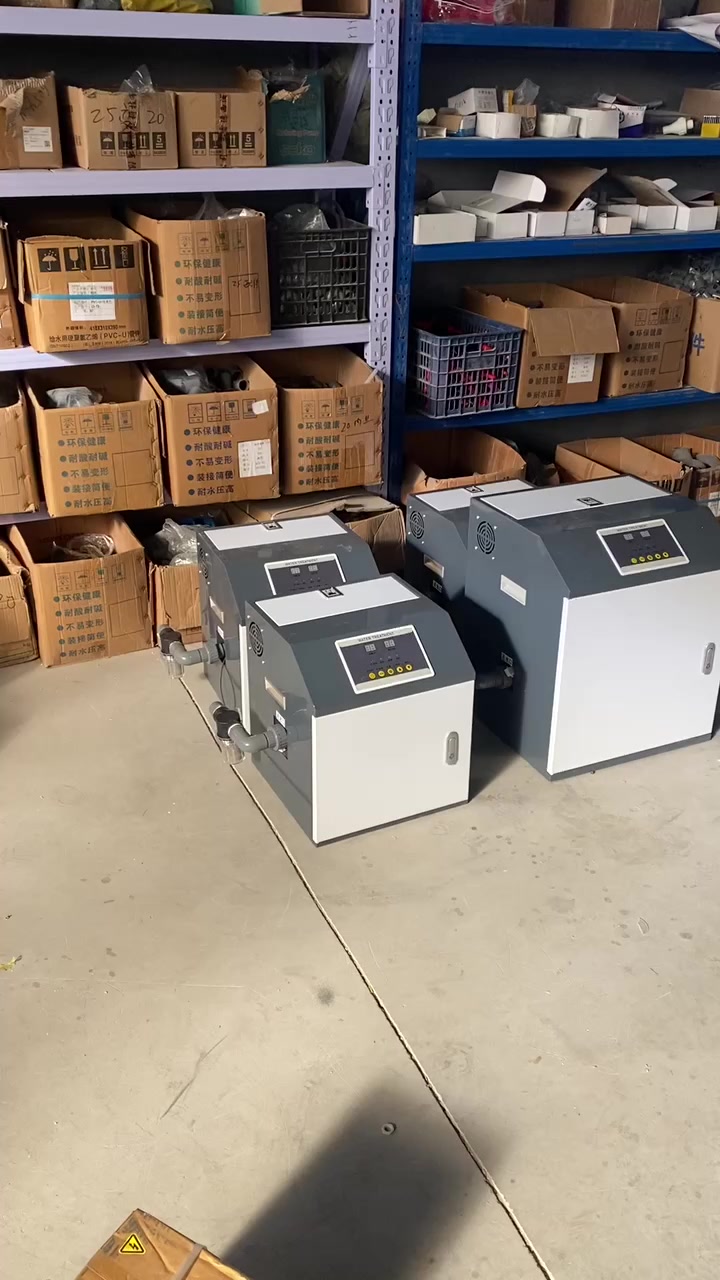
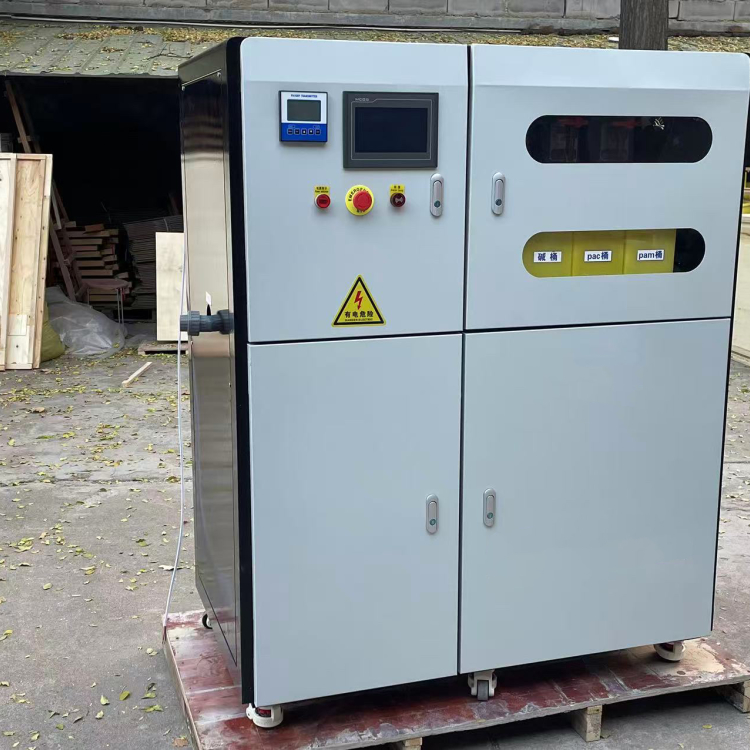








Electrolytic sterilization equipment is a device that uses electrolysis technology for water treatment and sterilization. It generates hypochlorous acid, which has sterilizing properties, by electrolyzing the salt content in water (usually), thereby eliminating original microorganisms. This equipment is generally used in swimming pool water treatment, drinking water sterilization, wastewater treatment, air purification, and other fields.
### Important Notes:
Regular inspections and maintenance of electrical systems to ensure proper equipment operation.
Monitor water quality indicators, such as residual chlorine levels, to prevent off-odors.
Select the appropriate electrolytic equipment model based on varying disinfection requirements and water quality conditions.
When selecting electrolytic sterilization equipment, factors such as processing capacity, level of automation, and maintenance costs should be considered.
Poultry farm wastewater treatment equipment is primarily used to process waste water generated during the chicken farming process, to minimize environmental pollution and protect water sources. Common wastewater treatment equipment includes:
Sedimentation Pond: Allows solid particles in wastewater to settle by gravity, removing a portion of suspended matter.
2. **Biological Treatment Ponds**: Utilizing microorganisms to decompose organic matter in wastewater, common methods include activated sludge process and anaerobic digestion.
3. **Filter Pond**: Further removes suspended solids and pollutants from water through methods such as sand filtration and carbon filtration.
4. **Chemical Treatment Equipment**: Removes dissolved pollutants from water by adding chemicals such as flocculants and oxidizers.
5. **Membrane Filtration Equipment**: Including ultrafiltration, nanofiltration, and reverse osmosis, used for further water purification.
6. **Disinfection Equipment**: Including UV sterilizers, chlorination, etc., to ensure the treated water meets discharge standards.
7. **Wastewater Recycling System**: Recycles treated water for use in irrigation and other applications, reducing water waste.
The wastewater treatment system for a poultry farm should be designed and the appropriate equipment selected based on the scale of breeding, the amount of wastewater discharge, and local environmental protection requirements.
Rural domestic wastewater treatment equipment is a facility designed to address the issue of domestic wastewater treatment in rural areas. Due to the lower population density in rural regions, traditional large-scale wastewater treatment plants are often not suitable, hence the need for the development of small-scale treatment equipment tailored to the rural characteristics. The following are some common types of rural domestic wastewater treatment equipment:
Anaerobic Pond: Utilizes anaerobic bacteria to decompose organic wastewater in an oxygen-free environment, suitable for preliminary wastewater treatment.
2. **Wastewater Treatment Integrated Equipment**: Combines various treatment processes (such as sedimentation, aeration, biofilter, etc.), capable of effectively removing suspended solids and organic matter from water.
3. **Artificial Wetlands**: Naturally filter and treat wastewater through the roots of plants and the action of soil microorganisms, an eco-friendly treatment method.
4. **Biofilm Reactor**: Utilizes microorganisms forming a biofilm on a carrier to treat wastewater, offering advantages such as small land area requirement and high treatment efficiency.
5. Microfiltration and Ultrafiltration Equipment: Removes sediments and improves water quality, suitable for secondary treatment.
6. Solar-Powered Wastewater Treatment Equipment: Utilizes solar energy as a power source, ideal for well-lit rural areas, effectively reducing operational costs.
When selecting rural wastewater treatment equipment, factors such as the source of wastewater, treatment scale, standards, and investment and operational costs must be considered. Additionally, equipment maintenance and management are crucial for ensuring effective treatment.
Slaughterhouse wastewater treatment equipment typically includes the following categories:
1. **Pre-treatment Equipment**: Comprises grates, sedimentation basins, etc., designed to remove large particles and sand, protecting subsequent treatment equipment.
2. **Biological Treatment Systems**: Often utilize methods like activated sludge process and biofilm process, employing microorganisms to degrade organic matter in wastewater.
3. **Anaerobic Wastewater Treatment Equipment**: For high-concentration organic wastewater, anaerobic reactors can be used for anaerobic digestion to reduce the organic load.
4. **Wastewater Flocculation and Sedimentation Equipment**: Adds flocculants to promote the sedimentation of suspended solids in wastewater, thereby purifying the water quality.
5. **Disinfection Equipment**: Commonly uses ozone or ultraviolet light for disinfection to ensure the water quality meets relevant standards.
6. **Sludge Treatment System**: Treats the generated sludge through dewatering and drying processes to reduce its volume, facilitating handling and disposal.
When selecting wastewater treatment equipment, factors such as the characteristics of the wastewater from the meat processing plant, treatment capacity, operating costs, and environmental protection requirements should be considered. Ensuring compliance with environmental regulations and achieving emission standards is a key objective in the treatment of wastewater from meat processing plants.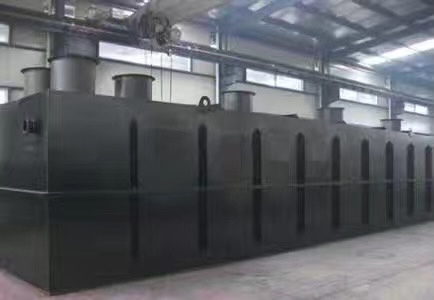
WeChat Official Account

Scan to follow Official Account