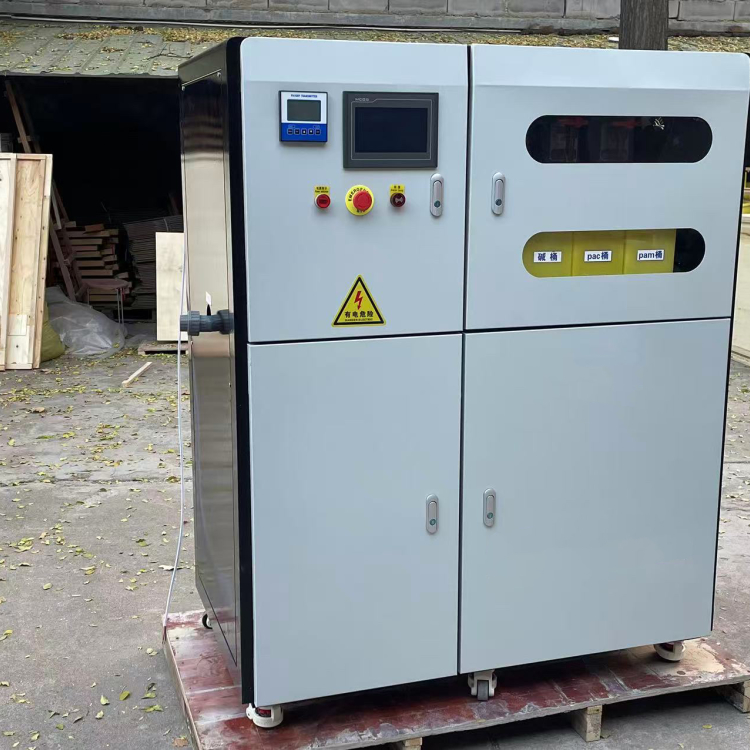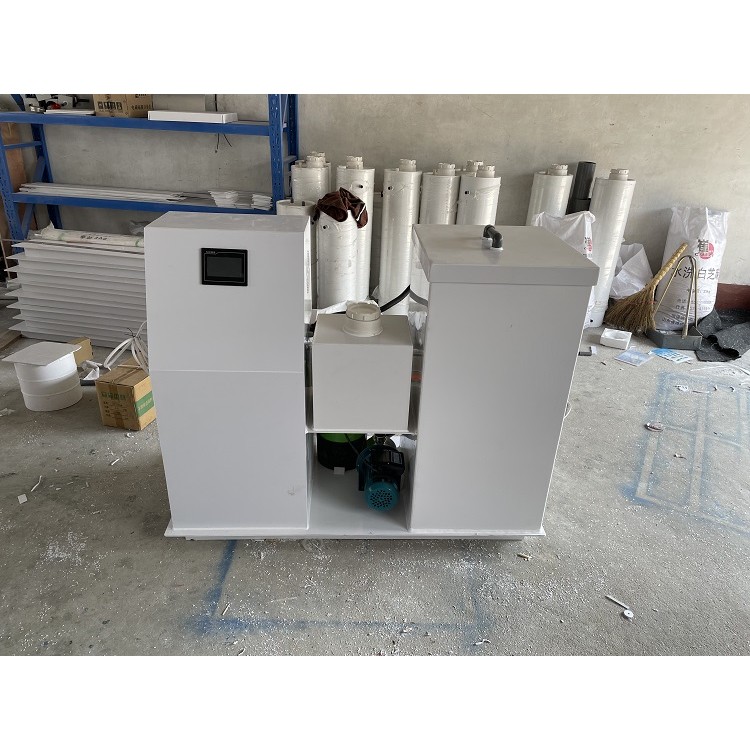
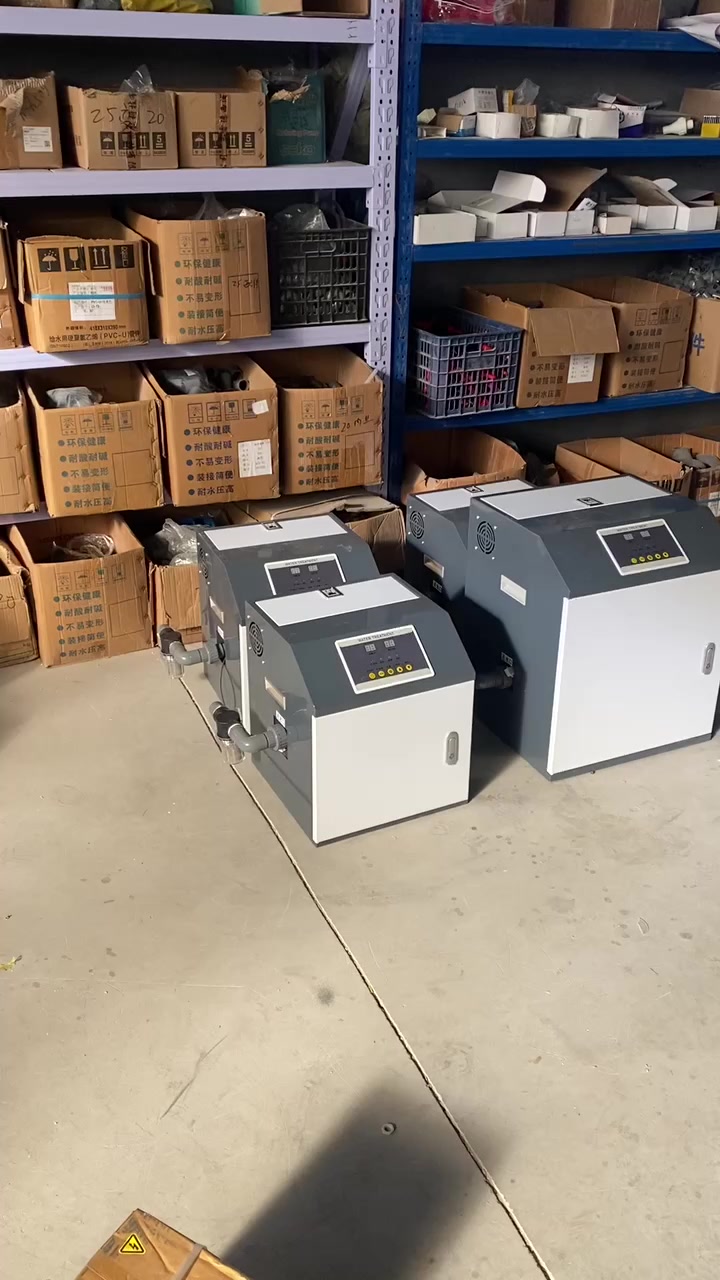
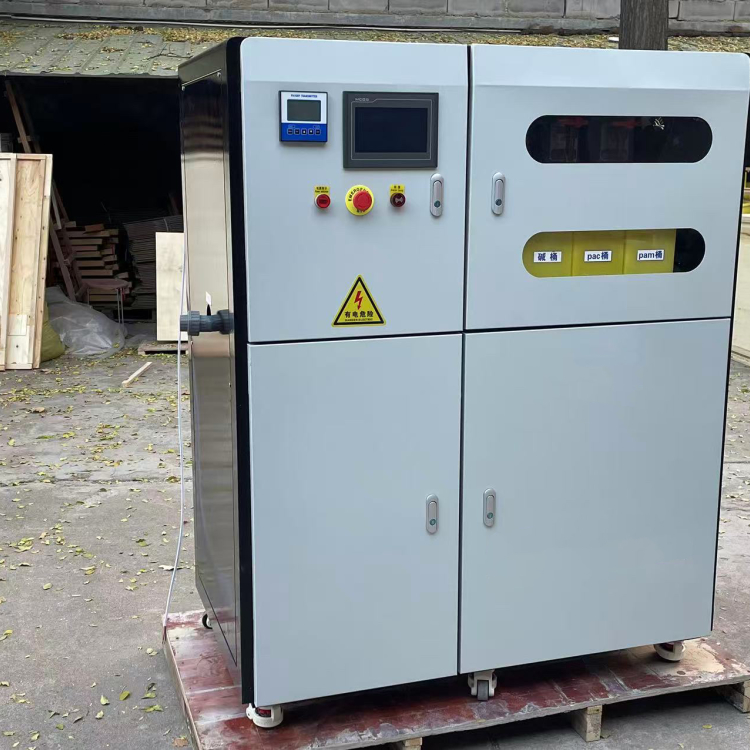







Wastewater treatment equipment refers to the machinery and facilities used for the treatment and purification of wastewater, designed to remove pollutants from the water to meet discharge or reuse standards. Depending on the treatment process and application, wastewater treatment equipment can be categorized into the following types:
Physical Processing Equipment
- **Sifting Equipment**: Removes large particles from water, such as leaves, plastics, etc.
Sedimentation Pond: Removes suspended solids and silt by gravity sedimentation.
- **Filtering Equipment**: Utilizes filter media to remove fine particles from water.
Chemical Processing Equipment
- **Pharmaceutical Additives Equipment**: Devices used to add chemical agents (such as flocculants, chlorinating agents, etc.) to remove contaminants from water.
- **Reaction Pond**: Used for chemical reactions to remove specific pollutants.
3. **Biological Treatment Equipment**
- **Activated Sludge Process**: Utilizes microorganisms to decompose organic matter in wastewater, typically including aeration tanks and sedimentation tanks.
- **Biological Filter**: Utilizes a biofilm on filter media for wastewater treatment.
Anaerobic Treatment Equipment: Converts organic matter into sludge under anaerobic conditions.
4. **Processing Equipment**
**Membrane Treatment Technology**: Including reverse osmosis, ultrafiltration, etc., capable of removing dissolved substances and microorganisms from water.
-Ozone Treatment Equipment: Utilizes ozone gas for oxidation and sterilization.
5. **Sludge Treatment Equipment**
- **Sludge Dewatering Equipment**: Such as belt presses, centrifuges, etc., used for reducing sludge volume.
Sludge Digestion Equipment: Treats sludge through anaerobic digestion and other methods.
These equipment are commonly used in urban, industrial, and residential wastewater treatment facilities. Selecting the appropriate wastewater treatment equipment is crucial for protecting water resources and improving environmental quality.
Wastewater treatment equipment at the inspection center typically includes the following types to ensure effective treatment and purification of wastewater, meeting discharge standards:
Pre-treatment Equipment
- **Grate**: Used to remove large particles from wastewater, such as branches, plastic bags, etc.
Sedimentation pond: Removes sand particles and heavy materials from wastewater.
2. **Biological Treatment Equipment**
- **Activated Sludge Process**: Utilizes microorganisms to decompose organic matter in wastewater.
- **Biological Filter**: Removes pollutants from wastewater through the action of a biofilm.
Chemical Processing Equipment
- **Coagulation and Sedimentation Equipment**: Adds chemicals to wastewater to facilitate the aggregation and sedimentation of pollutants.
- **Disinfection Equipment**: Including ozone generators, UV sterilizers, etc., used for killing pathogens in water.
4. **Sludge Treatment Equipment**
Sludge Concentrator: Removes excess water to increase sludge concentration.
Sludge Dewatering Machine: Further removes moisture from sludge to reduce its volume.
5. Monitoring and Control Systems
- **Online Monitoring Instruments**: Real-time monitoring of various parameters in the wastewater treatment process, such as pH value, turbidity, and COD.
- **Automated Control Systems**: Achieve automated operation and intelligent management of equipment.
6. **Wastewater Recycling System**
Treated water can be used for irrigation, flushing toilets, and other non-drinking purposes.
When selecting and configuring wastewater treatment equipment, it's crucial to consider the specific requirements of the inspection center, the quality of the wastewater, and the treatment scale. Additionally, the maintenance and management of the equipment are vital to ensure its long-term stable operation.
Rural domestic wastewater treatment equipment is a facility designed to address the issue of domestic wastewater treatment in rural areas. Due to the lower population density in rural regions, traditional large-scale wastewater treatment plants are often not suitable, hence the need for the development of small-scale treatment equipment tailored to the characteristics of rural areas. The following are some common types of rural domestic wastewater treatment equipment:
Anaerobic Pond: Utilizes anaerobic bacteria to decompose organic wastewater in an oxygen-free environment, suitable for the preliminary treatment of wastewater.
2. **Wastewater Treatment Integrated Equipment**: Combines various treatment processes (such as sedimentation, aeration, biofilter, etc.) to effectively remove suspended solids and organic matter from water.
3. **constructed wetlands**: A natural filtration and treatment process for wastewater, utilizing the roots of plants and the action of soil microorganisms, and an eco-friendly approach.
4. **Biofilm Reactor**: Utilizes biofilm formation by microorganisms on a carrier to treat wastewater, offering advantages such as a small footprint and high treatment efficiency.
5. **Microfiltration and Ultrafiltration Equipment**: Removes bacteria, sediments, etc., to improve water quality, suitable for secondary treatment.
6. **Solar-Powered Wastewater Treatment Equipment**: Utilizes solar energy for power, ideal for rural areas with ample sunlight, and effectively reduces operational costs.
When selecting rural wastewater treatment equipment, factors such as the source of wastewater, treatment scale, standards, and investment and operating costs should be considered. Additionally, maintenance and management of the equipment are crucial to ensuring effective treatment.
A medical small-release sterilizer is a device used in institutions designed to continuously release sterilizing agents to maintain the cleanliness and hygiene of the environment. Such equipment typically features the following characteristics:
1. **Continuous Release**: Delivers disinfectant slowly over an extended period, ensuring ongoing sanitization of air and surfaces, reducing the risk of pathogens spreading.
2. **Compact Design**: Small in size, easy to place in various locations such as patient rooms, examination rooms, operating rooms, etc., without occupying too much space.
3. **Safety**: Designed with the specific needs of medical environments in mind, the disinfectants used should be gender-neutral, with no residues, ensuring safety for patients and medical staff.
4. **Automation and Intelligence**: Some products may be equipped with sensors to automatically adjust the release amount based on environmental conditions, enhancing the disinfection effect.
5. **Effectiveness**: Capable of effectively killing a variety of bacteria, viruses, and fungi, achieving the purpose of disinfection.
Using such equipment can help institutions improve infection control and reduce the incidence of infections. If interested in specific products, it is recommended to review the information from the relevant equipment manufacturers or suppliers.
Corrugated cardboard wastewater treatment equipment is primarily used for treating wastewater generated during the production or processing of corrugated paper. This wastewater often contains a high concentration of organic matter, suspended solids, and chemicals, necessitating effective treatment to meet environmental protection standards. Below are some common types of corrugated cardboard wastewater treatment equipment and their working principles:
Physical Processing Equipment
- **Grate**: Used for large particle impurities in sewage, such as paper, plastic, etc.
Sedimentation Tank: Removes sand particles and larger solids from wastewater by gravity settlement.
2. **Biological Treatment Equipment**
- **Bioreactor**: Utilizes the metabolic action of microorganisms to degrade organic matter in wastewater. Common reactors include activated sludge process and biofilter.
- **Anaerobic Reactor**: Designed for treating high-concentration organic wastewater, utilizing anaerobic microorganisms to degrade organic matter and producing.
Chemical Processing Equipment
- **Sedimentation Pond**: Aggregates suspended particles by adding chemicals (such as flocculants) for settlement and removal.
- **Oxidation Pond**: Conducts oxidation reactions within the pond to remove harmful substances from wastewater.
4. Post-Processing Equipment
- **Membrane Filtration**: Utilizes ultrafiltration, nanofiltration, or reverse osmosis membrane technologies for advanced treatment of processed water, enhancing water quality.
Disinfection Equipment: Such as UV sterilizers or chlorination equipment, used for eliminating residual pathogens, ensuring the safety of the water quality upon output.
By combining these equipment, a corrugated board wastewater treatment system can be established to meet local or regional discharge standards, minimizing environmental impact. When selecting specific equipment, factors such as the characteristics of the wastewater, treatment scale, and investment budget should be considered.
The Membrane Bioreactor (MBR) is a wastewater treatment technology that combines membrane separation technology with a bioreactor. It primarily removes pollutants from water through two steps: biological degradation and membrane filtration. The MBR offers several advantages in treating domestic and industrial wastewater:
1. **Pollutant Removal**: MBR efficiently removes organic matter, nitrogen, phosphorus, and other pollutants, resulting in effluent quality superior to traditional activated sludge processes.
2. **Space-saving**: Due to the presence of the membrane, MBR can treat more wastewater in a smaller volume, making it suitable for locations with limited space.
3. **High Sludge Concentration**: The MBR system features a higher sludge concentration, which is conducive to enhancing reaction rate and treatment performance.
4. **Crystal Clear Water Output**: The filtration through the membrane effectively removes sediment particles and suspended matter, resulting in crystal clear and transparent water output.
5. **User-Friendly Operation**: Membrane bioreactors typically require less operation and maintenance, making them more convenient than traditional wastewater treatment systems.
Common applications of membrane bioreactors include municipal wastewater treatment, industrial wastewater treatment, wastewater reuse, and water resource recovery. In practical applications, the design and operation of MBR systems must consider factors such as membrane fouling, operational costs, and the selection of membrane materials. With technological advancements, MBR is increasingly being widely used in the field of wastewater treatment.
WeChat Official Account

Scan to follow Official Account