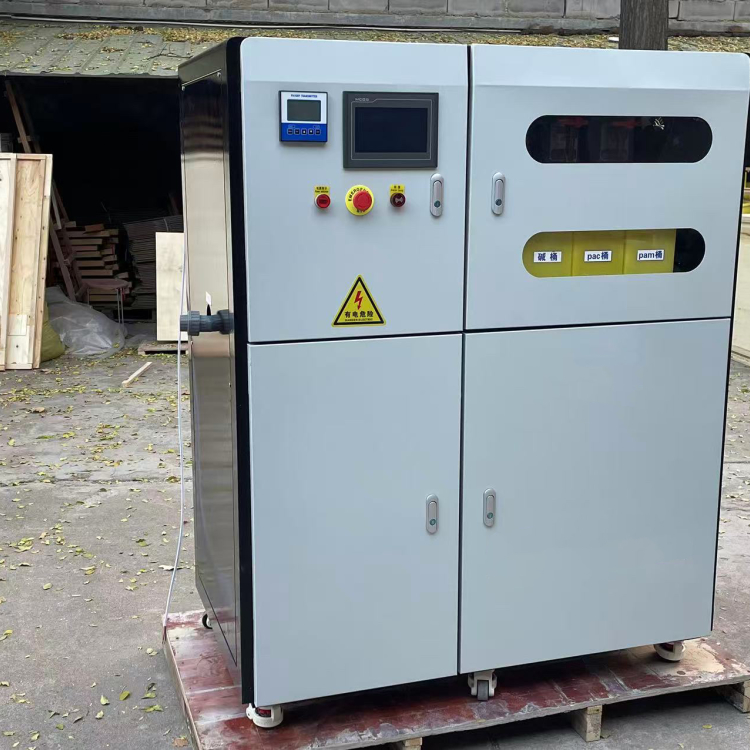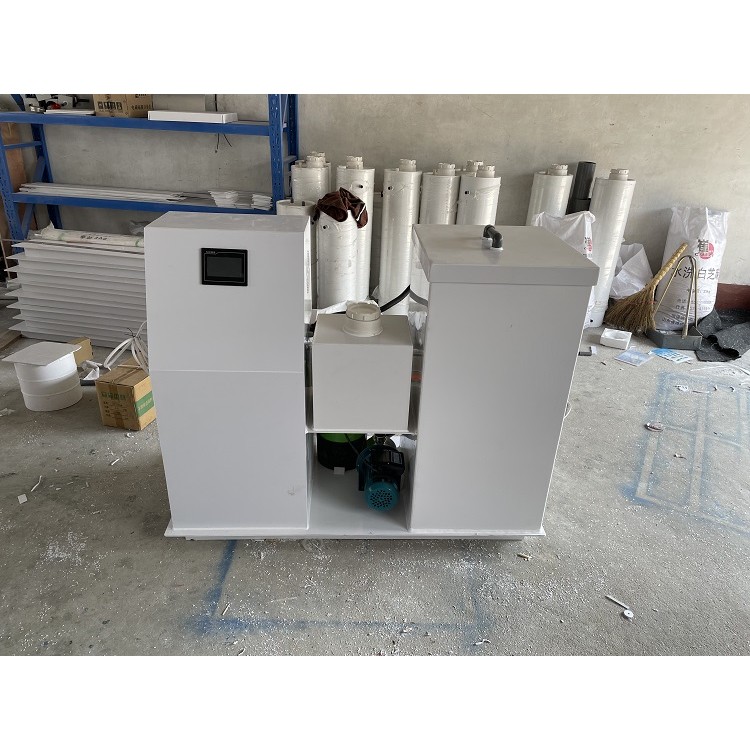








Reclaimed water recycling equipment is a facility used for treating and recycling wastewater from domestic and industrial sources, enabling the reuse of treated water for irrigation, toilet flushing, car washing, and cooling water, among other applications. The main components of a reclaimed water recycling system include:
**Pre-treatment Equipment**: Used to remove larger particles from water, typically including grates, sedimentation basins, etc.
2. **Biological Treatment Equipment**: Removes pollutants from water through biodegradation, commonly including methods like the activated sludge process and Membrane Bio-Reactor (MBR).
3. **Chemical Treatment Equipment**: Removes pollutants from water by adding chemical agents, such as coagulation and sedimentation, oxidation and reduction processes.
4. **Filtering Equipment**: Removes suspended particles from water through physical filtration methods, commonly including sand filtration and membrane filtration.
5. **Disinfection Equipment**: Ensures water safety post-treatment with methods like chlorine disinfection, ozone disinfection, and ultraviolet disinfection.
6. **Storage and Distribution System**: Stores and supplies treated reclaimed water to the designated usage locations.
The advantages of reclaimed water reuse lie in water conservation, reduced emissions, and alleviating the burden on wastewater treatment systems, and it is widely used in urban and industrial sectors. With the intensification of water scarcity issues, the development and application prospects of reclaimed water reuse equipment are promising.
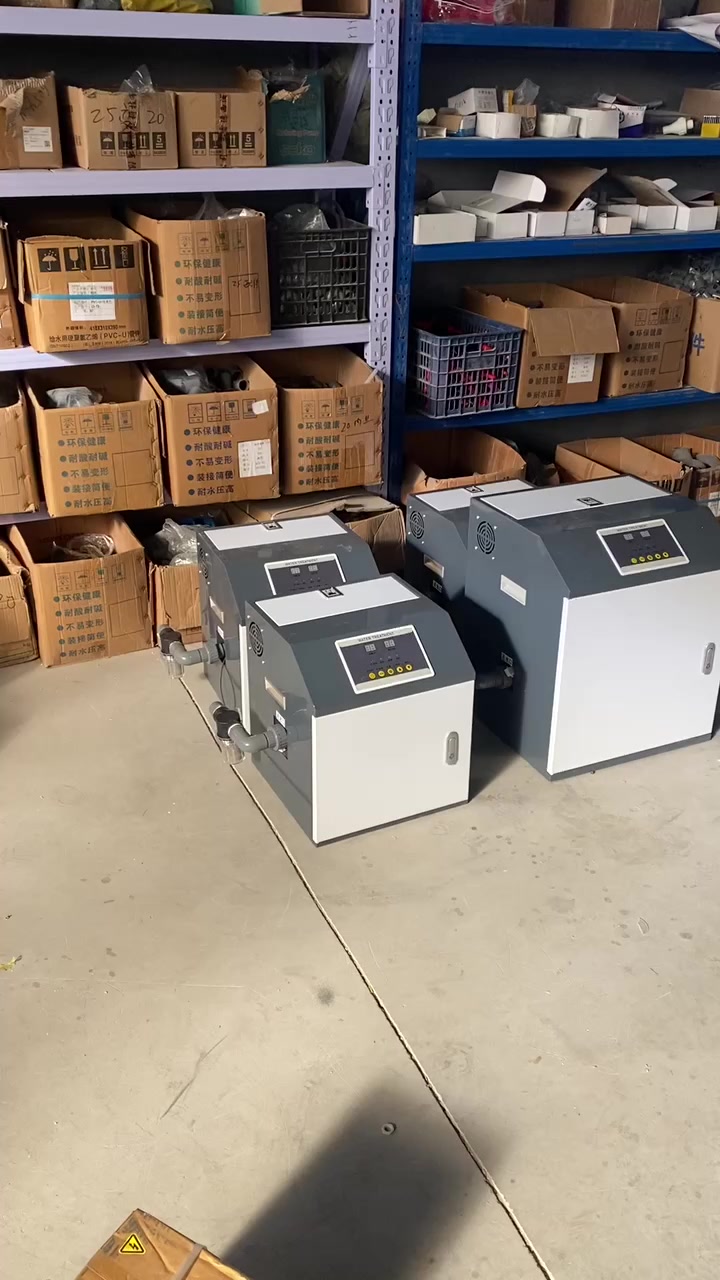
The Automatic Dosage and Disinfection Unit is a device used in water treatment, wastewater treatment, and drinking water disinfection fields. It can automatically add chemicals and disinfect water bodies according to pre-set programs and requirements, aiming to achieve water purification. Below are some of its main features and characteristics:
1. **Automatic Medication Injection**: The equipment adjusts the dosage of medication automatically based on changes in water quality and real-time monitoring data, ensuring water quality meets standards.
2. **Real-Time Monitoring**: Equipped with water quality sensors, it monitors indicators in real-time, such as pH level, turbidity, and residual chlorine, and can automatically adjust based on the monitoring data.
3. **Remote Control**: Many fully automatic dosing and disinfection units can be remotely monitored and managed via the internet or software, allowing operators to adjust parameters at any time for convenience.
4. **High Safety**: Equipment is typically equipped with multiple safety protection measures, such as chemical leakage alarms and overpressure protection, to ensure safety during operation.
5. **Energy-saving & Environmental Protection**: Through optimized dosing schemes, reduces the usage of chemicals, lowers operation costs, and has a minimal impact on the environment.
6. **Easy Maintenance**: The equipment is designed with ease of maintenance in mind, facilitating cleaning and component replacement.
This device is widely used in waterworks, sewage treatment plants, industrial water treatment, and swimming pools, enhancing the efficiency and effectiveness of water treatment and achieving intelligent management.
Surgical Operating Room Wastewater Treatment Equipment is primarily used to treat wastewater generated in operating rooms, ensuring it meets environmental protection standards before discharge. Below are some common types of surgical operating room wastewater treatment equipment and their functions:
Wastewater Pretreatment Equipment
- **Grate**: Designed to remove large debris and solid waste, preventing blockages in subsequent equipment.
Settling Pond: Removes sediment from wastewater through natural sedimentation.
2. **Oxidation Equipment**
- Treat wastewater with ozone, chlorine, and peroxide as oxidizing agents for disinfection and organic matter removal.
3. **Biological Treatment Equipment**
- **Bioreactor**: Utilizes microorganisms to degrade organic pollutants in wastewater, which can be either aerobic or anaerobic biological treatment.
4. **Membrane Separation Technology**
Ultrafiltration membranes and nanofiltration membranes, etc., effectively remove bacteria and drug components from wastewater through the selectivity of the membranes.
5. **Wastewater Disinfection Equipment**
- Further treated with ultraviolet disinfection or chemical disinfectants to ensure the safety of the effluent water quality.
6. **Wastewater Reuse System**
- Treated wastewater is used for non-drinking purposes such as toilet flushing and gardening.
When using these equipment, comply with relevant waste disposal regulations to ensure a safe and effective process. When selecting, also consider factors such as the equipment's disposal capacity, maintenance costs, and environmental adaptability.
Wheat flour mill wastewater treatment equipment is primarily used to process the wastewater generated during the flour production process, which may contain high levels of BOD, COD, suspended solids, starch, and other pollutants. Effective wastewater treatment can minimize environmental impact and meet discharge standards. The following are some common wastewater treatment equipment and processes for wheat flour mills:
Grate screens: Used for preliminary removal of larger solid impurities to prevent blockage in subsequent equipment.
2. **Sedimentation Tank**: Removes sand particles and larger suspended solids from the water through gravity settling.
3. **Regulating Tank**: Adjusts incoming water volume and quality to ensure stability in subsequent treatment processes.
4. **Bioreactors**: Can utilize activated sludge process, Sequencing Batch Reactors (SBR), etc., for degradation of organic matter in wastewater.
5. **Settling Basin**: Used to separate and settle sludge from treated water, allowing for further treatment or drying of the sludge.
6. **Filtering Equipment**: Such as multi-media filters, to further remove suspended particles from water.
7. **Disinfection Equipment**: Such as UV sterilizers or chlorination disinfectors, used to inactivate pathogens in water, ensuring the quality of the treated water.
8. **Sludge Treatment Equipment**: Including sludge thickener and dewatering machine, used for treating sludge in sedimentation ponds.
When selecting and designing wastewater treatment equipment for flour mills, it's crucial to tailor the design to the actual water quality and discharge standards to ensure both the effectiveness and cost-effectiveness of the treatment. Additionally, regular maintenance and monitoring are vital for the proper operation of the equipment.
Rural domestic wastewater treatment equipment is a facility designed to address the issue of domestic wastewater treatment in rural areas. Due to the lower population density in rural regions, traditional large-scale wastewater treatment plants are often not suitable, and thus, small-scale treatment equipment tailored to the rural characteristics is needed. The following are some common types of rural domestic wastewater treatment equipment:
Anaerobic Pond: Utilizes anaerobic bacteria to decompose organic wastewater in an oxygen-deprived environment, suitable for preliminary wastewater treatment.
2. **Integrated Wastewater Treatment Equipment**: Combines various treatment processes (such as sedimentation, aeration, biological filters, etc.), capable of effectively removing suspended solids and organic matter from water.
3. **constructed wetlands**: A natural filtration and treatment method for wastewater, utilizing the roots of plants and soil microorganisms, and an eco-friendly approach.
4. **Biofilm Reactor**: Utilizes microbial biofilms formed on a carrier to treat wastewater, offering advantages such as small land footprint and high treatment efficiency.
5. Microfiltration and Ultrafiltration Equipment: Removes bacteria, sediments, etc., to improve water quality, suitable for secondary treatment.
6. **Solar-Powered Wastewater Treatment Equipment**: Harnesses solar energy for power, ideal for well-lit rural areas, effectively reducing operational costs.
When selecting rural domestic wastewater treatment equipment, factors such as the source of wastewater, treatment scale, standards, and investment and operating costs must be considered. Additionally, the maintenance and management of the equipment are crucial for ensuring treatment effectiveness.
"PAC" can refer to several different concepts, the specific meaning of which usually depends on the context. Here are some common interpretations:
1. **Political Action Committee (PAC)**: In the U.S., a PAC is an organization that aims to support or oppose candidates or policies by raising and distributing funds.
2. **Agent Agreement (Permanent Agent Contract)**: Refers to a lasting contractual relationship in certain business environments.
3. **Program Authorization Center**: May be used to specifically refer to a certain type of certification or regulatory body in some cases.
4. **Planning, Action, Control (PAC)**: In project management and business strategy, PAC can represent a framework.
5. **PAC Device**: In electronic and computer engineering, this device can be used to implement digital circuits and programs.
If you have specific context or need detailed information on a certain aspect, please let me know, and I'll provide more specific explanations!
WeChat Official Account

Scan to follow Official Account