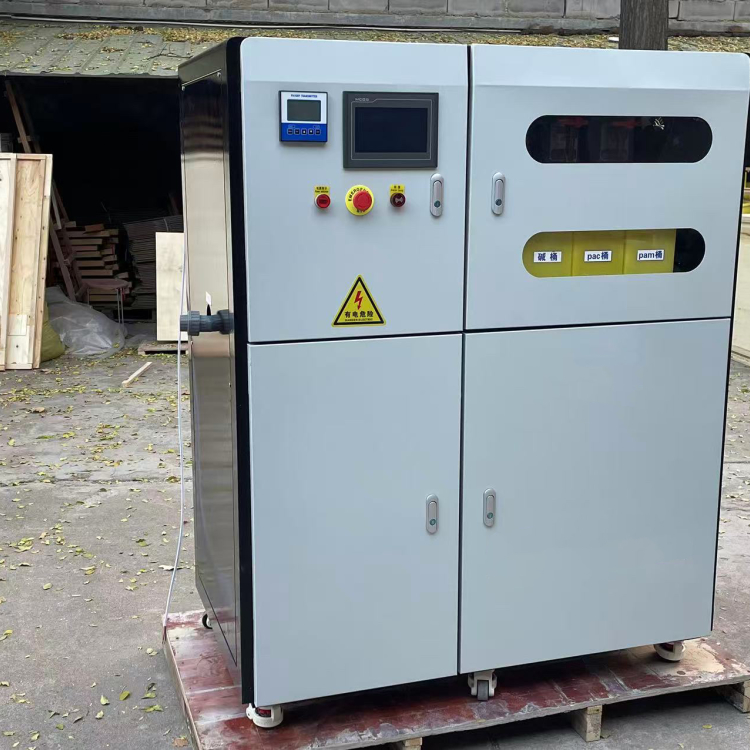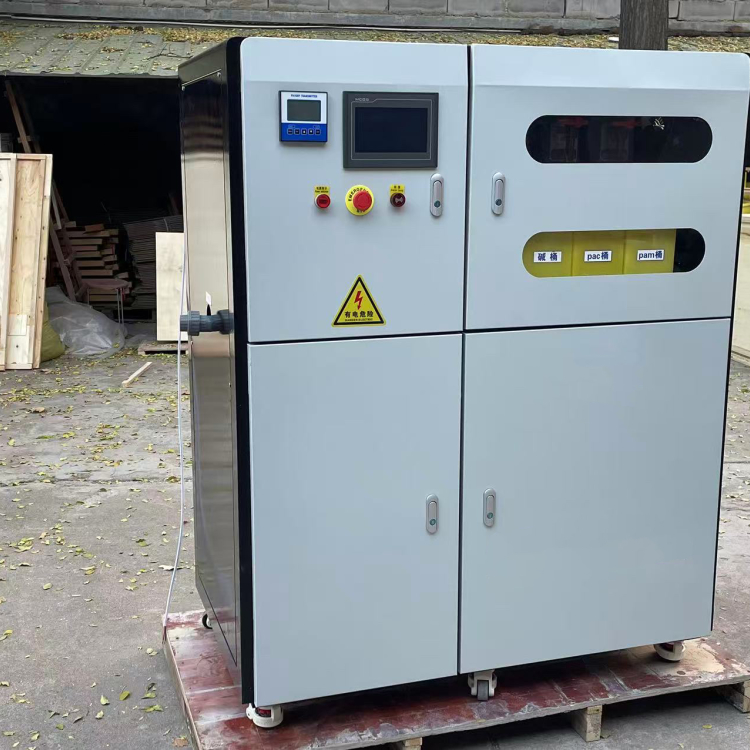

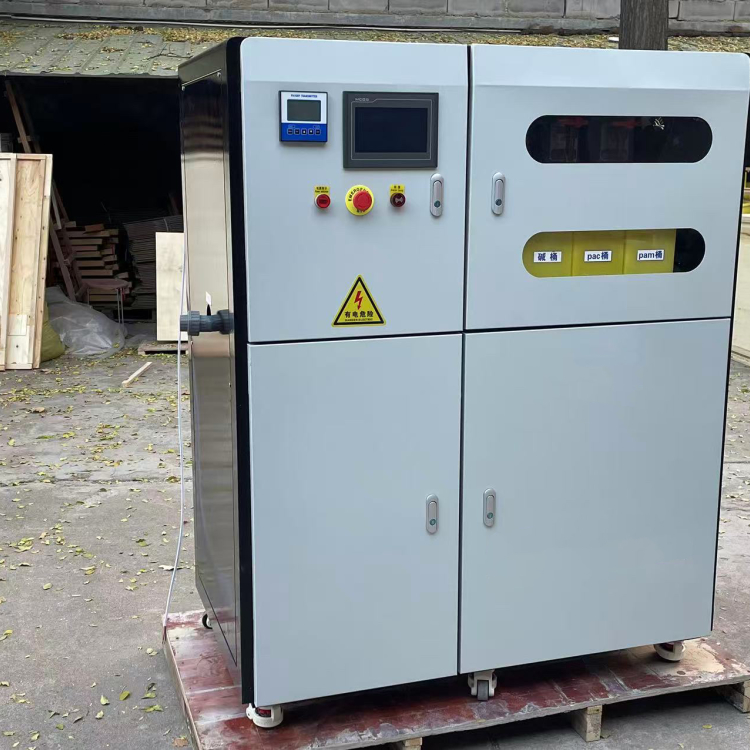


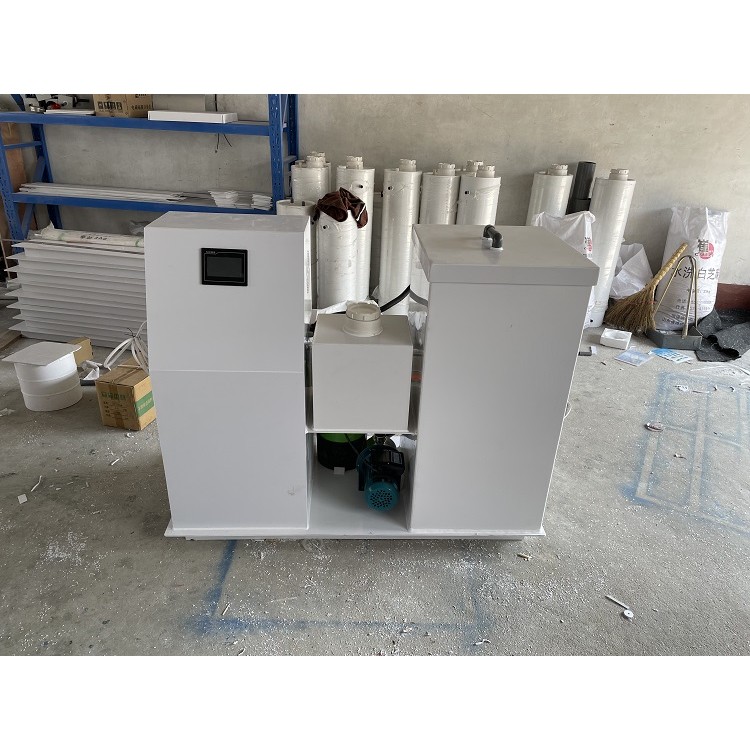
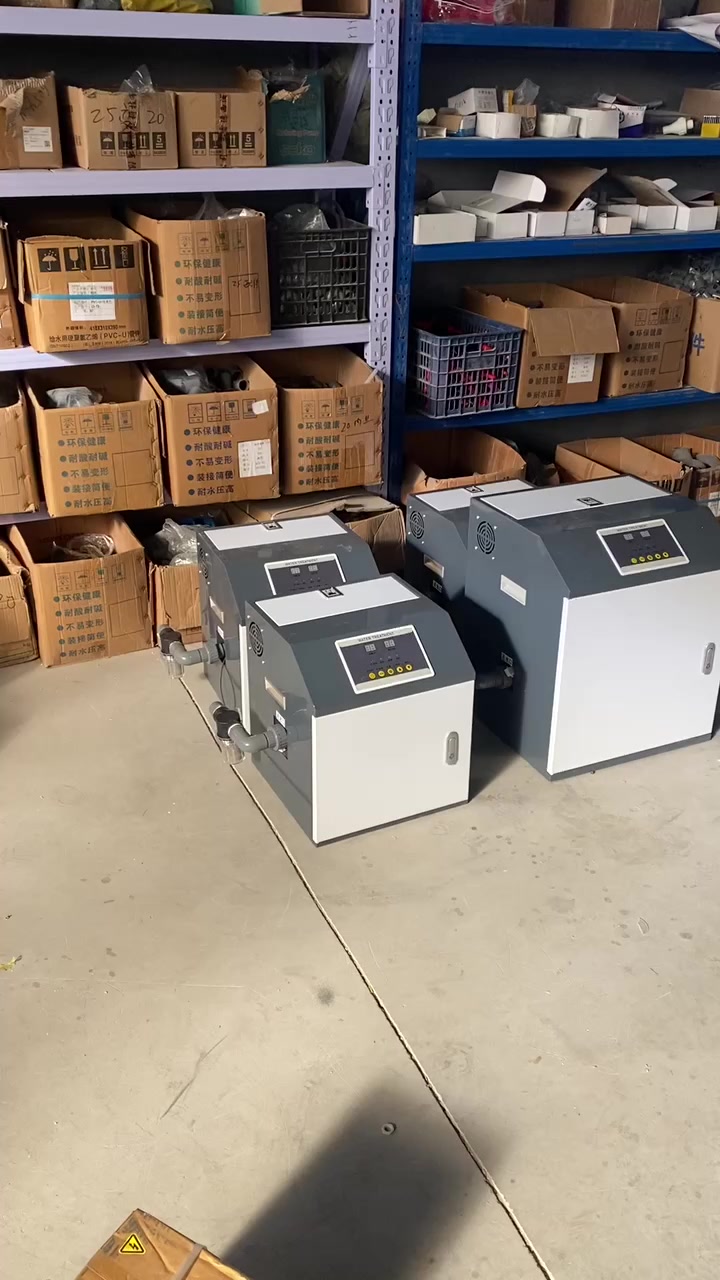








Reclaimed water equipment is a facility used for treating and recycling domestic wastewater, industrial wastewater, and other water sources, allowing the treated water to be reused for irrigation, flushing toilets, car washing, cooling water, and other applications. The main components of a reclaimed water recycling system include:
1. **Pre-treatment Equipment**: Used for removing larger particles from water, typically including grates, sand settlement basins, etc.
2. **Biological Treatment Equipment**: Removes pollutants from water through biodegradation methods, commonly including Activated Sludge Process, Membrane Bioreactor (MBR), etc.
3. **Chemical Treatment Equipment**: Removes pollutants from water by adding chemical reagents, including processes such as coagulation and precipitation, oxidation and reduction.
4. **Filtering Equipment**: Removes suspended particles from water through physical filtration methods, commonly including sand filtration, membrane filtration, etc.
5. **Disinfection Equipment**: Ensures water safety post-treatment with methods like chlorine, ozone, and UV disinfection.
6. **Storage and Distribution System**: Stores and supplies treated greywater to the designated locations.
The advantages of reclaimed water use lie in water conservation, reduced emissions, and alleviating the burden on wastewater treatment systems, and it is widely applied in both urban and industrial sectors. With the worsening water scarcity issue, the development and application prospects of reclaimed water use equipment are promising.
Wastewater treatment equipment for breweries is primarily used to process wastewater generated during the production process to meet environmental protection standards and minimize environmental impact. Brewery wastewater typically contains high concentrations of organic matter, suspended solids, nitrogen, and phosphorus, making the treatment process relatively complex. The following are some commonly used wastewater treatment equipment and technologies:
**Primary Sedimentation Tank**: Designed for the settlement of large suspended solids in wastewater, reducing the workload for subsequent treatment.
2. **Aeration Tank**: Increases dissolved oxygen in water through aeration, facilitating the decomposition of organic matter in wastewater by microorganisms.
3. **Biofilter**: Utilizes microorganisms growing on fixed media to decompose organic matter in water. Commonly used for treating high-concentration organic wastewater.
4. **Air Floatation Equipment**: Lifts suspended particles in water by introducing bubbles, achieving the purpose of separation.
5. **Membrane Filtration** (such as ultrafiltration, nanofiltration): Used to remove suspended particles, bacteria, and certain dissolved substances from water, enhancing water quality.
6. **Chemical Sedimentation Equipment**: Facilitates the precipitation of pollutants like phosphorus in wastewater through the addition of chemical reagents.
7. **Sludge Dewatering Equipment**: Reduces the volume of treated sludge for easier disposal.
8. **Disinfection Equipment**: Includes ozone, chlorine, or ultraviolet disinfection to eliminate pathogens and microorganisms in water, ensuring safe effluent quality.
When selecting specific wastewater treatment equipment, it is essential to consider the brewery's production scale, wastewater volume, and quality characteristics, to ensure both effective treatment and cost-effectiveness.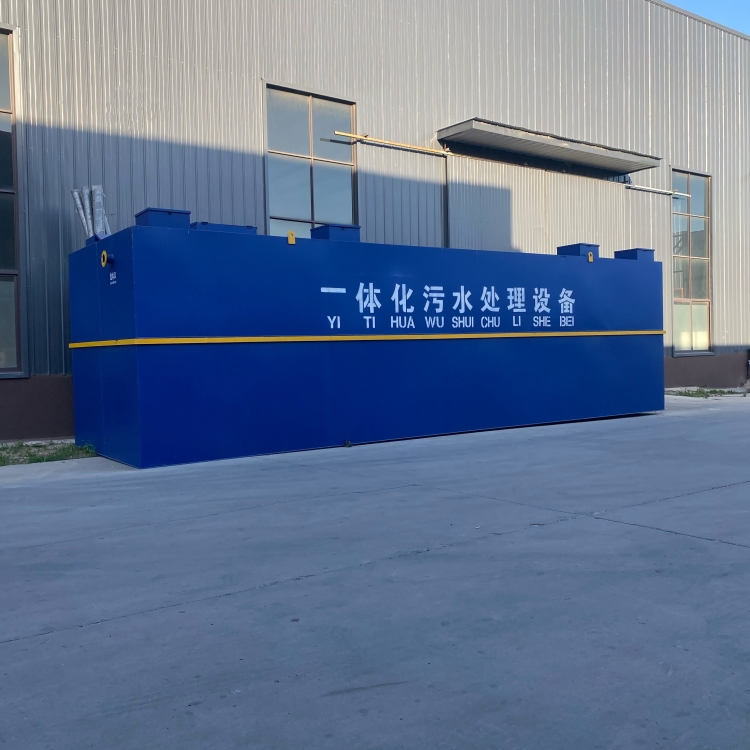 Dairy farm wastewater treatment equipment is designed to address the issue of waste water generated during the daily operations of dairy farms. Due to the high content of organic matter, nitrogen, fats, and other pollutants in the wastewater produced by dairy farms, an effective treatment system is required to ensure environmental protection and compliance with relevant laws and regulations.
Common cattle farm wastewater treatment equipment includes:
Sedimentation Tank: Used for removing suspended solids and particulate matter from wastewater through gravity separation.
2. **Anaerobic Reactor**: Utilizes anaerobic microorganisms to degrade organic matter in wastewater, producing biogas while simultaneously reducing the organic load in the wastewater.
3. **Aerobic Reactor**: Converts residual organic matter and nitrogen-phosphorus substances into substances using aerobic microorganisms, typically through methods such as air flotation or aeration.
4. **Biofilter**: Further purifies wastewater using biofilm technology, removing nutrients such as nitrogen and phosphorus.
5. **Wastewater Disinfection Equipment**: Including UV sterilizers or chlorination units, ensuring the treated water meets discharge standards.
6. **Sludge Treatment Equipment**: Such as sludge dewatering machines, used for dewatering and treating sludge generated during the treatment process.
7. **Wastewater Recycling System**: Treated water can be reused for irrigation, flushing, etc., achieving a circular utilization of resources.
When selecting the appropriate wastewater treatment equipment, factors such as the scale of the dairy farm, the nature of the wastewater, local environmental requirements, and the operating costs of the equipment should be considered. A scientifically and reasonably designed wastewater treatment system can effectively reduce the environmental impact of dairy farms.
Poultry farm wastewater treatment equipment is primarily used to process waste water generated during the chicken farming process, to reduce environmental pollution and protect water sources. Common wastewater treatment equipment includes:
Sedimentation Pond: Allows solid particles in wastewater to settle by gravity, removing a portion of suspended matter.
2. **Biological Treatment Ponds**: Utilize microorganisms to decompose organic matter in wastewater, commonly including activated sludge process and anaerobic digestion.
3. **Filter Beds**: Further remove suspended solids and pollutants from water through methods such as sand filtration and activated carbon filtration.
4. **Chemical Treatment Equipment**: Removes dissolved pollutants from water by adding chemicals such as flocculants and oxidizers.
5. **Membrane Filtration Equipment**: Including ultrafiltration, nanofiltration, and reverse osmosis, used for further water purification.
6. **Disinfection Equipment**: Including ultraviolet sterilizers, chlorination, etc., to ensure that the treated water meets the discharge standards.
7. **Wastewater Recycling System**: Recycles treated water for irrigation and other uses, reducing water wastage.
The wastewater treatment system for a poultry farm should be designed and equipment selected based on the farming scale, wastewater discharge volume, and local environmental protection requirements.
Slaughterhouse wastewater treatment equipment typically includes the following categories:
**Pre-treatment Equipment**: Includes grates, sedimentation basins, etc., used for removing large particles and sand to protect subsequent treatment equipment.
2. **Biological Treatment Systems**: Commonly employs methods such as activated sludge process and biofilm process, utilizing microorganisms to degrade organic matter in wastewater.
3. **Anaerobic Wastewater Treatment Equipment**: For high-concentration organic wastewater, anaerobic reactors can be utilized for anaerobic digestion to reduce organic load.
4. **Wastewater Flocculation and Sedimentation Equipment**: Adds flocculants to promote the settling of suspended solids in wastewater, thereby purifying the water quality.
5. **Disinfection Equipment**: Utilizes ozone or ultraviolet light for sterilization to ensure the water quality meets relevant standards.
6. **Sludge Treatment System**: Treats generated sludge through dewatering and drying processes to reduce its volume, facilitating handling and disposal.
When selecting wastewater treatment equipment, factors such as the characteristics of the meat processing plant's wastewater, treatment capacity, operational costs, and environmental protection requirements should be considered. Ensuring compliance with environmental regulations and achieving discharge standards is the primary goal of wastewater treatment for meat processing plants.
If you have a specific context or need detailed information on a certain aspect, please let me know, and I'll provide more specific explanations!
WeChat Official Account

Scan to follow Official Account