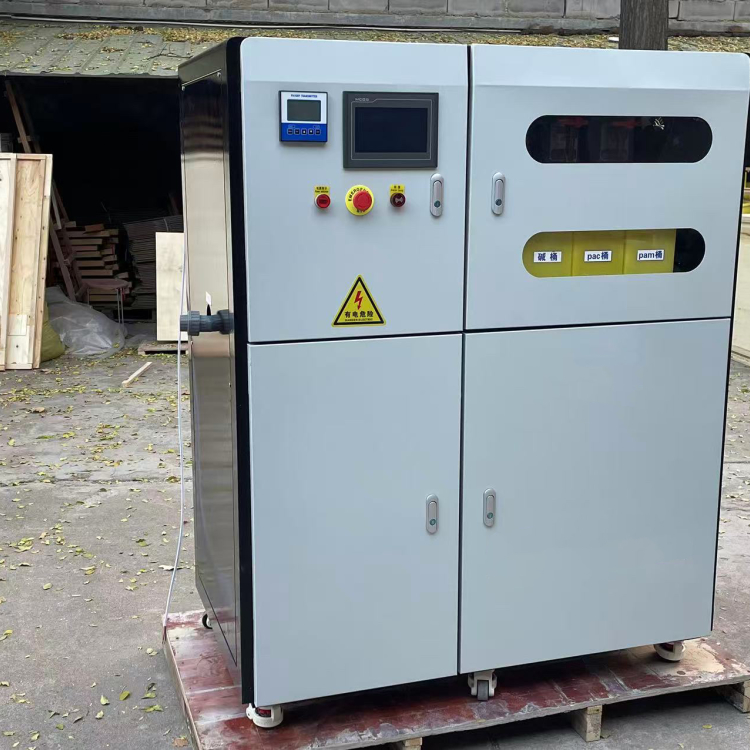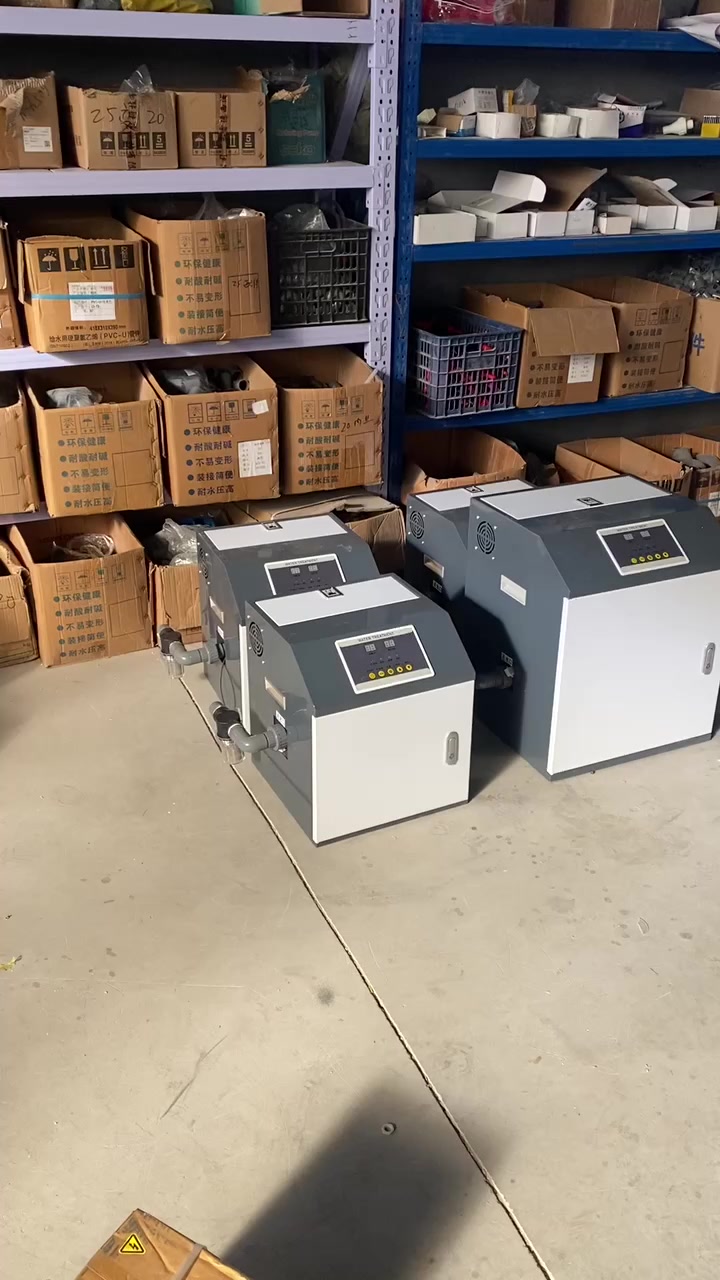

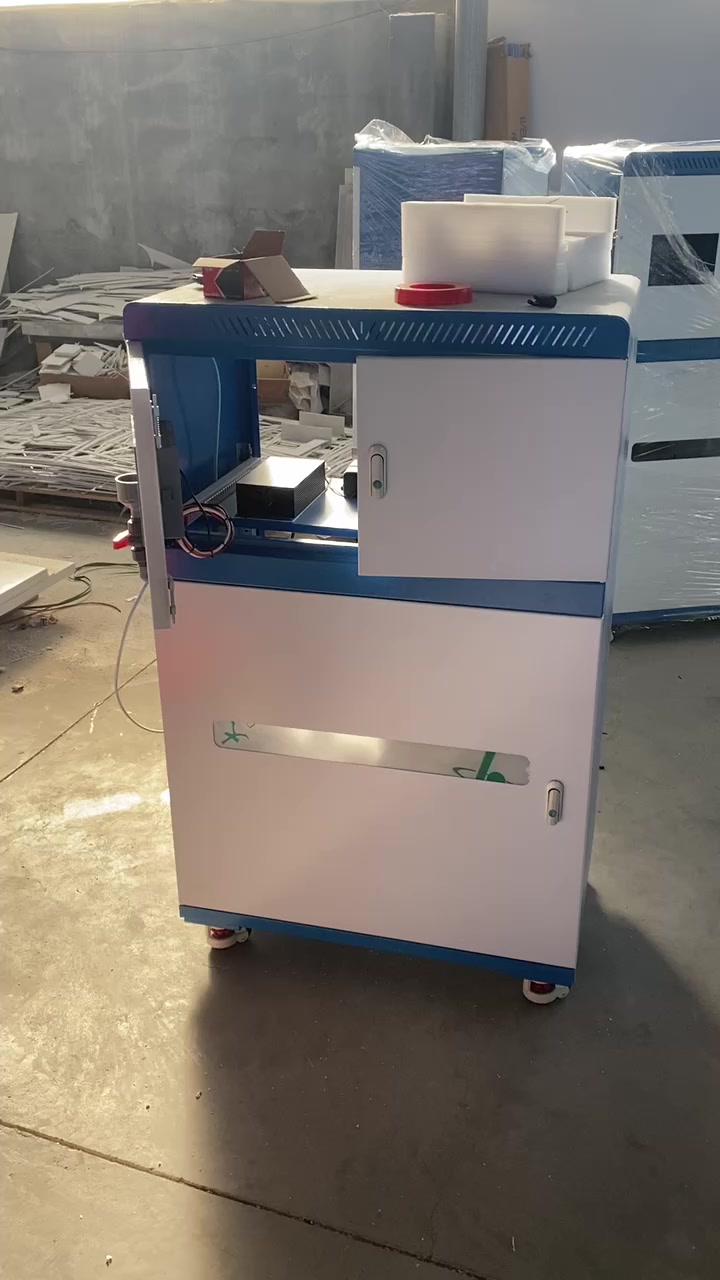
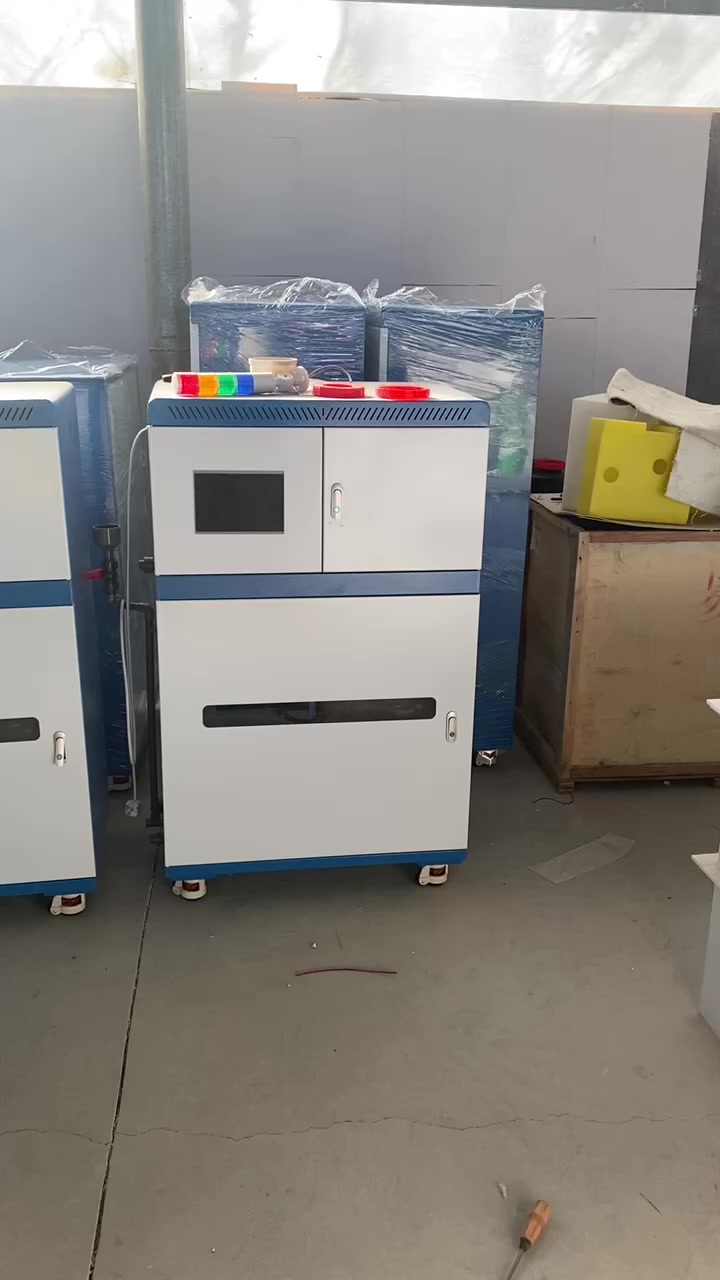


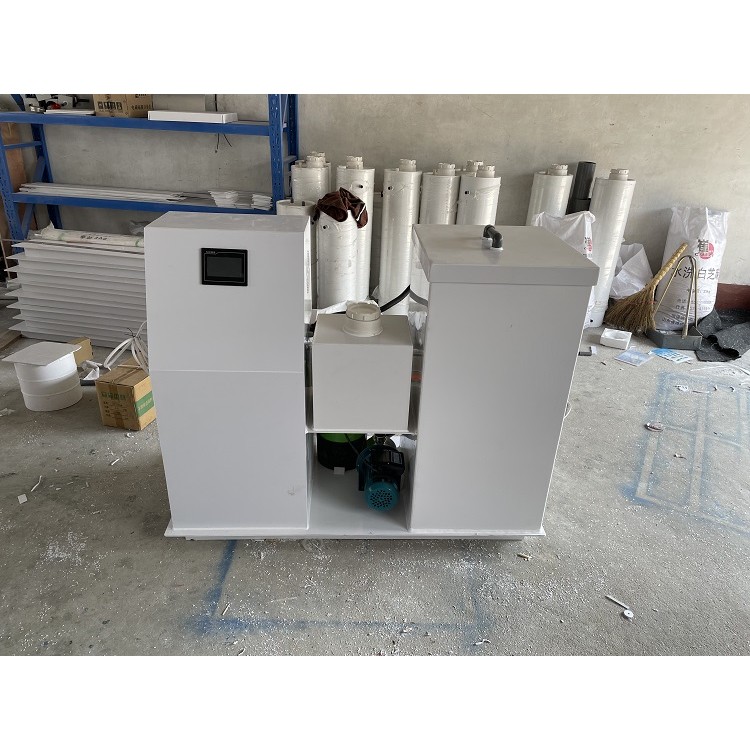
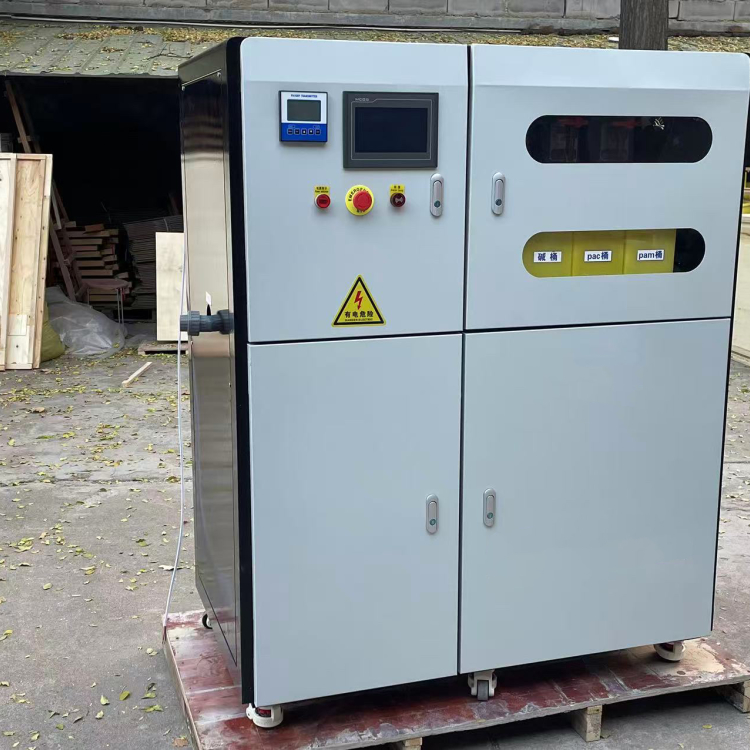








Small medical wastewater treatment equipment plays a crucial role as one of the basic infrastructures in modern medical institutions. Designed specifically for treating various types of wastewater generated during medical activities, it ensures these wastewaters meet stringent environmental protection standards and requirements prior to discharge.
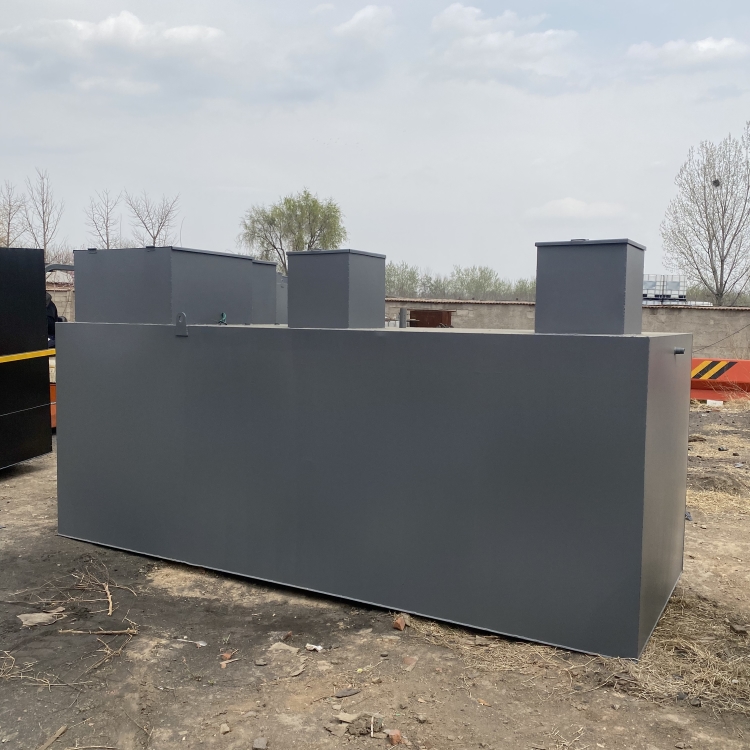 These units typically feature a compact design to achieve high processing capacity in limited spaces. They integrate advanced physical, chemical, and biological treatment technologies, capable of removing solids, pathogens, chemical residues, and other harmful substances from wastewater. Through a series of processes including fine filtration, sedimentation, and more, these small-scale medical wastewater treatment units can transform wastewater that may contain high levels of pollutants into clear, harmless water, thereby protecting the environment and public health.
Technically, small-scale medical wastewater treatment equipment is constantly evolving, introducing intelligent control systems and remote monitoring capabilities. This allows operators to monitor the equipment's operational status and effluent water quality in real-time, adjusting treatment parameters promptly to ensure stable operation. Moreover, these devices feature self-diagnosis and alarm functions, enabling them to emit alerts in case of issues, facilitating prompt maintenance and preventing disruption to medical activities.
Additionally, these small-scale medical wastewater treatment units emphasize energy conservation and environmental benefits. They are constructed with energy-efficient materials and optimized designs, reducing energy consumption and noise pollution during operation. Simultaneously, by reducing the amount of chemicals used and enhancing the efficiency of wastewater treatment, these units make significant contributions to sustainable development and healthcare for medical institutions.