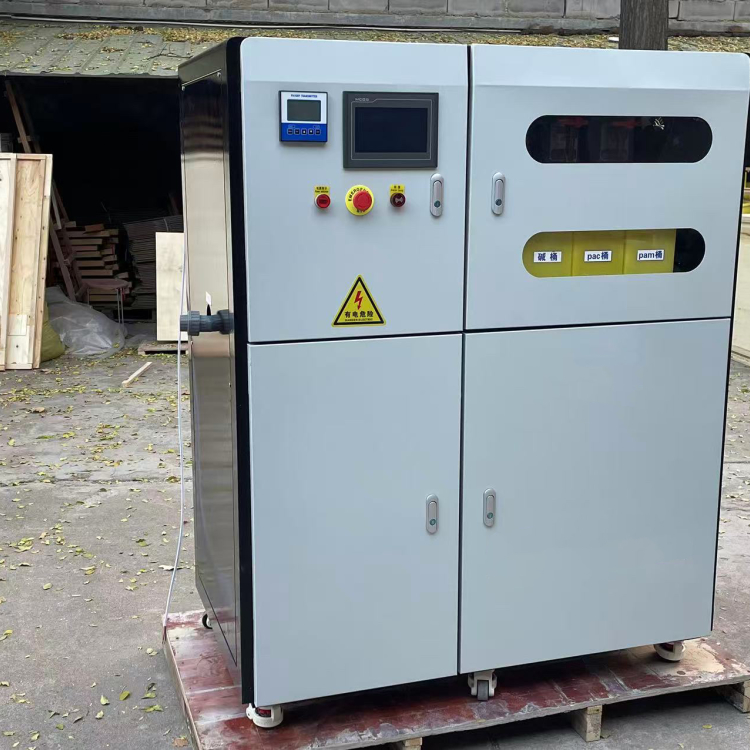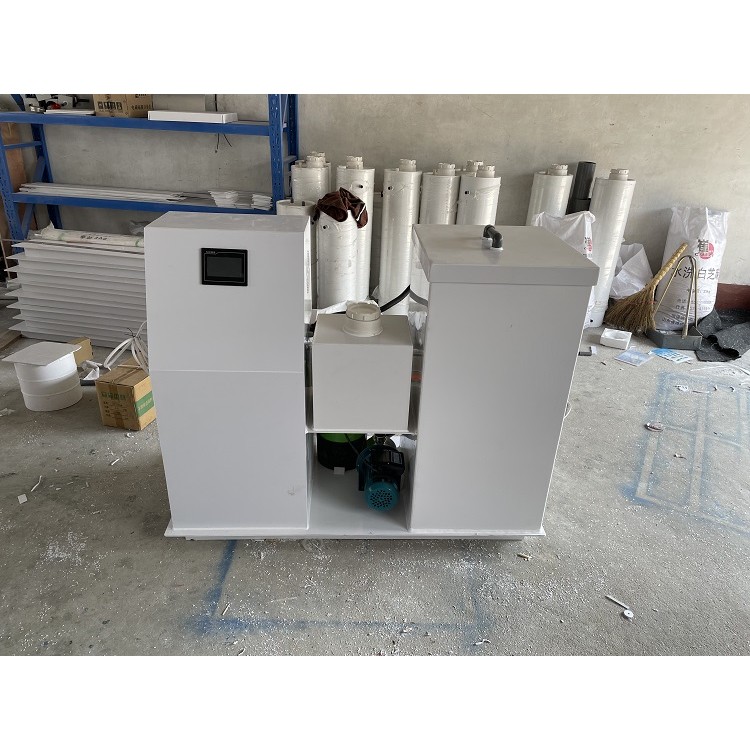
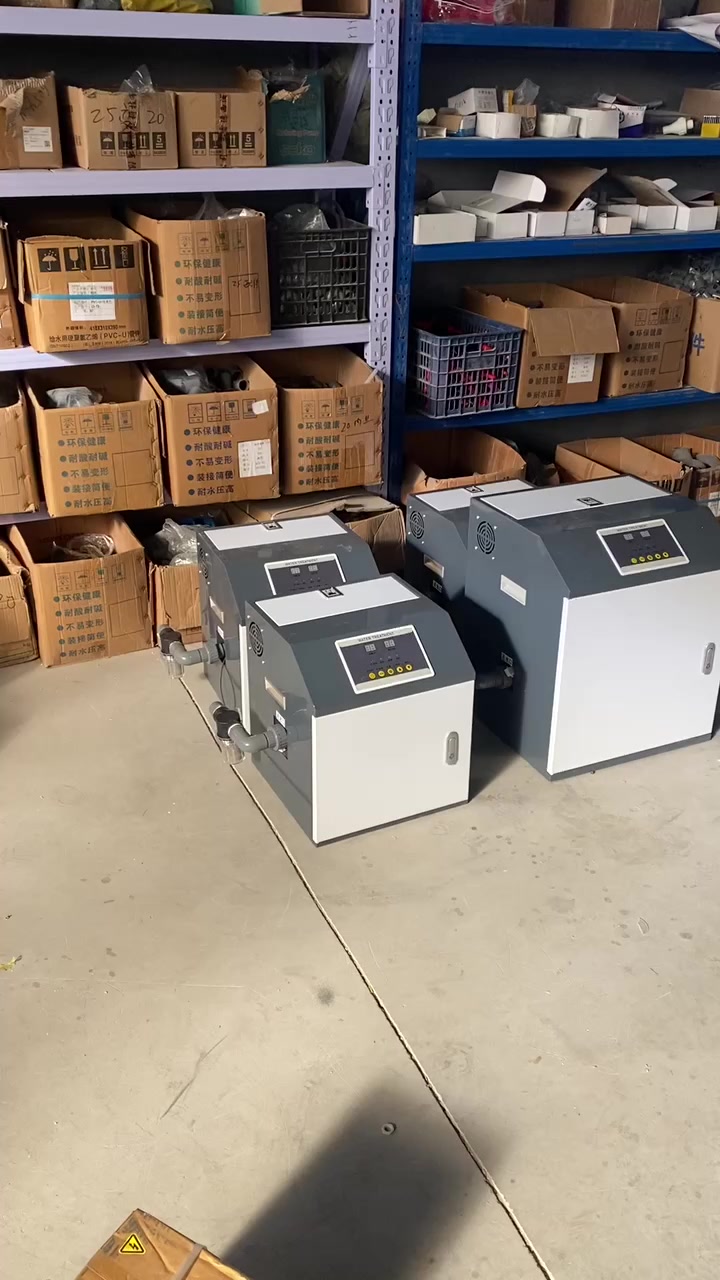








Anaerobic reactor towers are equipment used in the anaerobic degradation process, widely applied in wastewater treatment, waste disposal, and biogas production fields. Within anaerobic reactor towers, microorganisms decompose organic matter in an oxygen-free environment, producing by-products, primarily including methane and carbon dioxide.
The main features of the anaerobic reactor tower include:
Anaerobic Environment: The tower is designed to be sealed, preventing oxygen from entering, creating an environment conducive to the growth of anaerobic microorganisms.
2. **Temperature Control System**: Some reaction towers are equipped with heating systems to maintain an appropriate temperature (typically between 30°C to 60°C), promoting the activity of microorganisms.
3. **Solid-Liquid Separation**: In certain designs, the tower may feature a solid settling zone, aiding in the separation of solids from liquids to enhance reaction efficiency.
4. **Mixed System**: To ensure uniform reaction, the tower is equipped with a mixing device or a gas-lifting device to maintain thorough mixing of the materials.
5. **Gas Collection**: The gas produced during the reaction is collected and can be used for energy utilization.
The advantages of anaerobic reactors include reducing the volume of wastewater and solid waste, recovering energy, and producing useful by-products. However, strict control of design and operation is required to ensure stability of the reaction.
Corrugated Paperboard Wastewater Treatment Equipment is primarily used for treating wastewater generated during the production or processing of corrugated paper. This wastewater typically contains a high concentration of organic matter, suspended solids, and chemicals, necessitating effective treatment to meet environmental standards. Below are some common types of corrugated paperboard wastewater treatment equipment and their operating principles:
Physical Processing Equipment
**Grate**: Designed for removing large particles from wastewater, such as paper fragments, plastic, etc.
- **Sedimentation Tank**: Removes sand particles and larger solids from wastewater through gravity settlement.
2. **Biochemical Treatment Equipment**
- **Bioreactor**: Utilizes the metabolic action of microorganisms to degrade organic matter in wastewater. Common reactors include activated sludge process and biological filter.
- **Anaerobic Reactor**: Designed for treating high-concentration organic wastewater, utilizing anaerobic microorganisms to degrade organic matter and capable of producing.
Chemical Processing Equipment
- **Coagulation Sedimentation Tank**: Aggregates suspended solids by adding chemicals (such as flocculants) and removes them through sedimentation.
- **Aeration Pond**: A pond where oxidation reactions occur to remove harmful substances from wastewater.
4. Post-Processing Equipment
- **Membrane Filtration**: Utilizing ultrafiltration, nanofiltration, or reverse osmosis membrane technologies to perform deep treatment on processed water, enhancing water quality.
- Disinfection Equipment: Such as UV sterilizers or chlorination equipment, used to eliminate remaining pathogens, ensuring safe water quality for discharge.
By combining these equipment, a corrugated board wastewater treatment system can be constructed to meet local or regional discharge standards and minimize environmental impact. When selecting specific equipment, factors such as the characteristics of the wastewater, treatment scale, and investment budget should be considered.
Slaughterhouse wastewater treatment equipment typically includes the following categories:
1. **Pre-treatment Equipment**: Includes grates, sedimentation basins, etc., used for removing large particles and sand, protecting subsequent treatment equipment.
2. **Biological Treatment Systems**: Commonly utilizes methods such as the activated sludge process and biofilm process, employing microorganisms to degrade organic matter in wastewater.
3. **Anaerobic Wastewater Treatment Equipment**: For high-concentration organic wastewater, anaerobic reactors can be used for anaerobic digestion to reduce organic load.
4. **Wastewater Flocculation and Sedimentation Equipment**: Adds flocculants to promote the settling of suspended solids in wastewater, thereby purifying water quality.
5. **Disinfection Equipment**: Commonly uses ozone or ultraviolet light for sterilization to ensure the water quality meets relevant standards.
6. **Sludge Treatment System**: Treats generated sludge through dewatering and drying processes, reducing sludge volume for easier handling and disposal.
When selecting wastewater treatment equipment, factors such as the characteristics of the wastewater from the meat processing plant, treatment capacity, operational costs, and environmental protection requirements must be considered. Ensuring compliance with environmental regulations and achieving discharge standards is the primary goal of wastewater treatment for meat processing plants.
A medical small-time release sterilizer is a device for institutions designed to continuously release sterilizing agents to maintain the cleanliness and hygiene of the environment. Such devices typically possess the following features:
1. **Continuous Release**: Delivers disinfectant slowly over an extended period, ensuring ongoing sterilization of air and surfaces, reducing the risk of pathogen transmission.
2. **Compact Design**: Small in size, easy to place in various locations such as patient rooms, clinics, operating rooms, etc., without occupying much space.
3. **Safety**: Designed with the specific needs of medical environments in mind, the disinfectants used should be non-irritating and leave no residues, ensuring safety for patients and medical staff.
4. **Automation and Intelligence**: Some products may be equipped with sensors to automatically adjust the release amount based on environmental conditions, enhancing the disinfection effect.
5. **Effectiveness**: Capable of effectively killing a variety of bacteria, viruses, and fungi, achieving the purpose of disinfection.
Using such equipment can help institutions improve infection control and reduce the incidence of infections. If interested in specific products, it is recommended to review the information from the relevant equipment manufacturers or suppliers.
The fully automatic dosing and disinfection unit is a device used in water treatment, wastewater treatment, and drinking water disinfection fields. It can automatically add chemicals and disinfect water bodies according to preset programs and requirements to achieve water purification. The following are some of the main functions and features:
1. **Automatic Medication Injection**: The equipment can automatically adjust the dosage of medication based on water quality changes and real-time monitoring data, ensuring the water quality meets standards.
2. **Real-Time Monitoring**: Equipped with water quality sensors, it monitors parameters in real-time, such as pH level, turbidity, and residual chlorine, and can automatically adjust based on the monitoring data.
3. **Remote Control**: Many fully automatic dosing and disinfection units can be remotely monitored and managed via the internet or software, allowing operators to adjust parameters at any time for convenience.
4. **High Safety**: The equipment is typically equipped with multiple safety protection measures, such as chemical leakage alarms and overpressure protection, to ensure safety during operation.
5. **Energy-saving and Environmental Protection**: By optimizing the dosing scheme, we reduce the amount of chemicals used, lower operation costs, and have a smaller environmental impact.
6. **Easy Maintenance**: Equipment designs typically consider ease of maintenance, making cleaning and part replacement straightforward.
This equipment is widely used in waterworks, wastewater treatment plants, industrial water treatment, and swimming pools, enhancing the efficiency and effectiveness of water treatment, and achieving intelligent management.
An integrated lift station is a water pump system that combines multiple functions, commonly used in urban sewage, rainwater drainage, and water treatment applications. By integrating pumps, pipes, electrical control equipment, and other accessories into a single structure, it offers enhanced efficiency and convenience. This type of pump station features the following characteristics:
Space-saving: Highly integrated components occupy less floor space, making installation and layout convenient.
2. **Easy Installation**: The integrated design simplifies installation and reduces the complexity of on-site construction.
3. **Feature**: The adopted pump technology and control system enhance the efficiency of the water pump and reduce energy consumption.
4. **Smart Control**: Modern integrated lift stations are typically equipped with intelligent monitoring systems, which can real-time monitor the equipment's operational status, ensuring system stability and safety.
5. **Easy Maintenance**: Modular design simplifies maintenance and repair, reducing operational costs.
6. **High Corrosion Resistance**: Many integrated lift stations are made with corrosion-resistant materials, suitable for transporting sewage and acidic or alkaline liquids.
These pump stations are widely used in urban construction, park development, and agricultural irrigation, playing a crucial role in enhancing the efficiency of water resource utilization and management.
WeChat Official Account

Scan to follow Official Account