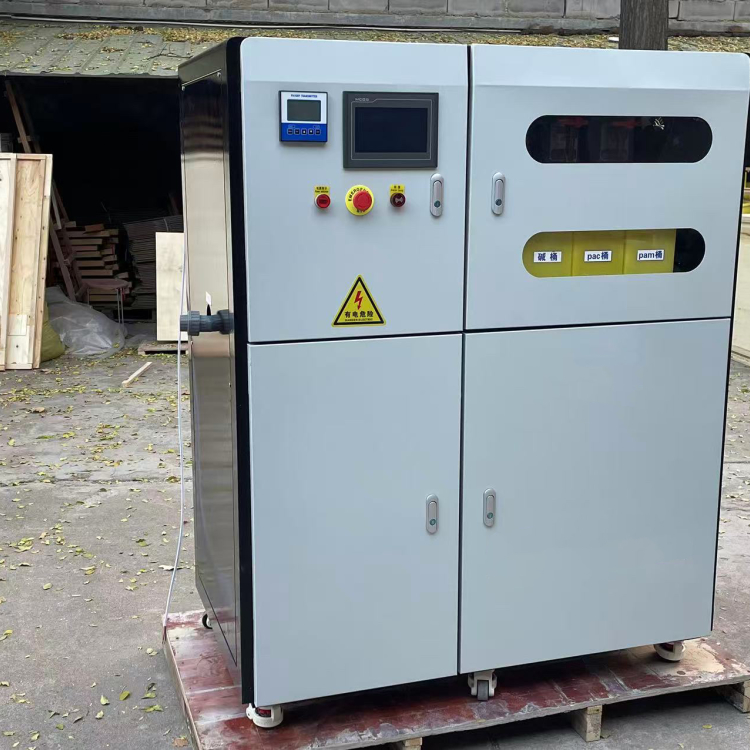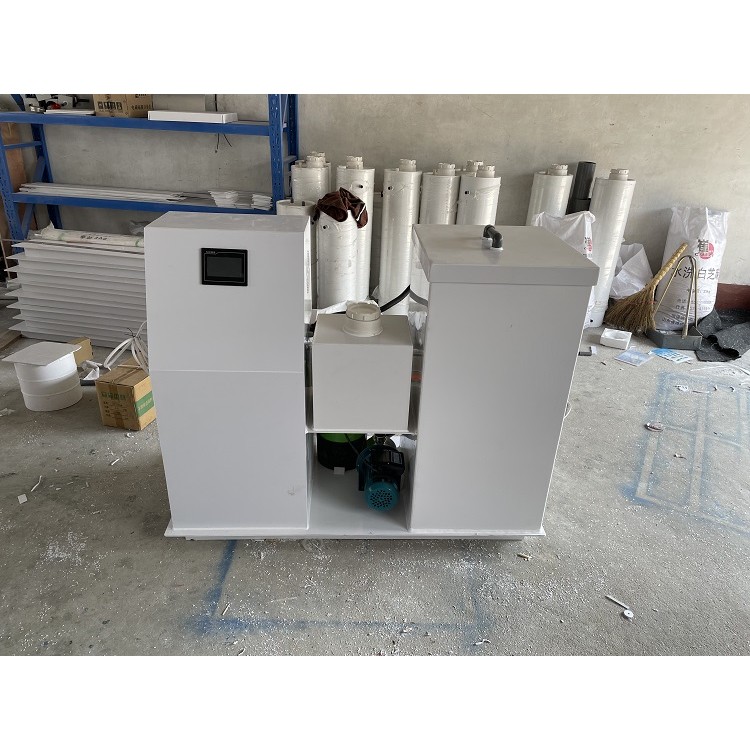
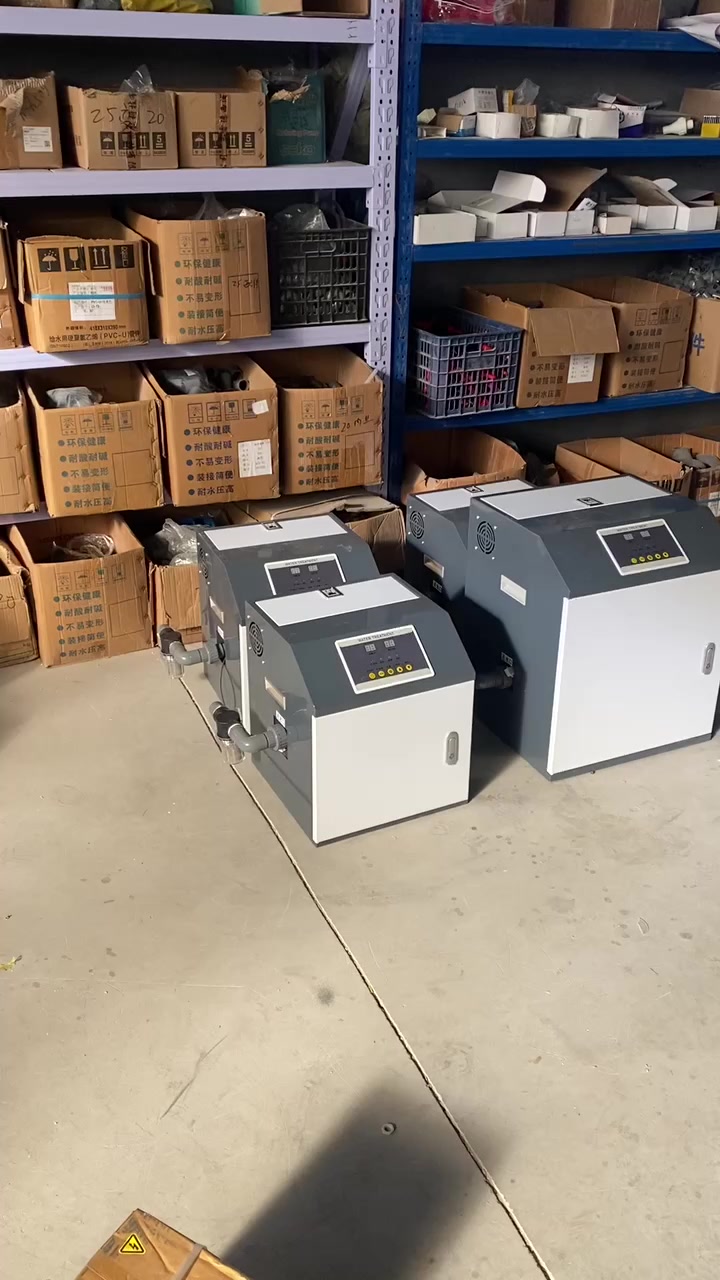
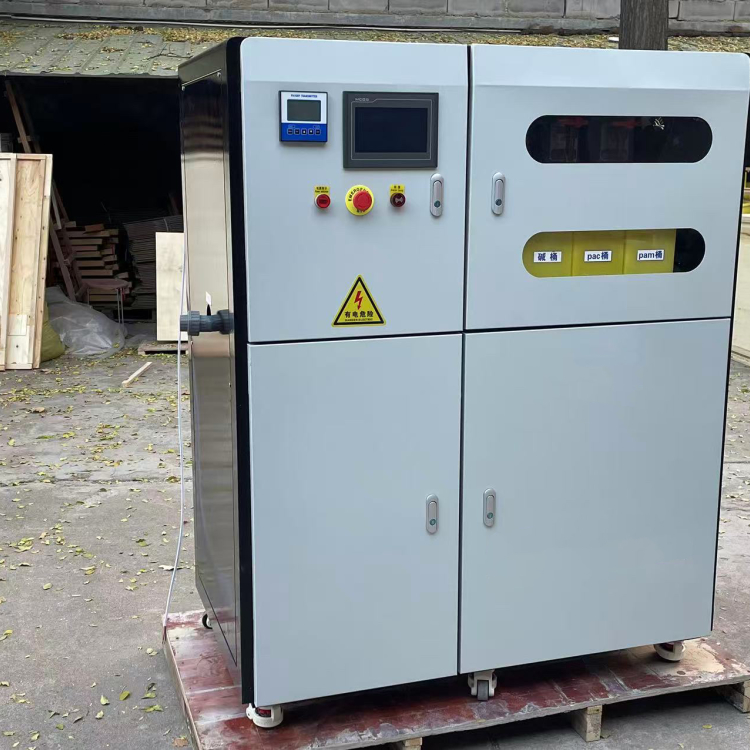








Hospitals' wastewater treatment equipment is primarily used for processing waste water generated from areas such as operating rooms, wards, and laboratories. This wastewater often contains pathogenic microorganisms, toxic chemicals, and other pollutants, necessitating specialized treatment equipment to ensure safe discharge. Below are some common types and technologies of hospital wastewater treatment equipment:
Physical Processing Equipment
- **Grating**: Used for preliminary removal of large debris from preliminary wastewater.
Sedimentation Pond: Used for removing silt and sediment from water.
2. **Biological Treatment Equipment**
- **Activated Sludge Process**: Removes organic matter from wastewater through the degrading action of microorganisms.
- **Biofilter**: Utilizes biofilm technology to remove organic matter and elements like nitrogen and phosphorus from water.
Chemical Processing Equipment
Coagulation and Sedimentation: Promoting the settlement of suspended solids in wastewater by adding coagulants.
- Disinfection Equipment: Including ozone, chlorine, or UV disinfection, used for killing pathogens and microorganisms in wastewater.
4. **Oxidation Treatment**
**Fenton Reaction**: Utilizing hydroxyl radicals generated by the catalysis of peroxide and iron ions for wastewater treatment.
**Membrane Separation Technology**: Including ultrafiltration, nanofiltration, and reverse osmosis, used for removing trace contaminants from water.
5. **Wastewater Treatment System Integration**
Many will employ a comprehensive wastewater treatment system, integrating the aforementioned various treatment technologies, to ensure effective removal of pollutants and meet emission standards.
When selecting hospital wastewater treatment equipment, factors such as wastewater sources, treatment capacity, operational costs, and environmental protection requirements should be considered. Additionally, regular maintenance and inspections of the equipment are crucial for ensuring its proper functioning.
Wastewater treatment equipment in tourist attractions is primarily used to process waste water generated by visitors and facilities within the area, to protect the environment and maintain ecological balance. Common wastewater treatment equipment includes:
Biological Treatment Equipment: Utilizes microorganisms to decompose organic matter in wastewater, common methods include activated sludge process, biological filters, etc.
2. **Wastewater Treatment Integrated Equipment**: Combines various treatment processes, suitable for small to medium-sized tourist attractions, easy to use, and can be modularly installed.
3. **Membrane Treatment Equipment**: Utilizes membrane separation technology to remove bacteria, viruses, and other contaminants from wastewater, resulting in high-quality water.
4. **Chemical Treatment Equipment**: Used to promote the sedimentation or oxidation of harmful substances in wastewater by adding chemical reagents, commonly employed for treating specific types of wastewater.
5. **Sewage Pumping Station**: Used in low-lying areas to elevate sewage to treatment facilities or discharge points.
When selecting the appropriate wastewater treatment equipment, factors such as tourist flow in tourist attractions, wastewater generation, water quality requirements, and environmental regulations should be considered. Additionally, the maintenance and management of the equipment are crucial to ensure its long-term effective operation.
Poultry farm wastewater treatment equipment is primarily used to process the waste water generated during the chicken farming process, to reduce environmental pollution and protect water sources. Common wastewater treatment equipment includes:
Sedimentation Tank: Allows solid particles in wastewater to settle due to gravity, removing some suspended matter.
2. **Biological Treatment Ponds**: Utilize microorganisms to decompose organic matter in wastewater, common methods include activated sludge process, anaerobic digestion, etc.
3. **Filter Pools**: Further remove suspended particles and pollutants from water through methods such as sand filtration and carbon filtration.
4. **Chemical Treatment Equipment**: Removes dissolved pollutants from water by adding chemicals such as flocculants and oxidizers.
5. **Membrane Filtration Equipment**: Such as ultrafiltration, nanofiltration, and reverse osmosis, used for further purification of water quality.
6. **Disinfection Equipment**: Including ultraviolet sterilizers, chlorination, etc., to ensure the treated water meets discharge standards.
7. **Wastewater Recycling System**: Recycles treated water for use in irrigation and other applications, reducing water waste.
The wastewater treatment system for the poultry farm should be designed and equipment selected based on the scale of breeding, the amount of wastewater discharge, and local environmental protection requirements.
Rural domestic wastewater treatment equipment is designed to address the issue of domestic wastewater treatment in rural areas. Due to the lower population density in rural regions, traditional large-scale wastewater treatment plants are often not suitable, hence the need for the development of small-scale treatment equipment tailored to rural characteristics. Below are some common types of rural domestic wastewater treatment equipment:
Anaerobic Pond: Utilizes anaerobic bacteria to decompose organic wastewater in an oxygen-deprived environment, suitable for preliminary wastewater treatment.
2. **Integrated Wastewater Treatment Equipment**: Combines various treatment processes (such as sedimentation, aeration, biofilter, etc.), effectively removing suspended solids and organic matter from water.
3. **Artificial Wetlands**: A natural filtration and treatment method for wastewater, utilizing the roots of plants and soil microorganisms, and an eco-friendly approach.
4. **Biofilm Reactor**: Utilizes microorganisms forming a biofilm on a carrier to treat wastewater, offering advantages such as small land occupation and high treatment efficiency.
5. Microfiltration and Ultrafiltration Equipment: Removes bacteria, sediments, etc., improving water quality, suitable for secondary treatment.
6. Solar Water Treatment Equipment: Harnessing solar energy, suitable for rural areas with abundant sunlight, effectively reducing operation costs.
When selecting rural wastewater treatment equipment, factors such as the source of wastewater, treatment scale, standards, and investment and operational costs should be considered. Additionally, equipment maintenance and management are crucial for ensuring effective treatment.
Wastewater treatment equipment in emergency centers is typically designed to ensure effective treatment of wastewater and sewage to prevent contamination and the spread of infection. Below are some common types of emergency center wastewater treatment equipment and their functions:
Wastewater Treatment System
- **Primary Sedimentation Tank**: Used for removing larger particles to reduce the load on subsequent treatment.
- **Biological Treatment Equipment**: Utilizes microorganisms to decompose organic matter in wastewater, such as biofilters or activated sludge process.
2. **Disinfection Equipment**
- **Ultraviolet Disinfectant**: Utilizes ultraviolet light to eliminate bacteria and viruses in water.
- **Chlorination Disinfection System**: Disinfects wastewater by adding chlorine agents, eliminating pathogenic microorganisms.
3. **Wastewater Collection and Transportation System**
- **Sewage Pumps**: Used to collect and transport sewage from various areas to the treatment system.
- **Piping Systems**: Ensures safe and efficient transport of wastewater from various collection points to treatment equipment.
4. **Solid Waste Management System**
**Sludge Dewatering Equipment**: Designed for treating sludge generated during the wastewater treatment process, reducing volume for easier disposal.
Incinerator for waste disposal: Used for treating non-biodegradable waste.
5. **Monitoring and Automation Systems**
- **Water Quality Monitoring Instruments**: Real-time monitoring of wastewater parameters such as pH, turbidity, and dissolved oxygen to ensure treatment effectiveness.
- **Automated Control Systems**: Monitor and adjust equipment operation status through a control panel, enhancing processing efficiency.
When selecting the appropriate wastewater treatment equipment, the emergency center needs to consider the source and characteristics of the wastewater, as well as the scale and standards of treatment. Additionally, maintenance and operation training for the equipment are crucial to ensure its long-term stable operation.
Hospitals' wastewater treatment equipment is primarily used to process generated wastewater, ensuring it meets local discharge standards to protect the environment and public health. Wastewater typically contains a large number of harmful pathogens, drug residues, chemicals, etc., so the treatment process must be very strict. The following are some common hospital wastewater treatment equipment and technologies:
Pre-treatment Equipment
- **Grating**: Used for removing large particles from wastewater, such as rags, plastics, etc.
Sedimentation Pond: Removes sand, gravel, and heavy minerals from wastewater.
2. **Biological Treatment Equipment**
- **Activated Sludge Process**: Utilizes microorganisms to degrade organic matter in wastewater.
- **Biofilter**: Treats wastewater through biofilm technology.
3. **Chemical Processing Equipment**
- **Sedimentation Tank**: Removes suspended solids and pollutants from wastewater through the coagulation process using chemicals.
Disinfection Equipment: Such as ozone or sterilization, used for killing pathogens in sewage.
4. Physical Processing Equipment
- **Membrane Filtration**: Removes small particles and dissolved substances from wastewater using membrane technology.
5. **Sludge Treatment Equipment**
Sludge Thickener: Used for concentrating and dewatering sludge, reducing the volume of sludge.
Sludge Dewatering Equipment: Reduces sludge moisture for easy subsequent treatment or utilization.
6. **Monitoring and Automatic Control Systems**
Real-time monitoring of wastewater flow, temperature, pH level, and turbidity to ensure treatment effectiveness.
The selection and configuration of hospital wastewater treatment equipment should be based on scale, type of wastewater, and treatment standards. Typically, collaboration with a wastewater treatment company is required to design and install a system that meets actual needs. Additionally, regular maintenance and inspections of the equipment are essential to ensure its proper operation.
WeChat Official Account

Scan to follow Official Account