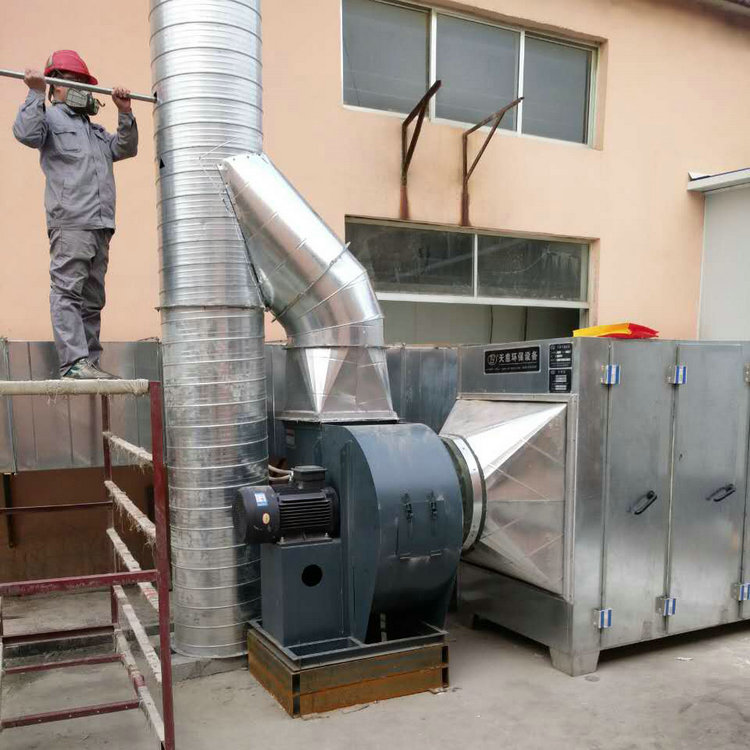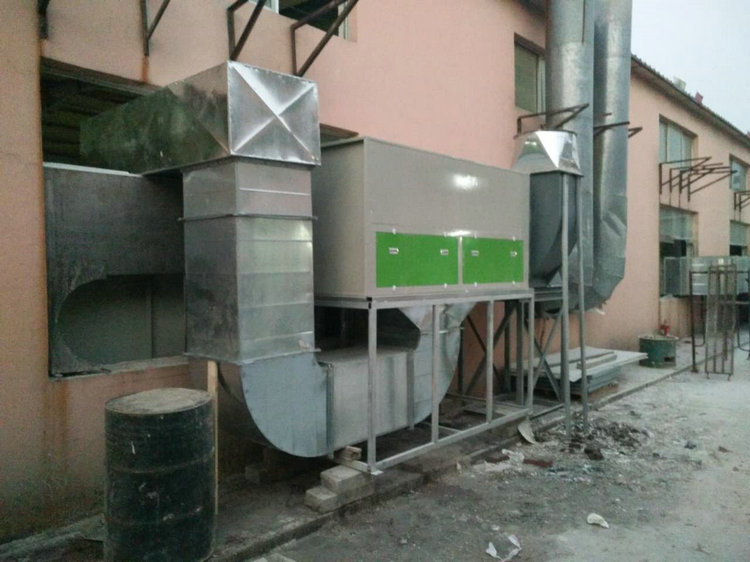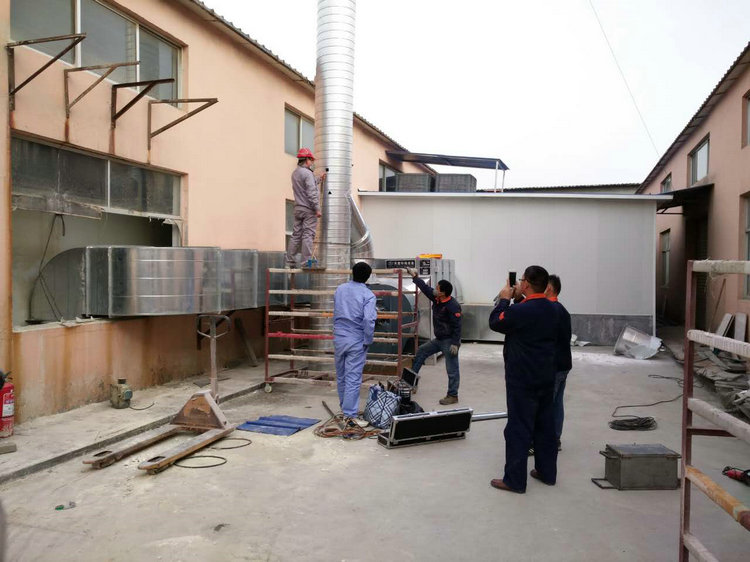









Furniture Factory Emission Treatment
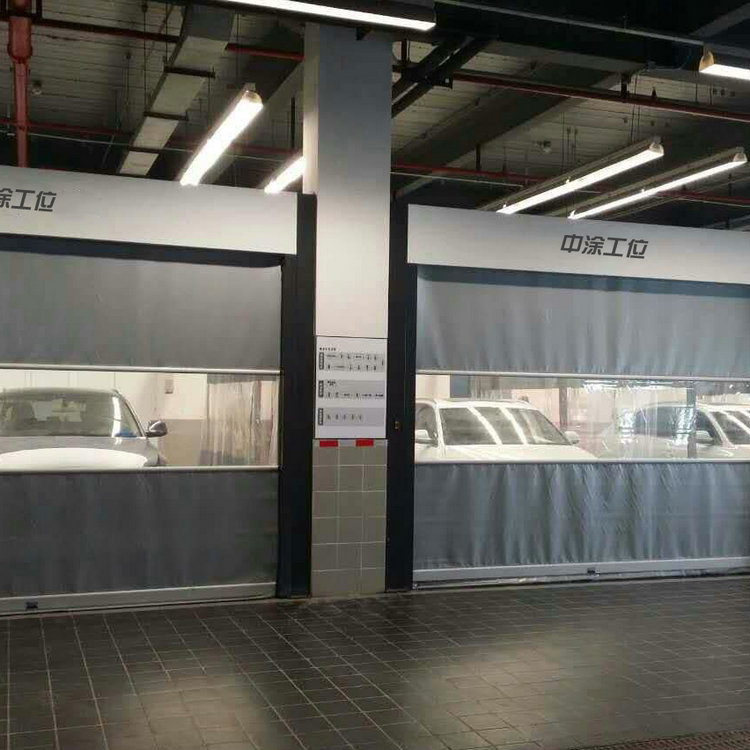
Currently, there are three common characteristics of furniture painting exhaust emissions: 1. A variety of paint types, different curing mechanisms, and varying curing times; 2. The base paint is often an unsaturated resin paint, which still has polymerization properties, making it prone to clogging in the collection ducts; 3. Large exhaust air volume with low concentration, often containing styrene and other easily polymerizing monomers.
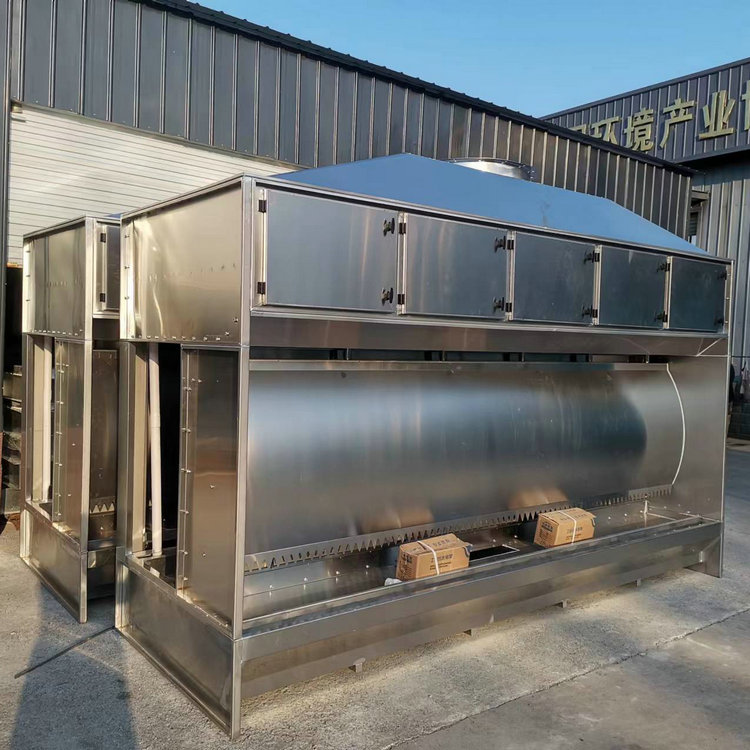
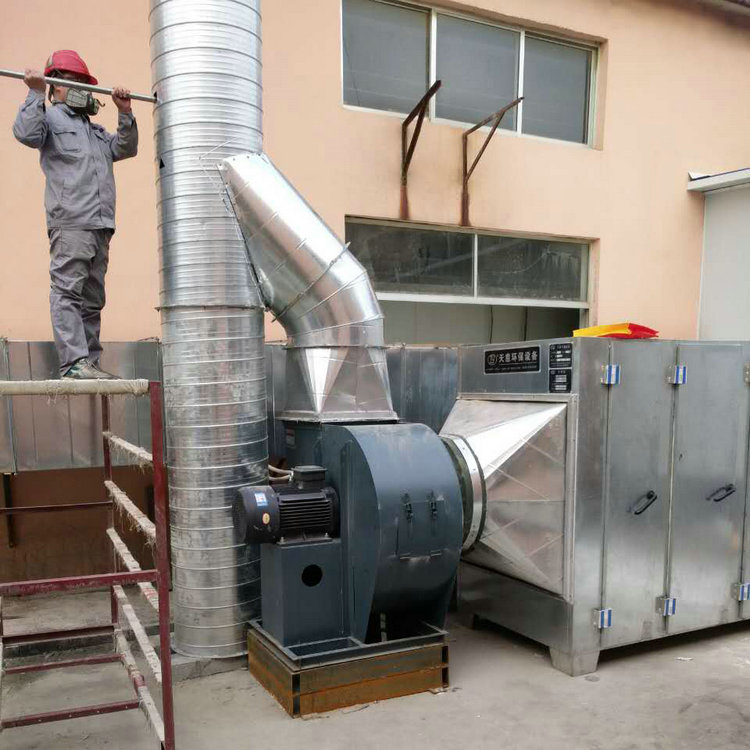
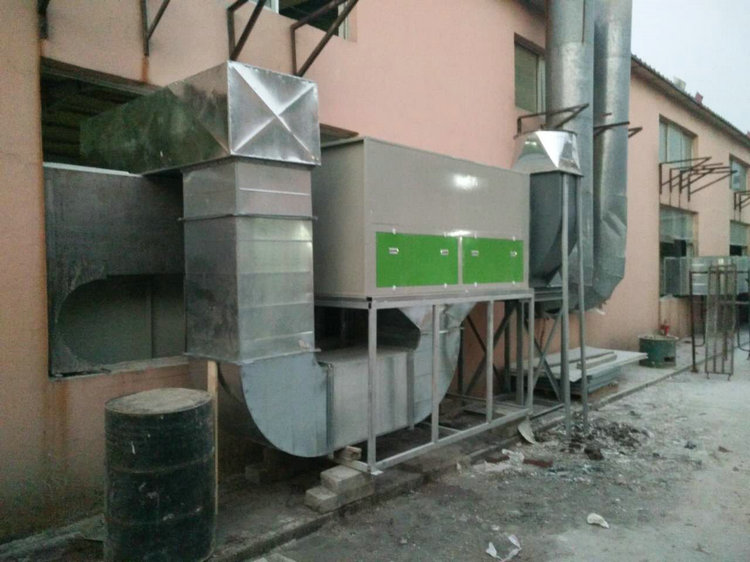
These are the challenges in the VOCs control of furniture coating, and the core advantages of BME's treatment technology lie in: 1. Combination of filtration based on particle size distribution; 2. Deep modification of easily aggregating paint mist particles; 3. Intelligent coordination between waste gas treatment equipment and production lines. As the analysis of waste gas composition shows, VOCs emissions in the furniture manufacturing industry are typically of medium to low concentration (<1000mg/m³). Therefore, based on the characteristics of this waste gas and the existing treatment experience of related enterprises, it is more appropriate to use a combined process for treating organic waste gases in the furniture manufacturing industry. For example, using a basic combined treatment process:
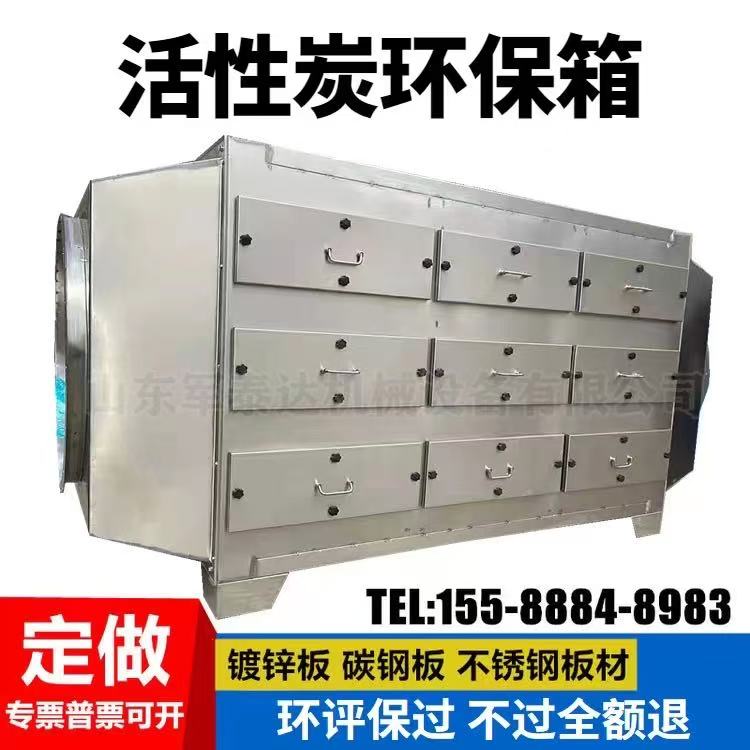
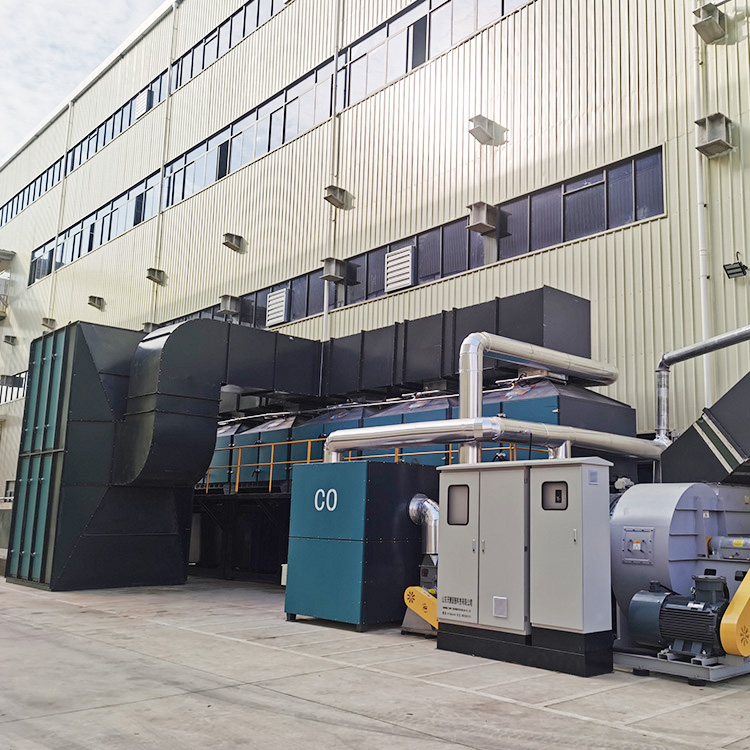
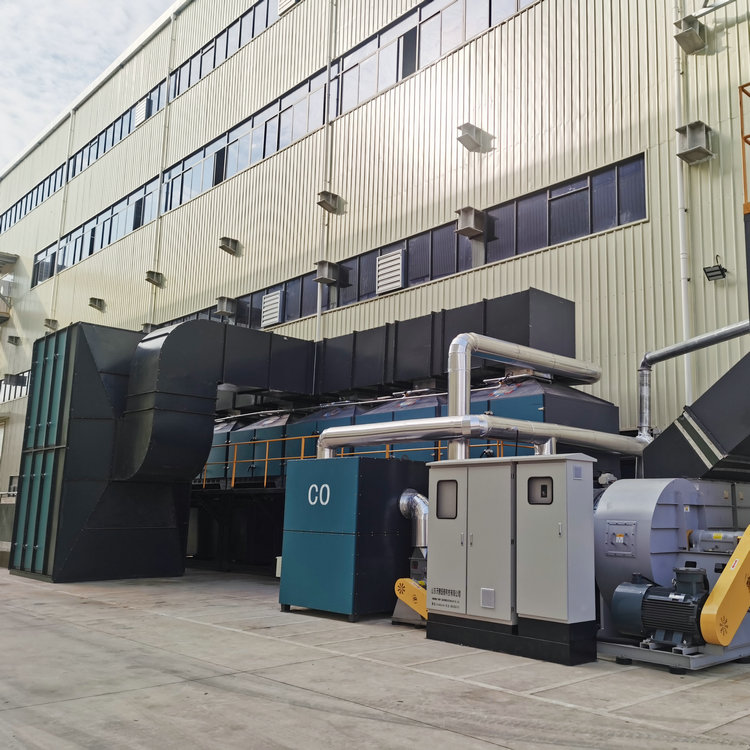
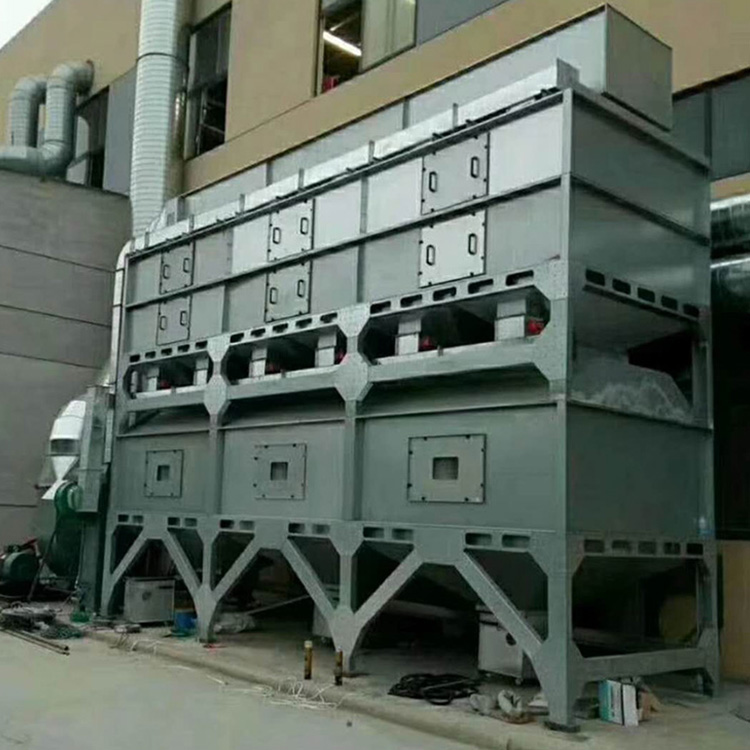
Section 1: Adsorption Concentration + Catalytic Combustion Process 1. Technical Principle? The Adsorption Concentration + Catalytic Combustion Process is an integrated technology that combines adsorption concentration with catalytic combustion. It converts high-volume, low-concentration organic waste gases into low-volume, high-concentration organic waste gases through the adsorption-desorption process, which are then purified by catalytic combustion.
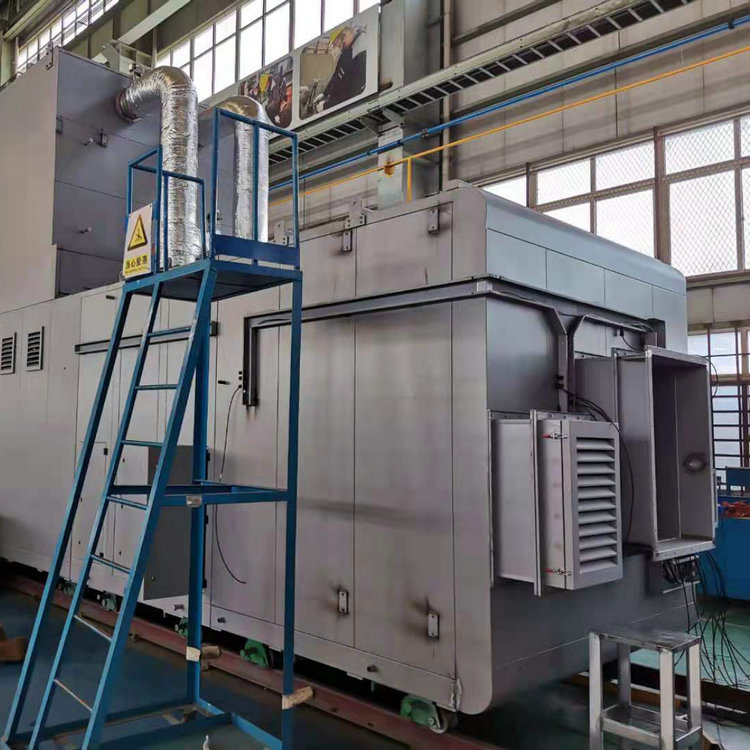
2. The process involves organic waste gases passing through an adsorption layer under the action of a fan. The organic substances are adsorbed within the layer by its unique adsorption force, while clean gas is exhausted. After a period, the adsorption layer becomes saturated, ceases吸附, and the organic substances are concentrated within the layer. The catalytic purification unit includes a heating chamber. Upon activation, the heating device initiates an internal cycle. When the heat source reaches the desorption temperature of the organic substances, they are released from the adsorption layer and enter the catalytic chamber for catalytic combustion, decomposing into water and carbon dioxide, while releasing heat. This released heat is then used for desorption in the adsorption bed, and the heating device partially ceases operation. The organic waste gases sustain self-combustion in the catalytic combustion chamber, continuing the cycle until pollutants are completely desorbed from the adsorption layer and combusted in the catalytic chamber, restoring the adsorption capacity of the layer. 3. Treatment Effectiveness? The main types of organic waste gases treated are benzene, toluene, xylene, ethyl acetate, 2-butanone, butyl acetate, etc. Generally applicable to high-volume organic waste gases with organic concentrations below 1000 mg/m³. The adsorber's purification efficiency is greater than 90%, and the catalytic combustor's purification efficiency is greater than 95%. Two, Zeolite Wheel Adsorption Concentration + Regenerative Thermal Oxidation (RTO) Process 1. Technical Principle The zeolite wheel adsorption concentration + regenerative thermal oxidation process is an integrated technology that combines adsorption concentration with regenerative thermal oxidation. It converts high-volume, low-concentration organic waste gases into low-volume, high-concentration organic waste gases through the adsorption-desorption process and then purifies them through regenerative thermal oxidation.
2. The large-volume organic mixed waste gas to be processed is exhausted through fans, then the fan power enters the pretreatment filter unit to remove dust and impurities from the waste gas. After filtering, the "relatively pure organic waste gas" enters the吸附 unit for adsorption purification. The organic matter is retained within the adsorbent due to its unique force, and the clean gas is released. After a period of adsorption, the adsorbent reaches saturation and enters the cooling and high-temperature desorption area. The high-concentration waste gas desorbed from the adsorbent is directly fed into an RTO regenerative thermal oxidizer for combustion purification. The high-temperature gases from the oxidation chamber after waste gas combustion are exchanged with the desorbed waste gas through a heat exchanger, then the desorbed waste gas is exchanged and enters the desorption zone. The organic matter in the adsorbent is volatilized from the adsorbent upon heating by the hot air, resulting in a waste gas with high concentration, low airflow, and high temperature. The organic waste gas is directly oxidized in the RTO incinerator, releasing a large amount of energy. This energy is used to maintain the self-ignition of the combustion process. 3. Treatment Effect? The main organic waste gas types include benzene, toluene, ethyl acetate, butyl acetate, cyclohexanone, etc. Generally applicable to waste gases with organic concentrations below 1500 mg/m3. The VOCs removal rate in the waste gas can reach over 90%.