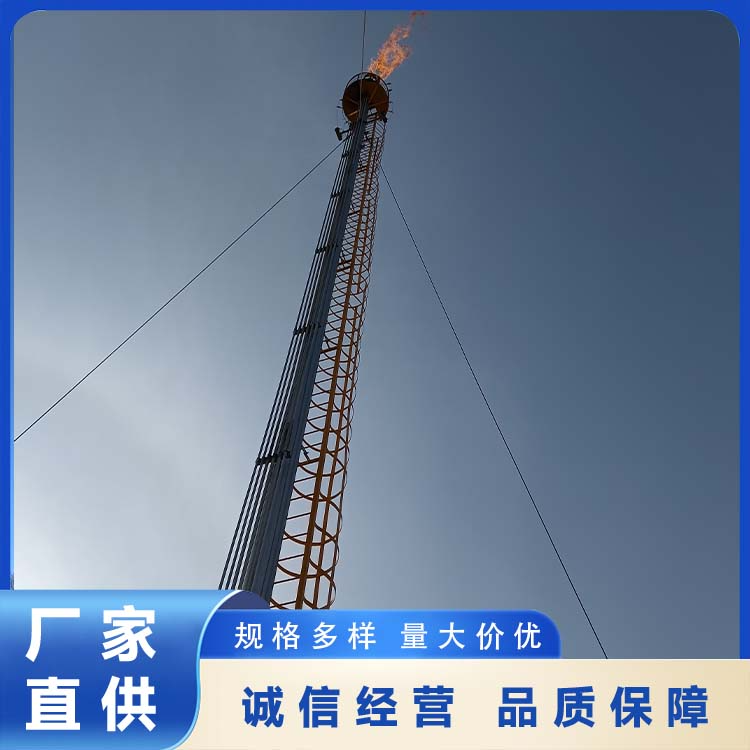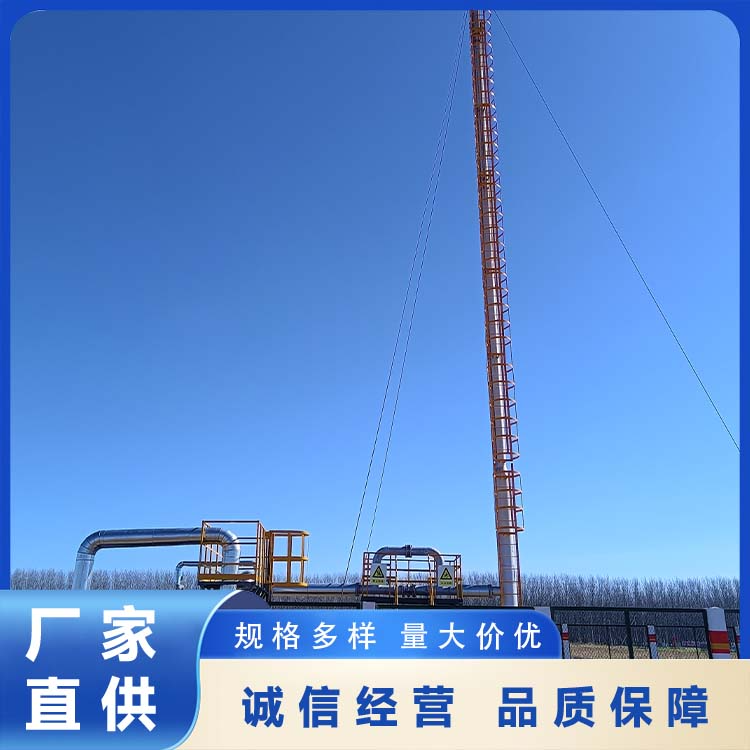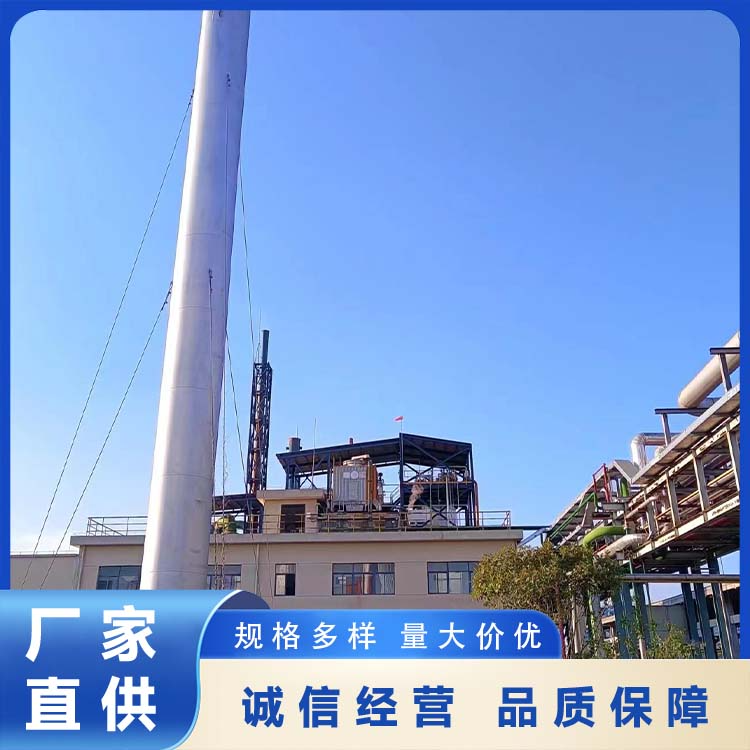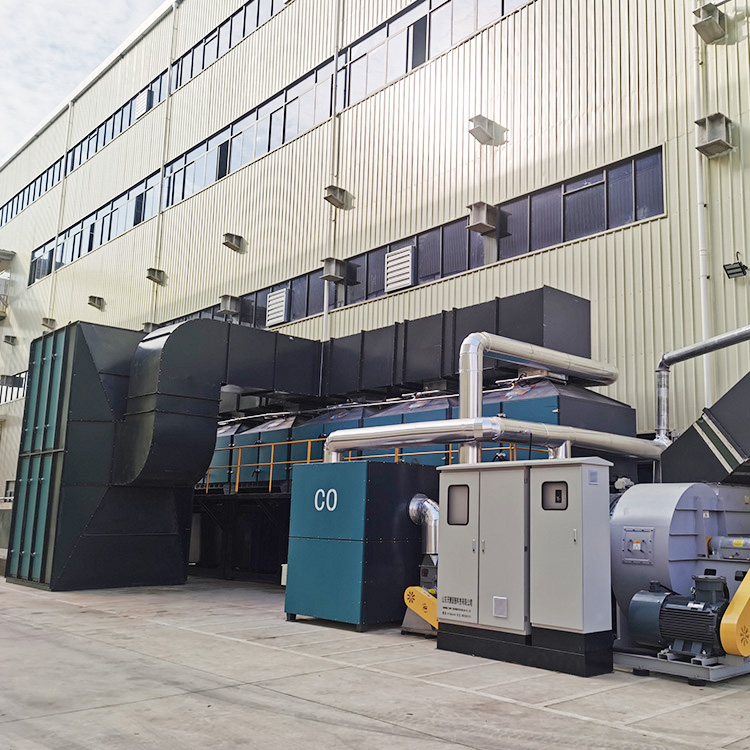









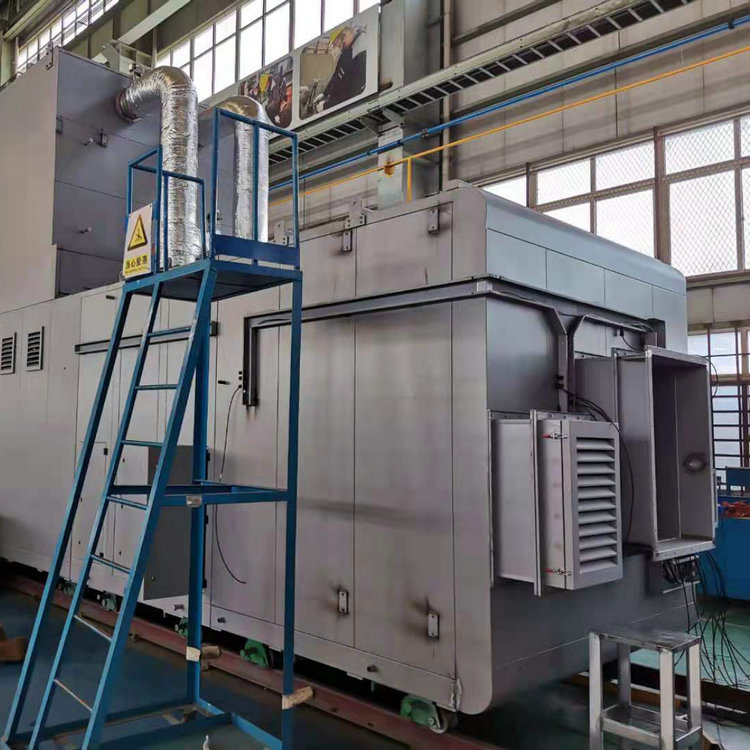
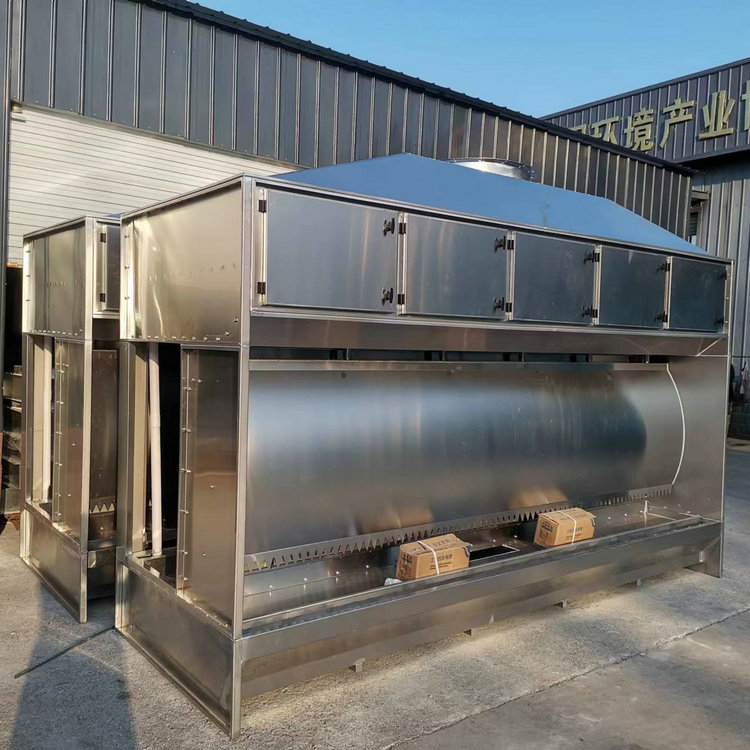
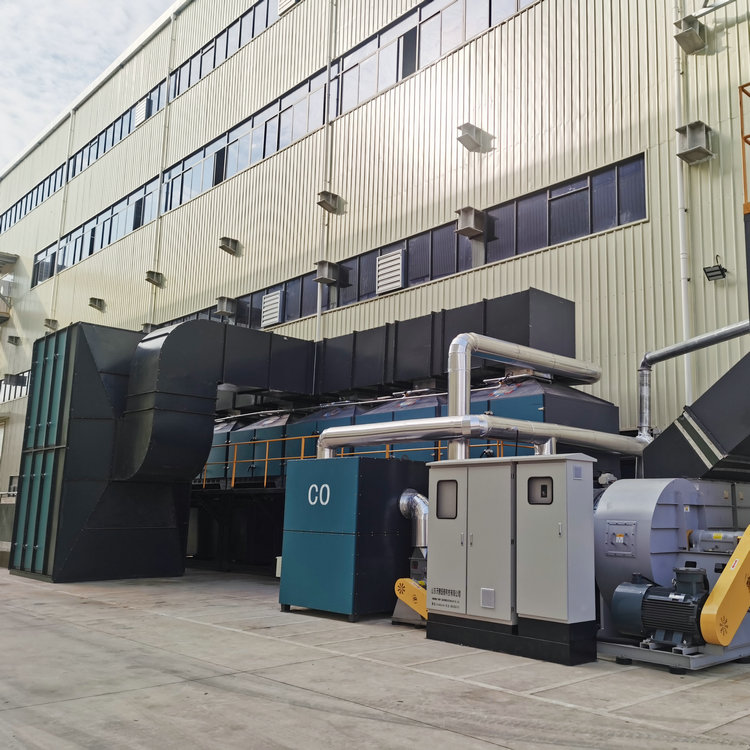
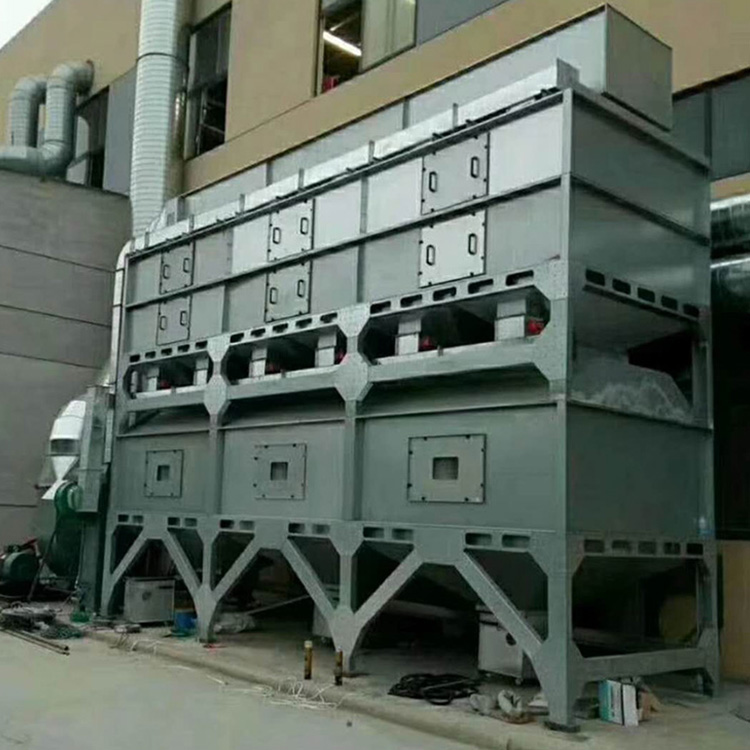


Plastic Waste Gas Treatment:
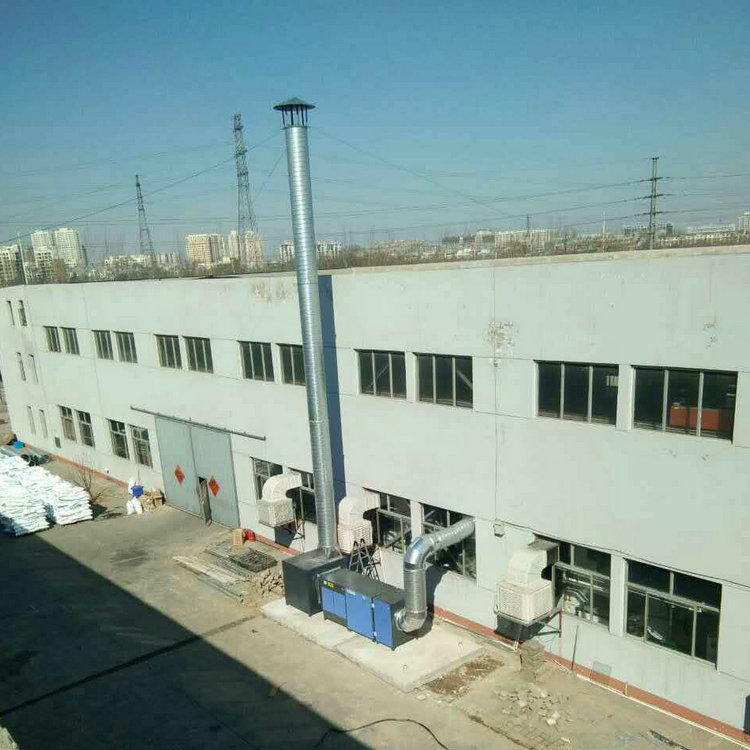
Common waste plastic treatment methods include chemical processing, incineration, and landfilling. Whether through melting and regeneration, pyrolysis, energy recovery, or incineration, these methods all require high-temperature treatment and produce a large amount of toxic and harmful gases and dust. If these harmful substances are directly released into the atmosphere, they can cause severe secondary pollution. Therefore, whether producing plastic products or handling waste plastic products, plastic waste gases are produced. If these gases are not effectively treated and released into the atmosphere, they will pose a serious threat to both the atmospheric environment and human health.
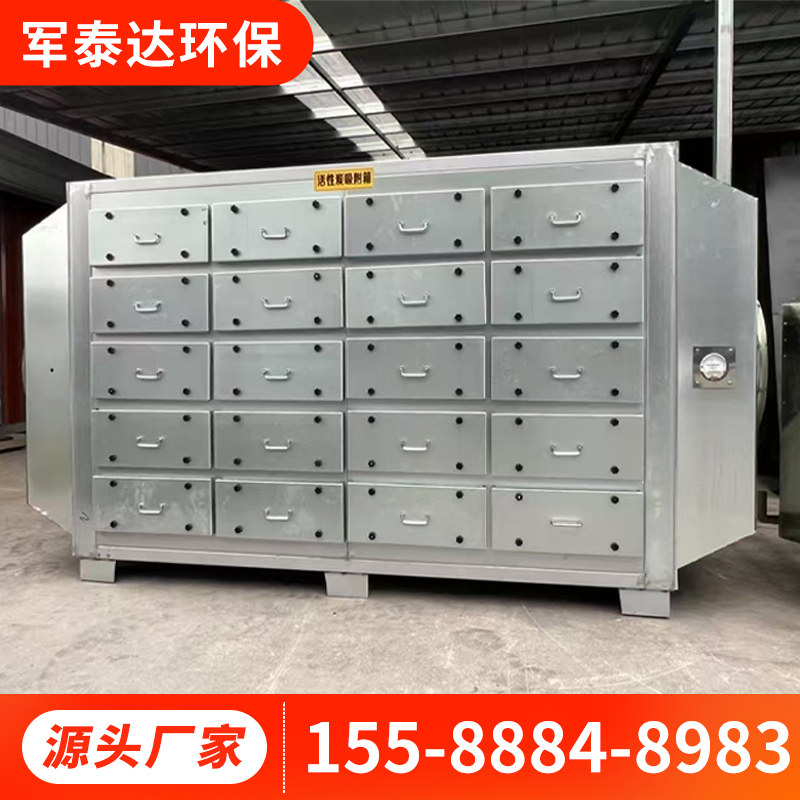
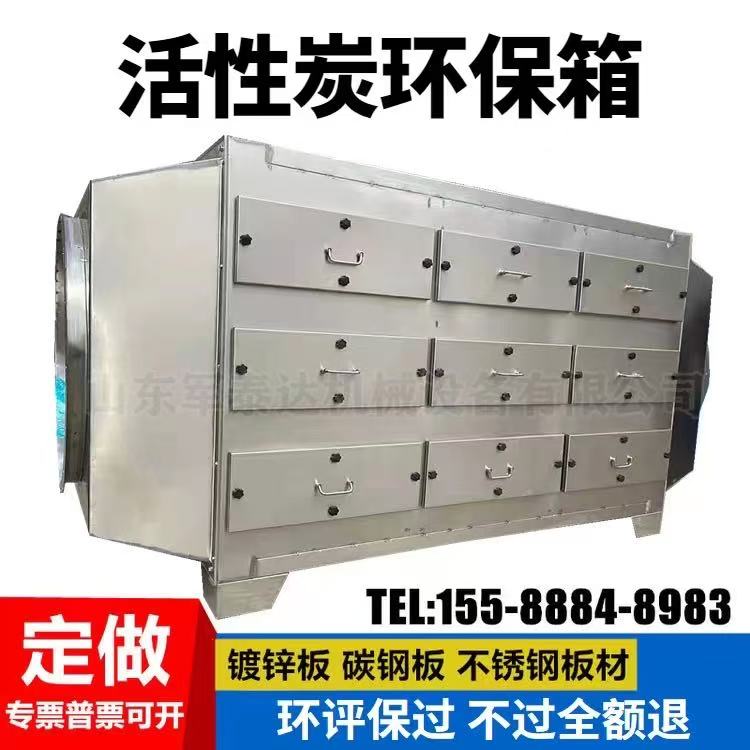
Most organic waste gases are produced during the production or recycling of plastic products, with components including benzene, toluene, ethylbenzene, styrene, ortho-xylene, meta-xylene, n-elevenane, acetone, butanone, ethyl acetate, butyl acetate, and more. However, on the other hand, the additives used or different manufacturing processes in various plastic factories can lead to different waste gas compositions. Therefore, different technologies and equipment are required for the economic treatment of various waste gases.