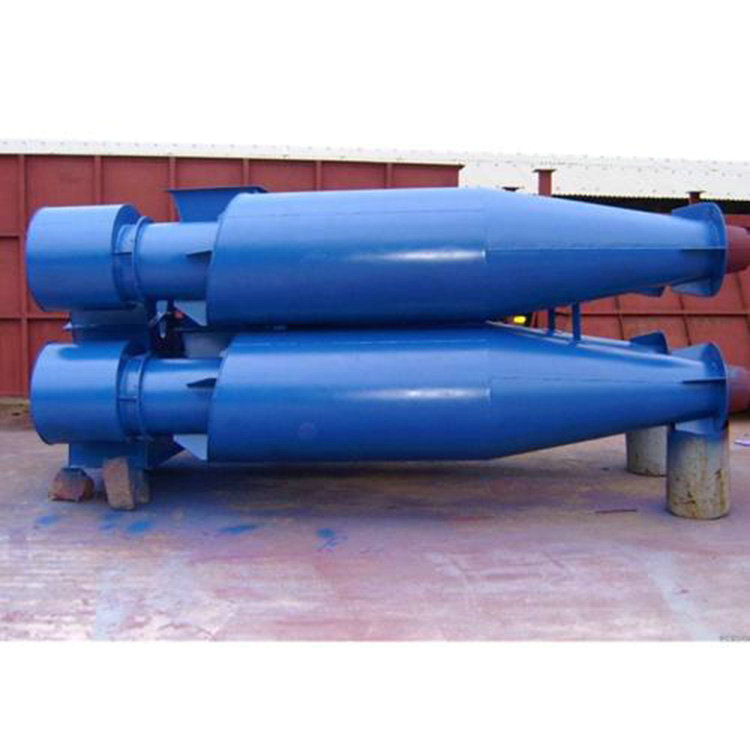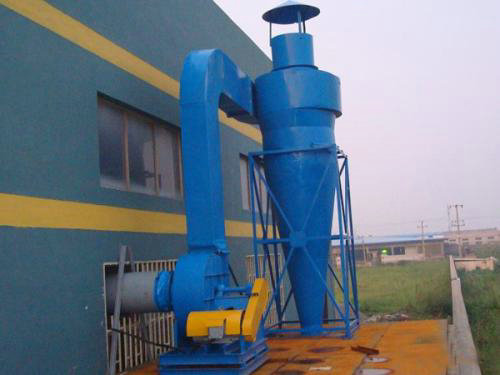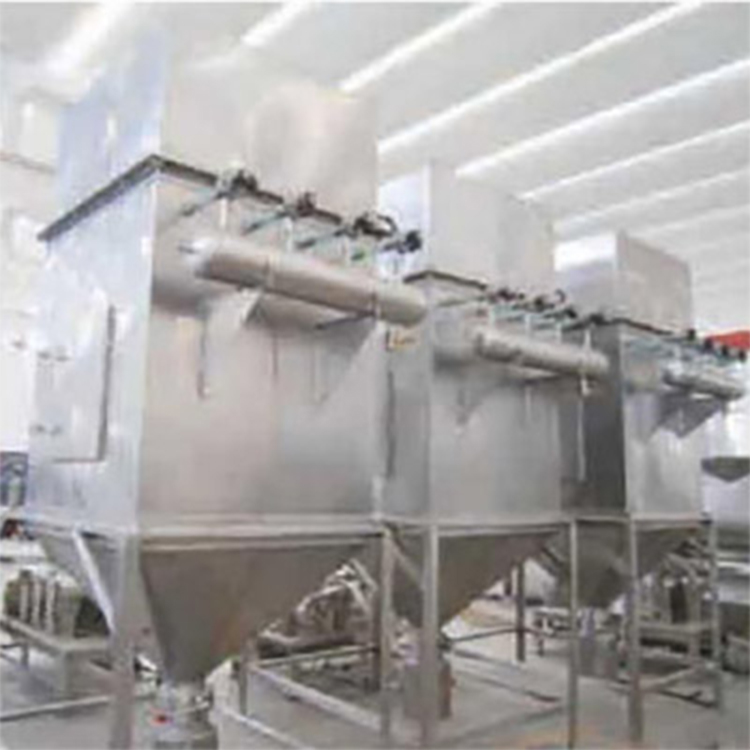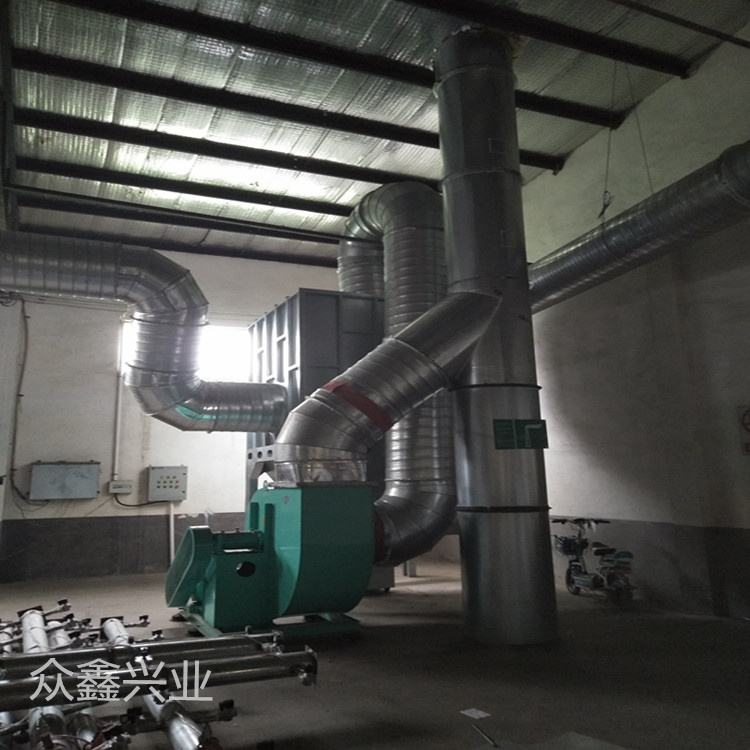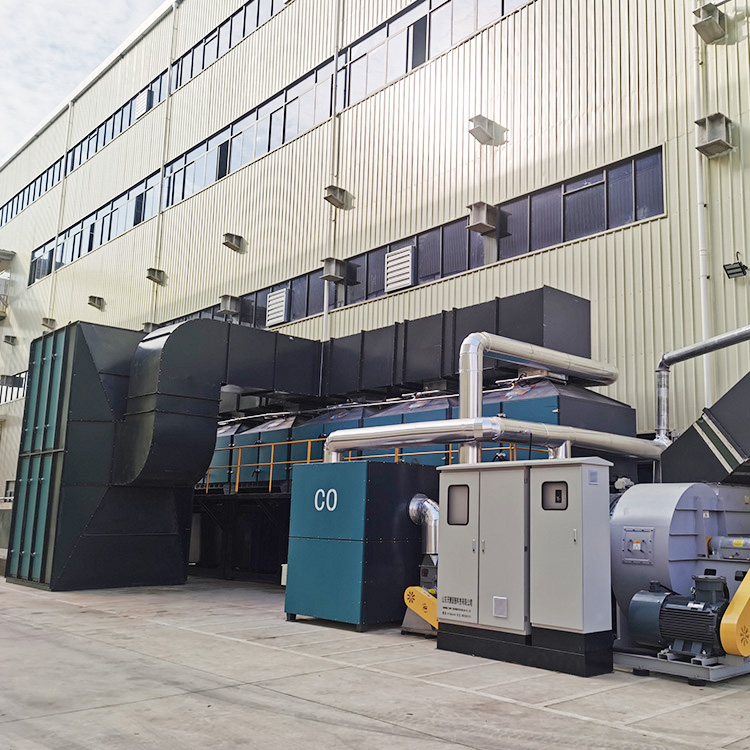

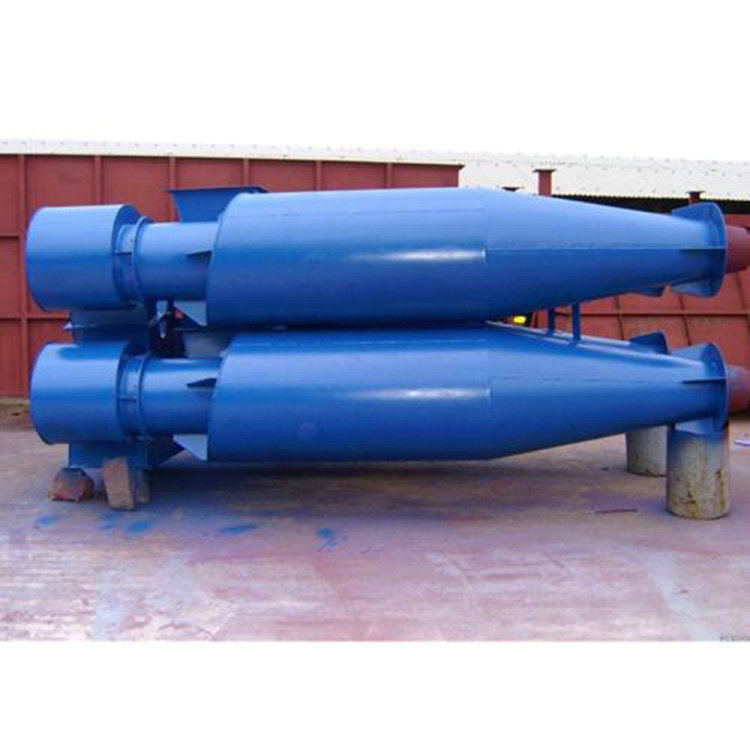


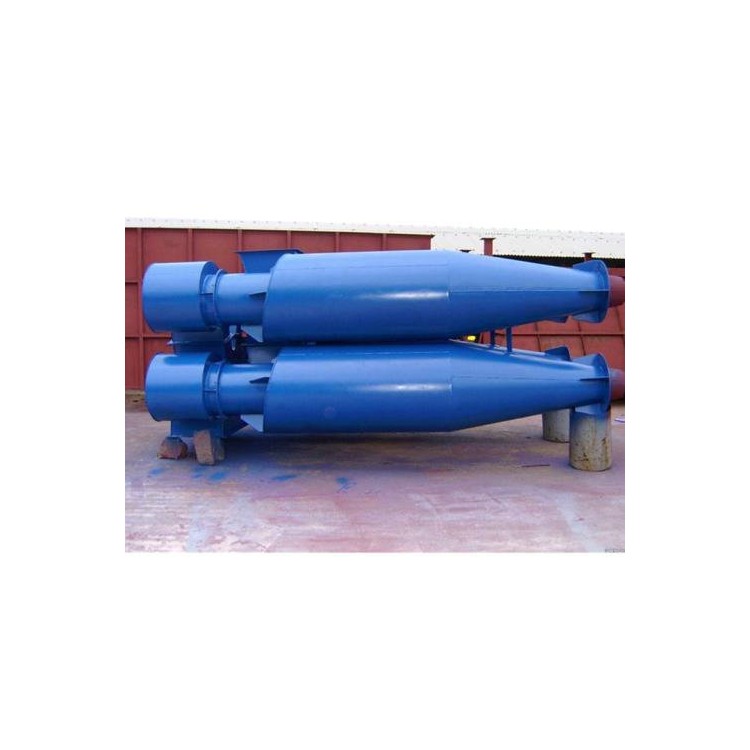


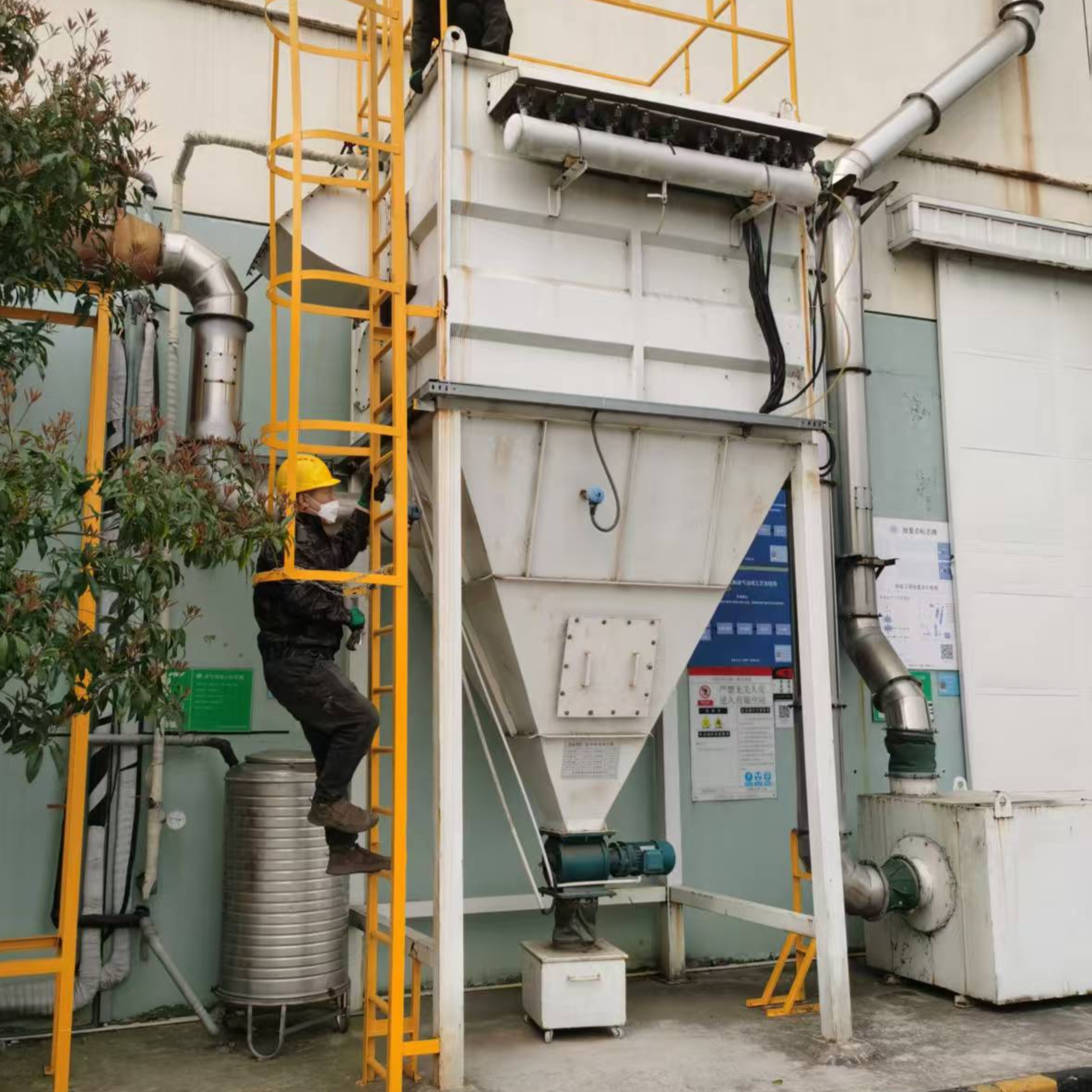
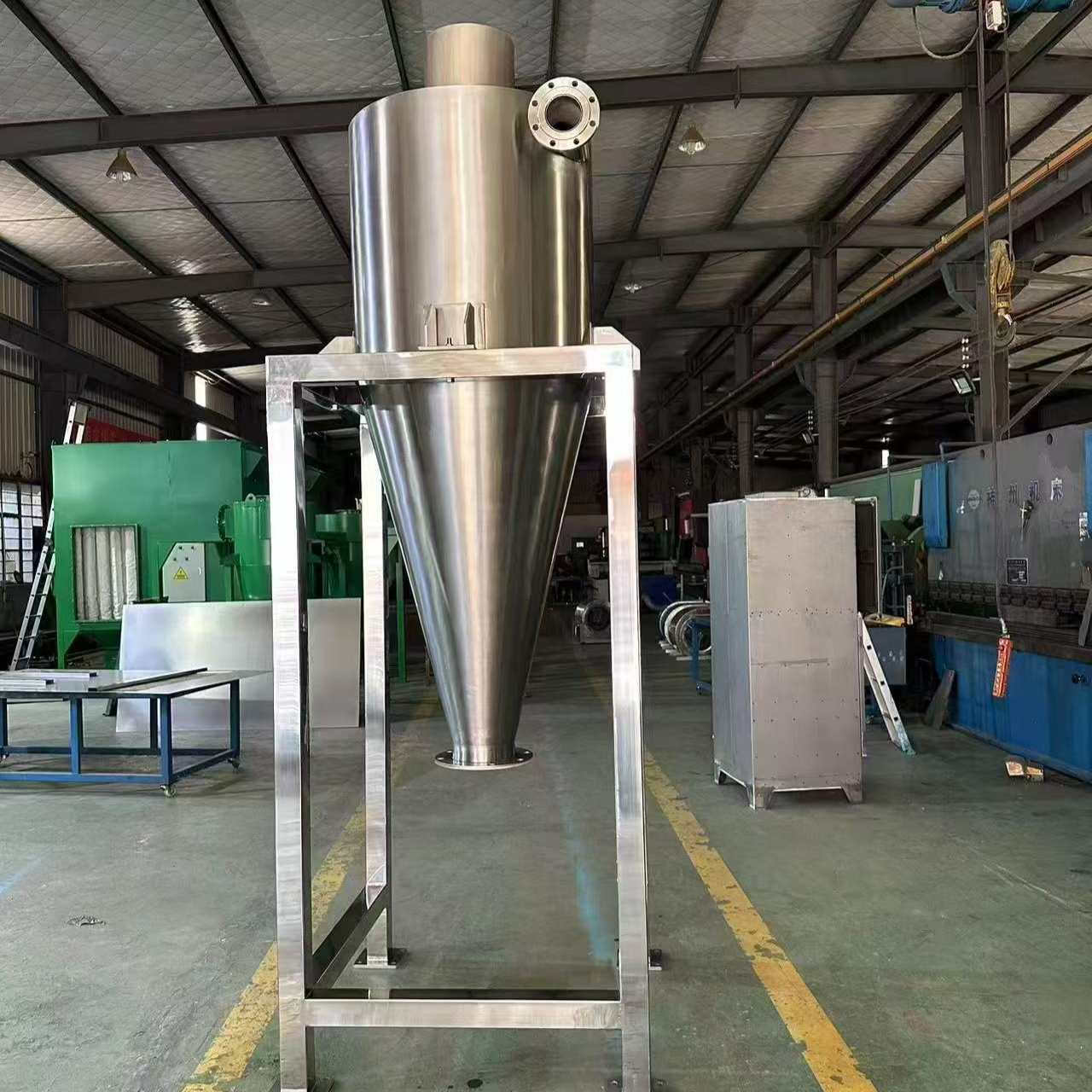
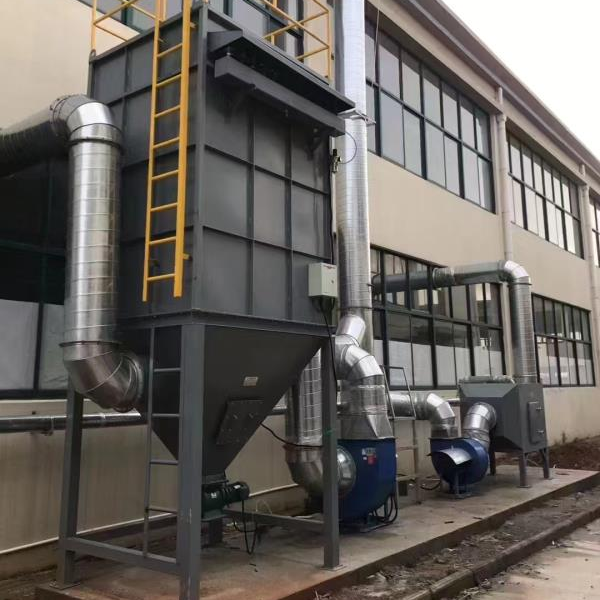






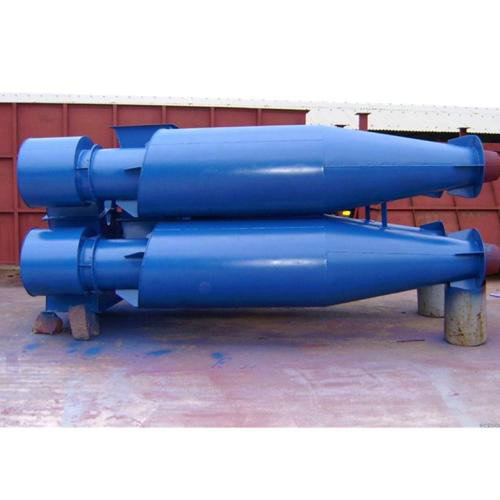
The tightness of the lower section of the CLK diffuser cyclone separator is another critical factor affecting dust removal efficiency. After the dusty gas enters the cyclone separator, it spirals downward along the outer wall from top to bottom. This downward rotating airflow reverses direction upon reaching the bottom of the cone and starts rotating upward along the axis. The pressure distribution within the cyclone separator features minimal pressure changes across axial sections and significant changes (mainly static pressure) in the radial direction. This is determined by the distribution of the axial and radial velocities of the airflow. The airflow moves in a circular motion inside the cylinder, with higher pressure on the outer side than on the inner side. The static pressure is higher near the outer wall and lower near the axis. Even when the cyclone separator operates under positive pressure, there is negative pressure at the axis, and it extends to a significant negative pressure at the ash discharge point. Any slight looseness can result in substantial air leakage, and settled dust will inevitably be carried out through the exhaust pipe by the rising airflow. Therefore, to achieve the designed dust removal efficiency, it is crucial to ensure the tightness of the ash discharge point and, while maintaining its tightness, promptly remove the dust at the bottom of the separator cone. If it cannot be continuously and promptly discharged, high concentrations of dust will circulate at the bottom, leading to excessive wear on the cone.
Preparation work
1. Check if all the connecting parts are securely fastened.
2. Inspect the airtightness of the joints between the dust collector and the flue, the dust collector and the ash hopper, the ash hopper and the ash discharge and conveying equipment, etc., to eliminate any dust or gas leakage.
3. Close the small baffle valve, start the ventilator, and gradually initiate after ensuring no abnormal phenomena.
Technical Specifications
1. Pay attention to changes in wear-prone areas, such as the inner wall of the outer cylinder.
2. Be mindful of dust adherence, blockage, and corrosion when there is a temperature change in the dust-laden gas or a decrease in humidity.
3. Pay attention to changes in pressure difference and the condition of the exhaust smoke color. Wear and corrosion can cause the dust collector to perforate and lead to dust emissions, resulting in a decrease in dust removal efficiency, deterioration of the exhaust smoke color, and changes in pressure difference.
4. Pay attention to the airtightness of all parts of the cyclone dust collector, and check for changes in the gas flow of the cyclone chamber and the dust concentration.