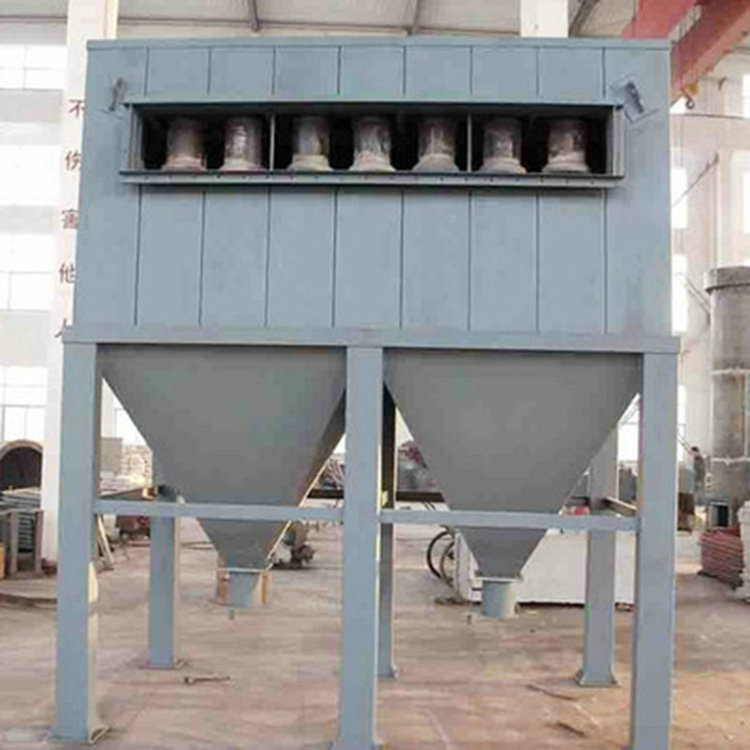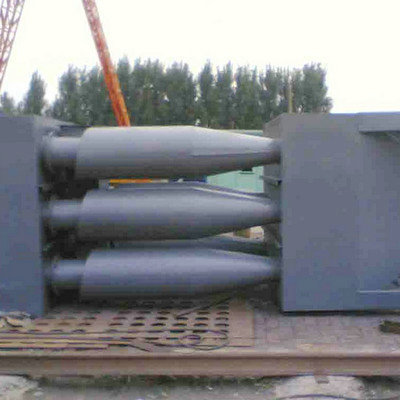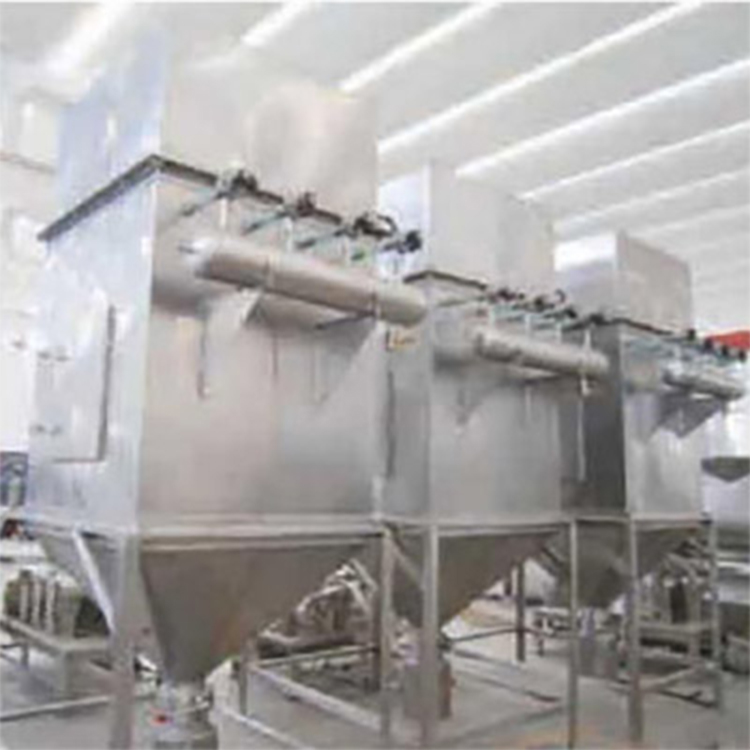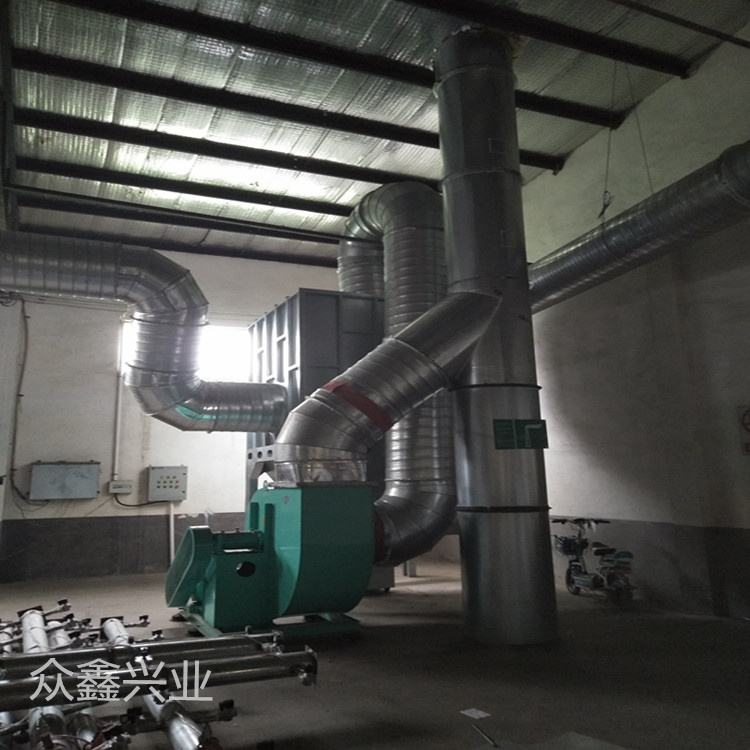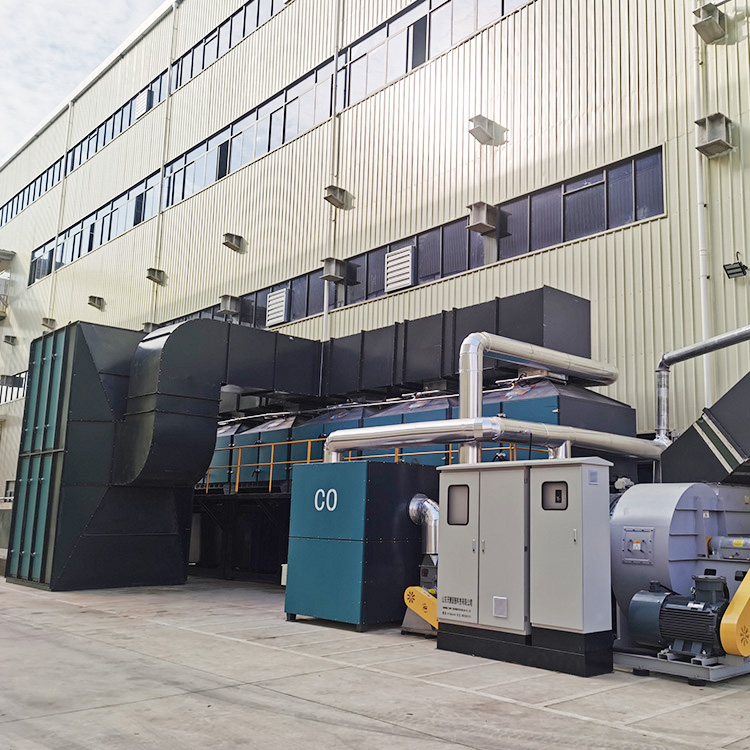

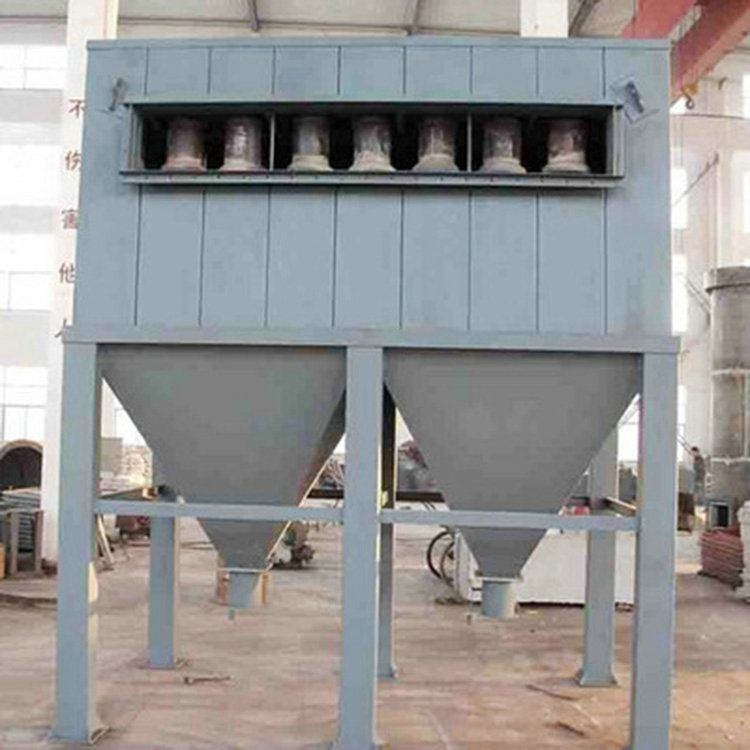

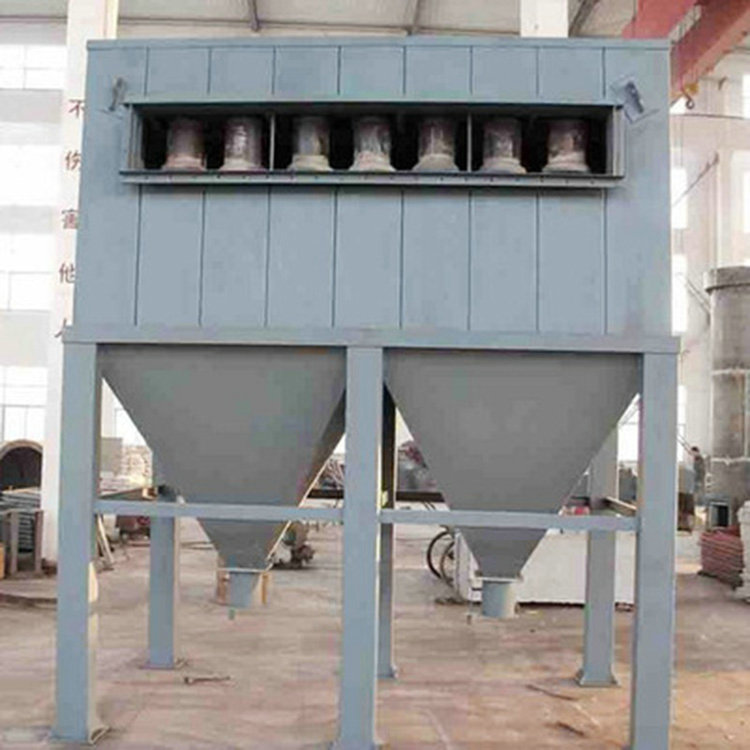

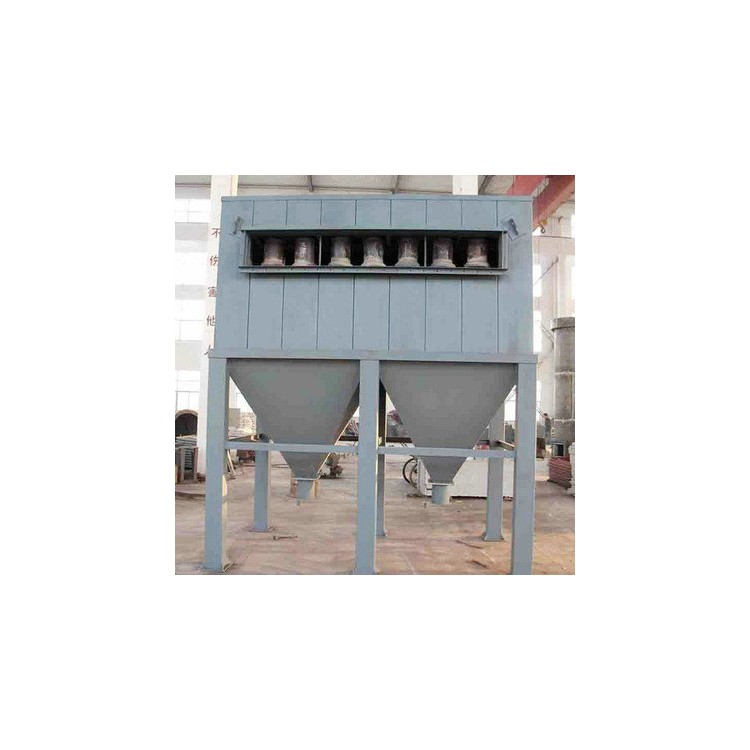


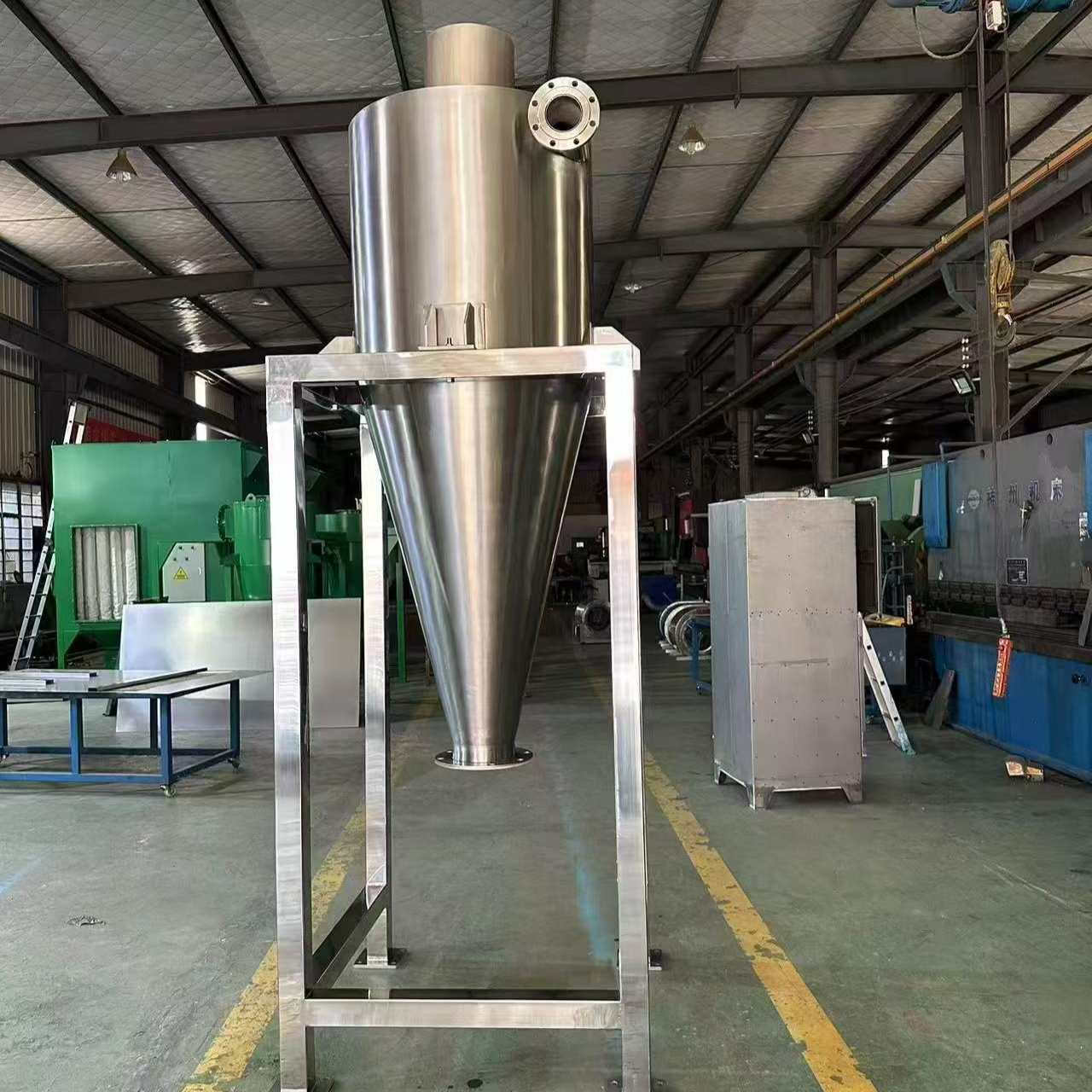
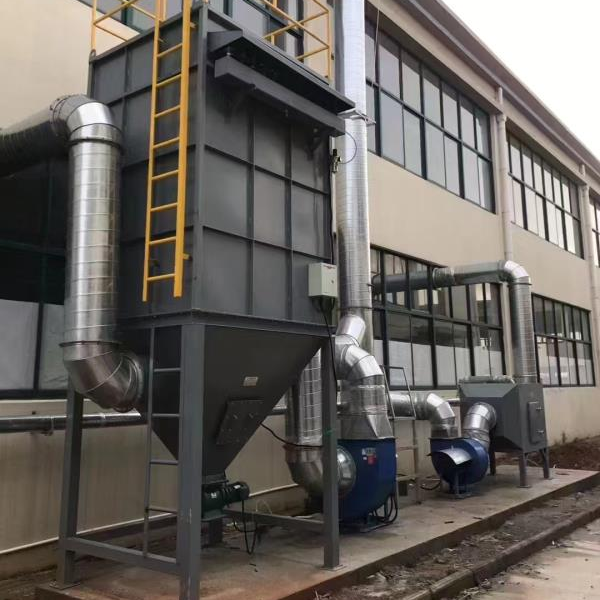





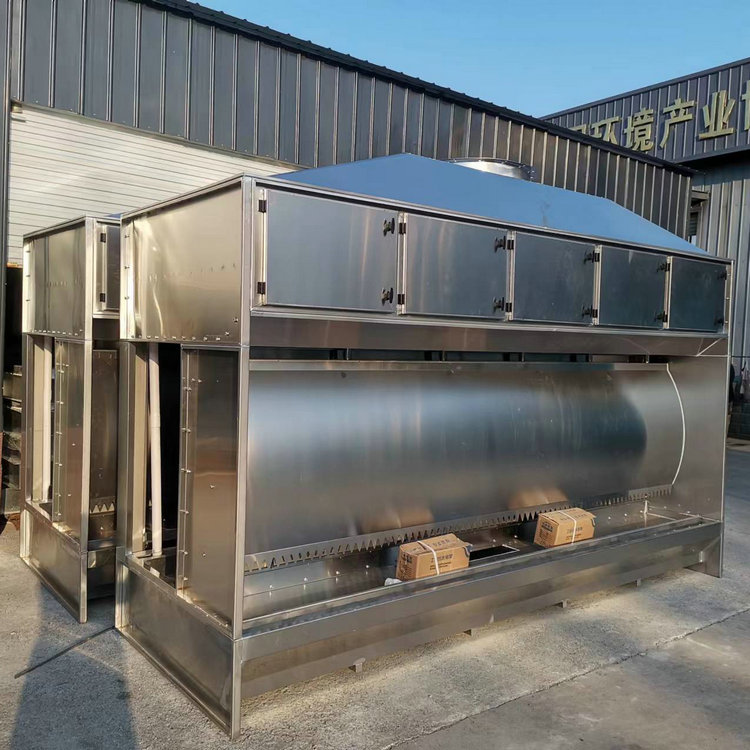
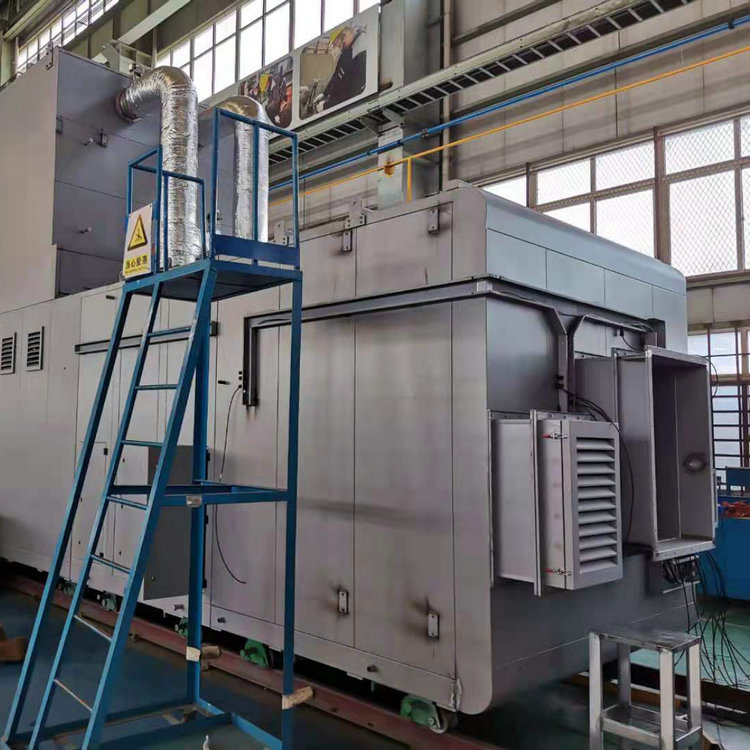
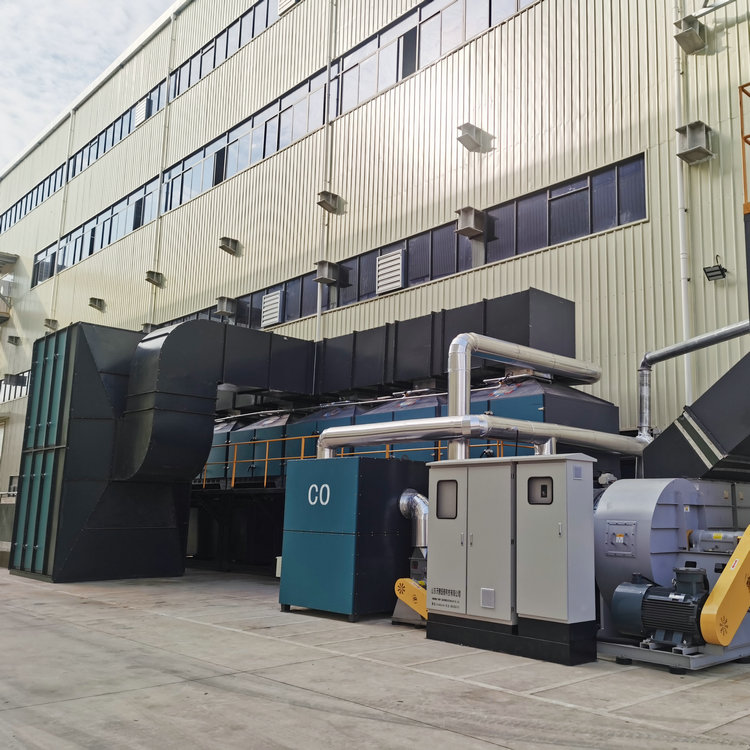
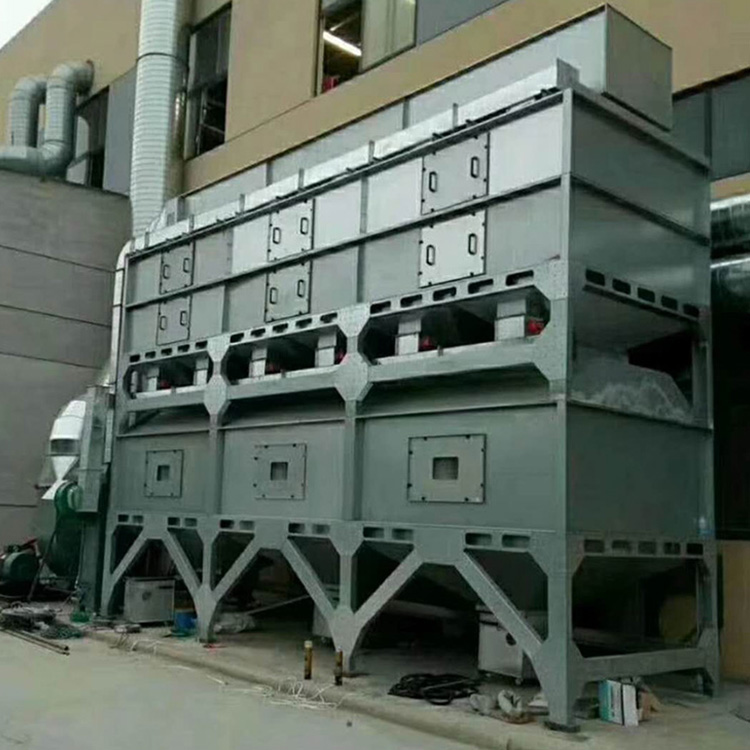

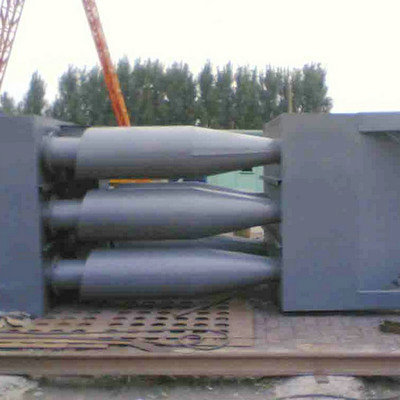
The CLT multi-tube cyclone dust collector consists of an intake pipe, exhaust pipe, cylindrical body, conical body, and ash hopper. The cyclone dust collector has a simple structure, is easy to manufacture, install, and maintain, and has low equipment investment and operating costs. It is widely used for separating solid and liquid particles from a gas stream, or for separating solid particles from a liquid. Under normal operating conditions, the centrifugal force acting on the particles is 5 to 2500 times that of gravity, making the efficiency of the cyclone dust collector significantly higher than that of a gravity sedimentation chamber. A cyclone dust collector with an efficiency of over 90% has been successfully developed based on this principle. In mechanical dust collectors, the cyclone dust collector is one of the most efficient types. It is suitable for removing non-adhesive and non-fibrous dust, mostly for particles larger than 5μm. A multi-tube cyclone dust collector assembly can achieve 80-85% dust removal efficiency for particles as small as 3μm. Cyclone dust collectors constructed with special metals or ceramics that can withstand high temperatures, wear, and corrosion can operate at temperatures up to 1000°C and pressures up to 500×10^5 Pa. Considering both technical and economic aspects, the pressure loss control range for cyclone dust collectors is generally 500 to 2000 Pa. Therefore, it is classified as a medium-efficiency dust collector and can be used for the purification of high-temperature flue gases. It is a widely used dust collector, primarily applied in boiler flue gas dust removal, multi-stage dust removal, and pre-dust removal. Its main drawback is the lower removal efficiency for fine dust particles (less than 5μm).