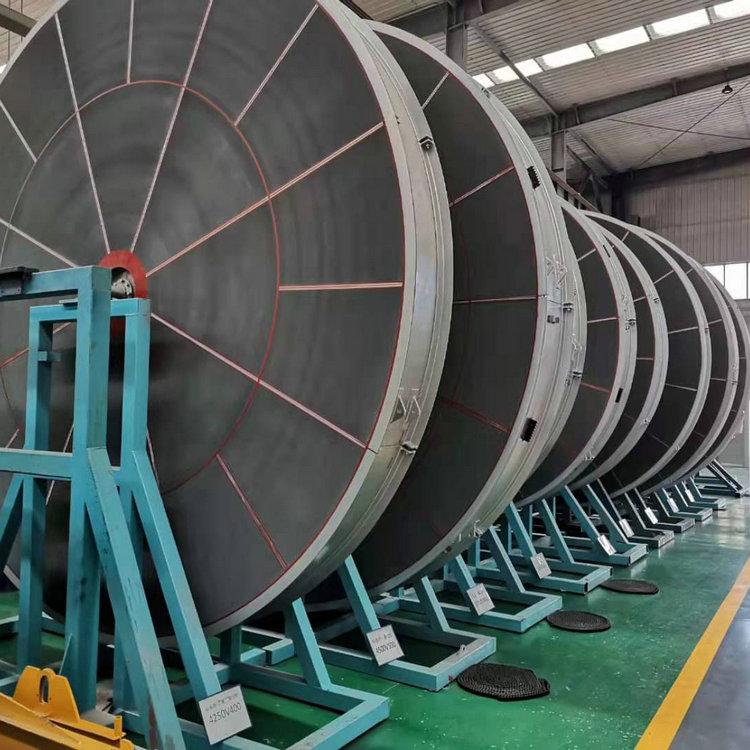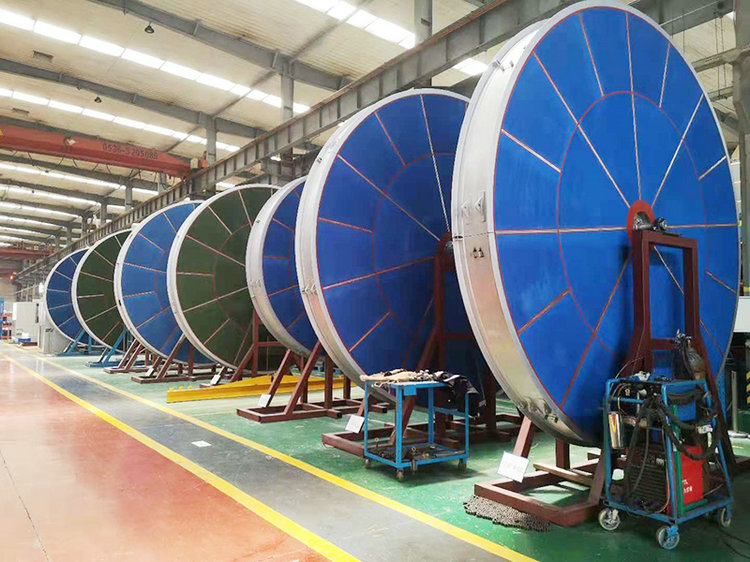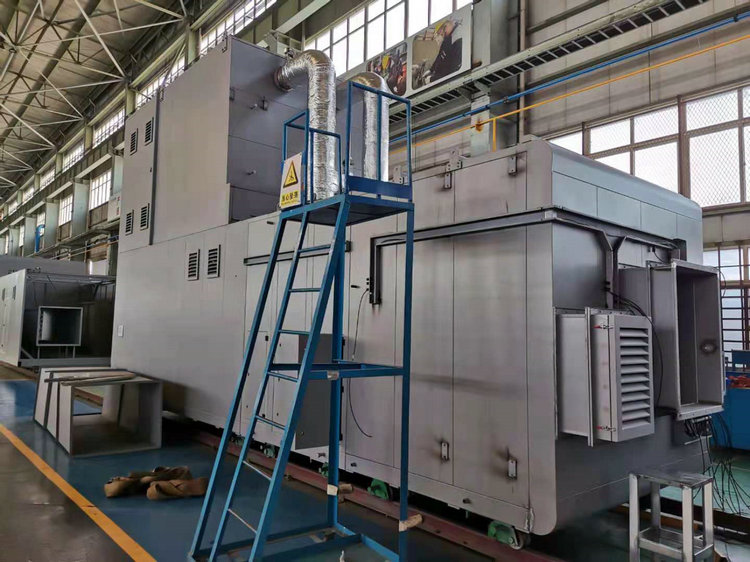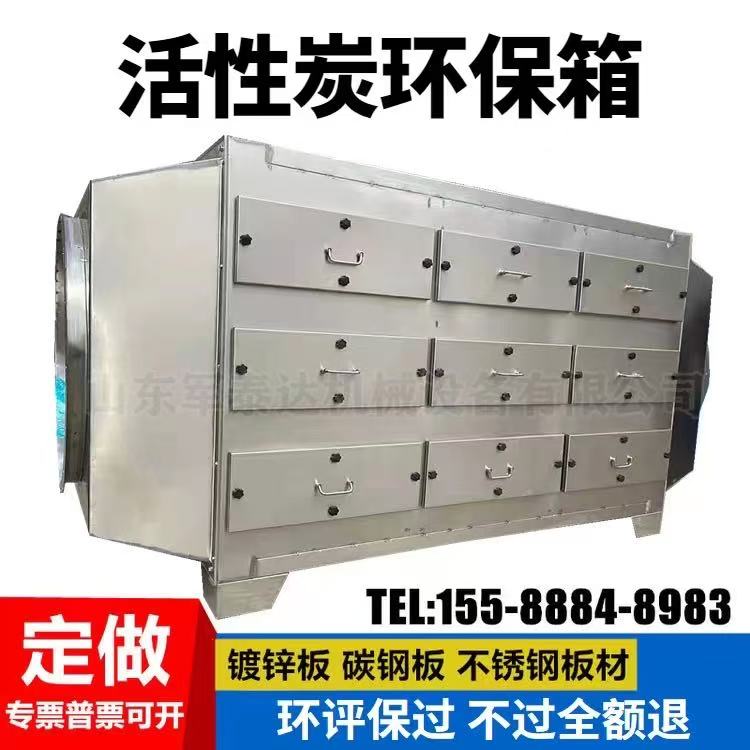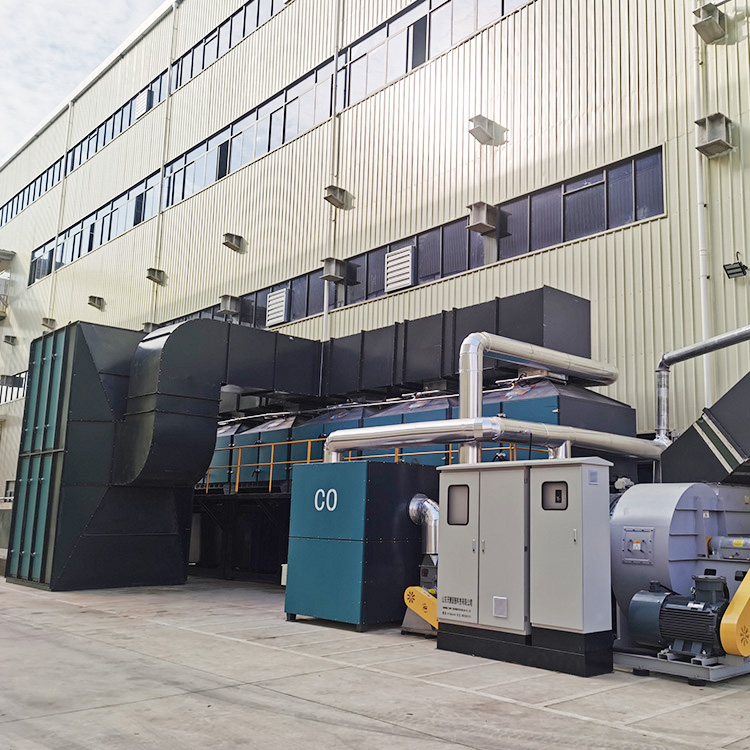

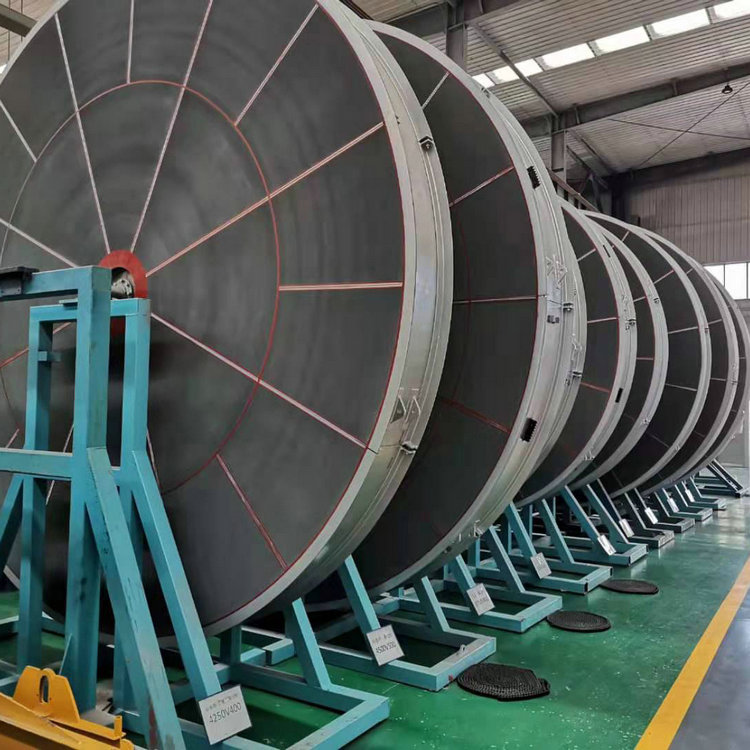

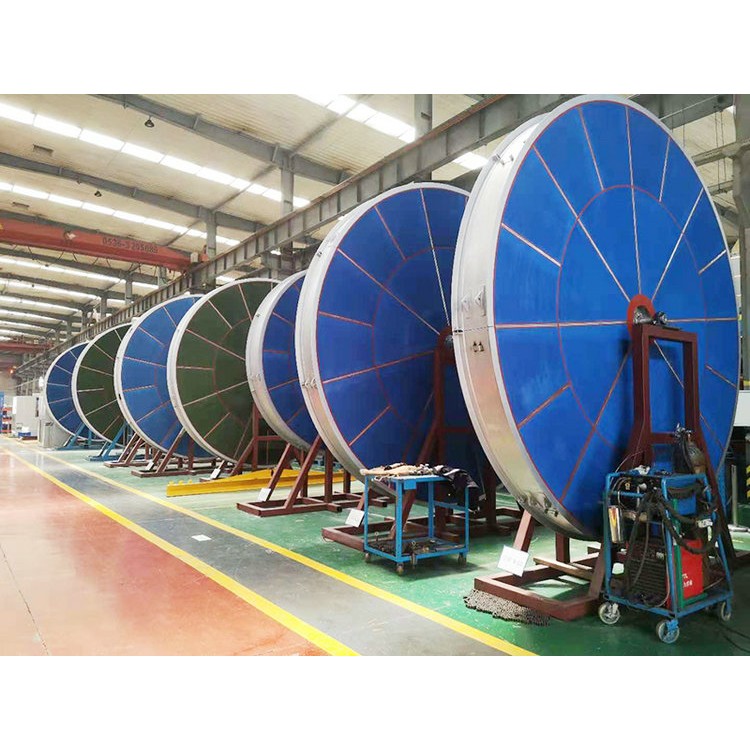
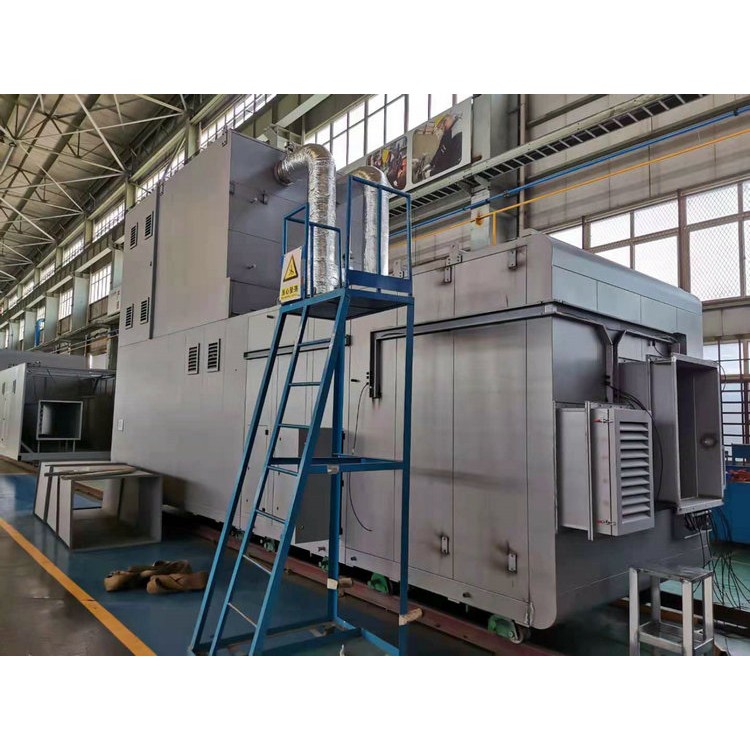


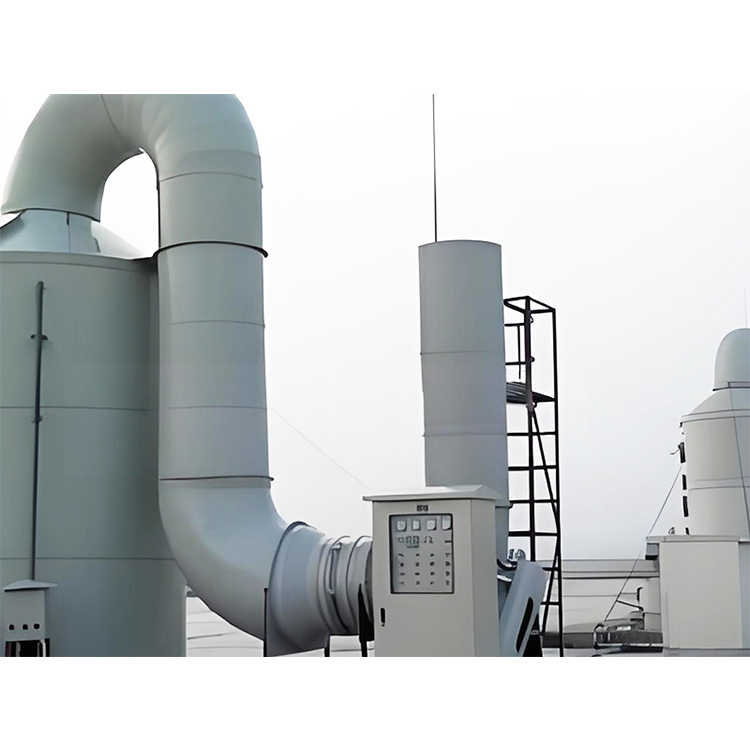
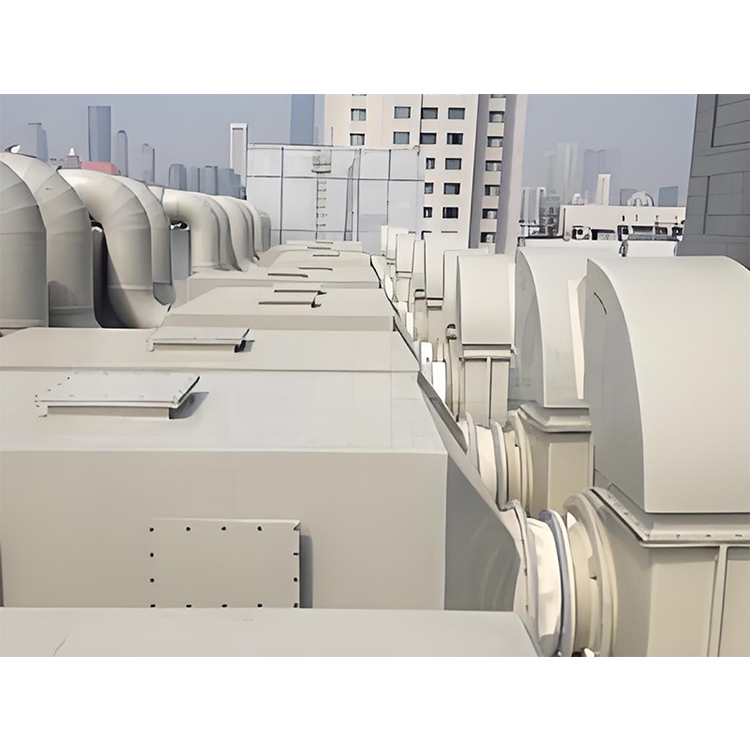
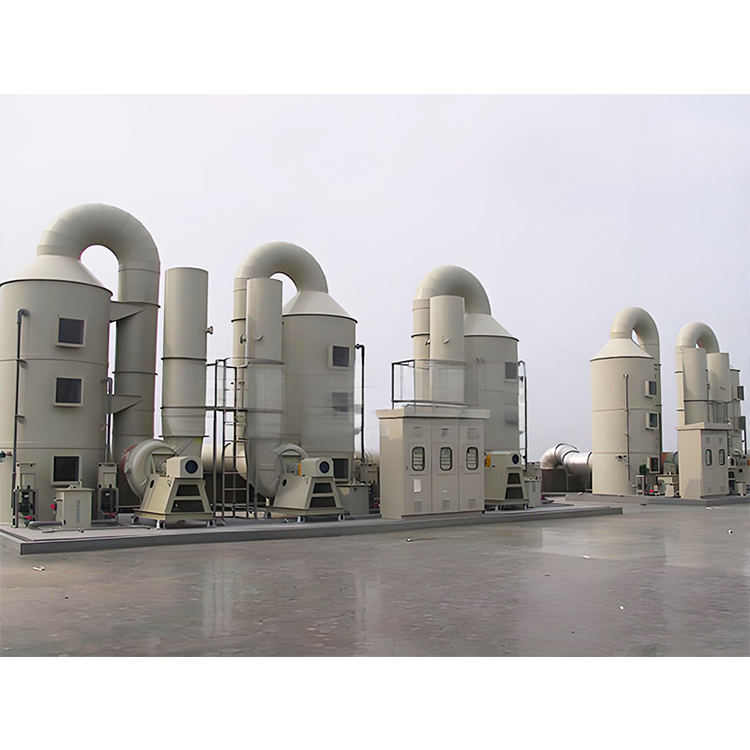
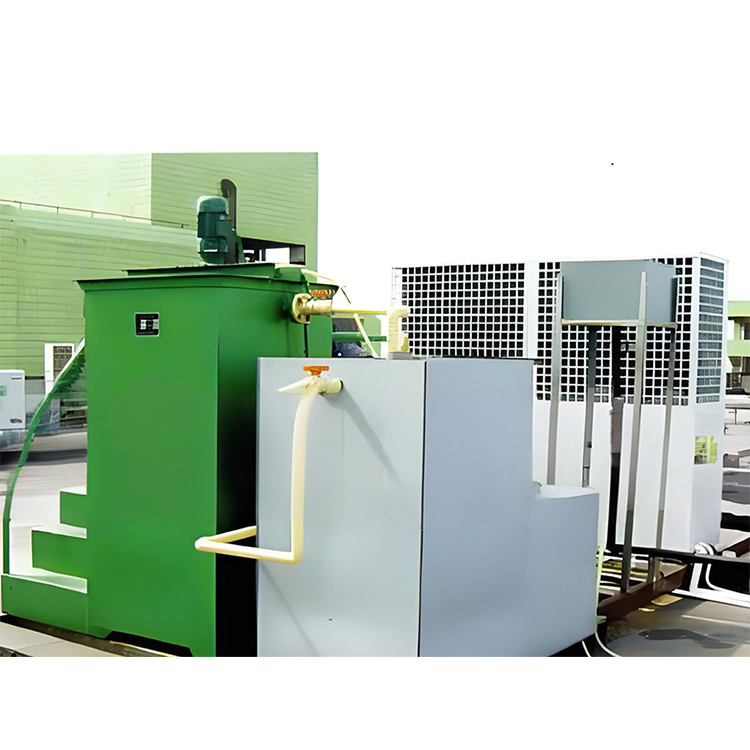
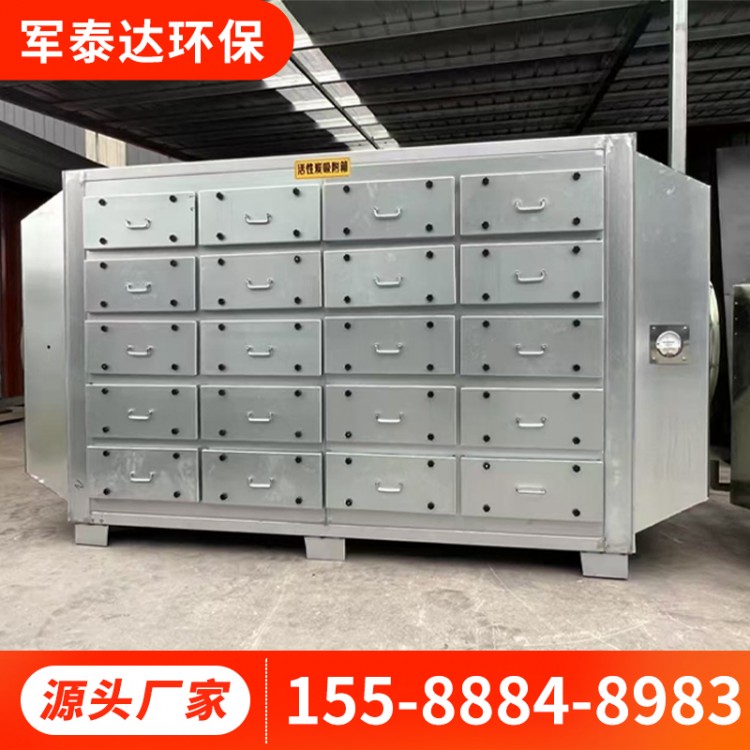





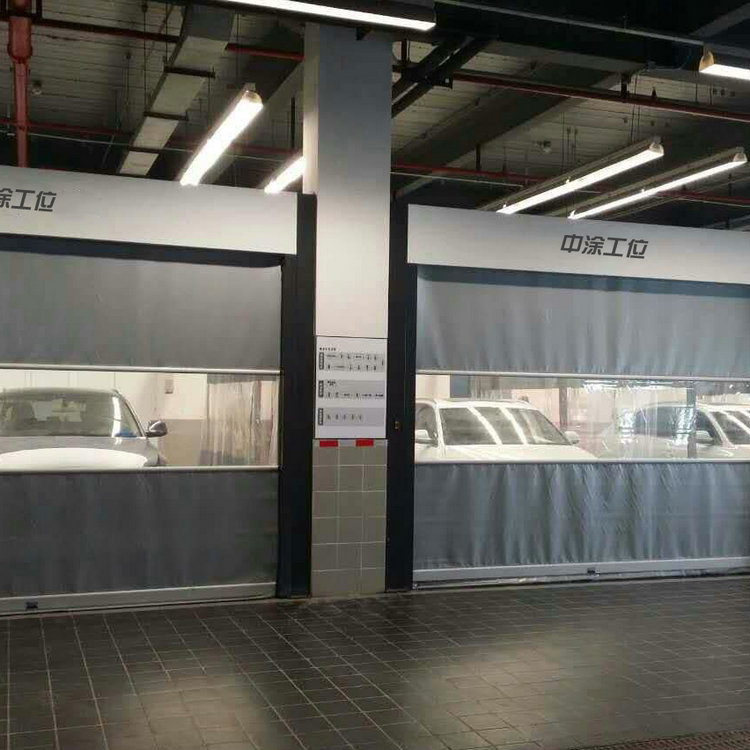
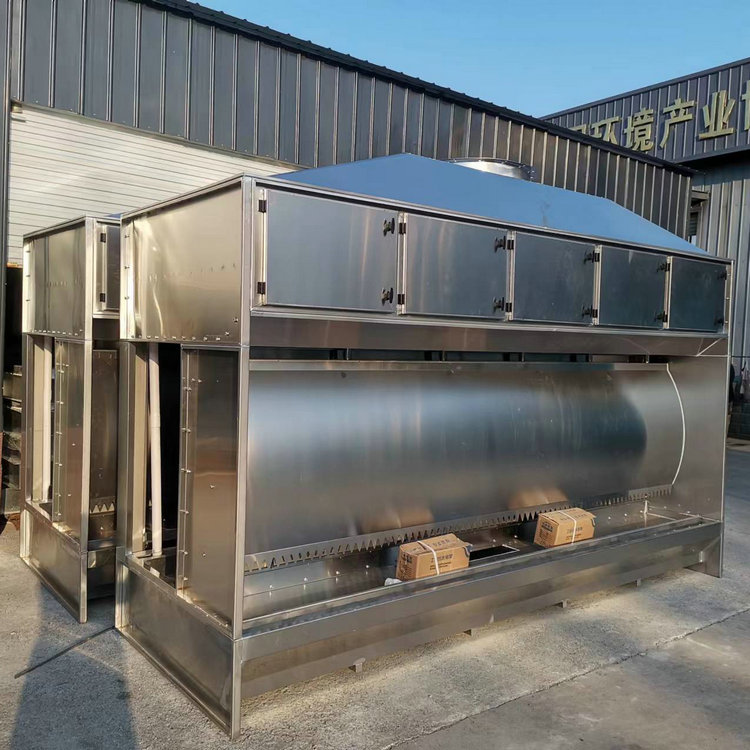
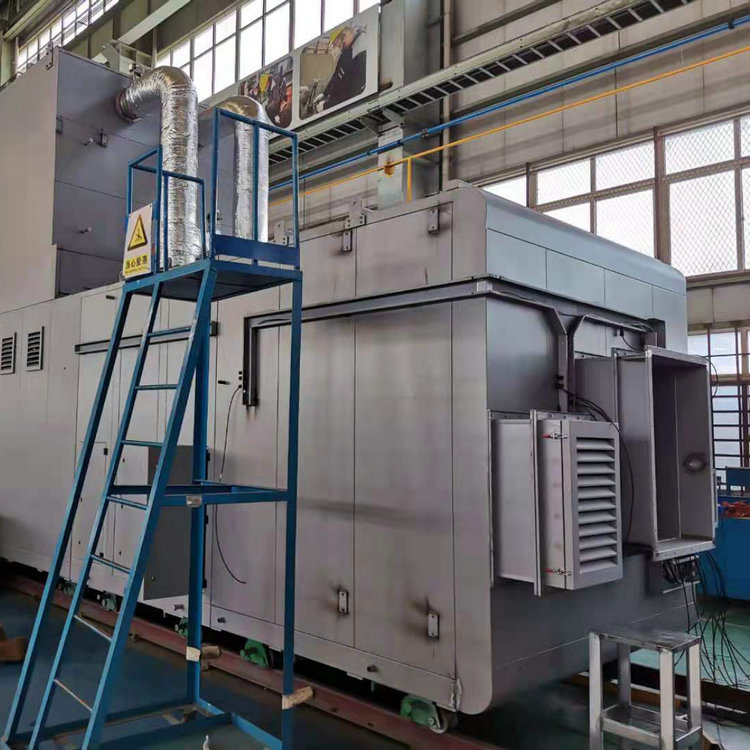
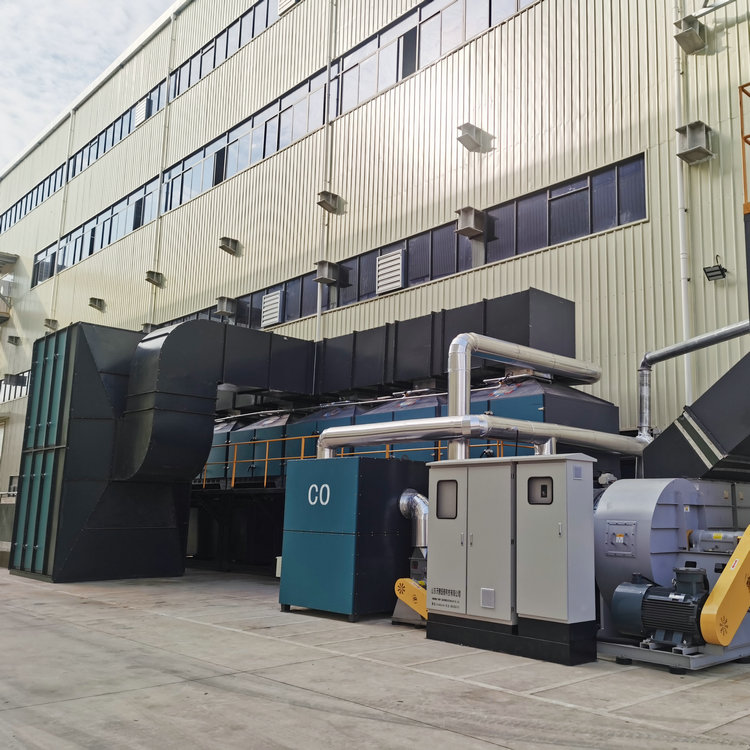
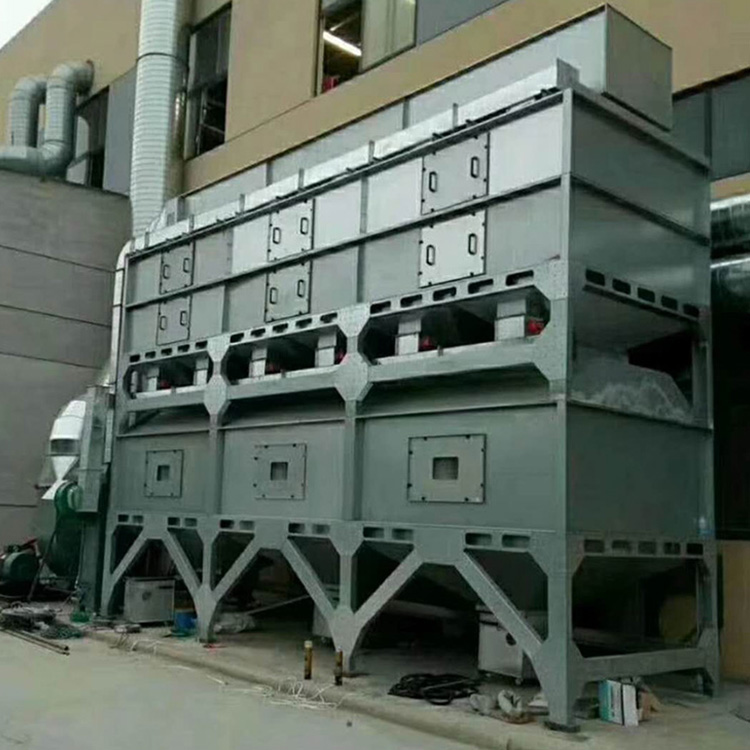
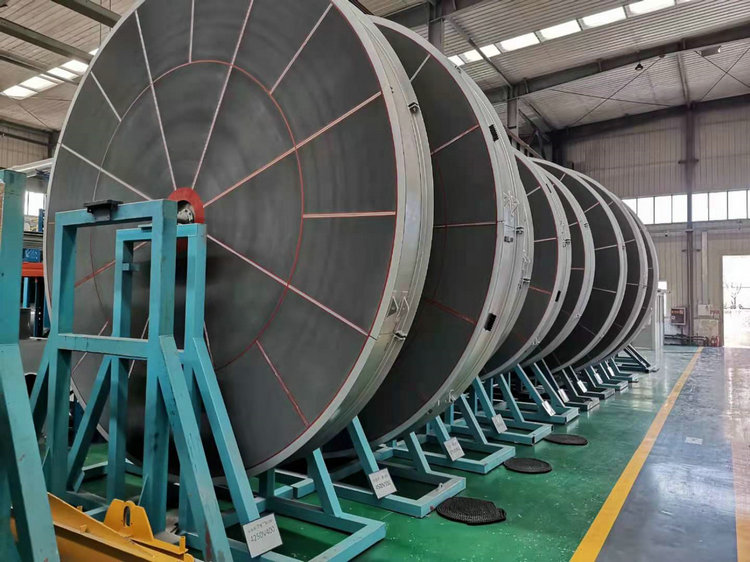
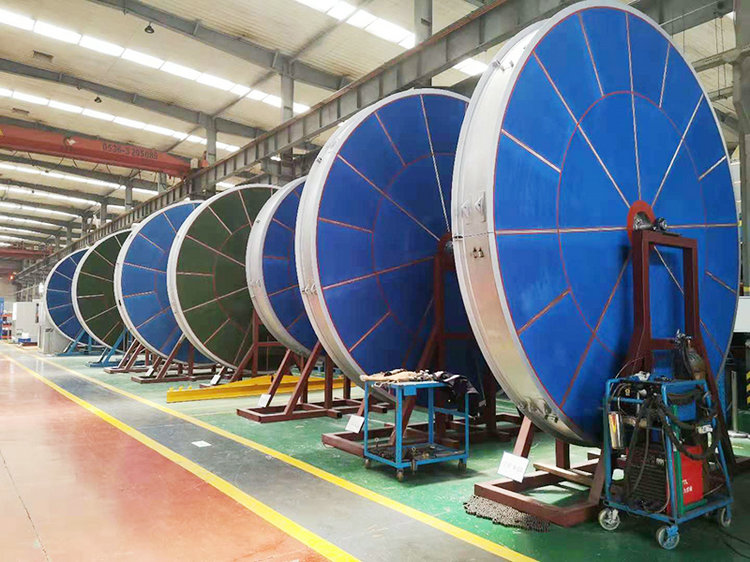
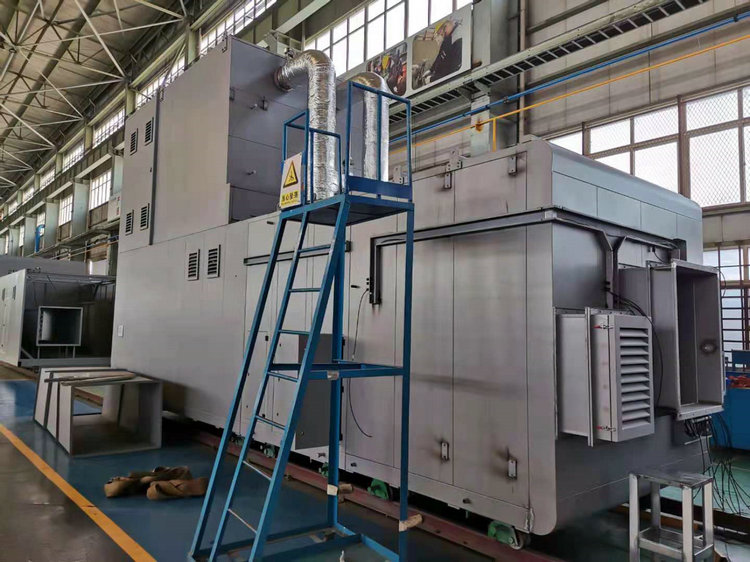
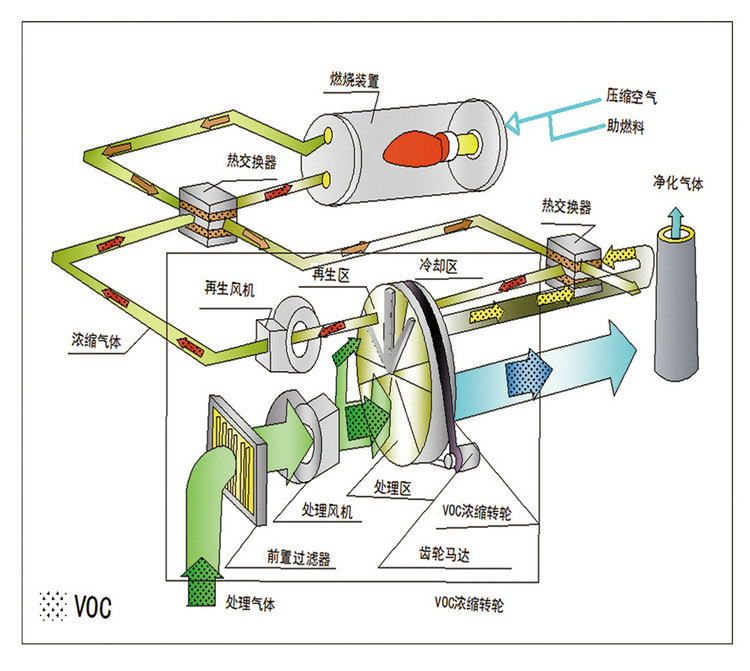
The Zeolite Wheel uses a honeycomb-like zeolite adsorption material to adsorb and concentrate VOCs from waste gases, suitable for treating low-concentration, high-volume VOCs. Since its introduction, this system has been widely used in various processes such as painting, printing, semiconductor, liquid crystal, and chemical manufacturing in factories around the world. Applicable VOCs include benzene, toluene, xylene, styrene, hexane, cyclohexane, MEK, MIBK, acetone, ethyl acetate, NMP, THF, methanol, ethanol, 1-propanol, butanol, and various chlorinated solvent systems.
When exhaust containing low concentration VOCs passes through a honeycomb zeolite, the VOCs components are adsorbed in the zeolite. The purified gas is then released into the atmosphere or circulated indoors for further treatment. Through recirculation, heat energy is recovered. At this point, the honeycomb zeolite that has adsorbed VOCs continuously rotates, using a small amount of heated air in the desorption module for desorption and regeneration. During this process, high-concentration gases can be obtained from low-concentration waste gases.