
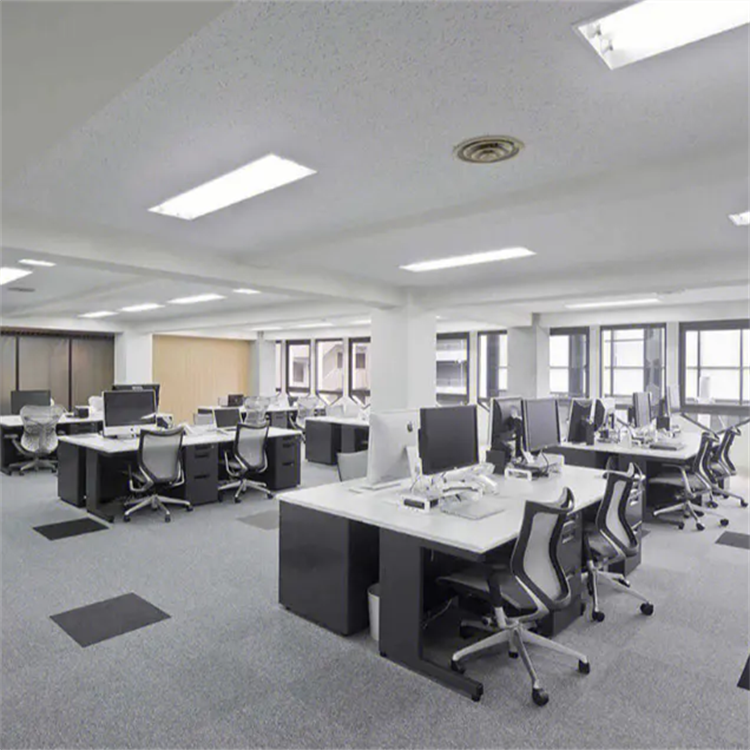
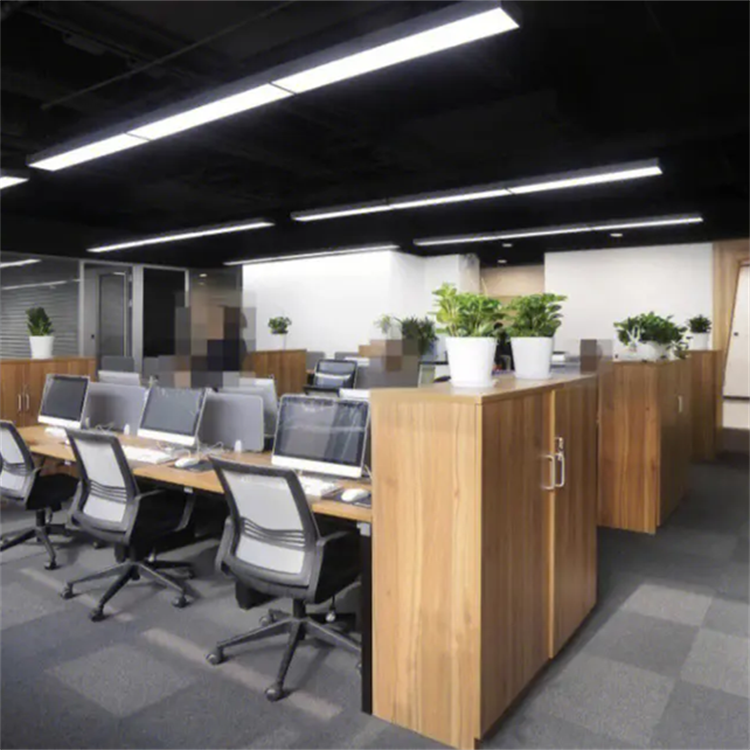
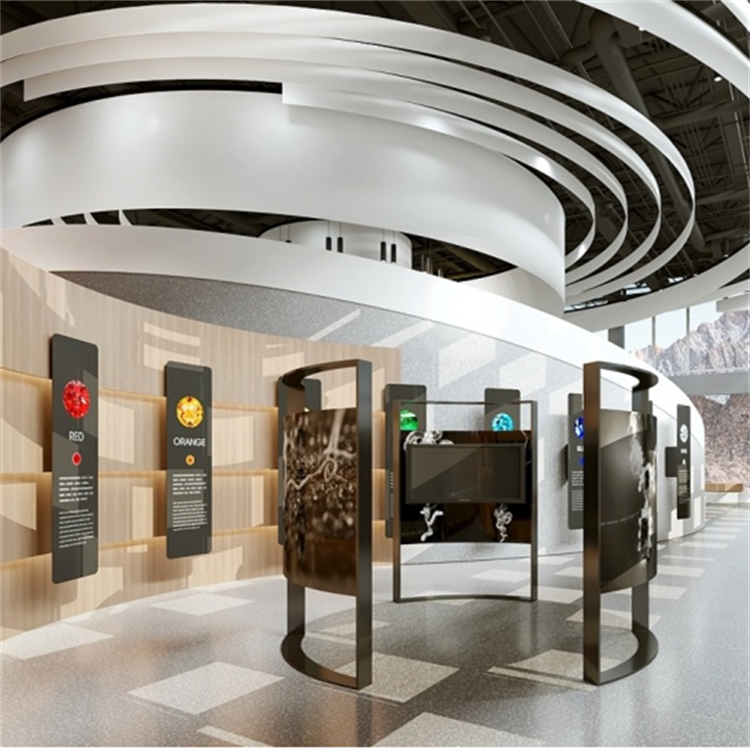









Office acoustic design is a critical consideration, impacting employee productivity and overall job satisfaction. Here are some key points regarding office acoustic design:
Sound Insulation Performance: Office buildings are often located in areas with high human traffic, so it is necessary to ensure that the noise levels in individual office spaces are low to maintain privacy and work efficiency. This involves regulating the airborne sound insulation performance of the partition walls, floors, exterior walls, and windows in offices and conference rooms.
Reverberation Time: Appropriate reverberation time is crucial for speech clarity in office spaces. Too short and the sound may become too dry, while too long can lead to unclear speech. Generally, a reverberation time of 0.5 to 1.0 seconds is ideal for office environments.
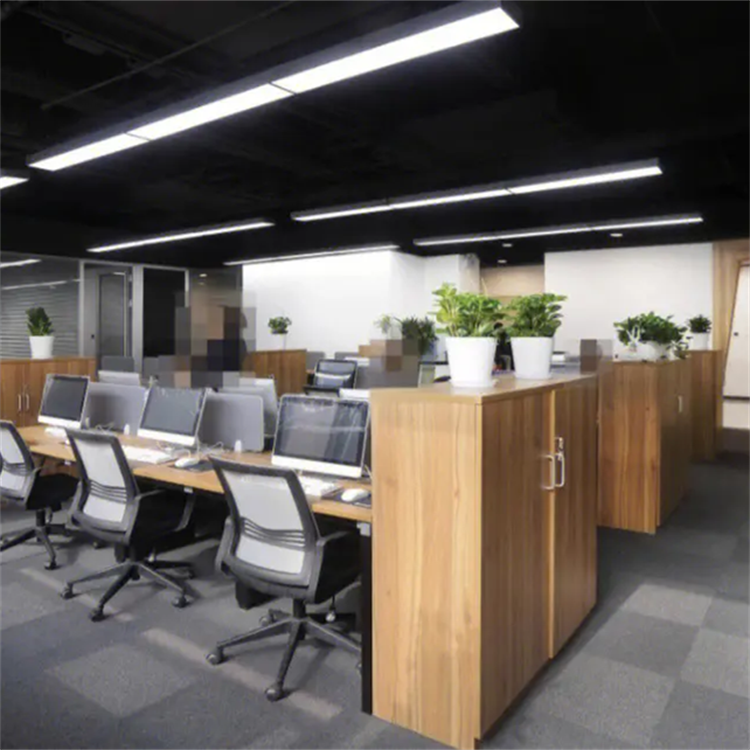
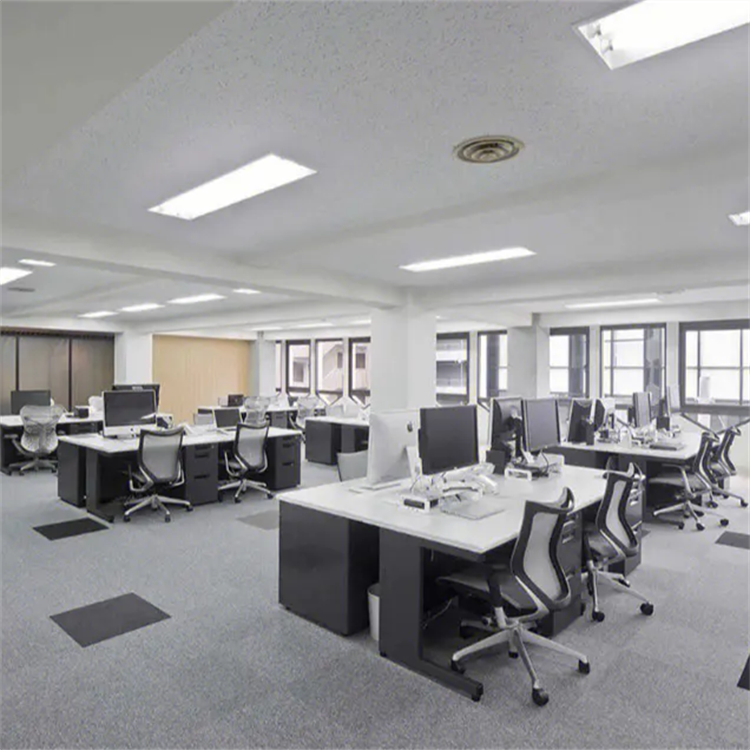
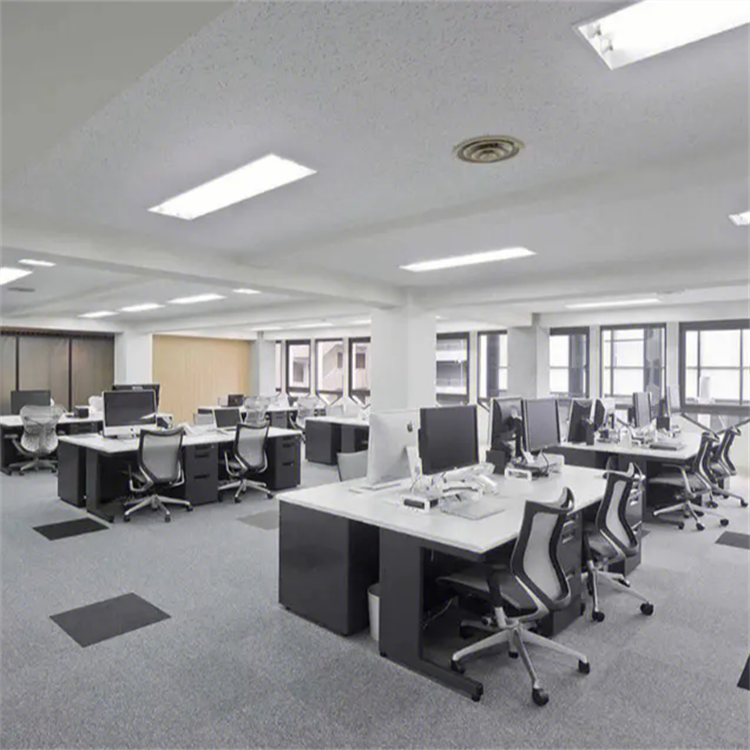
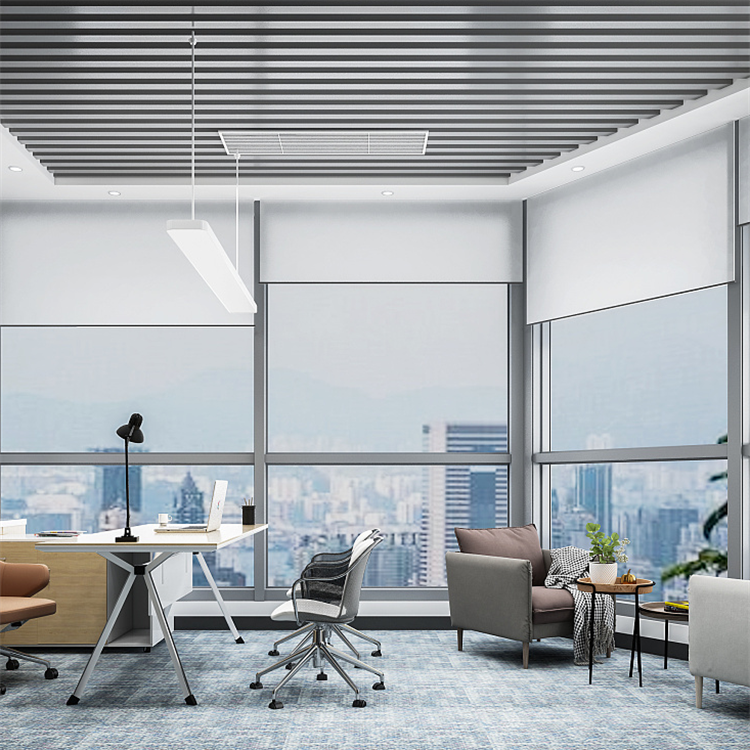
Language Privacy: In open-plan offices, the design of language privacy is a priority. The design should ensure that the intelligibility of statements between adjacent work areas is minimized, while also greatly reducing noise interference.
Noise Control: In the overall layout of the building, it should be avoided that noise sources interfere with noise-sensitive areas. For existing office buildings, the required sound-insulating performance of the building's maintenance structure in the external environment should be given priority consideration.
Acoustic Treatment: To control indoor echo and reduce noise, it is advisable to reasonably arrange sound-absorbing materials on the ceiling or walls. For instance, AGG seamless sound-absorbing sand board can be used, which not only has excellent sound-absorbing properties but also features good decorative style.
Acoustic Masking System: In certain situations, traditional physical soundproofing measures may not be sufficient to meet privacy requirements. In such cases, an electronic acoustic masking system can be introduced to enhance the privacy of spoken language by emitting a uniform background noise.
Considering the overall design: When designing acoustic comfort, it's essential to consider factors such as building function, cultural habits, and noise types, and use on-site analysis to predict external noise levels.