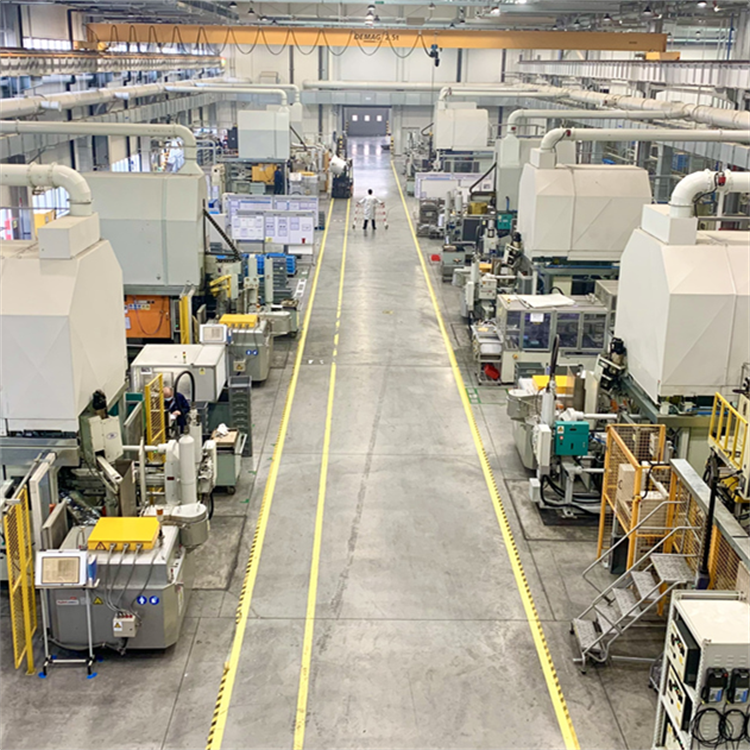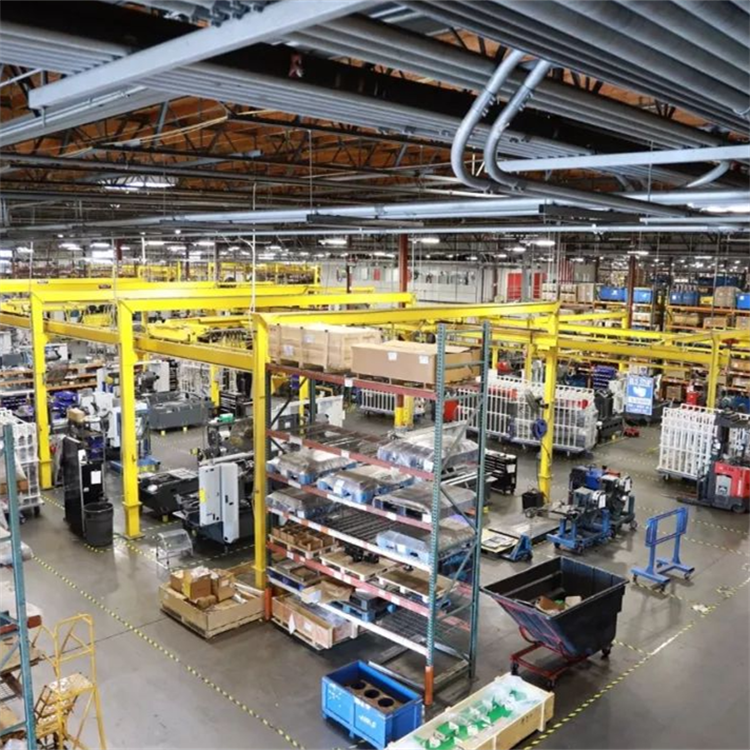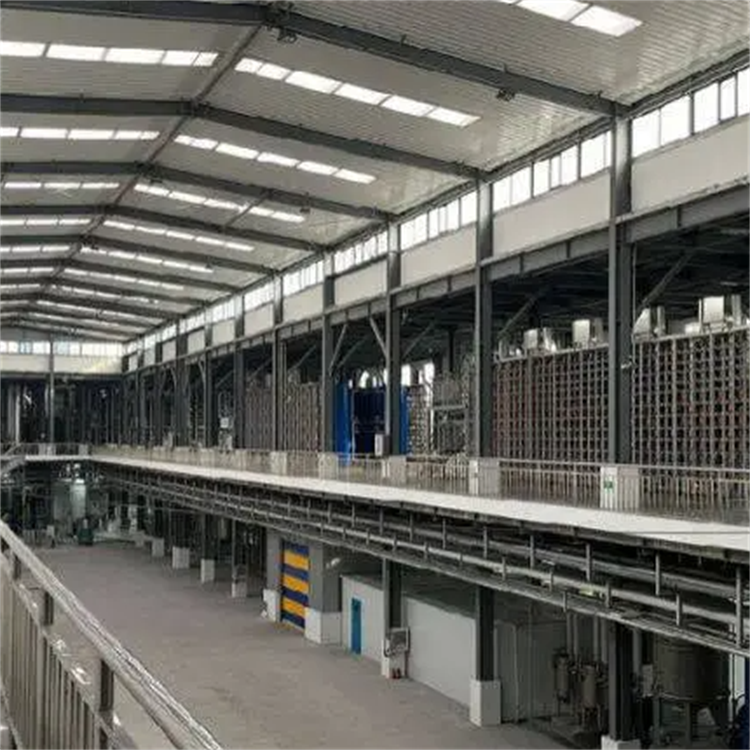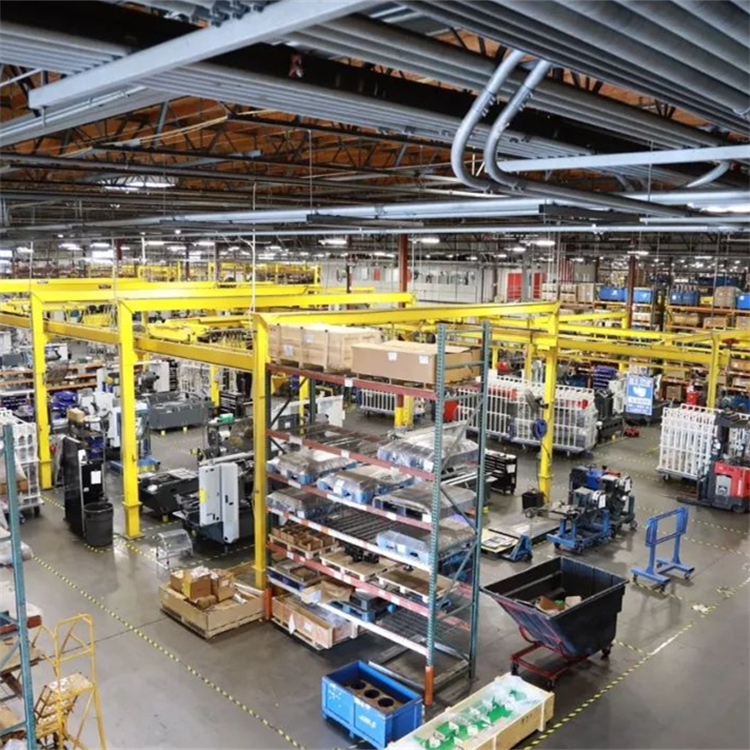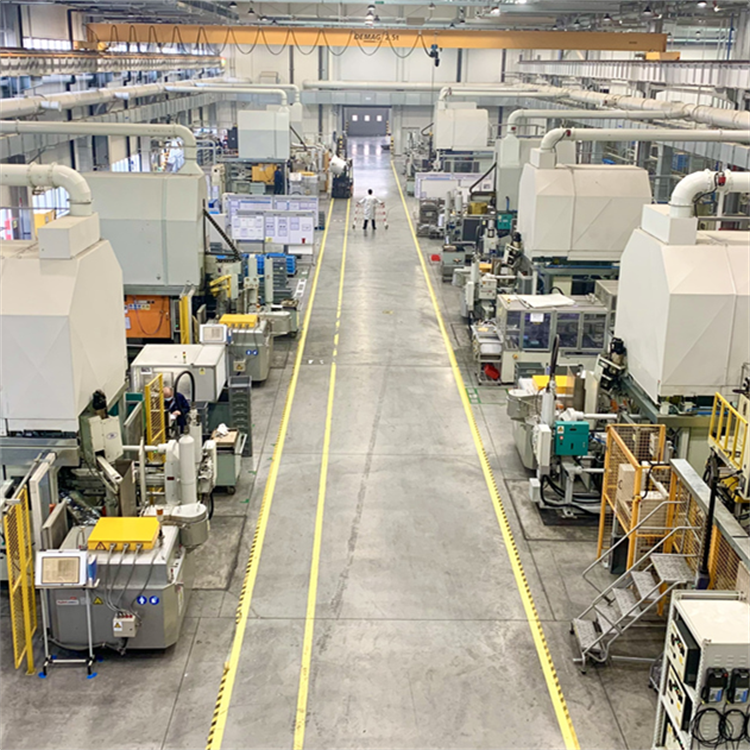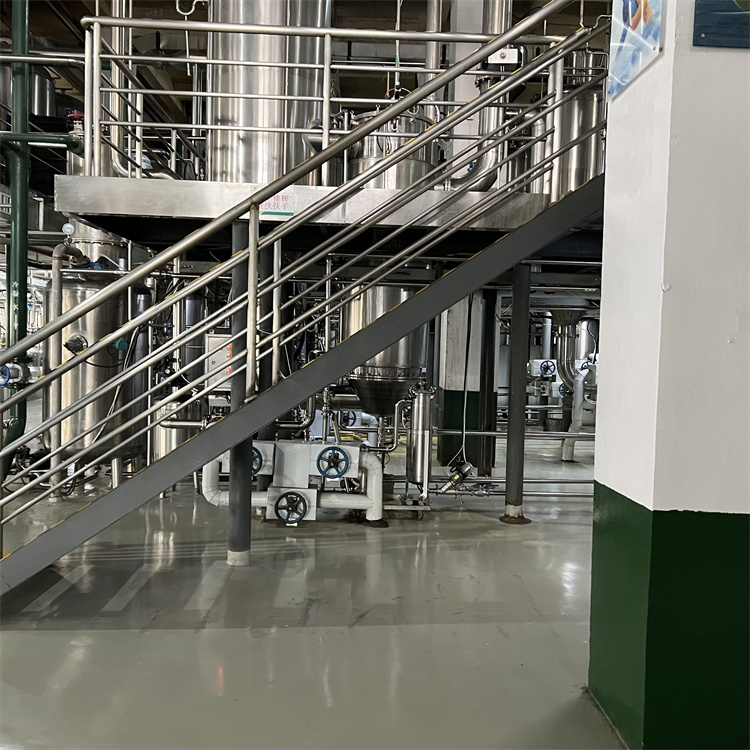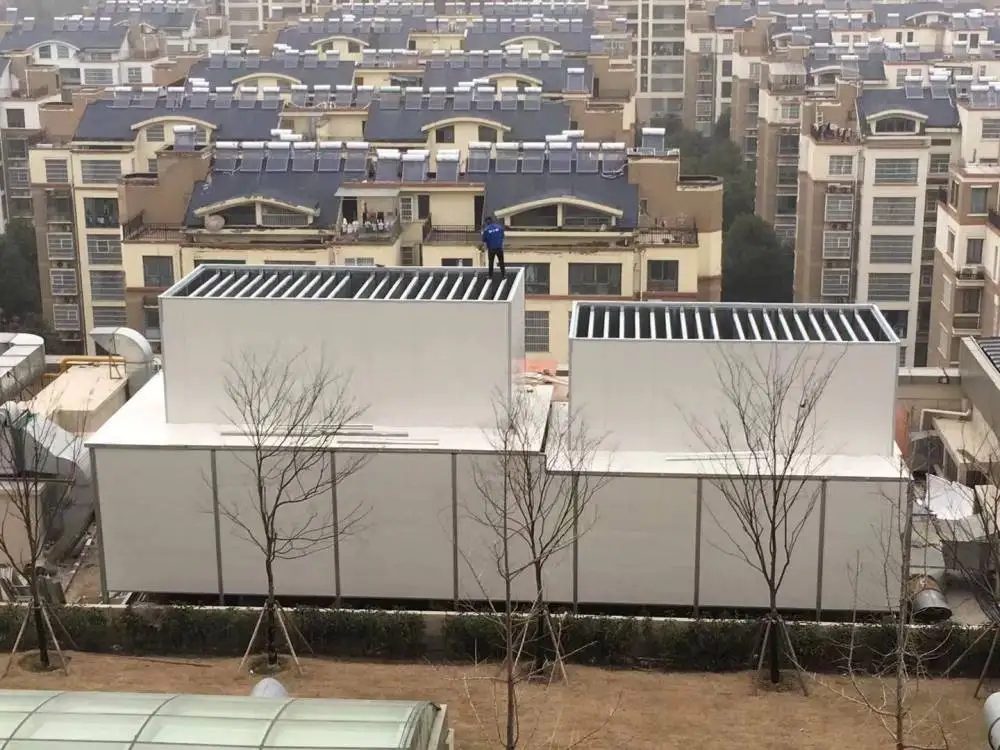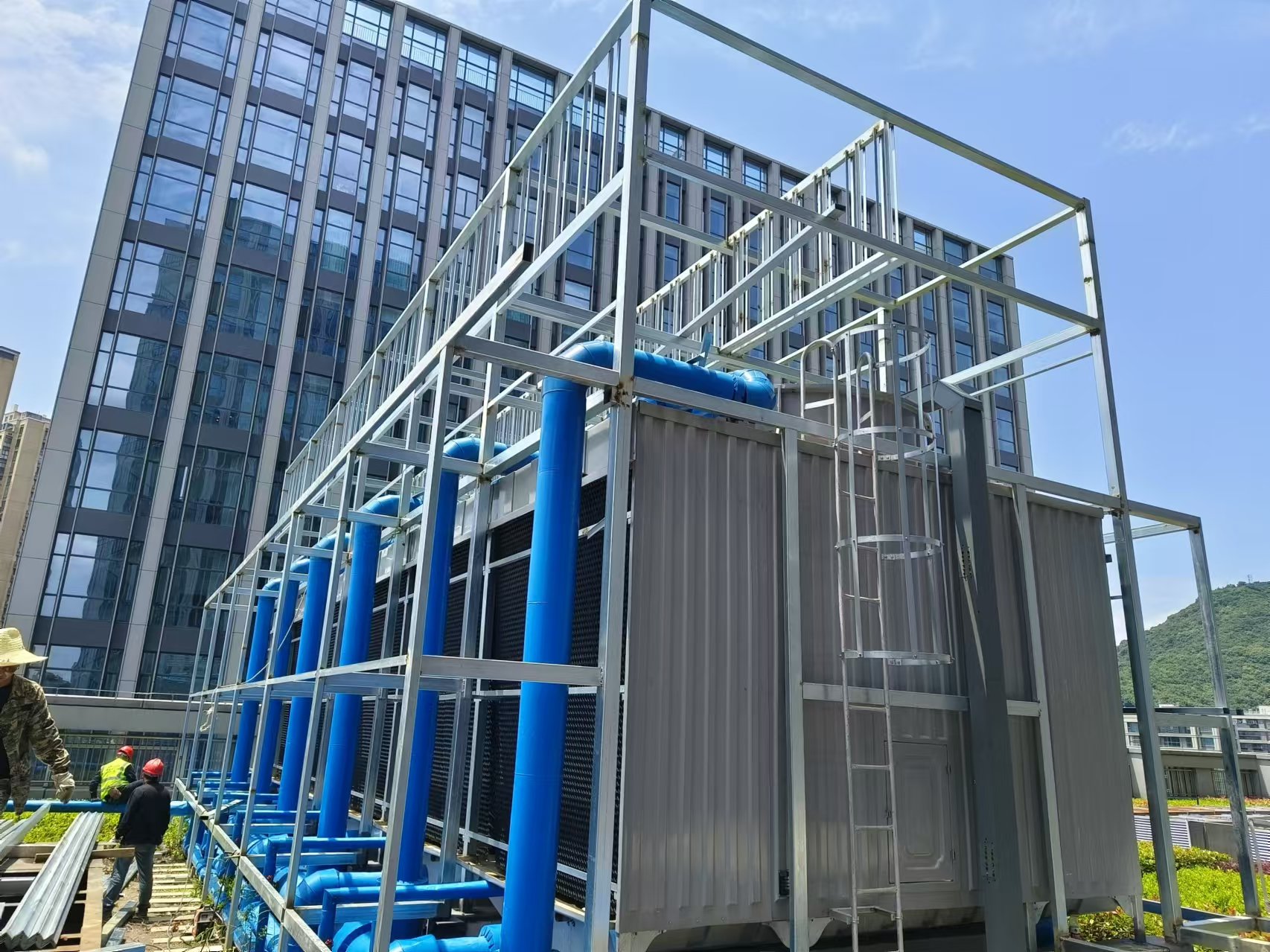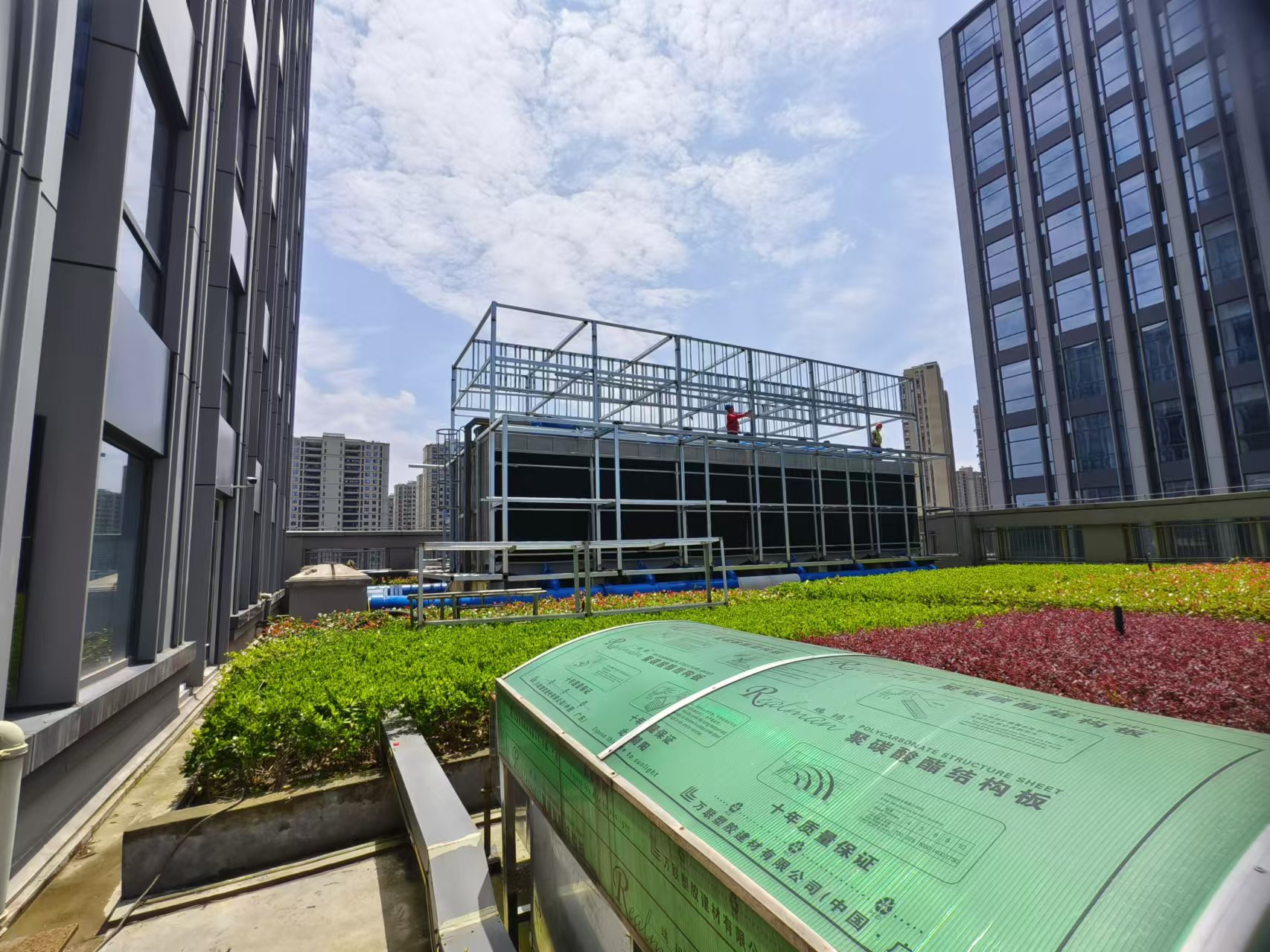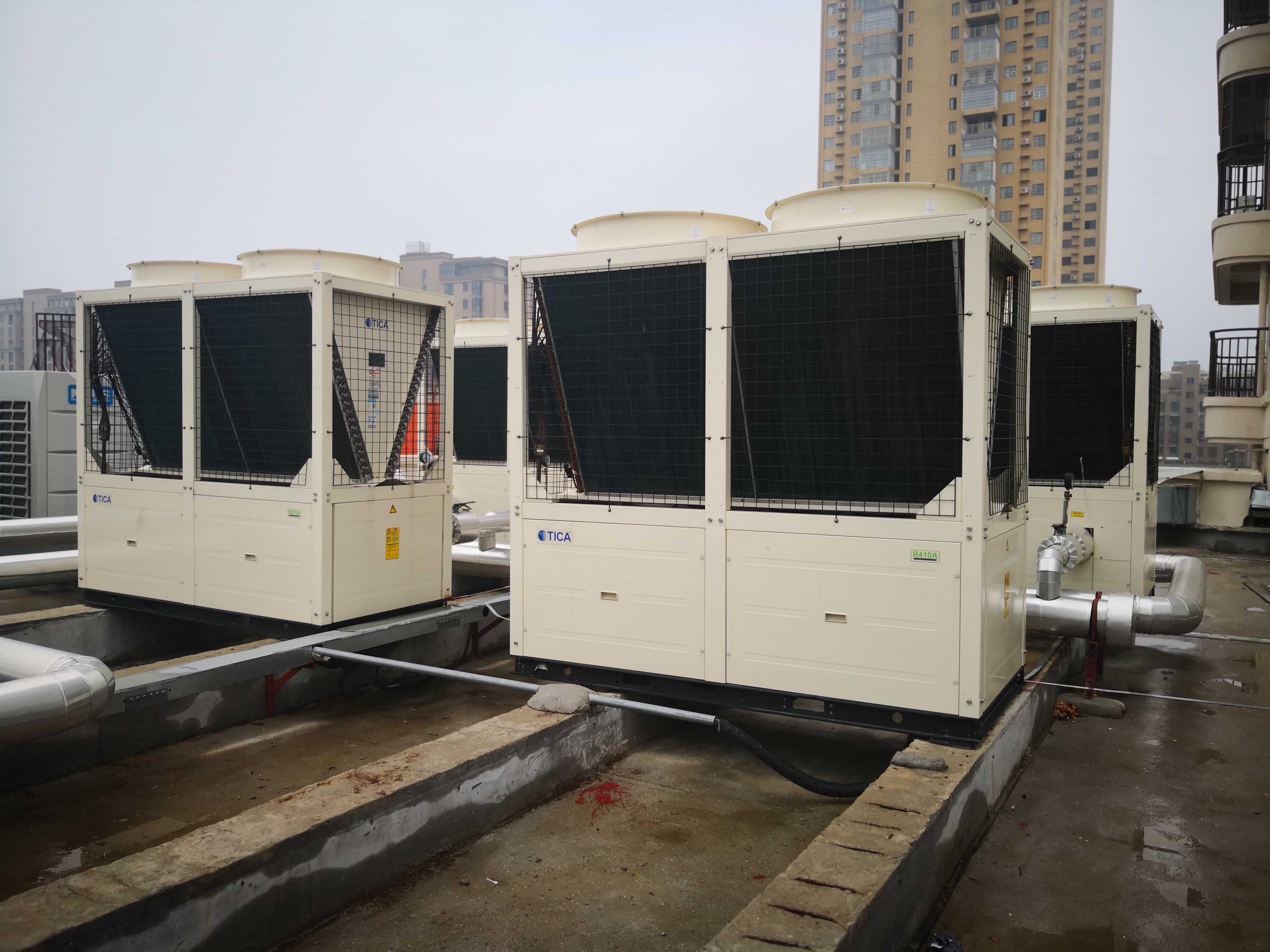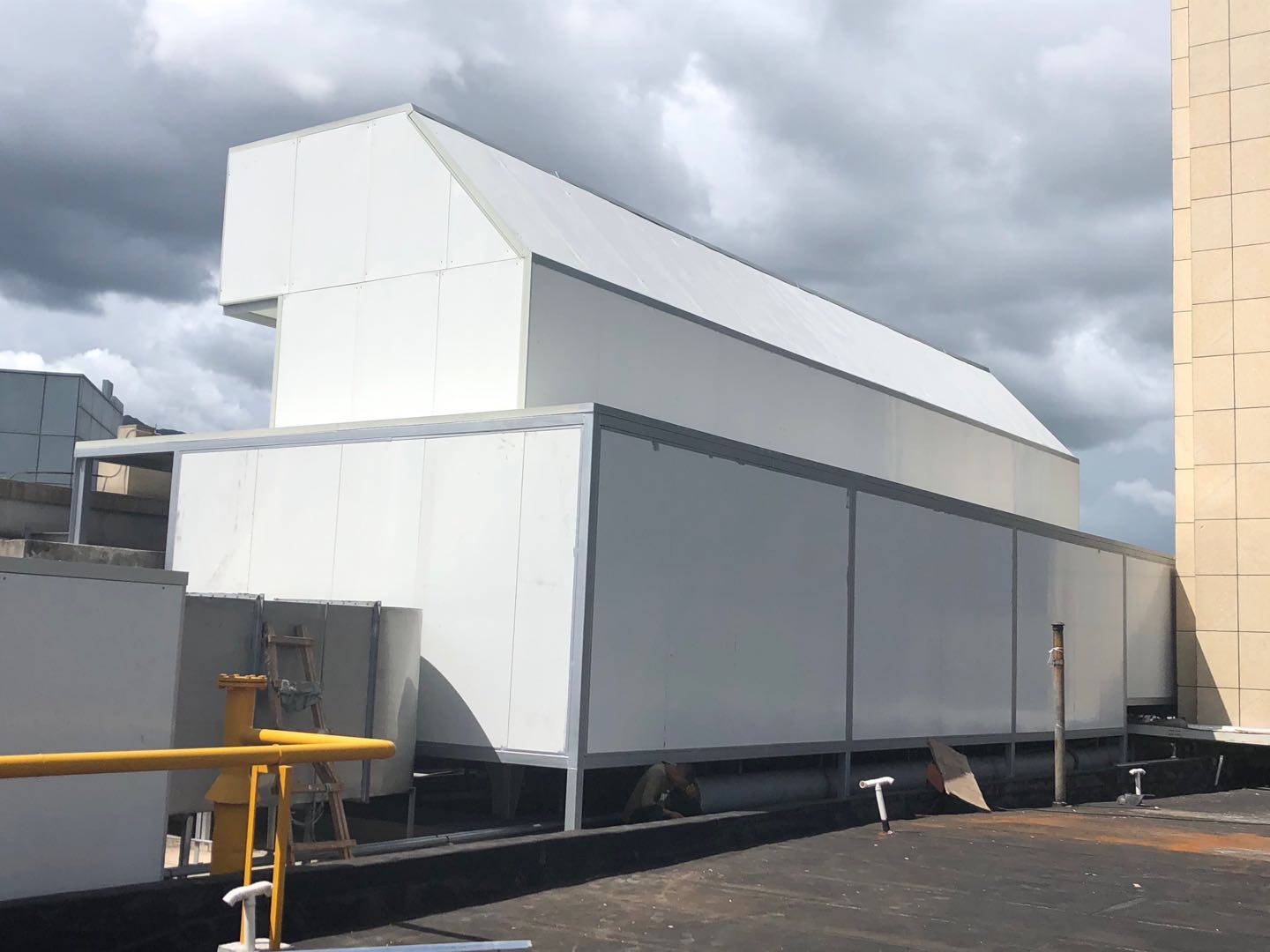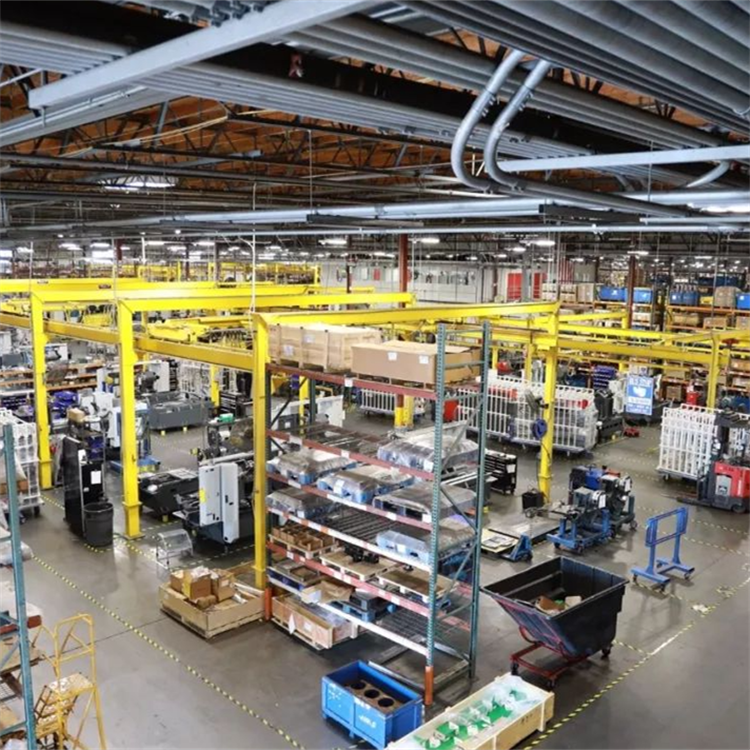

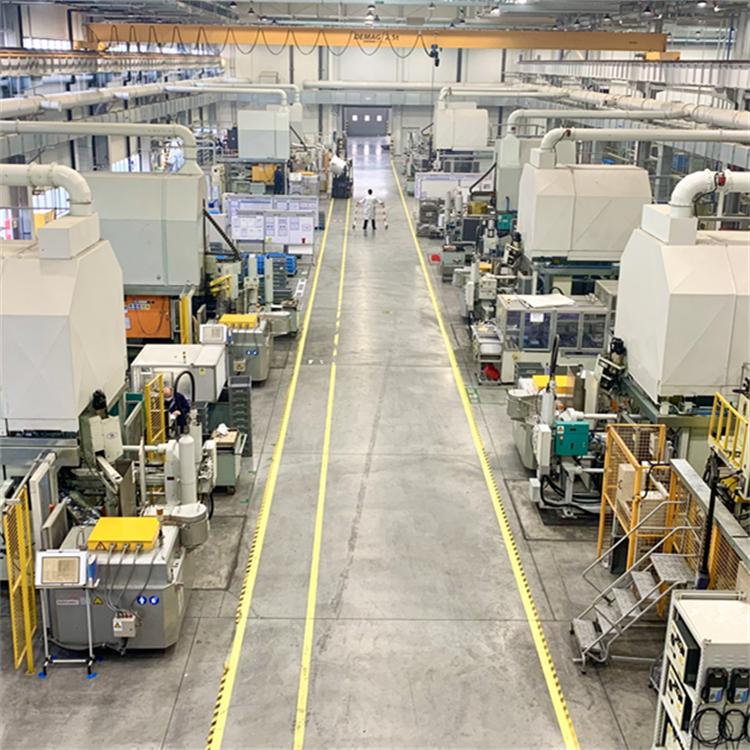



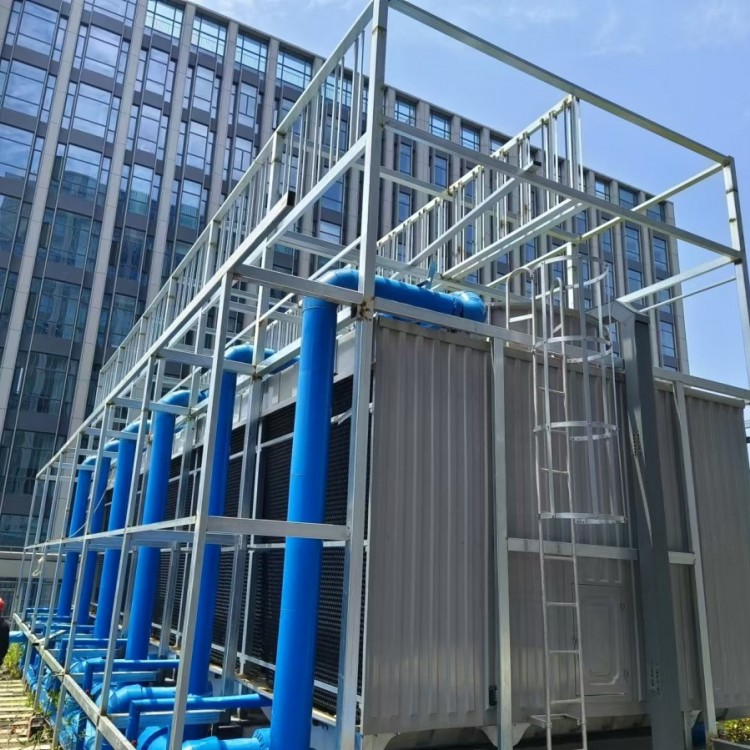







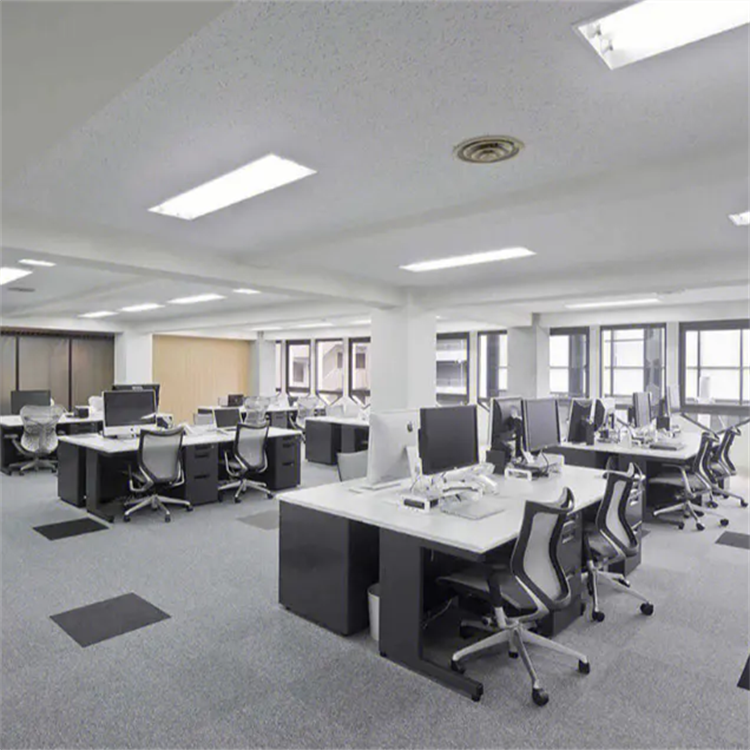
Factory noise control is a comprehensive project, involving noise source control, acoustic isolation measures, and the application of absorbent materials, among other aspects.
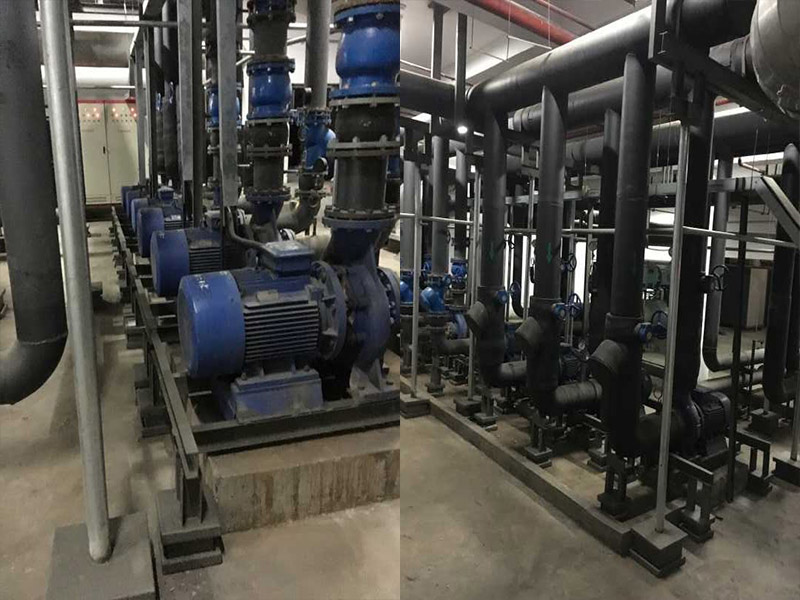
1. Noise Source Control: First, identify the primary noise sources in the factory, such as machinery, production lines, or transportation equipment. Then, control the noise by ensuring regular maintenance and care of the equipment, installing soundproof enclosures, or silencers.
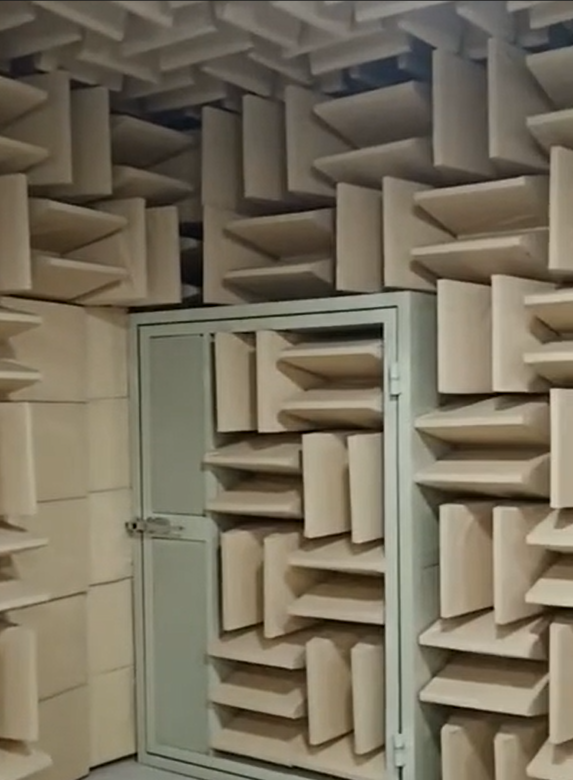
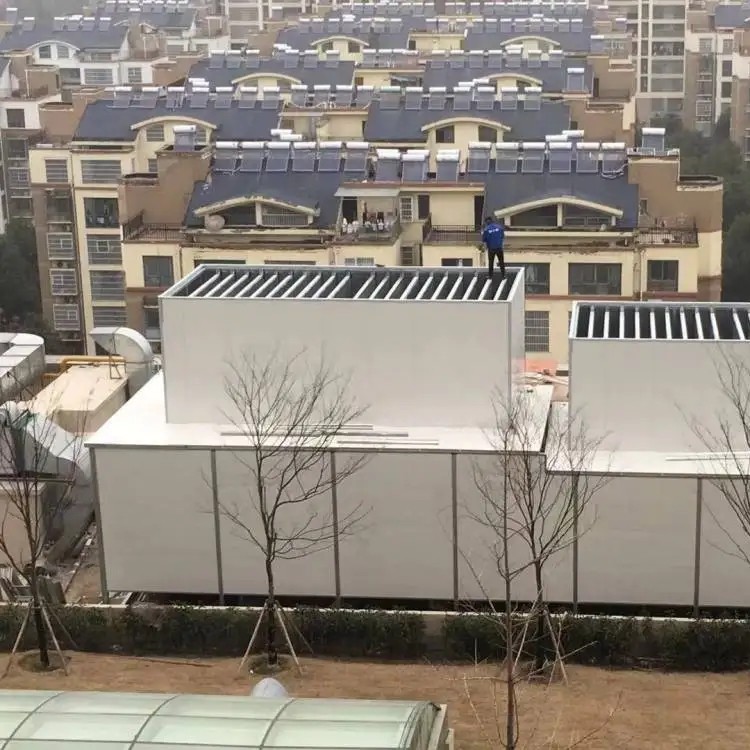
2. Acoustic isolation measures: Reduce noise transmission by installing soundproofing walls, using soundproof windows and doors, and setting up soundproof panels on walls or ceilings.
3. Acoustic Material Application: Utilize acoustic materials within the factory, such as sound-absorbing ceilings, wall panels, and flooring materials, to reduce noise reflection and transmission.
4. Noise Management Plan: Establish a noise management plan that includes regular inspections and maintenance, noise monitoring, and employee training.
5. Environmental Layout and Planning: Consider noise control in factory planning, such as isolating noise sources from office areas and setting up effective process separations.
6. Legal Compliance: Adhere to relevant national laws and regulations concerning noise emission standards and environmental vibration control, and establish a noise pollution prevention and control responsibility system.
7. Construction Project Management: Conduct environmental impact assessments for construction projects that may generate noise pollution, and ensure that noise pollution prevention facilities are designed, constructed, and put into use simultaneously with the main project.
8. Protection of Noise-Sensitive Buildings: During construction in areas with a concentration of noise-sensitive buildings, employ low-noise construction techniques and equipment, and set up an automatic noise monitoring system.
9. Noise Pollution Control in Social Life: Enhance awareness of noise pollution prevention and take effective measures to reduce noise emissions from social life, such as optimizing equipment layout and centralized emissions.
10. Comprehensive Treatment Plan: Soundproofing and noise reduction for industrial factories should address the source, transmission paths, and receiver aspects, implementing reasonable soundproofing and noise reduction measures.
11. Environmental Assessment and Noise Source Identification: Conduct an environmental assessment to clearly identify the types, quantities, and mechanisms of noise generation, providing a basis for formulating effective control plans.
These measures must be customized based on the specific factory environment and characteristics of the noise sources to achieve noise reduction. At the same time, ensure compliance with relevant laws and regulations, and maintain the noise reduction effect through continuous monitoring and management.