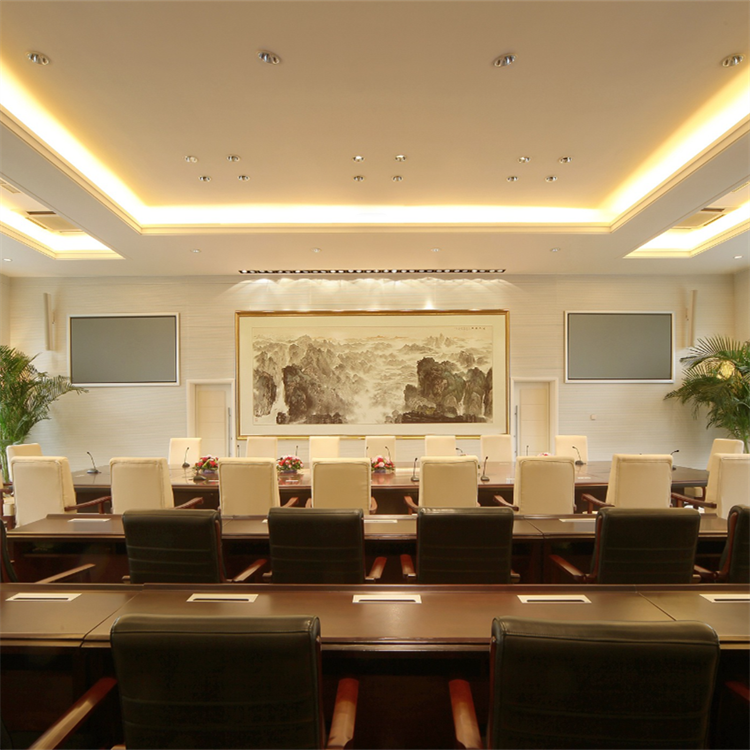











Indoor noise control is a comprehensive project involving architectural design, selection of decorative materials, and management of daily activities, among other aspects.
1. Design Phase: During the design stage, consideration should be given to the sound insulation requirements of the building. Reasonably plan the locations of residential, schools, and other noise-sensitive structures to prevent them from being affected by surrounding noise.
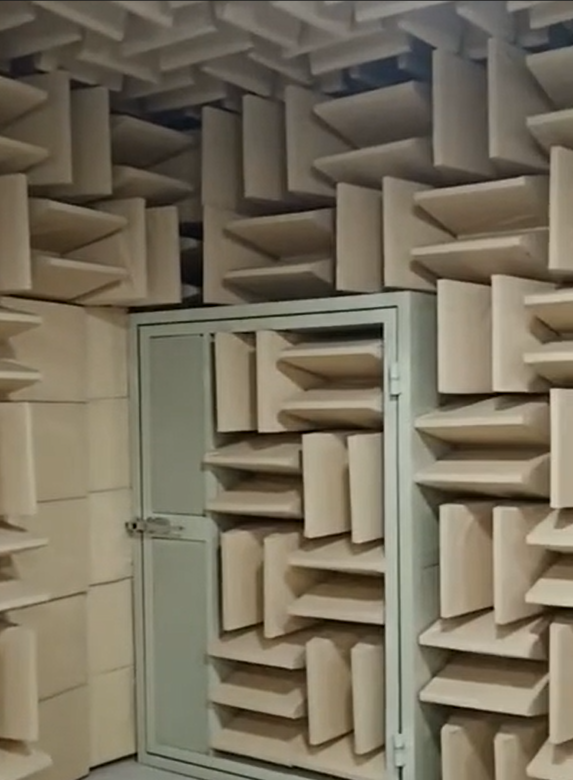
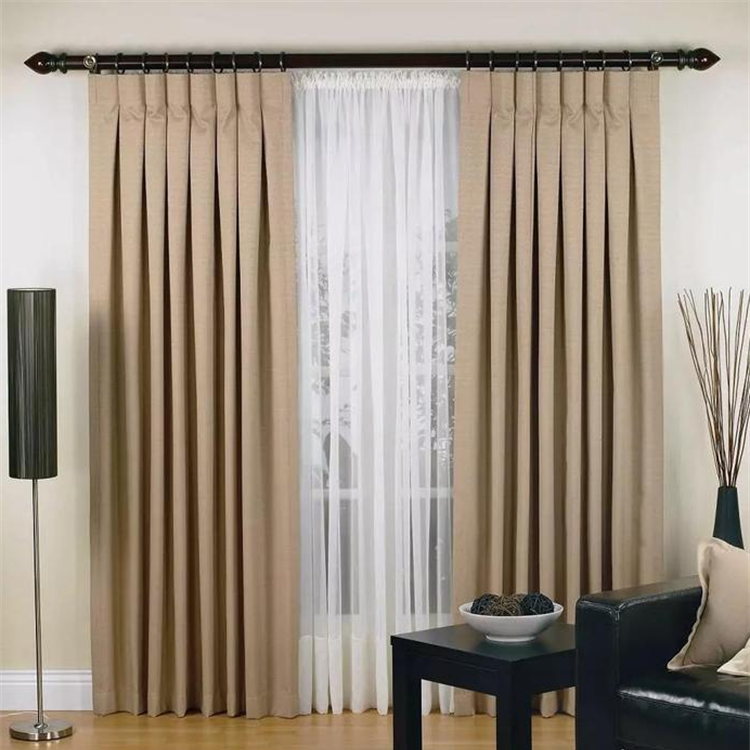
2. Material Selection for Renovation: Opt for construction materials with excellent soundproofing properties, such as soundproof flooring and wall soundproofing materials, to reduce the transmission of indoor noise.
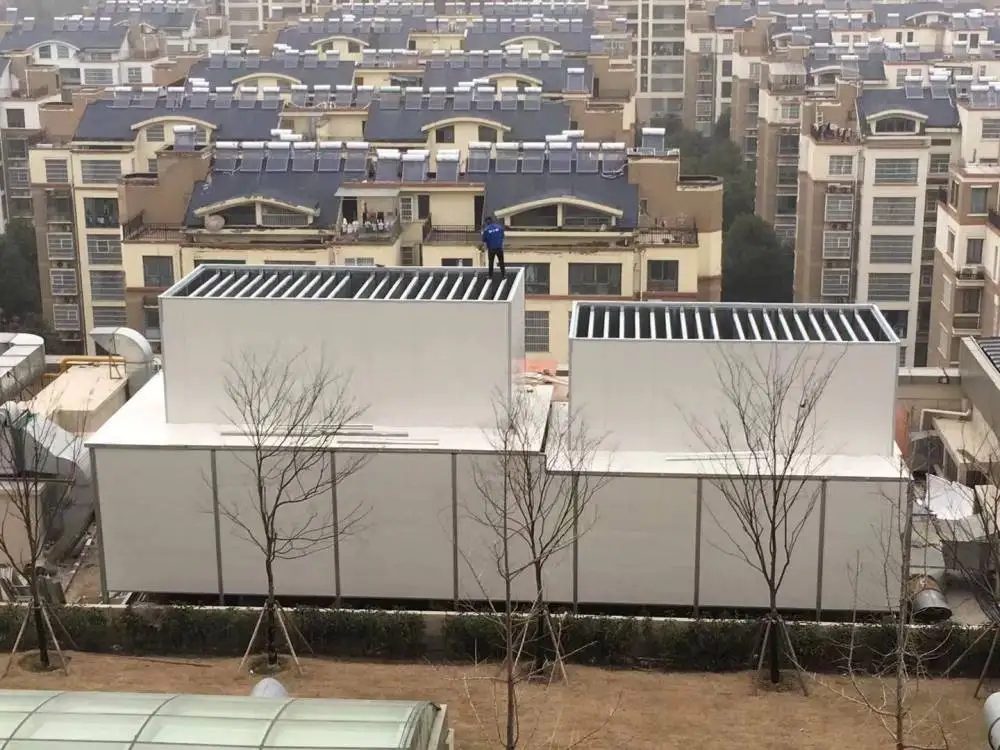
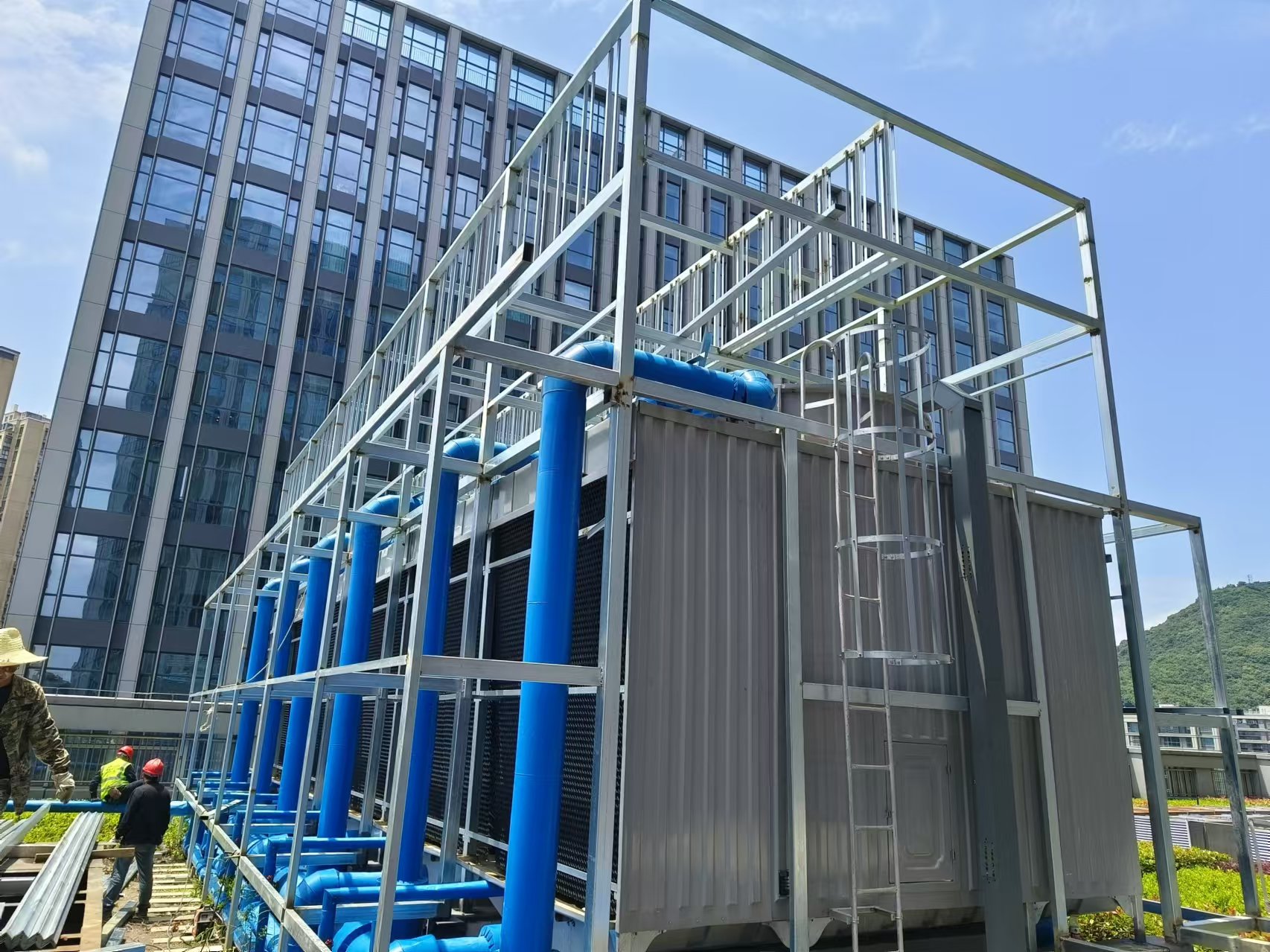
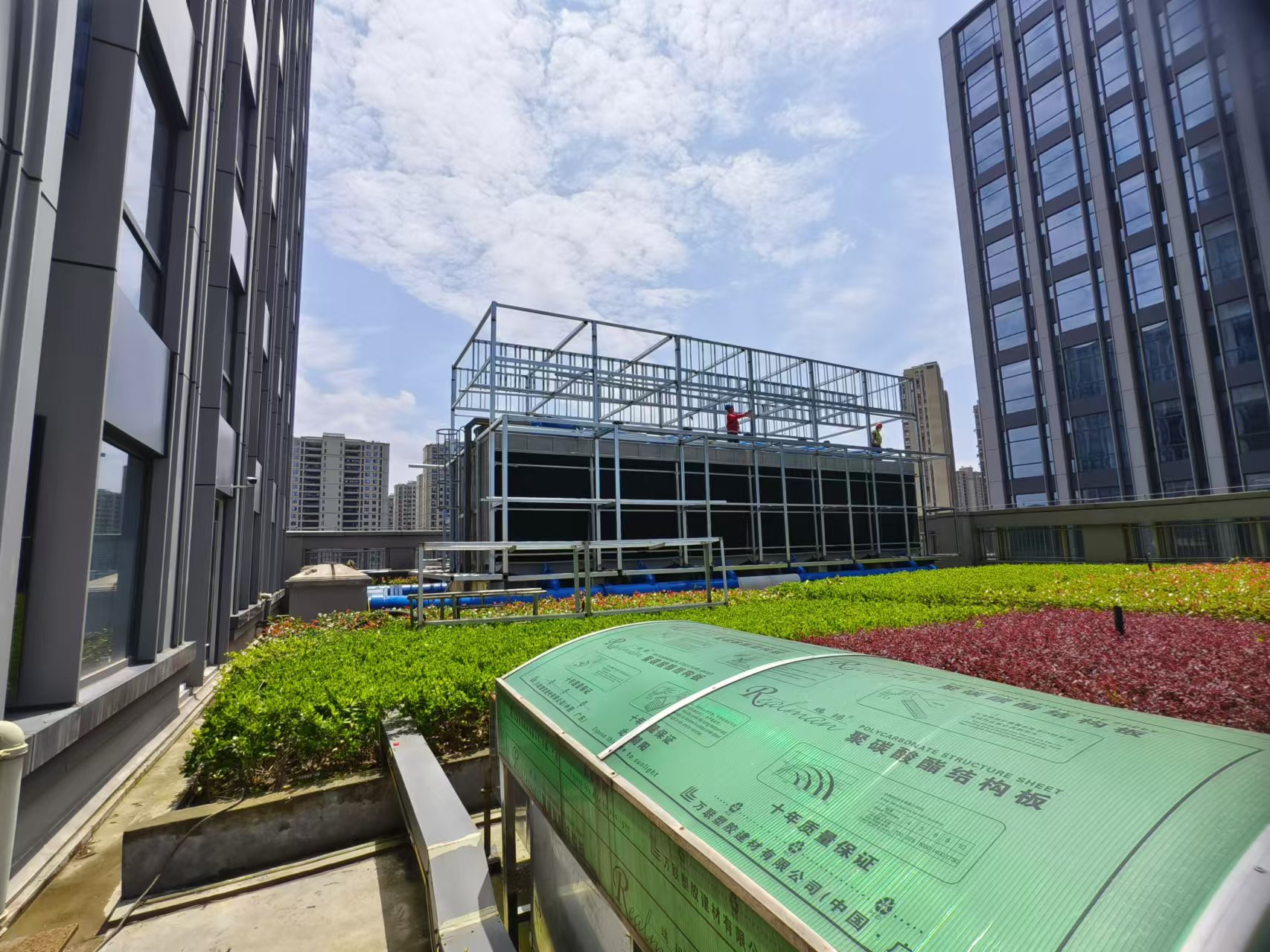
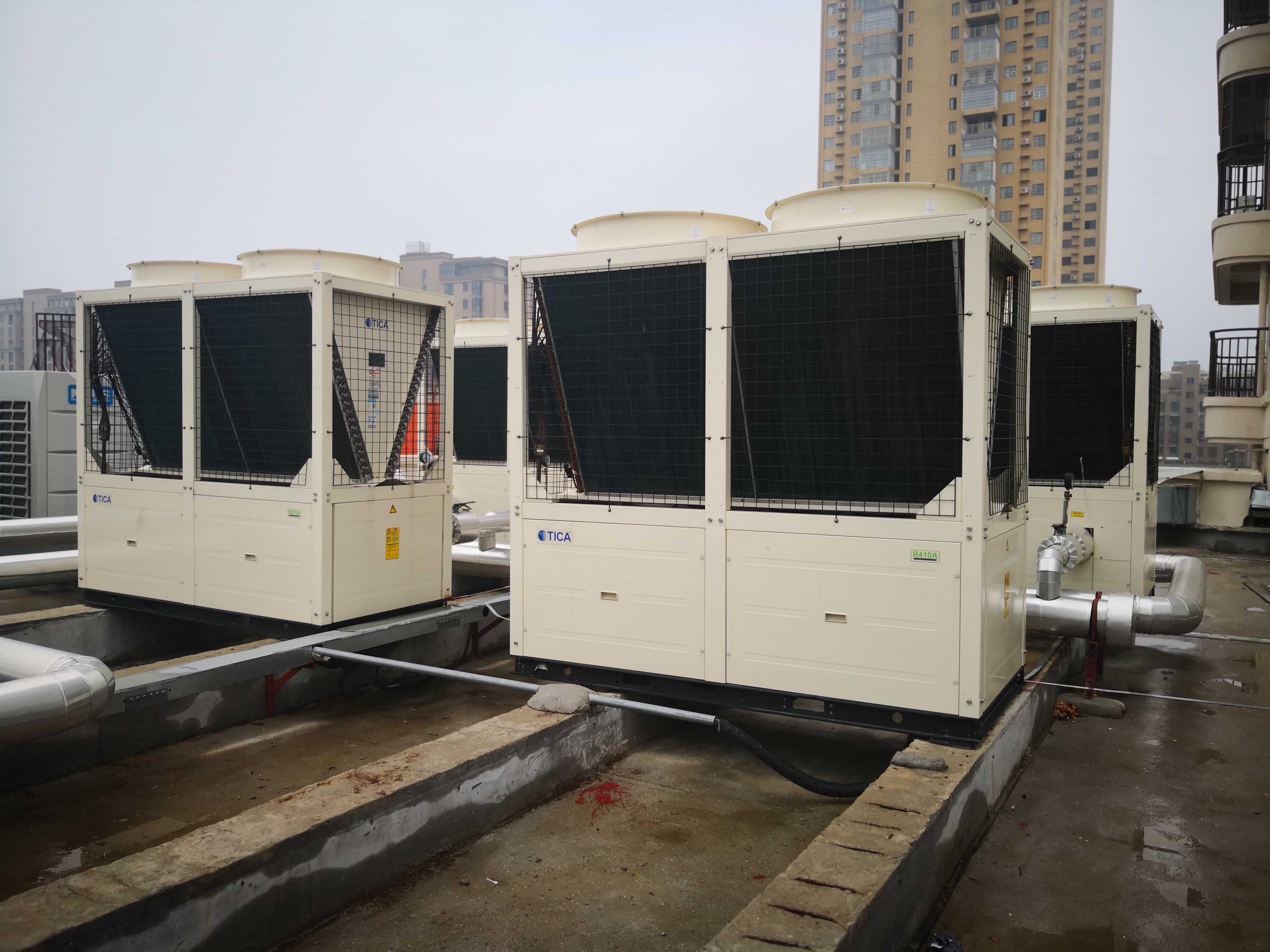
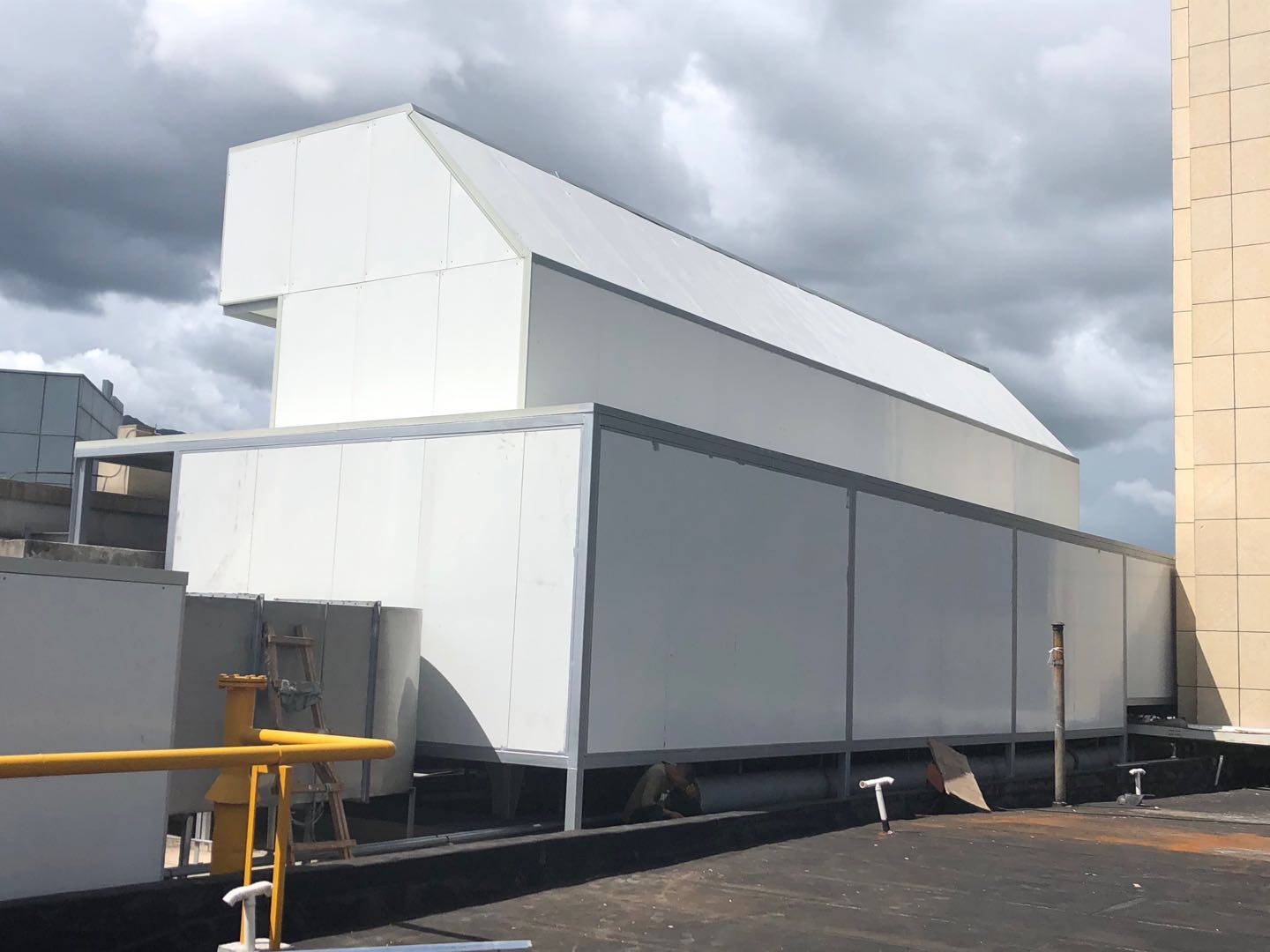
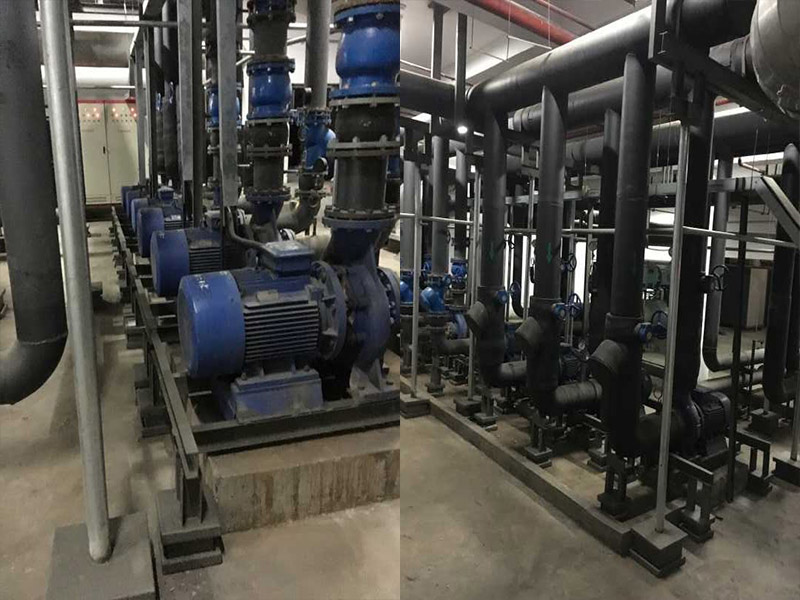
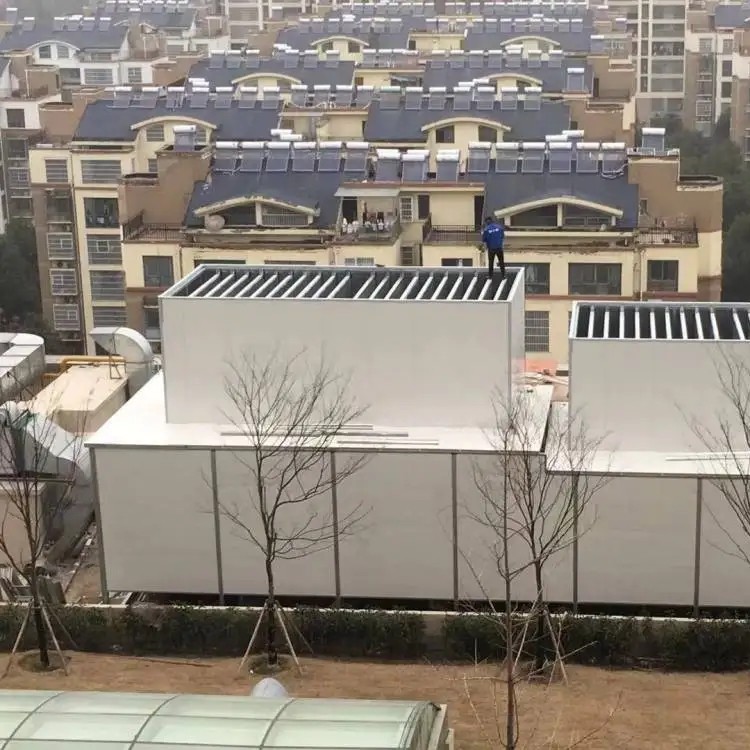
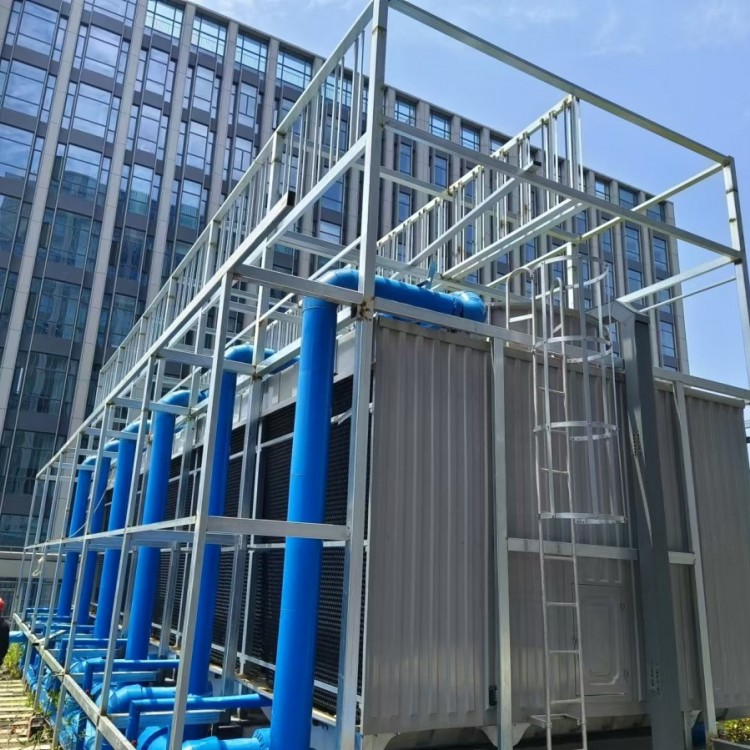
3. Common Facilities and Equipment: Elevators, water pumps, transformers, and other common facilities installed in newly constructed residential areas shall comply with the relevant noise insulation design standards for civil buildings, and measures to reduce vibration and noise shall be adopted.
4. Interior Renovation Activities: When conducting interior renovation, limit working hours and take effective measures, such as using temporary soundproof screens and low-noise tools, to prevent and mitigate noise pollution.
5. Daily Activity Management: Families and their members should cultivate good habits to reduce noise generation, such as controlling the volume of household appliances and musical instruments, or taking other effective measures to prevent noise pollution.
Through these measures, indoor noise control can be effectively implemented, enhancing the comfort of living environments and ensuring the quality of life for residents.