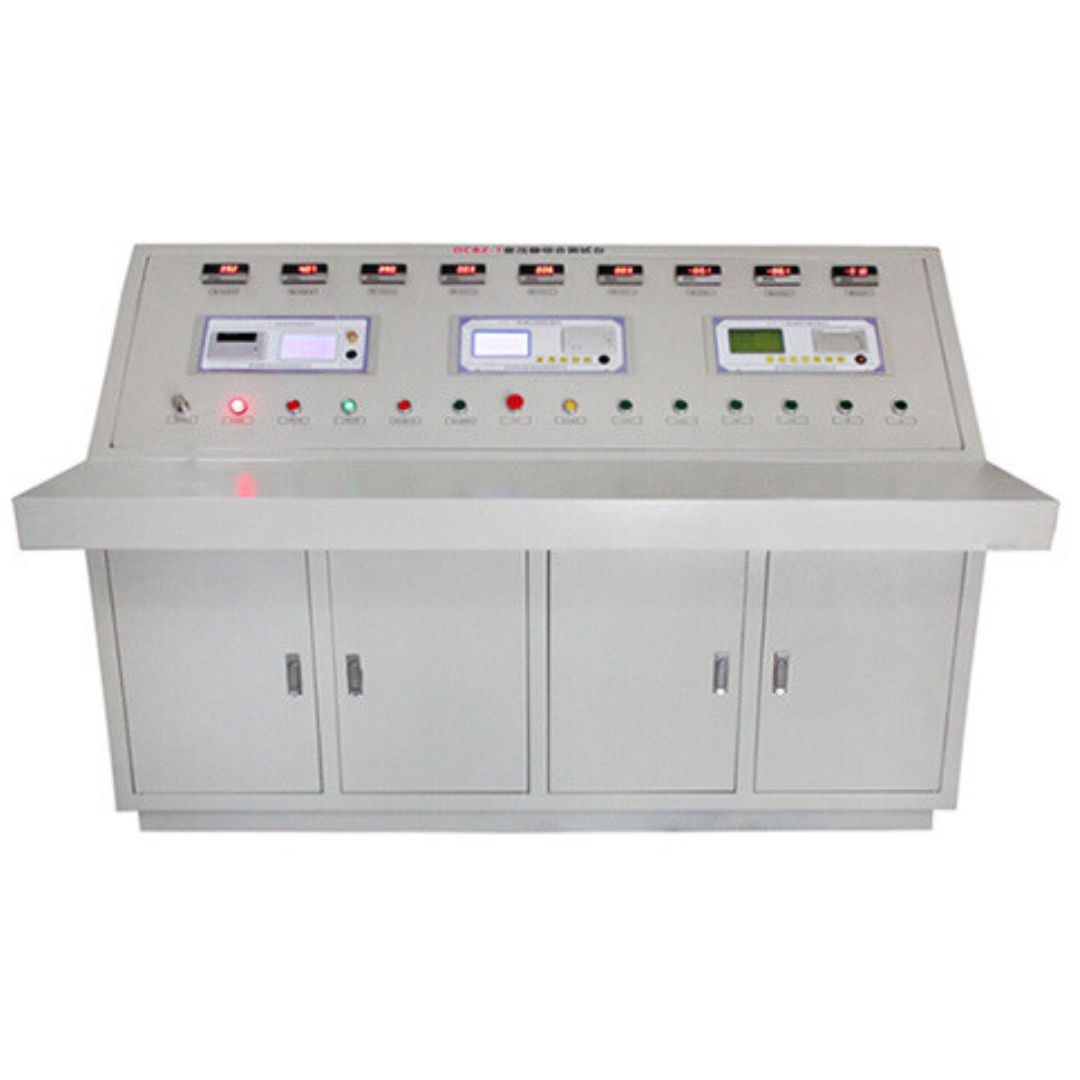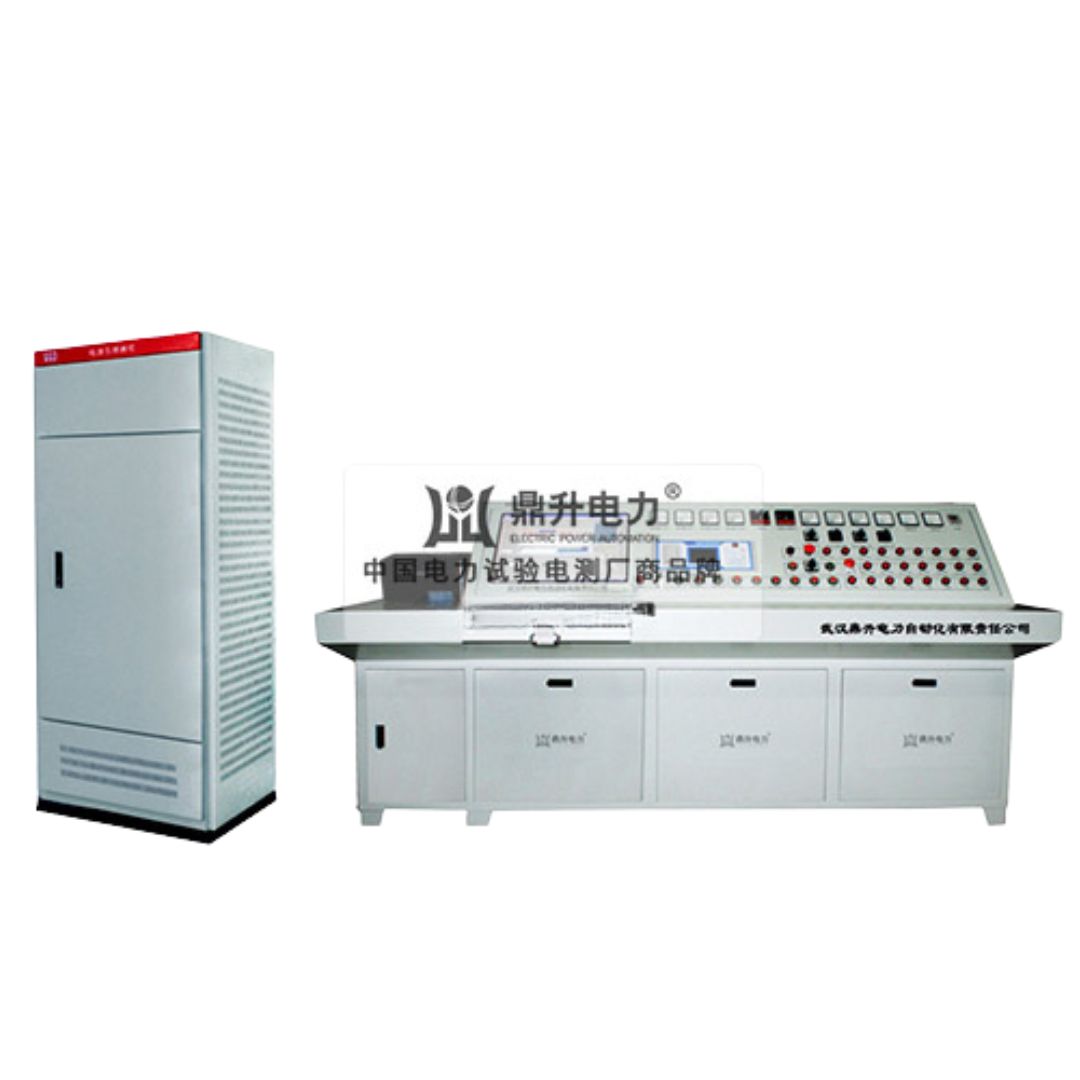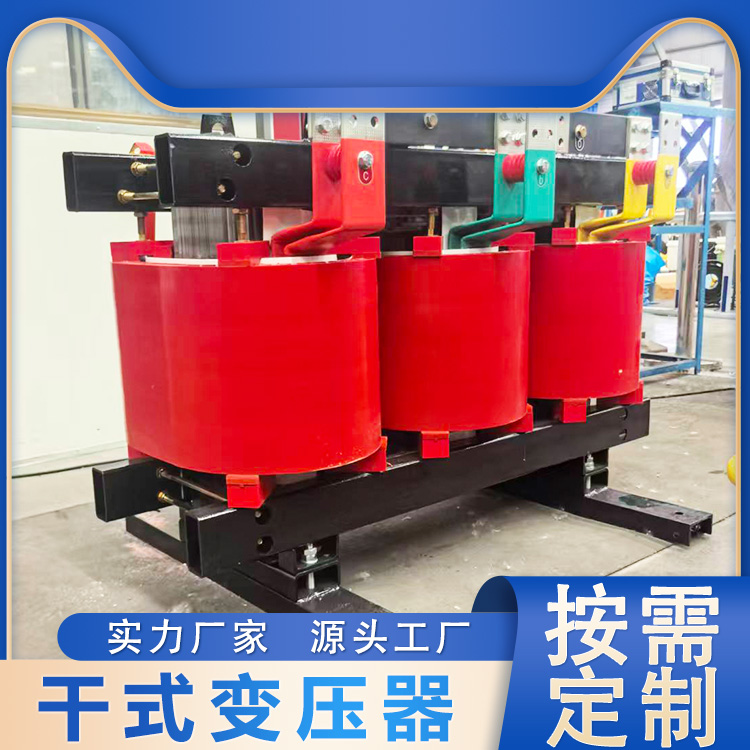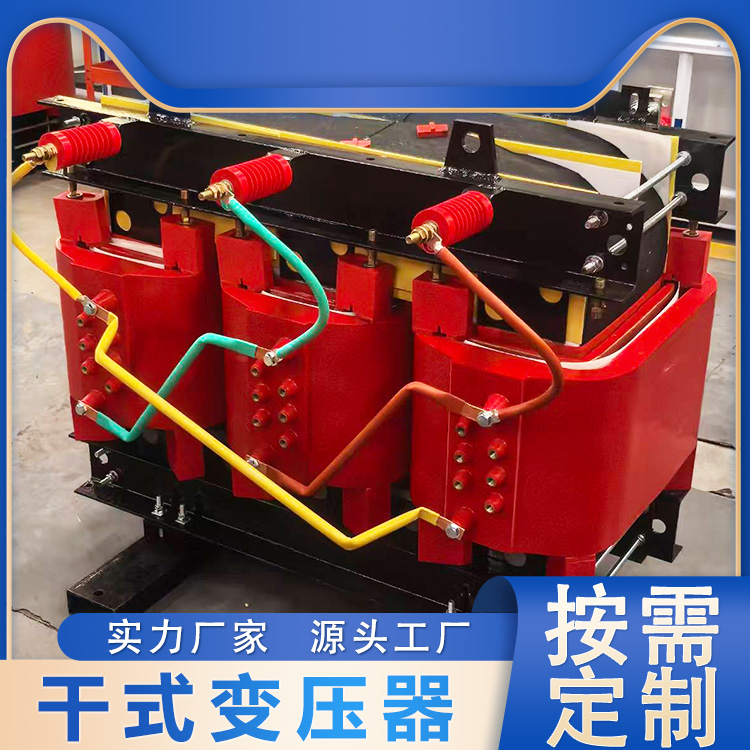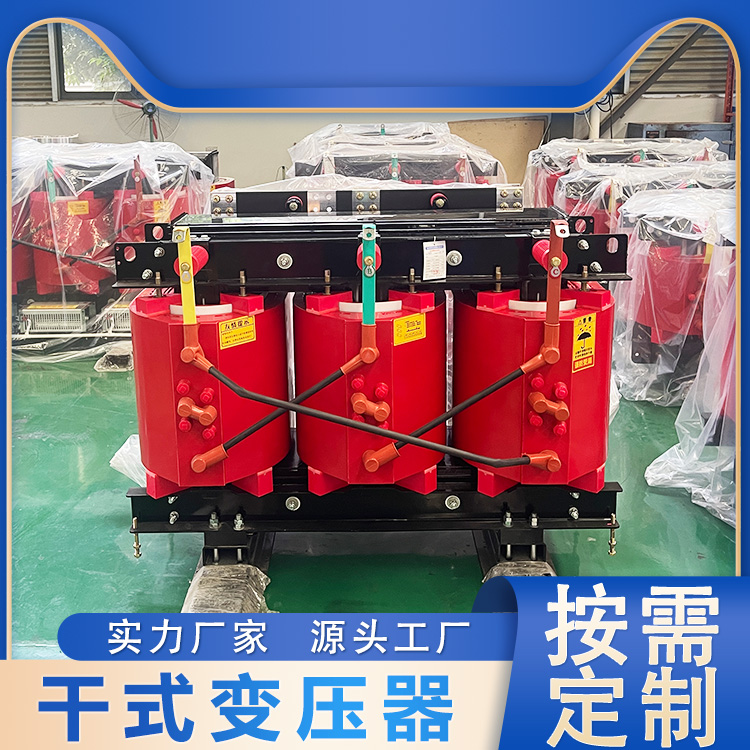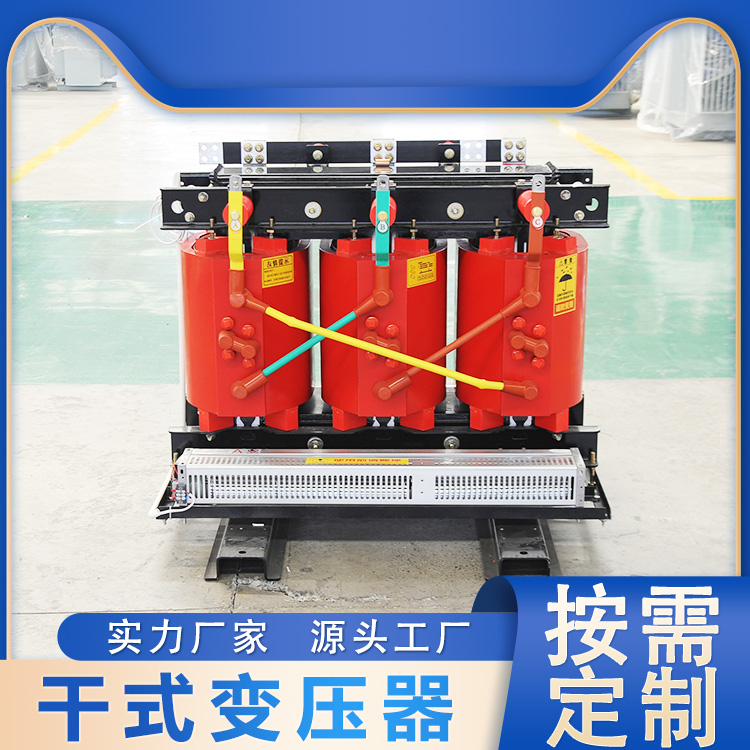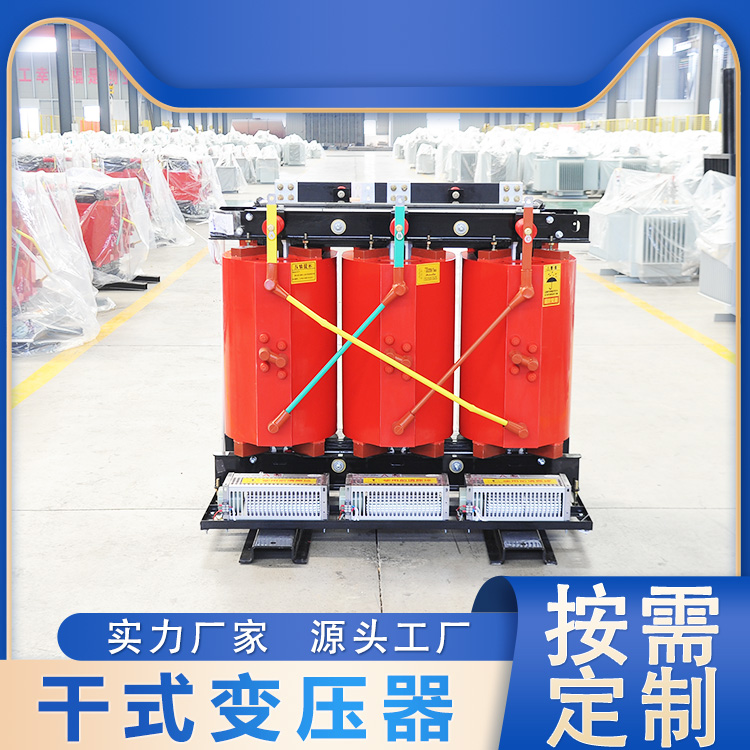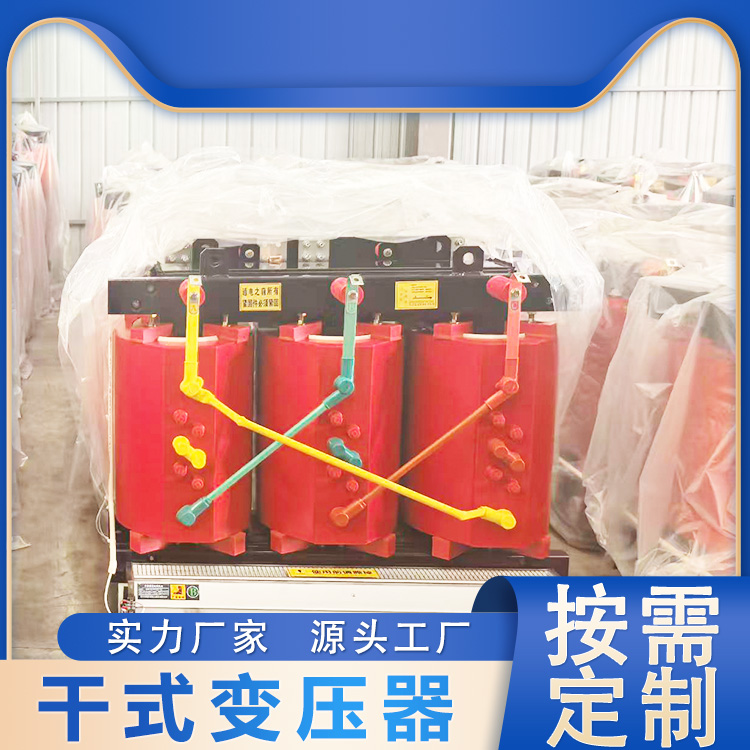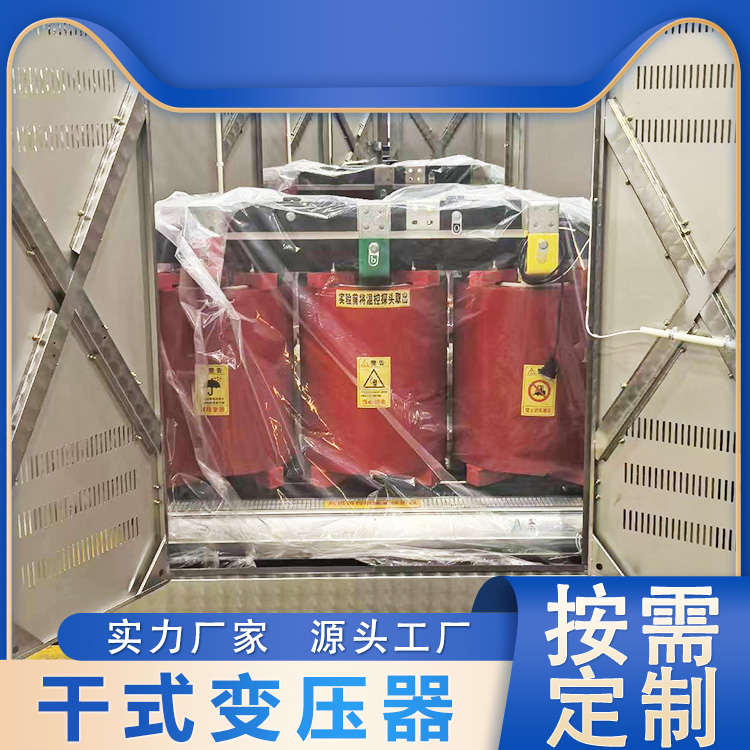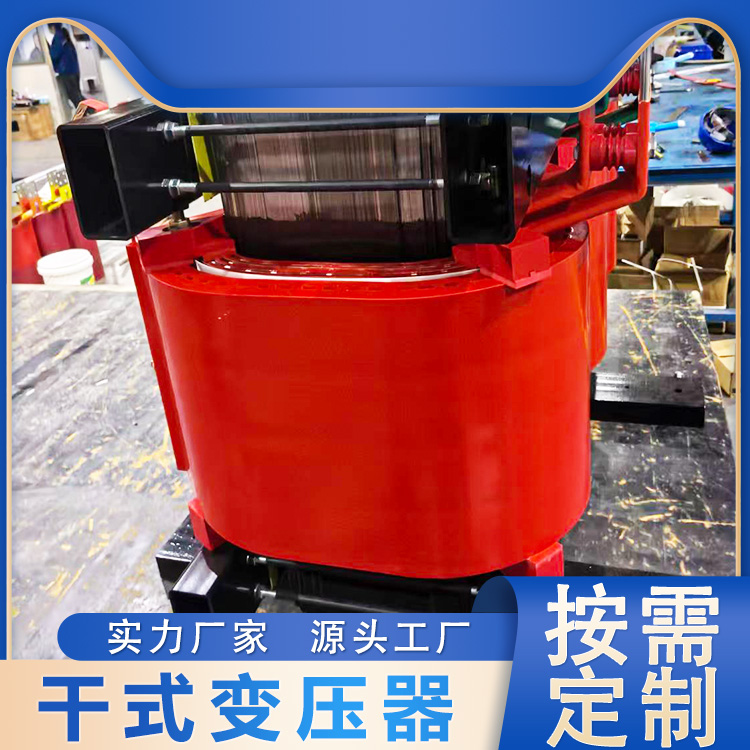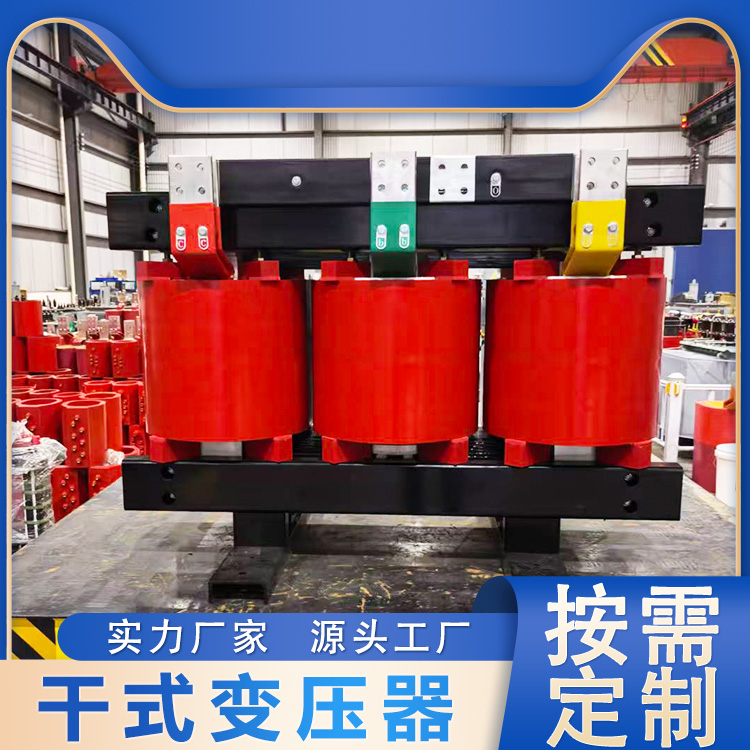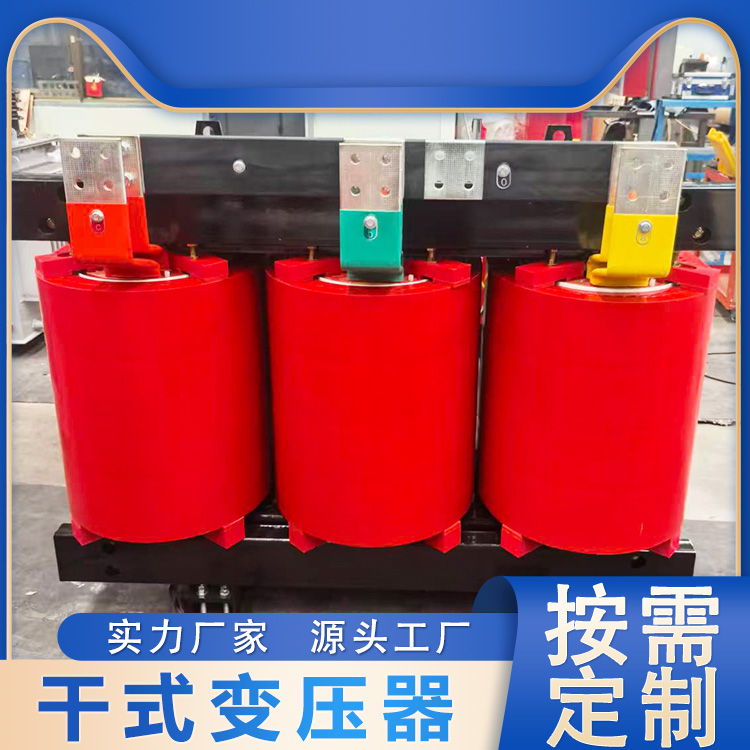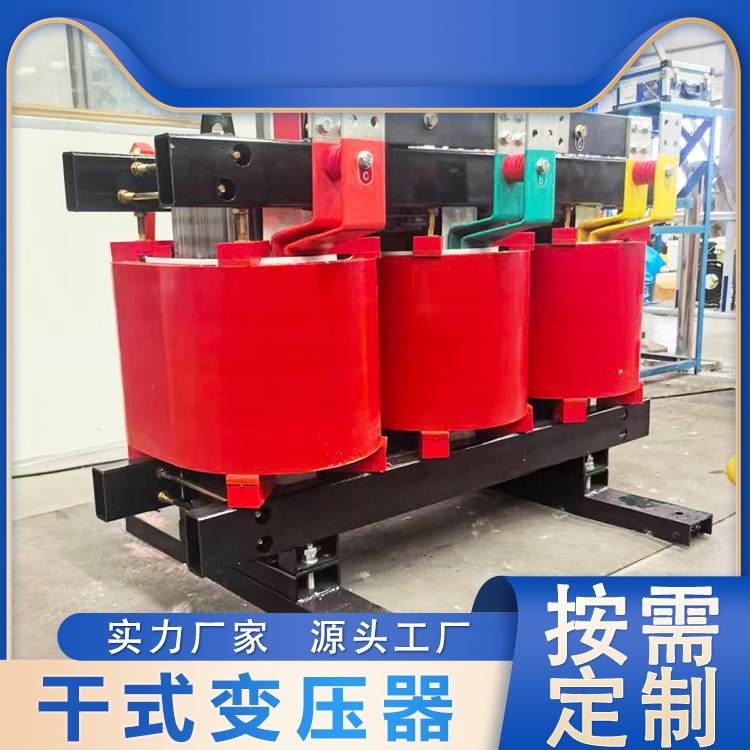
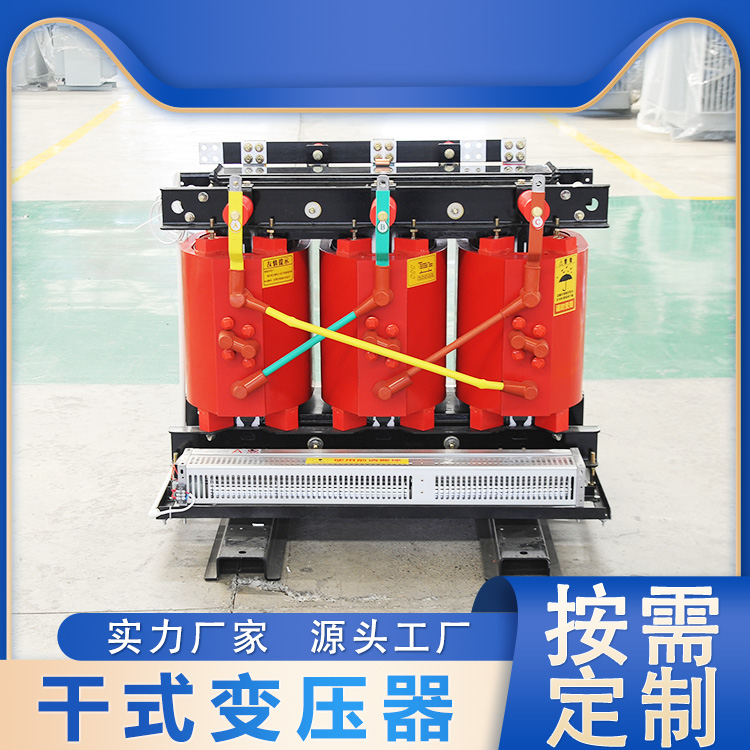
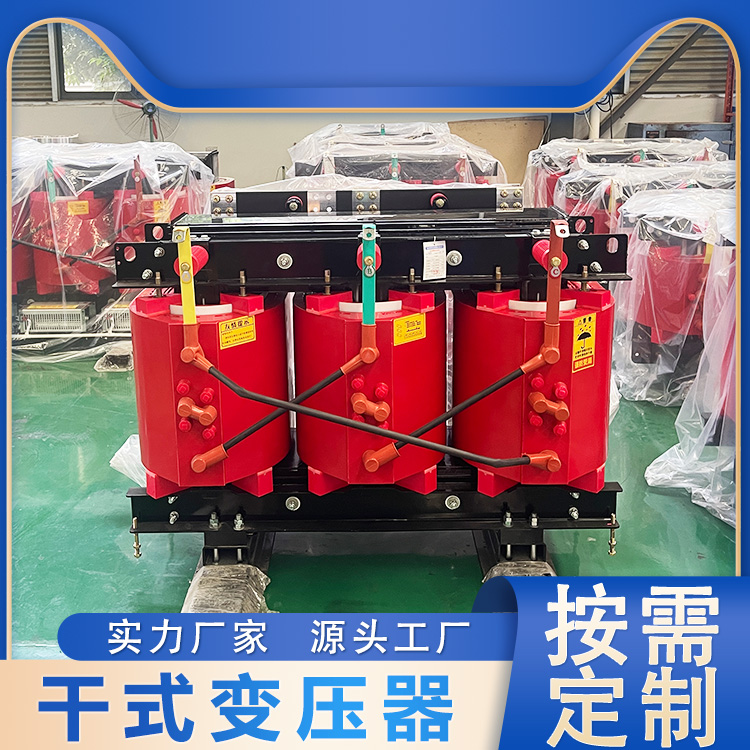
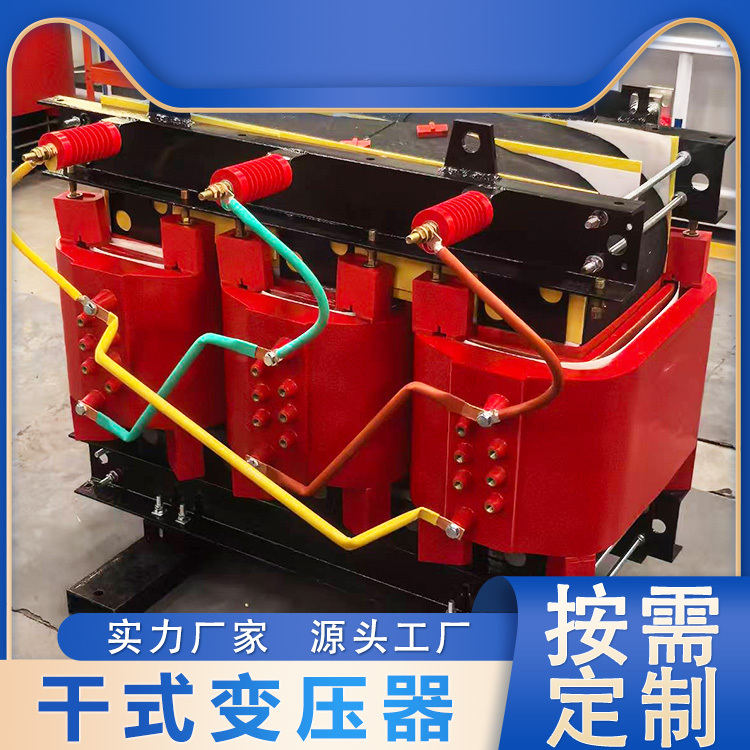
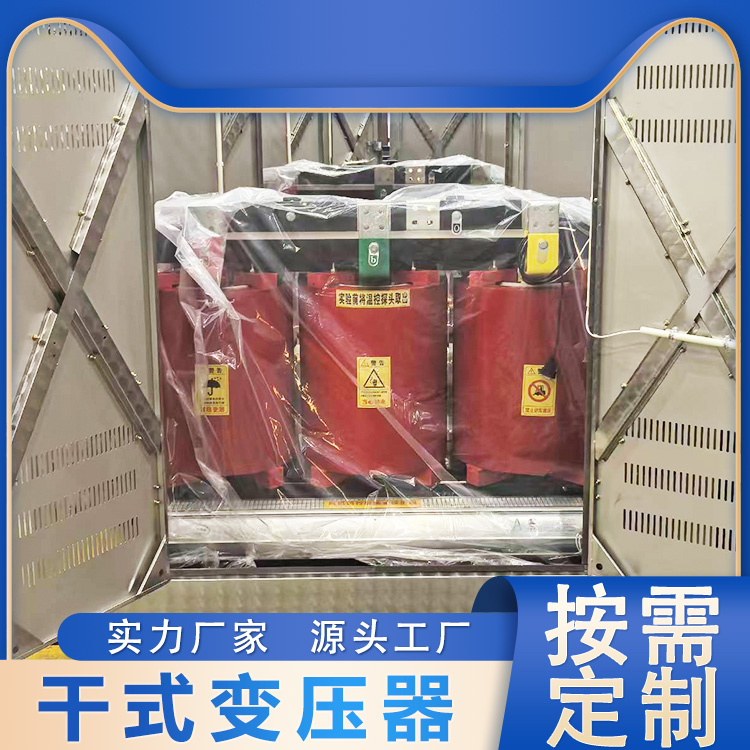





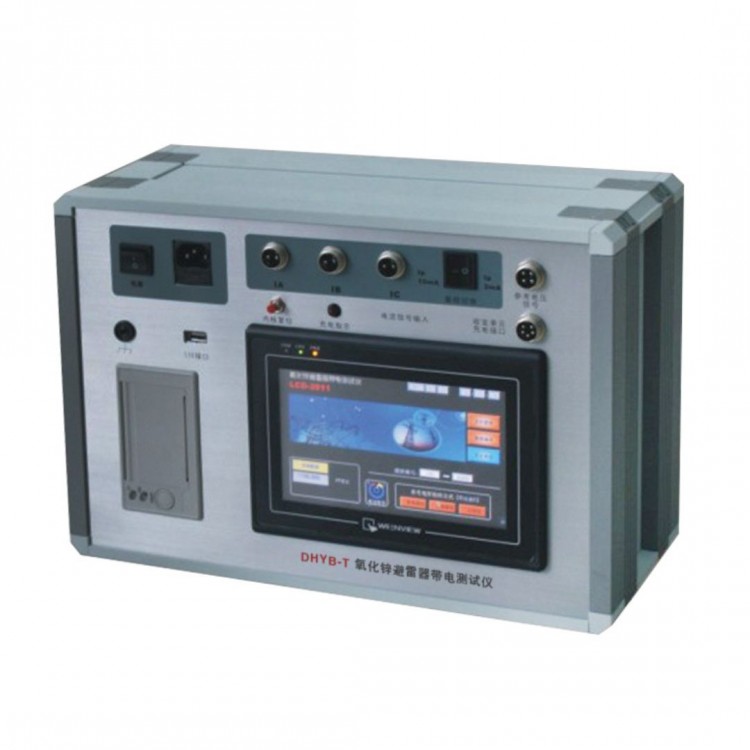
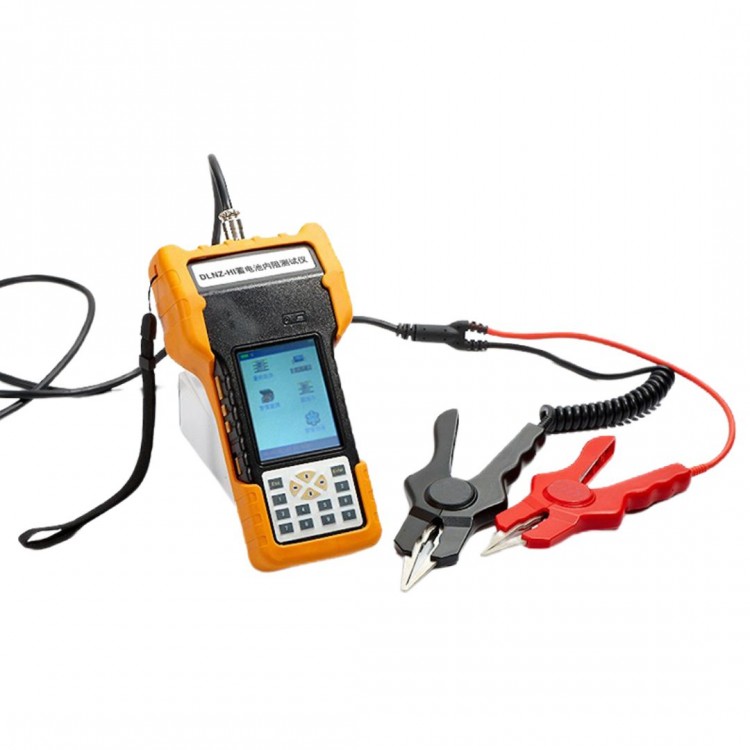
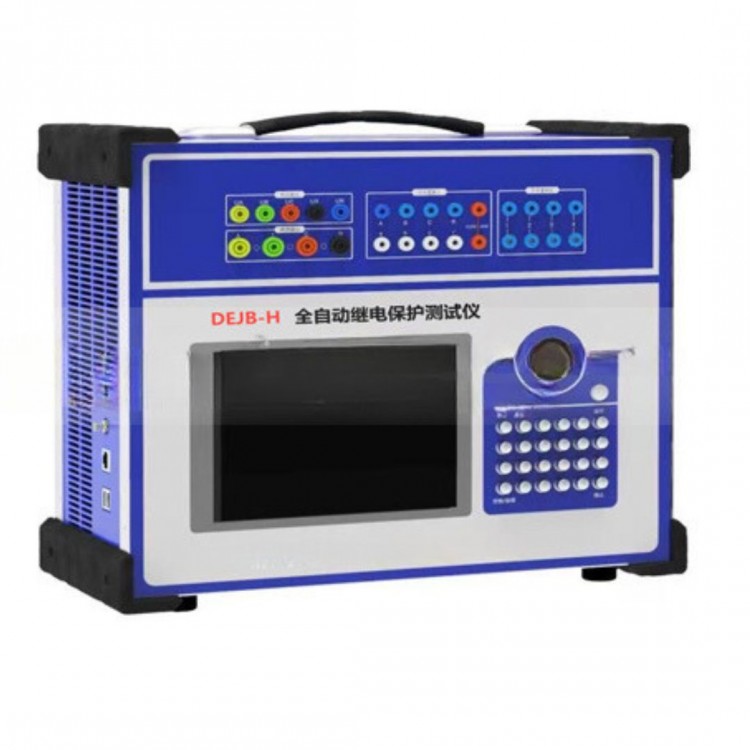


The working principle of the transformer comprehensive test bench primarily involves simulating the operating conditions of transformers in actual working environments. By applying different voltages and load conditions, it measures various electrical performance indicators of the transformer to ensure its safe and reliable operation.
The basic principles of the transformer comprehensive testing bench include the following aspects:
Power Supply Principle: The test bench supplies the transformer under test with the required input voltage by providing a stable AC power source, simulating actual operating conditions.
Signal Generation Principle: The test bench is internally equipped with a signal generator capable of producing voltage signals with various frequencies, amplitudes, and phases. These signals are used to test transformer parameters such as winding resistance, winding inductance, and mutual inductance coefficient.
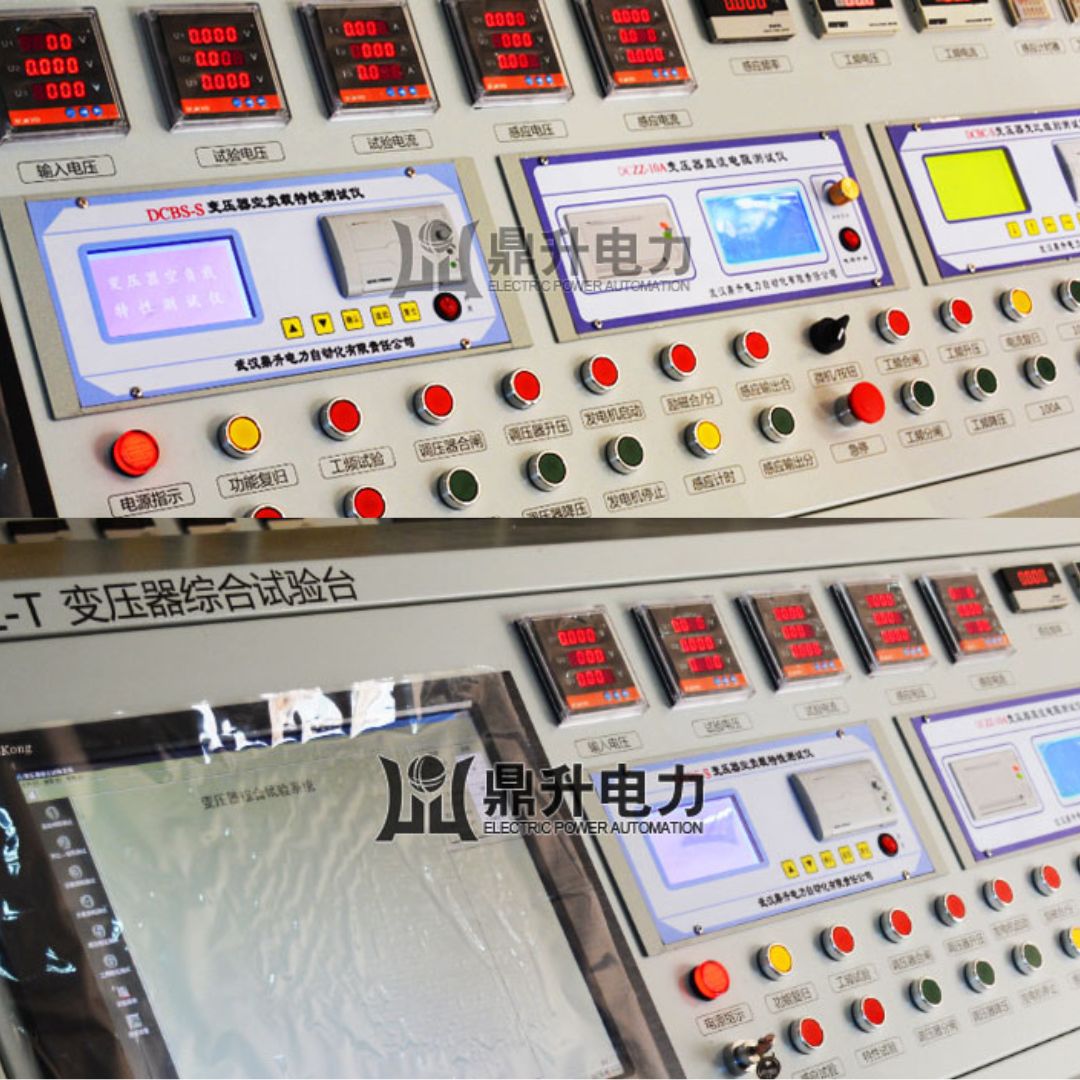
Signal Measurement Principle: The test bench is equipped with a digital measuring instrument that can measure parameters such as voltage, current, and phase on the transformer windings. By calculating these parameters, the transformer's performance can be evaluated.
Control and Display Principle: The test bench is equipped with control buttons and a display screen, allowing operators to select various test modes and parameter settings. Test results can be displayed and recorded in real-time.
Additionally, the transformer comprehensive test bench evaluates transformer performance through no-load and load tests. The no-load test monitors the transformer's characteristics under no load, while the load test is conducted under normal operating load conditions, primarily determining parameters such as short-circuit impedance and load losses to assess operational efficiency and performance stability. The test bench is also equipped with an advanced data acquisition system, capable of recording data in real-time and generating detailed test reports, providing a scientific basis for transformer condition assessment and maintenance decisions. The entire testing process is automated and intelligent through computerized control technology, enhancing testing efficiency and accuracy while reducing the impact of human factors on test results.