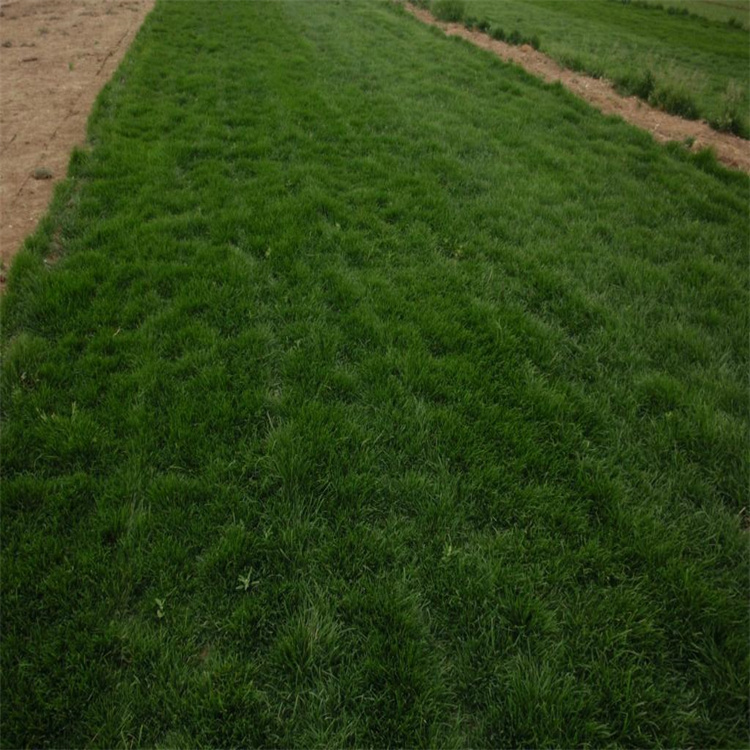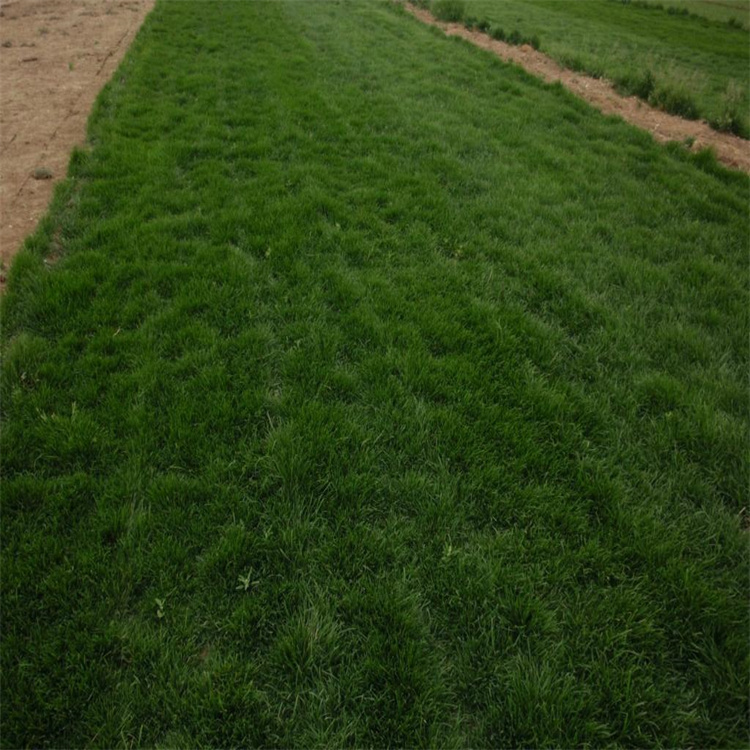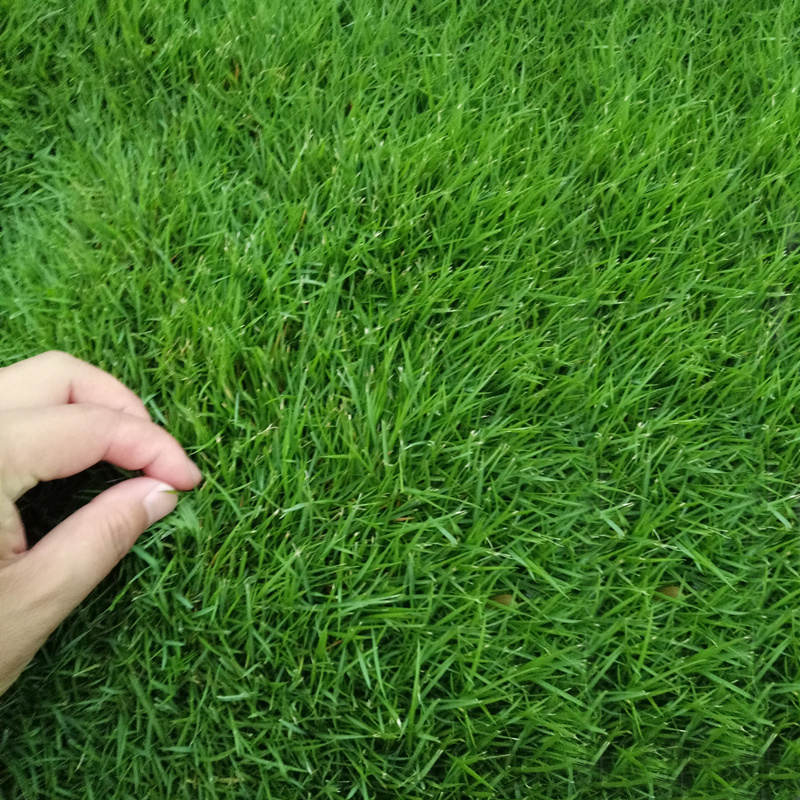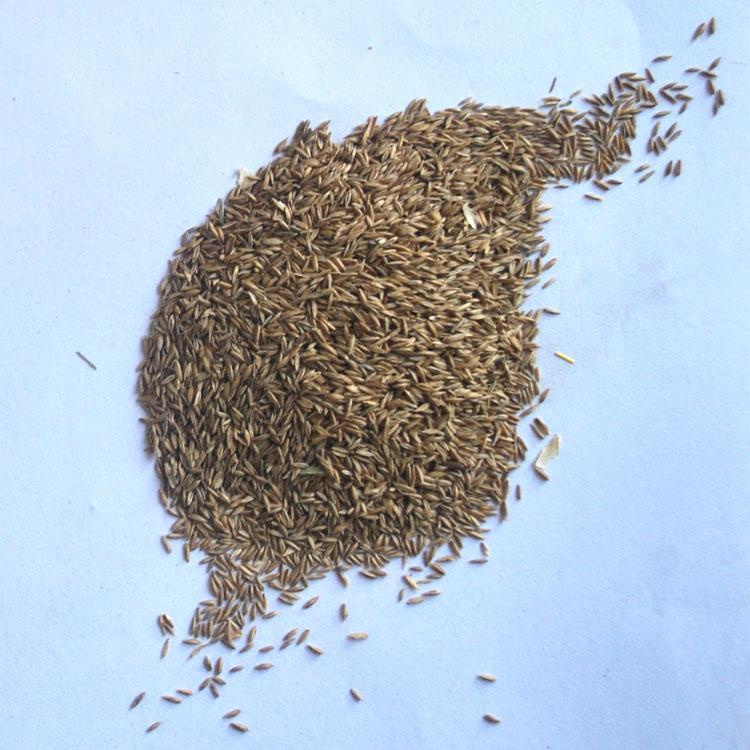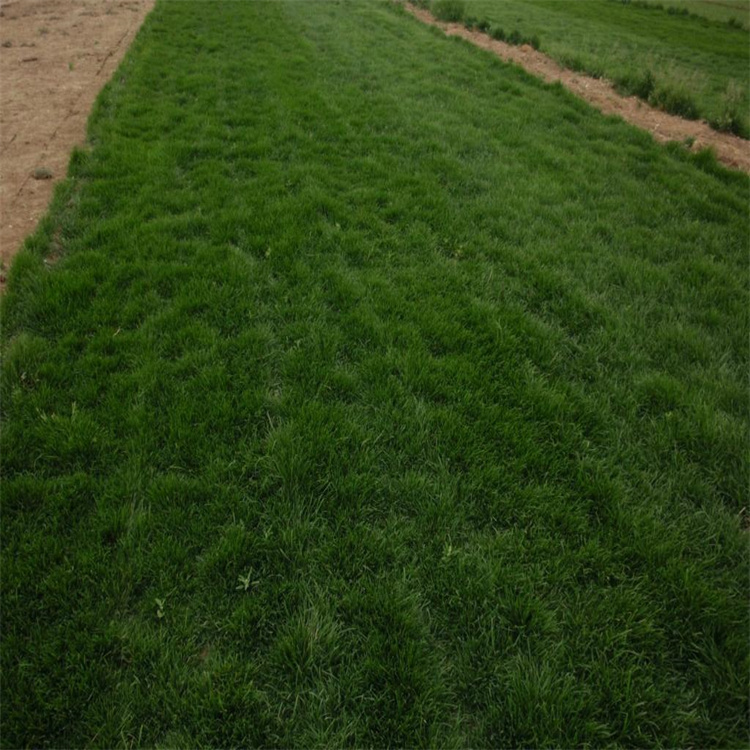

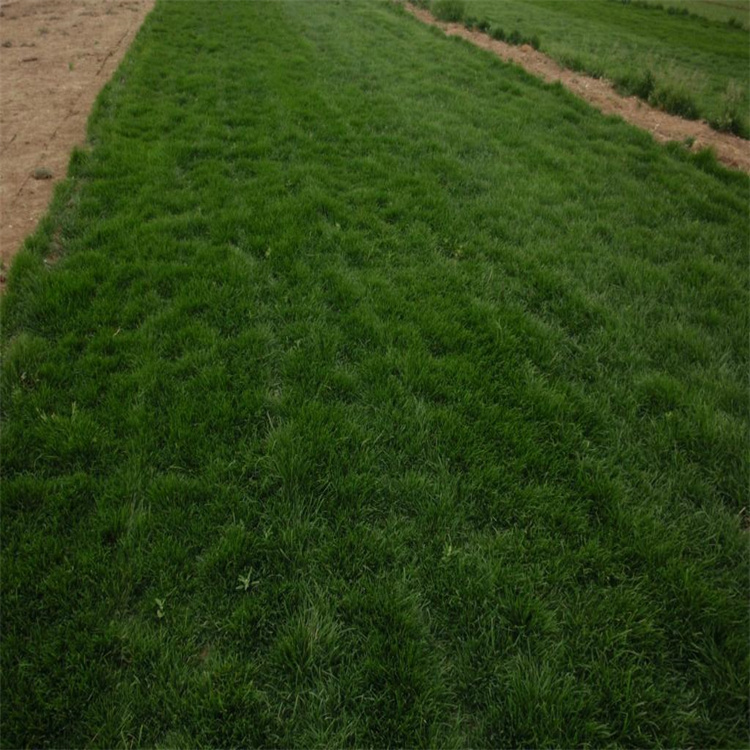
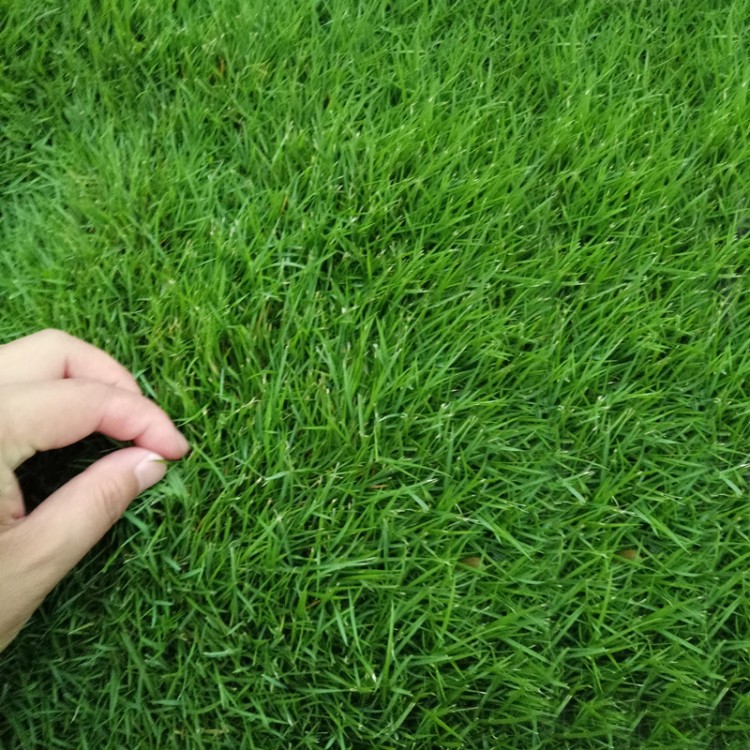
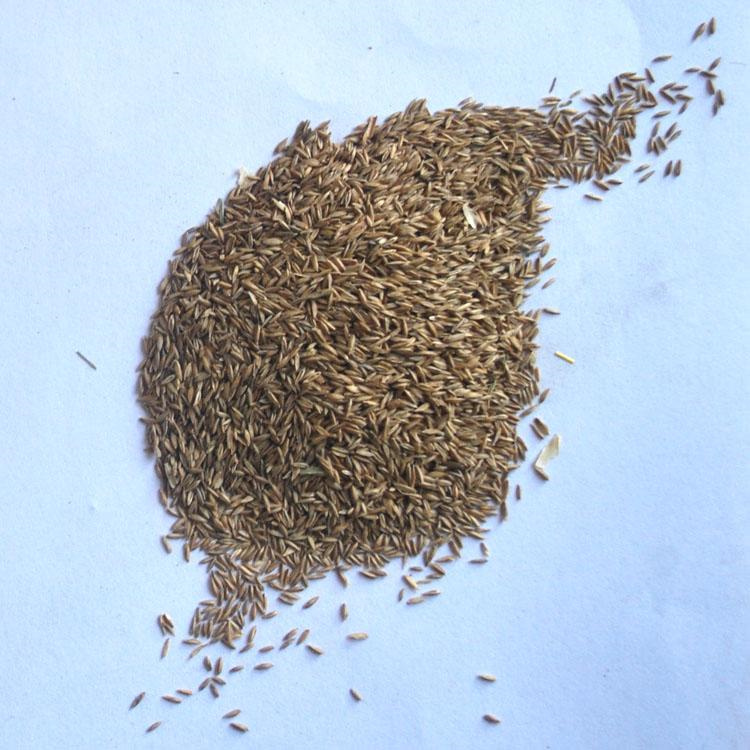











Annual bluegrass (Poa annua L.), a one-year or winter annual grass in the Poa genus of the Poaceae family. Stems are upright and smooth with no hair; leaves are flat or folded, soft in texture with slightly rough edges; panicles are broadly ovate, spikelets are ovate; fruits are spindle-shaped; flowering period is April to May; fruiting period is June to July.
Timothy grass is distributed in Inner Mongolia, Shanxi, Hebei, Liaoning, Jilin, and Heilongjiang in China, as well as in Asia, Europe, North America, and other regions. It prefers a warm and dry environment, is drought-resistant, shade-tolerant, and cold-resistant; it thrives in slightly acidic to neutral soil; can easily survive the winter at low temperatures, but has poor heat resistance. Timothy grass is categorized as Least Concern (LC) in the "Red List of Threatened Species" of the International Union for Conservation of Nature. [It generally reproduces through seed propagation. Its root system is well-developed, with strong reproductive and regeneration capabilities.]
Poa pratensis has properties like clearing heat and detoxifying, promoting diuresis and reducing swelling, cough relief, and lowering blood sugar. It can be used for eczema, bruises, and coughs. The stems and leaves are soft and have some nutritional value, making it an excellent forage, commonly used to feed livestock. It offers good uniformity in density and smoothness, making it suitable for constructing all types of lawns.