
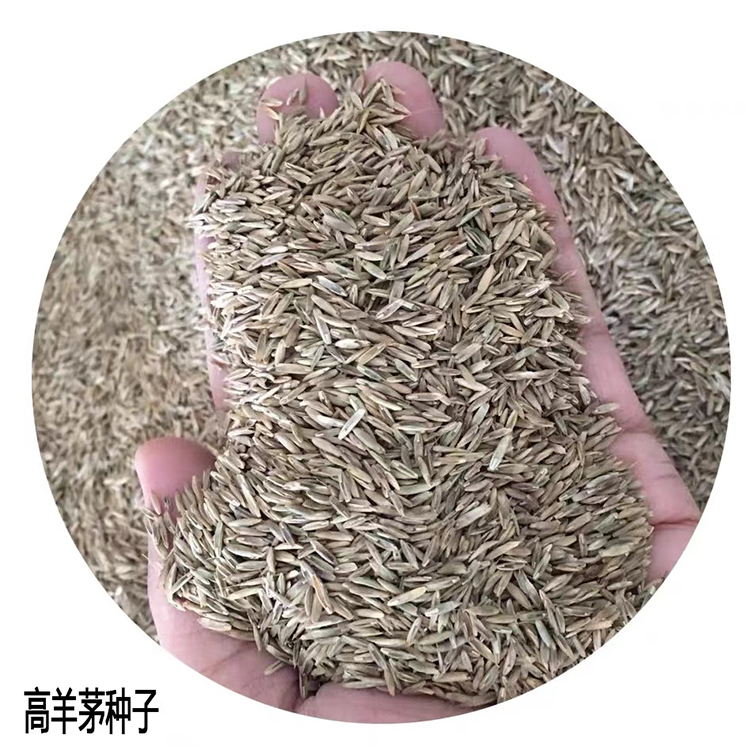









Tall Fescue (scientific name: Festuca elata Keng ex E. Alexeev) is a perennial herb of the genus Festuca in the Poaceae family, with wide applications and ecological value. Here is a detailed introduction:
Morphological characteristics. The stems of tall fescue are either loose tufted or solitary, upright, robust, with smooth sheaths featuring longitudinal stripes. The leaves are flat, hard, and a yellowish green. The panicles are loosely spreading and can be either upright or pendulous, with spikelets carrying 4 or 5 flowers. Flowering and fruiting occur from April to August.
Survival Habits. Tall Fescue thrives in cold, moist, and warm climates, is intolerant to high temperatures, prefers sunlight, tolerates semi-shade, withstands moist soil, can endure prolonged flooding, is sensitive to fertilizers, highly resistant to stress, acid-tolerant, drought-resistant, and disease-resistant. It is suitable for growing in fertile, moist, and organically rich soils, with the ability to absorb moisture from deep soil layers.
Geographical Distribution: Tall Fescue is originally from Guangxi, Sichuan, Guizhou, and other regions in China, and is also widely distributed in the mountainous areas of southern Europe, North Africa, and East Africa.
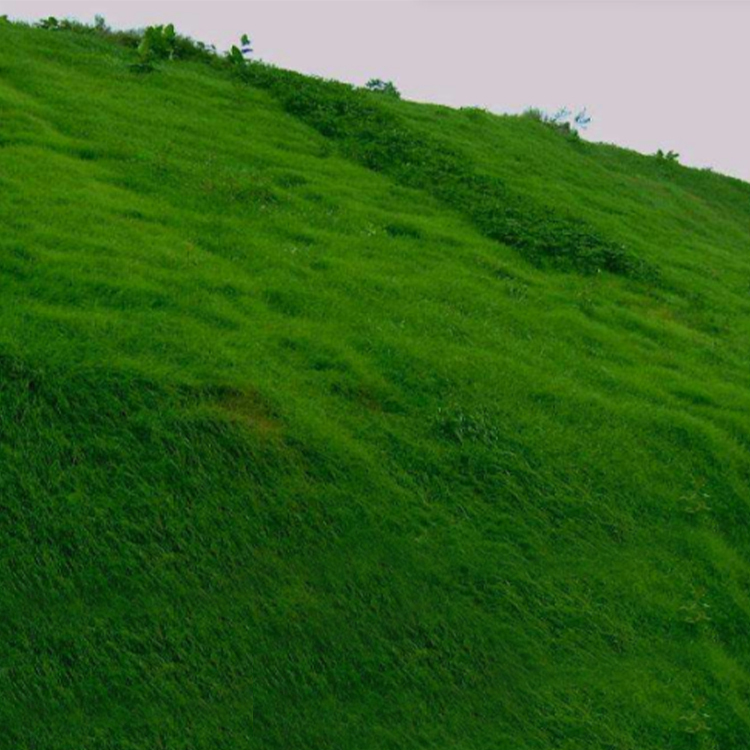
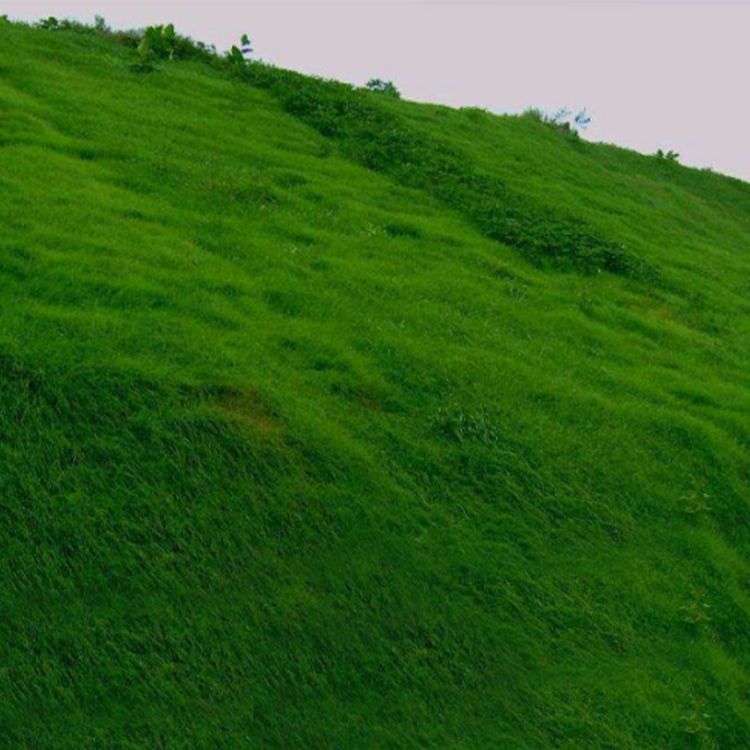
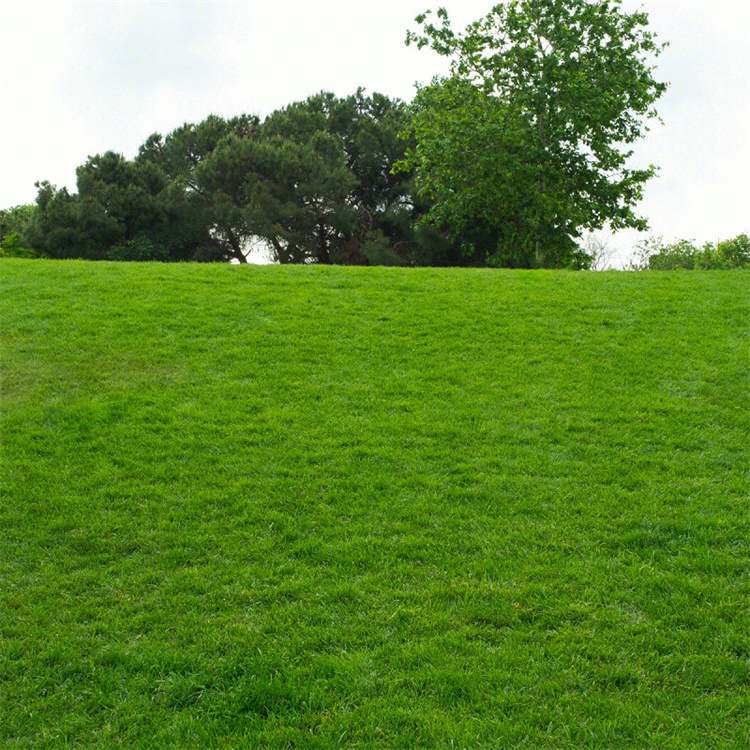
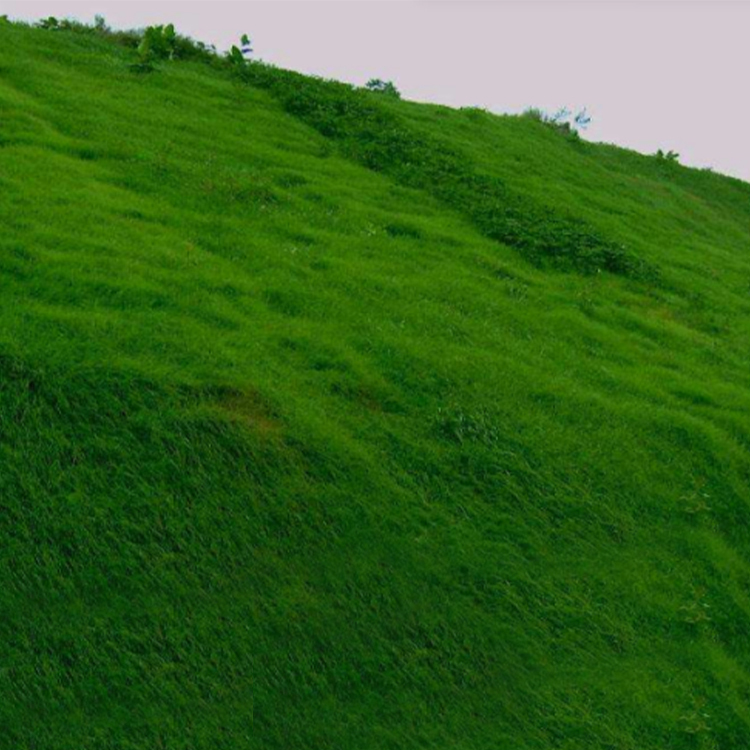
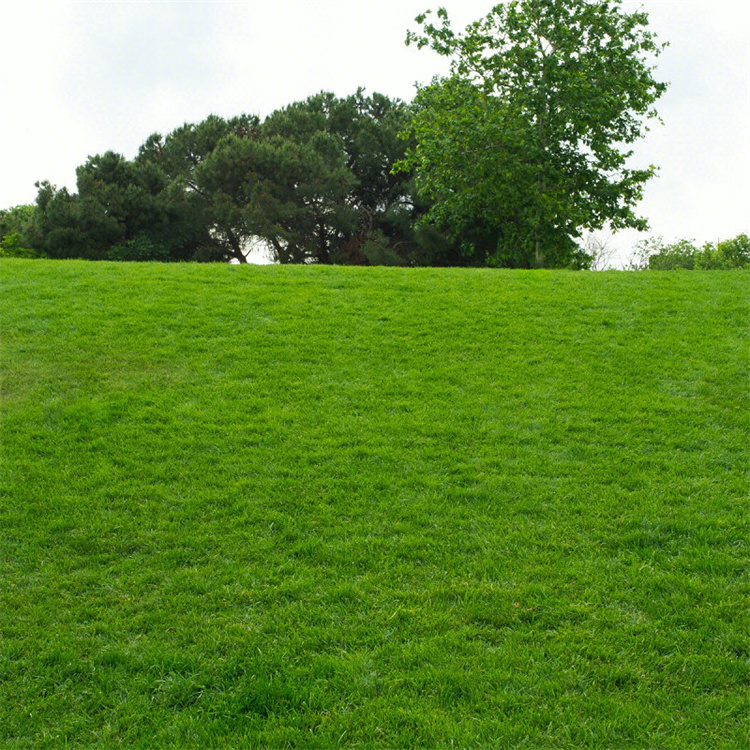
Landscape Use. Tall Fescue is suitable for golf courses, sports fields, landscaping, soil conservation, and various types of lawns. It is also ideal for roadways, railway embankments, and riverbank slopes, boasting soft grass texture and wide leaves. It serves as forage and feed, meeting the growth and development needs of livestock such as cattle, sheep, and horses.
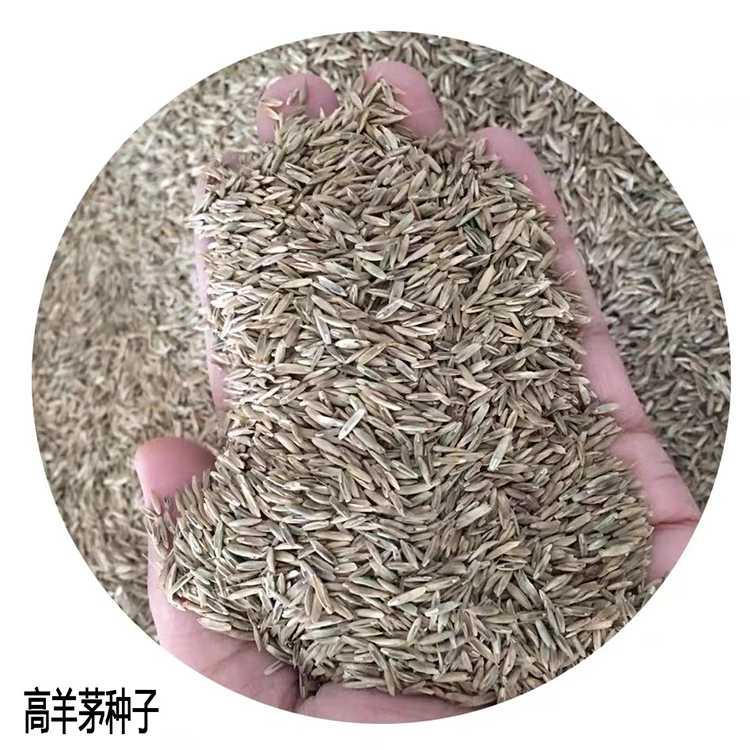
Sowing and propagation. The optimal sowing time for Tall Fescue is typically from mid-March to late May or September to November. It is advisable to sow in early spring and autumn. Prior to sowing, the soil should be deeply tilled and leveled, and sufficient base fertilizer applied. After sowing, keep the soil moist, and the seedlings will usually establish a lawn within about 50 days.
In addition, tall fescue has certain feeding value, landscaping value, and environmental protection value. It is widely used in animal husbandry and agriculture, effectively preventing soil and water erosion, improving land quality, reducing water and air pollution, and serves as an important ecological barrier plant.