




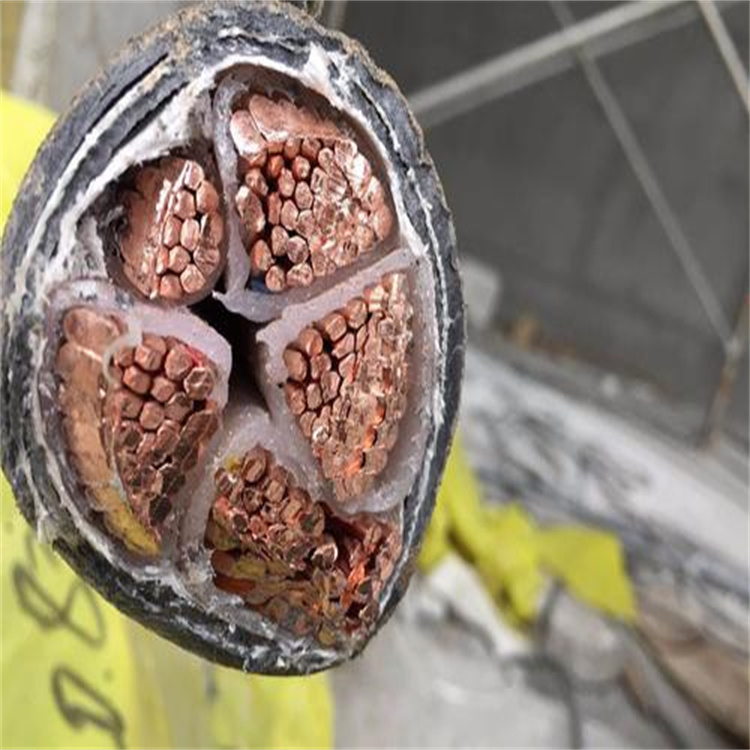
Taicang second-hand transformer recycling price
We offer top prices for the recycling of second-hand electrical transformers in Shanghai, Zhejiang, Jiangsu, Anhui, Fujian, Jiangxi, and other provinces. We purchase complete transformer sets, distribution cabinets, electrical equipment, transformers, motors, distribution cabinets, factory equipment, machinery and equipment, electronic equipment, communication equipment, network equipment, printing equipment, engineering equipment, construction equipment, data center equipment, electrical equipment, machine tool equipment, equipment, transformer recycling, motor recycling, distribution cabinet recycling, circuit breaker recycling, scrap factory machinery and equipment, inventory equipment, refrigeration equipment, motor equipment, air conditioning equipment, metal equipment, factory equipment, electronic equipment, machine tool equipment, construction equipment, scrap recycling, generator set recycling, compressor recycling, air compressor recycling, refrigerant compressor recycling, compressor recycling, injection molding machine recycling, cutting machine recycling, press machine recycling, mixer recycling, blanking machine recycling, die-cutting machine recycling, welding machine recycling, boiler recycling, boiler dismantling recycling, factory equipment recycling, chemical equipment recycling, electrical equipment recycling, transformer recycling, transformer recycling, dry-type transformer recycling, oil-immersed transformer recycling, distribution cabinet recycling, distribution cabinet recycling, distribution box recycling, distribution box recycling, circuit breaker recycling, outdoor high-voltage vacuum circuit breaker recycling, vacuum switch tube recycling.
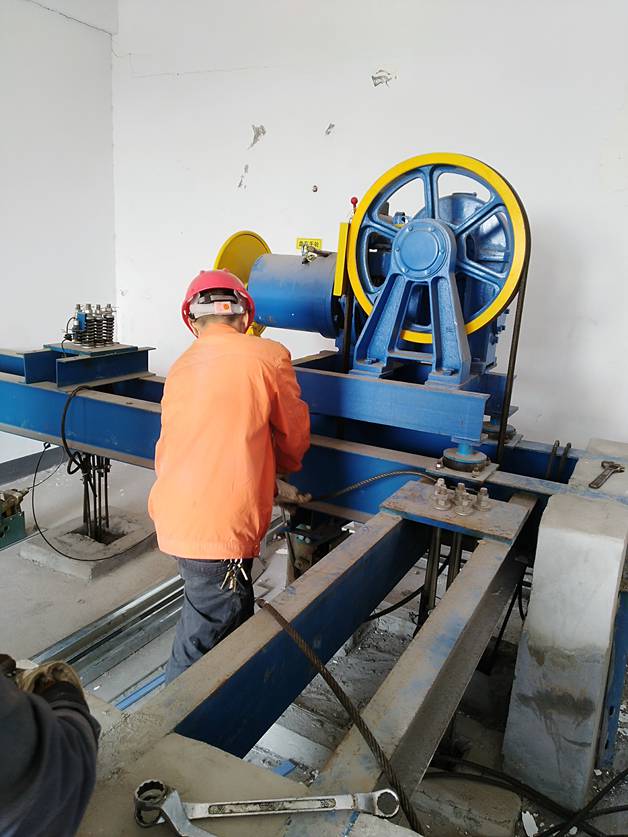
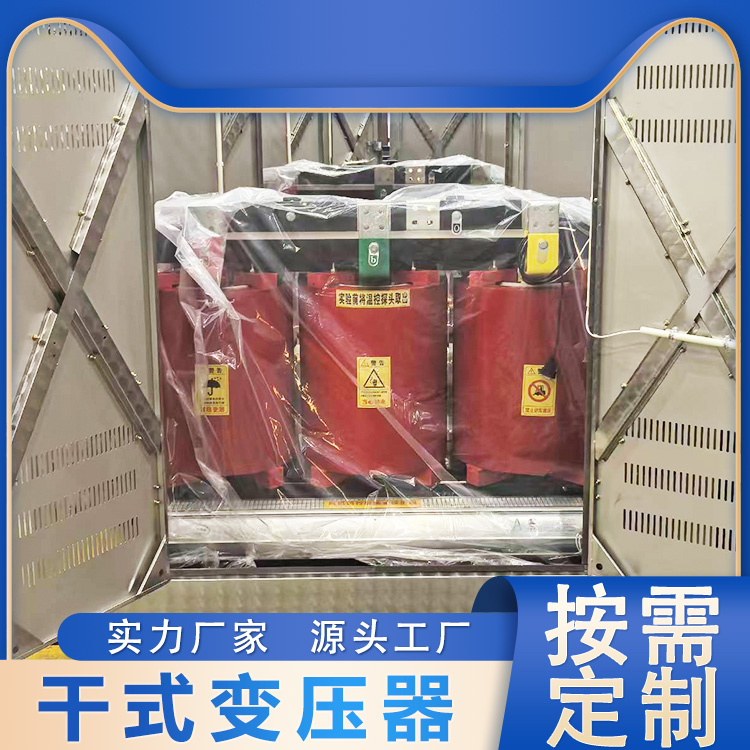
In the recycling industry market, the trend of recycling second-hand transformers is gaining more attention and importance. As an environmentally committed and resource recycling company, we proudly announce that we will offer free recycling of your second-hand box transformers, along with the recycling service.
Firstly, our technical team, with extensive experience and knowledge, is capable of assessing and recycling various types of transformer boxes. Secondly, our recycling process is highly optimized, with each step strictly executed according to standard operating procedures, ensuring a safe and environmentally friendly recycling process. Additionally, we offer multiple recycling methods, including on-site collection and express delivery, allowing you to choose the most convenient option based on your specific circumstances.
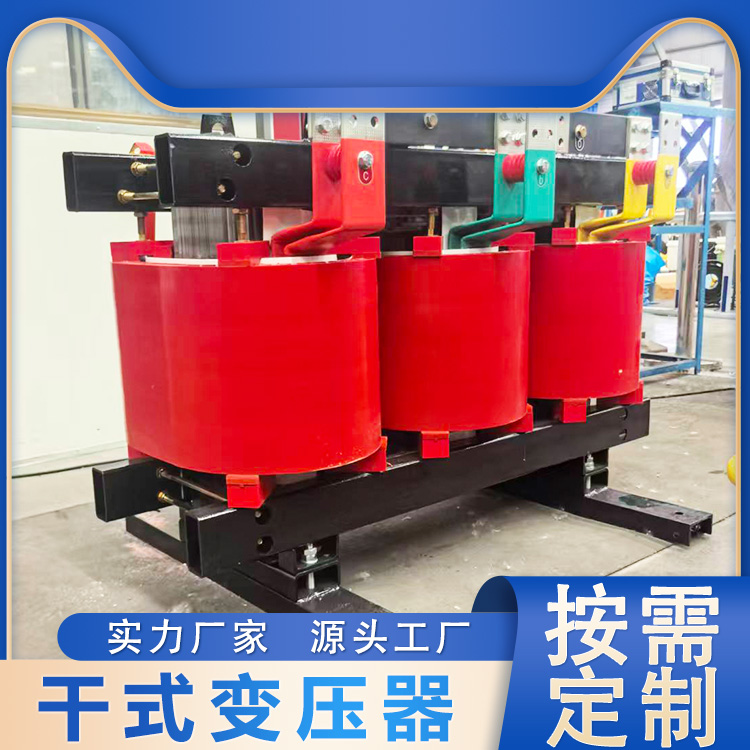
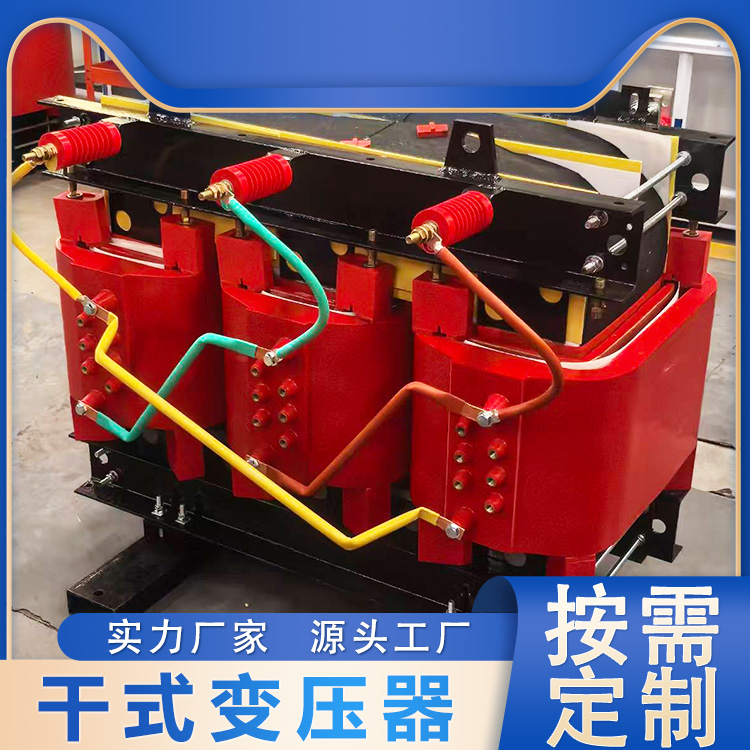
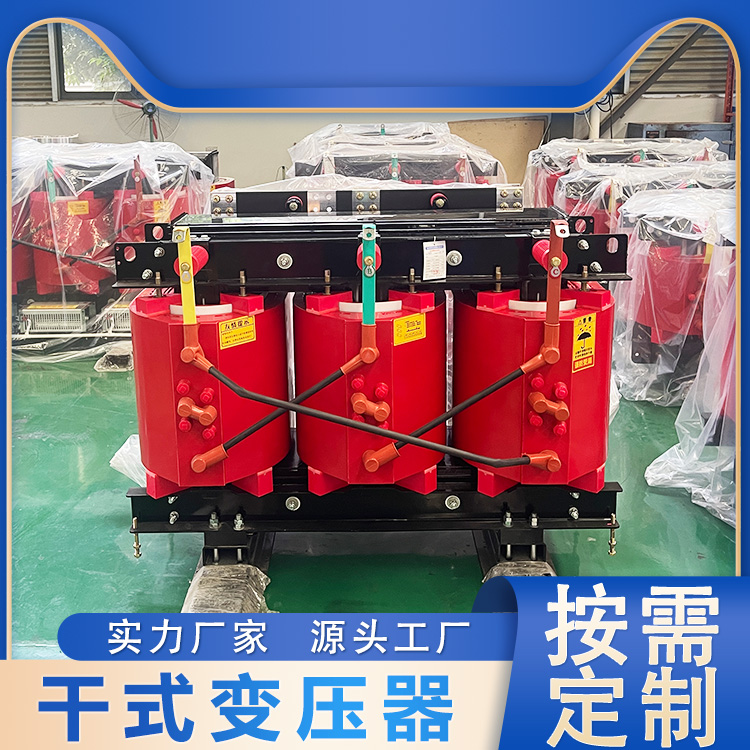
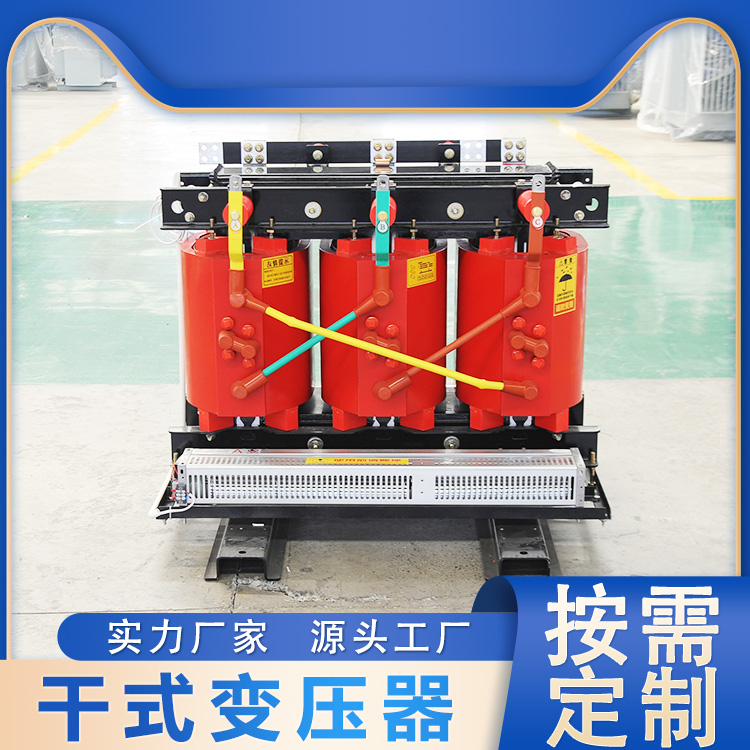
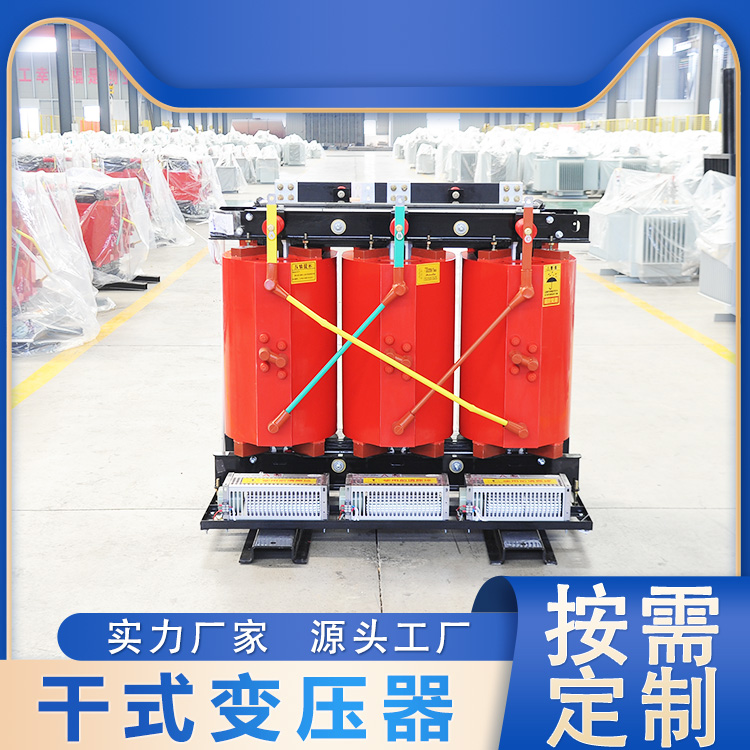
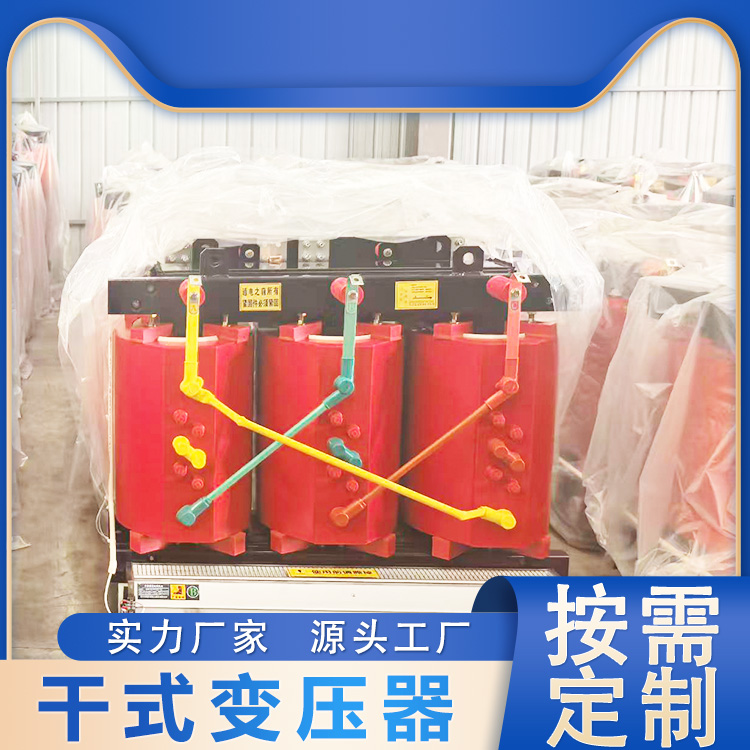
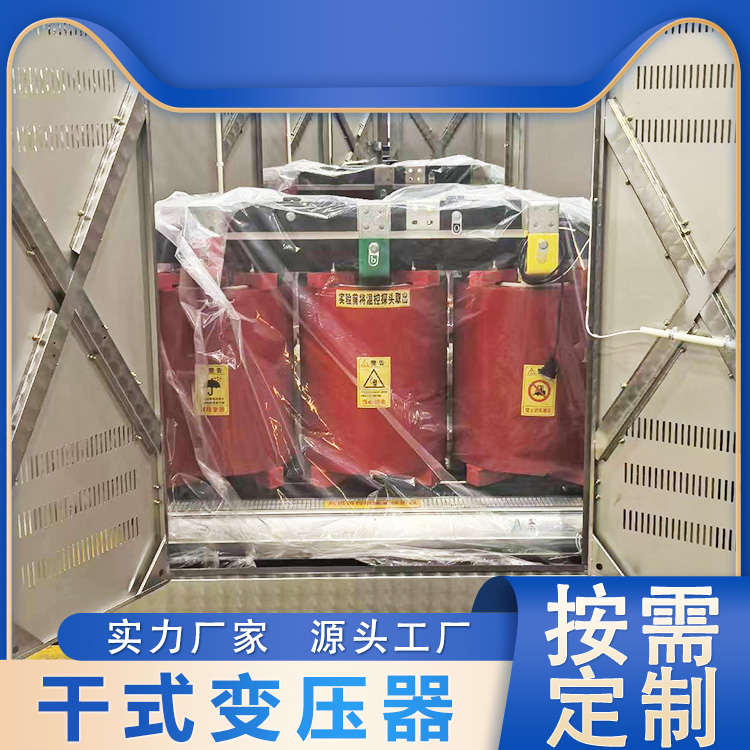
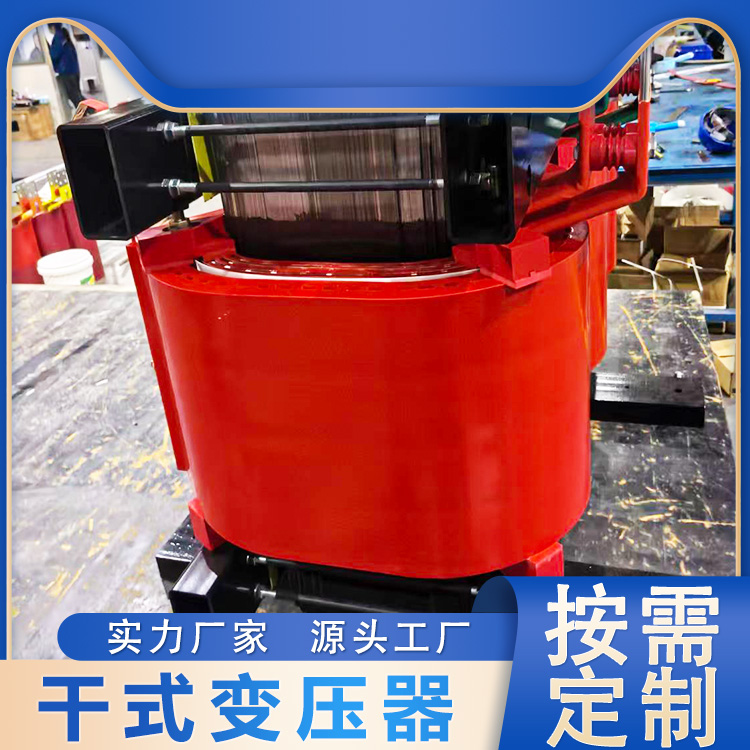
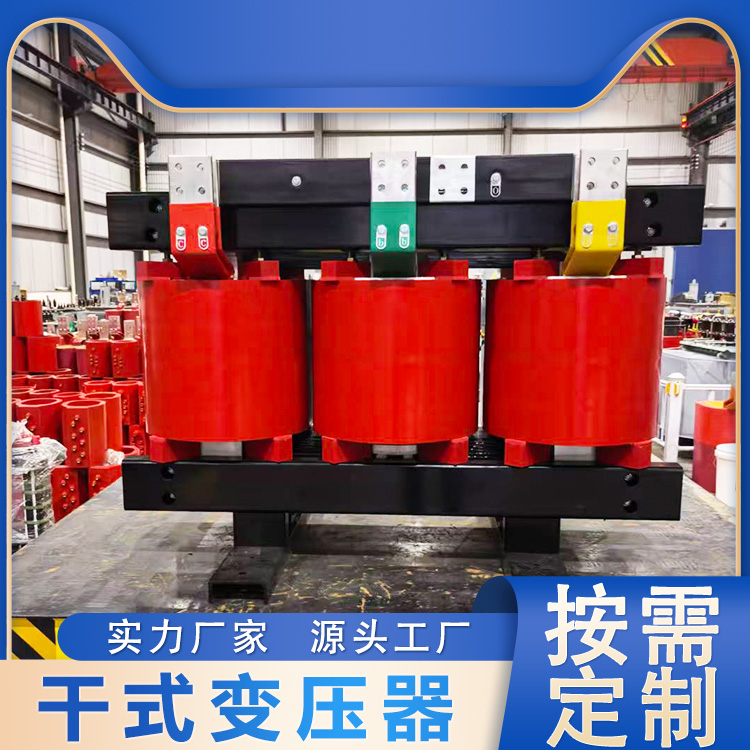
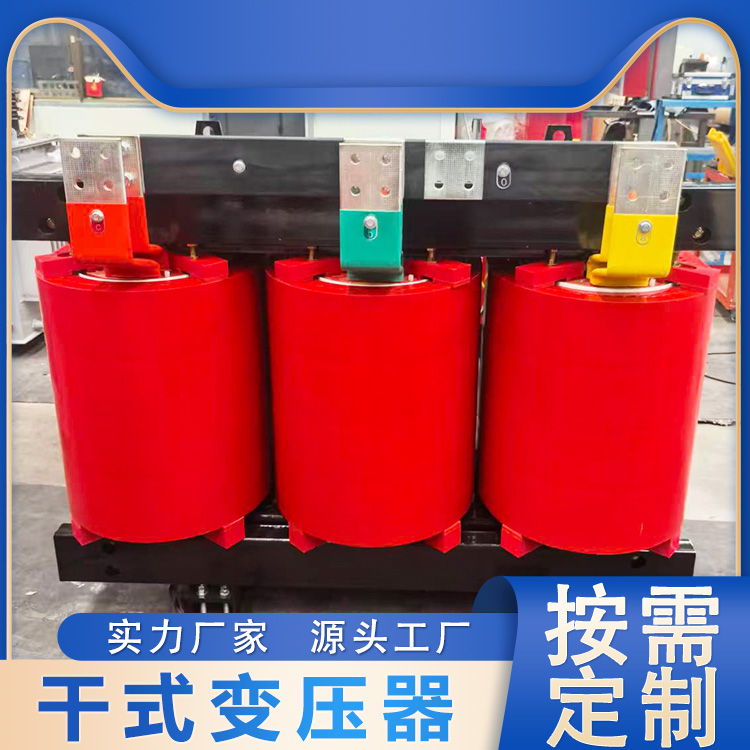
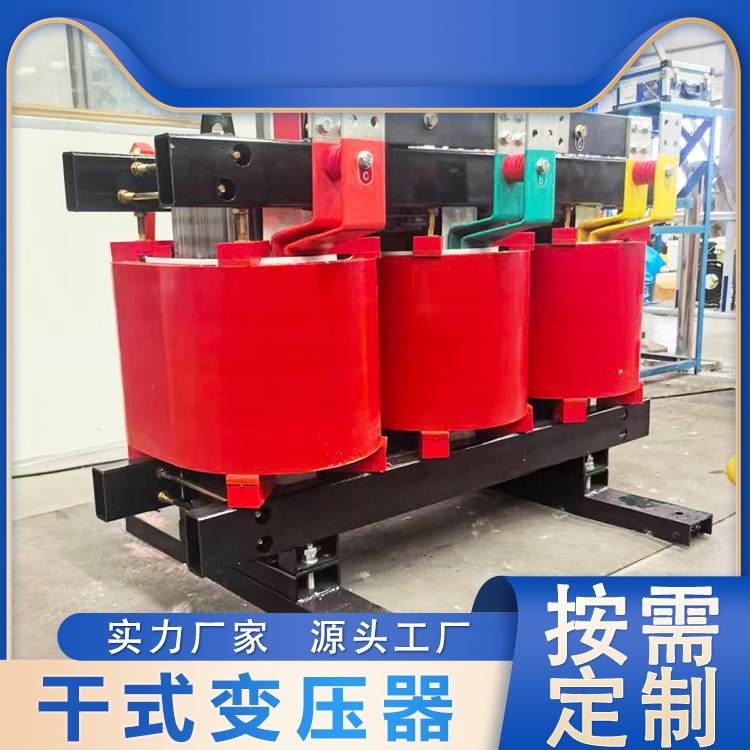
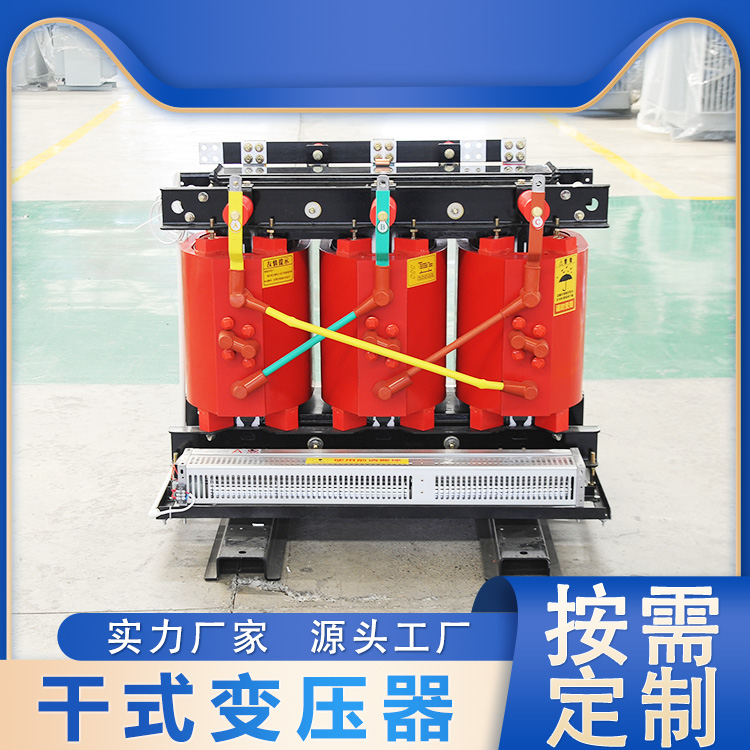
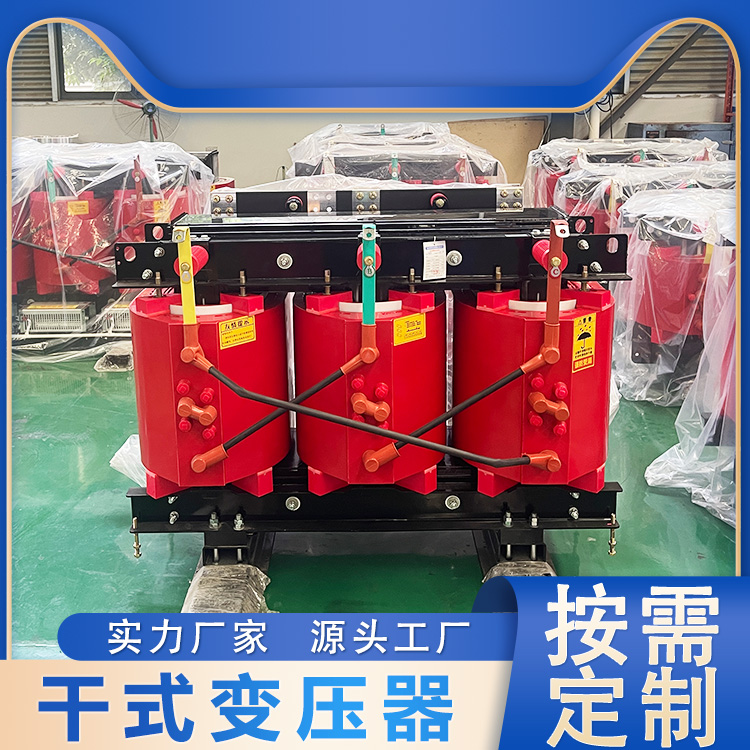
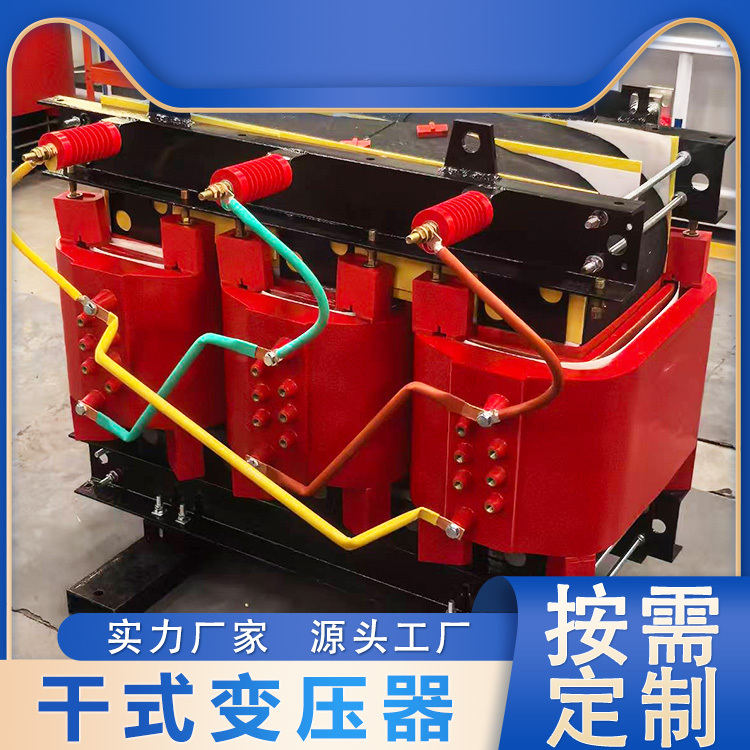
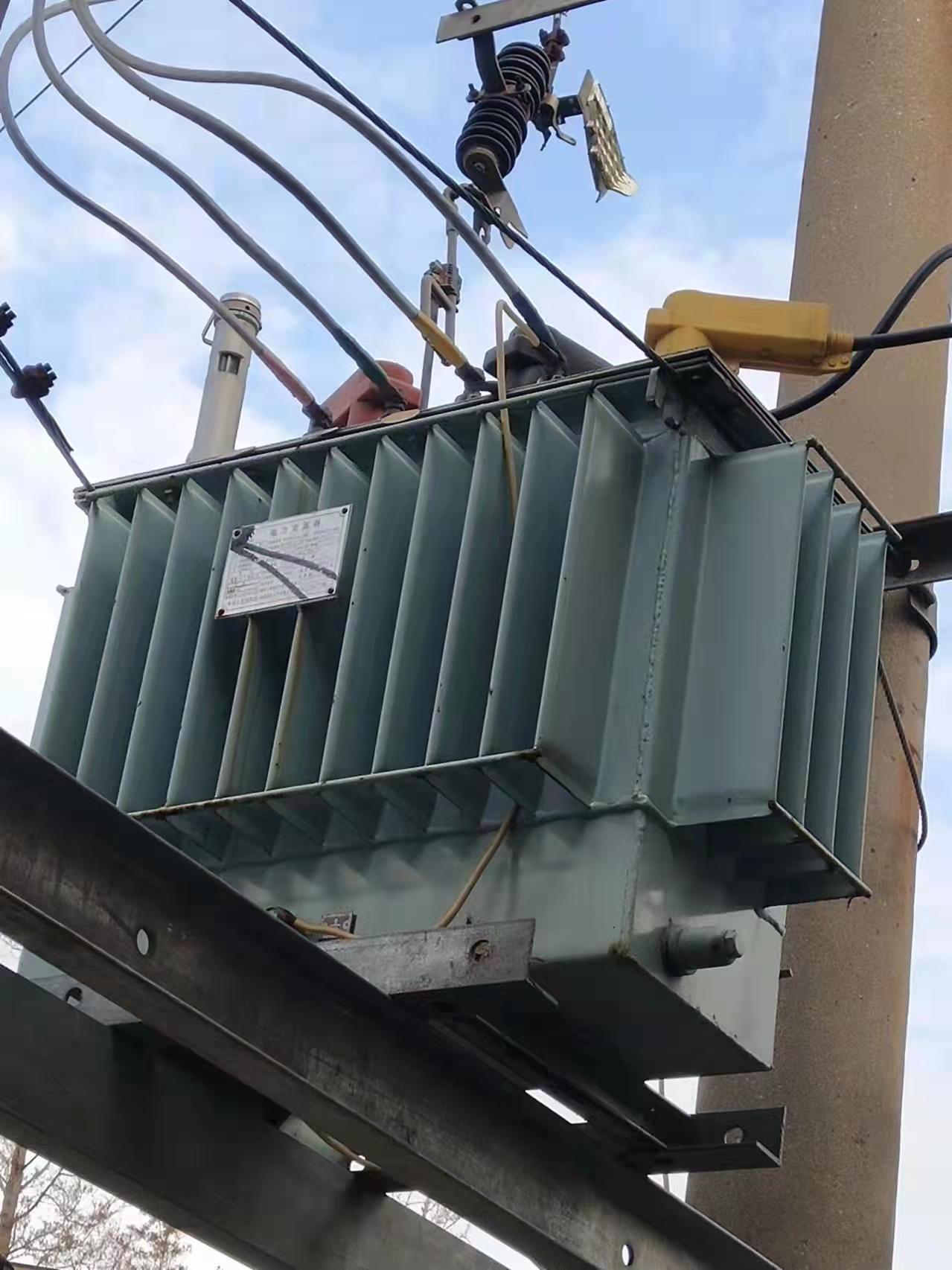
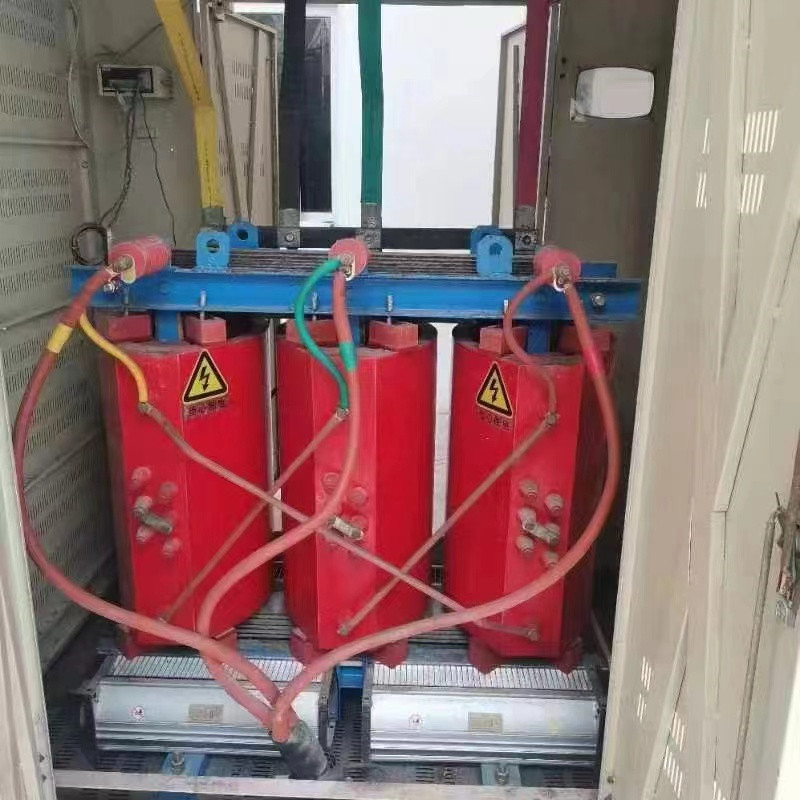
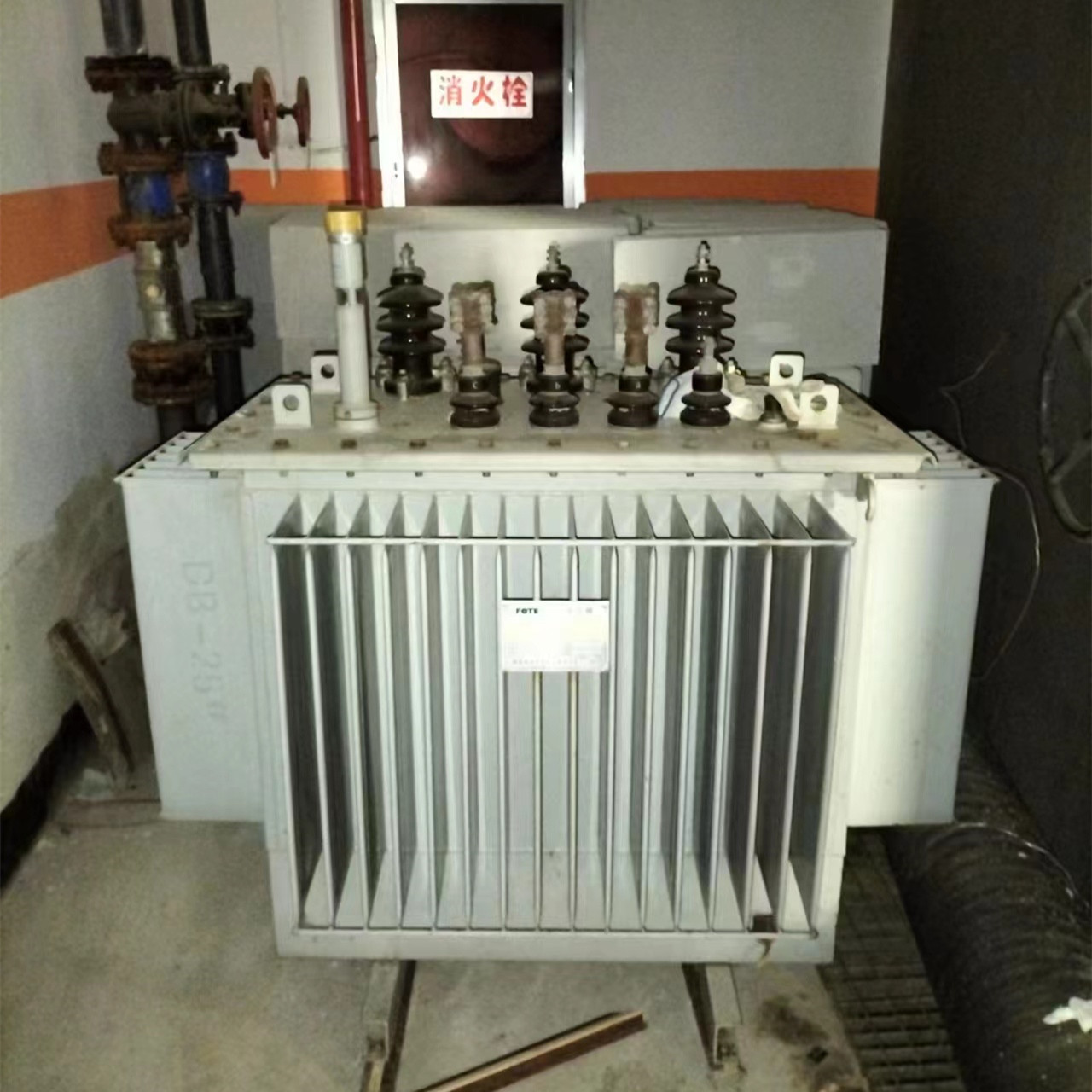
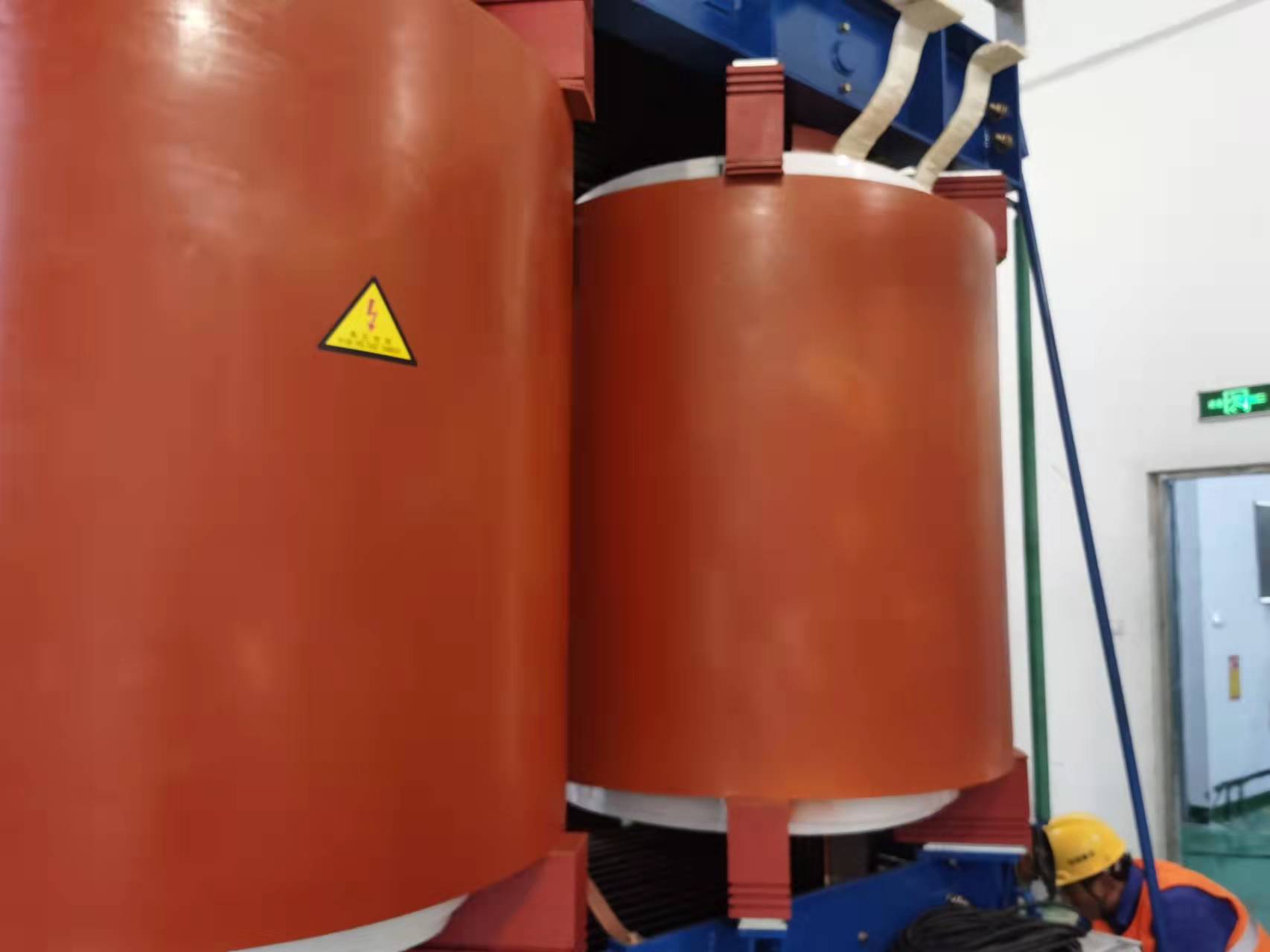
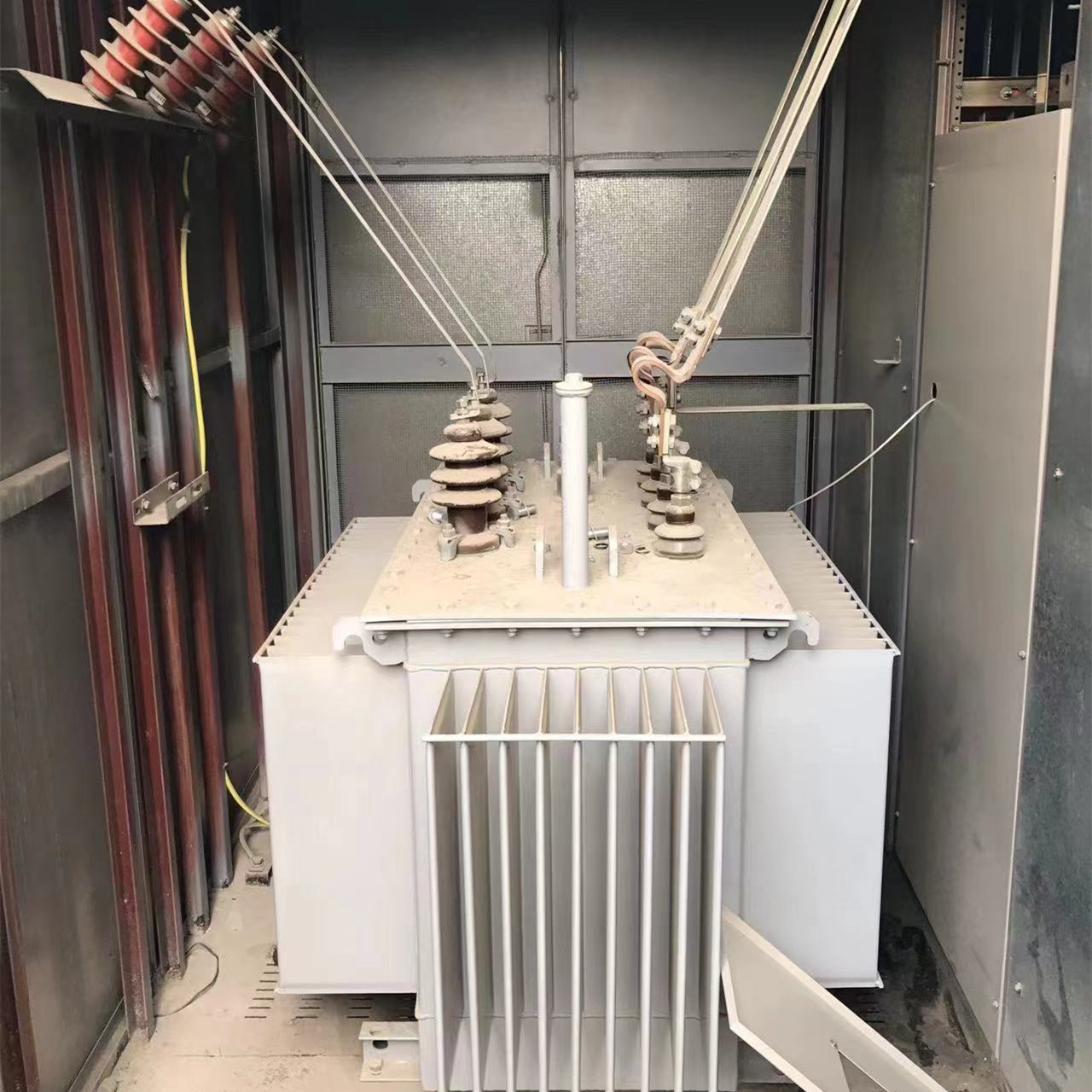
The load-bearing capacity varies; generally, dry-type transformers should operate at their rated capacity, while oil-type transformers have better overload capacity. The cost differs; for transformers of the same capacity, the procurement cost of dry-type transformers is significantly higher than that of oil-type transformers. The models of dry-type transformers usually start with SC (epoxy resin-encapsulated), SCR (non-epoxy resin-encapsulated solid insulation), or SG (open-type).

1. In the 1970s, Wuhan Iron and Steel Corporation, based on the introduction and absorption of Japan's cold-rolled silicon steel sheet manufacturing technology to produce cold-rolled silicon steel sheets, further引进了Japan's high permeability grain-oriented cold-rolled silicon steel sheet (HI-B) manufacturing technology in the 1990s, producing transformer cores with improved energy-saving effects. However, due to insufficient product quantities and issues with production processes, some cold-rolled silicon steel sheets still need to be imported from Japan, Russia, Western Europe, and other countries. In the development of amorphous alloy materials for transformer cores, China formed a special working group in the early 1990s, consisting of the former Ministry of Machinery, the former Ministry of Metallurgy, the former Ministry of Power, the National Development and Reform Commission, the Committee of Economic and Trade, and the former Committee of Science and Technology, to conduct in-depth research on the design and manufacturing processes of amorphous alloy core materials and transformers. The developed amorphous alloy core materials largely met the planned requirements and a 10kV, 160-500kVA distribution transformer was trial-produced in 1994. According to feedback from power users, it largely met practical application standards.