






What are the application scopes of the aerial work platform?
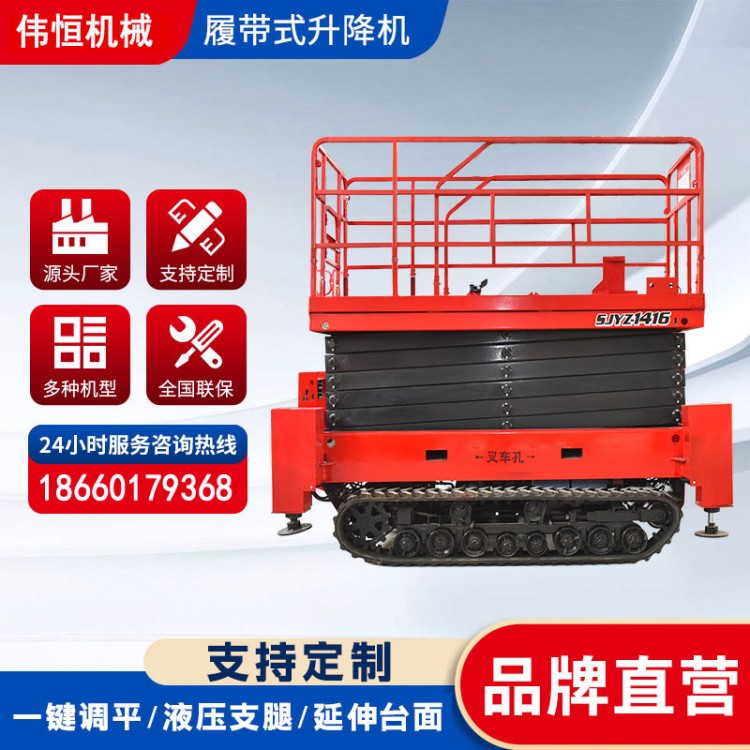
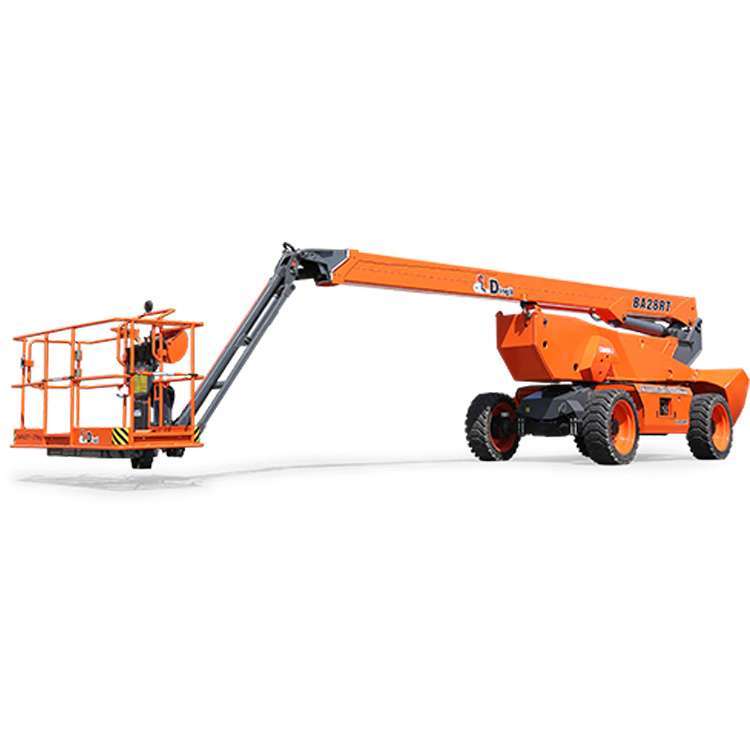
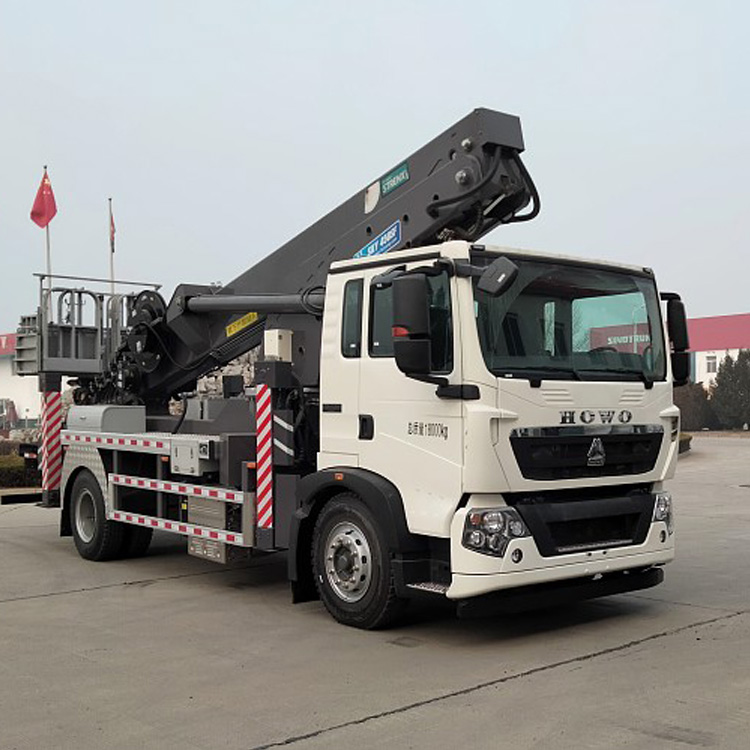
Aerial work platforms are being increasingly utilized in our daily lives, across various fields such as electricity, street lighting, municipal services, landscaping, telecommunications, airports, shipbuilding, ship repair, transportation, advertising, and photography.

Important precautions when dismounting from an aerial work platform. The dismounting procedure typically involves extending the legs. Follow the instructions on the signage. Be mindful of the following during operation:
1. When on uneven ground or at a soft foundation beneath the tripod supports, use large wooden blocks to be placed beneath the tripod's footplate.
2. Toggle the leg switch to illuminate the warning lights mounted on the legs, alerting passing vehicles and pedestrians to be vigilant.
3. Strict operational sequence: Extend the horizontal support legs first, then extend the vertical legs after all horizontal legs are fully extended. Only after all support legs are fully extended can the vehicle be operated.
4. As the stabilizer legs extend, the vehicle occupies more ground space. During this process, it is important to keep an eye on passing vehicles and pedestrians, and to stop or retract the stabilizer legs as necessary.
5. Observe the level gauge to maintain the vehicle's levelness. Ensure the bubble is centered in the small circle. If not, adjust the support legs to achieve proper vehicle levelness.
6. Observe the leg extension indicator light and confirm that the legs are fully extended.
7. After the leg operation is completed, the power switch should be toggled to disconnect the power to the vehicle.
8. After the legs are extended, the tires must be elevated off the ground by a certain distance (30-80mm).
9. After completing the leg operation, remember to return the control handle to the middle position to avoid accidental dismounting during boarding, which could be dangerous.
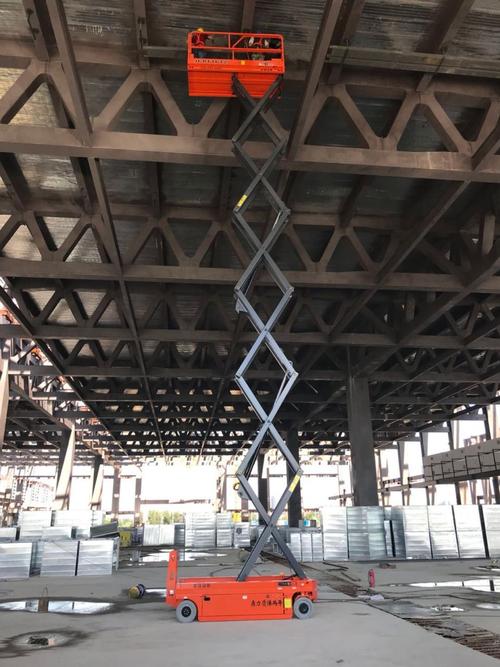
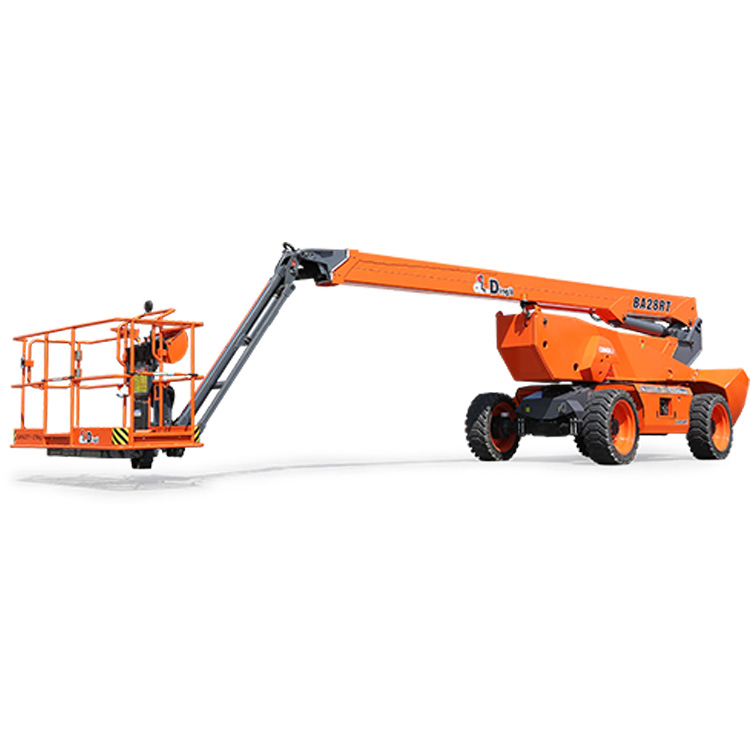
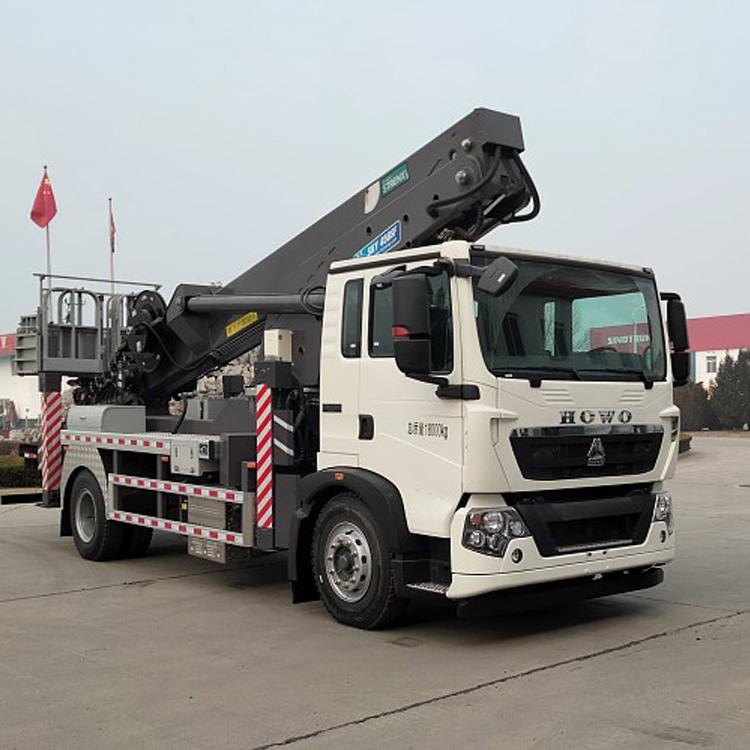
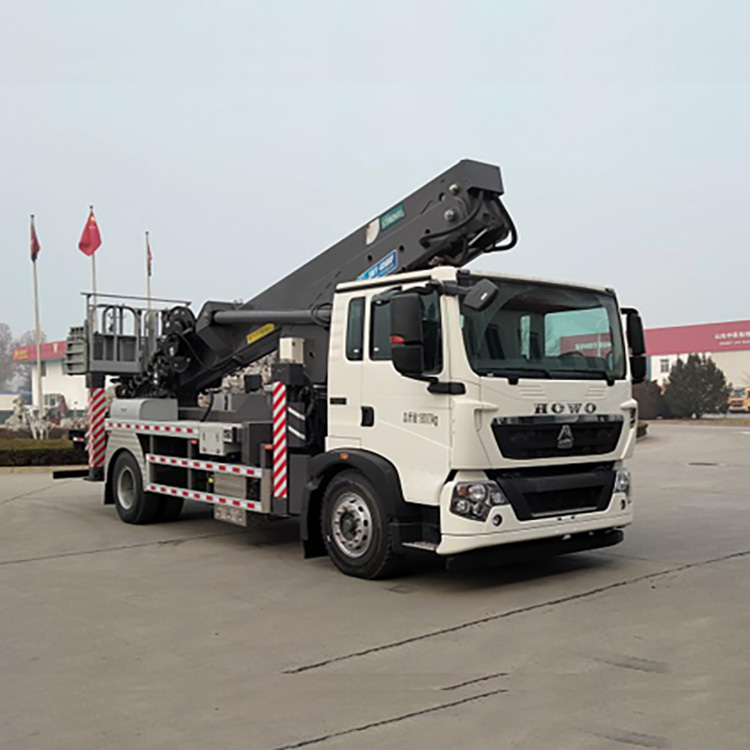
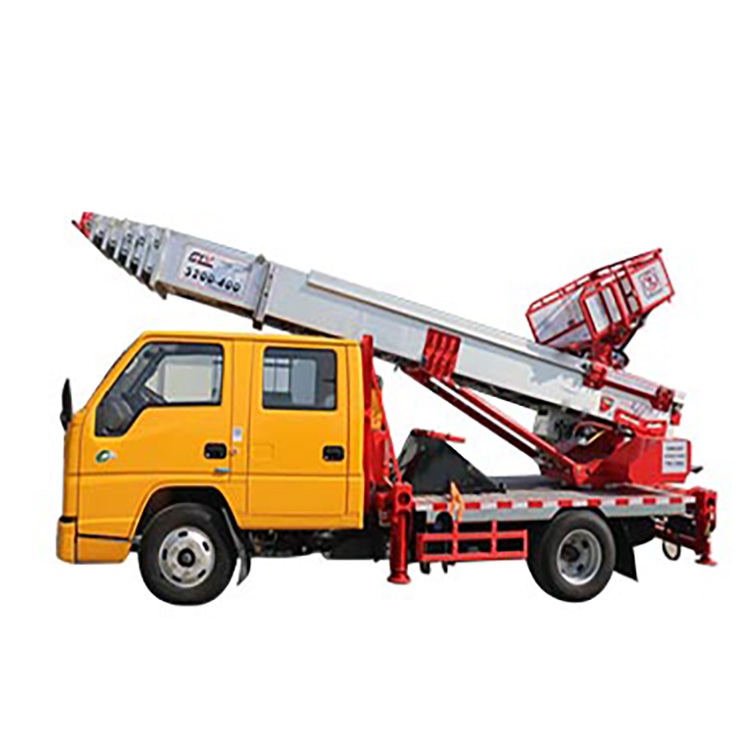
High-Angle Platform Truck Features:
1. Lifting Arm: Four-section telescopic arm with length sensors installed, which automatically trigger an alarm if the operation exceeds the safe working angle and height controlled by the PLG. The lifting angle and working height are automatically displayed on the electrical control panel, clearly visible. Single hydraulic lifting cylinder with a double-acting balance valve to ensure smooth and reliable arm operation; the vehicle does not come with a hook.
2. Four hydraulic legs: Each leg is equipped with a leg extension sensor and a bidirectional hydraulic lock installed separately. The functions are: to ensure that the legs do not retract automatically after being lowered; if they are not fully extended or not extended at all, an alarm will sound, and the leg lock cannot be operated, ensuring safe operation. The leg control valve is a manual valve, and the four legs can be controlled individually.
3. The center can rotate 360 degrees, featuring dual-position operation on the rotation and work bucket, controlled by a PLC electrical control system (consisting of two electrical control boxes).
4. Work basket: capable of horizontal and vertical movement for ease of operation. The working basket has a load capacity of 200kg.
5. Equipped with a power unit, which means that when the main vehicle malfunctions, this power unit can be used as an emergency measure. It also allows for the extension of the arm and the telescoping of the legs. This feature includes both a manual and an electric switch for flexible operation.

Cautionary Notes for Operating the Winch on Elevated Work Platforms. Before operating the winch, ensure the handbrake is engaged. Next, shift the gear lever to neutral, press the clutch pedal, and toggle the winch switch to engage the winch gears with the transmission gears. Then, gradually release the clutch pedal to start the oil pump. After the oil pump is running, check for any abnormal noises during rotation. Only proceed to the next step once confirmed that the operation is normal.