






Safety Operation Procedures for Elevated Work Platforms
1. Operators must properly wear protective gear and hold valid certifications to operate; unauthorized operation of elevated work platforms is strictly prohibited. The working bucket of an elevated work platform can only carry two persons.
2. Operators of elevated work platforms must be proficient in the primary performance and safe operation procedures of the equipment. It is strictly prohibited to operate elevated work platforms under fatigue or after drinking, and it is also prohibited to engage in other activities while operating the elevated work platform.
3. Prior to using the高空车, conduct a thorough check to ensure that the engine fuel, engine oil, coolant, hydraulic oil, and other fluids are sufficient. Top up as necessary, and strictly prohibit adding seawater to the radiator.
4. Ensure that all shafts (such as the working arm, working bucket, etc.) have been lubricated with oil or grease. Check for oil leaks, damage in the hydraulic hoses, the tendency of the working arm to descend automatically, the stability of the working bucket, loose screws on moving parts, and whether the wire ropes are out of their grooves, etc.
5. After the engine starts, operate it at low speed for 5 minutes under no load, and check if all control handles and switches are functioning properly. Only proceed with use once all checks are complete. The engine should not be started on the diesel more than 10 seconds per attempt.
6. Crane operators must be familiar with the construction site environment and ensure the safety of other workers inside the work basket. Operators have the right to refuse to operate the crane if other workers fail to properly wear and use protective equipment as required.
7. When adjusting the position of the aerial work platform by moving up, down, or front and back, the work must be stopped. The operator must first notify the other construction personnel inside the bucket and confirm that they have taken notice and that there are no safety hazards within the operational range of the aerial work platform before operating the platform's movements.
8. The working bucket has a safe carrying capacity of 200 kg or 250 kg. When personnel are working in the bucket, the pipeline must be pre-set to an adequate length. It is prohibited to use the bucket for dragging, pulling, or transporting materials. The aerial vehicle is strictly not to be used as a transport vehicle (for carrying people or goods on and off vessels, cargo holds, and dock surfaces, etc.). It is strictly forbidden to use a wire or iron plate as a foot switch in the aerial vehicle's working bucket.
9. Absolutely no removal and use of the protective railing on the高空车 work basket.
10. The work basket must not collide with any other objects (such as the hull, hatch coaming, etc.) during its operation on the aerial work platform, including movement and rotation.
11. Elevated work platforms must retract the work boom completely when traveling without operation or when crossing slopes with an incline of ≥3 degrees, and place the boom in a horizontal position.
12. After the aerial work vehicle is started, no person is allowed to stand within a radius of 2 meters around the vehicle's undercarriage or below the work area.
13. When performing gas cutting and welding operations with an aerial vehicle, ensure proper safety measures are in place on the fuel tank and hydraulic lines to prevent damage to the pipes or fires caused by open flames.
14. No flammable or explosive materials shall be stored inside the high-altitude vehicle. Tools, items, or objects carried by the crew inside the bucket during high-altitude operations must be securely fastened to prevent falling and causing injury.
15. If the working drum tilts more than 3 degrees, it is mandatory:
a. Adjust the working bucket to the horizontal position.
b. Balance adjustments must be made within the low-altitude safe altitude.
16. Convert to ground operation when there is a risk during upper operation.
17. The work bucket should reset during movement. Walking while in a swinging state is prohibited; when turning to a large position, the operation must be performed at a low speed.
18. When parking, the aerial lift should retract the boom to its original position and stop in a safe location. The engine must run for 5 minutes in no-load condition before turning off and removing the key. Only after confirming there are no safety hazards at the parking site should you leave.
19. No one is allowed to tamper with or alter the safety devices of the elevated work platform. In case of a fault, stop immediately and report to the relevant department. Under no circumstances should the elevated work platform be operated with a malfunction. Regular maintenance of the equipment should be conducted.
20. During the sandblasting process, the air filter must be disassembled and cleaned 2-3 times a day. For continuous operations, simply sweep or blow out the water tank to ensure proper heat dissipation of the machine.
21. After use, the waste sand on the aerial work platform must be cleaned promptly, and then returned to the maintenance team for inspection.
22. Mistakes in operation, damage to aerial work platforms, or violations of operational procedures or regulations will be dealt with strictly in accordance with the company's workshop regulations.
High-lift Truck Loading Function Features:
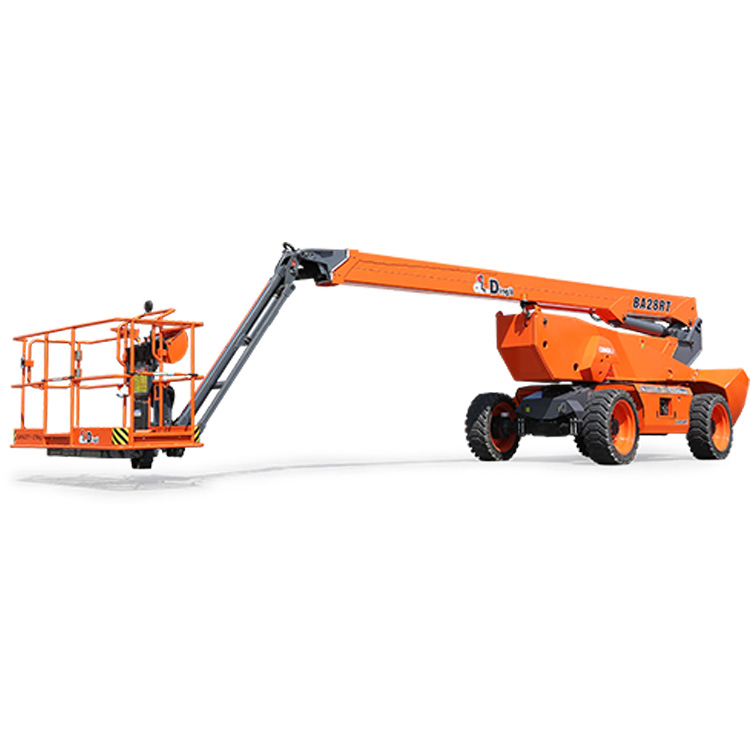
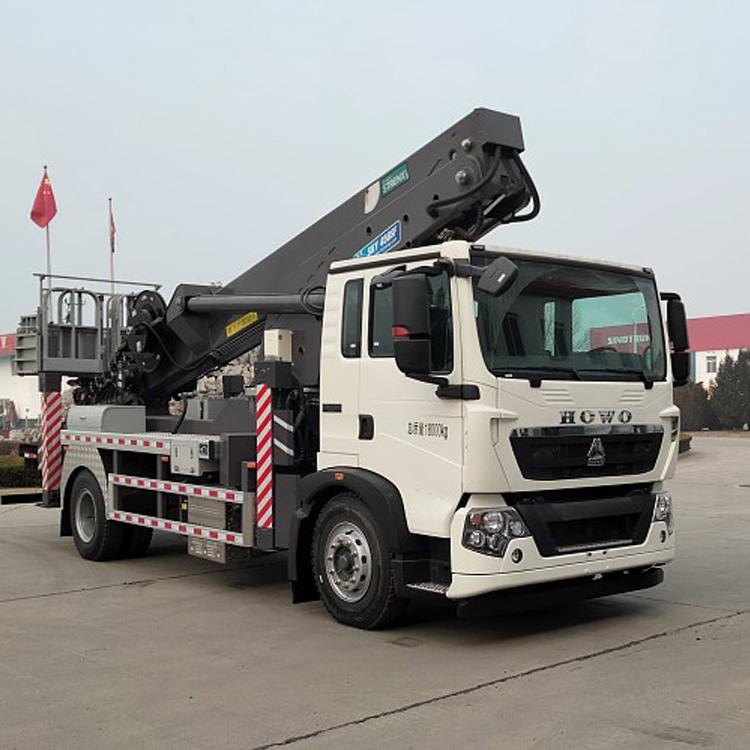
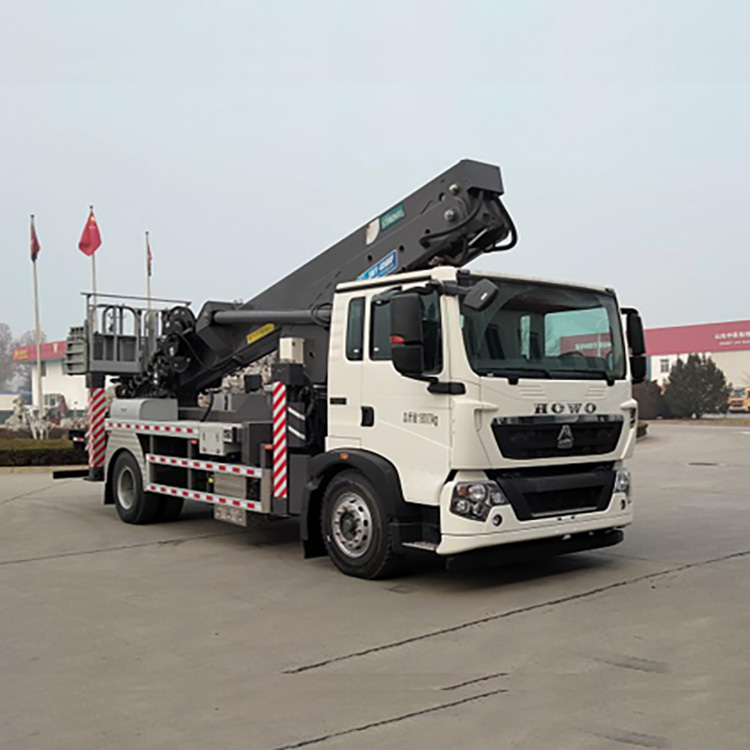
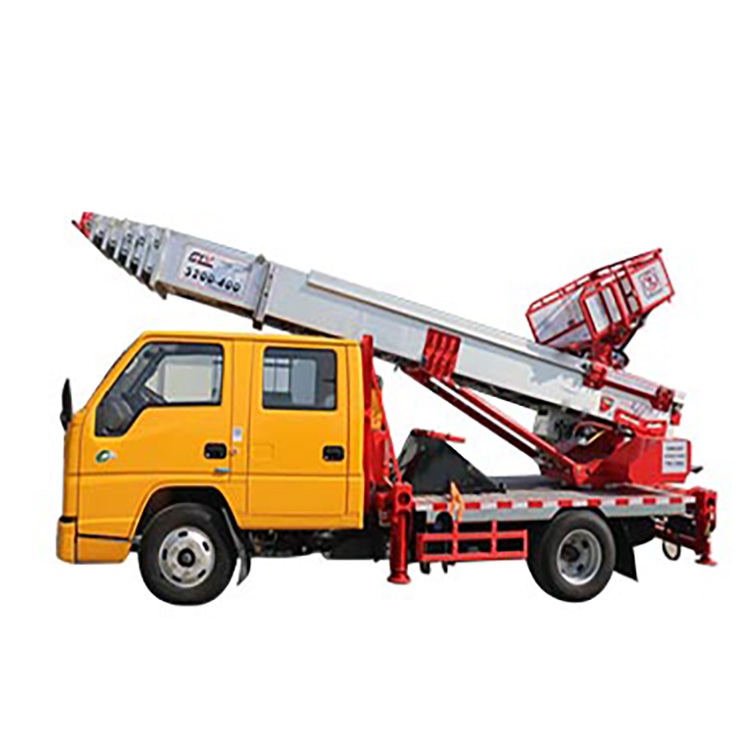
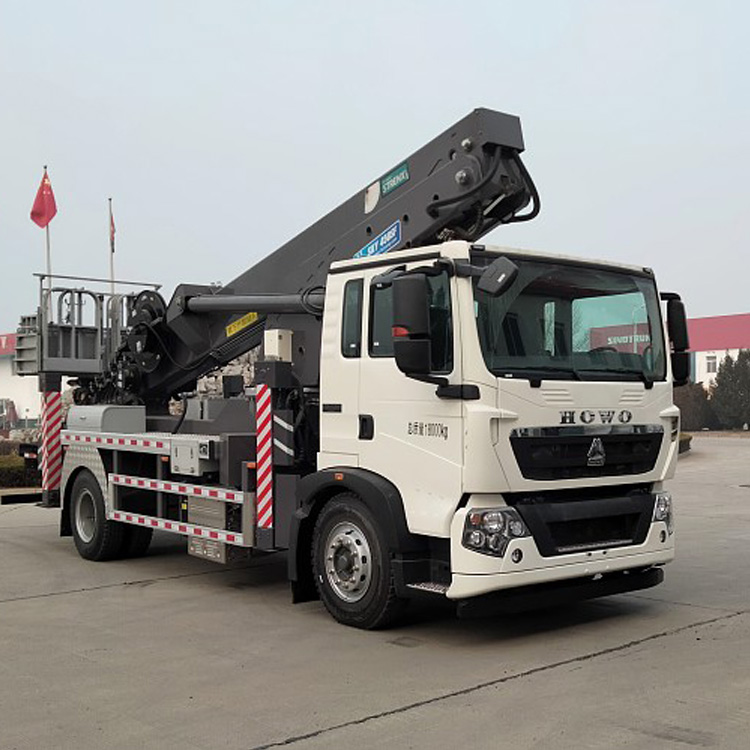
1. Lifting Arm: Four-section telescopic arm equipped with length sensors. If the operation exceeds the safe working angle and height controlled by the PLG, the sensor will automatically alarm. The lifting angle and working height are automatically displayed on the electrical control panel, clearly visible. Single hydraulic lifting cylinder with a bidirectional balance valve installed in the hydraulic cylinder to ensure smooth and reliable arm operation. The vehicle does not come with a lifting hook.
2. Four hydraulic stabilizers: Each stabilizer is equipped with a leg extension sensor and features a bi-directional hydraulic lock. The locks ensure that the stabilizers do not retract automatically after being lowered. In case of incomplete extension, an alarm will sound, and the stabilizers will be locked in place, preventing operation to ensure safety. The stabilizer control valve is manual, allowing independent control of each of the four stabilizers.
3. The center can rotate 360 degrees, featuring dual-position operation on the rotation and work bucket, controlled by a PLC electrical control system (consisting of two electrical control boxes).
4. Work Bucket: Capable of horizontal and vertical movement for convenient operation. The working bucket has a load limit of 200kg.
5. Equipped with a power unit, which means that in case of a main vehicle malfunction, this power unit can be used for emergency purposes. It also allows for the extension of the arm and the telescoping of the legs. This feature is controlled by both a manual switch and an electric switch, offering flexible operation.
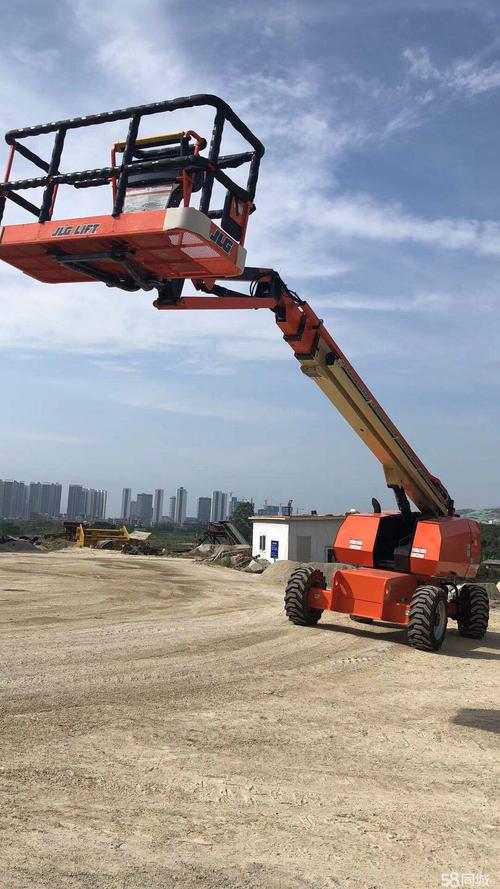
Cautionary Notes for Operating a High Reach Vehicle's Power Take-Off. Before operating the power take-off, ensure the hand brake is engaged. Then, shift the gear lever to neutral, press the clutch pedal, and pull the power take-off switch to mesh the power take-off gears with the transmission gears. After that, gently release the clutch pedal to start the oil pump. Once the oil pump is running, check for any abnormal noises and confirm normal operation before proceeding to the next step.

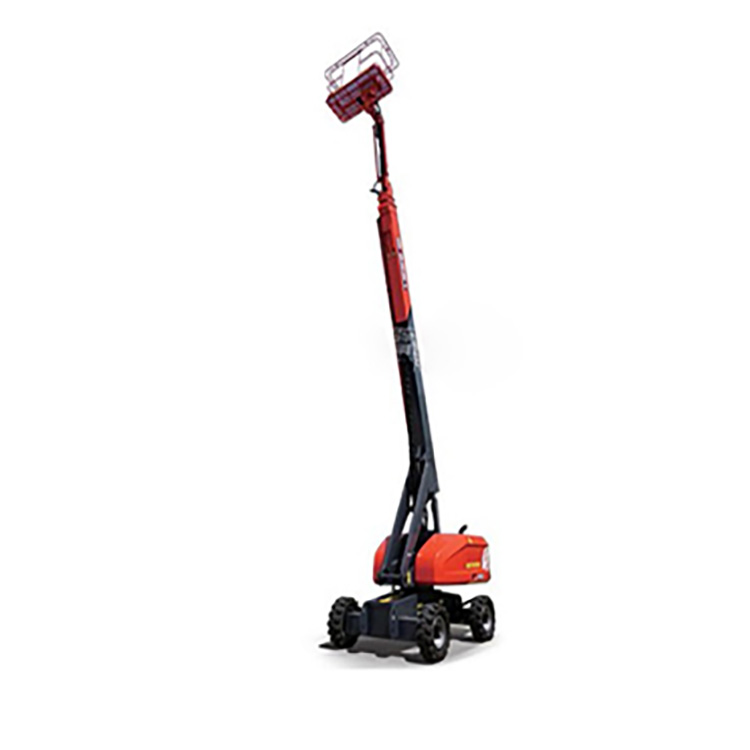
Aerial work platforms are indispensable in our daily lives, especially in factories, overpasses, gardens, tunnels, high-rise buildings, etc. We will spare no effort to meet our customers' needs. The operating device is located on the bucket and rotating seat of the aerial work platform, used for long-distance control of the engine's start/stop, high-speed/low-speed. Electro-hydraulic proportional valves are used to control the movement of the boom. The lubrication is excellent. The working arm can maintain a continuous 360-degree rotation. During rotation, the linkage mechanism automatically maintains the height of the working slot. In case of a main pump failure, the emergency pump can be operated to lower the working slot, and the night lighting is crucial. The legs of the car are separated, adjustable, and can ensure the vehicle remains level on uneven terrain. The entire vehicle is easy to move and can be used in narrow streets, small alleys, and dead-end roads. The product is widely used in the high-altitude fields of electricity, street lighting, municipal infrastructure, gardens, communication, airports, ship repair, transportation, advertising, filming, and more.