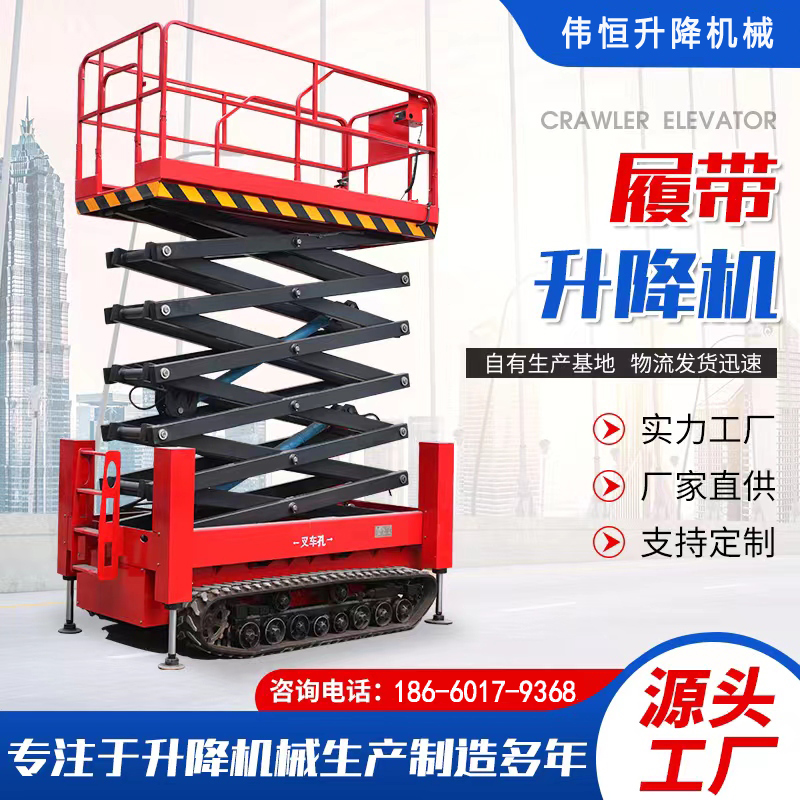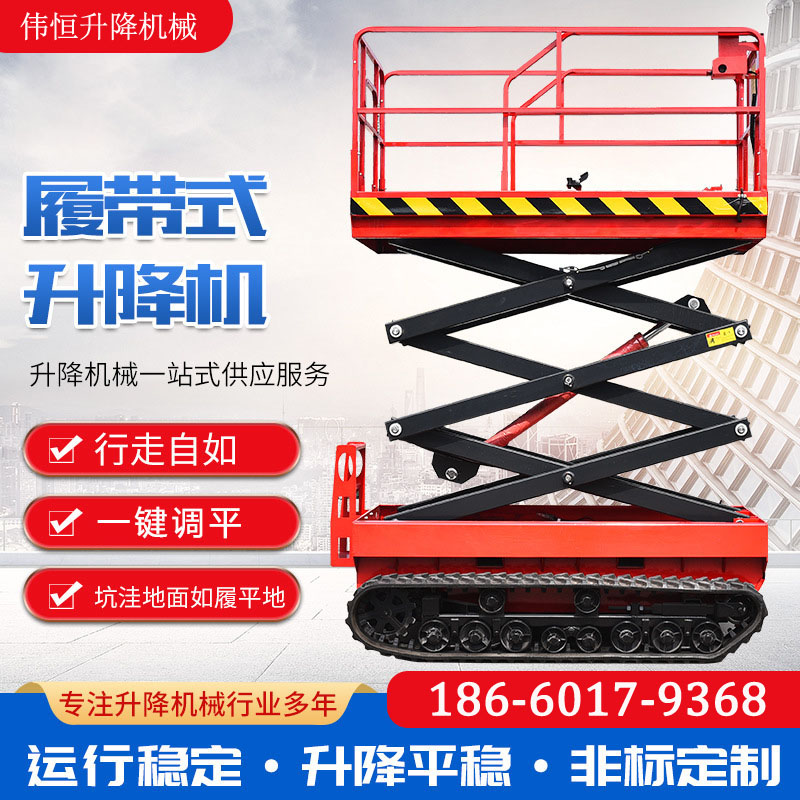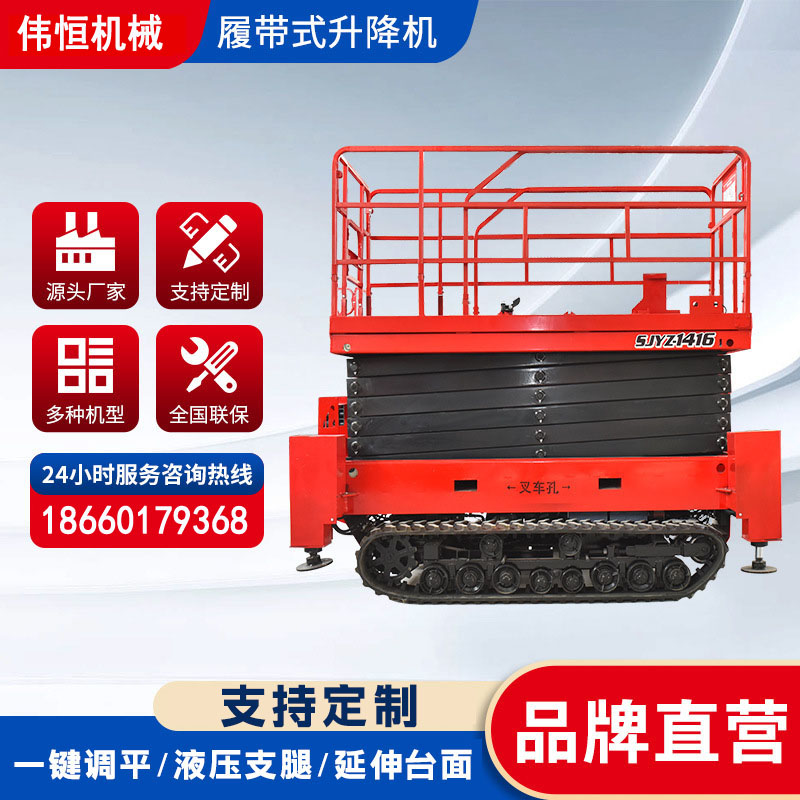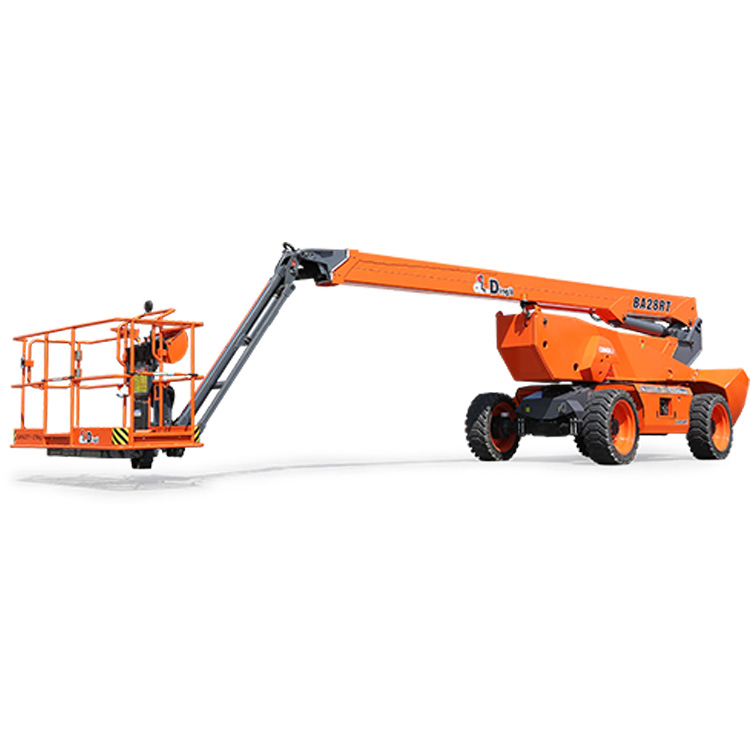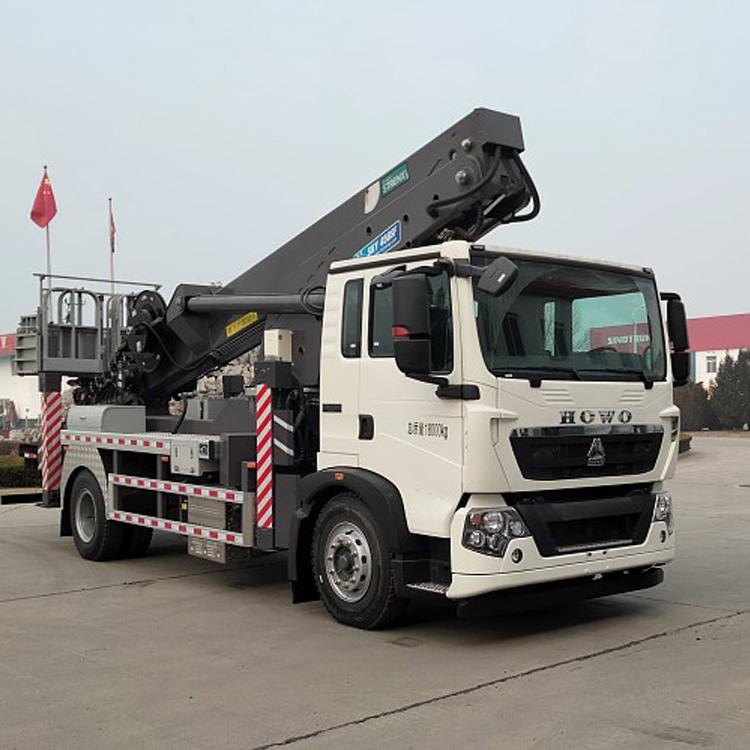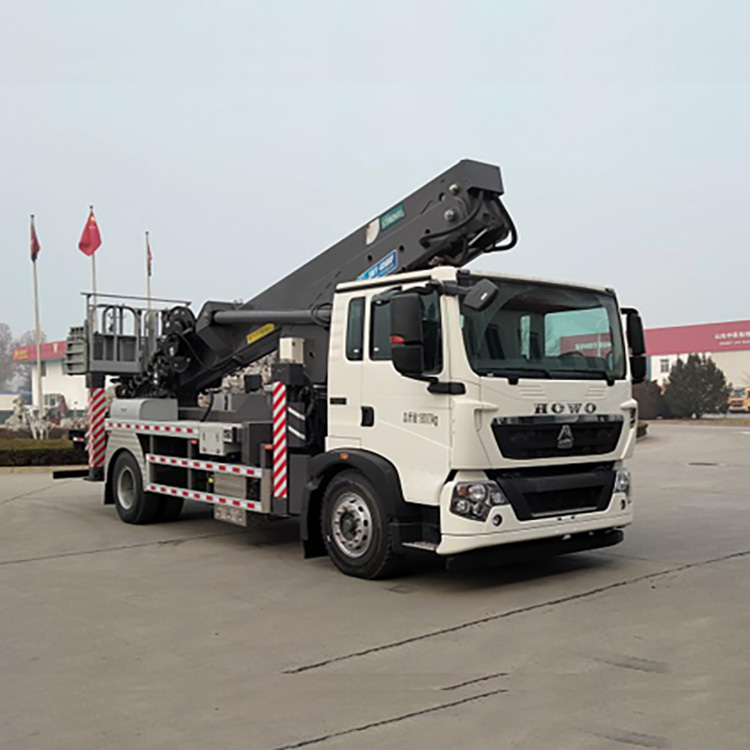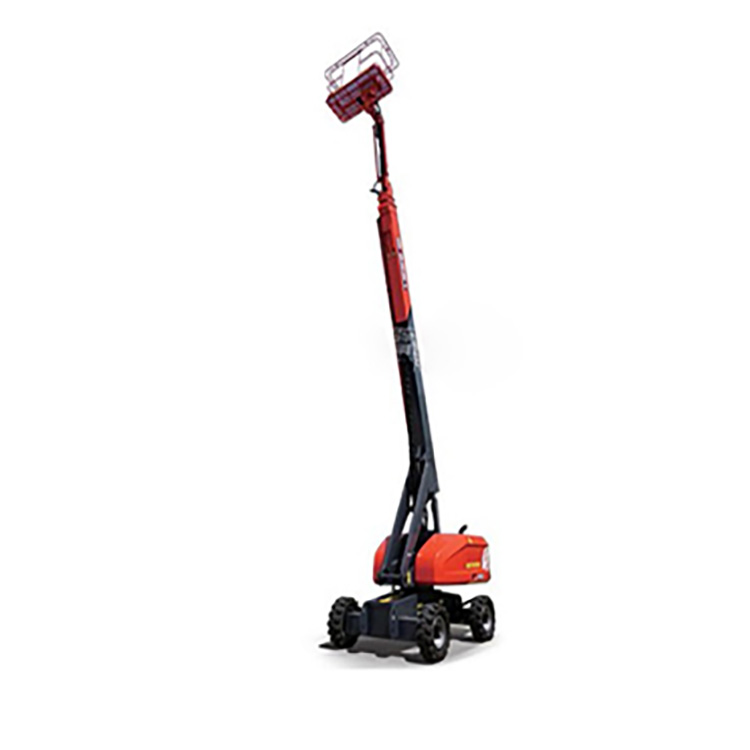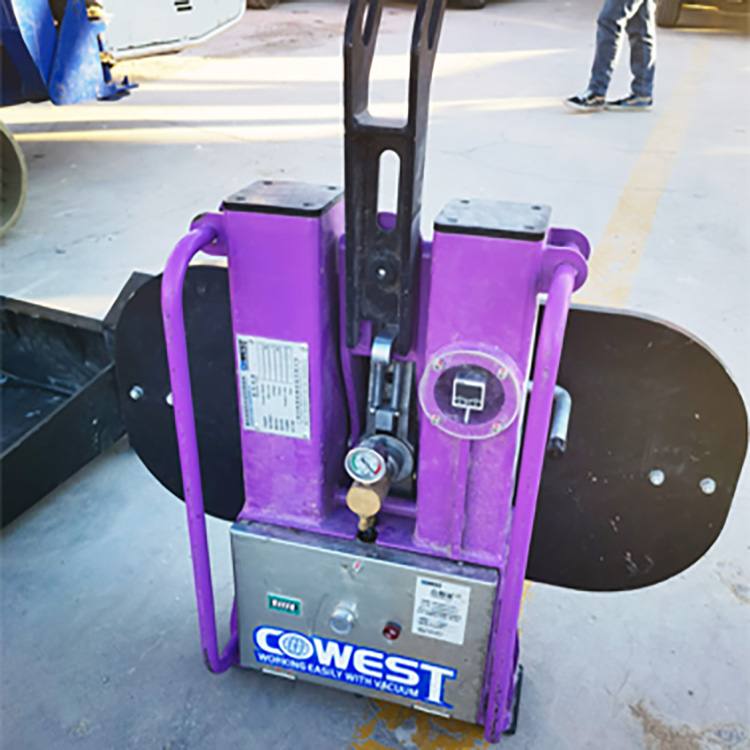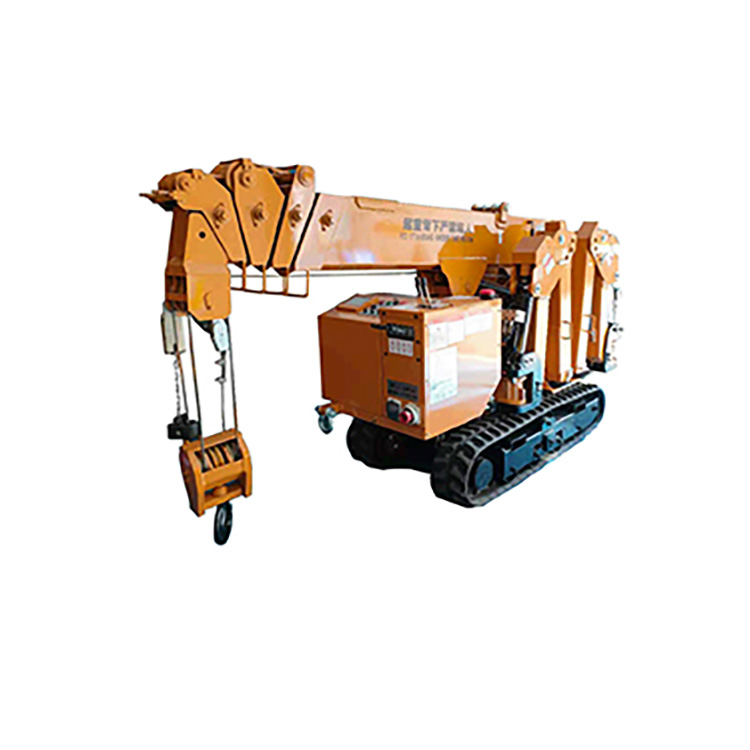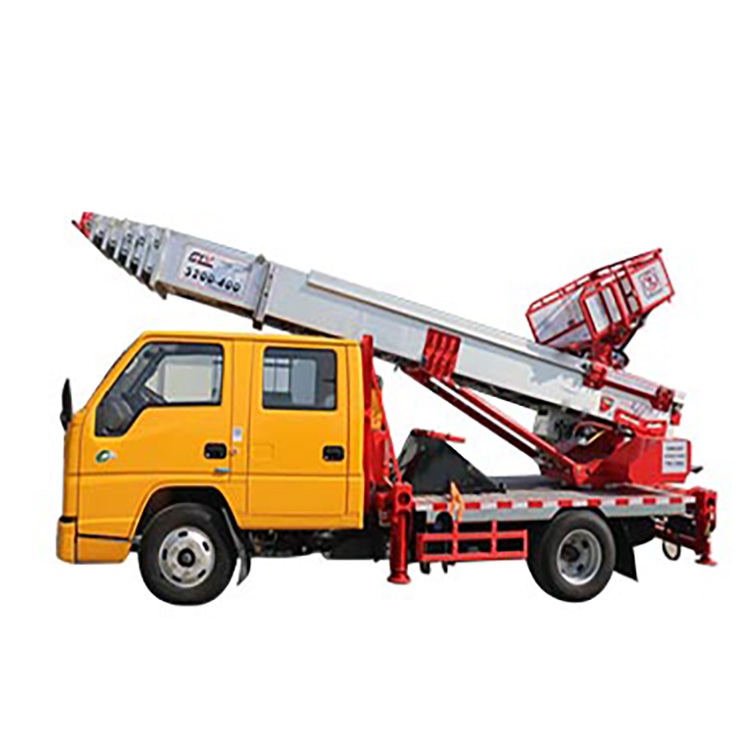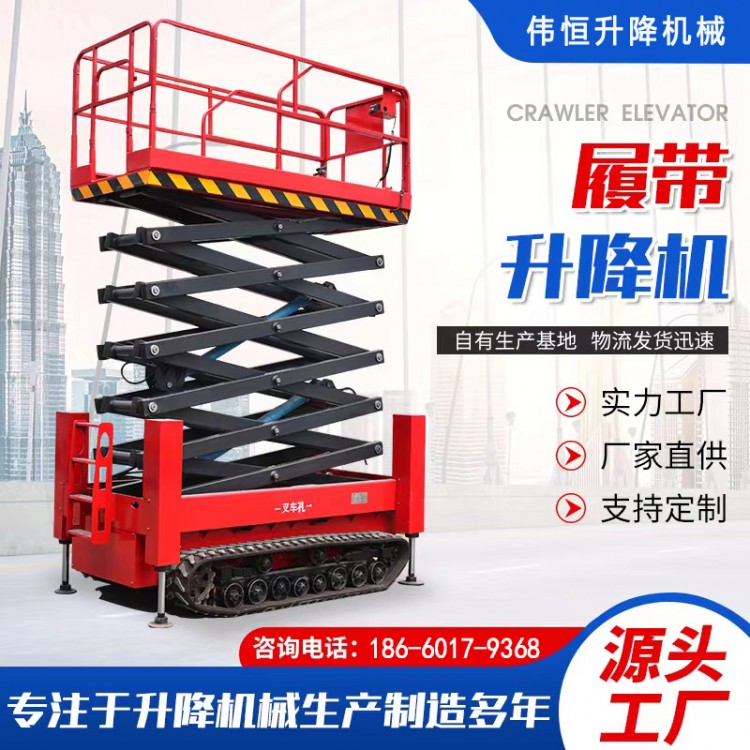
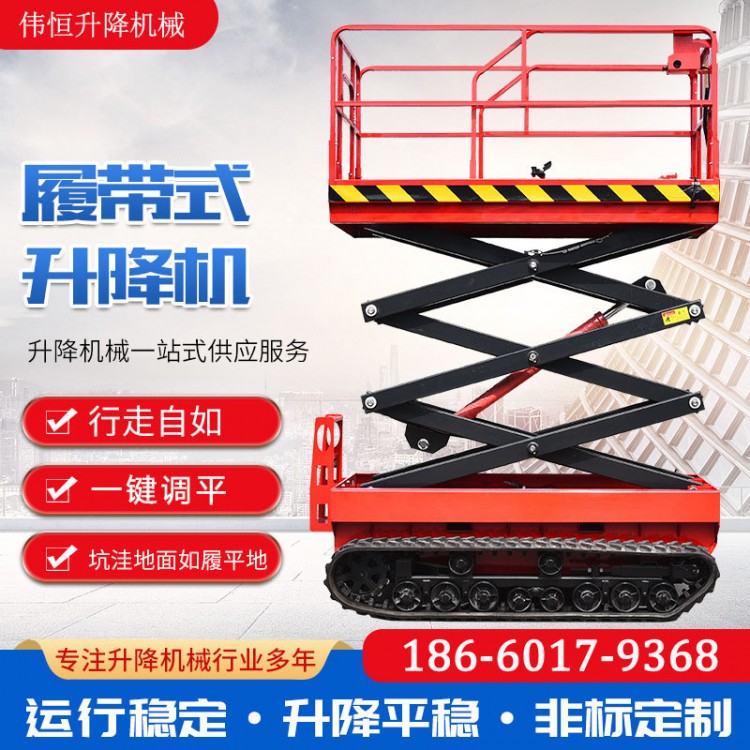
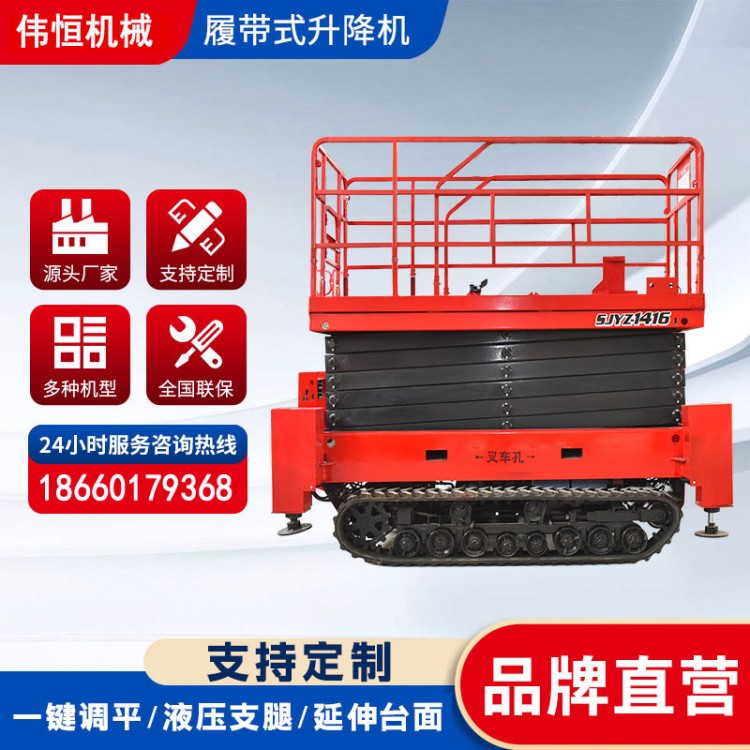
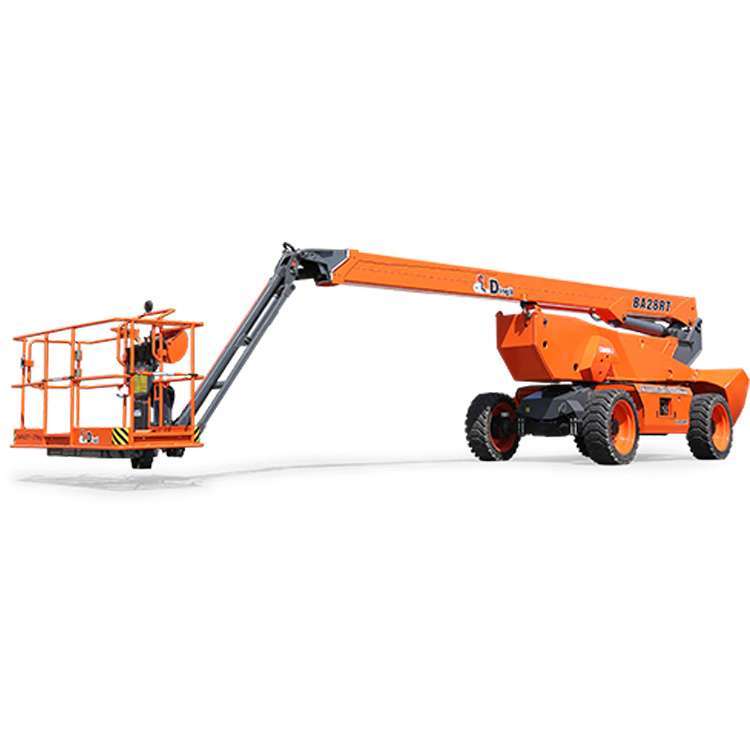
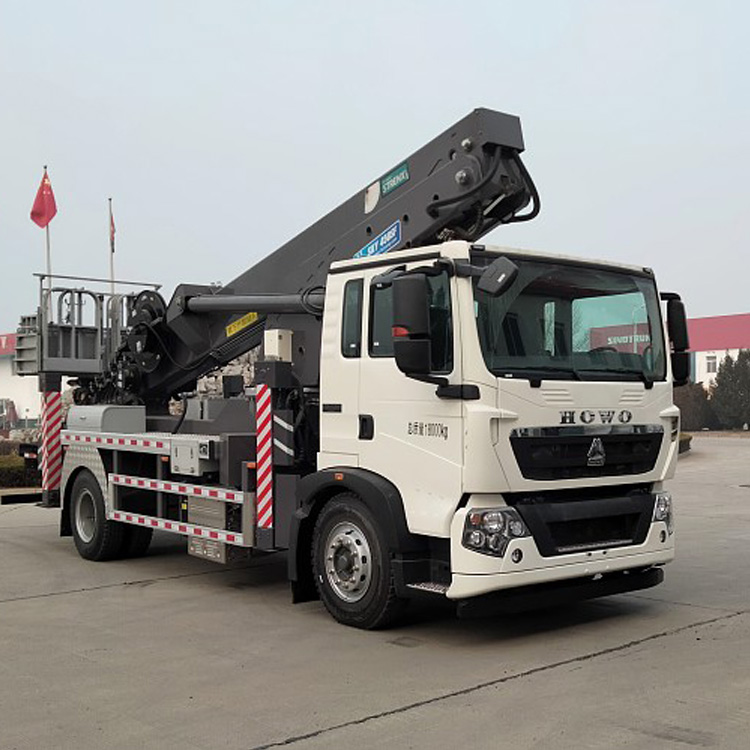







Important Precautions for Exiting an Elevated Work Platform. Exiting operations typically involve extending the support legs. Follow the instructions on the signage. Be mindful of the following during operation:
1. When the ground is uneven or the foundation under the support legs is soft, use large wooden blocks to support the bottom of the leg foot plate.
2. Activate the leg switch to illuminate the warning lights mounted on the legs, alerting passing vehicles and pedestrians to be vigilant.
3. Strict operation sequence: Extend the horizontal support legs first, then extend the vertical legs after all horizontal legs are fully extended. Only after all support legs are fully extended can the vehicle be operated.
4. As the stabilizer legs extend, the vehicle occupies an increasingly larger area. During this process, it is crucial to keep an eye on passing vehicles and pedestrians, and be prepared to stop the operation immediately, or even retract the stabilizer legs.
5. Observe the level bubble to ensure the vehicle is level; it should sit within the small circular area. If not, adjust the legs to restore the vehicle's level.
6. Observe the leg extension indicator light and confirm that the legs are fully extended.
7. After the leg operation is completed, the power switch should be turned off to disconnect the power to the vehicle.
8. After the legs are extended, the tires must be elevated off the ground by a certain distance (30-80mm).
9. After completing the leg operation, remember to return the control handle to the center position to avoid accidental dismounting and potential danger during the boarding process.

Key operational features of the aerial work platform:
1. Wide stance legs for excellent stability and adaptability to various working conditions.
2. Performance optimization, multi-functional, safe and reliable, compact design; maximum working height of 18 meters, and maximum working range of 8.6 meters.
3. The rotating mechanism drives the turntable to perform a 360° rotation, allowing for convenient and accurate transport of workers engaged in high-altitude operations to their work area safely.
4. Equipped with a lifting device capable of handling 2-ton cranes; working heights vary from 6 to 38 meters. Suitable for: construction, landscape planning, aerial photography, engineering projects, industrial installation, equipment maintenance, factory maintenance, property management, ship power, airports, convention centers, hotels, skyscrapers, bridges, and other industries involving manufacturing, installation, inspection, and special maintenance.

High-altitude vehicle boarding features:
1. Lifting Arm: Four-section telescopic arm with length sensors installed. In case of exceeding the safe operating angle and height controlled by the PLG during operation, the sensors will automatically trigger an alarm. The lifting angle and operating height are automatically displayed on the electric control panel, clear and visible. Single hydraulic lifting cylinder with a double-acting balance valve installed to ensure the arm's stability and reliability. The vehicle does not come with a hook.
2. Four hydraulic legs: Each leg is equipped with a leg extension sensor and a bi-directional hydraulic lock installed separately. The left and right functions are: to ensure that the legs do not automatically retract after being lowered; if they are not fully extended or do not extend properly, an alarm will sound, and the manual locking mechanism will prevent operation, ensuring safe operation. The leg control valve is a manual valve, and each of the four legs can be controlled individually.
3. The center can rotate 360 degrees, featuring dual-position operation on the rotation and work bucket, controlled by a PLC electrical control system (in the form of two electrical control boxes).
4. Work bucket: capable of horizontal and vertical movement for convenient operation. The working bucket has a load limit of 200kg.
5. Equipped with a power unit, which means: in case of main vehicle failure, this power unit can be used for emergency. It also allows for the extension of the arm and the telescoping of the legs. This action is controlled by both a manual switch and an electric switch, offering flexible operation.

Aerial work platforms are a type of special engineering equipment vehicle, operating in environments with varying conditions and numerous potential safety hazards. Therefore, strict adherence to relevant safety operating procedures is mandatory when renting and using aerial work platforms to ensure safe and successful completion of aerial work. Safety precautions must be meticulously implemented during the course of aerial operations, and effective measures must be taken to prevent accidents involving the fall of personnel or tools from heights. Consequently, relevant management authorities have established a series of safety regulations. To better understand the industry,