






Safety Management Standards for Aerial Work Platforms
1. Tools, equipment, cables, water pipes, etc., used for suspended work at heights must have reliable fall protection measures.
2. Rental companies for suspended equipment must ensure the safety and reliability of the equipment, provide a safety permit and a safety performance inspection report, and concurrently sign a lease contract, taking responsibility for the safety performance of the rented equipment.
3. Individuals with heart conditions, acrophobia, or other conditions unsuitable for high-altitude work are prohibited from performing suspended work at heights to prevent any accidental incidents.
4. Special situation safety precautions: No high-altitude work during severe weather conditions such as thick fog, heavy rain, heavy snow, strong winds (wind speed of 10.8m/s, equivalent to gusts of 6 on the Beaufort scale), and at night without lighting. Simultaneous work in the same vertical direction is prohibited. Work is forbidden within a 10-meter radius of high-voltage lines without special safety protection measures.
5. Special labor protection products such as hanging operation equipment, electrical and mechanical safety accessories, safety devices, safety ropes, and safety belts must comply with national or industry safety standards. Each hanging equipment should establish a product and usage, inspection, maintenance, and repair record.
6. When structural limitations prevent the use of suspended equipment, relevant safety measures must be implemented. After being signed by the responsible person of the construction company, only elevated platforms or suspension devices that have passed safety inspections by a qualified safety testing institution may be used. Ensuring everyone's personal safety is the first step towards success and guarantees the company's healthy development.

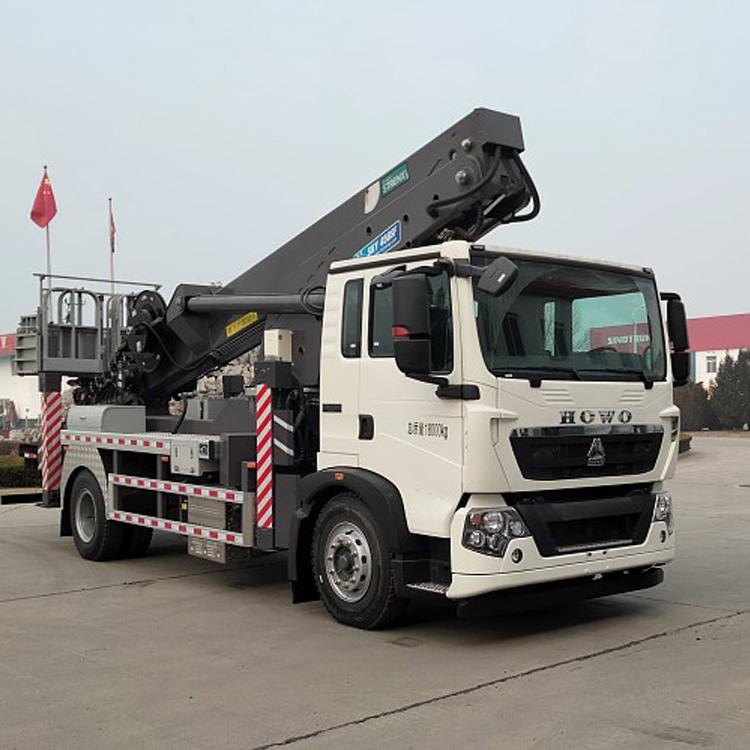
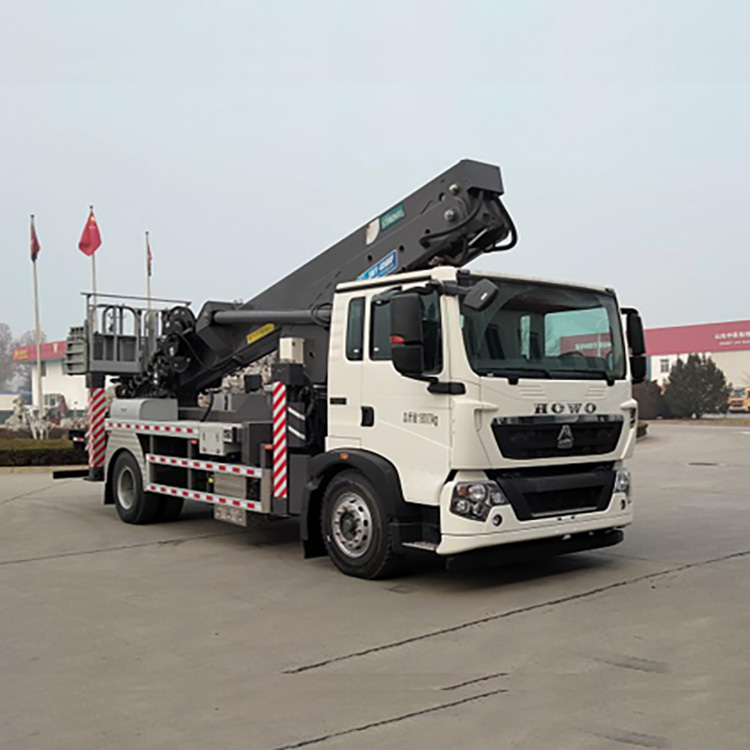
Aerial work platforms are specialized engineering equipment vehicles, operating in environments with variable working conditions and numerous potential safety hazards. Therefore, strict adherence to relevant safety operation requirements is mandatory when renting and using aerial work platforms to ensure the safe and successful completion of高空作业. During aerial operations, it is crucial to implement effective safety precautions and prevent accidents caused by workers or tools falling from height. Consequently, relevant management authorities have established a series of safety regulations. To better understand the industry situation,

What are the applications of aerial work platforms?
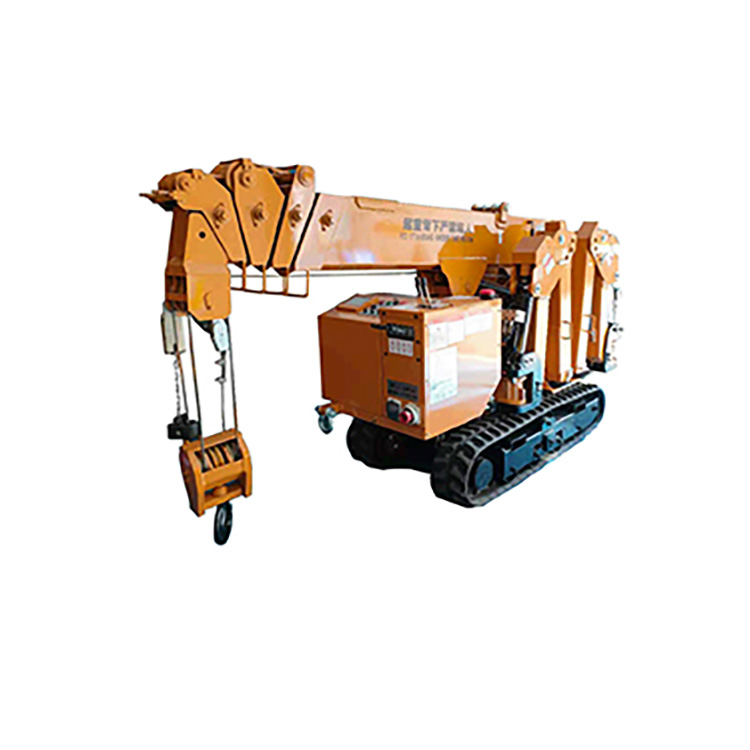
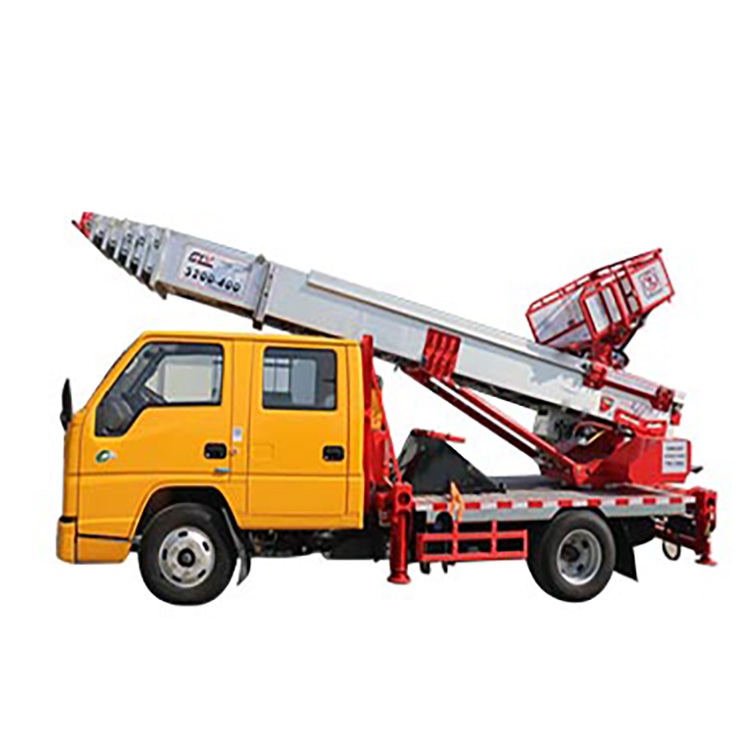
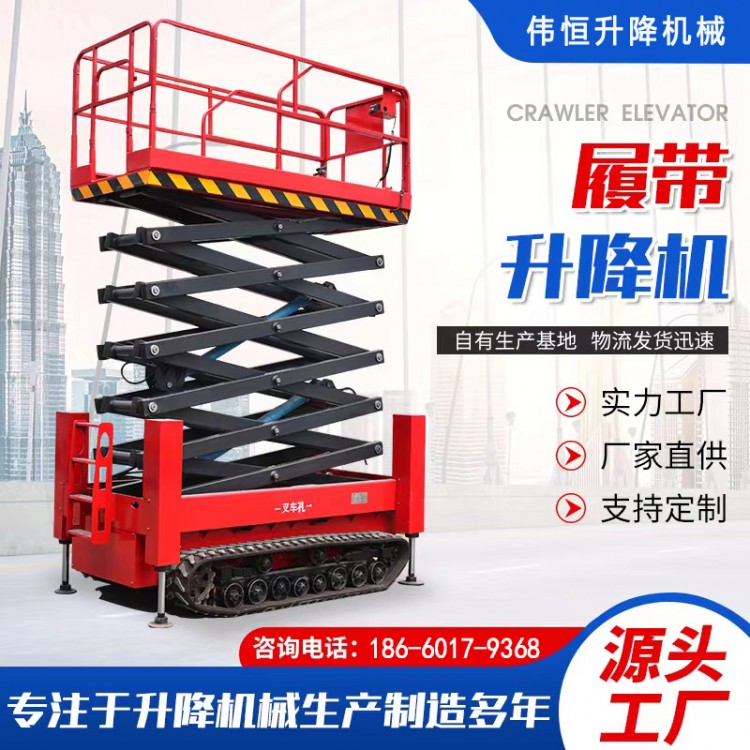
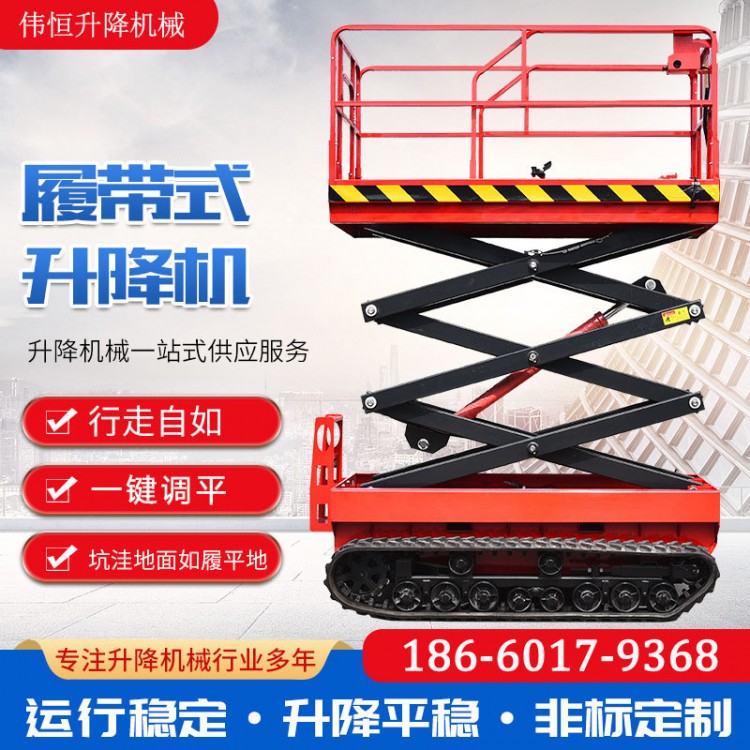
Lift trucks are being increasingly utilized in various aspects of our lives, including power supply, street lighting, municipal services, landscaping, telecommunications, airports, shipbuilding, ship repair, transportation, advertising, and photography, among other aerial work fields.

Aerial Work Platform Performance and Applications:
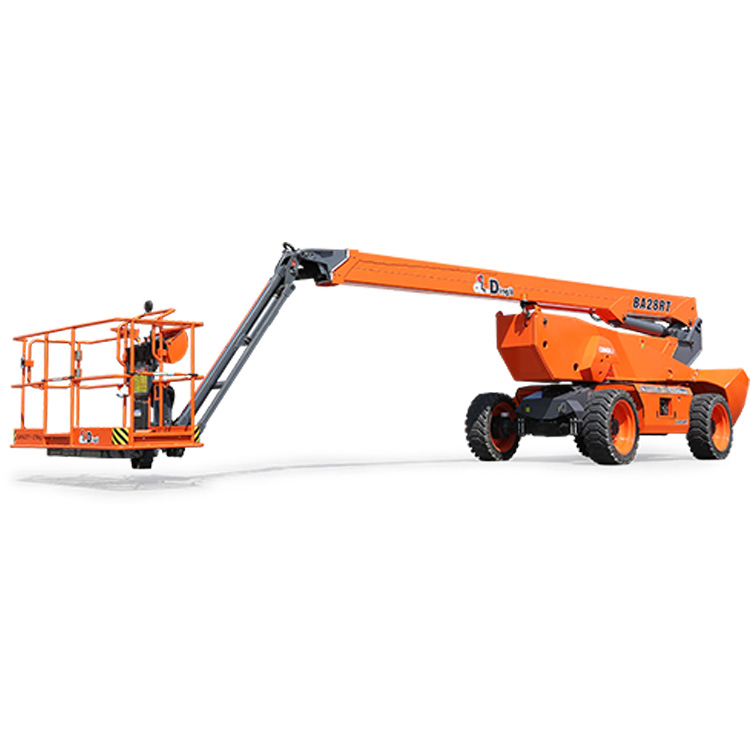
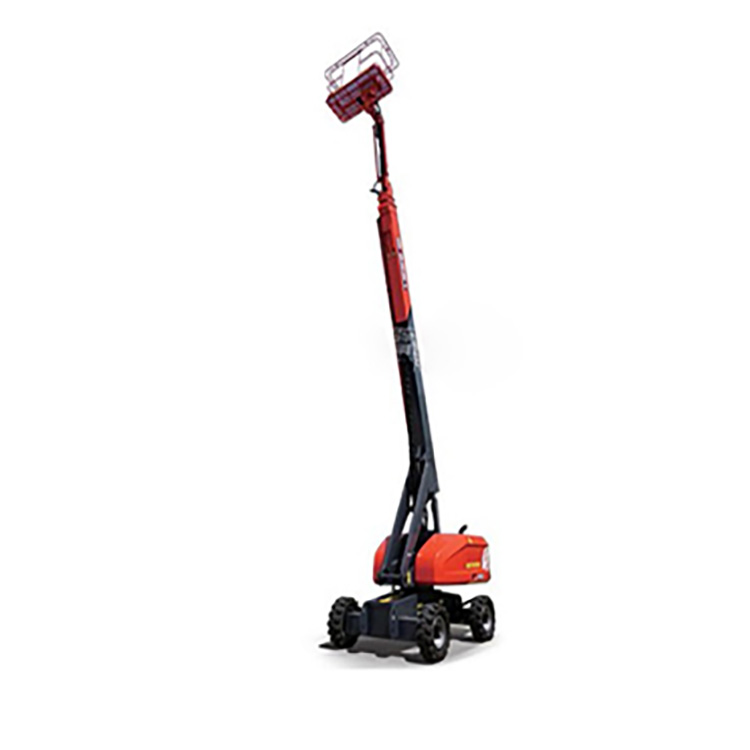
Control devices are installed both inside the operating bin and on the rotating seat, allowing for remote control of the engine's start/stop and high/low speeds. The movement of the control arm is controlled by an electro-hydraulic proportional valve, ensuring smooth operation. The working arm can rotate continuously 360° left and right, maintaining the level of the work slot automatically through a linkage mechanism. In case of a main pump failure, the emergency pump can be operated to lower the work slot. The product is equipped with night lighting and is capable of lifting heavy loads. It is widely used in high-altitude operations across various fields such as electricity, street lighting, municipal works, landscaping, communication, airports, shipbuilding (repair), transportation, advertising, photography, and more.