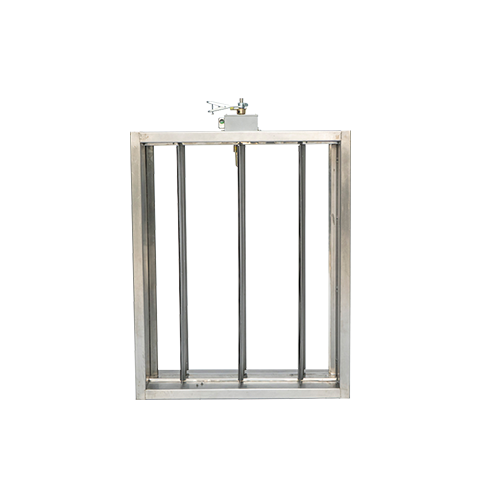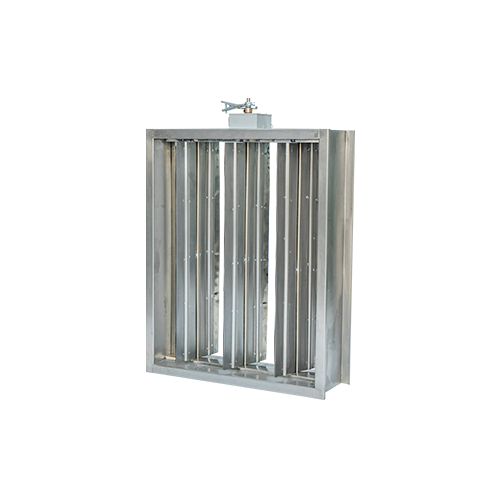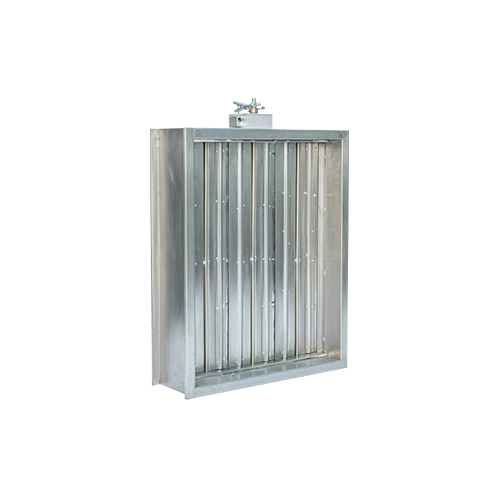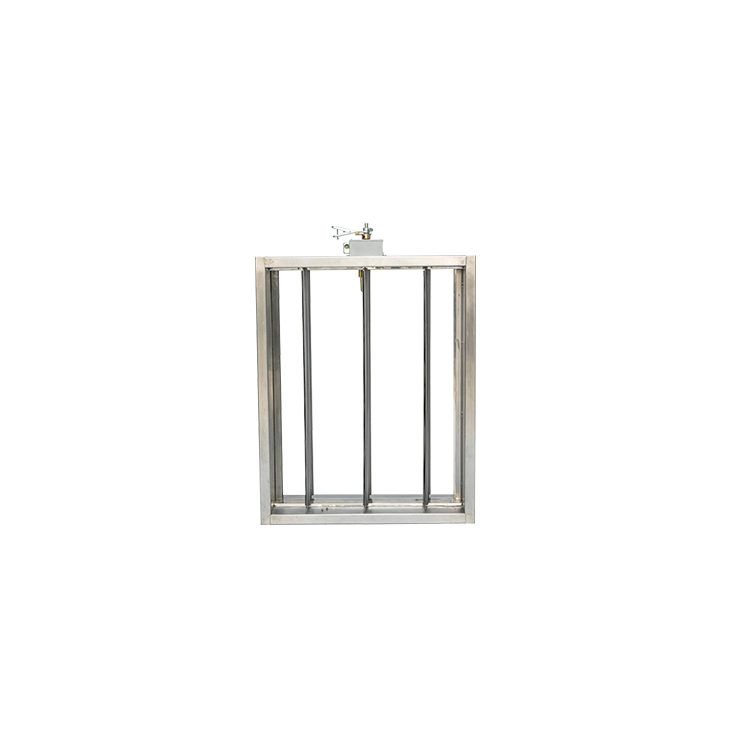

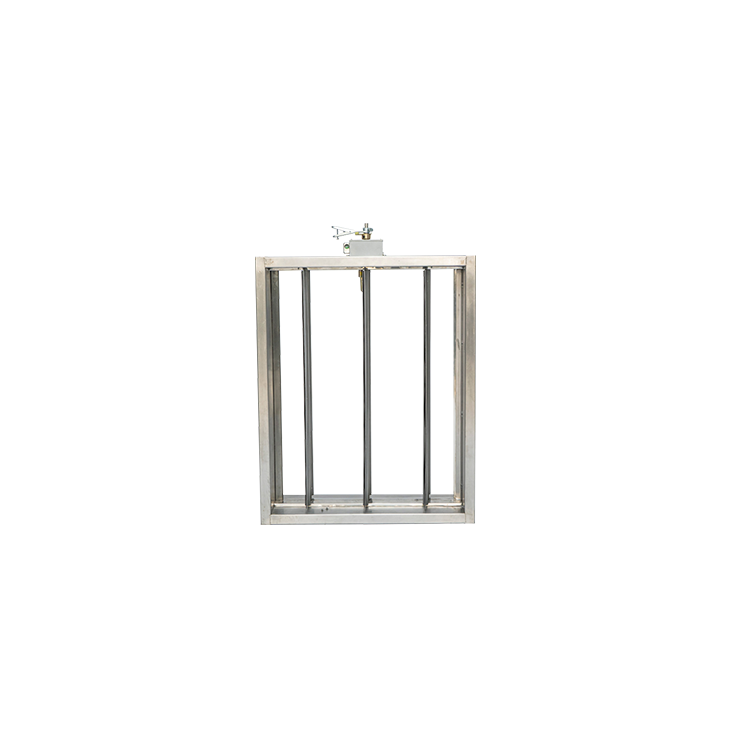

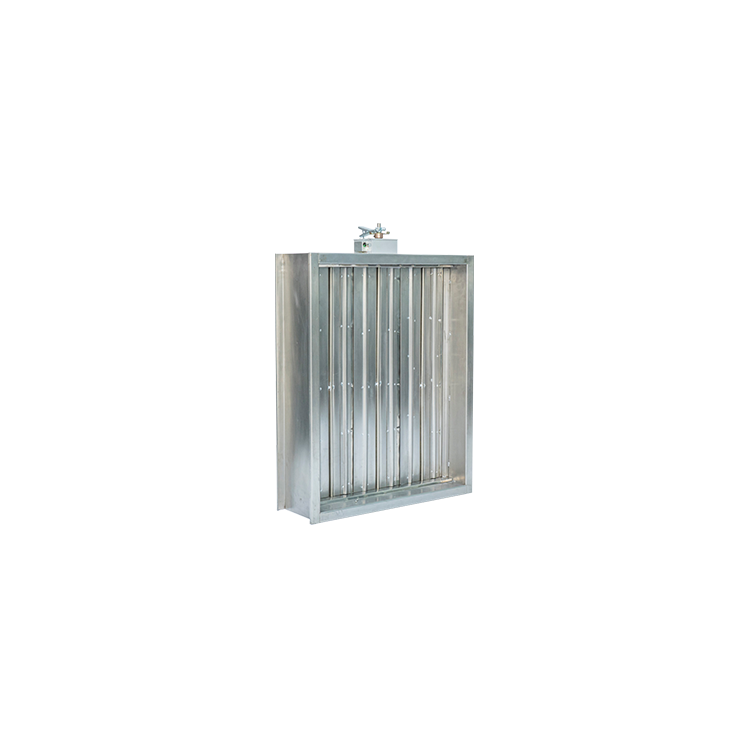









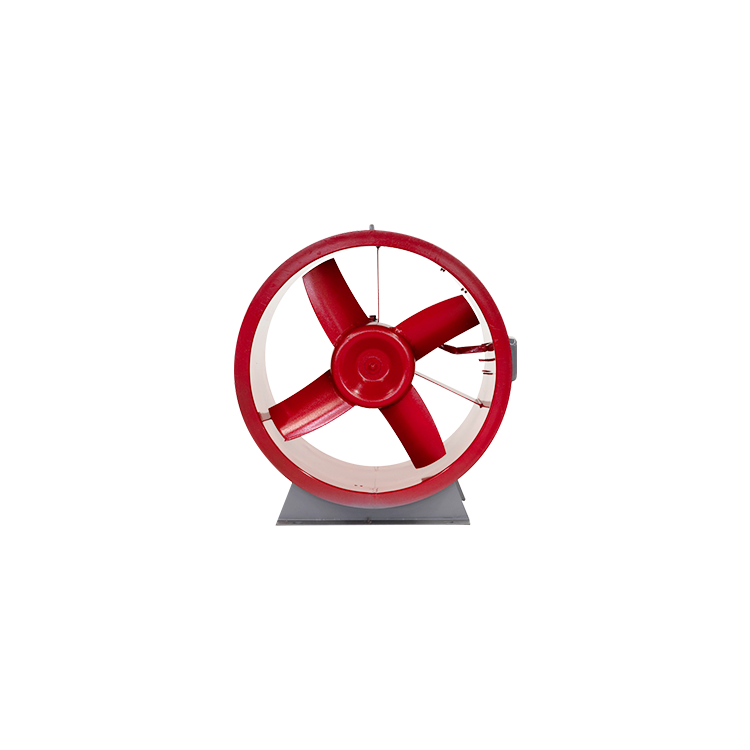
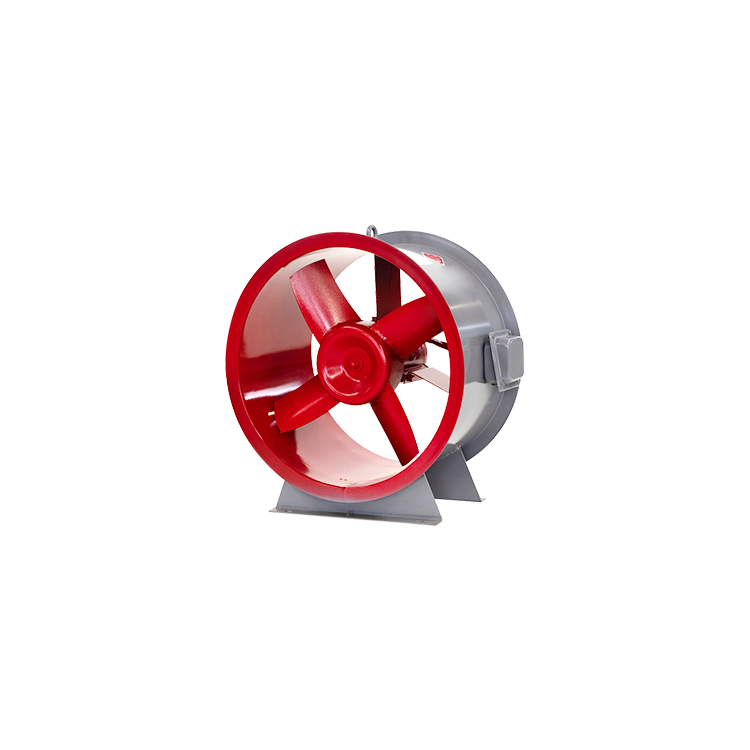
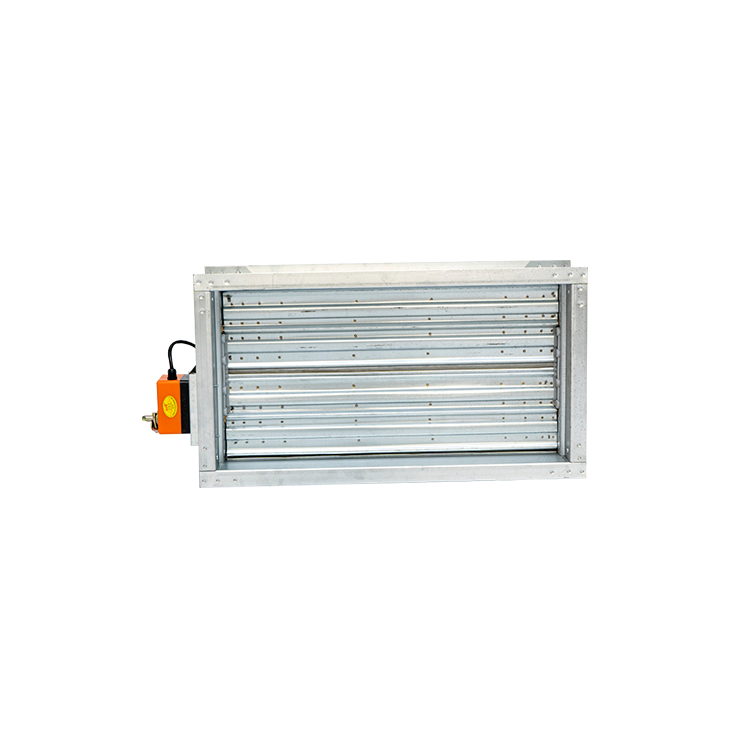
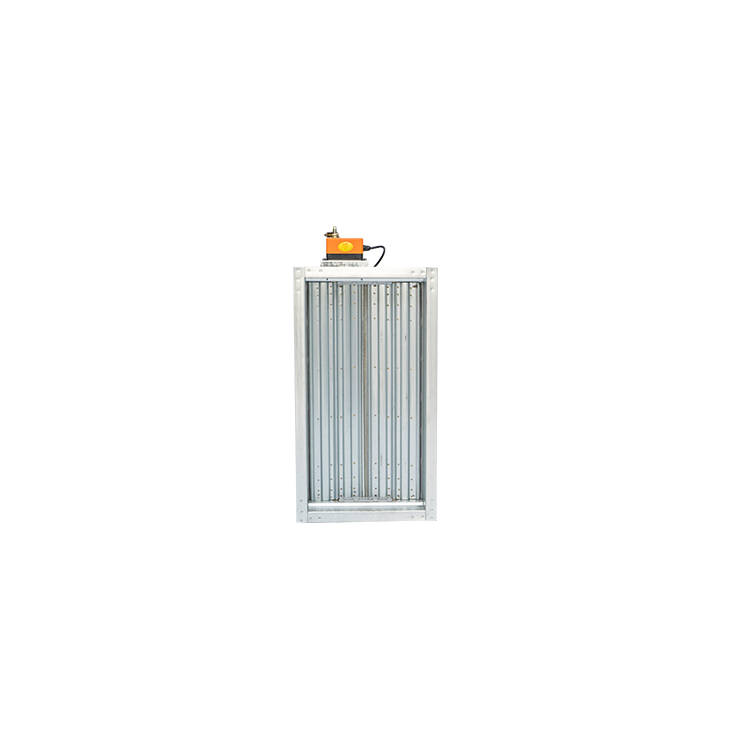
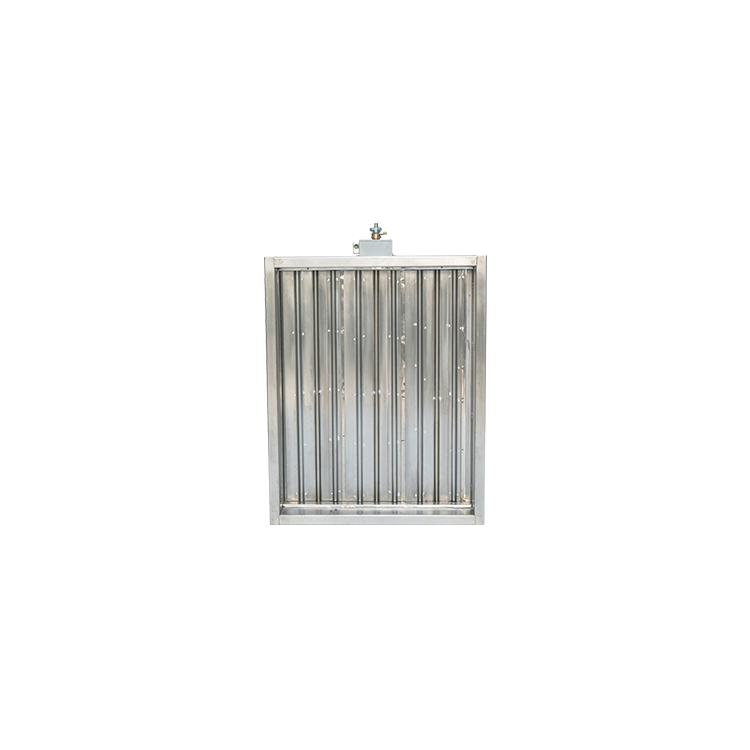
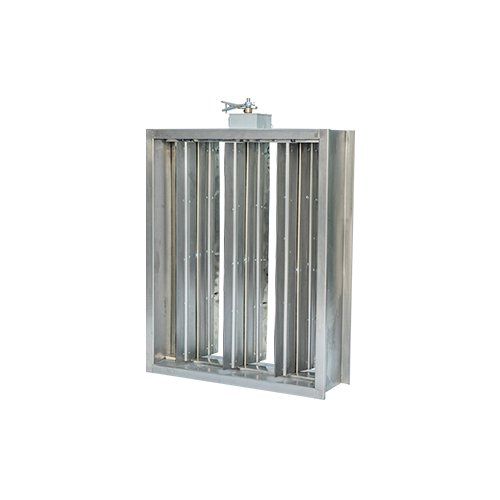
The fire damper can be interlocked with the ventilation fan and smoke exhaust fan.
2. The operating mechanism side of the valve should have a clear space of not less than 200mm for maintenance.
3. Before installing the valve, ensure that the operating mechanism is intact and functions smoothly and effectively.
4. Fire dampers should be installed in duct sections adjacent to walls or floors. The distance between the fire dampers on either side of the fire partition wall and the wall surface should not exceed 200mm. The piping and insulation materials within a 2.0m range on both sides of the fire dampers should be made of non-combustible materials.
5. Fire dampers should be supported by independent hangers and brackets to prevent pipeline deformation that may affect their performance during a fire.
6. The fuse link of the fire damper should be installed on the side facing higher fire hazard.
Selection Key Points
1. The main control parameters for selecting fire dampers are specifications, etc.
2. Fire dampers are suitable for ventilation and air conditioning systems. While fire dampers for kitchen exhaust systems in public buildings have an action temperature of 150°C, the action temperature for fire dampers in general ventilation and air conditioning systems is typically 70°C.
3. Fire dampers are suitable for pipes in ventilation, air conditioning, or exhaust systems; their basic functions and application scope are listed in Table 1.
4. When selecting valves, pay attention to their functions, such as whether they are normally open or normally closed, automatic on/off, manual on/off, manual reset, signal output, and remote control requirements.