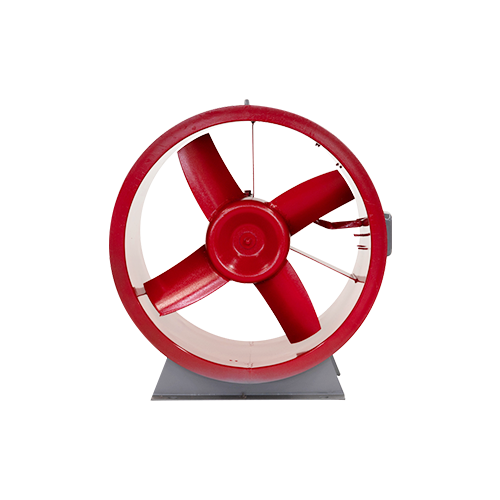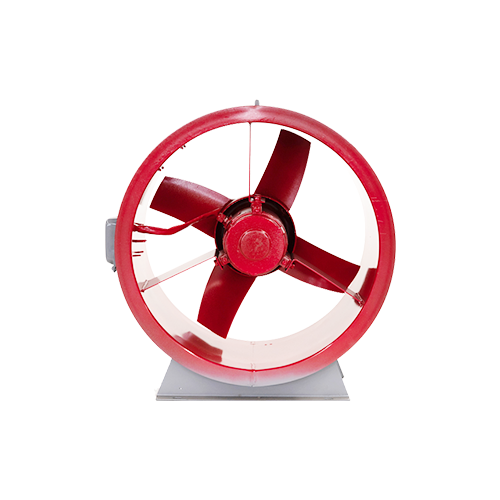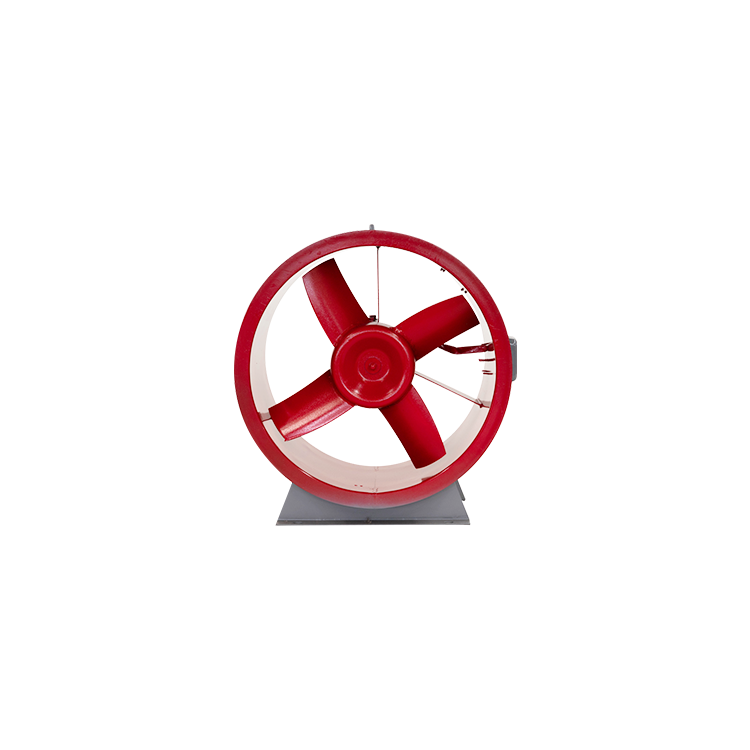

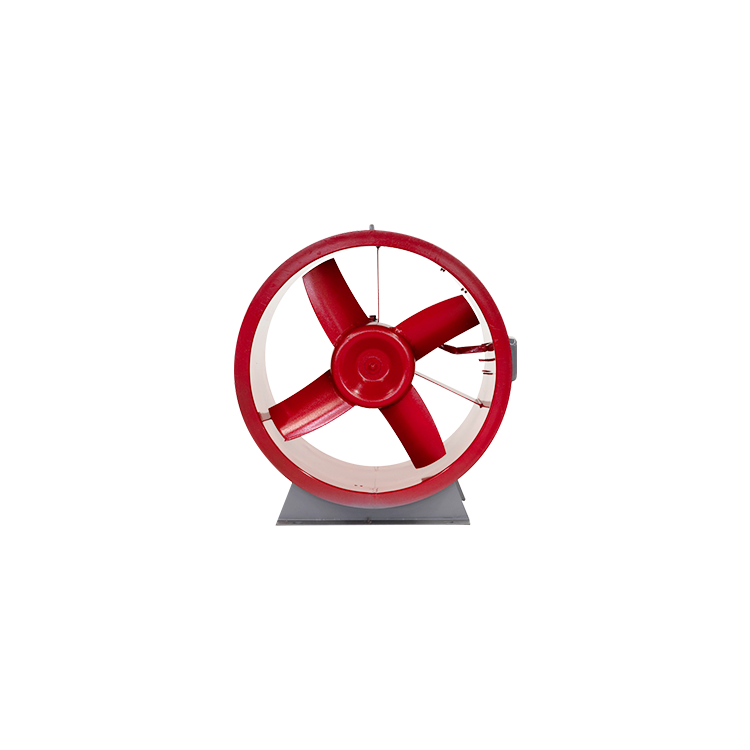
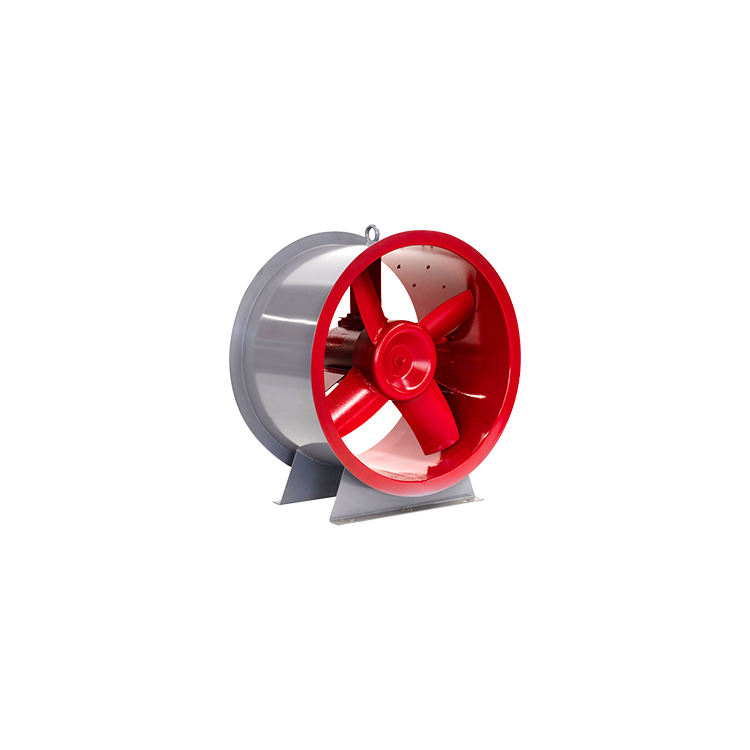
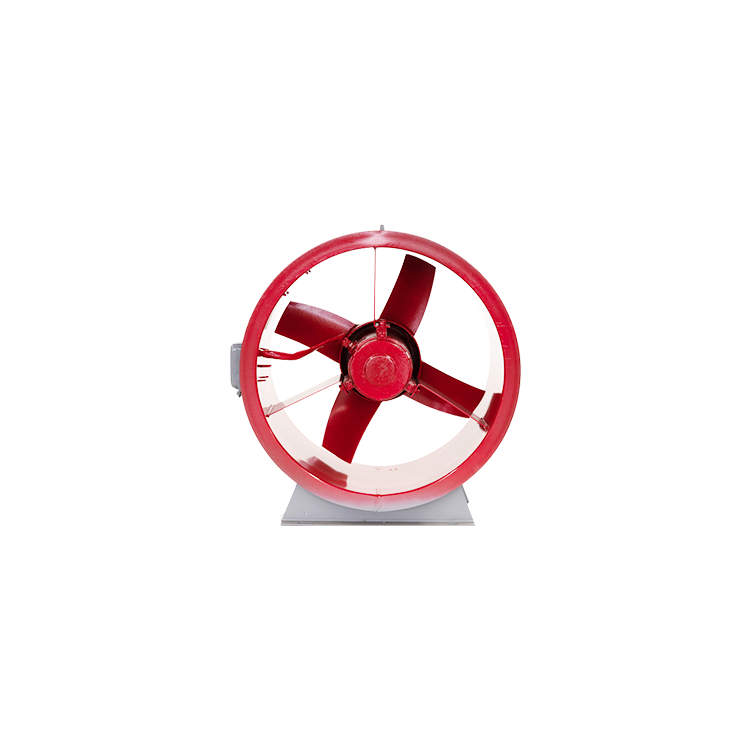







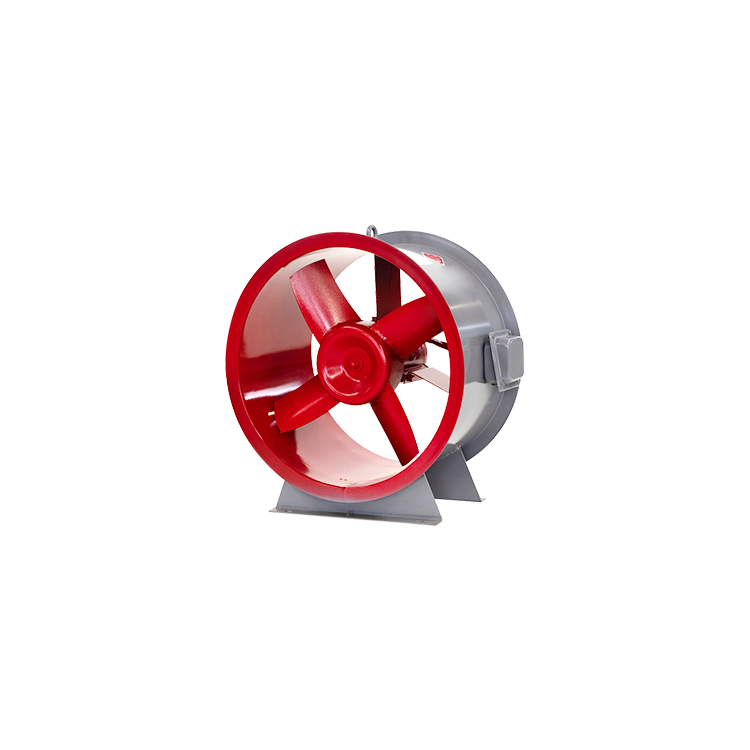
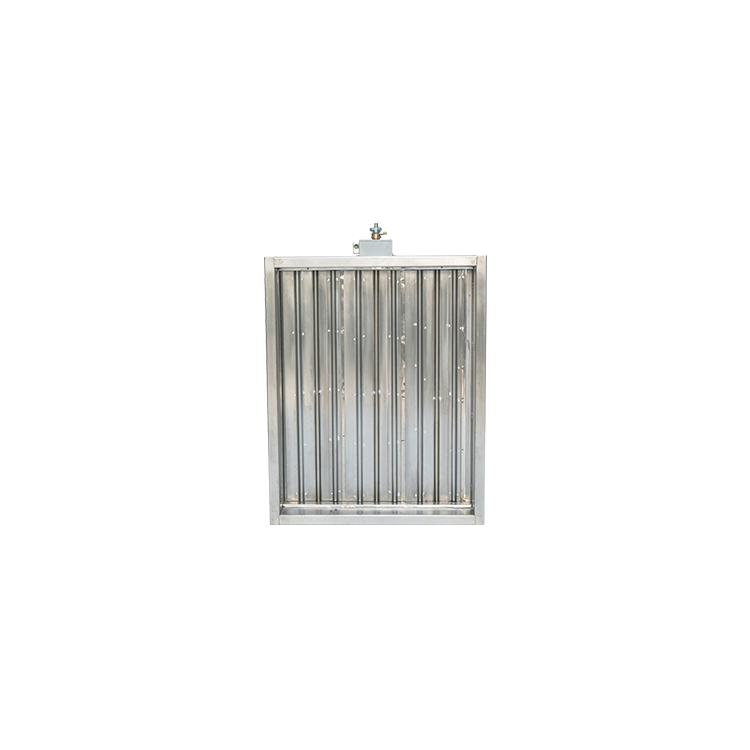
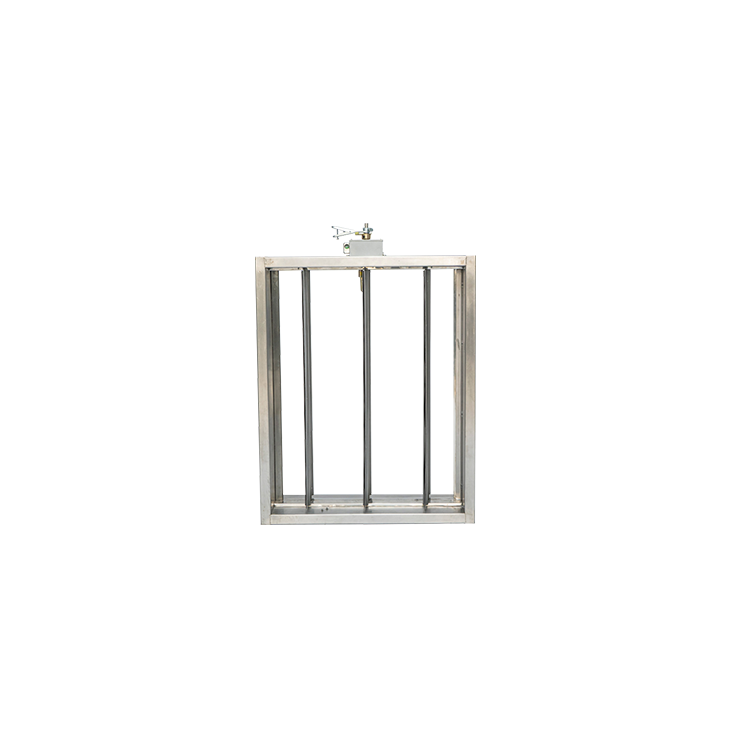
Axial Flow High-Temperature Fire Exhaust Fan
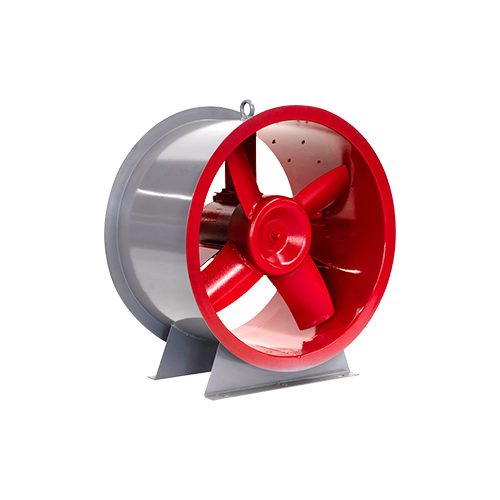
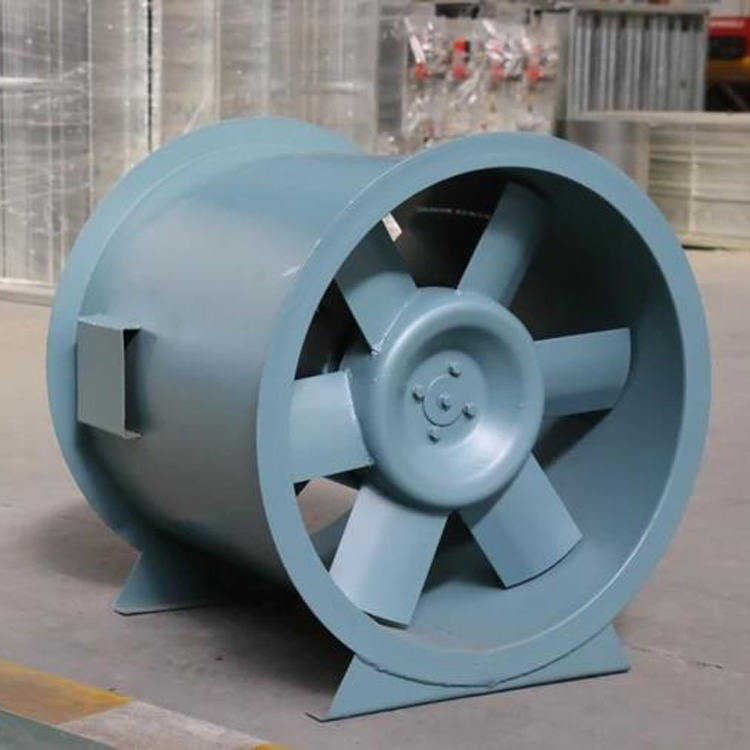
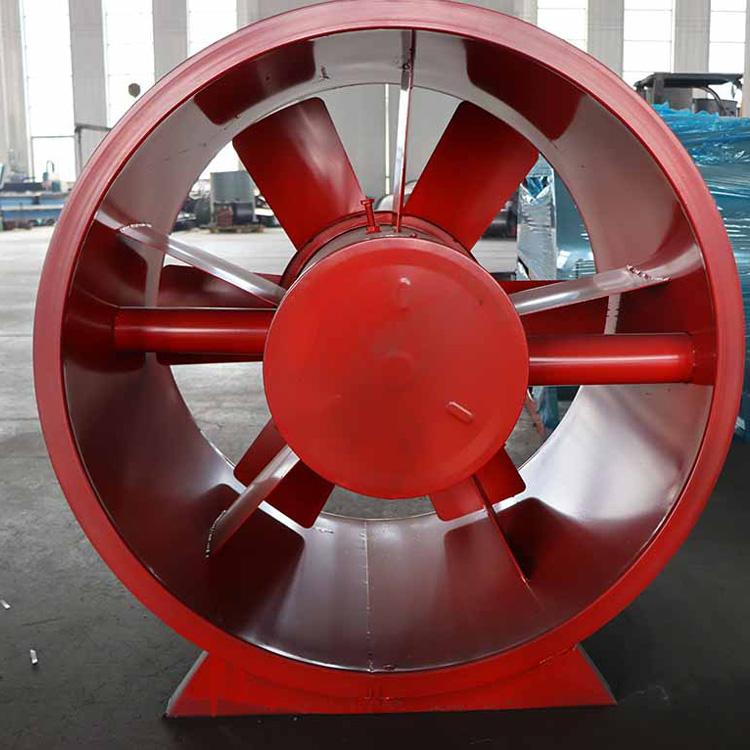
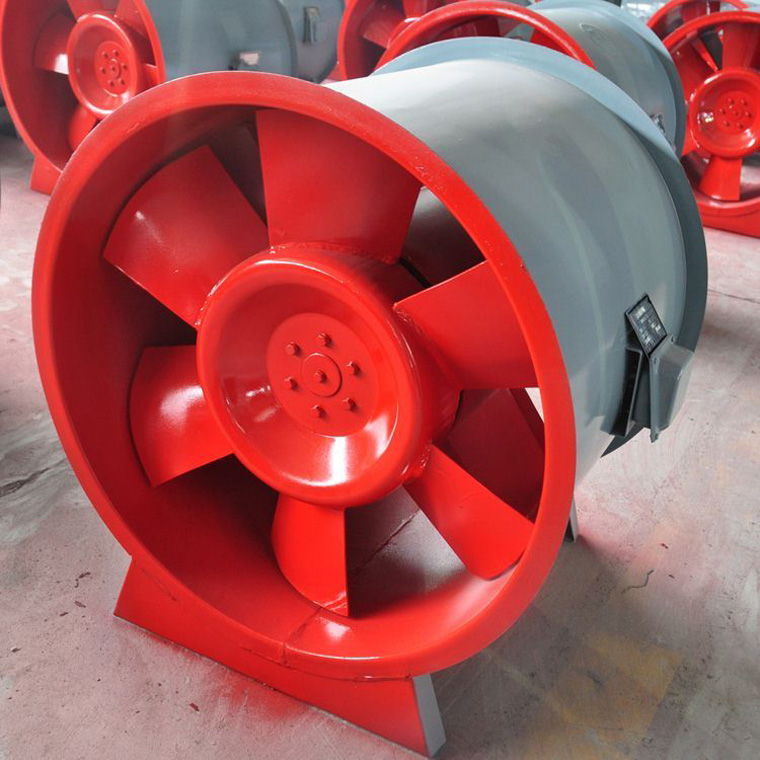
The HTF series high-temperature fire exhaust fans are a new product developed by our company in accordance with the fire prevention regulations for civil architectural design, integrating domestic and international similar products. Having passed the inspection of the National Fixed Fire Extinguishing and Fire-Resistant Component Quality Supervision and Inspection Center and obtained fire product certification in accordance with national regulations, the certification has now been issued, fully meeting the customers' usage and acceptance requirements.
This product is suitable for high-rise buildings, underground structures, tunnels, and bake houses for ventilation, air exchange, or high-temperature smoke exhaust.
This product boasts the following advantages compared to similar products:
Utilizing trinary twisted vanes and leading vanes to ensure gas flow meets spatial flow requirements.
After numerous trials, the product achieves lower noise levels while maintaining performance.
Utilizing large-width arc-shaped blades for a high-pressure coefficient in the product.
The rainproof structure of our roof fire ventilator has been granted a national patent, effectively preventing water intrusion.
Our HTF fire exhaust fan features a dual-channel design with motor cooling and main airflow mixing at the inlet of the fan impeller. This not only cools the motor but also allows the heated gases to exit through the main duct, improving the external environment of the duct; when the exhaust function is not considered, this high-temperature fire exhaust fan can be used as a standard axial flow fan.
Product Code Descriptions: HTF-S, X, W-I, II, III-№
HTF refers to the Fire Exhaust Axial Fan
S——refers to the high-temperature fire exhaust fan being compatible with a dual-speed motor
X refers to the high-temperature fire exhaust fan that can be equipped with a silencer.
W—refers to the high-temperature fire exhaust fan being a vertical structure, suitable for roof exhaust
I, II, III - Divided by air volume and pressure: Atmospheric type includes I type, II type (dual speed), and medium pressure type includes PYHL type.
№ indicates the machine number, multiplied by 100 to obtain the impeller diameter (mm).