












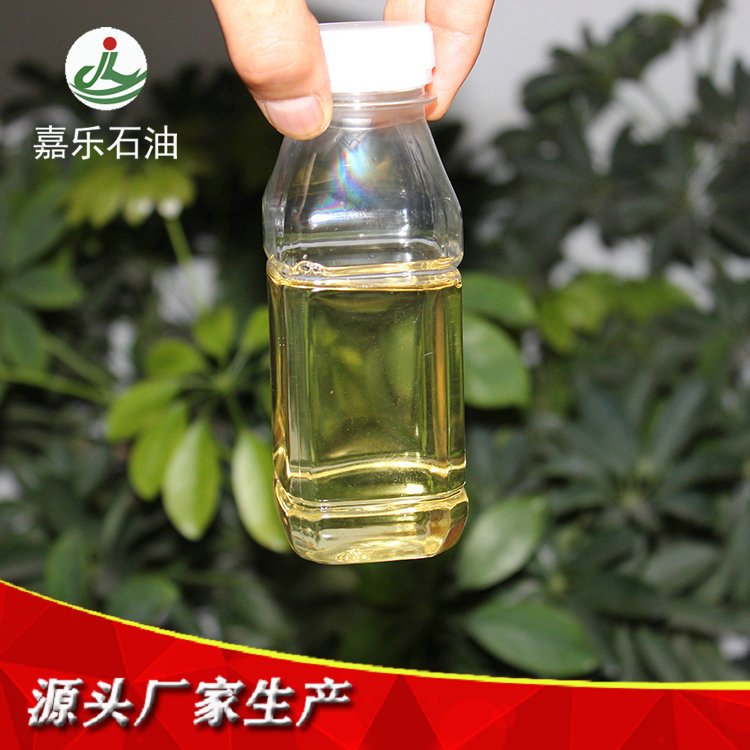

Rubber Oil
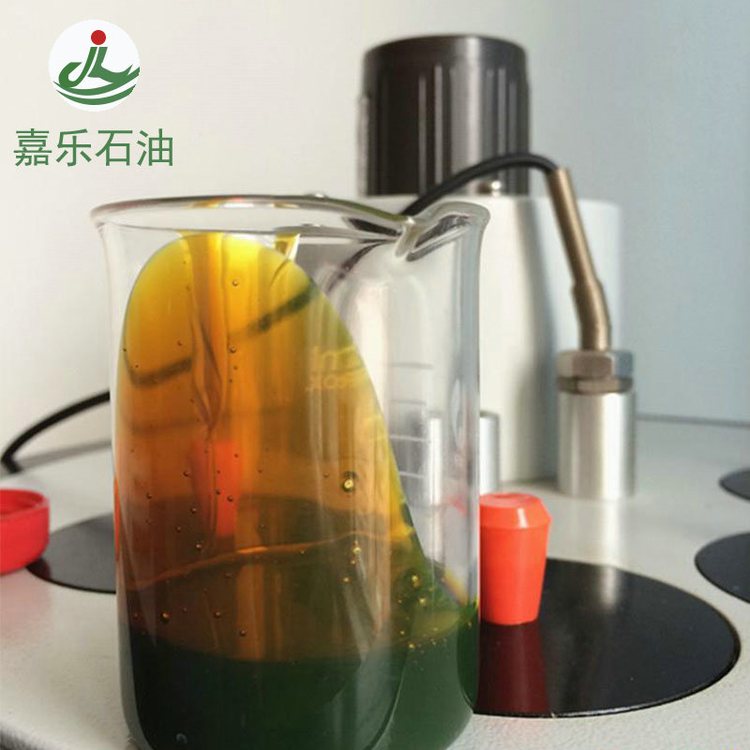
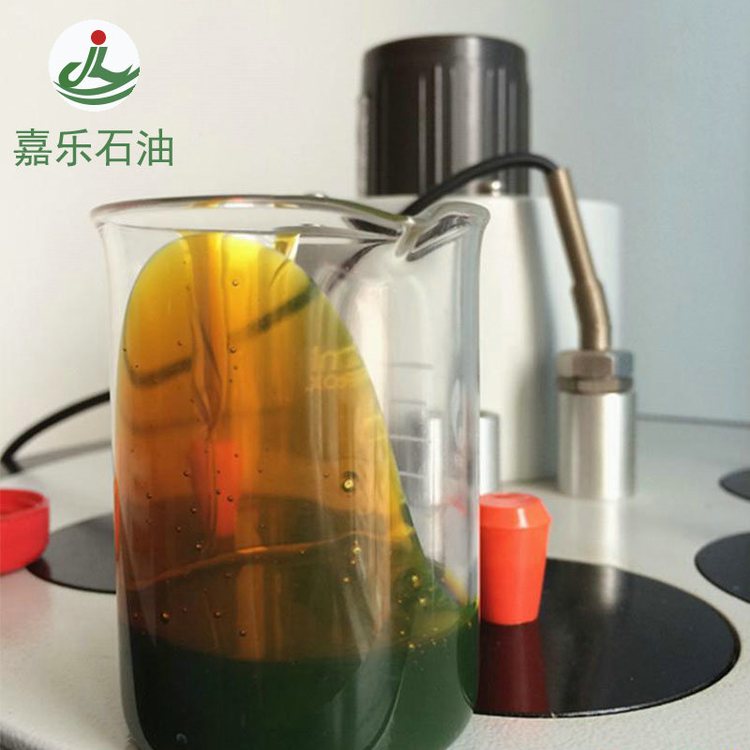
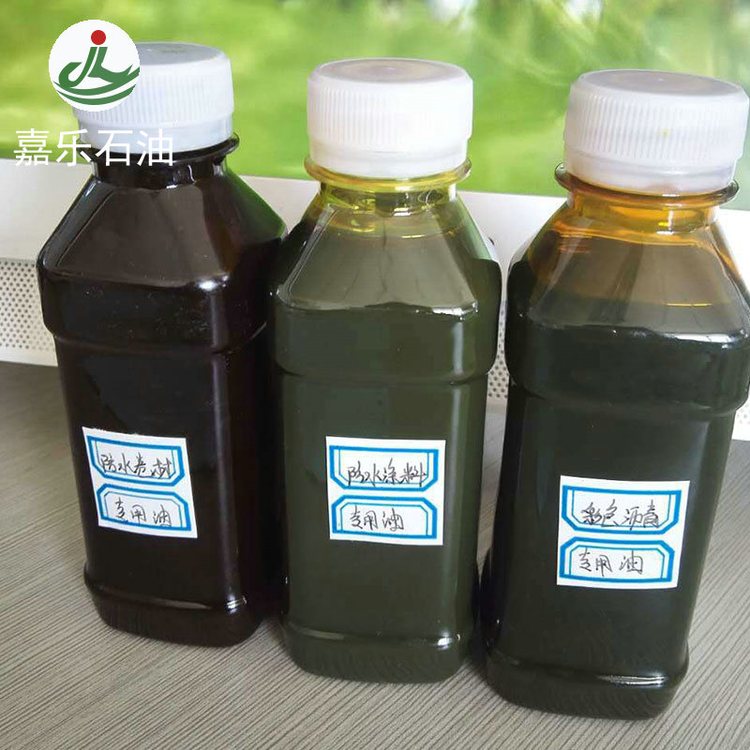
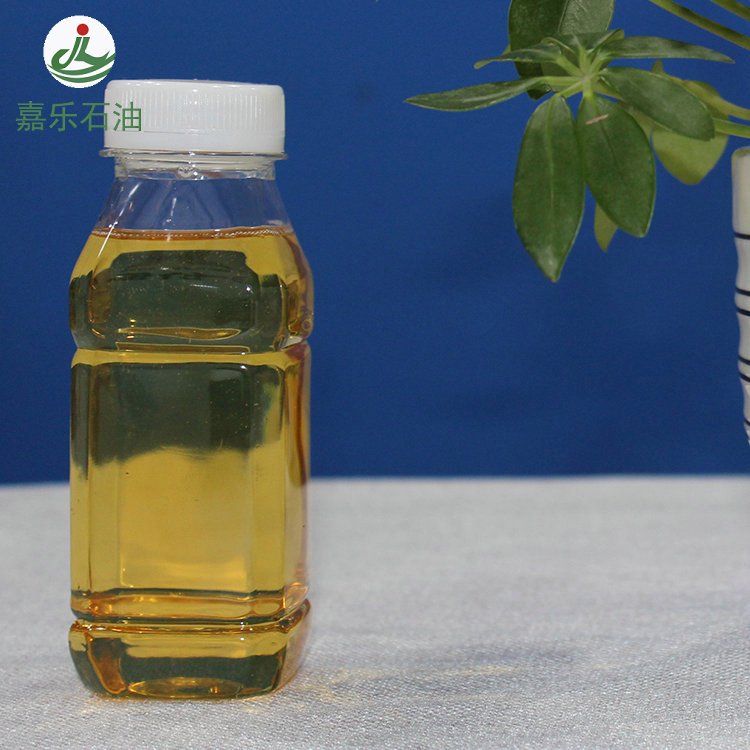
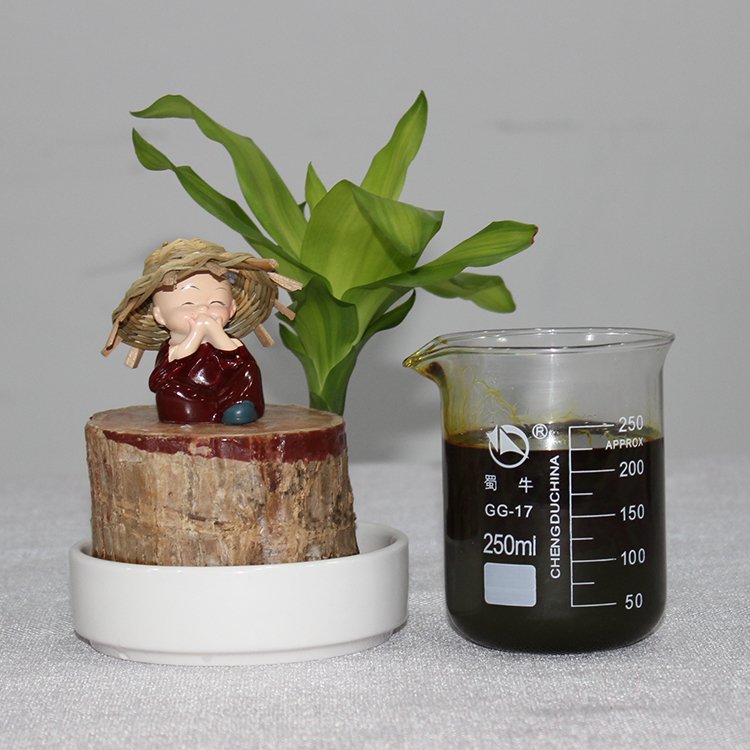
To enhance the elasticity, flexibility, workability, and blending ease of rubber, it is typically necessary to add specific rubber oils to achieve this. In the actual use of rubber oils, due to varying applications and industries, there are many specific differences in the required physical and chemical properties, leading to numerous names and brand numbers. For instance, based on the molecular structure and composition differences of the mineral oil itself, they can be categorized as paraffin-based rubber oil, naphthenic-based rubber oil, and aromatic-based rubber oil, etc. Additionally, depending on the intended use, they can be referred to as rubber filling oil, rubber operating oil, and rubber softener, among others.
Rubber Oil Classification
Rubber oils are categorized into four main types: petroleum-based, turpentine-based, coal tar-based, and fatty oil-based rubber oils. Petroleum-based rubber oils have a larger reserve, are easier to process, offer excellent plasticizing effects, and are cost-effective.
Petroleum-based rubber oils are categorized into three types: paraffin-based, naphthenic-based, and aromatic-based.
The tire industry currently uses a significant amount of aromatic rubber oil due to its good compatibility with rubber, enhancing its elongation and tensile properties. However, with economic development and increased environmental awareness, the EU is gradually imposing restrictions on the use of non-environmentally friendly aromatic oils, primarily due to their carcinogenic nature.
Naphthenic rubber oil is a new type of rubber oil that can serve as a substitute for aromatic rubber oil, with minimal differences in performance and is environmentally friendly with no pollution.
Rubber Oil Product Performance
Rubber oil serves as both a softener and requires good compatibility and affinity with rubber. It reduces the consumption of mixing power during the rubber processing, promotes even dispersion of various additives, and enhances the elongation and resilience of vulcanized rubber. In summary, its primary functions include softening, plasticizing, adhesive enhancing, reinforcing, and anti-aging.
Rubber Oil Applications
Significantly reduces the interaction force between rubber molecular chains, allowing the powdered blending agent to effectively wet the raw rubber, thereby improving the blending process.
Rubber Oil Storage Packaging
Rubber oil is typically a liquid or semi-liquid, classified as hazardous material. It should be stored in a rainproof, well-ventilated, light-proof, and dry location (particularly important).
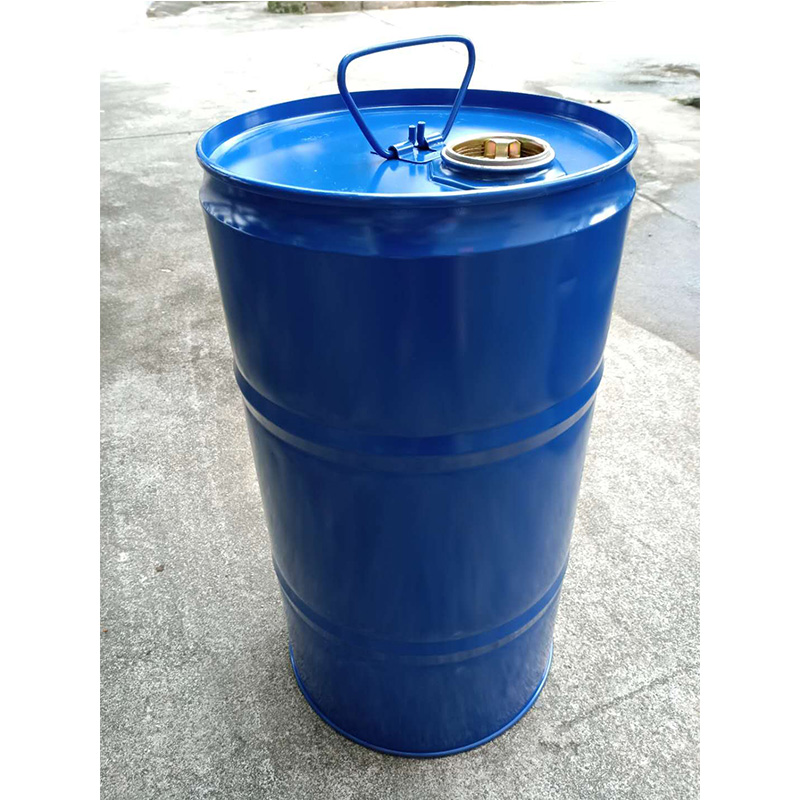
Packaging specifications vary (steel drums, plastic drums, plastic bags, etc.).