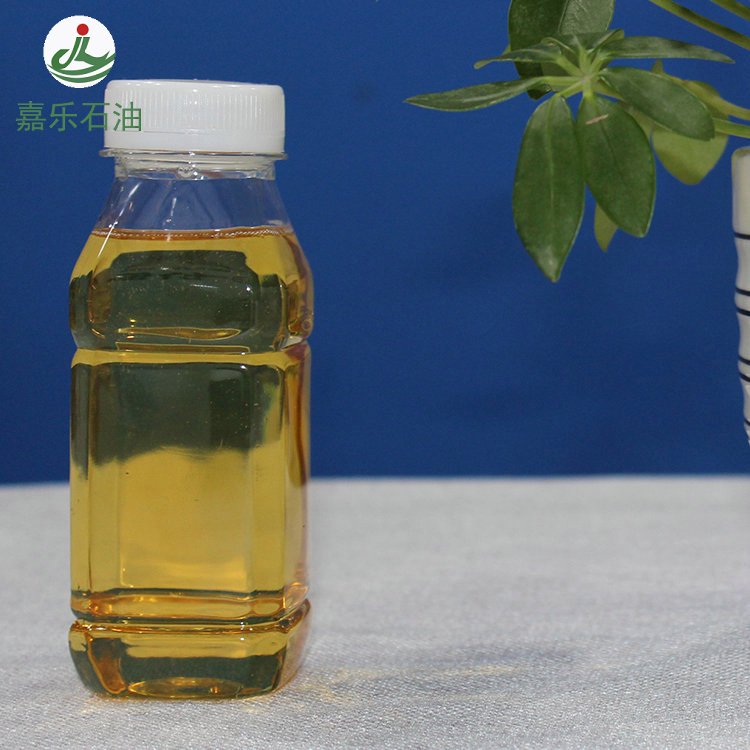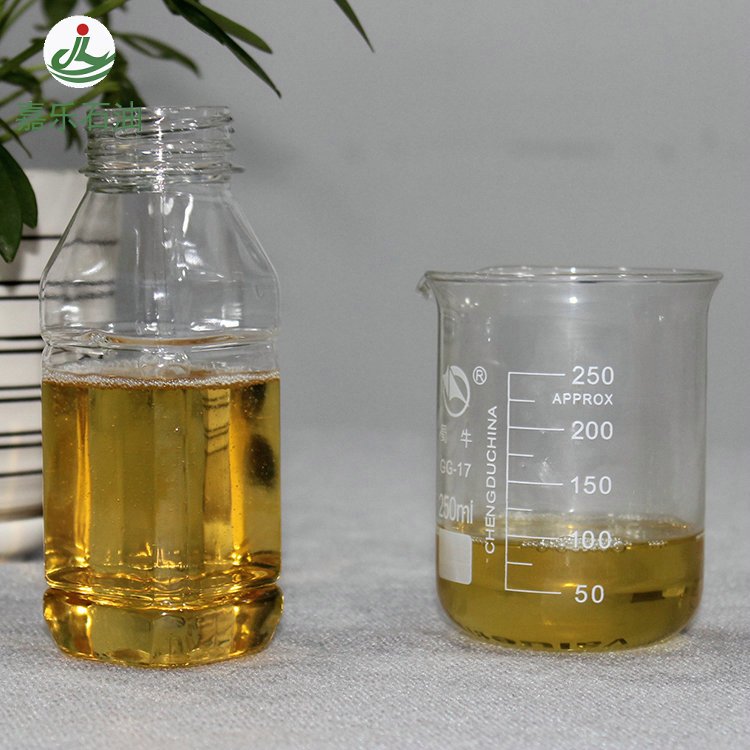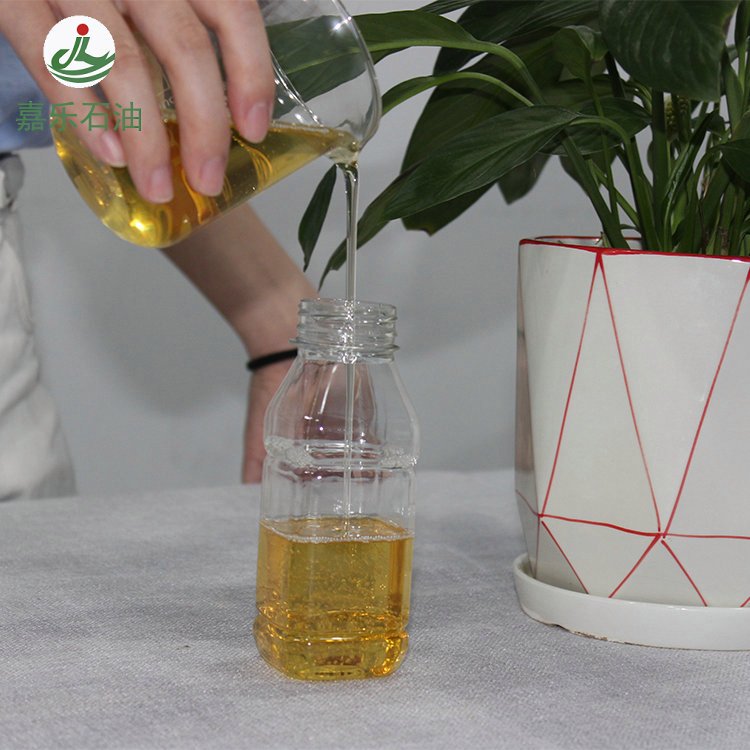

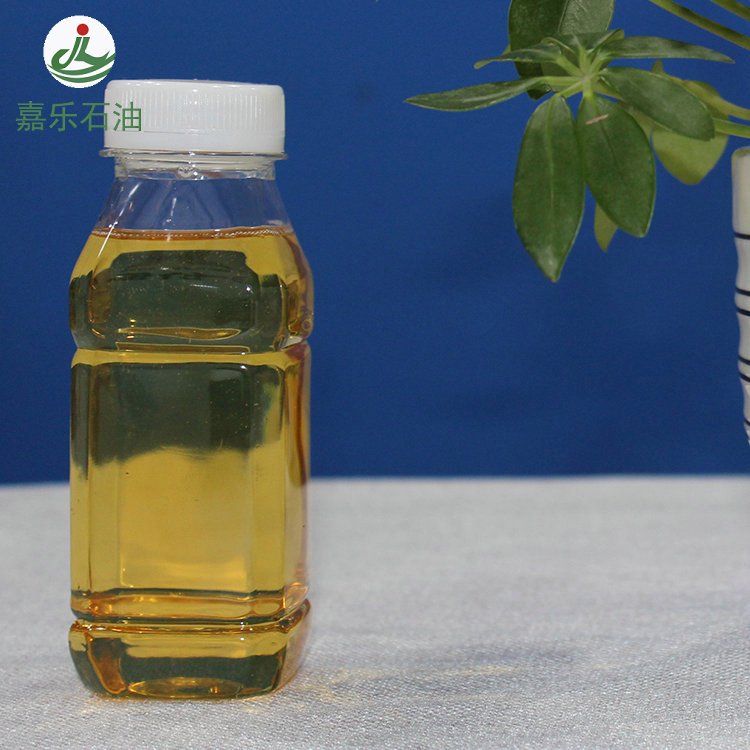
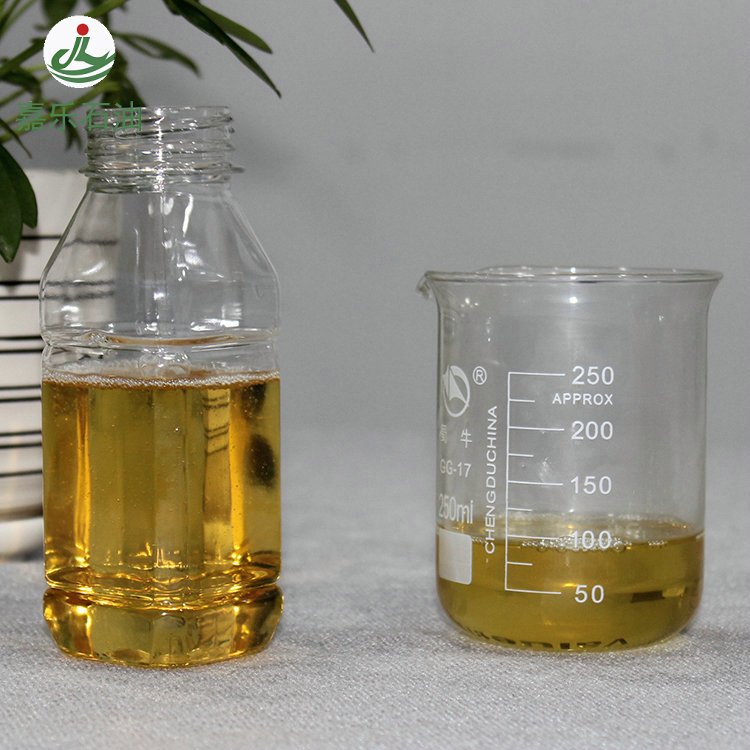
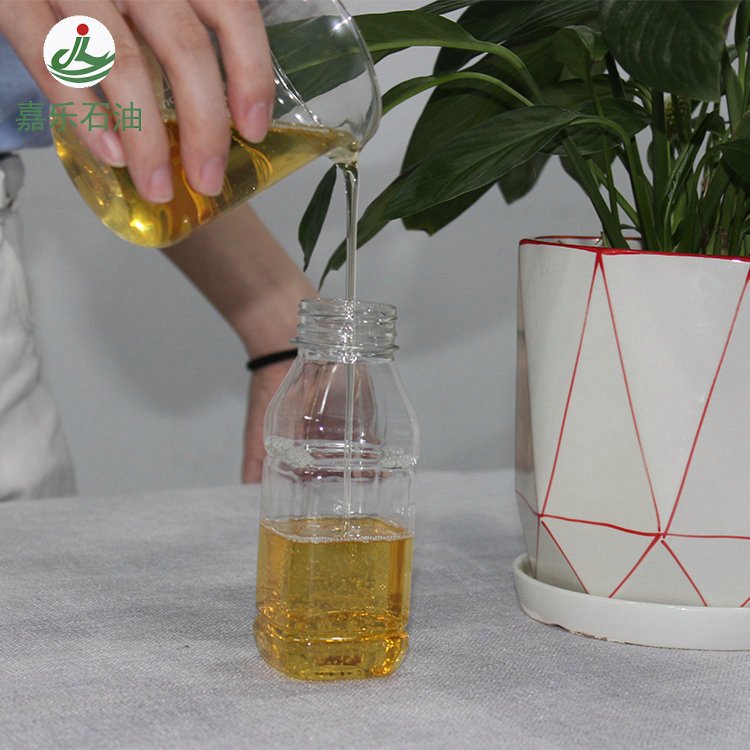








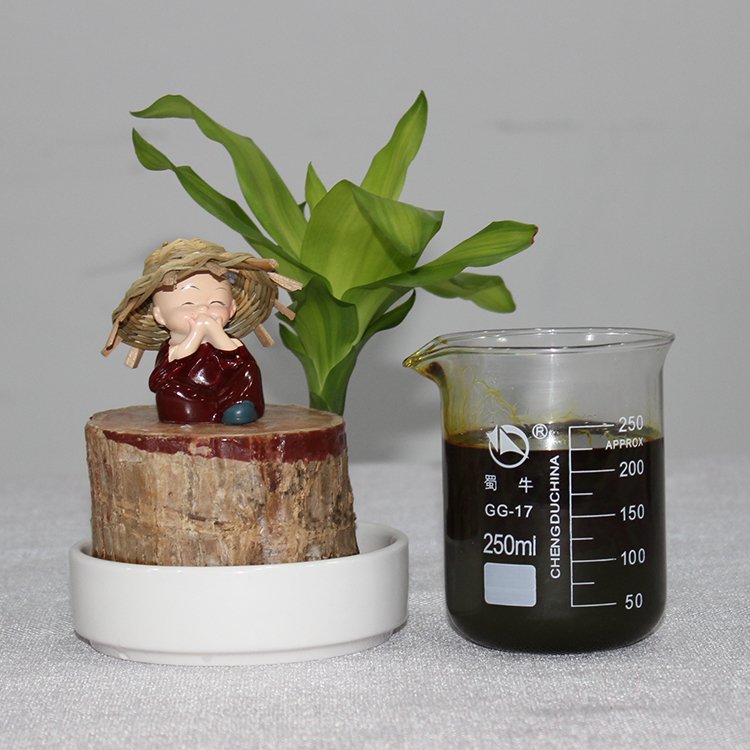
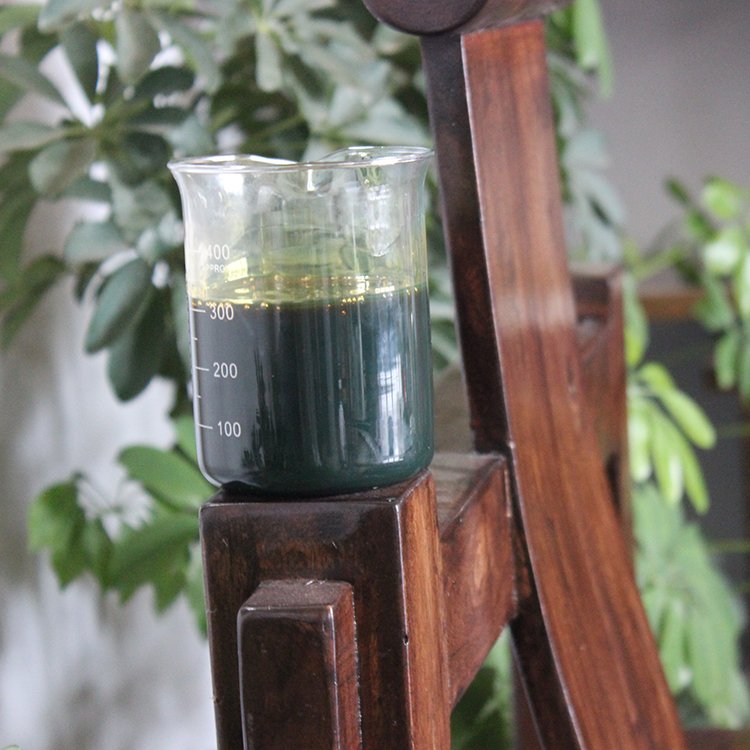
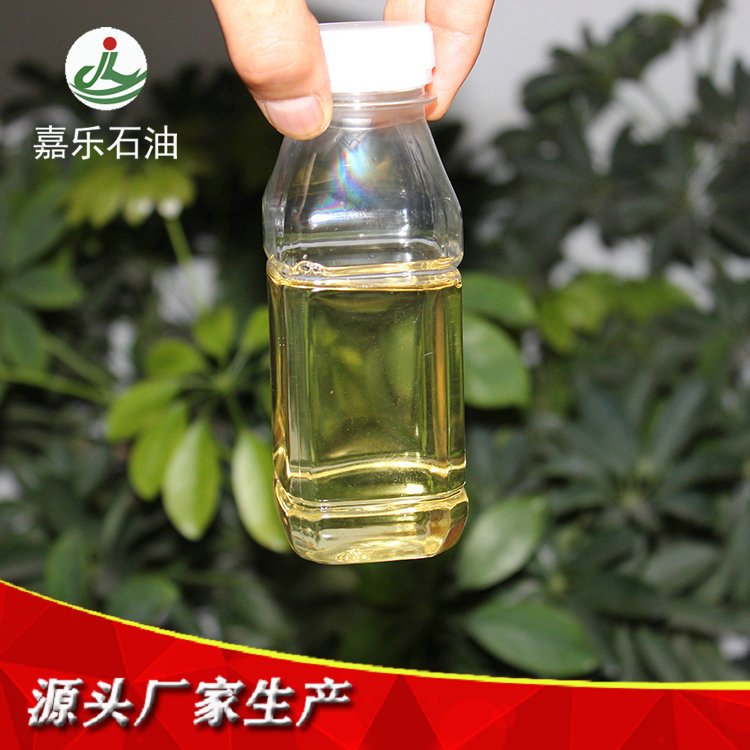
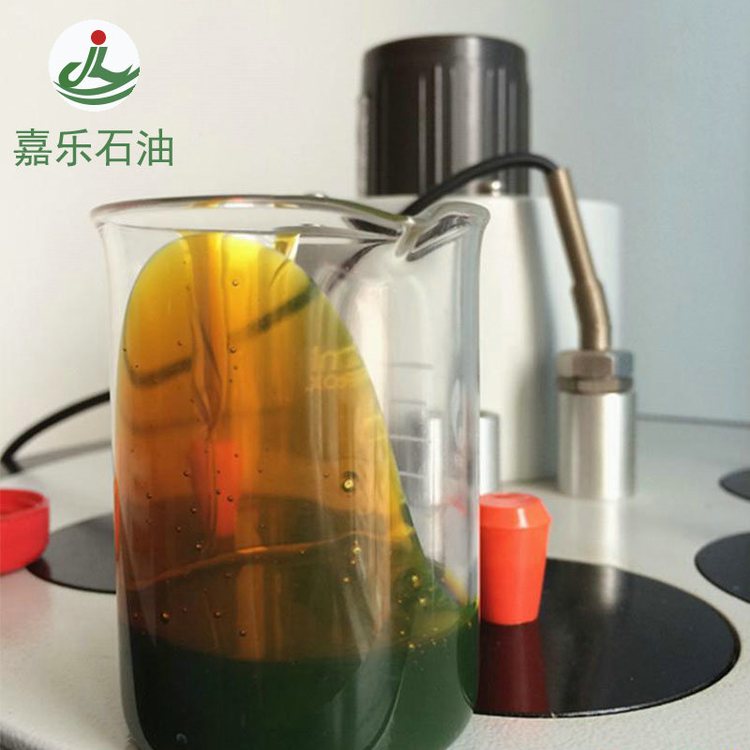
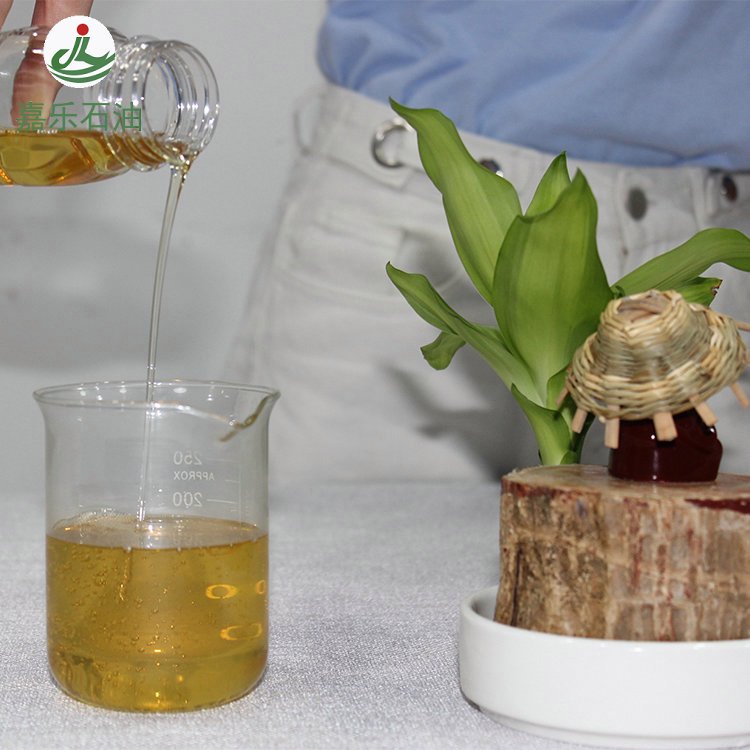
Plasticizers, also known as塑化剂, are substances added to polymer materials to enhance their plasticity. Their primary function is to weaken secondary bonds between resin molecules, increasing their mobility, reducing the crystallinity of the resin molecules, thereby increasing the malleability of the resin molecules, making them more flexible and easier to process.
There are many types of plasticizers, including phthalates, aliphatic dicarboxylic esters, fatty acid esters, benzoic acid esters, polyhydric alcohol esters, epoxides, alkyl sulfonates, and more. These plasticizers are widely used in materials such as plastic products, concrete, mortar, cement, plaster, cosmetics, and detergents. Particularly in polyvinyl chloride plastic products, phthalate-type plasticizers are often added to enhance the plasticity and strength of the plastic, sometimes accounting for up to 50% of the product's content.
Please note that while plasticizers are widely used in many industrial productions, certain plasticizers, particularly some phthalate compounds, may have negative impacts on human health and the environment. Therefore, caution is required when using these substances, and relevant safety regulations and environmental protection laws must be adhered to.