









Chlorinated paraffin is a chlorinated derivative of paraffin hydrocarbons, featuring low volatility, flame retardancy, good electrical insulation properties, and cost-effectiveness. It can be used as a flame retardant and a plasticizer for polyvinyl chloride. It is applied in the production of cable materials, flooring materials, hoses, artificial leather, rubber products, and more. Additionally, it serves as an additive in coatings and lubricants.
Chlorinated Paraffin (70%); Chlorinated Paraffin 52%; Chlorinated Paraffin 60%; Chlorinated Paraffin (40%); Alkanes, C22-40, chloro; 1,2,3,4,6,7,10-heptachlorododecane; 2,5,8,11,14,17,20-heptachlorotricosane; 4,8,11,14,17,21-hexachlorotetracosane
CP (e.g., Chlorinated Paraffin 42 is referred to as cp42, Chlorinated Paraffin 52 as cp52, Chlorinated Paraffin 70 as cp70)
Paraffin Wax Chlorinated [1]
CASNO.63449-39-8;106232-86-4
Alkyl Chlorides
EINECS264-150-0
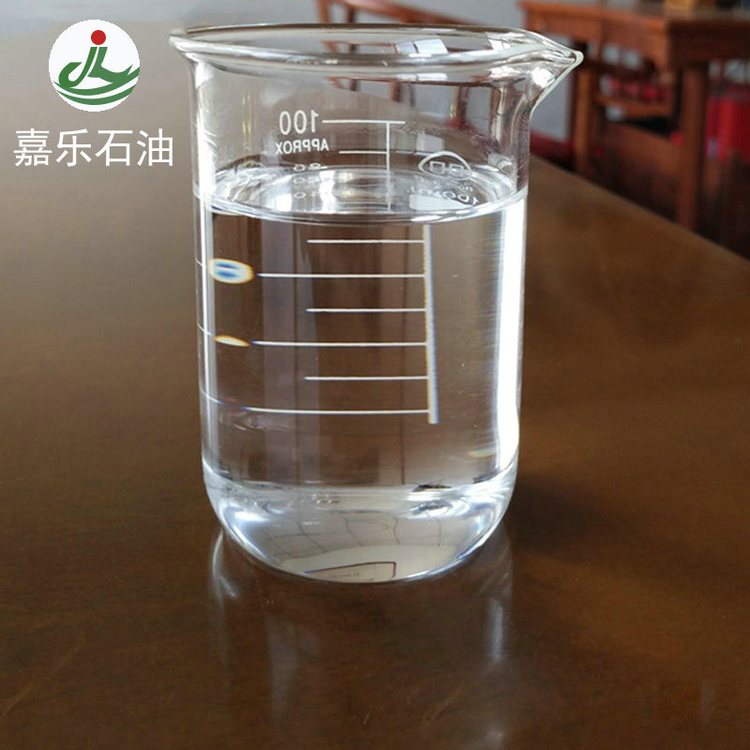
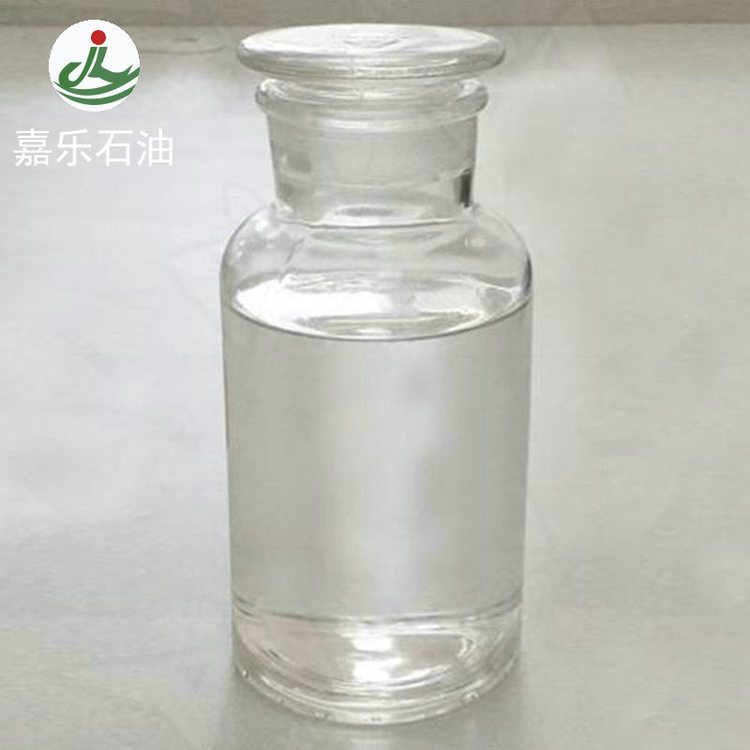
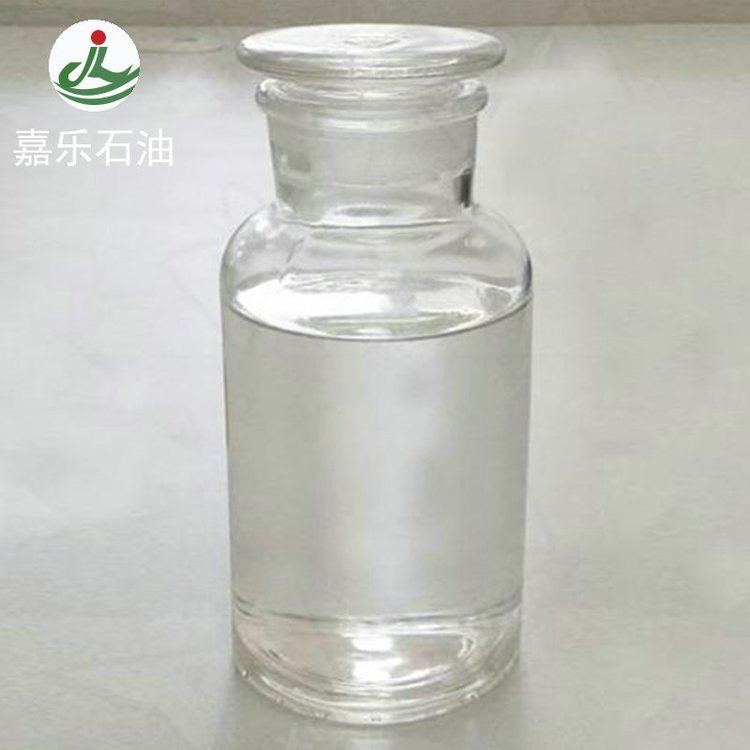
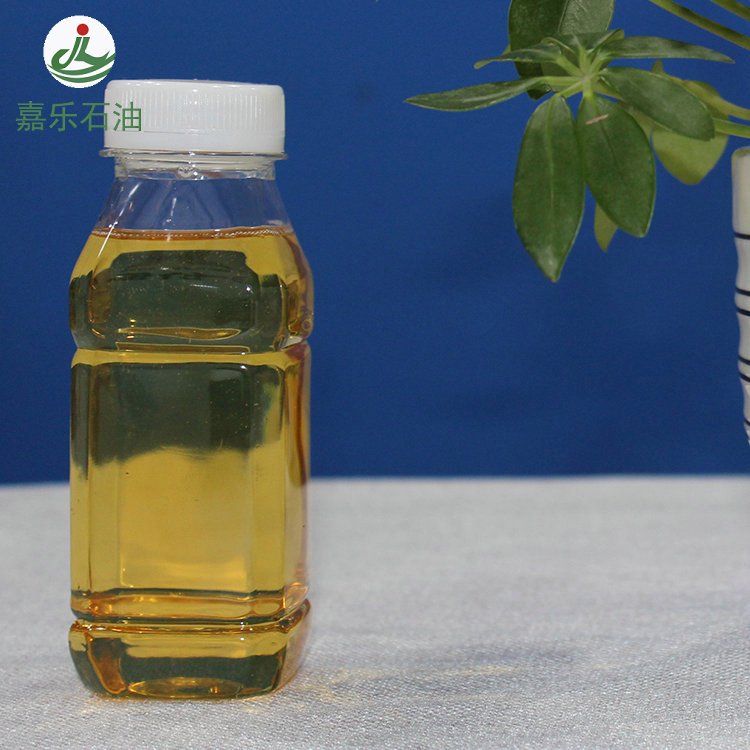
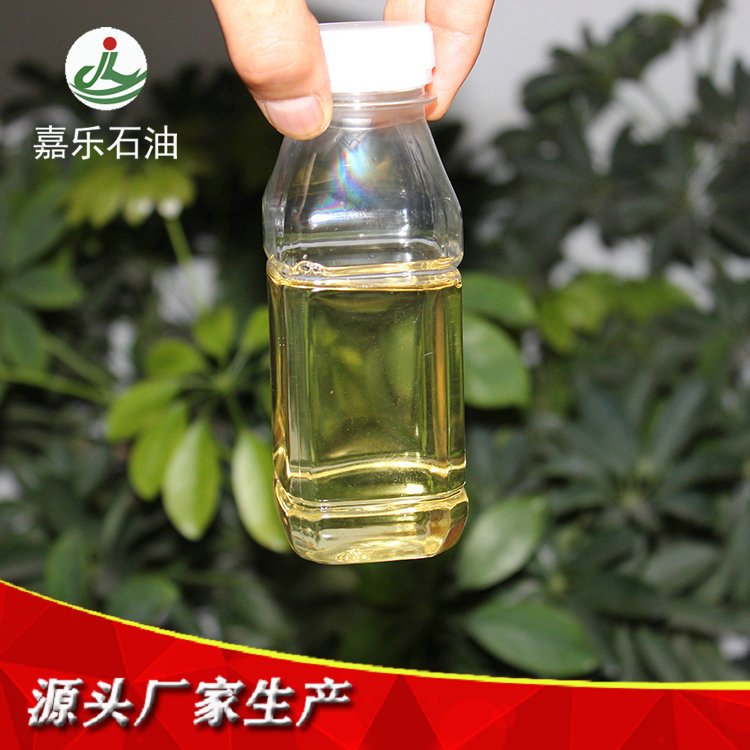
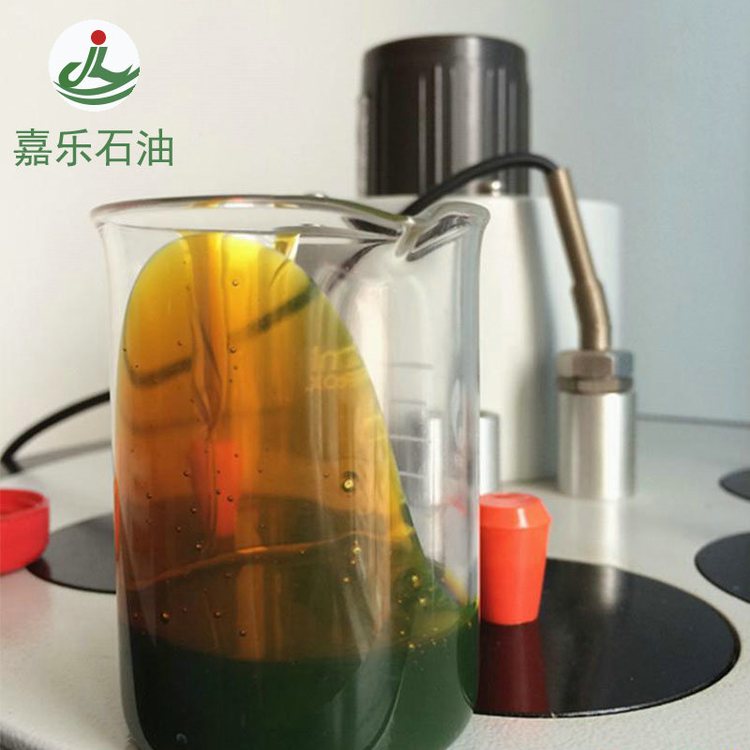
Paraffin wax chlorinated 42 is a light yellow, thick liquid. Its freezing point is -30°C, relative density is 1.16 (25/25°C), and it is insoluble in water but soluble in organic solvents and various mineral oils.
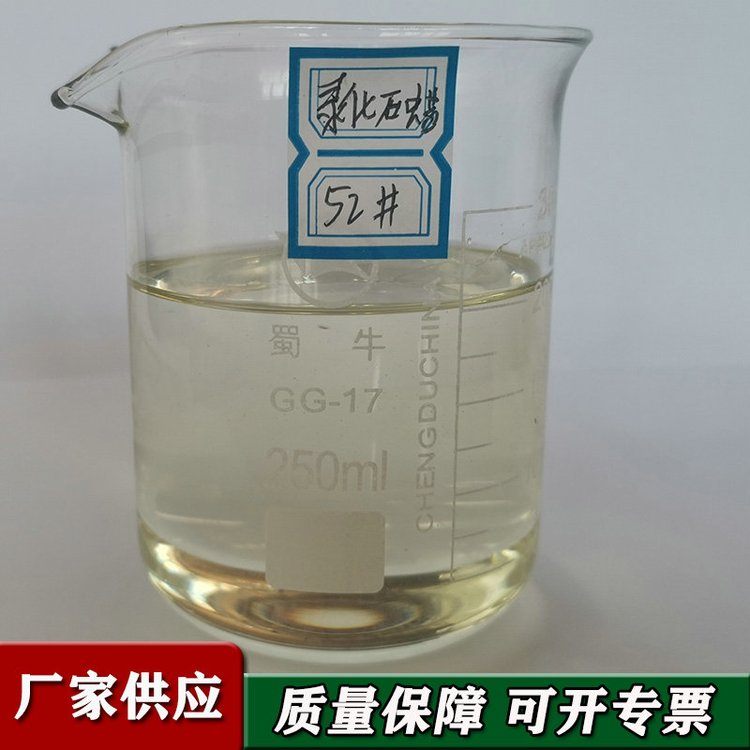
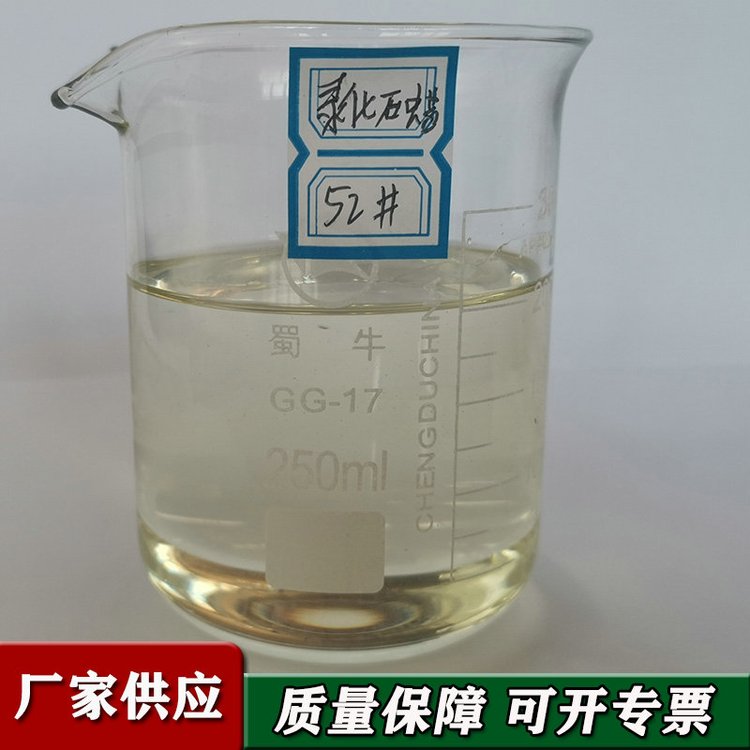
Paraffin wax chlorinated 52 is a light yellow to yellowish oil-like viscous liquid. Freezing point <-20°C, relative density (25/25°C) 1.22-1.26. Soluble in benzene, ether; slightly soluble in alcohol; insoluble in water.
Paraffin wax chlorinated 70 is a resinous powder, white or pale yellow, with a relative density of 1.65 (25/4℃).
Formula: C24H29Cl21
Appearance: White to pale yellow solid powder, odorless and tasteless.
Good chemical stability.
Paraffin wax chlorinated 70
Quality Standards:
White or pale yellow powdered solid.
Chlorine content: 68-72%
Softening Point ≥ 90℃
Acidity (mg KOH/g) ≤ 0.3
Particle Size (20 mesh sieve) %100
Hot stability % ≤ 0.3
Moisture % ≤ 0.1
Should not contain carbon tetrachloride; carbon tetrachloride is harmful to human health.
Application: Suitable for flame-retardant purposes in various products. Used as plasticizers in the plastic, rubber, and fiber industries, surface treatment agents for fabrics and packaging materials, modifiers for adhesive materials and coatings, anti-wear agents for high-pressure lubrication and metal cutting processes, mold inhibitors, water-repellents, ink additives, and more.
Packaging and Storage: Plastic woven bags, 25 kg per bag, stored in a cool, well-ventilated, and dry place.
Paraffin Wax Chlorinated 52
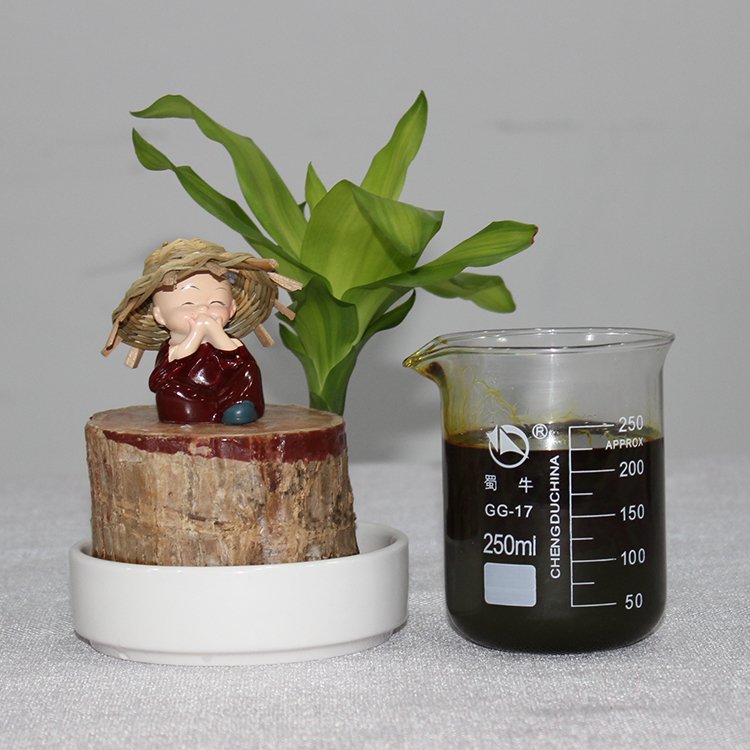
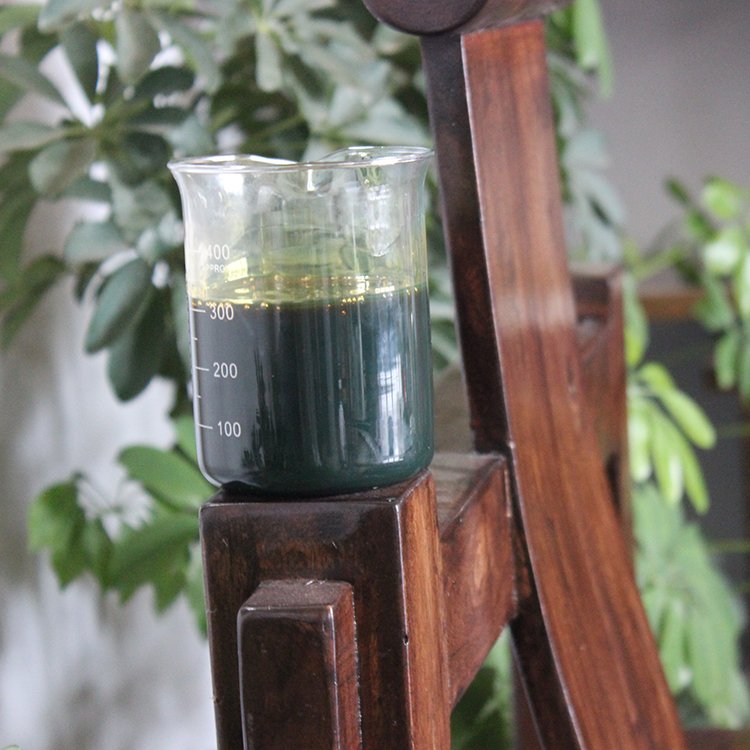
Transparent liquid (Superior grade: color number 150 and below), as well as darker chlorinated paraffin 52 products (First grade: color number 150-250, Qualified grade: color number 600 and below)
Quality Standards: (Superior Grade)
Chlorine Content: 50 +/- 2%
Density (50C), g/cm³: 1.23~1.25
Heating Loss (130°C, 2h) ≤ 0.3
Viscosity (50C), mPa.s: 150-250
Tensile Stability Index (175°C, 4h, Chlorine Nitrogen (10L/h), HCL% ≤ 0.1)
Use: Mainly used as an auxiliary plasticizer and lubricant additive for polyvinyl chloride products.
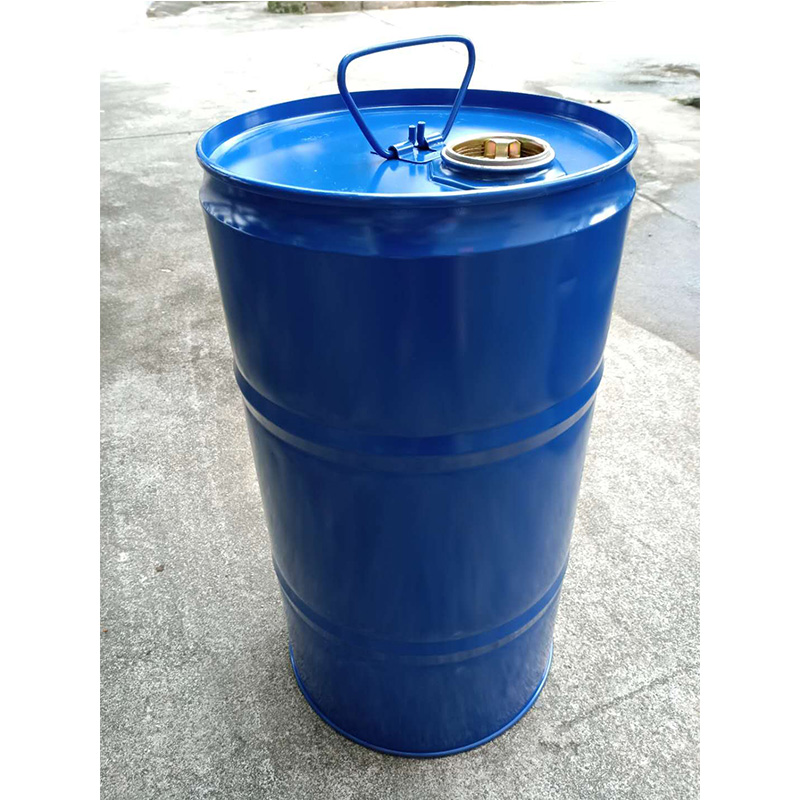
Packaging: Galvanized drum packaging, net weight 250KG (plastic drum packaging available as well)
Storage: Store in a cool, well-ventilated, and dry place.
Add measured liquid paraffin to the reaction kettle, drop sulfur dichloride under stirring, then reflux for 5 to 7 hours. Recover excess sulfur dichloride under atmospheric pressure. Wash with water and a NaOH aqueous solution sequentially, then vacuum dry to less than 2% water content. The final product is discharged.
As a low-cost auxiliary plasticizer for polyvinyl chloride; used as a plasticizer with flame-retardant properties, suitable for cables; primarily used for flame-retardant in plastics and rubbers, water- and fire-retardant additives for fabrics, as well as additives for coatings, inks, and pressure-resistant lubricants.