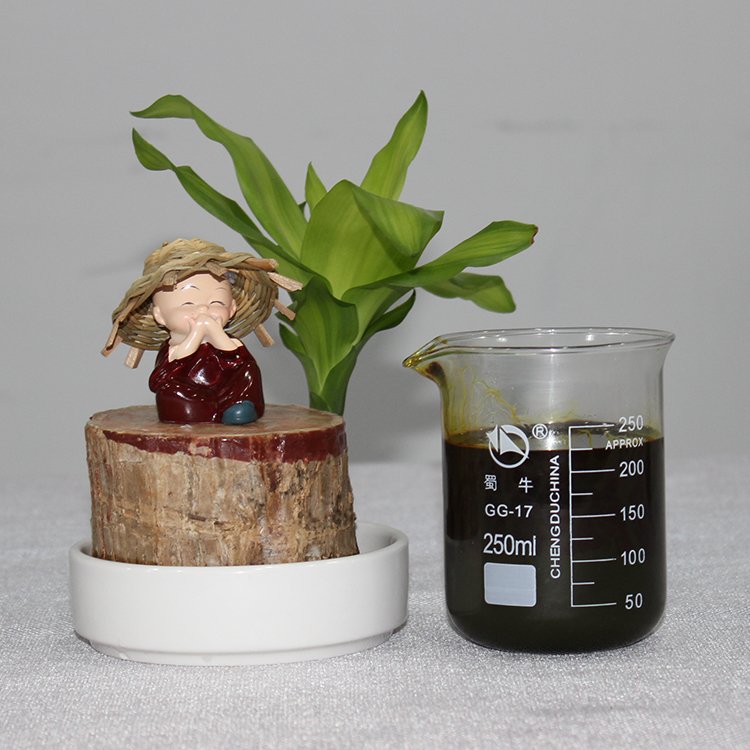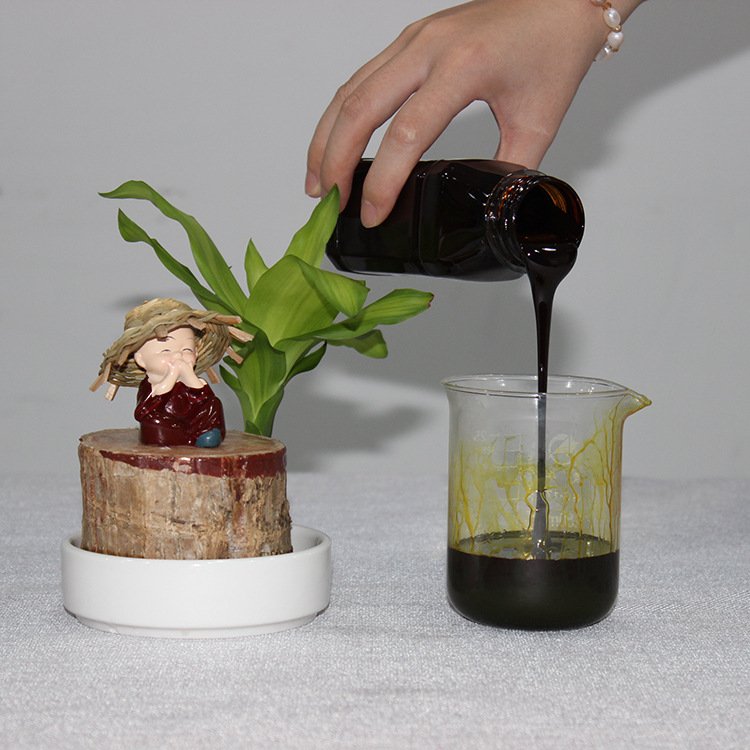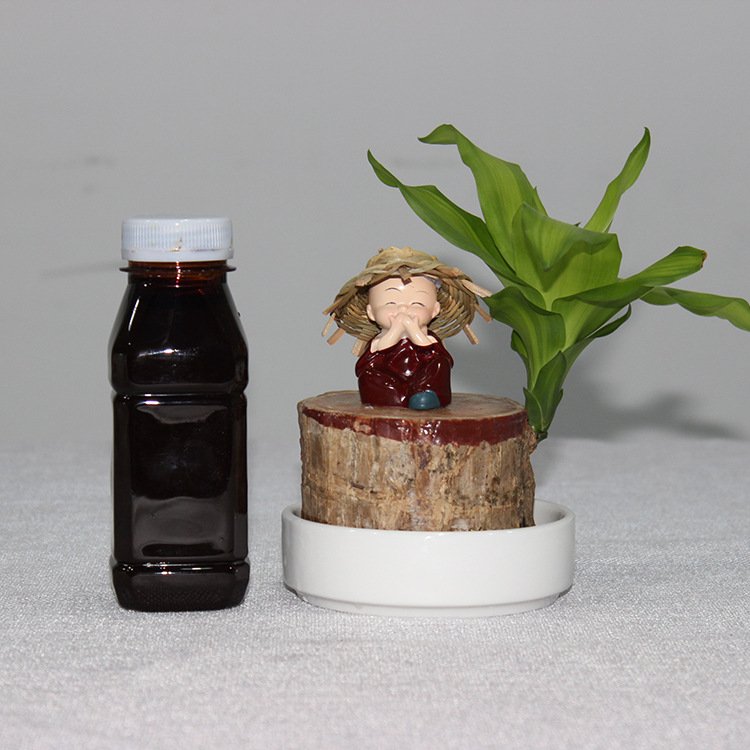
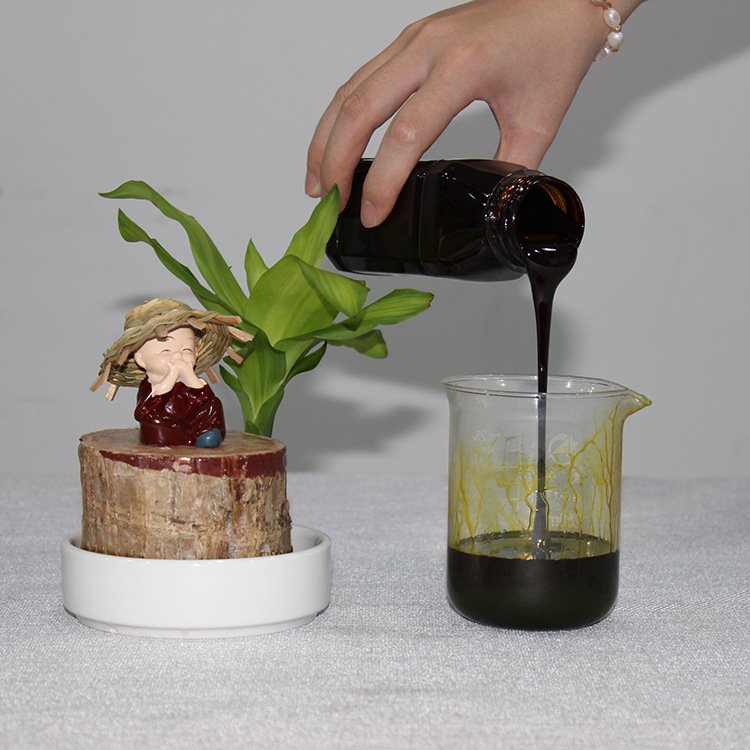








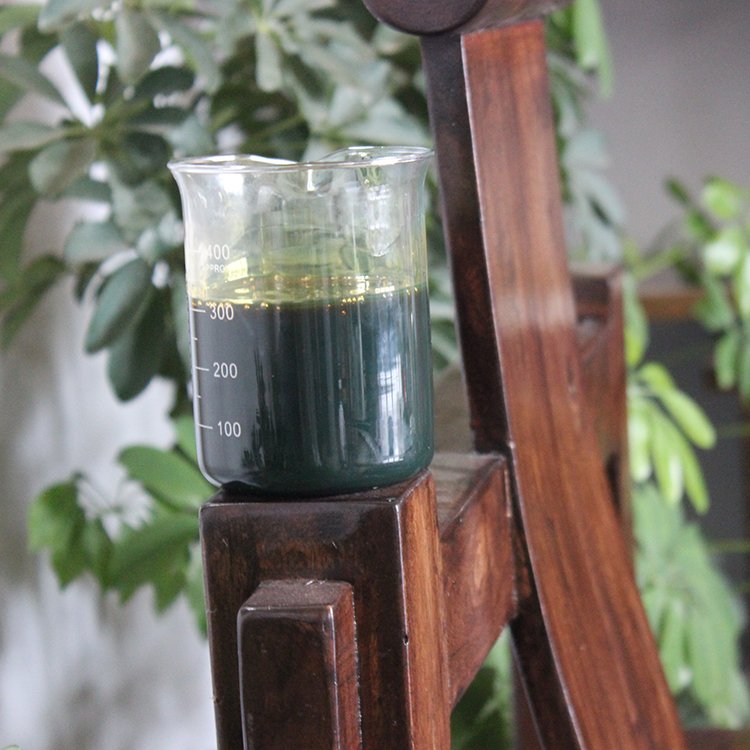
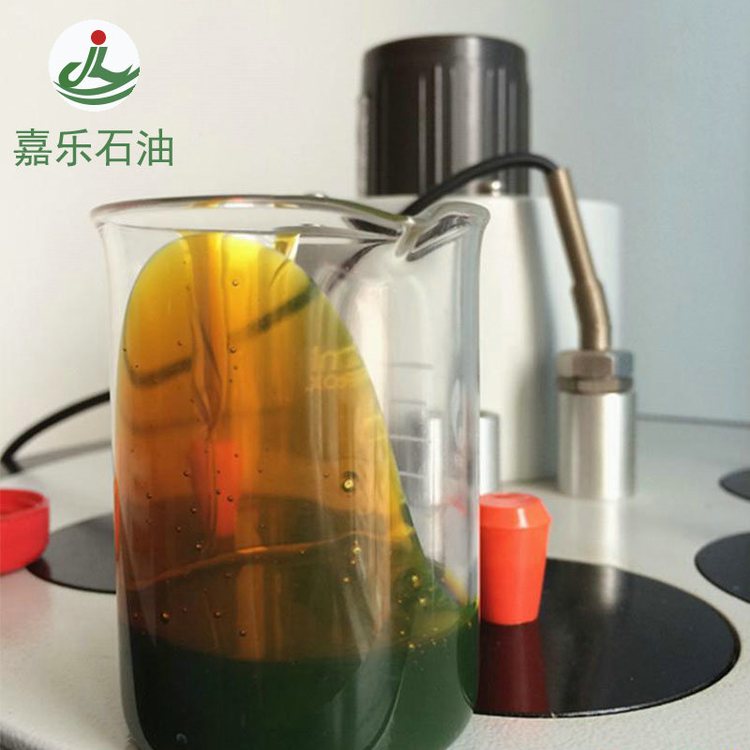

Bitumen oil is the oil extracted from bitumen. When laying asphalt roads, it is necessary to sprinkle a layer of bitumen oil on the subgrade first to ensure better adhesion between the new asphalt and the existing road surface.
Categories
Coal tar pitch is a black liquid with a volume density of 1.25 to 1.35 g/cm³ at room temperature (tar is liquid, not solid, although it appears and feels solid; tar should be liquid and can flow, but with a very high viscosity [1]). Heated to a certain temperature, it becomes soft. Depending on the softening point, Chinese coking enterprises produce the following four types of tar:
Low-temperature Asphalt (Soft Asphalt), Global Method Softening Point: 35-75°C
(2) Medium-temperature asphalt, global softening point is 75-95 degrees Celsius.
(3) High-temperature asphalt (hard asphalt), with a环球 softening point of 95-120°C; in addition, upon customer request, the coking plant can produce ultra-high-temperature asphalt with a softening point of 120-250°C.
(4) Modified Asphalt.
Reconstituted asphalt is produced from medium-temperature asphalt. The benzene-insoluble fraction BI in ordinary medium-temperature asphalt is approximately 18%, and the quinaline-insoluble fraction QI is around 6%. When this asphalt is heat-treated, aromatic hydrocarbon molecules in the asphalt produce hydrogen and water through chemical reactions during the thermal condensation process. At the same time, a portion of the original β resin in the asphalt converts to secondary α resin, and a portion of the benzene-soluble resin converts to β resin, significantly increasing the α component and greatly enhancing the adhesive properties. The asphalt undergoes a certain degree of modification. This type of asphalt is known as reconstituted asphalt.
The refractory material used to plug the iron outlet of a blast furnace, which is a high-temperature asphalt with a softening point above 135°C, is called the binder.