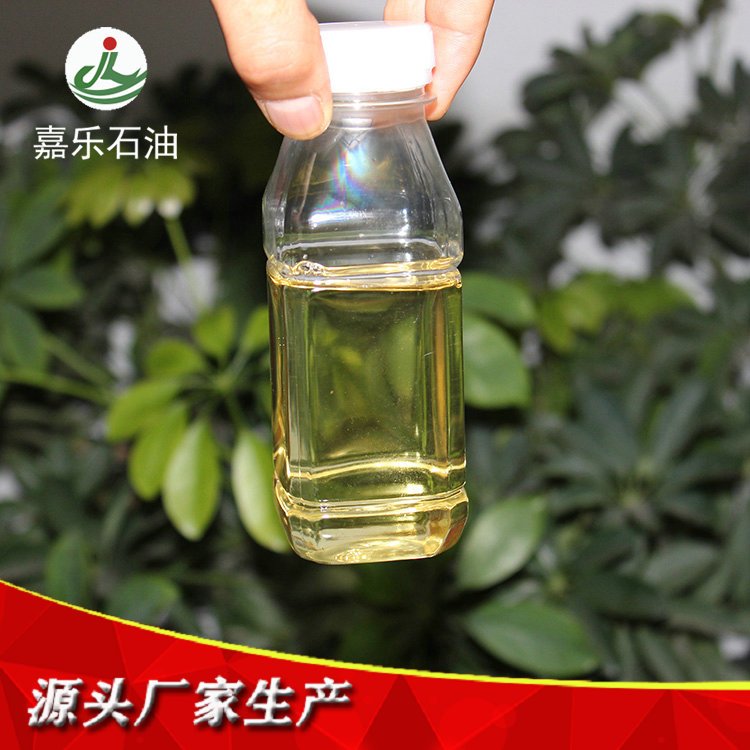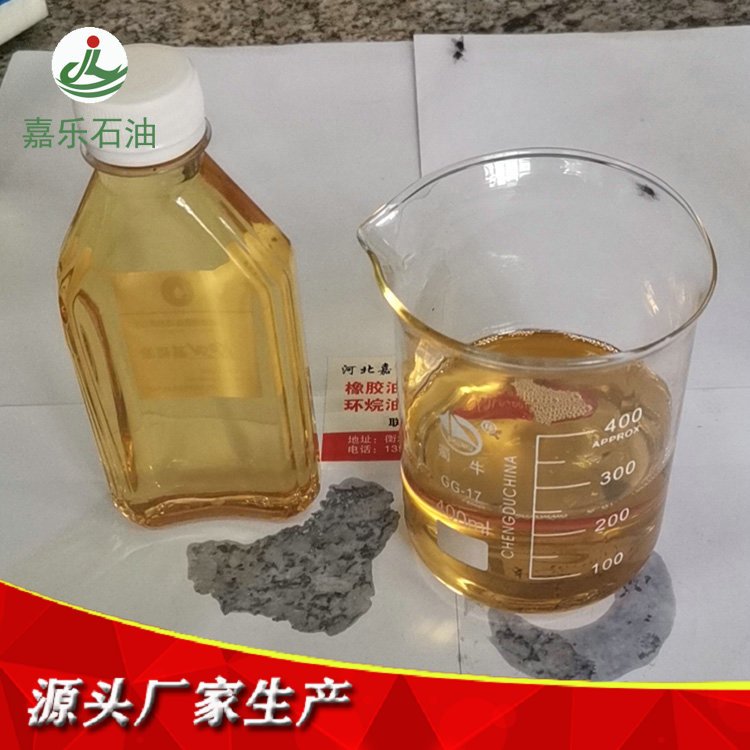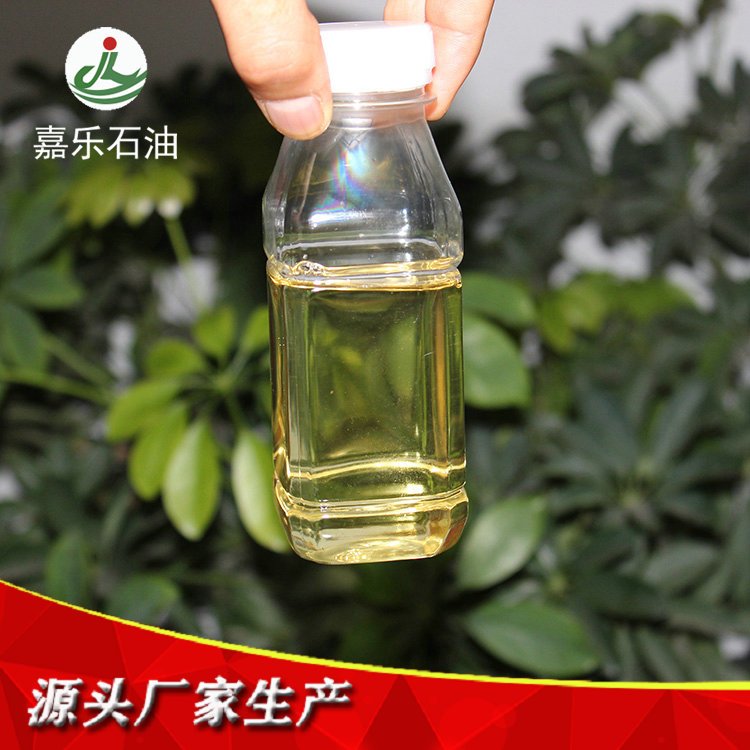

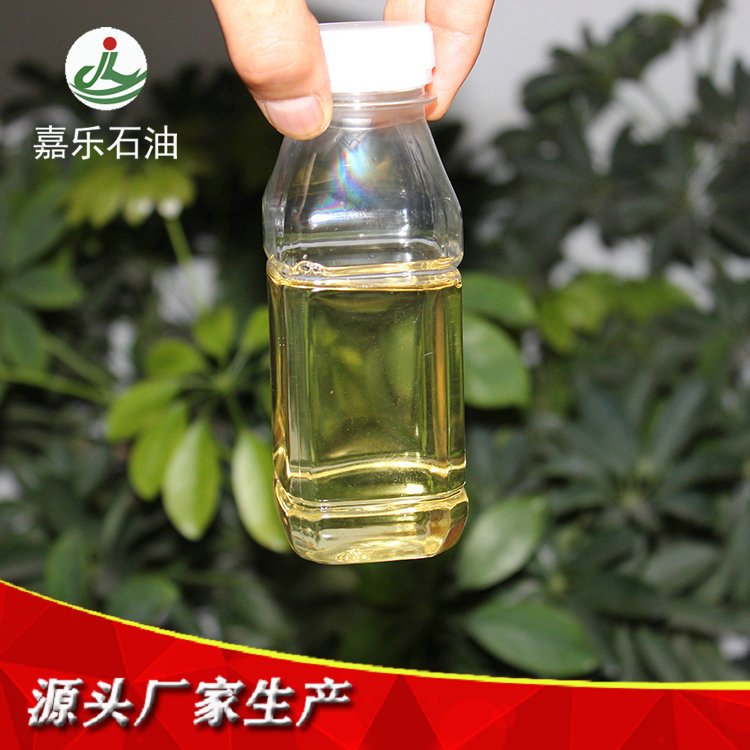
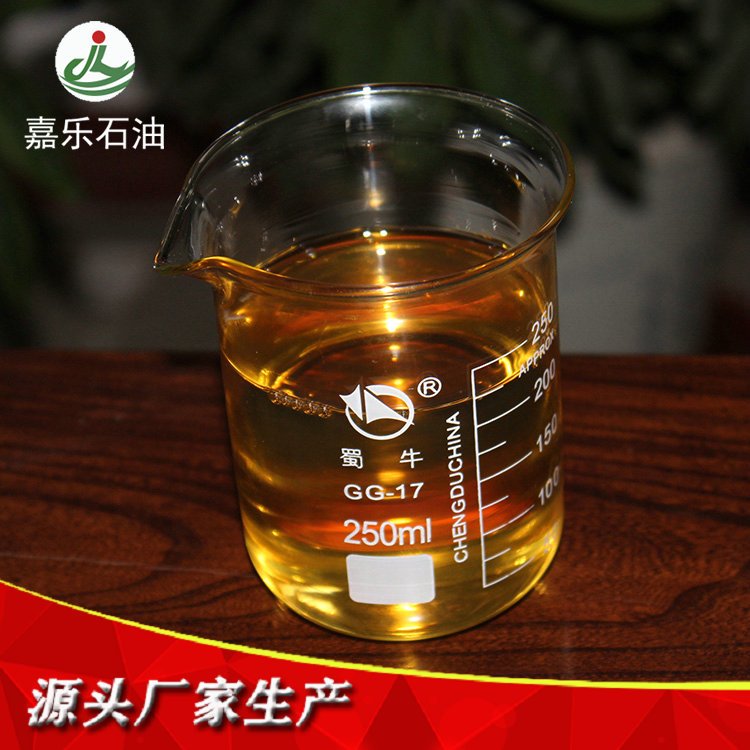
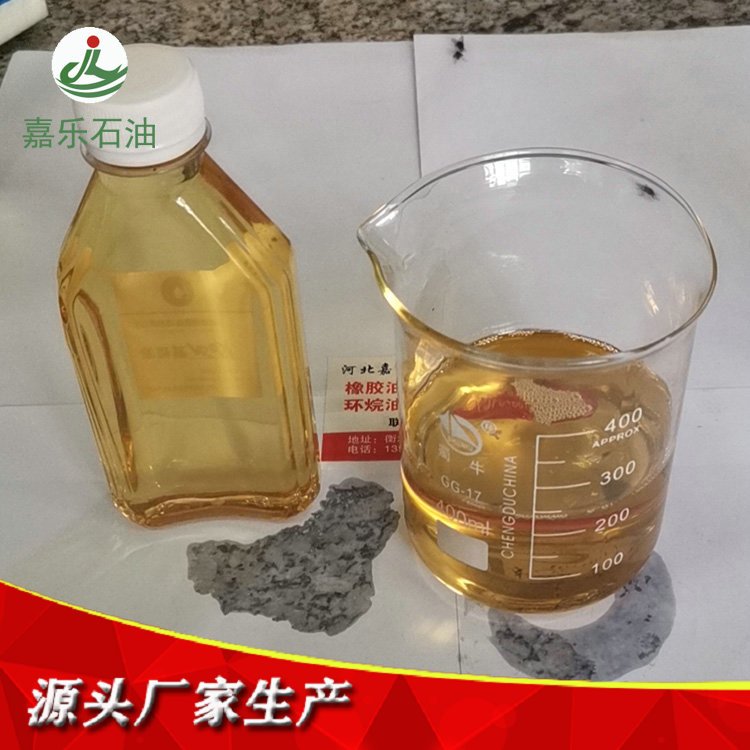








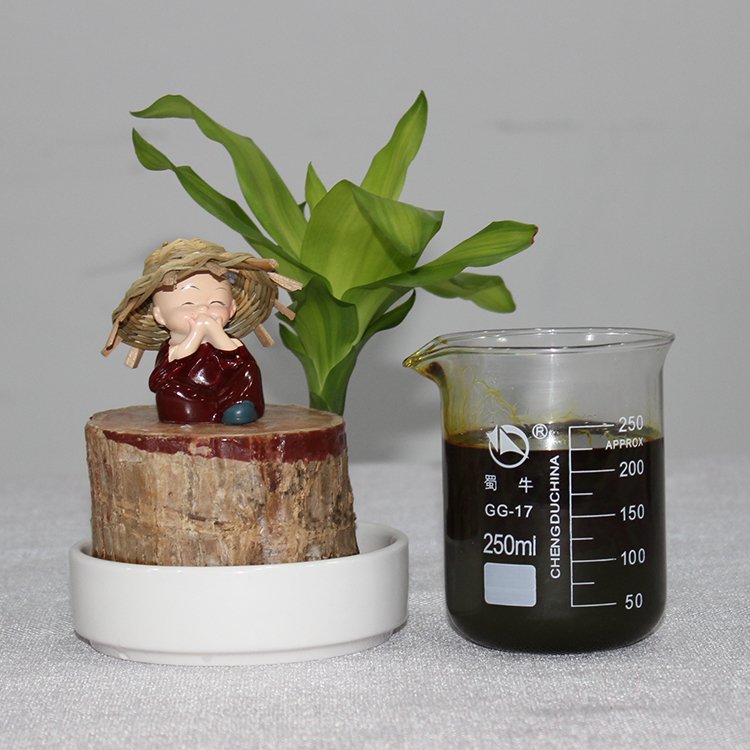
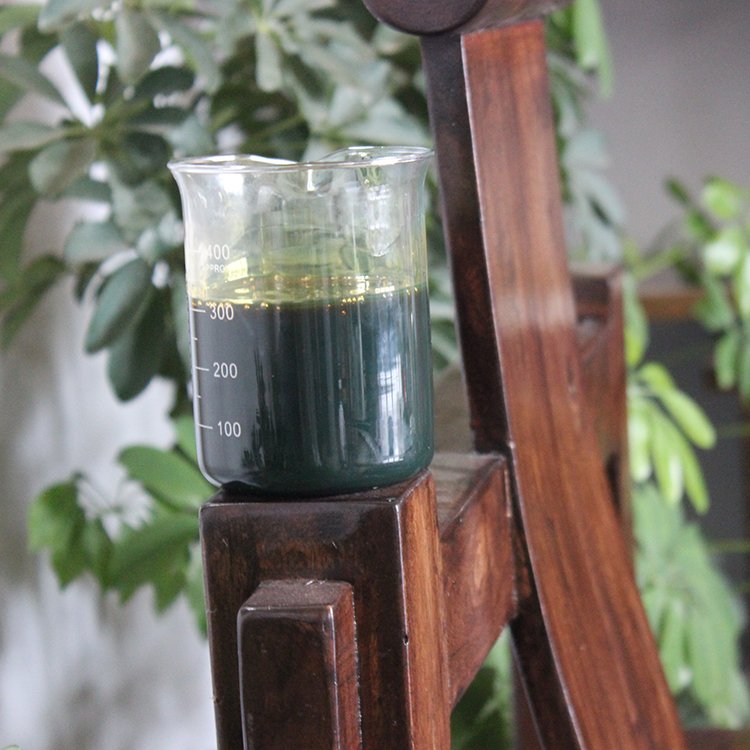
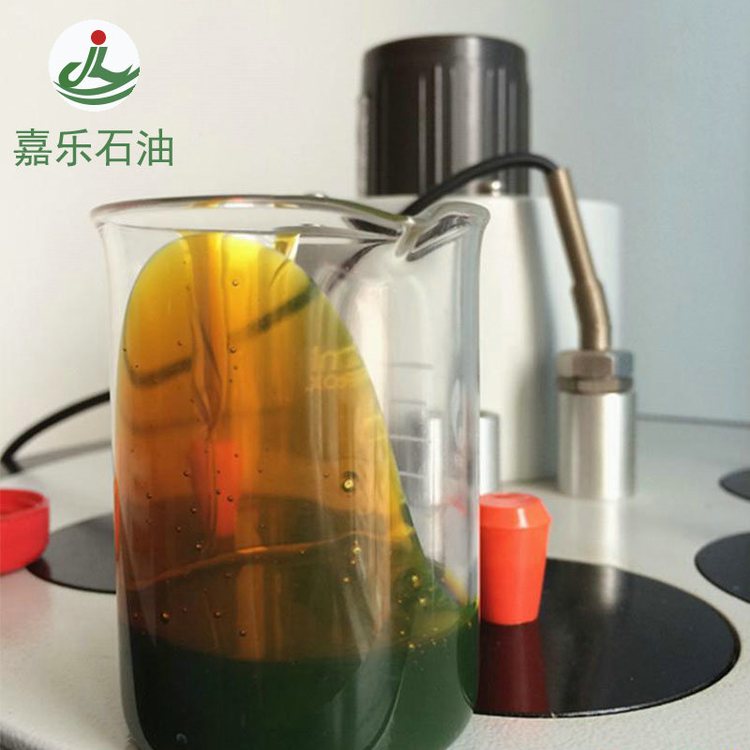
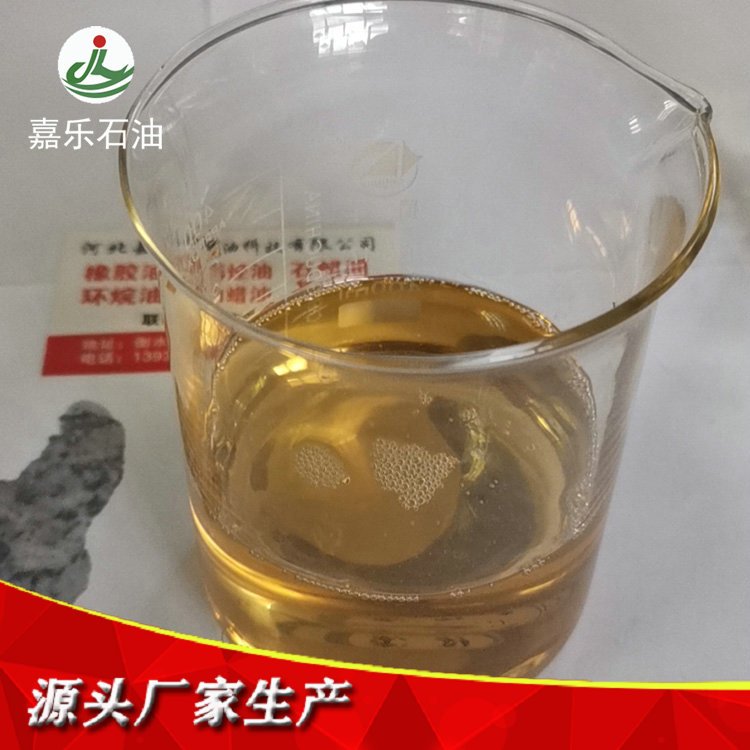
Paraffin oil is a type of mineral oil, which is an odorless and colorless substance obtained from the distillation of crude oil.
Composition Structure:
Paraffin wax has several chemical element symbols. One saying is that paraffin wax is primarily composed of a mixture of substances containing carbon (C) and hydrogen (H) elements. (Oxygen elements may be present, but they are not the main component) Its chemical element symbol is CxHy. Another saying is that paraffin wax is a substance of several alkanes, mainly n-nonadecane (C22H46) and n-octacosane (C28H58), containing approximately 85% carbon and about 14% hydrogen. There is no single chemical element symbol.
Crystalline wax, also known as the primary material, is a hydrocarbon substance with approximately 18 to 30 carbon atoms, primarily consisting of straight-chain alkanes (about 80% to 95%). It also contains a small amount of alkane with individual branches and monocyclic cycloalkanes with long side chains (both totaling less than 20%). Paraffin wax is obtained from the lubricating oil fraction of petroleum distillation through solvent refining, solvent dewaxing, or by wax freezing crystallization and pressing dewaxing to produce wax paste, which is then deoiled and further refined to produce sheet or needle-like crystals. Depending on the degree of refining, it can be categorized into three types: fully refined paraffin, semi-refined paraffin, and crude paraffin. Each type is further divided into different grades based on melting point, usually every 2 degrees Celsius, such as 52, 54, 56, 58, etc. Crude paraffin has a higher oil content and is mainly used in the production of matches, fiberboard, tent canvas, etc. Fully refined and semi-refined paraffins have a wide range of applications and are primarily used as components and packaging materials for food, oral medications, and certain products (such as wax paper, crayons, carbon paper), as coating materials for baking containers, for fruit preservation, as insulators for electrical components, to improve the anti-aging properties of rubber, and to enhance flexibility. They can also be used to produce synthetic fatty acids through oxidation.
Density (20°C, g/cm³) 0.87 ~ 0.98
Flash Point (°C) > 230
Viscosity (mm²/s at 100℃) 5-16
Pour Point (-20~12℃)
Acidity (mg KOH/g) 1.45-1.52
Aromatic hydrocarbons (CA) content <10%
Paraffin (CN) Content: %35 ± 5
Paraffin (CP) Content: 60% ± 5%
Primary Application:
Paraffin wax is a type of mineral wax and also a type of paraffin oil. It is obtained from the lubricating oil fraction obtained from petroleum distillation through solvent refining, solvent dewaxing, or by wax freezing crystallization, pressing, and dewaxing to produce wax paste, which is then refined with solvents to yield sheet or needle-like crystals, also known as crystalline wax. It is a hydrocarbon substance with approximately 18 to 30 carbon atoms, mainly composed of straight-chain alkanes (about 80% to 95%), along with a small amount of alkane with individual branches and monocyclic cycloalkanes with long side chains (合计含量below 20%). The main quality indicators are melting point and oil content, with the former indicating temperature resistance and the latter purity. Each type of wax is further divided by melting point, generally every 2°C, into different varieties, such as 52, 54, 56, 58, etc. Depending on the degree of processing and refining, it can be classified into three types: fully refined paraffin, semi-refined paraffin, and crude paraffin. The first two are more widely used, primarily as components and packaging materials for foods and other products (such as wax paper, crayons, carbon paper), coating materials for baking containers, raw materials for cosmetics, and for preserving fruit, enhancing the anti-aging properties and flexibility of rubber, electrical component insulation, precision casting, and can also be used to produce synthetic fatty acids. Crude paraffin, due to its higher oil content, is mainly used in the production of matches, fiberboard, tarpaulins, etc. Adding polyolefin additives to paraffin wax increases its melting point, improves adhesion and flexibility, and is used in moisture- and waterproof packaging papers, cardboard, and surface coatings for certain textiles.
Paraffin wax is used for various purposes. After dipping paper in paraffin, wax paper with excellent waterproof properties can be produced, suitable for packaging in food and pharmaceutical industries, as well as for metal rust prevention and the printing industry. Adding paraffin to cotton yarn makes textiles soft, smooth, and elastic. Paraffin can also be used to manufacture detergents, emulsifiers, dispersants, plasticizers, and lubricants.
Pharmacological Action:
This is a mineral oil that is not digested in the intestines, has low absorption, acts as a lubricant for the intestinal wall and stool, and can prevent the absorption of moisture in the intestines, softening the stool for easier excretion.
Basic Features:
Paraffin Oil (Specialty Rubber Filler) Product Features:
Paraffin oil (rubber-filled oil) has low volatility and a high flash point.
Paraffin oil series, with high flash points and low volatility, offers superior weather resistance and minimal volatile emissions at high temperatures, making it ideal for rubber product processing. It is widely applied in the fields of automotive rubber parts, cable and wire outer sheathes, household appliance accessories, and new building materials sealing, where paraffin-based oils consistently perform admirably.
Paraffin oil (rubber-specific filling oil) with low aromatic content
Low aromatic content in paraffin oil is significant in the application of peroxide sulfonation process, as it reduces the consumption of the sulfonating agent, thereby lowering costs. The low aromatic and low volatility content of paraffin-based oil far surpasses that of other under-refined rubber filling oils.
Low aromatic hydrocarbon content and low volatility of paraffin oil, when combined, enhance the antioxidant and degradation resistance of EPDM rubber automotive door and window seals. The low volatility aids in preventing aging and shrinkage, and is beneficial in improving the unsightly appearance of products (such as roughness and bubbles). These two characteristics contribute to extending the service life of rubber products.
Application Range
Paraffin oil (rubber-filled oil) is used in IIR (butyl rubber), EPM (epichlorohydrin rubber), EPDM (terpolymer of ethylene propylene and diene), IR (polyisoprene), NR (natural rubber), and some thermoplastic rubbers. It is particularly suitable for rubber products that require minimal odor, good initial color, and excellent heat and light resistance, which is crucial in the manufacturing of household appliances, children's toys, and other products. In many industrial references for synthetic rubber applications, paraffin oil has been incorporated into rubber processing formulas and plays a significant role.
Paraffin oil, also known as mineral oil, is a colorless and odorless substance obtained through the distillation of crude oil. It can be divided into light mineral oil and general mineral oil, with light mineral oil having lower density and viscosity. Due to its low allergenicity and good sealing properties, mineral oil can prevent the evaporation of moisture from the skin, making it a common emollient in baby oil, lotions, or creams. Additionally, because of its excellent oil-soluble properties, it is also used in makeup removers and makeup milk. It is reported that impure mineral oil with high levels of impurities has a certain carcinogenic potential.