


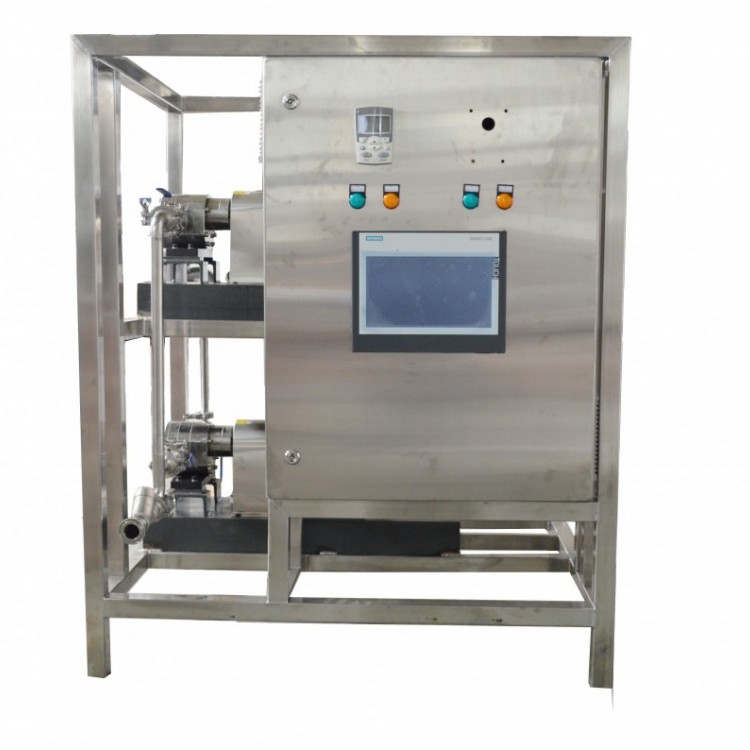

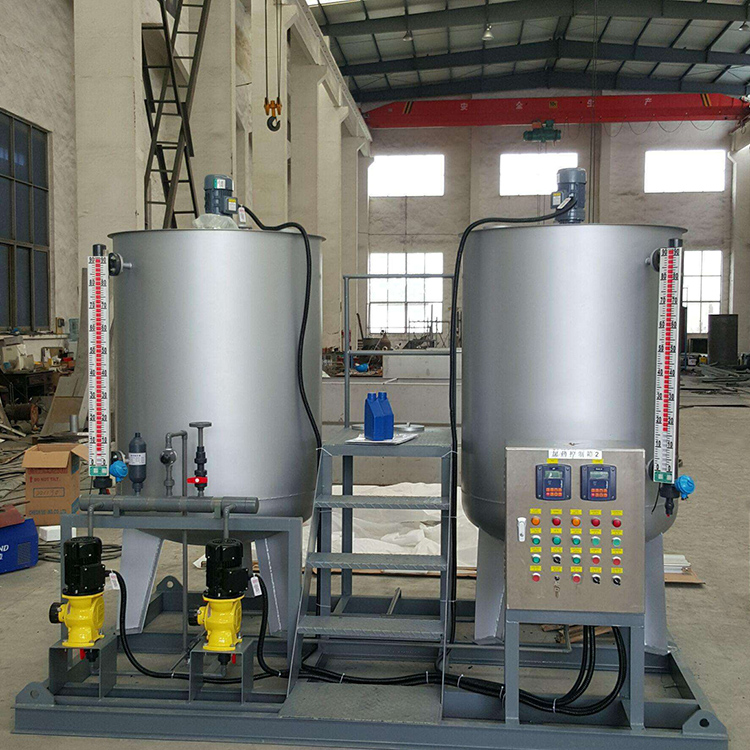
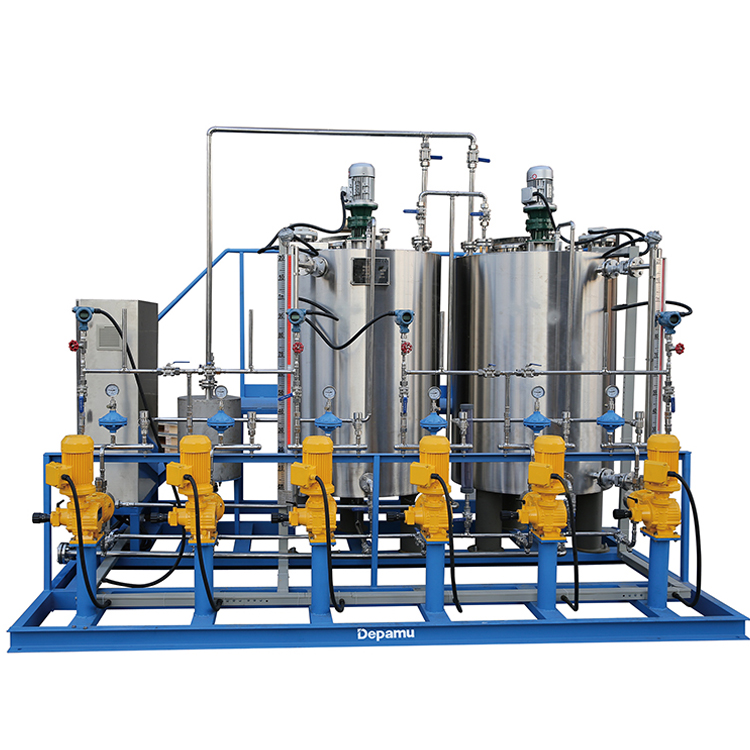





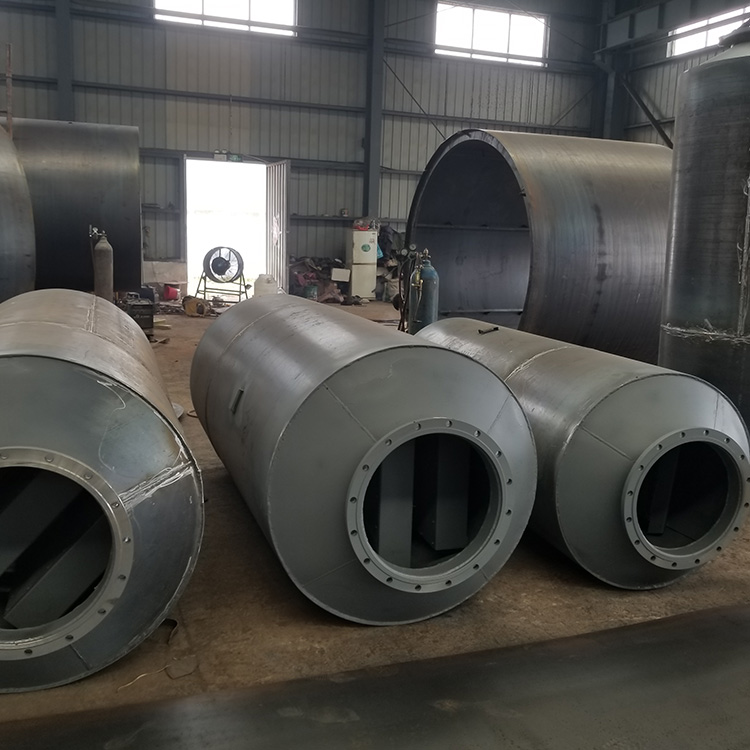

I. Process Principle of the Dosage Device
The calcium and magnesium hardness in the boiler feedwater can undergo chemical reactions or concentrate and crystallize under high temperatures, forming insoluble scale that firmly adheres to the boiler's heat surfaces. This scale is a poor conductor of heat, hindering heat transfer and, in severe cases, potentially leading to boiler tube bursts. Additionally, it exacerbates the chemical corrosion of the metal beneath the scale, posing a significant hazard.
Although boiler condensate and feed water have undergone strict softening and desalination, a small amount of calcium and magnesium still enter the boiler water. If this is not treated, it can cause scaling and threaten the operation of the boiler. Currently, adding phosphate to the boiler water is an appropriate treatment method. The byproduct (basic calcium phosphate) is a soft sludge that is easily removed along with the boiler's waste water and does not adhere to the inside of the pot to form scale.
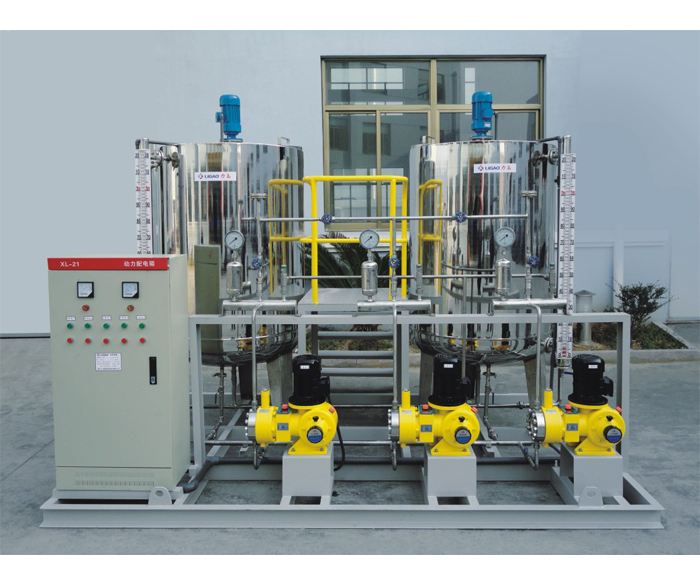
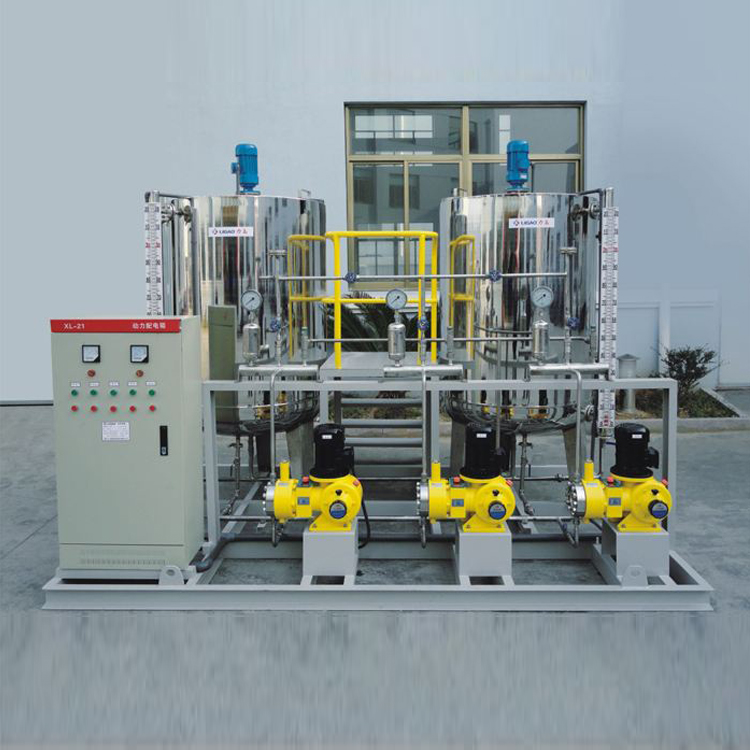
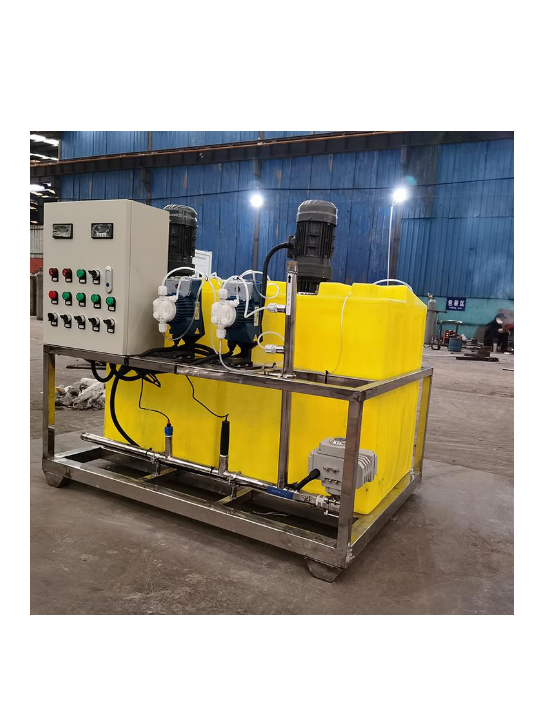
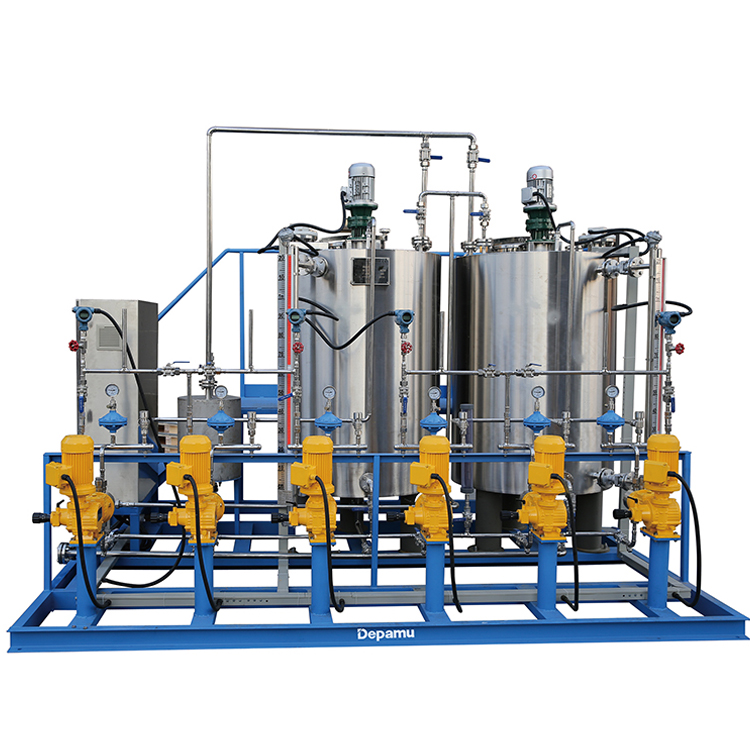
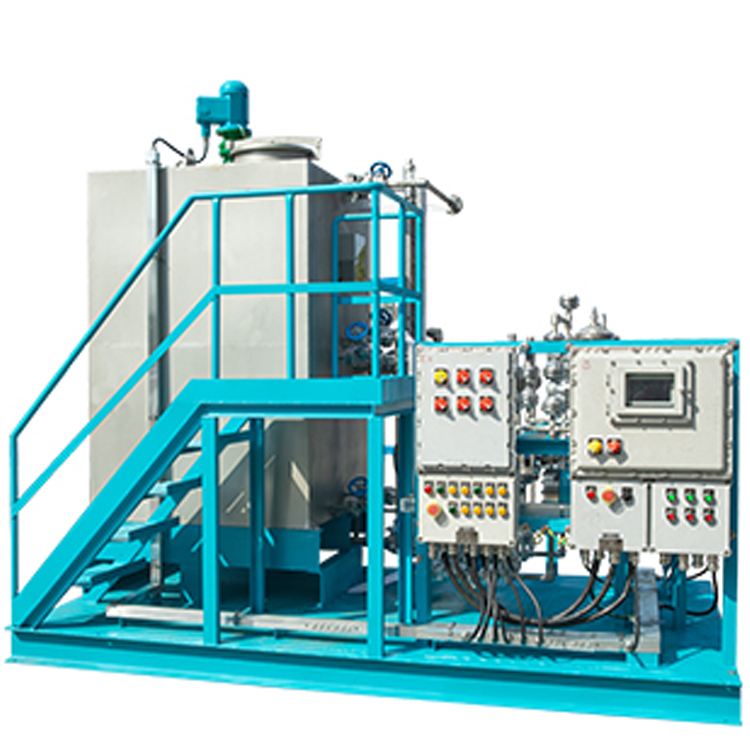
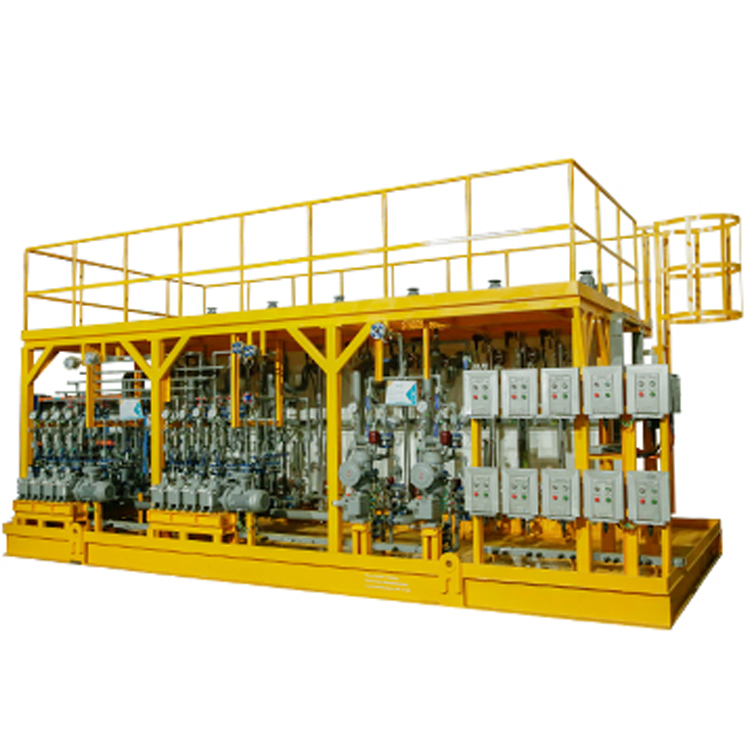
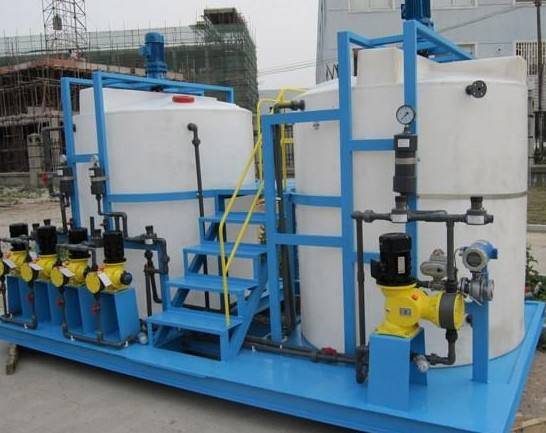
The dosing unit primarily consists of a liquid solution and blending system, a dosing system, a system, and a control system, all in four parts. Solid phosphate is added to the solvent tank, then proportionally mixed with demineralized water or condensate and stirred for dissolution. Subsequently, it is added to the boiler drum via the dosing pump system. The dosing control is manual, and it can also be automatically dosed in response to signals from the higher-level system.
II. Classification and Structure of Dosage Equipment
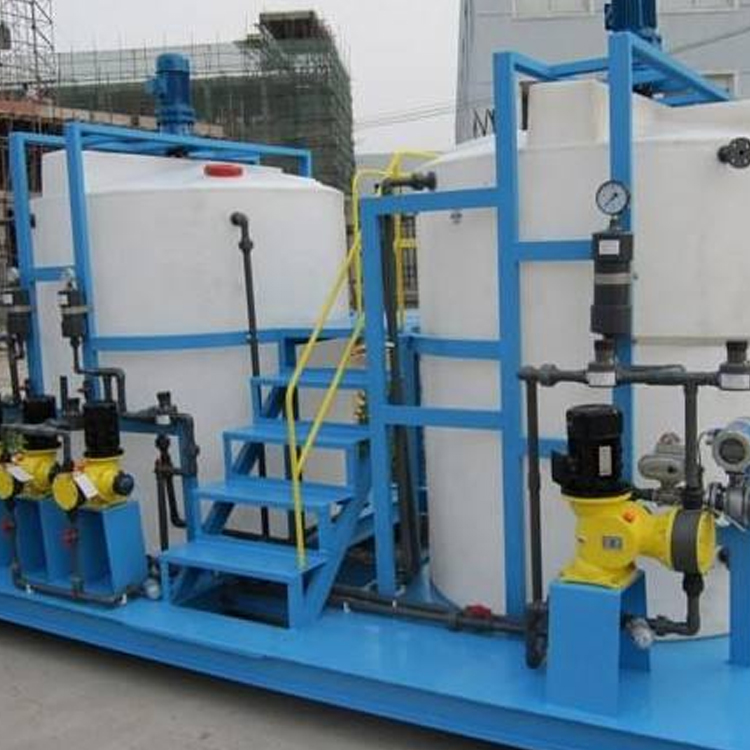
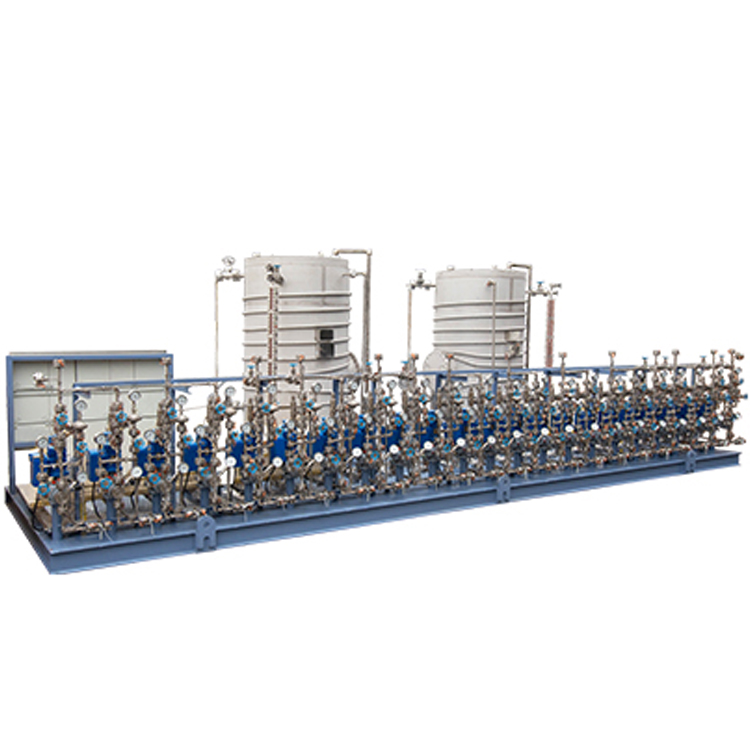
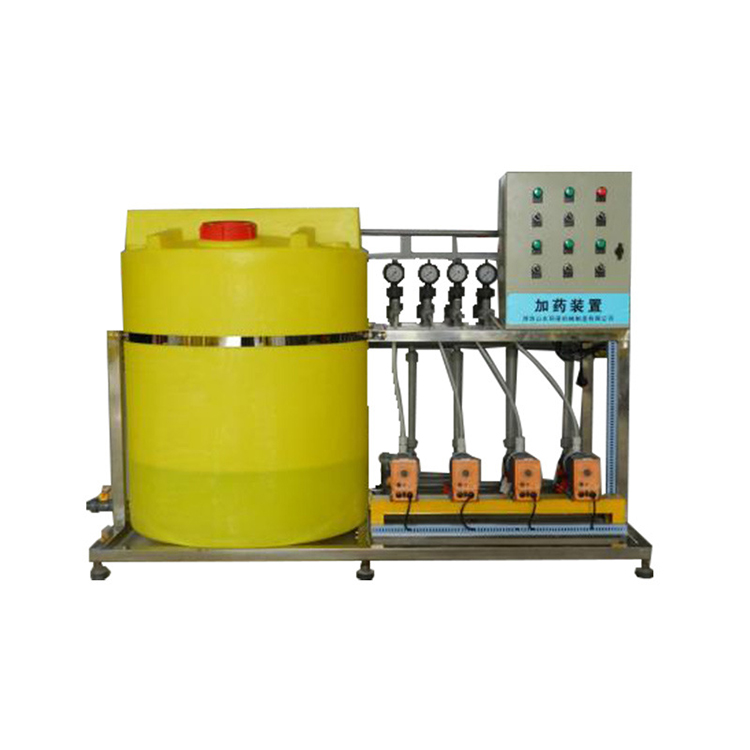
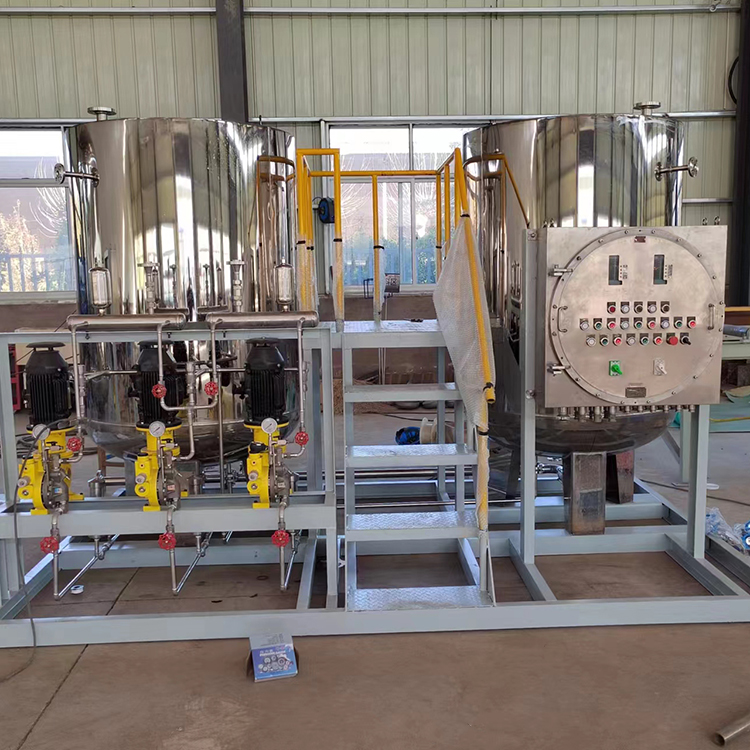
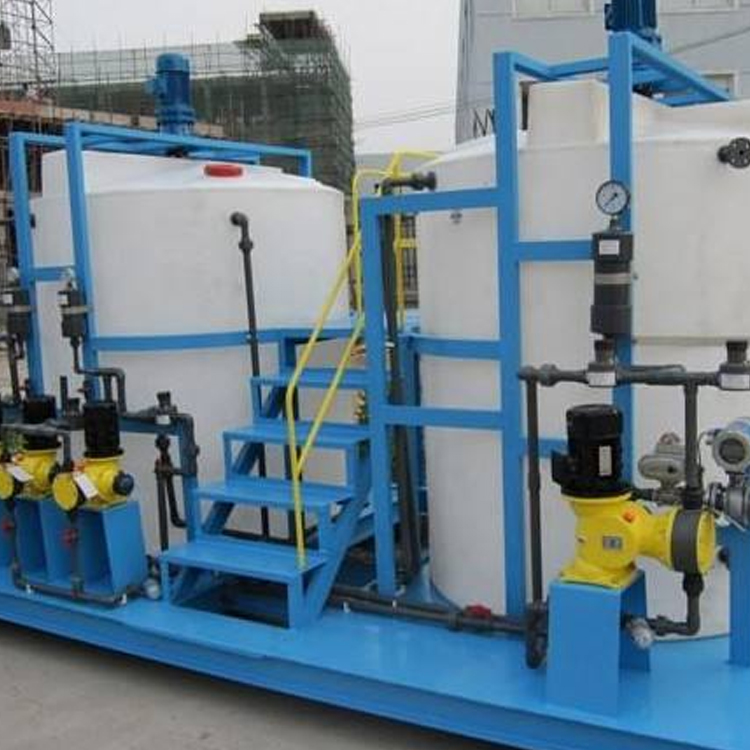
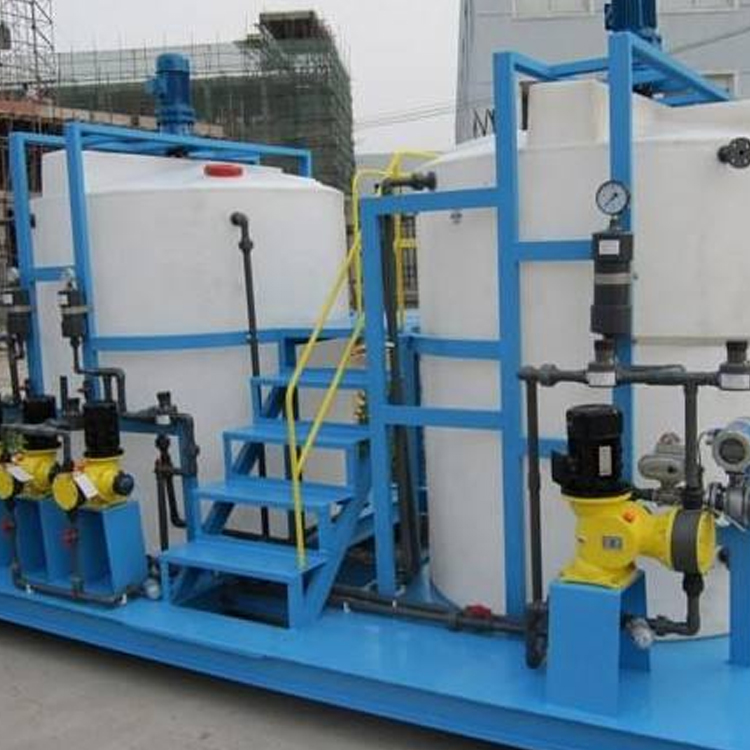
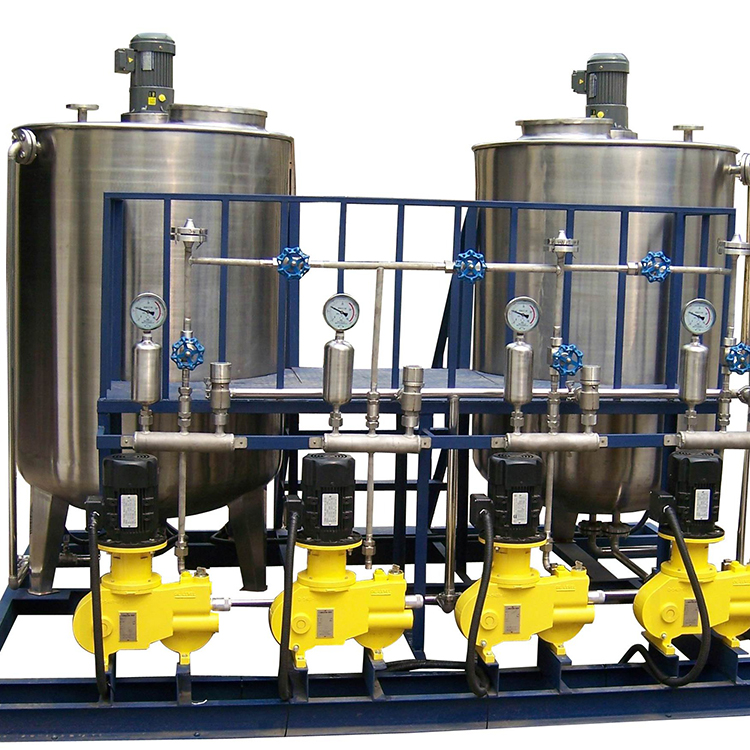
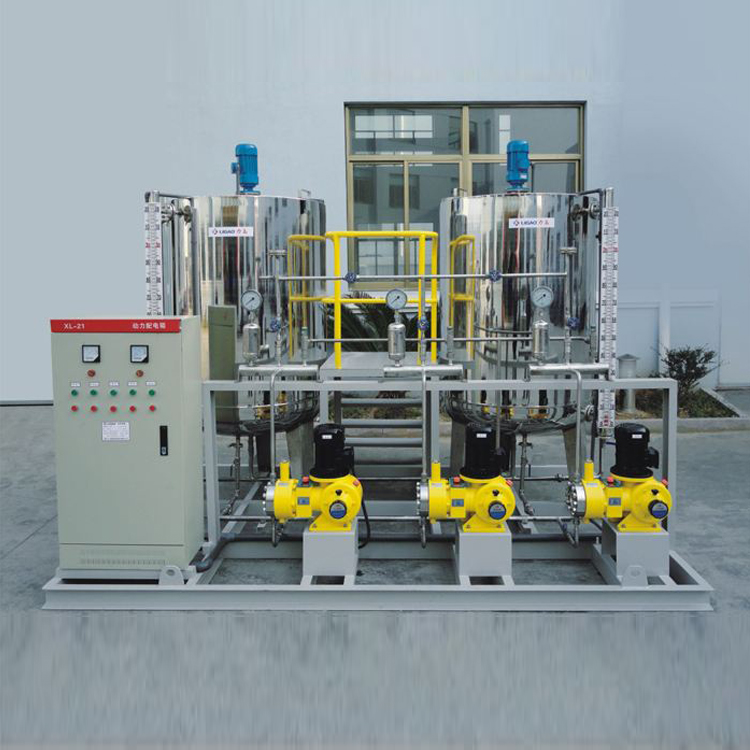
Dosage equipment includes: ammonia dosing unit for water, hydrazine dosing unit, phosphate dosing unit for boiler water, ammonia dosing unit for condensate water, etc. Generally categorized as: one tank with one pump, one tank with two pumps, two tanks with three pumps, and two tanks with four pumps.
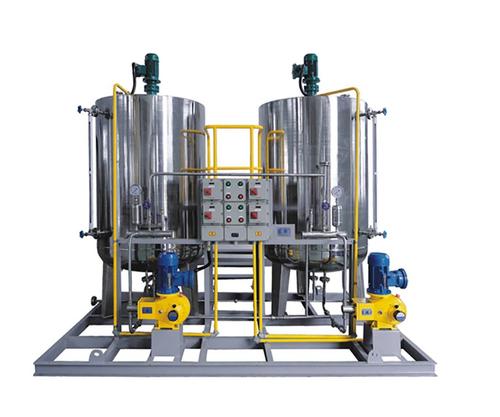
Composition of dosing unit: solution tank, level gauge, measuring tank, agitator, dosing pump, valves, pressure gauge, control cabinet, valves and pipelines are centrally arranged. Main materials of components are mainly stainless steel and carbon steel lined with rubber.
Section 3: Features of the Dosage Device
1. The solution tank, metering pump, and system piping of the dosing unit are all designed with anti-corrosion measures as needed, ensuring long service life.
2. Equipped with manual, automatic, and semi-automatic control modes, it meets market demands to the fullest extent.
3. Regular medication dispensing and mixing can be achieved according to customer requirements.
4. Instructions for Ordering Additive Devices
1. Please specify the type of chemical solution, and determine the material for the dosing equipment.
2. Select the dosing pump's pressure and flow rate.
3. Solution tanks are typically配套 with a capacity of 1m³.
4. Configured with several boxes and pumps.
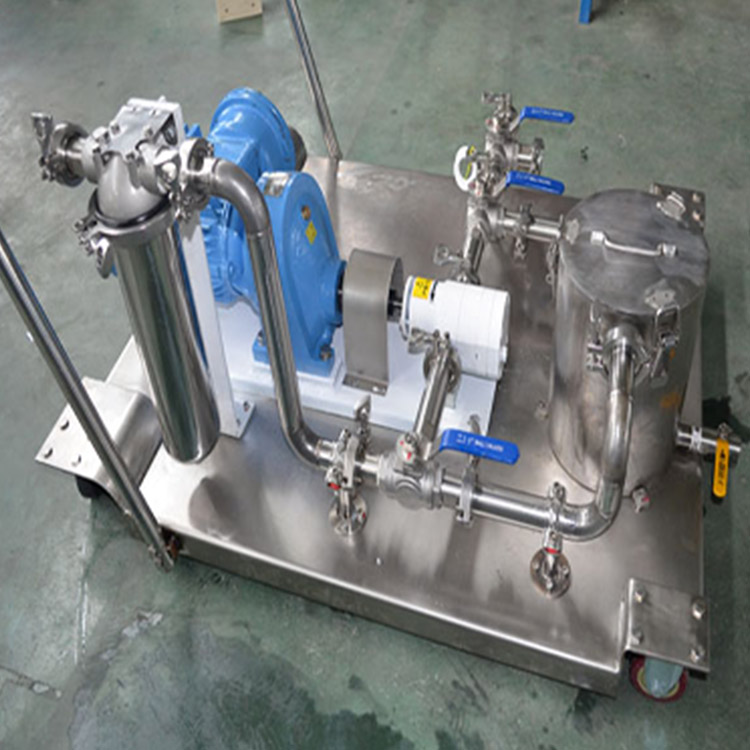
5. Specific configurations include: (1) Blender (2) Solution Tank (3) Level Gauge (4) Valve (5) Pipe Support (6) Metering Pump (7) Solution Tank Outlet Valve (8) Solution Tank Drain Valve (9) Inlet Pipe Valve (10) Filter (11) Chemical Addition Pipeline (12) Pressure Gauge (13) Pump Outlet Pipeline Valve (14) Electric Control Cabinet (15) Pump Inlet and Outlet Pipeline Valve
V. Application Scope of the Feedwater Treatment Device: High-pressure and higher parameter drum boilers