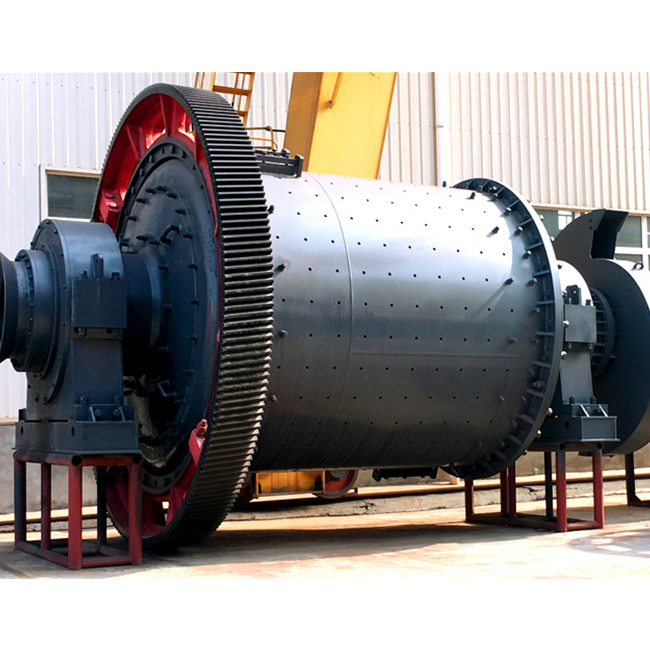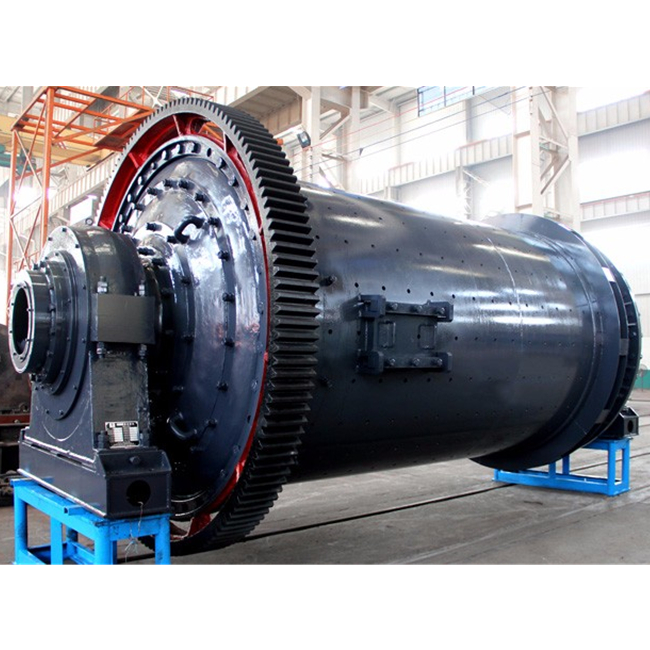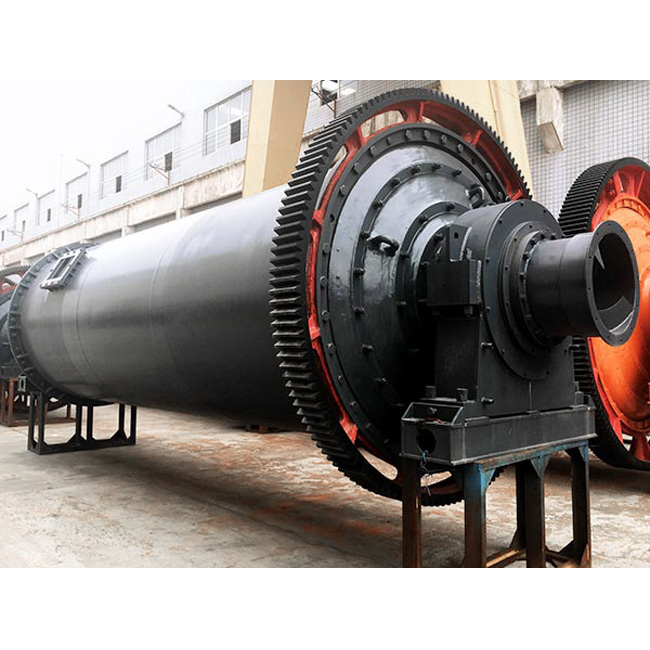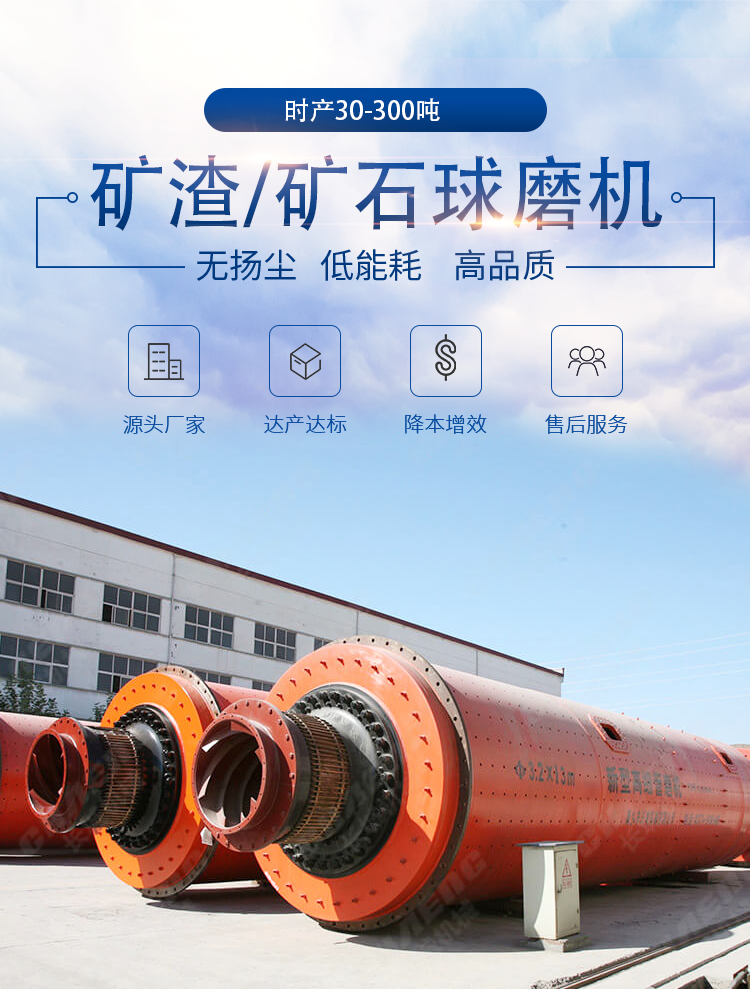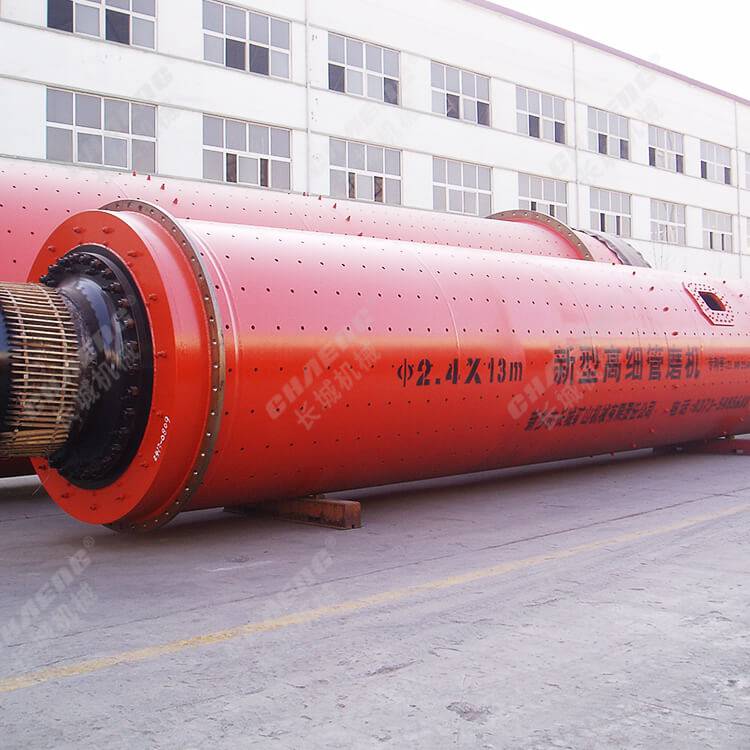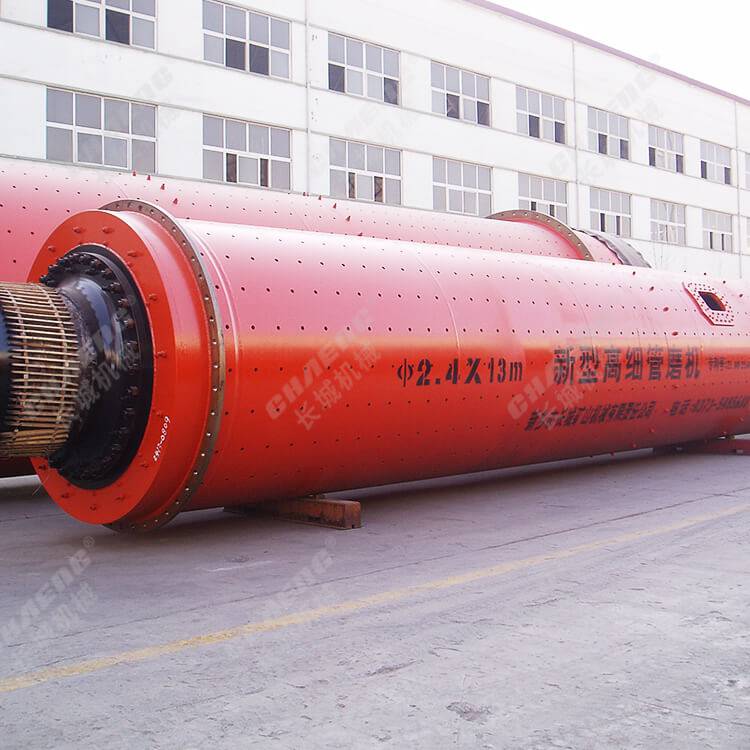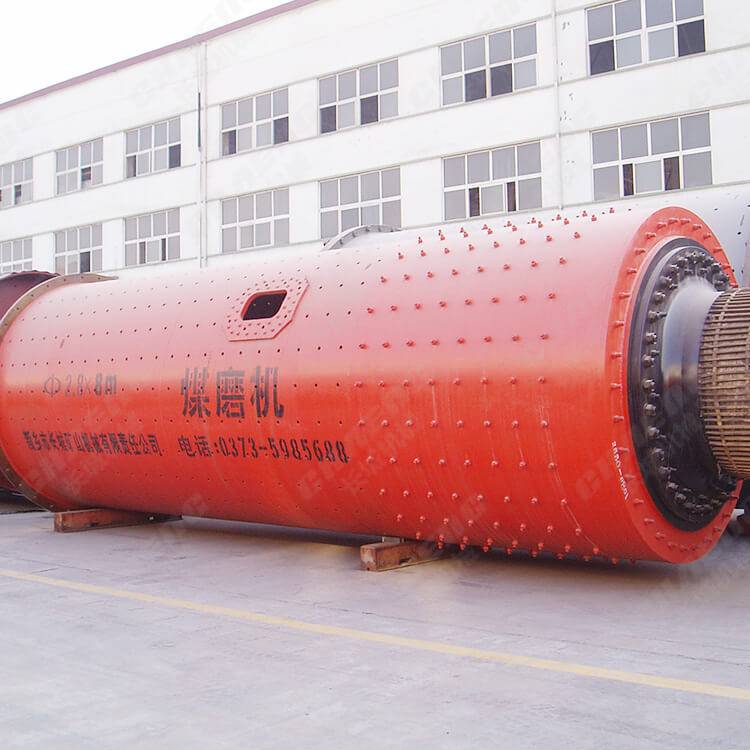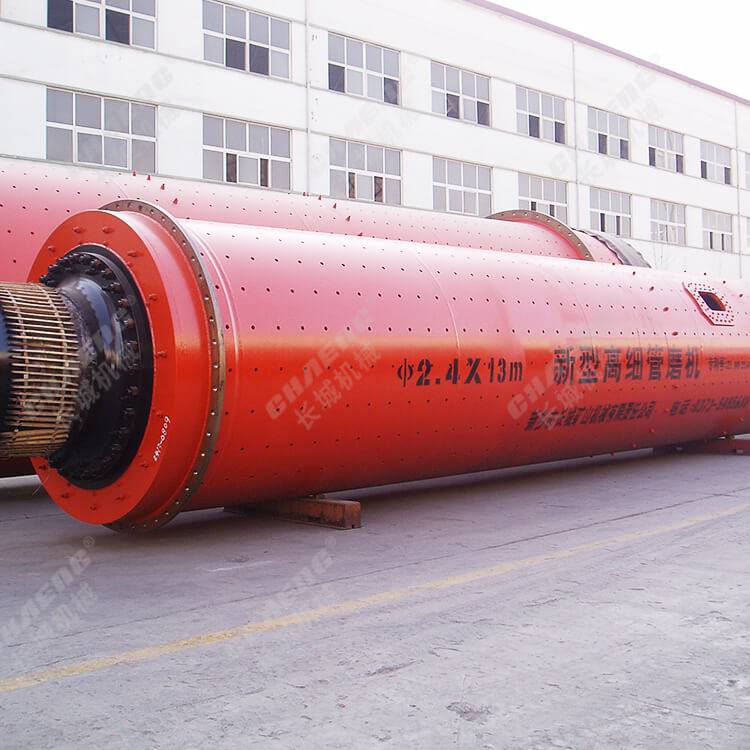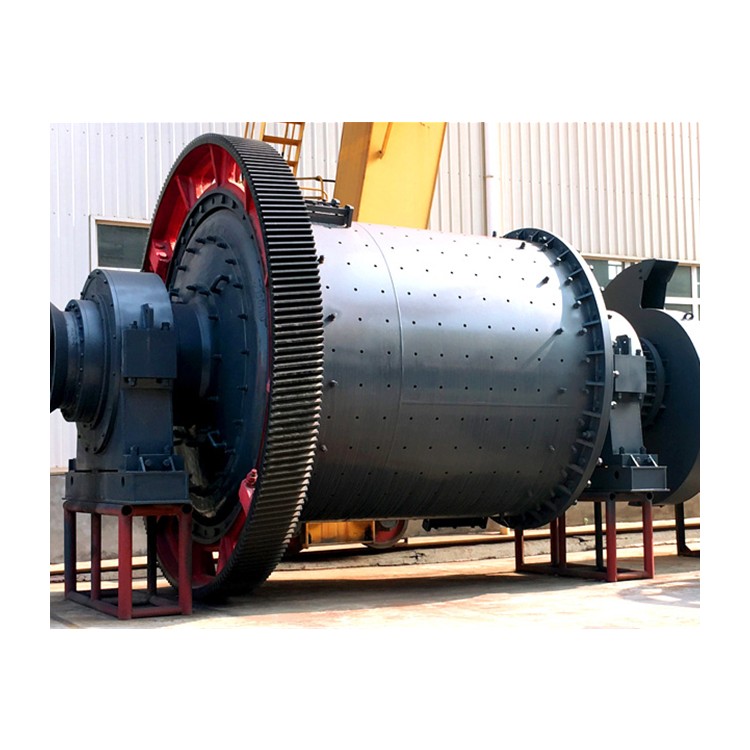

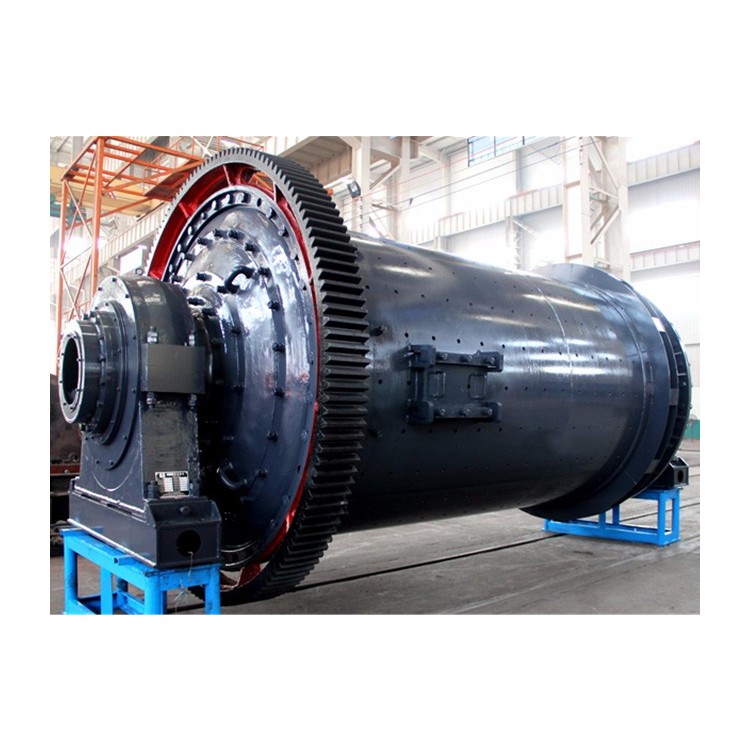
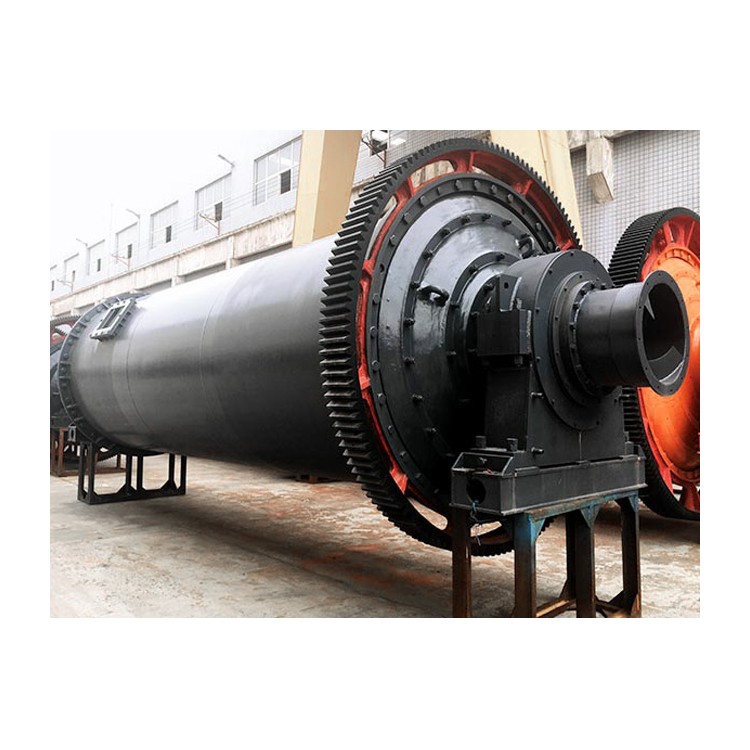


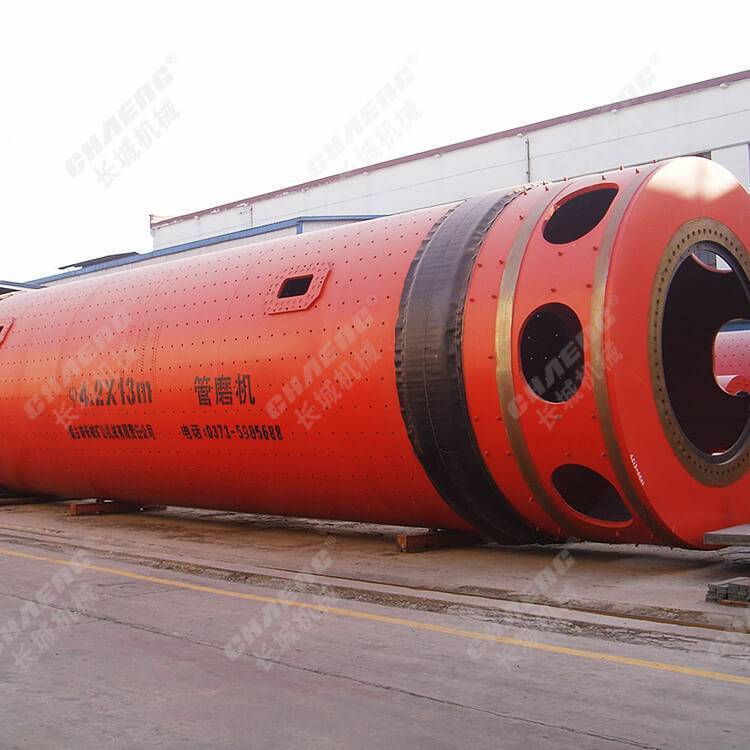
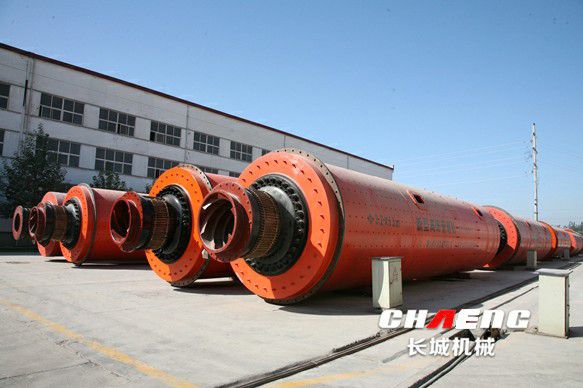
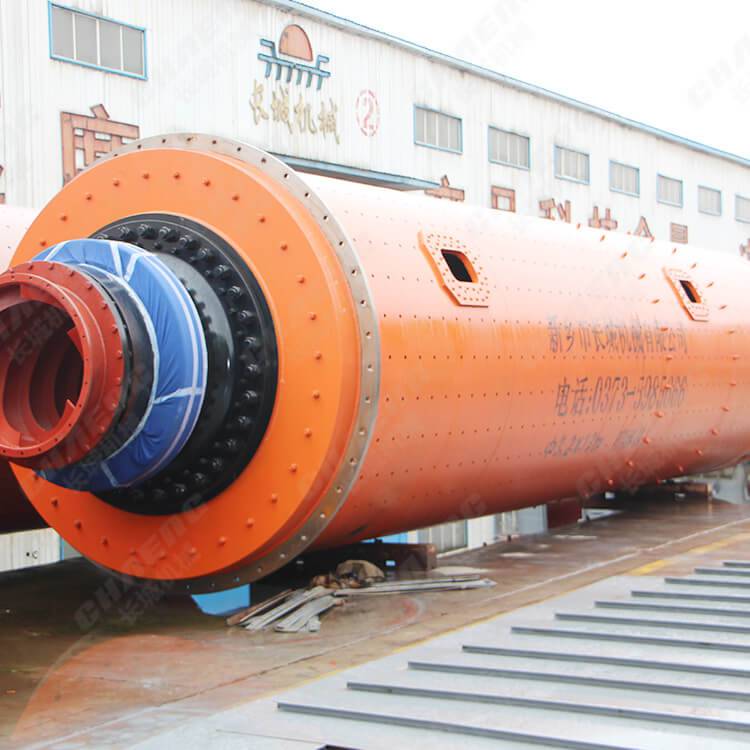
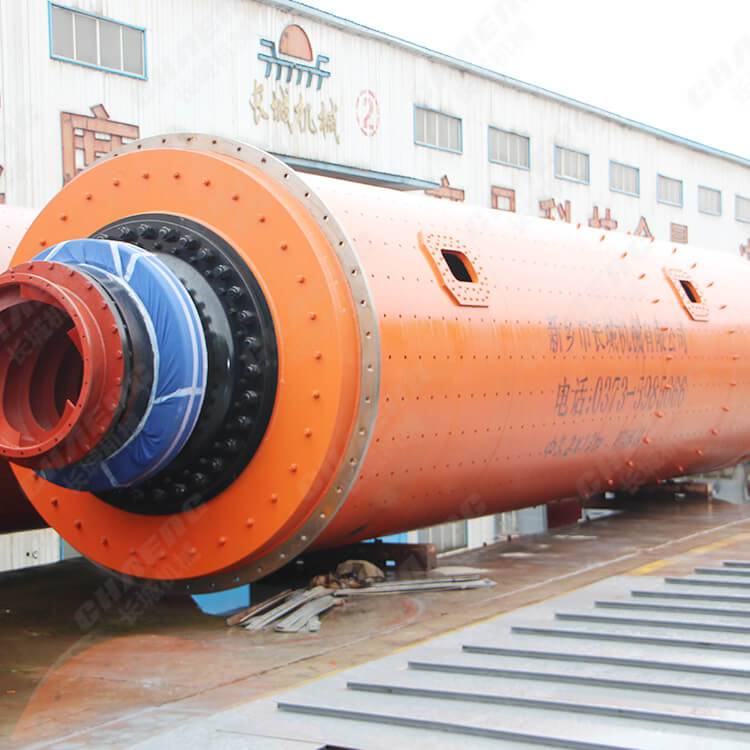





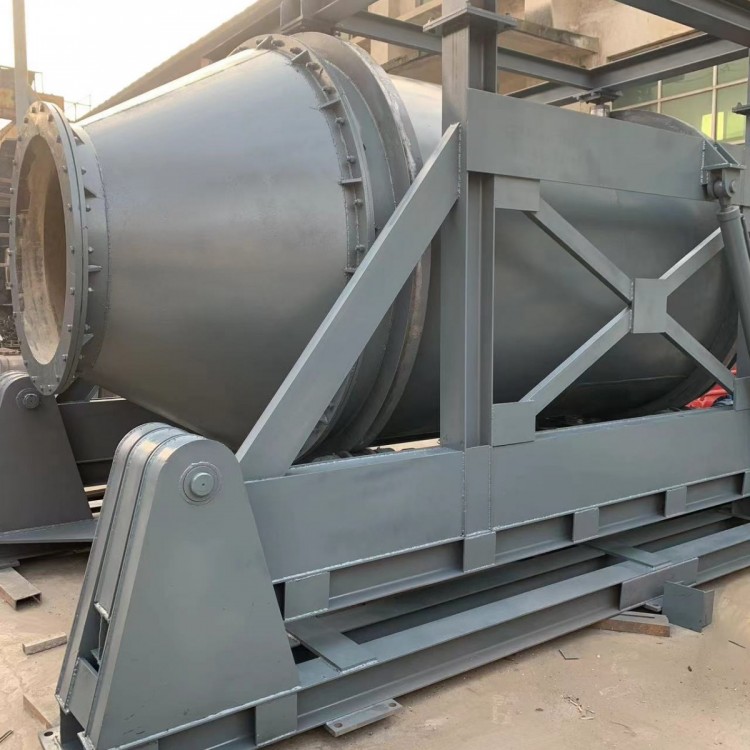
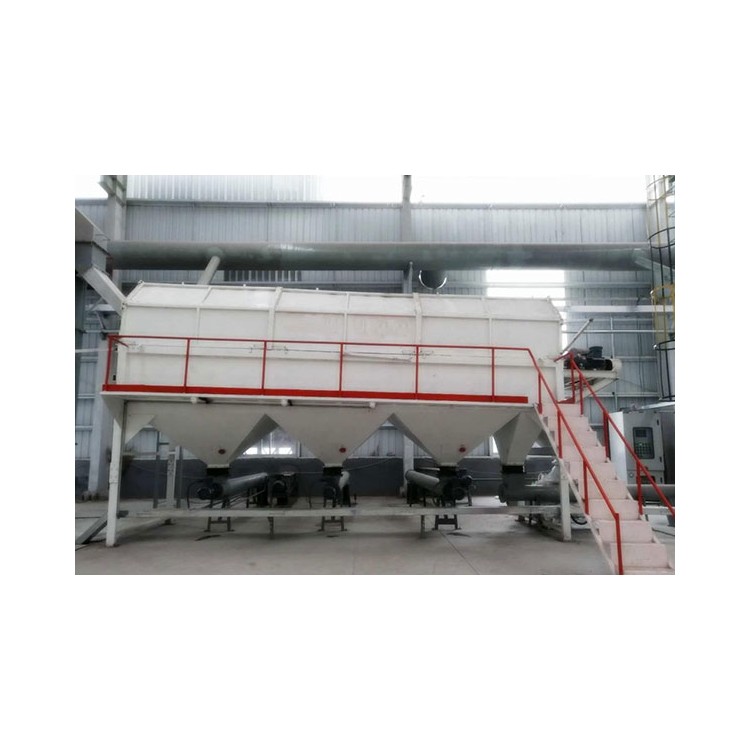
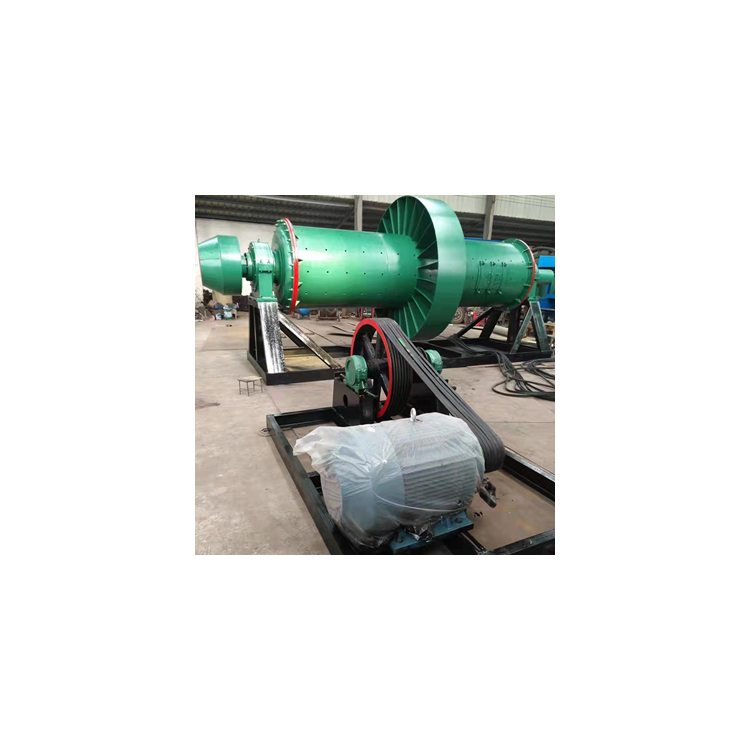


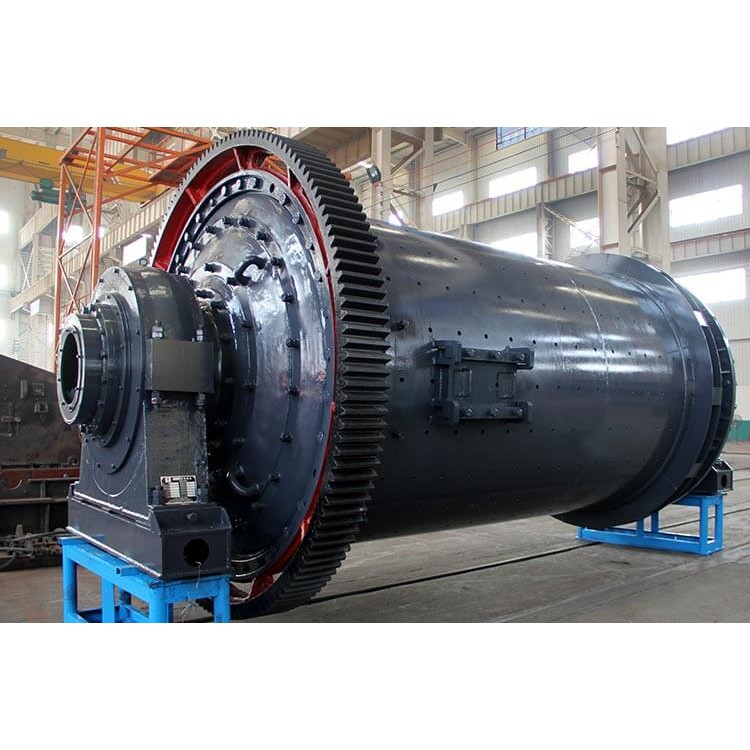
The Ball Mill is named for the grinding bodies inside the drum, which are steel rods. Typically, ball mills are of the wet overflow type and can be used as a primary open-circuit grinding process. They are widely employed in the primary grinding of artificial sand, ore dressing plants, chemical factory power departments.
The rod mill is available in both dry and wet types for selection, and users can choose according to their specific conditions. Although the rod mill and ball mill are similar in many aspects, there are still differences. In terms of working principle, the medium in a ball mill is steel balls, while in a rod mill, it is steel rods. The contact surface of steel balls is a point, and that of steel rods is a line. The rod mill can perform selective crushing, first粉碎larger particles, allowing finer particles to pass through, and repeating this process. This results in a lighter phenomenon of uneven particle fineness in ball mills, and it is commonly used in ore dressing equipment for brittle materials, such as refractories, chemicals, metallurgy, and glass industries.
Ball mill working principle
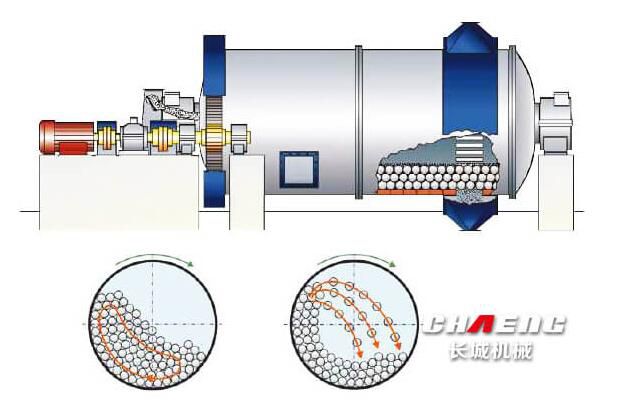
The ball mill is driven by an electric motor through a reducer and peripheral large gears, or directly by a low-speed synchronous motor through the peripheral large gears of the ball mill, to rotate the drum. The drum is fitted with appropriate grinding media - steel bars. Under the action of centrifugal force and friction, the grinding media are lifted to a certain height and then fall in a throwing or pouring manner. The material to be ground enters the drum continuously through the feed opening, is crushed by the moving grinding media, and is discharged out of the machine by the force of overflow and continuous feeding, for the next process operation.
Performance Features of Rod Mill
High production capacity: The characteristics of the rod mill are that during the grinding process, the grinding medium and ore are in linear contact, thus having a certain selective crushing effect. As the rods rotate and rise along the liner, they trap coarse particles, resembling a rod sieve, allowing fine particles to pass through the gaps between the rods. This also facilitates the crushing of coarse particles and concentrating them at the point where the grinding medium strikes, enabling a higher throughput.
Uniform discharge, adjustable particle size: The rod mill can easily change the particle size of the discharge with simple adjustments, equipped with an internal fineness control device. The discharge can be equipped with a screening unit, ensuring that neither over-grinding occurs nor unqualified products are mixed into the finished product. The finished product has a relatively even particle size with fewer over-crushed ore particles.
High quality: The liner and wearing parts of this equipment are made of wear-resistant materials, ensuring a low failure rate and longer service life during use.
Low consumption & eco-friendly: The drives and grinding systems have high energy matching, saving about 15% of energy consumption for users annually. It's a low-energy-consuming device. Additionally, the inclusion of dust removal equipment and the excellent sealing of the drum minimizes environmental pollution, with very low noise levels during operation.