












Cold Gray Machine: The Ultimate Cooling and Screening Tool for Rotary Kilns
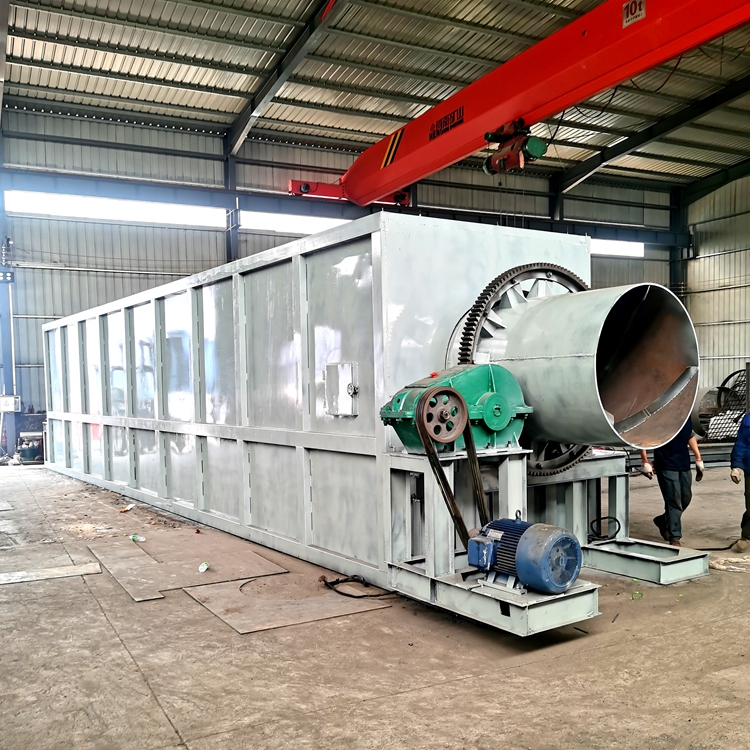
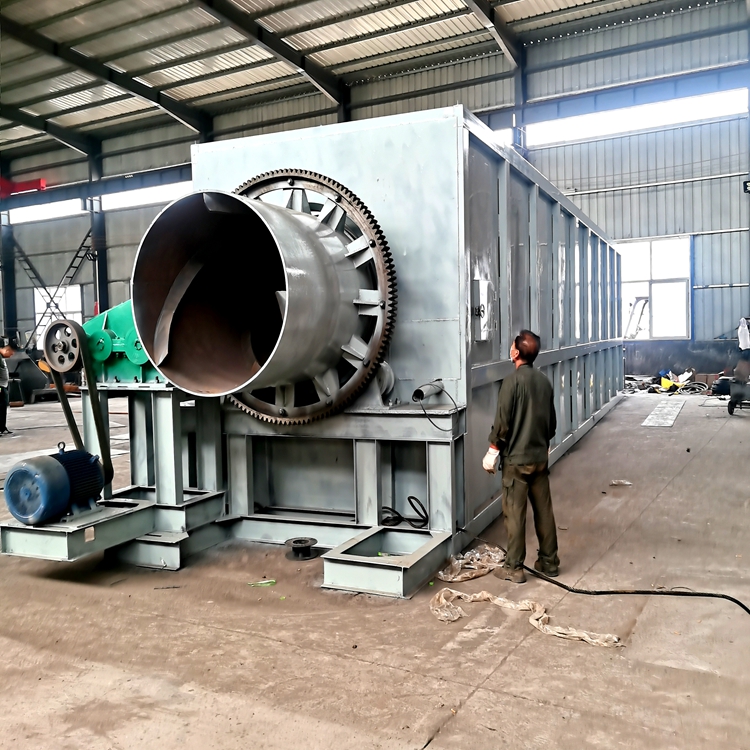
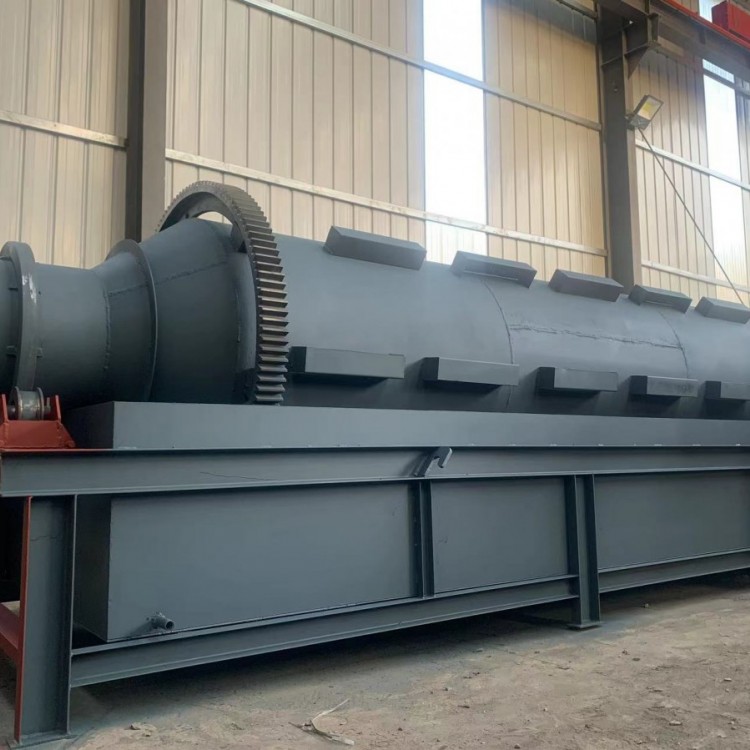
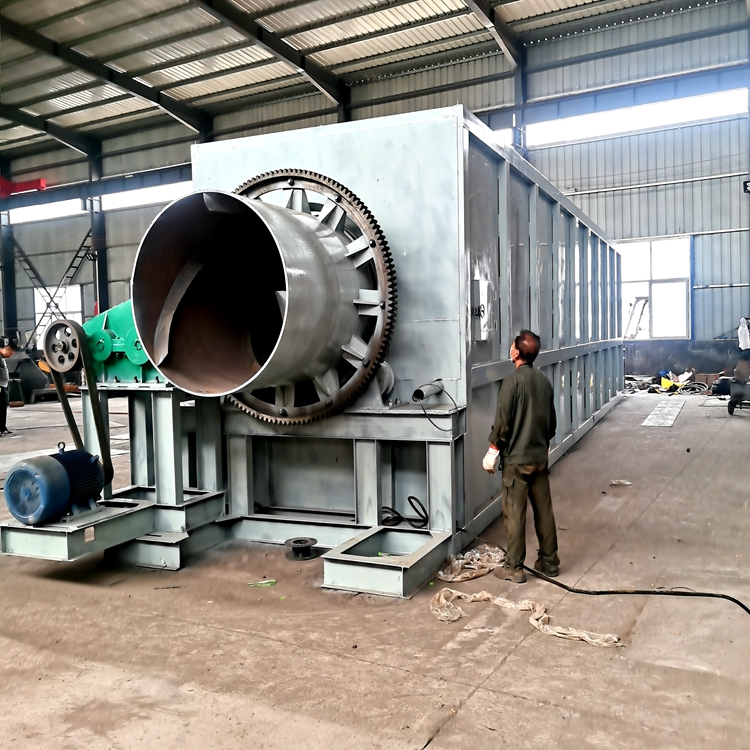
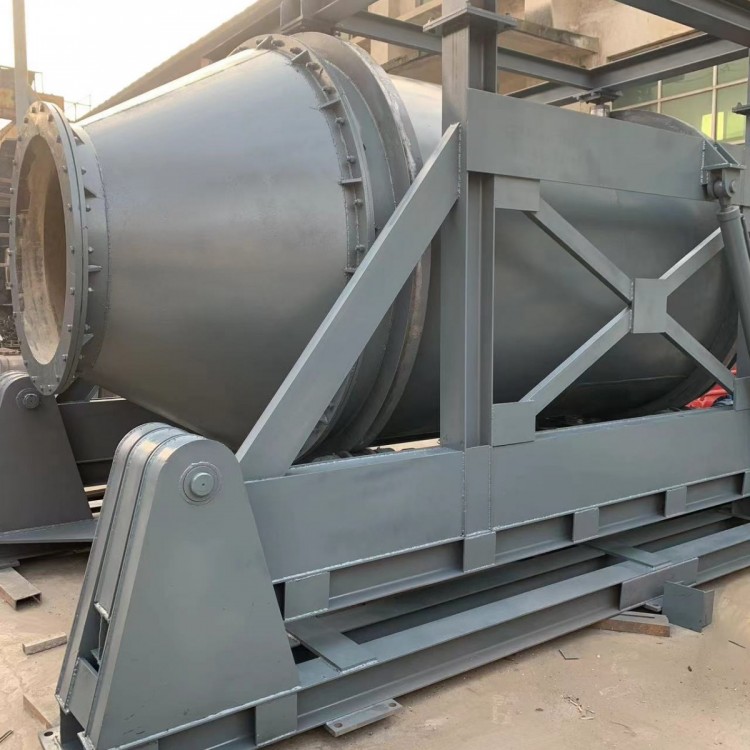
The Cold Gray Machine is a specialized cooling and screening equipment designed for rotary furnaces. Its primary task is to cool the hot slag produced by the rotary furnace through water spray, while also performing grading and screening to minimize burn loss of aluminum slag during the cooling process, thereby improving the recovery rate of aluminum.
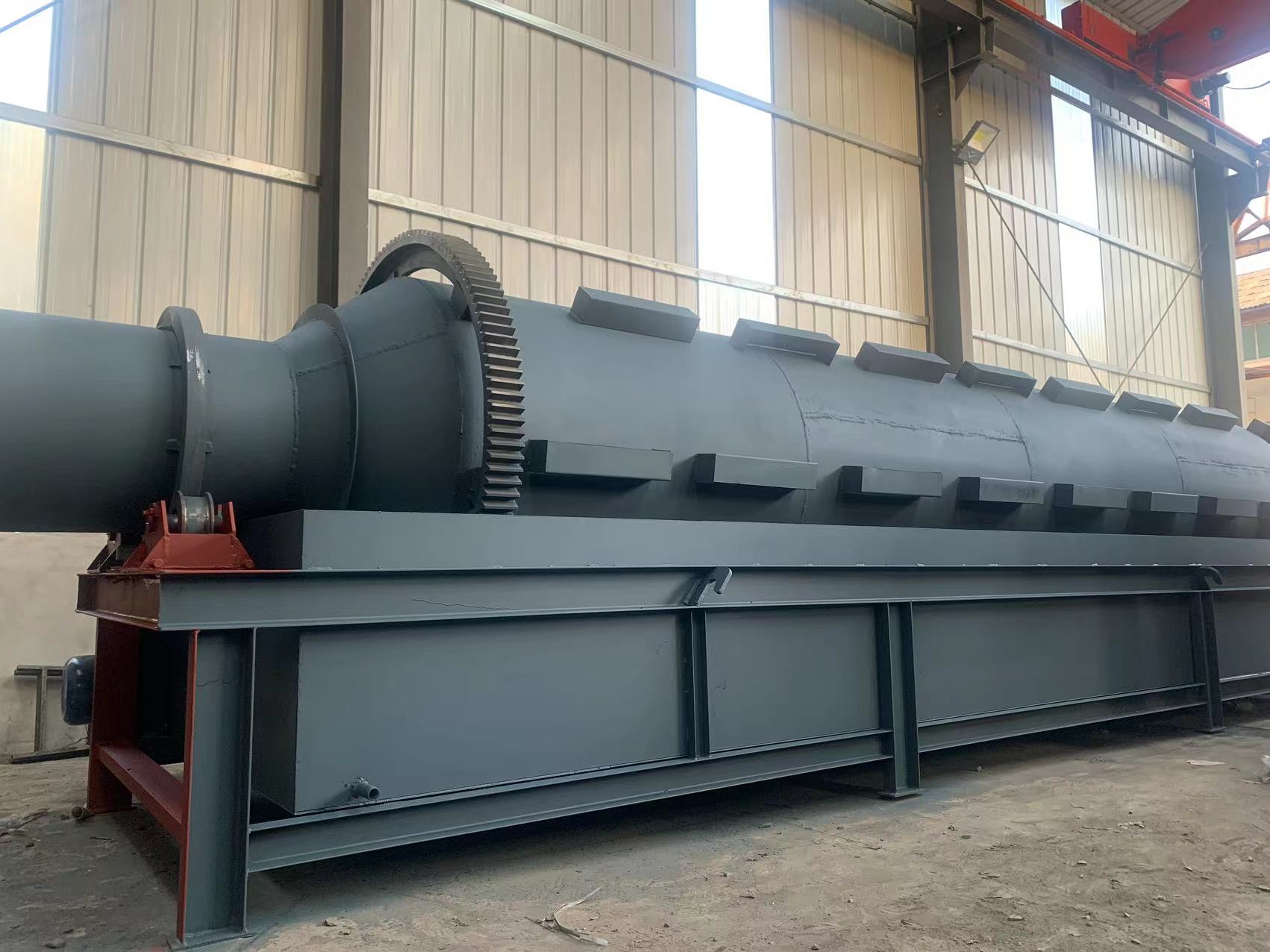
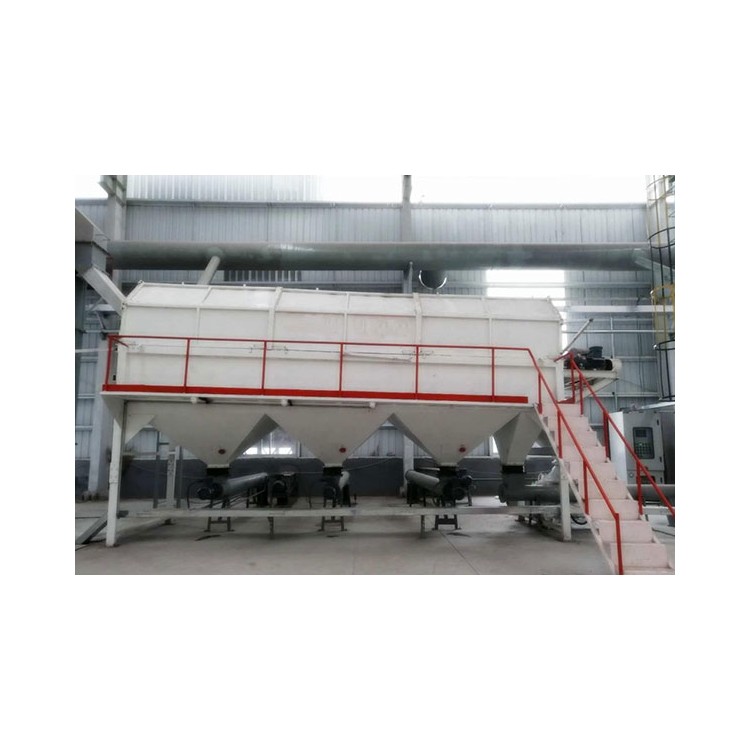
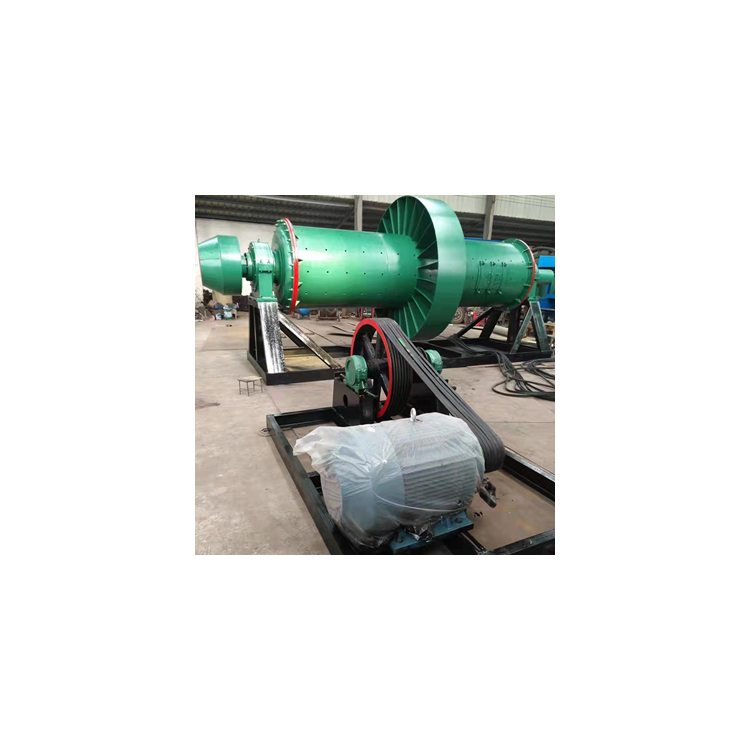
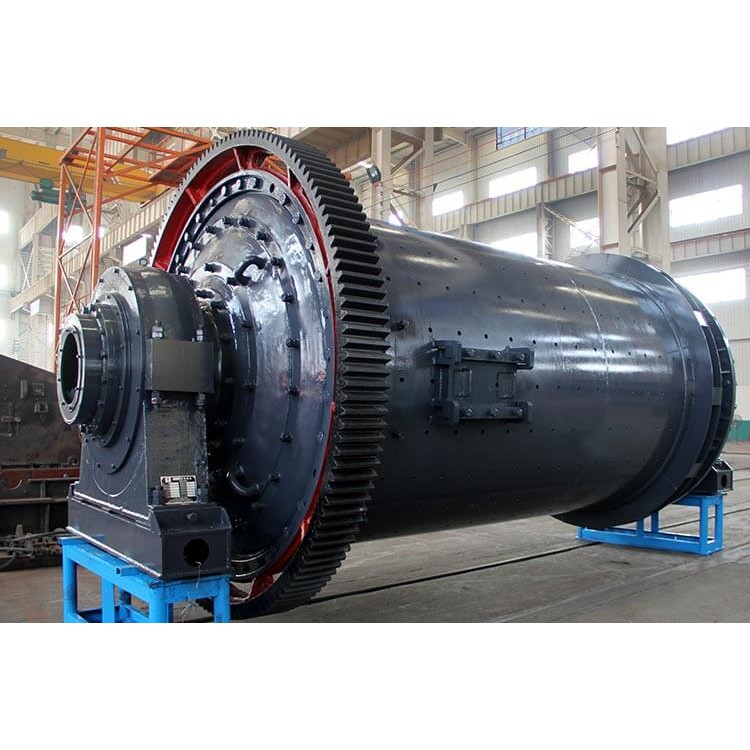
The cold ash machine consists of a cooling drum and a sieve, each with its own independent drive system. The cooling drum rotates at 2 rotations per minute, while the sieve speed can be adjusted between 0-25 rotations per minute (via electromagnetic speed control). The cold ash machine is equipped with 3-4 ash discharge ports, which are used to collect fine, medium, and coarse ash respectively.
The cold grey machine's cooling method is a recirculating water spray, with the equipment base being a recirculating cooling pool. The cooling water is evenly filled into the cooling drum through a pump and spray pipes, where it exchanges heat with the hot slag. The temperature of the cooling water should be maintained around 40℃ to ensure effective cooling. If the amount of hot slag treatment is excessive, consider using external recirculating water.
The hot slag produced by the converter is poured into a semi-circular slag bin and then transferred to the cold ash machine's intake by a rotating forklift. After undergoing heat exchange with cooling water in the cooling drum, the slag is rapidly cooled. Subsequently, the cooled slag enters the ball mill area of the cold ash machine, where coarse pieces are crushed into finer pieces, and the fine aluminum particles are further crushed into even finer particles.
In the screening area, the cold gray machine can screen out fine gray at 60 mesh level (with an aluminum content of about 3%), medium-sized particles below 12mm (with an aluminum content of about 20-25%), and coarse particles above 12mm (with an aluminum content of about 10-15%). If the aluminum dross contains a high amount of iron, a magnetic separator can be installed at the coarse particle discharge point to extract the iron.
Fine, medium, and coarse particles screened by the cold ash machine can be processed as required. Fine ash, with low aluminum content, can be discharged directly. Medium and coarse ash can be recycled into the converter as a coolant or for secondary refining. The use of the cold ash machine significantly improves the recovery rate of aluminum slag, yielding substantial economic benefits.
Product Introduction
Aluminum Slag Cold Gray Machine Introduction
The Aluminum Slag Cooling Machine, also known as the Cooling Machine, Slag Cooler, Hot Aluminum Ash Cooler, Aluminum Ash Cooling Machine, or Cool Ash Drum, is used for rapid cooling and processing of hot aluminum slag during aluminum profile molding. Its applications include: rapid cooling and processing of hot aluminum slag during aluminum profile molding. The cooling machine effectively solves issues related to rapid cooling and processing of hot aluminum slag and aluminum ash during aluminum profile molding, such as large land occupation, labor requirements, poor management, severe environmental pollution, high ash burning loss rate, tendency to agglomerate, difficult post-processing, and high costs. This equipment fills a gap in the industry, gaining high recognition in the aluminum melting and shaping sector. It is compatible with the aluminum ash processing system and effectively addresses the treatment of both hot and cold aluminum ash. The treated ash does not agglomerate, has a low temperature, is easy to process, and has low costs. It forms a complete aluminum ash processing production line system, capable of recycling aluminum from ash and slag with a recovery rate of over 90%, achieving energy conservation and consumption reduction in the aluminum industry with significant economic benefits.
Principle of Operation for Aluminum Slag Cold Gray Machine
The dry wet material is conveyed to the hopper by a belt conveyor or a bucket elevator, then it enters the feeding end through the hopper's feeding machine via the feeding pipeline. The slope of the feeding pipeline should be greater than the natural angle of repose of the material to ensure smooth flow into the cooler. The cooler cylinder is a rotating cylinder slightly inclined from the horizontal line. Material is added from the higher end, and the heat carrier exits from the lower end, coming into counter-current contact with the material. There is also a scenario where both the heat carrier and the material flow into the cylinder simultaneously. As the cylinder rotates, the material moves under gravity to the lower end. During the forward movement of the wet material within the cylinder, it is directly or indirectly heated by the heat carrier, which cools the hot material. Then, it is discharged from the feeding end via a belt conveyor or a spiral conveyor. Scrapers are installed on the inner wall of the cylinder, which function to lift and sprinkle the material, increasing the contact surface area with the airflow to enhance the cooling rate and promote material flow. The cooling mediums are generally categorized into cool air, etc. After passing through the cooler, the heat carrier typically requires a cyclone separator to collect the material carried by the gas. To further reduce the dust content in the exhaust gas, it should pass through a baghouse or a wet scrubber before being released.
Aluminum Slag Cold Grey Machine Performance Features
1. The cold gray machine has fast cooling speed and can handle a large volume of hot aluminum slag in a single cooling.
2. The Aluminum Ash Cold-Grinding Machine can rapidly reduce high-temperature materials from 700-800 degrees to below 100℃.
3. Indirect cooling through water and high-temperature material exchange.
4. Smooth transmission, low power consumption, vibration-free, compact structure, small size, minimal wear.
5. Can operate in both forward and reverse modes: forward for cooling and crushing materials, reverse for discharge.
6. Made of heat-resistant materials.
7. Equipped with a high-temperature dedusting system to meet the environmental protection requirements of the workplace.