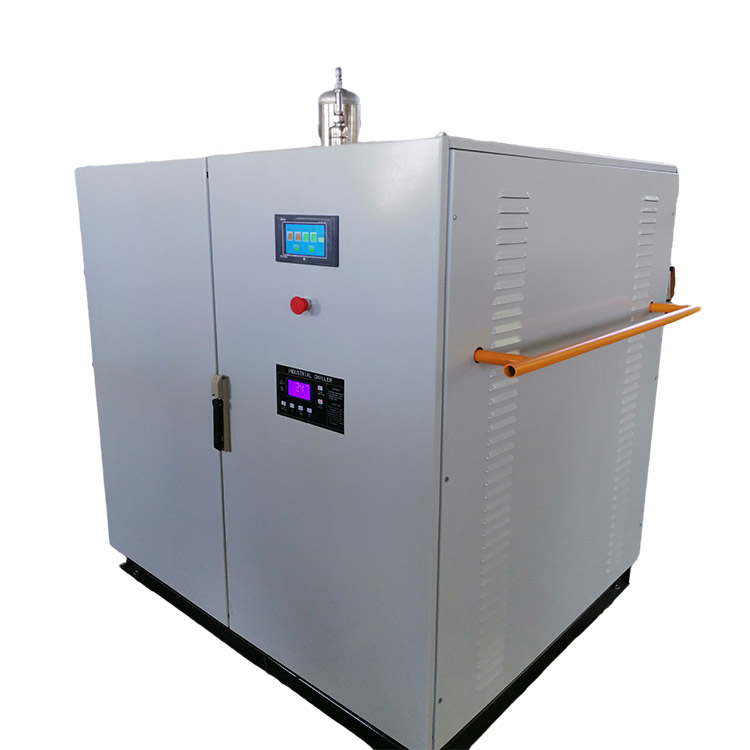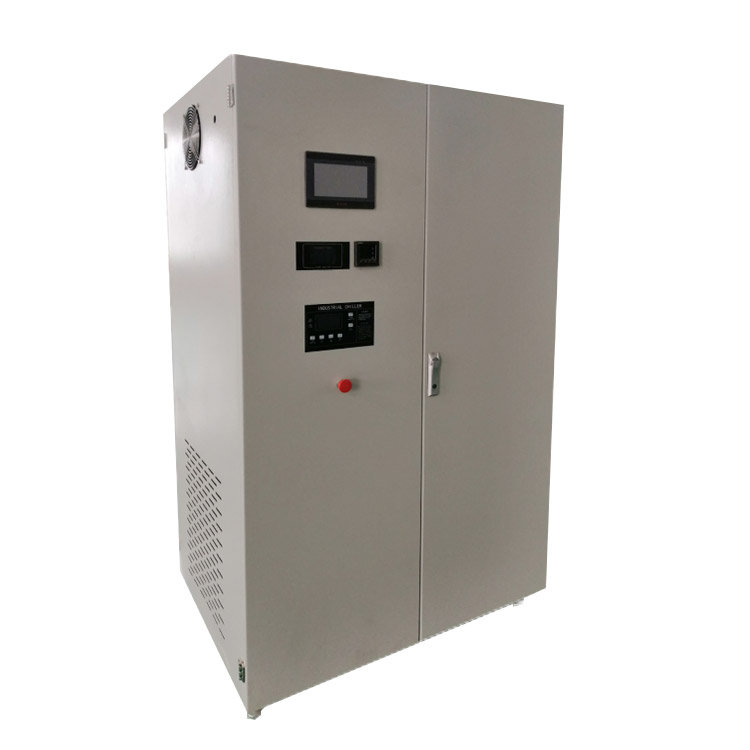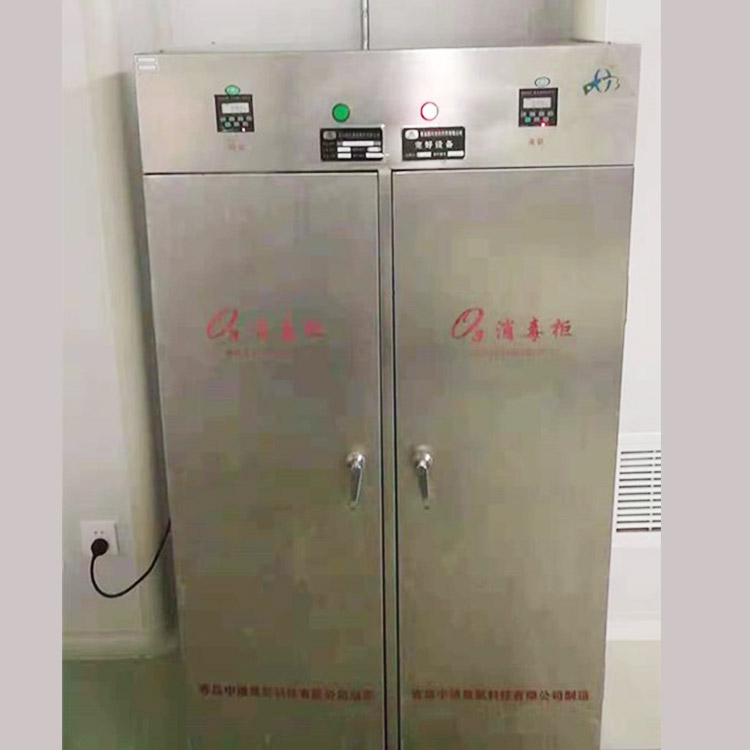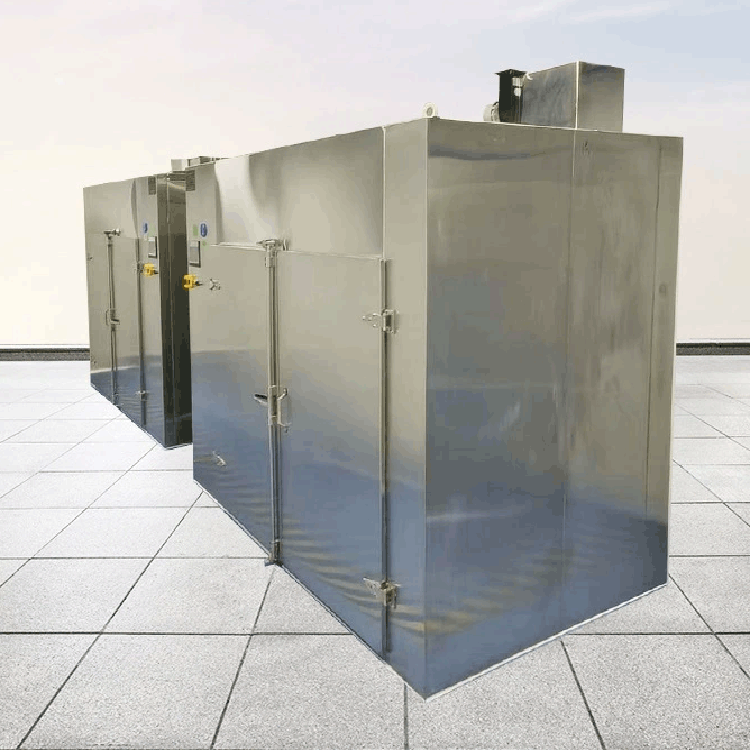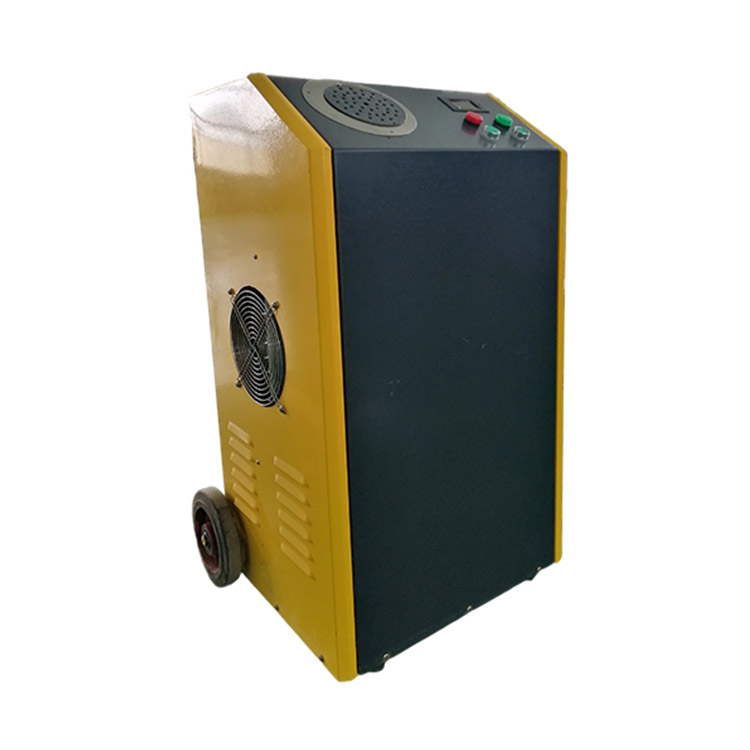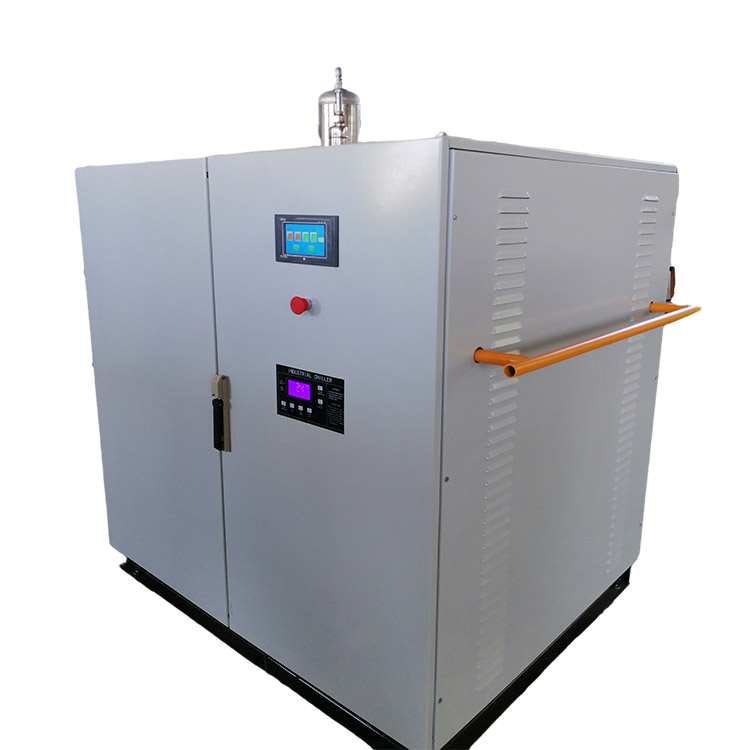


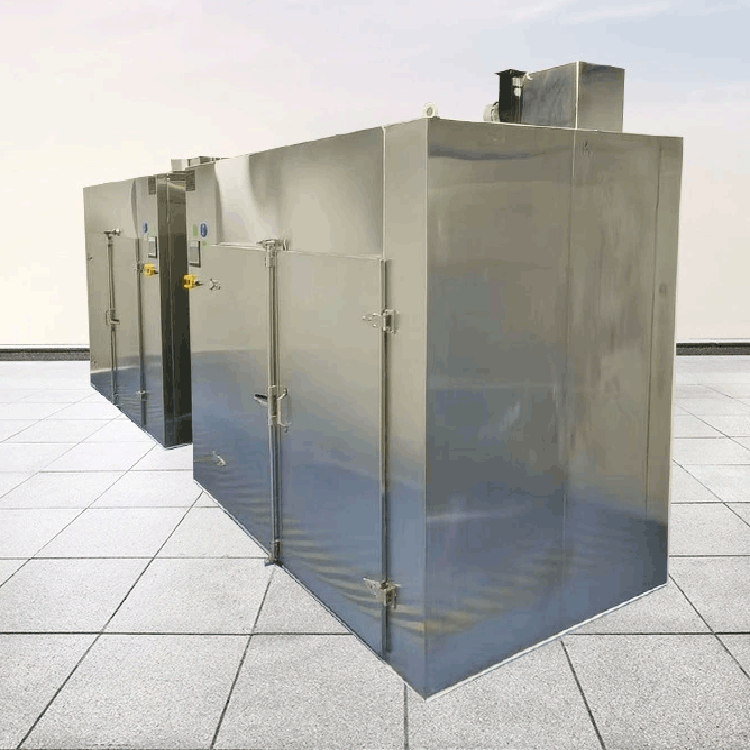
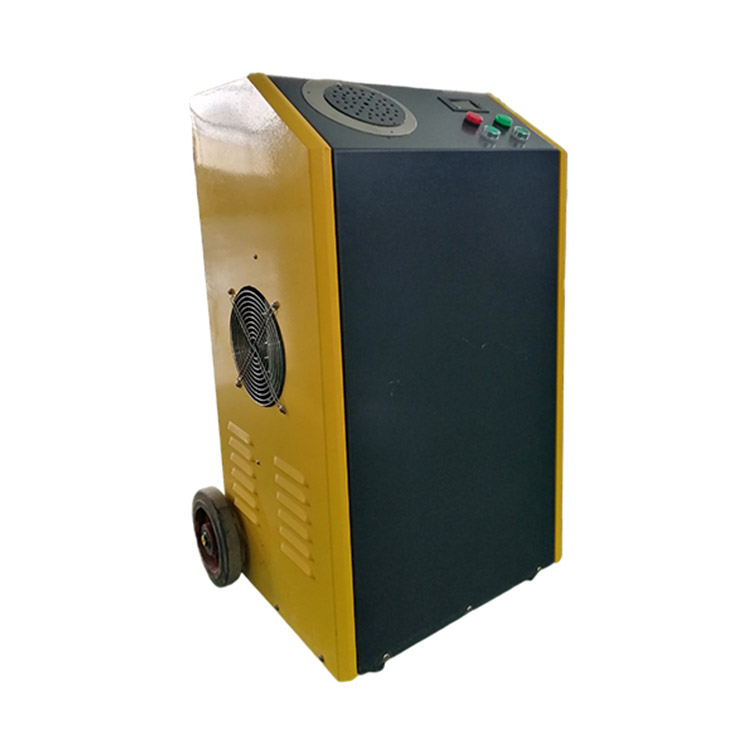





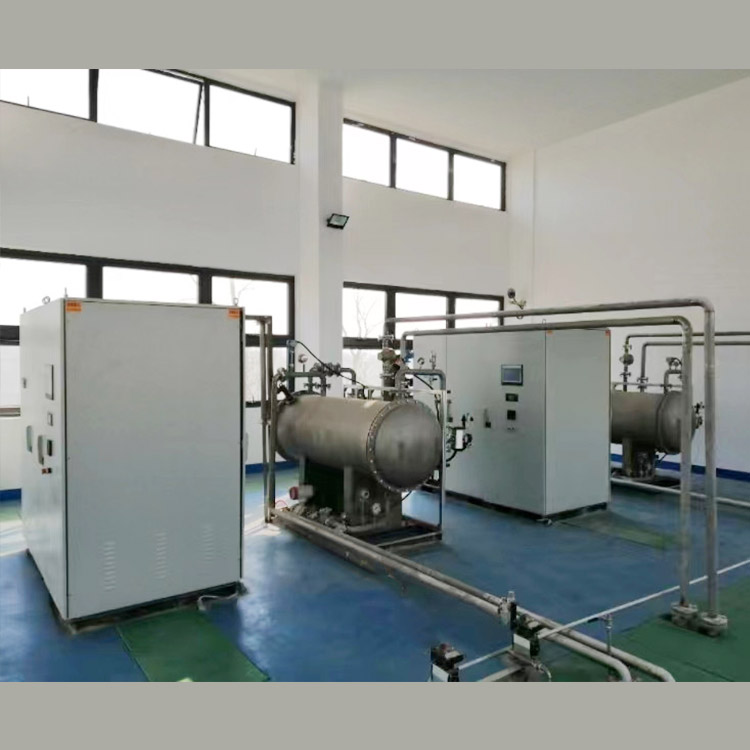
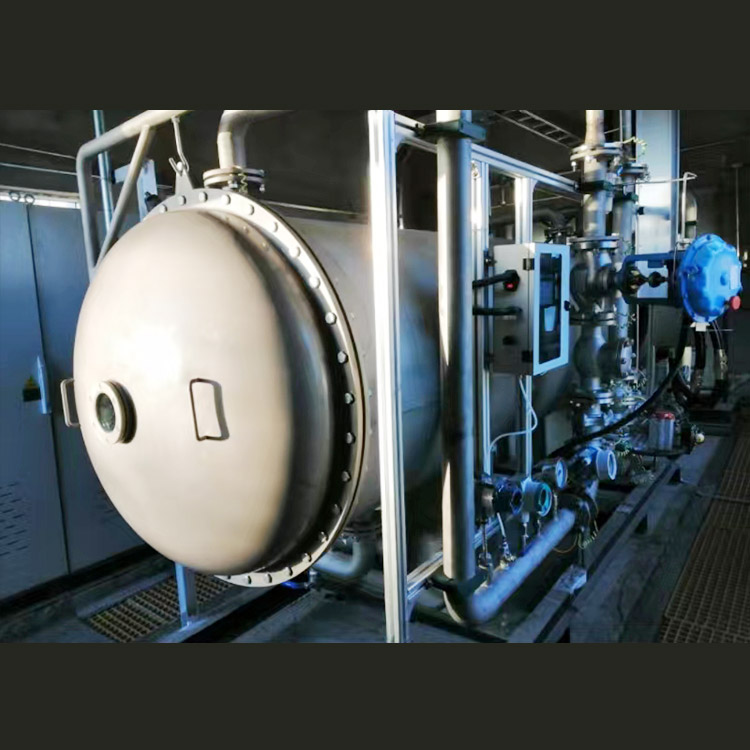
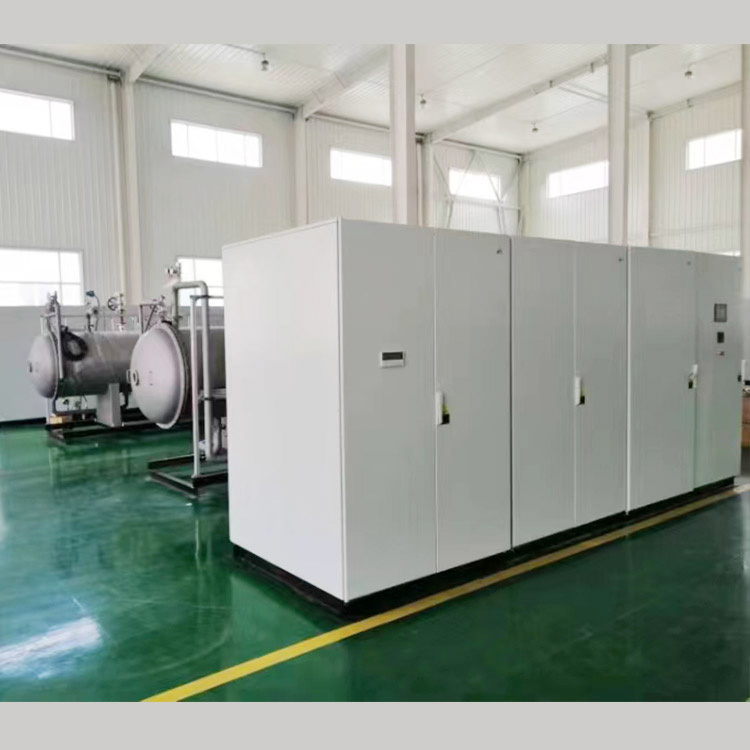
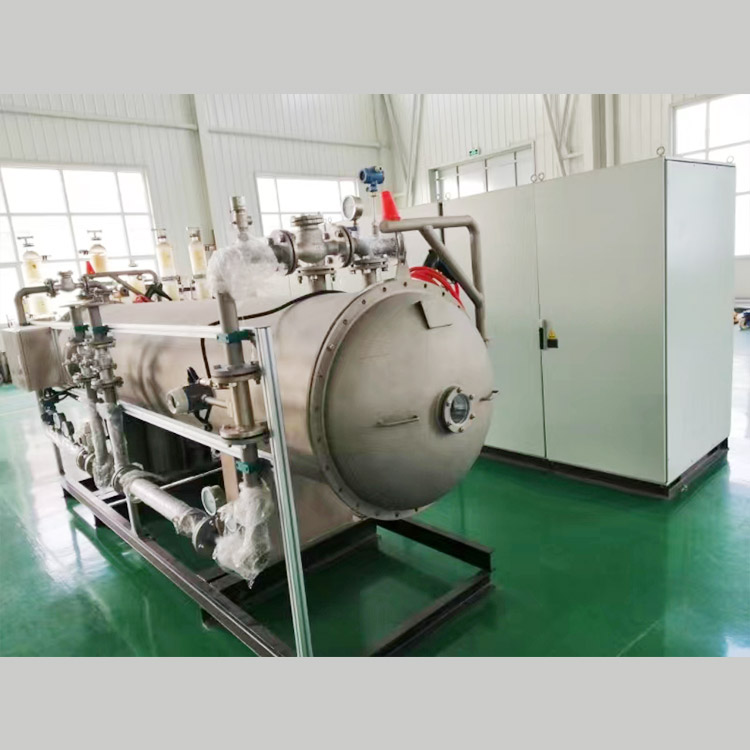

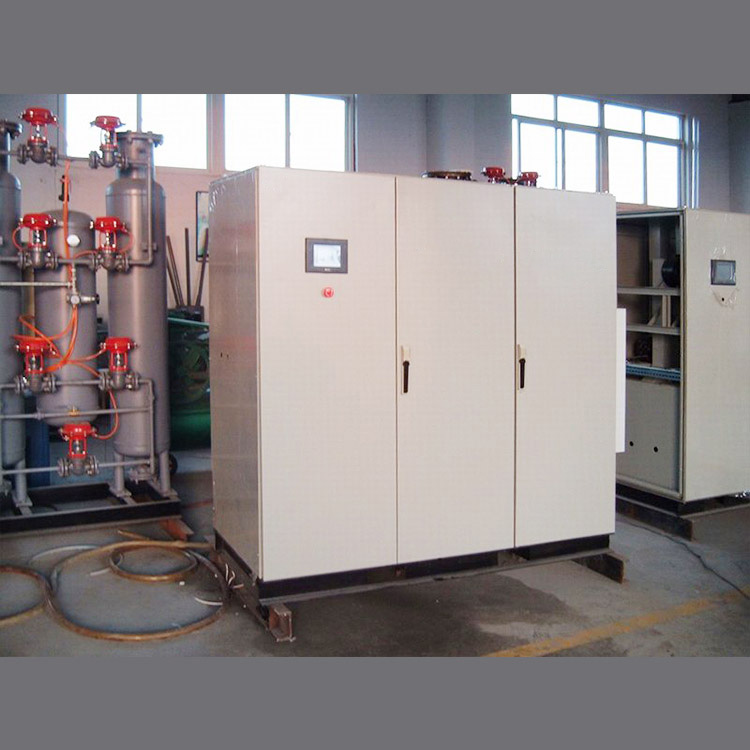
Ozone equipment is widely used as ozone sterilization cabinets in various occasions and fields. Principle of operation analysis:
Oxidizing agents' oxidation strength comparison: Fluorine (F2) > Ozone (O3) > Hydrogen Peroxide (H2O2) > Potassium Permanganate (K2MnO4) > Chlorine Dioxide (ClO2) > Sodium Hypochlorite (NaClO) > Chlorine (Cl2) > Oxygen (O2)
Utilizing the strong oxidizing properties of ozone, it can be used for water disinfection, air disinfection, and surface disinfection of objects.
Currently, ozone sterilization cabinets are mainly applied in the following aspects across various fields:
Drinking water, domestic wastewater, industrial wastewater, sewage, and swimming pool water treatment.
2. Freshness and preservation of fruits, vegetables, and meat products; removal of pesticide and pathogen residues, and disease prevention and control.
3. Home living room air purification and disinfection (removing formaldehyde, etc.) and catering industry kitchenware disinfection and sterilization.
4. Air disinfection in food factories, as well as sterilization of processing equipment and facilities.
5. Aquaculture water disinfection treatment, air sterilization, deodorization, and odor removal in livestock and poultry farms.
6. Bleaching of pulp and textiles in the chemical industry, as well as desulfurization and denitrification in factory exhaust gas treatment.
Ozone differs from conventional disinfectants; any excess ozone can quickly decompose into oxygen, which is beneficial and harmless to humans. Utilizing ozone for sterilization and disinfection leaves no secondary pollution, as no harmful substances remain in treated water, air, food, or utensils. This advantage is unmatched by other disinfectants and ozone is internationally recognized as a cleaner disinfectant.