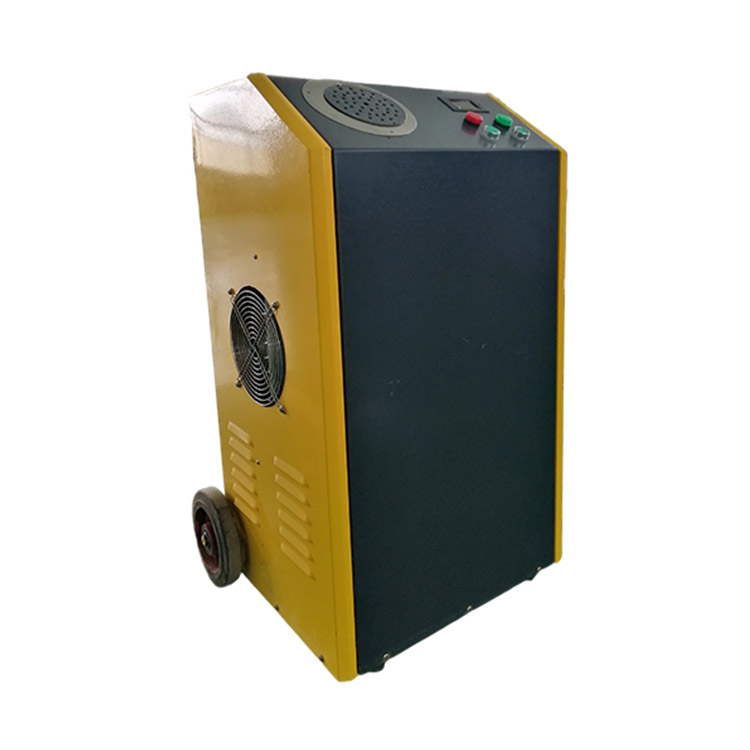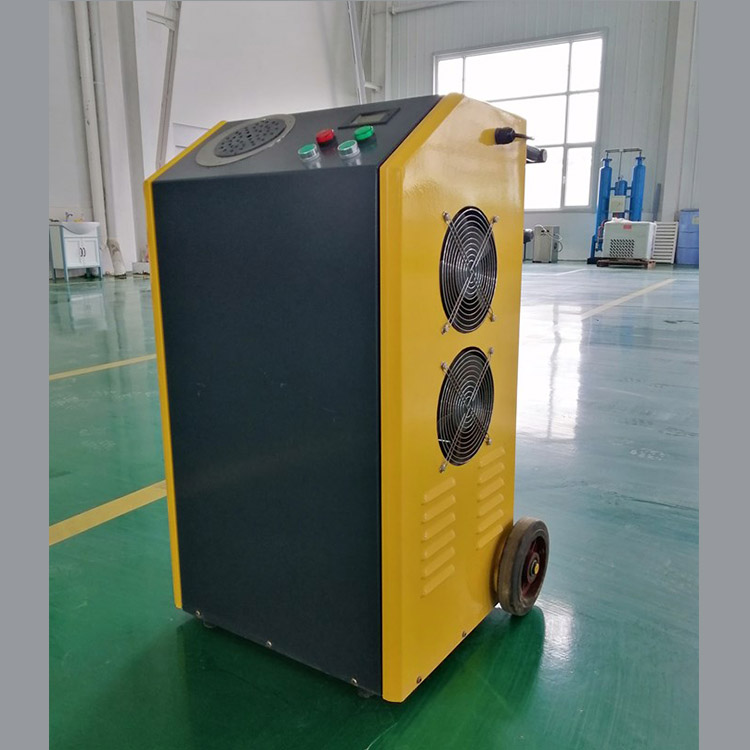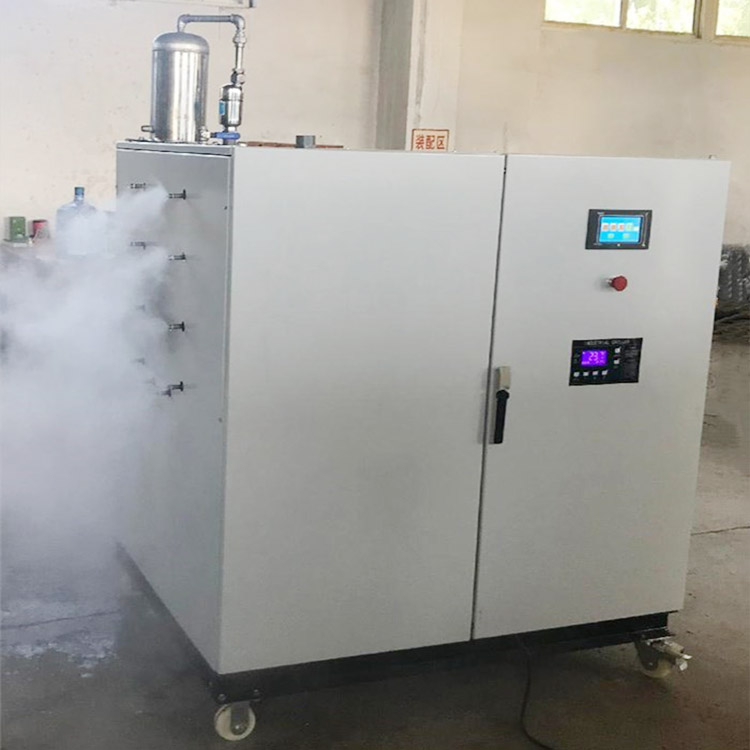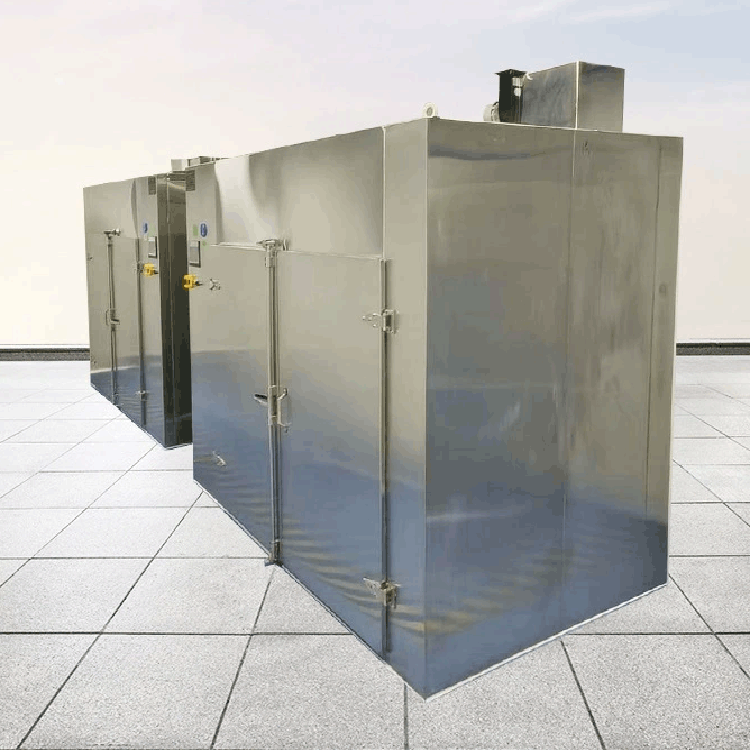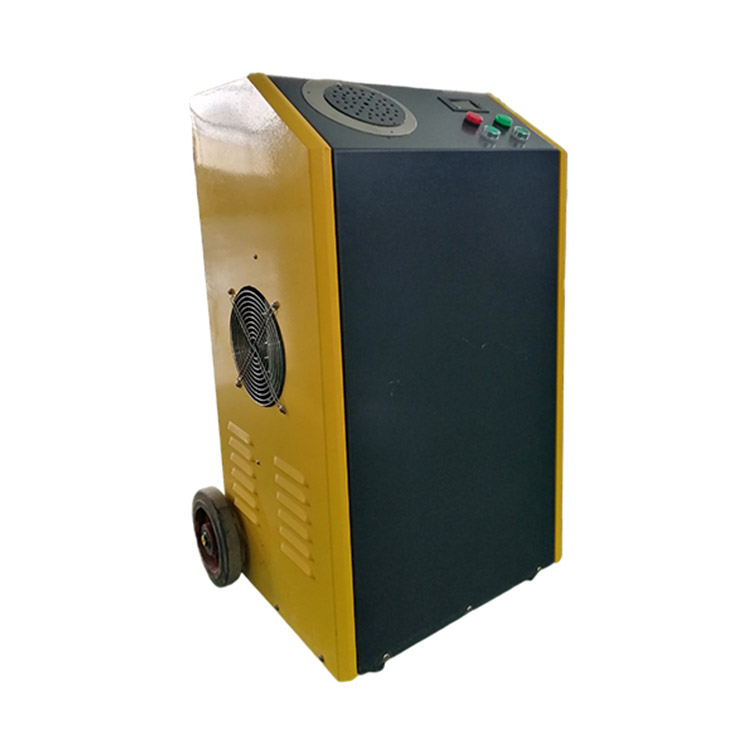


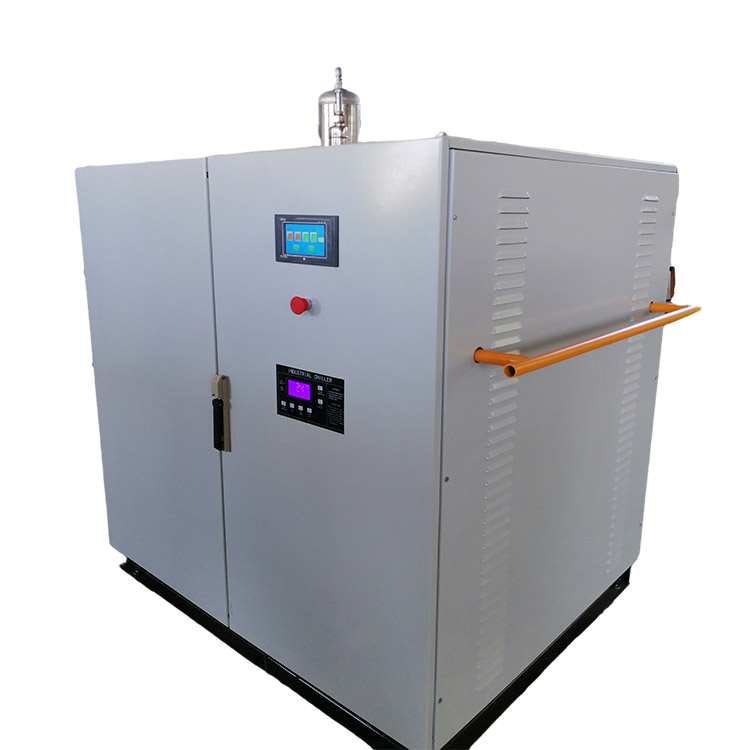





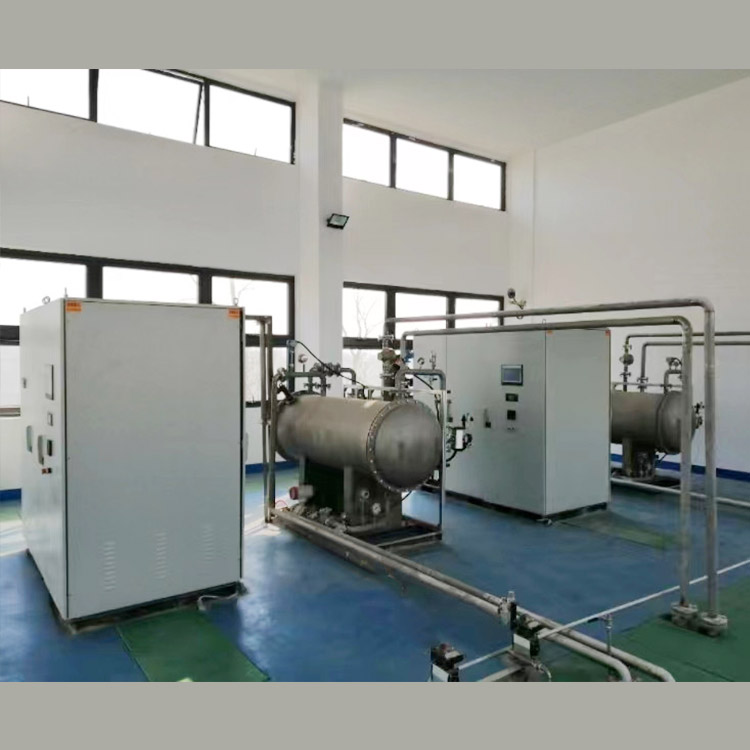
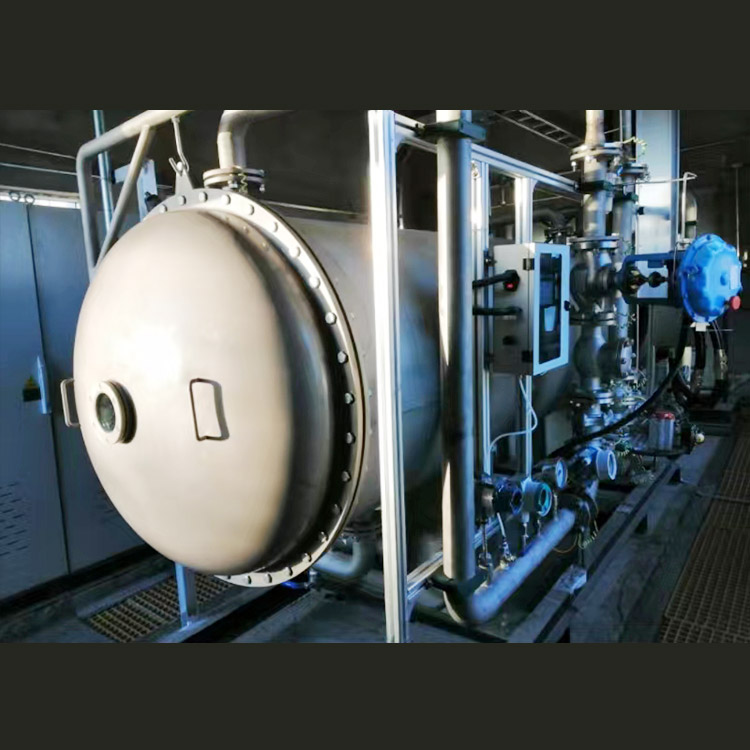
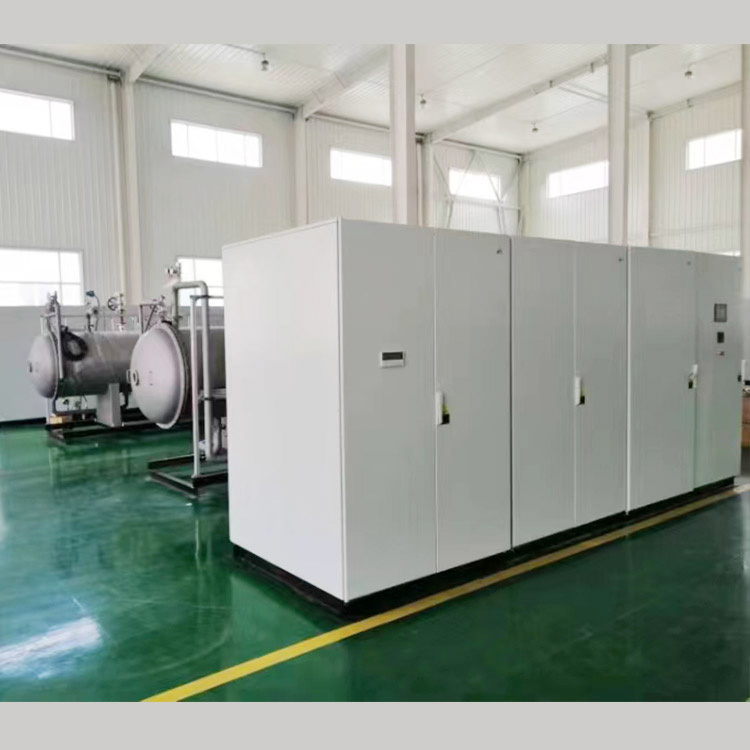
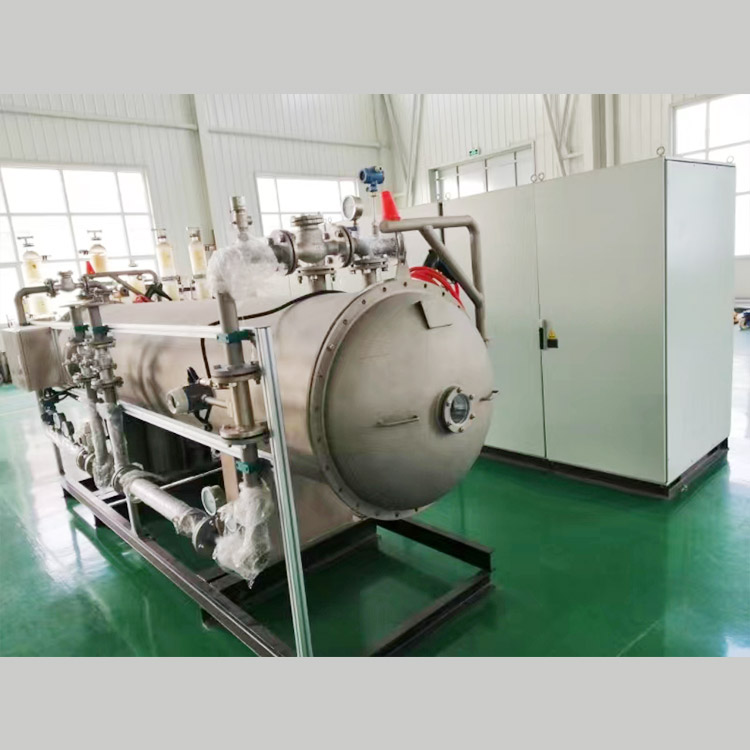

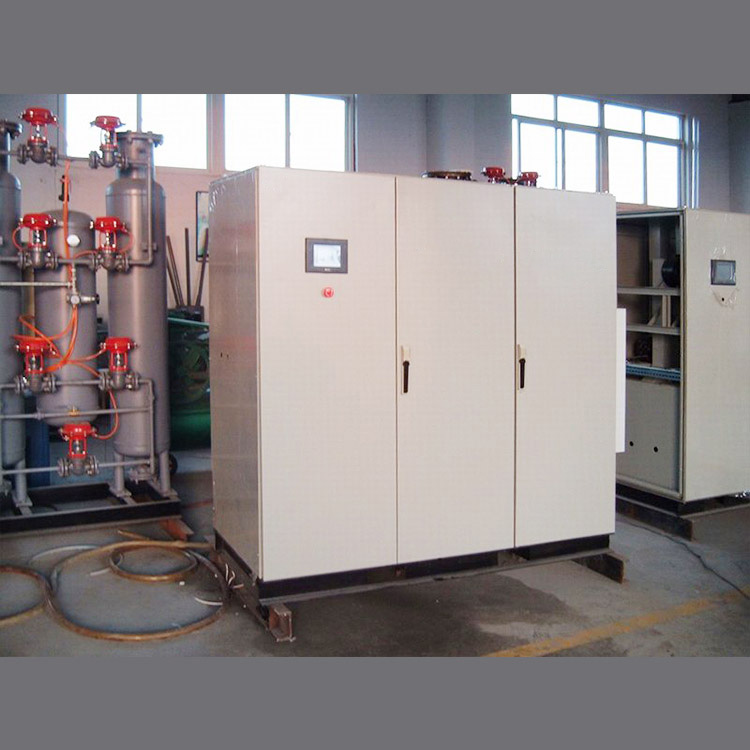
Ozone air sterilizers are widely used in various settings.
Applied for indoor air disinfection:
Indoor, enclosed spaces like vehicles can be severe sources of air pollution. An ozone air purifier or sterilizer can remove most toxic substances and odors from the air, such as volatile organic compounds from paint or coatings, cigarette smoke, and biological odors, while also eliminating various infectious viruses and bacteria from the air.
Used for sterilization and disinfection:
In areas with diseases, harmful pathogens from severe patients can easily disperse into the air. Therefore, there are also places susceptible to disease infections, and cross-infections can occur. The sterilization of doctors' and nurses' hands and tools before nursing operations is one of the urgent issues to be addressed. Ozone air sterilizers with rapid bactericidal action are highly effective in environmental sterilization. Yellow staphylococcus and Pseudomonas aeruginosa, which are prone to cause infections, can be completely killed within 5 seconds in ozone water. The bactericidal capacity of ozone is far superior to that of alcohol and chlorine.
Applied for air disinfection and purification in food factories:
Ozone acts as a strong oxidant and a rapid, broad-spectrum disinfectant, killing microorganisms by causing strong oxidative reactions in their cellular components, leading to irreversible changes and death. It is generally believed that viruses are inactivated by ozone through direct destruction of their nucleic acids (RNA or DNA). For bacteria and mycotic microorganisms, ozone primarily affects the cell membrane, damaging its structural components, disrupting metabolism, and inhibiting growth. It then penetrates and destroys the intracellular tissue until the microorganisms are killed. Ozone's disinfection and sterilization effectiveness and speed surpass those of ultraviolet light, chlorine, and other chemical disinfectants, with no secondary pollution.