







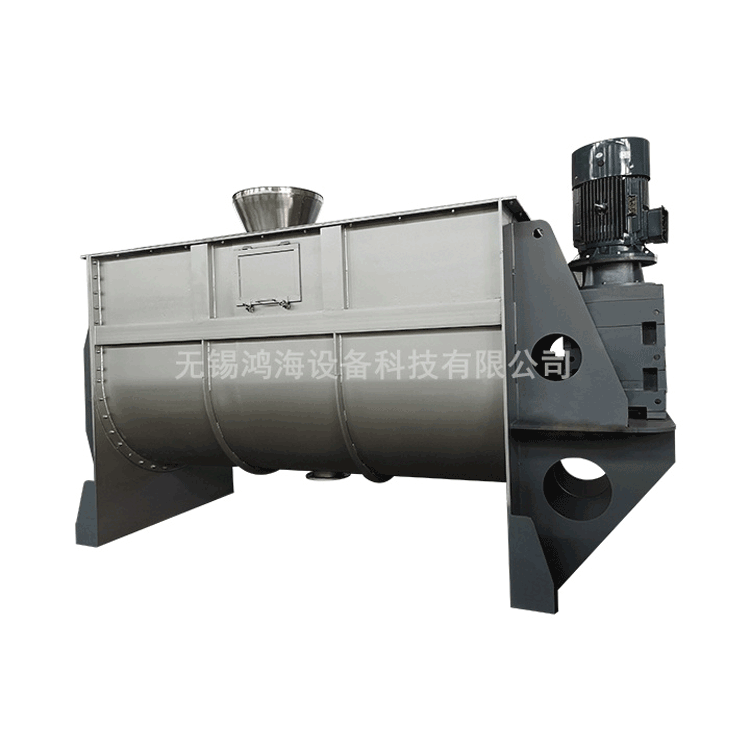
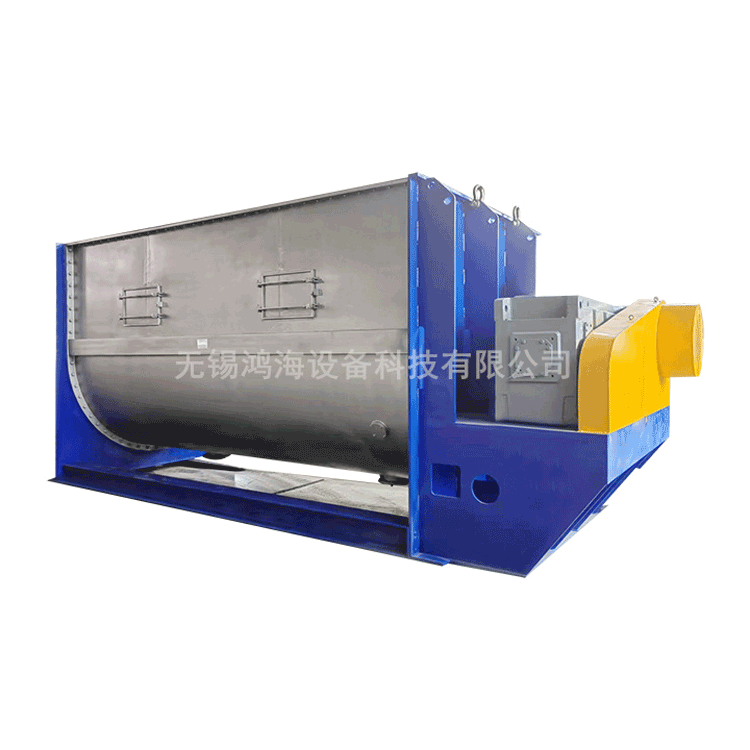
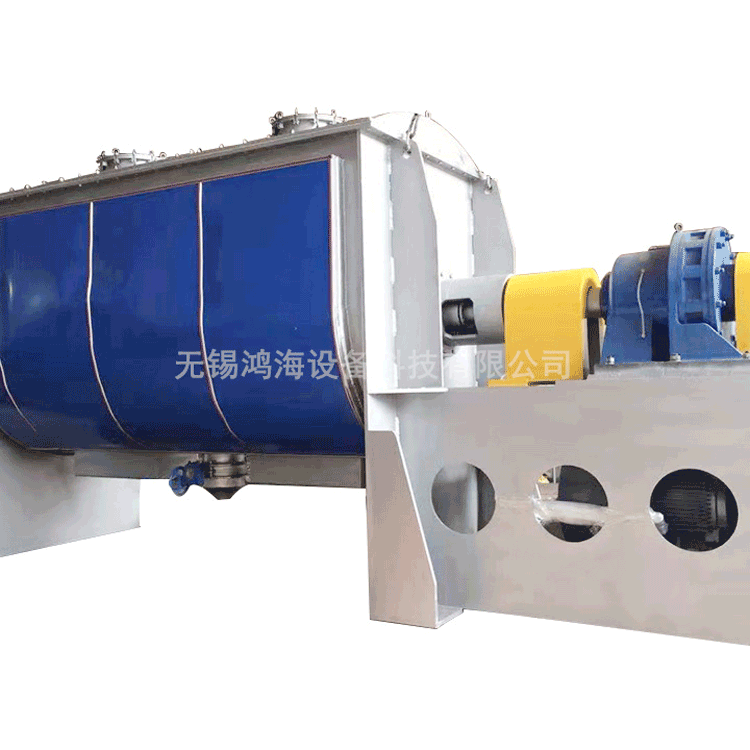
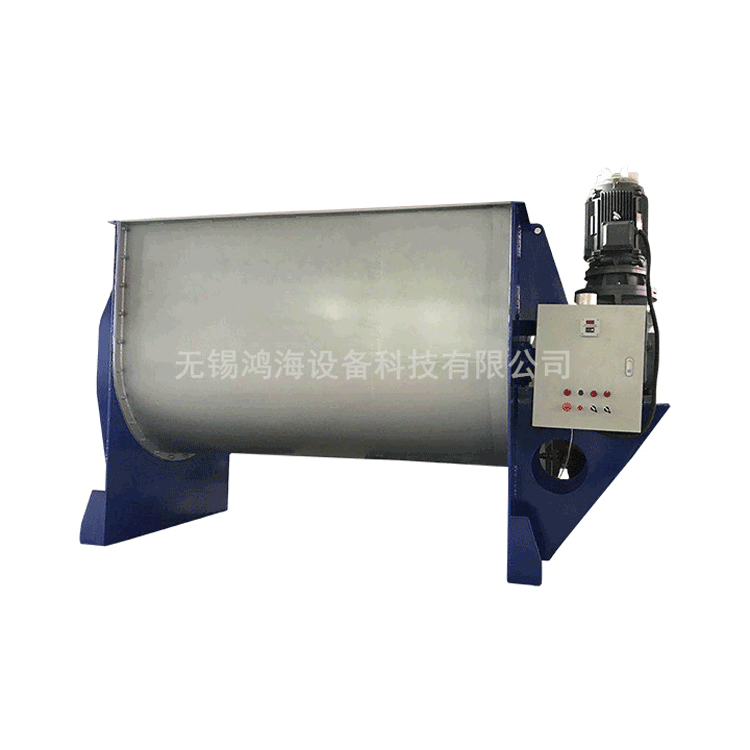

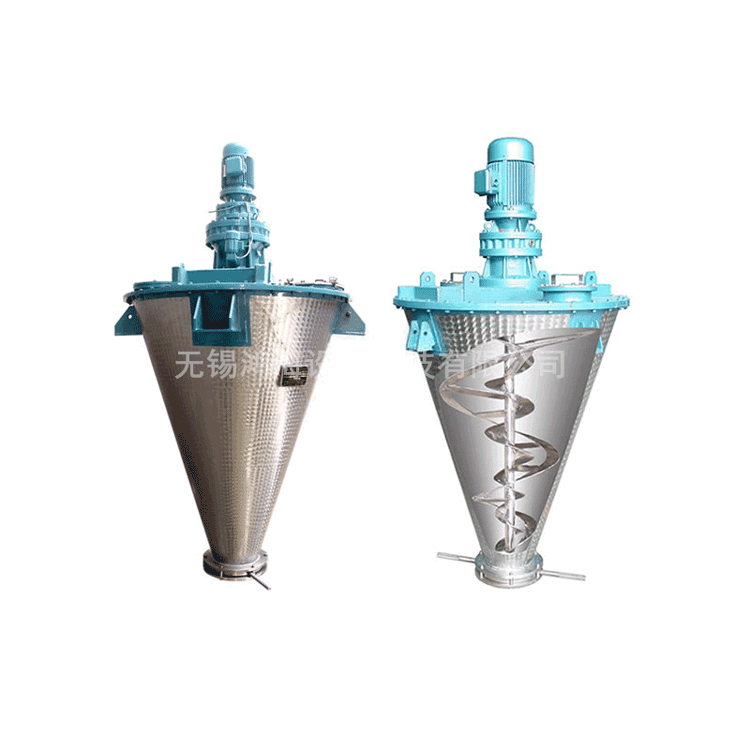
Vibratory Compactor/Mechanical Blending Machine
Introduction
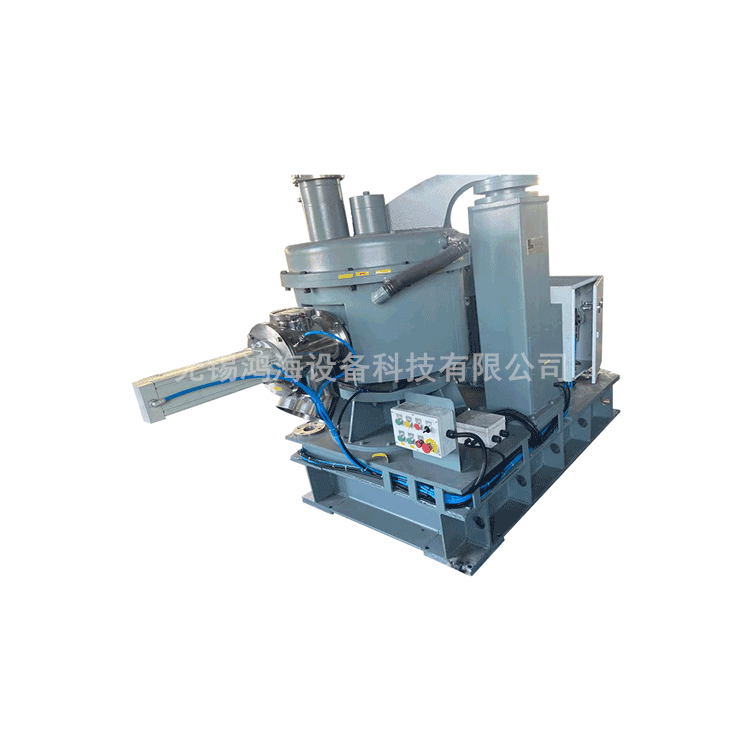
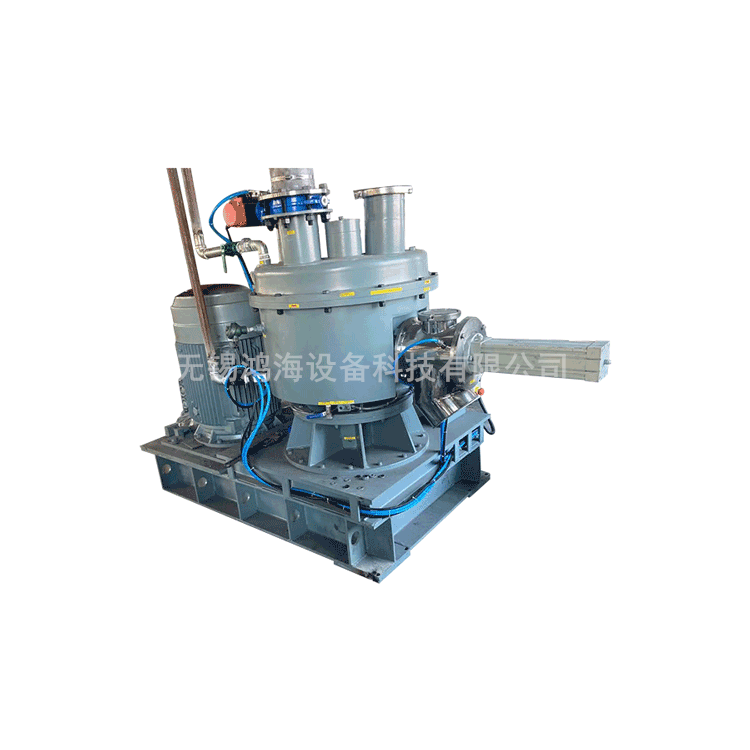
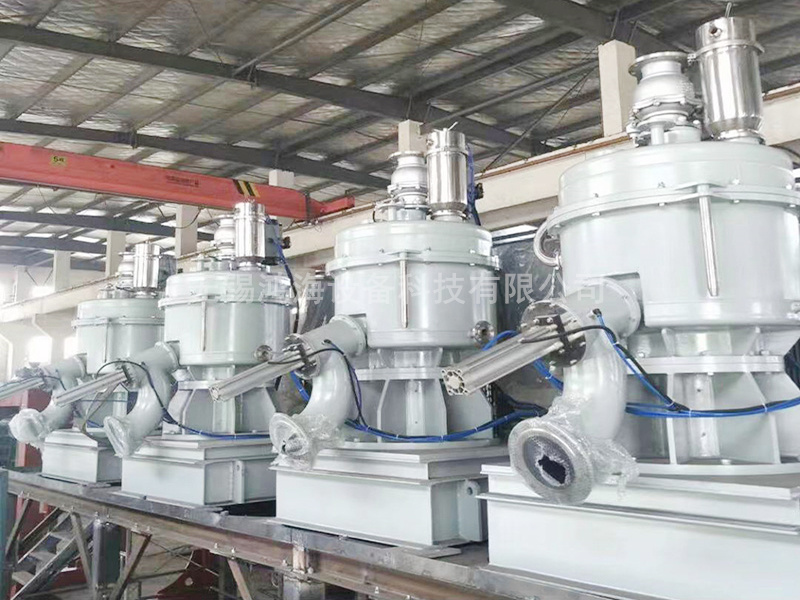
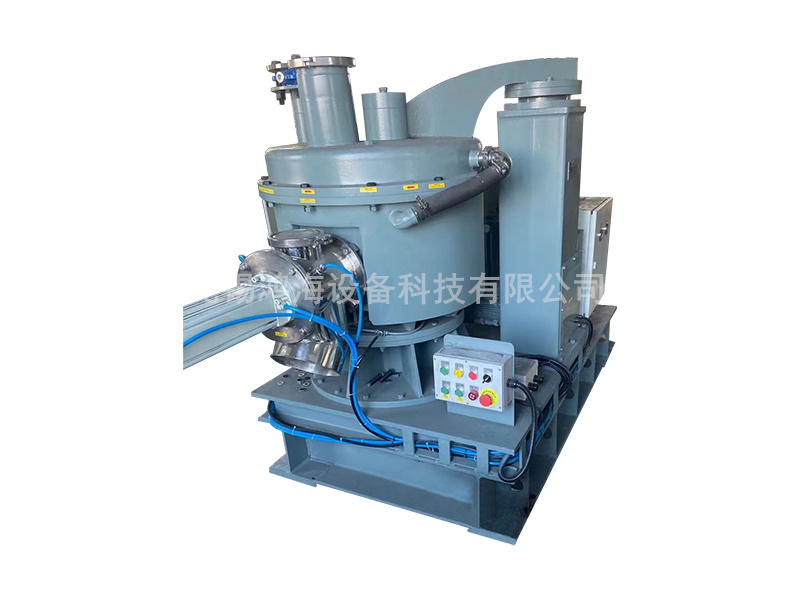
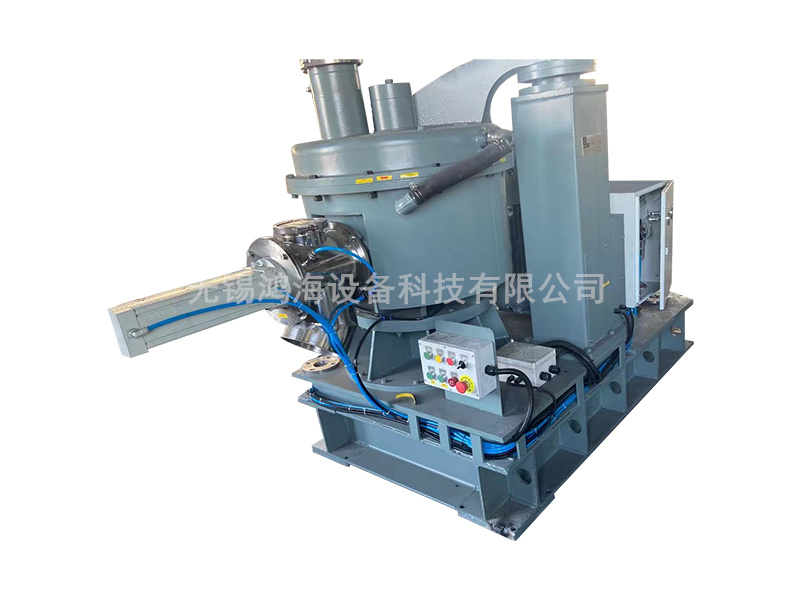
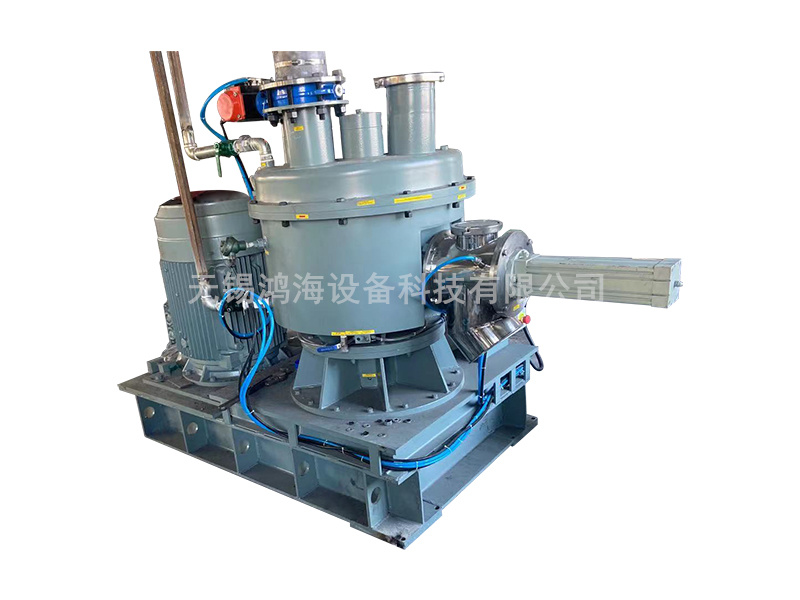
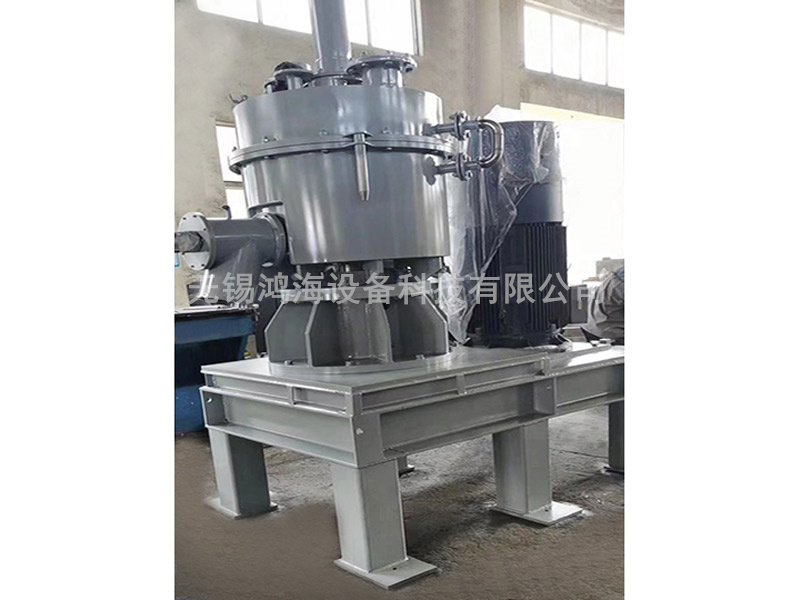
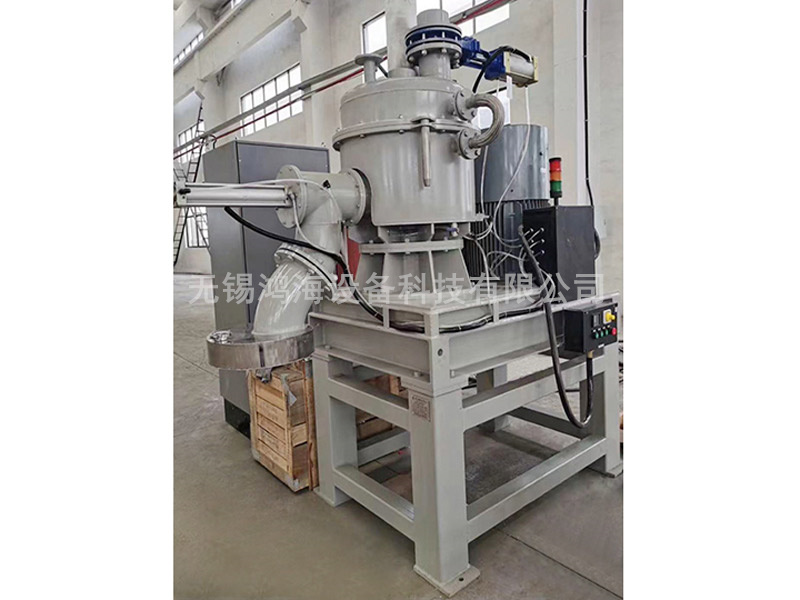
The Compaction Machine, also known as the Mechanical Fusion Machine, uses a physical processing method to fully integrate two substances together. By utilizing external mechanical force, one material is completely adhered (or embedded) onto another, thereby creating a new material that possesses the characteristics of both.
The compacting machine can also be used for the rounding transformation of granules. The produced granules not only have a high degree of rounding but also feature an increased bulk density.
Another use of the振实机 is as a blending machine. General powder blending machines have limited homogenization, making it difficult to uniformly disperse small batches of additives within the powder. The traditional solution is to increase the amount of additive. However, if the additive itself is highly valuable or has other adverse effects, a mechanical blending machine can be used to replace the traditional blending method.
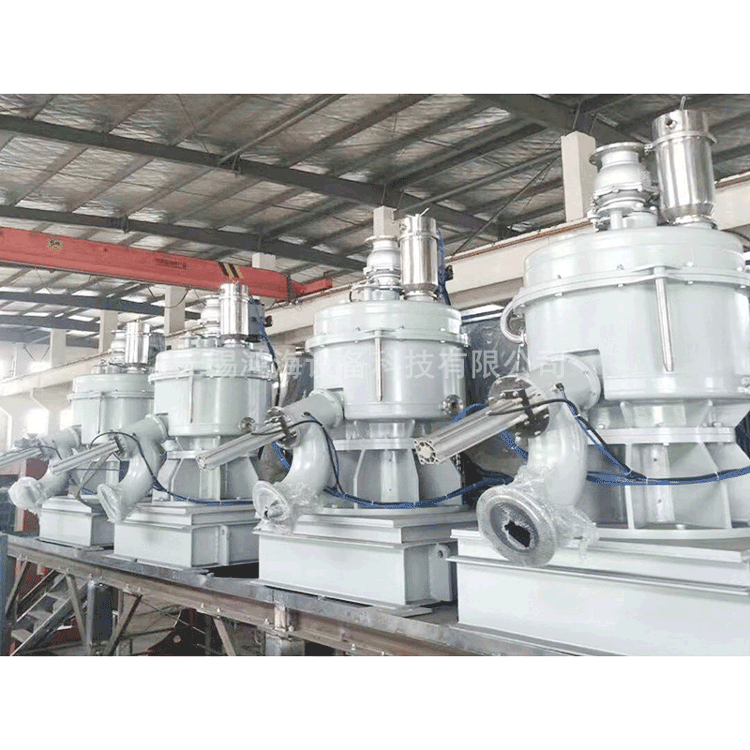
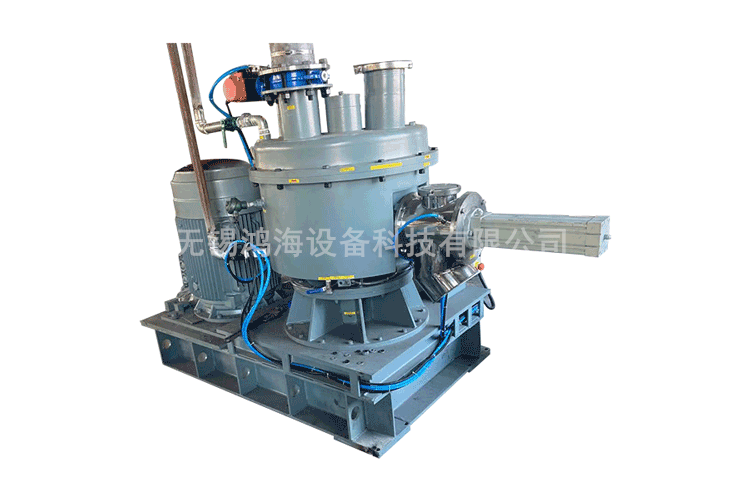
Equipment Description
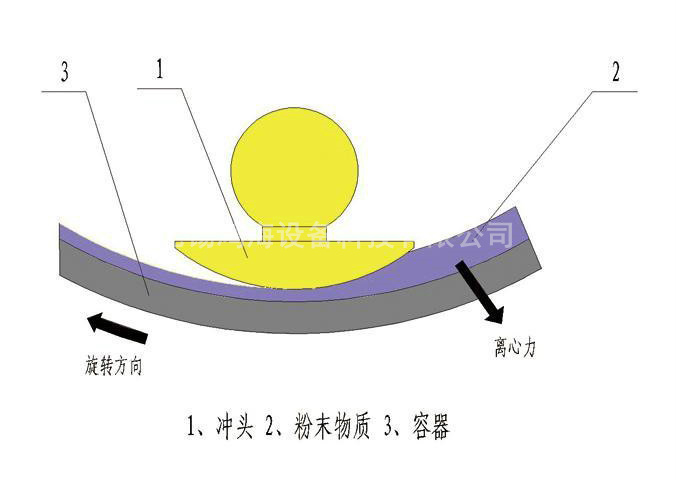
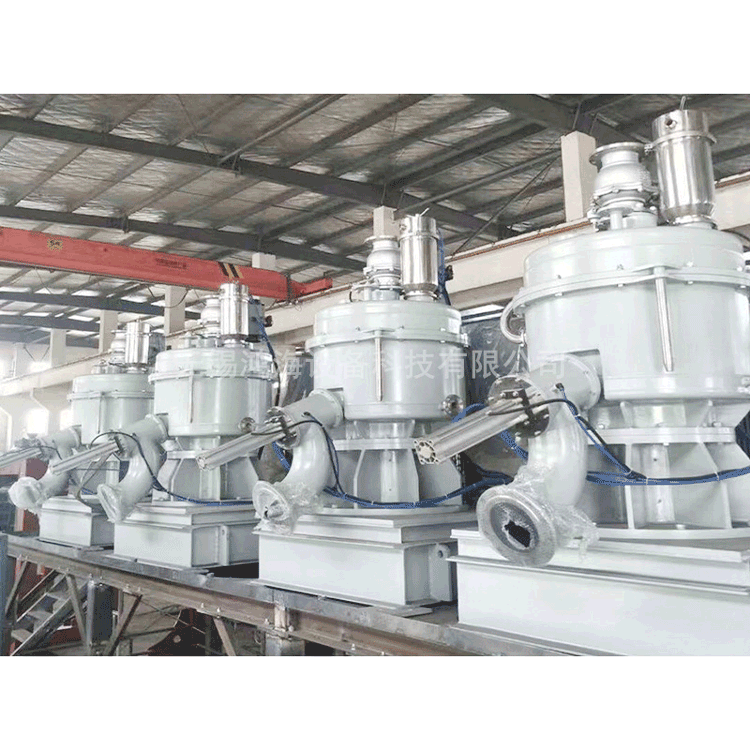
This equipment is primarily designed for battery industry applications. The feeding port (anode materials, conductive agents, adhesives, electrolytes) undergoes mechanical blending and high-precision mixing, forming a distribution of different material compositions, enhancing the utilization rate of product materials. It achieves a composite structure among particles of different materials, reducing the product's BET specific surface area, and allowing the particles to fill with high density. Nanoscale powders are coated onto micrometer-sized particles, thereby improving the physical and chemical properties of the powder. The mechanical blending equipment is developed based on this principle. Materials rotate at high speed within the rotor, adhering tightly to the wall under the force of centrifugal force, passing through the gap between the rotor and stator head at high speed. At this moment, the materials are subjected to both compressive and shearing forces. Due to the high-speed rotation, the materials circulate between the rotor and stator, continuously exposed to compressive and shearing forces. Under the action of friction, the particle surfaces reach a state of mechanical melting, thus coating the nanoscale ultra-fine powders onto micrometer-sized particles.
Mechanical blending machines and compactors are ideal for ultra-fine ceramic powders. This process tightly embeds the ultra-fine ceramic powder onto the surface of metal powder, resulting in a material that retains the electromagnetic properties of metal while offering ceramic-like insulation.
Engineering Parameters

Process Flowchart
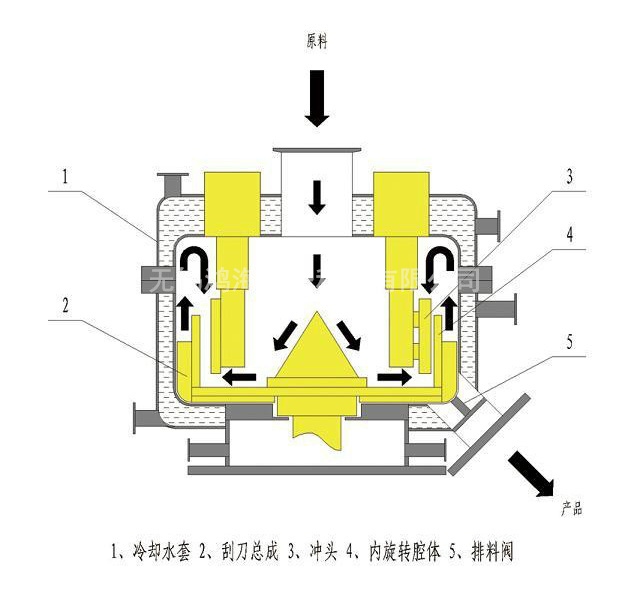
Principle Diagram