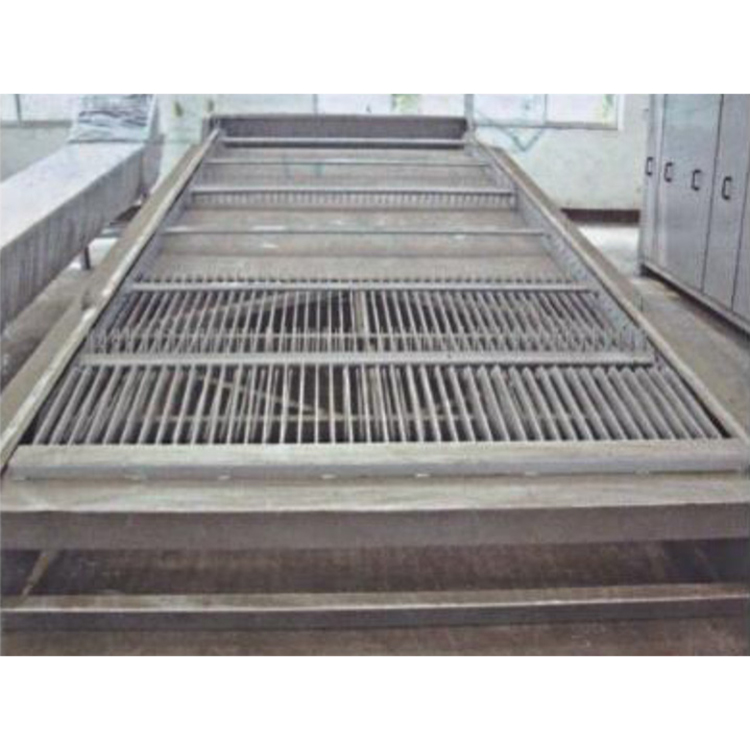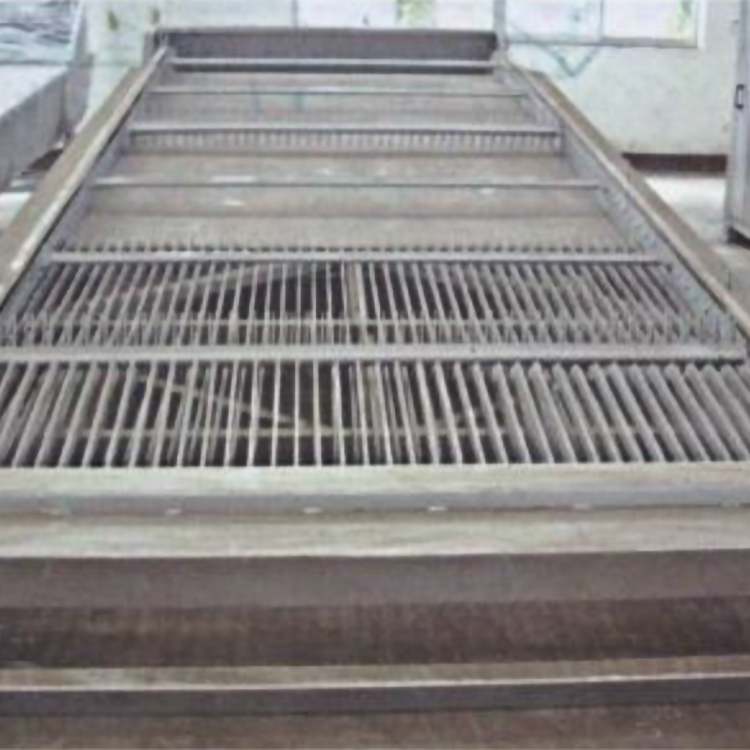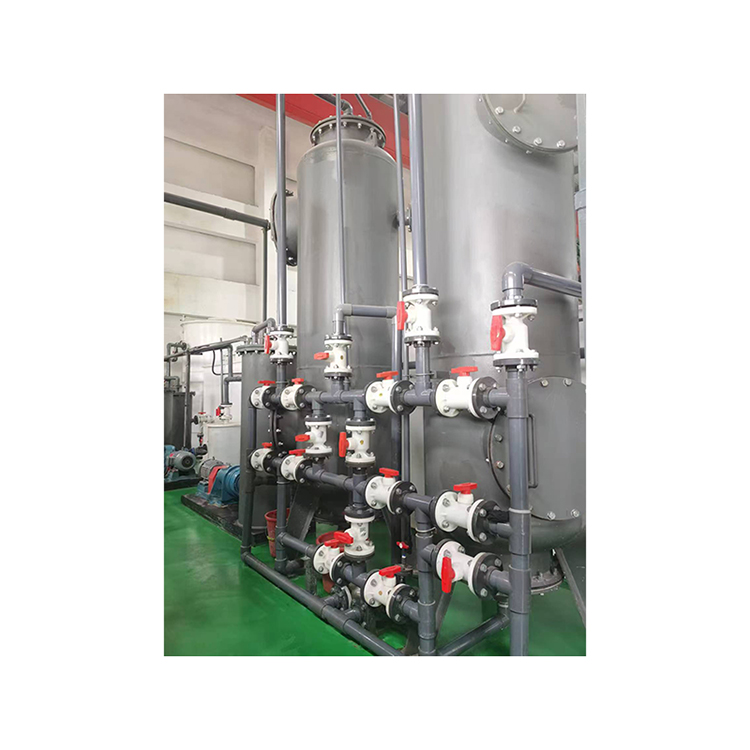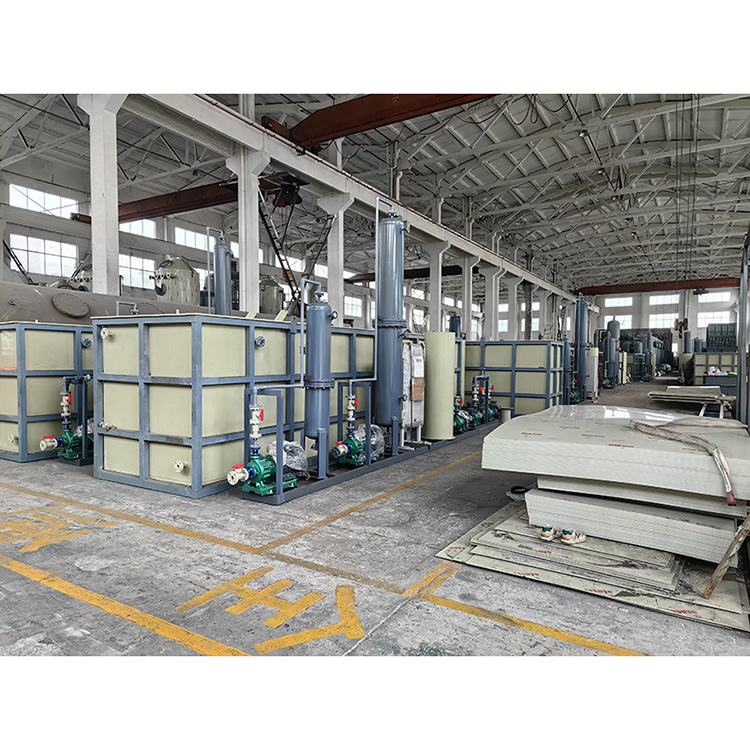

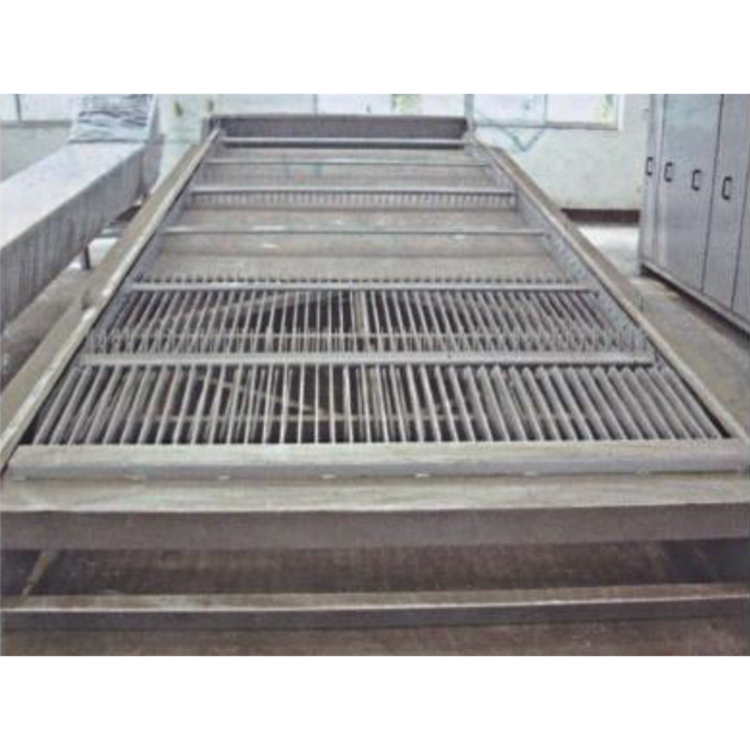

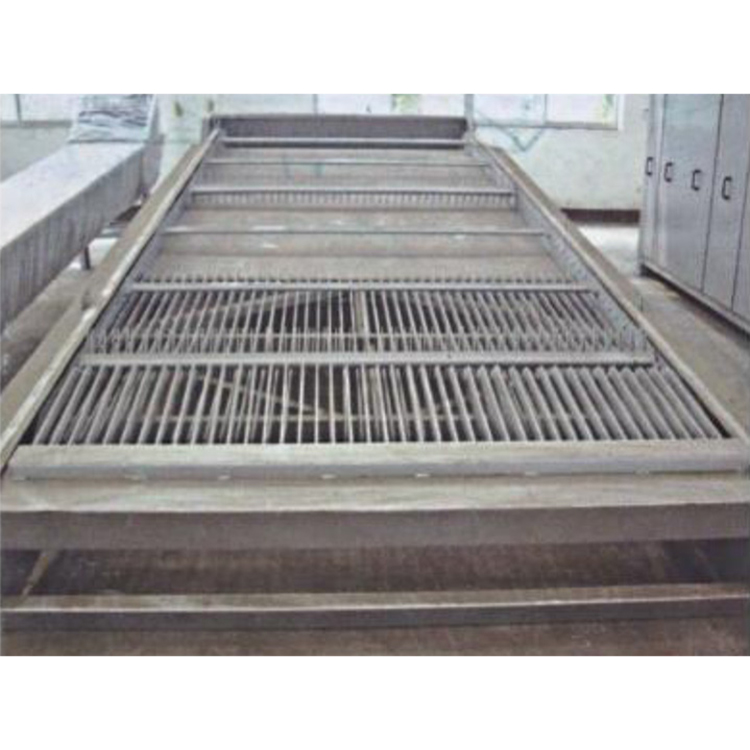
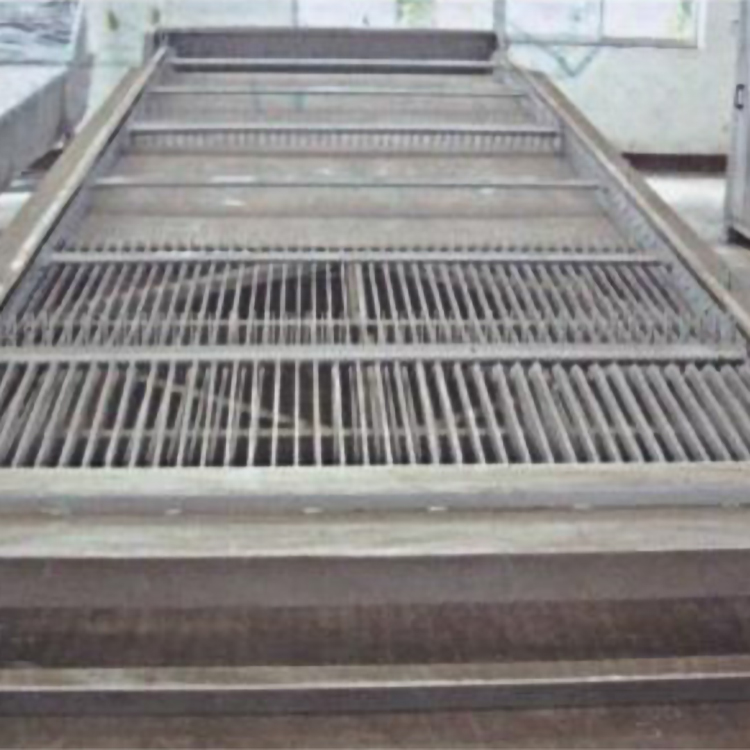







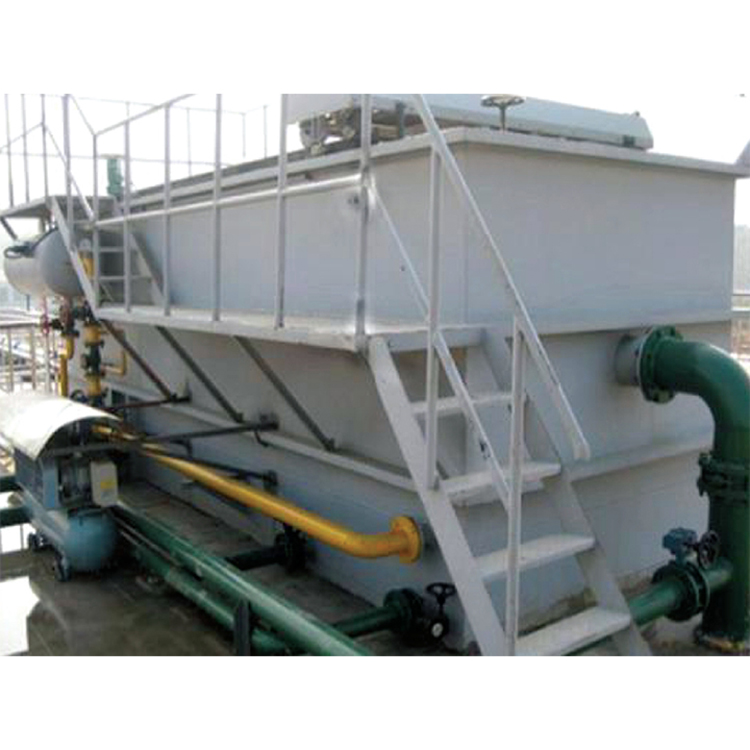
HGC Type Rotating Grate Debris Removal Machine
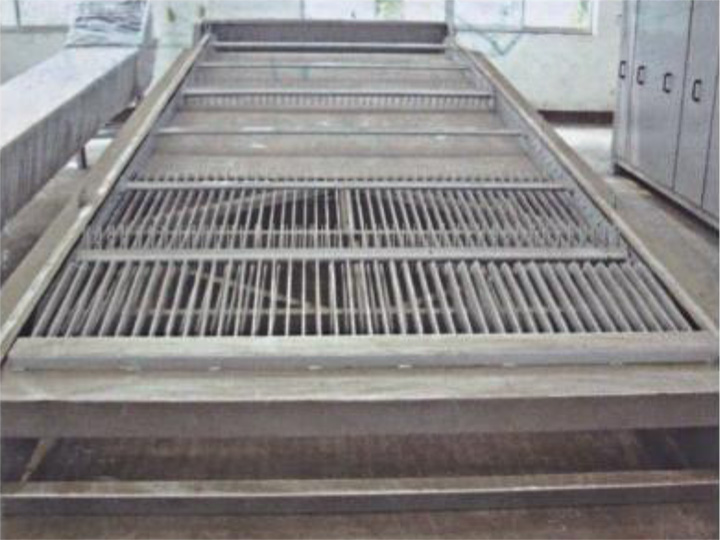
Working Principle and Construction
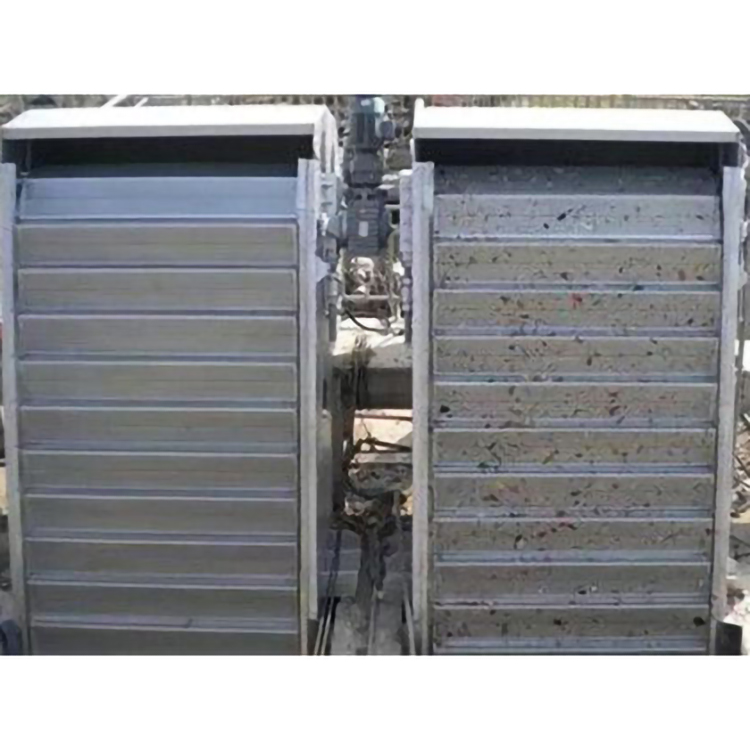
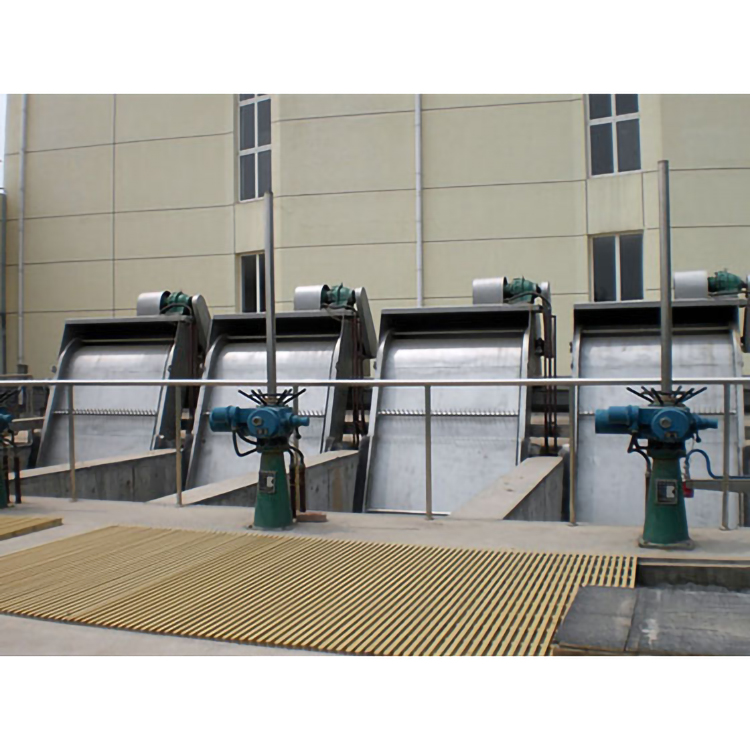
The reducer drives the sprocket, which rotates the chain rake system, moving the teeth of the chain along with it. As each tooth rake is inserted into the bars, it effectively transports trapped debris to the upper position of the frame. During the reversal of the chain, debris falls off due to gravity into the next process equipment. A special cleaning mechanism then cleans any small amount of debris stuck to the tooth rakes. The rotary grate cleaner is mainly composed of the driving mechanism, frame assembly, transmission chain, tooth rake assembly, bars, and bottom grating, etc.
Features
1. The teeth comb bars descend after passing, while the bars ascend to remove slag without dragging it underwater, ensuring a thorough slag removal.
2. Full enclosed drive chain, no entanglement.
3. The underwater structure features active weir gates with no sedimentation dead corners at the bottom.
4. Dual mechanical and electrical overload protection for safety and reliability.
5. Full-automatic electrical protection control with time and water level control in automatic mode.预留PLC interface for easy implementation of unmanned management.
6. Compact structure, slag buffering, overload protection. High-quality materials for wear resistance, reliable operation, and fully automatic operation available.
7. Complete unit supply with easy installation and debugging. It is a widely used device among the numerous grates indispensable for various water source imports.
Application Scope
The HGC type rotary grille cleaner is a pre-treatment equipment for water source intake at medium to large-scale water supply and drainage projects. It is widely used for the pre-treatment of rain and wastewater in urban areas and planned residential communities, as well as for removing impurities at the intake of waterworks, sewage treatment plants, power plants, and steel mills, aiming to alleviate the workload of subsequent treatment processes.
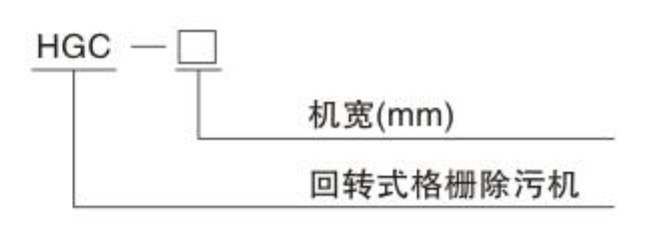
Model Description
Technical specifications and installation dimensions
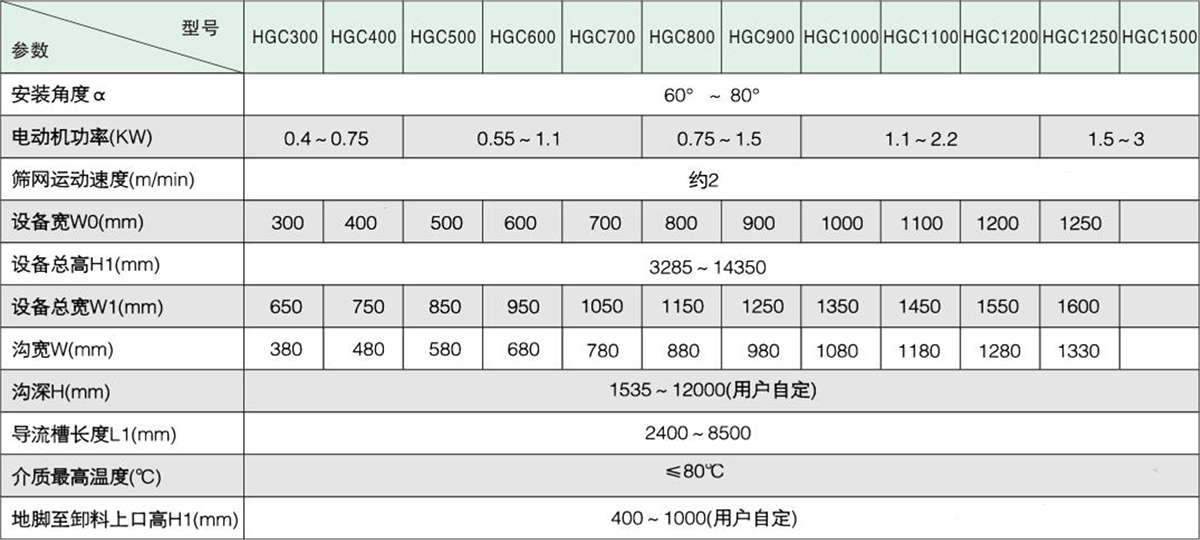
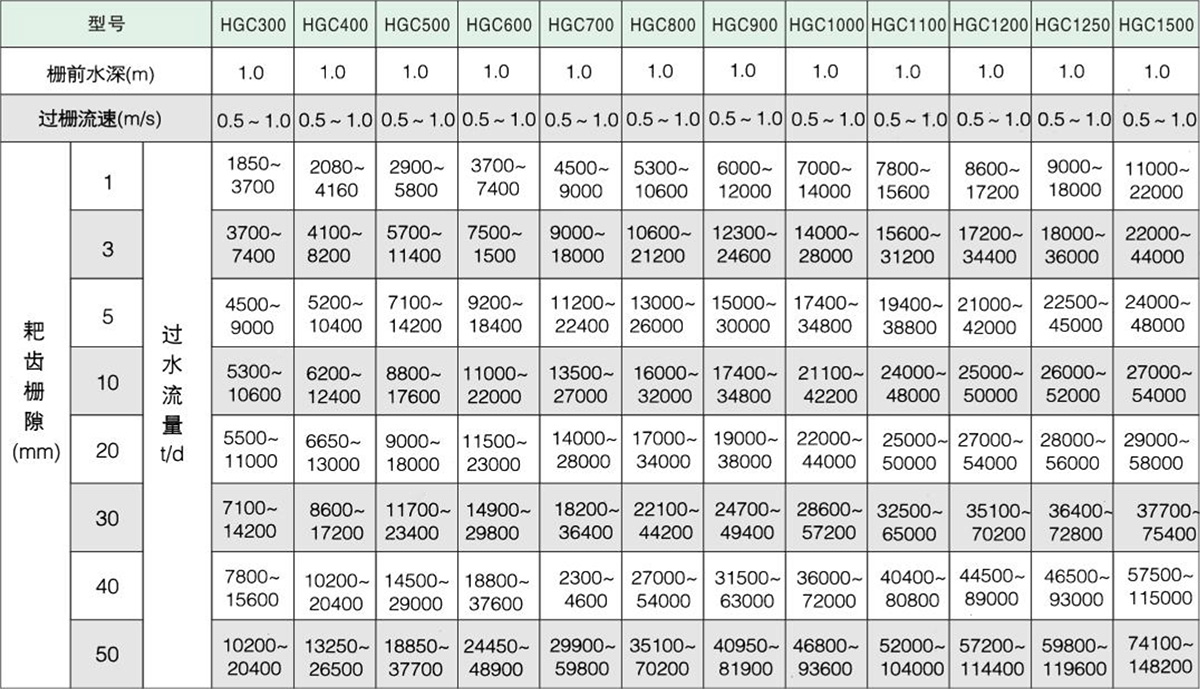
Flow Rate Gauge (For parallel machines, multiply the flow rate by 2 for this model)
Ordering Instructions
1. Specify equipment model and specifications
2. Specify actual operating conditions and grate spacing
3. Special specifications require separate design.