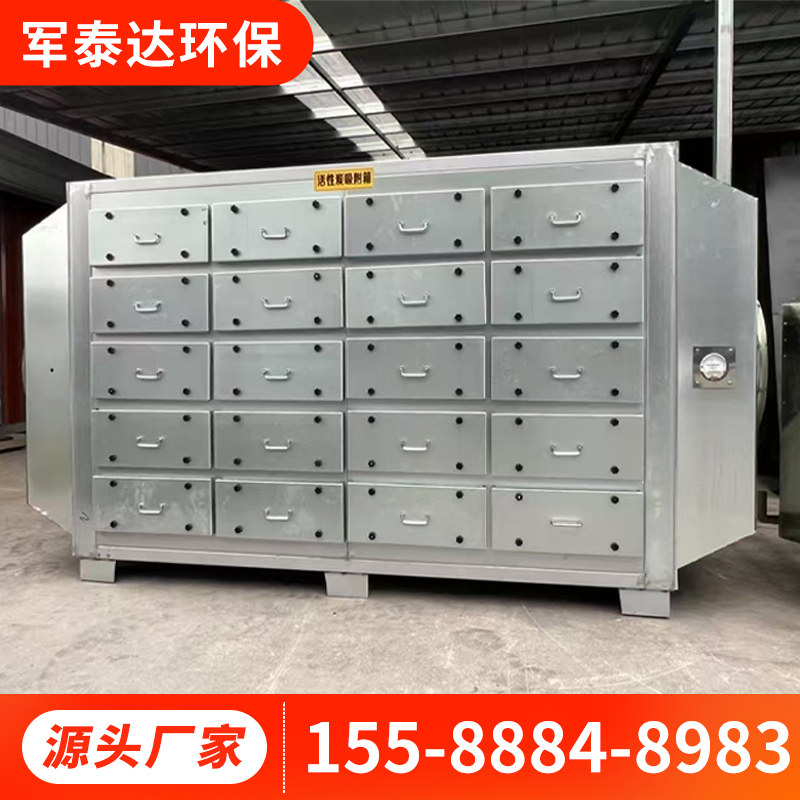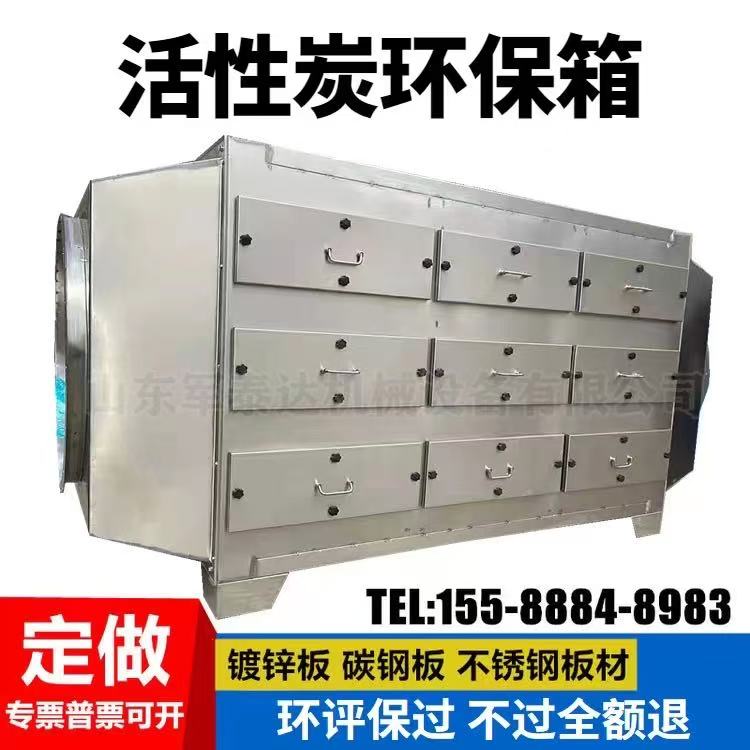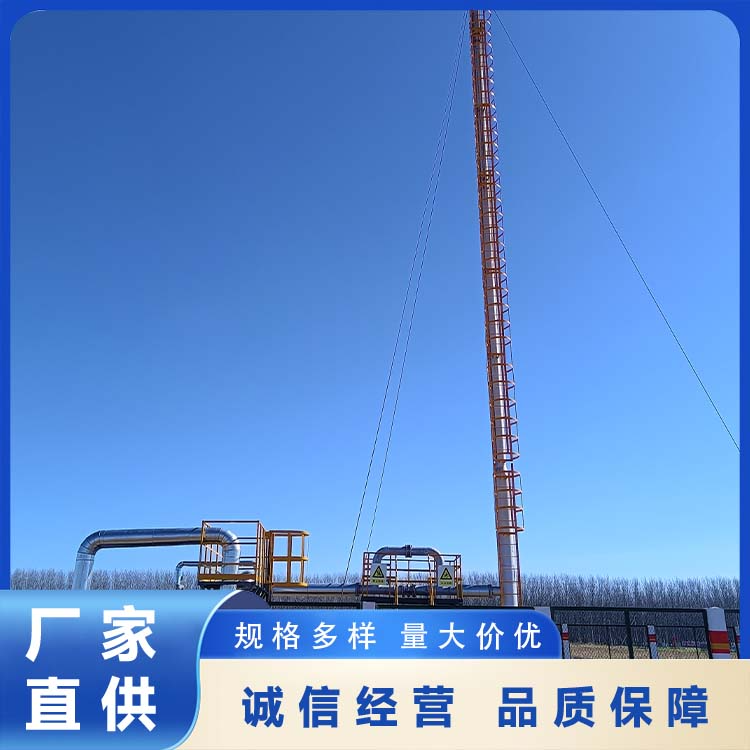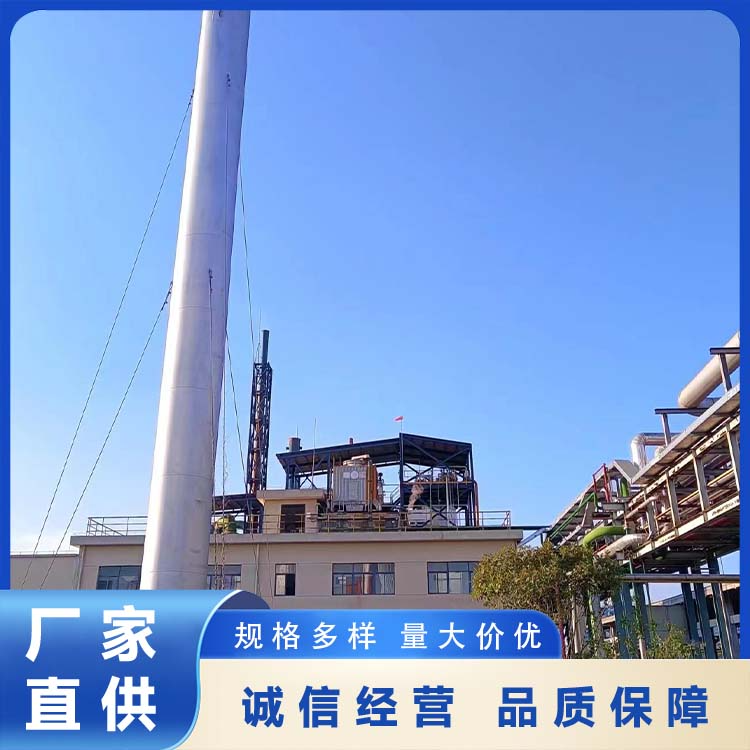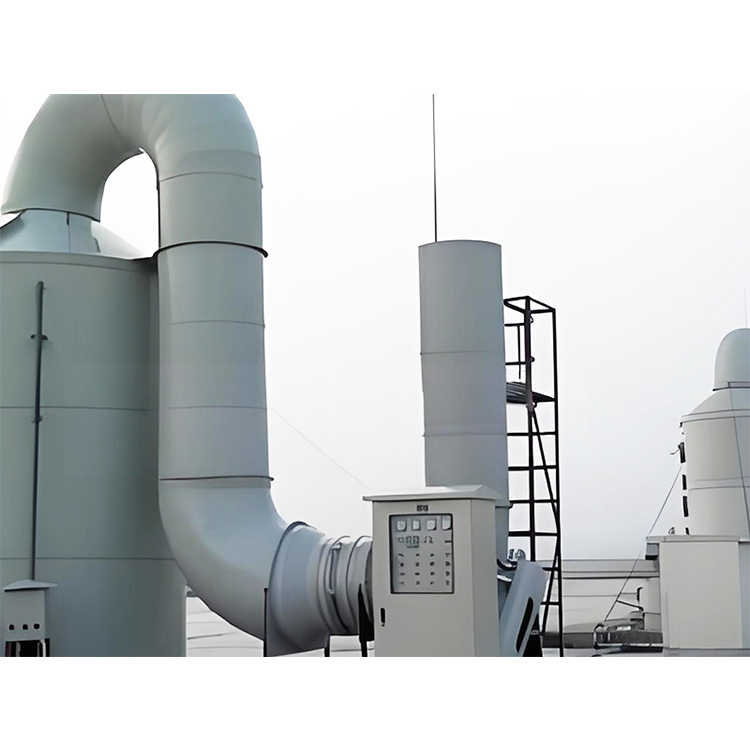
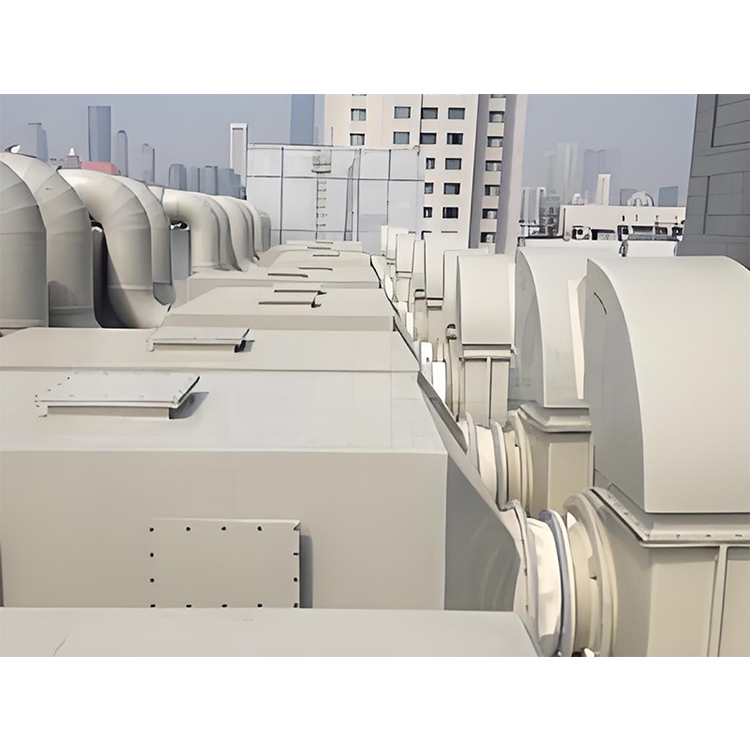
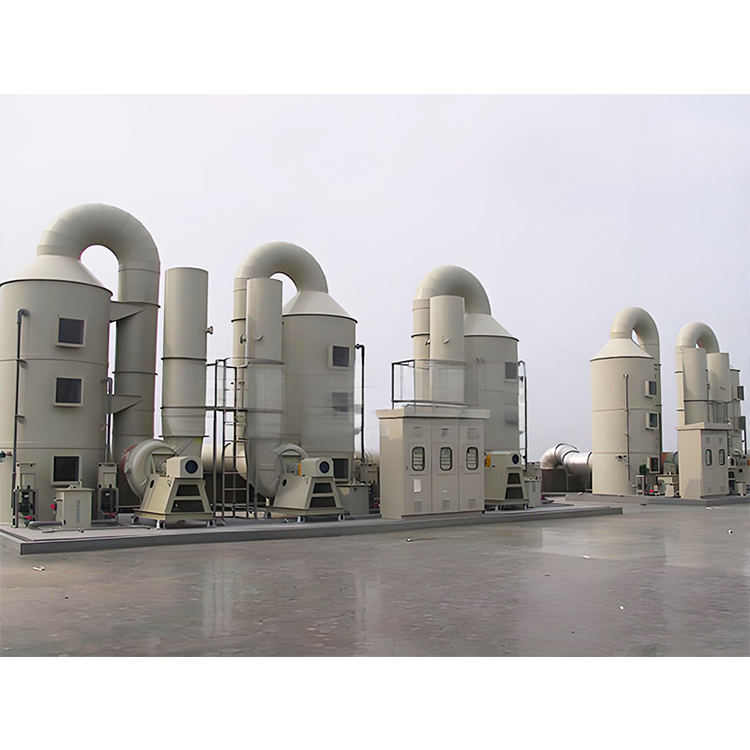
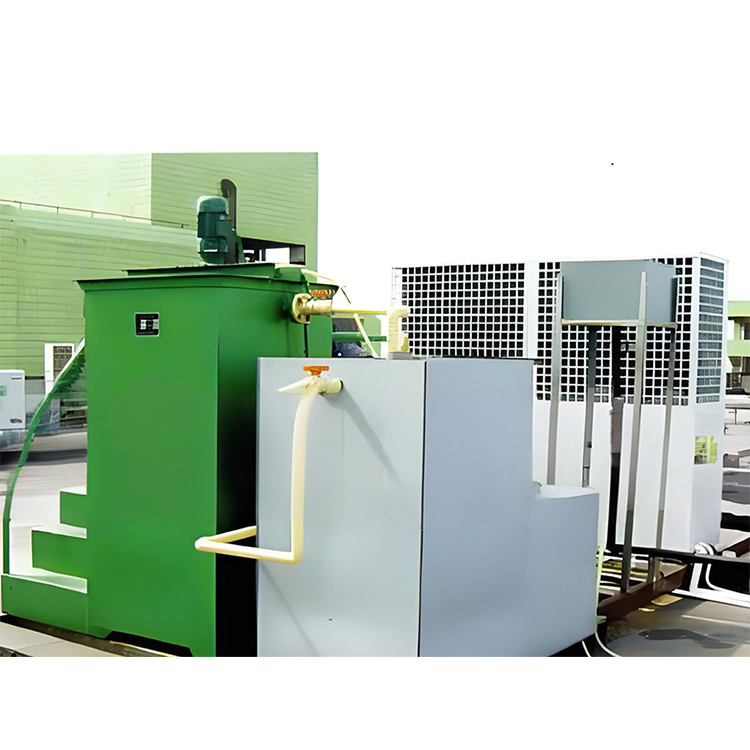
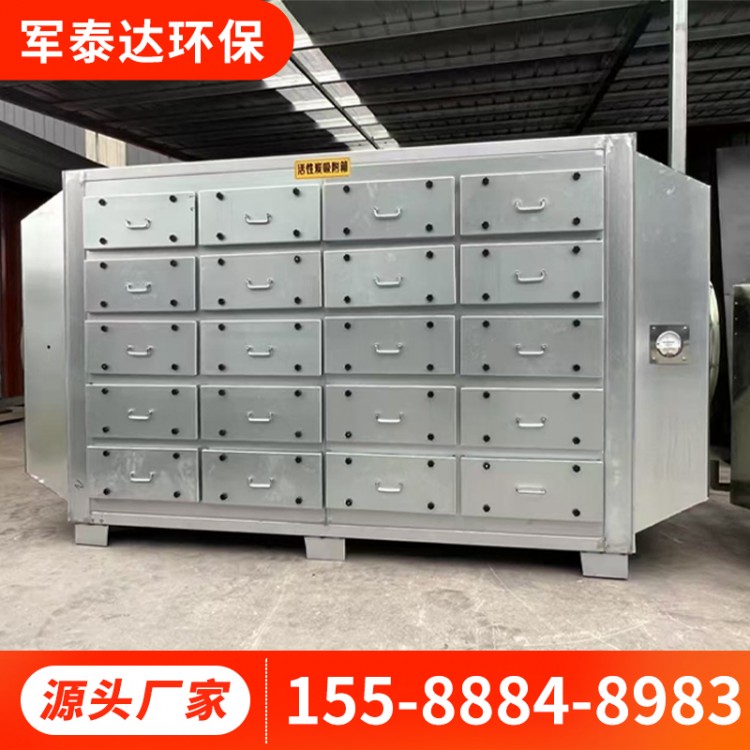





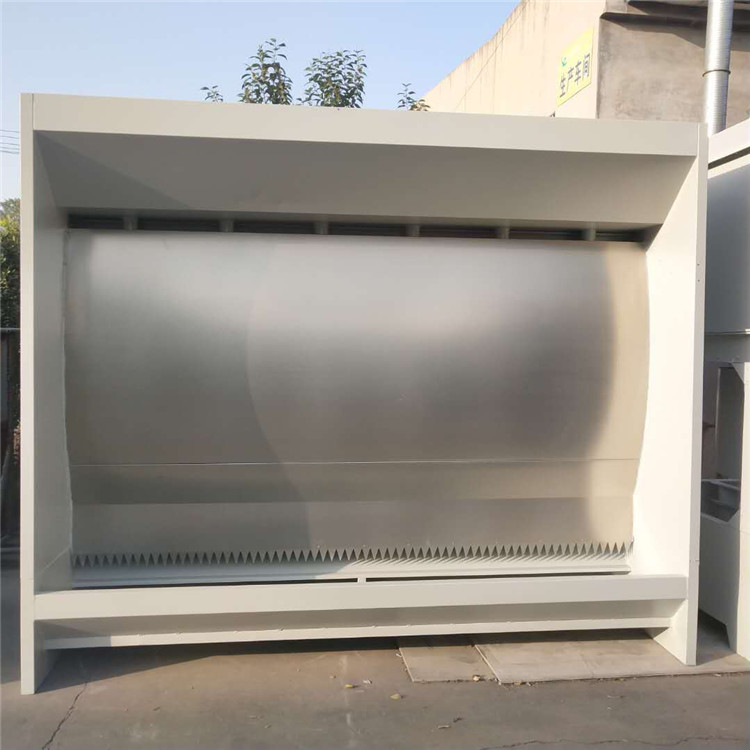
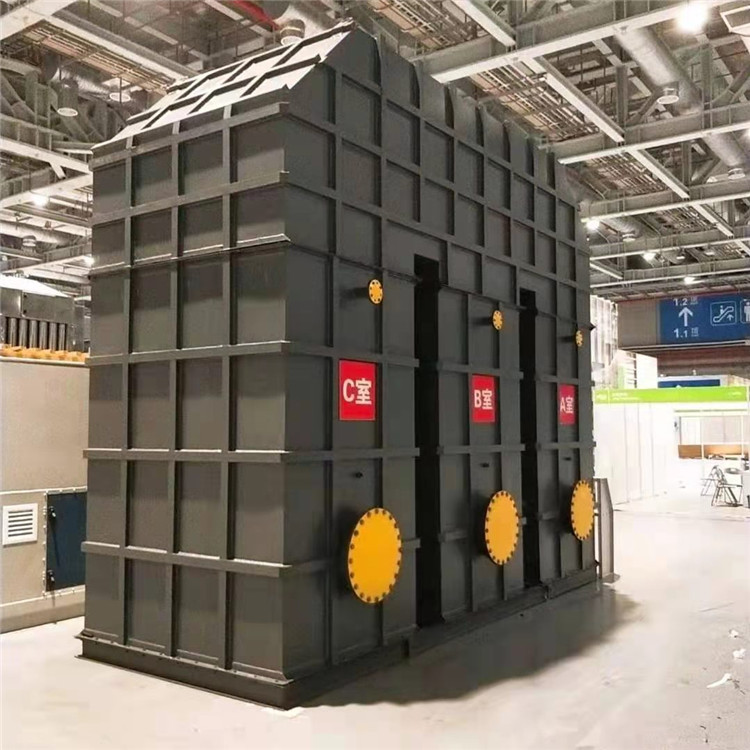
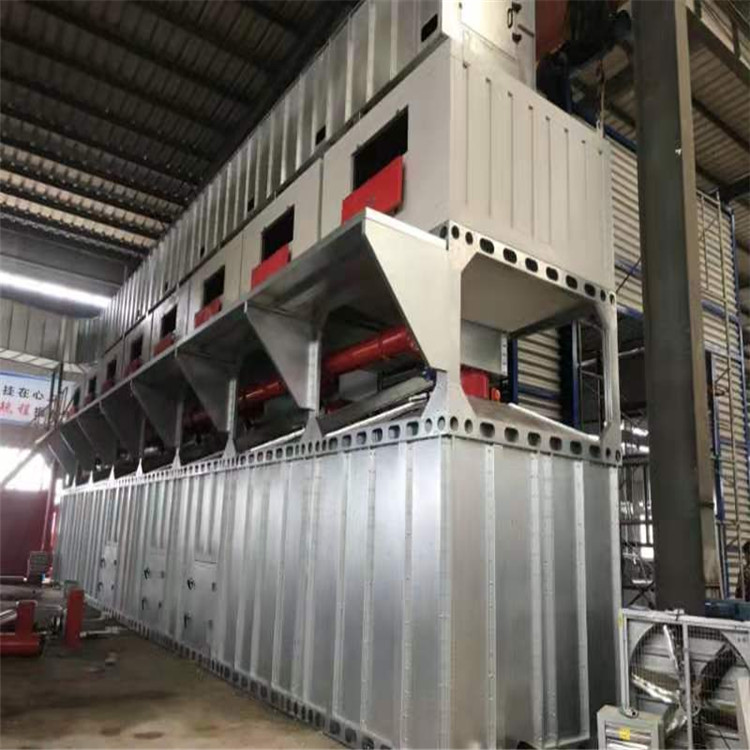
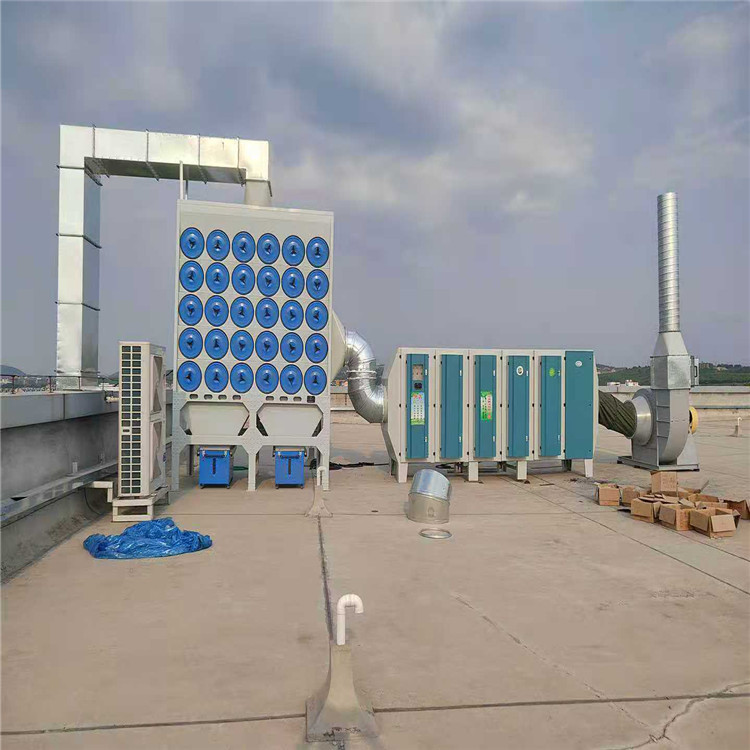
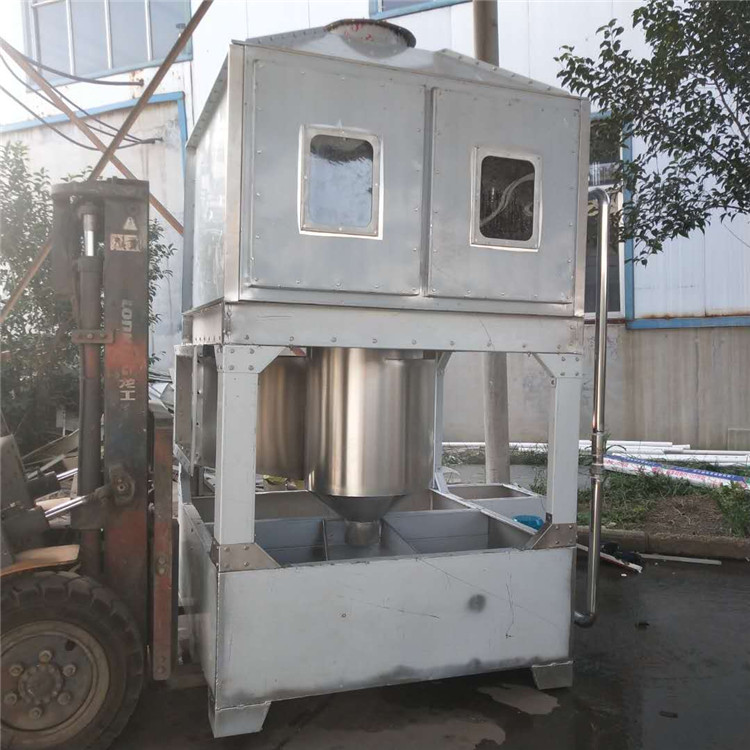
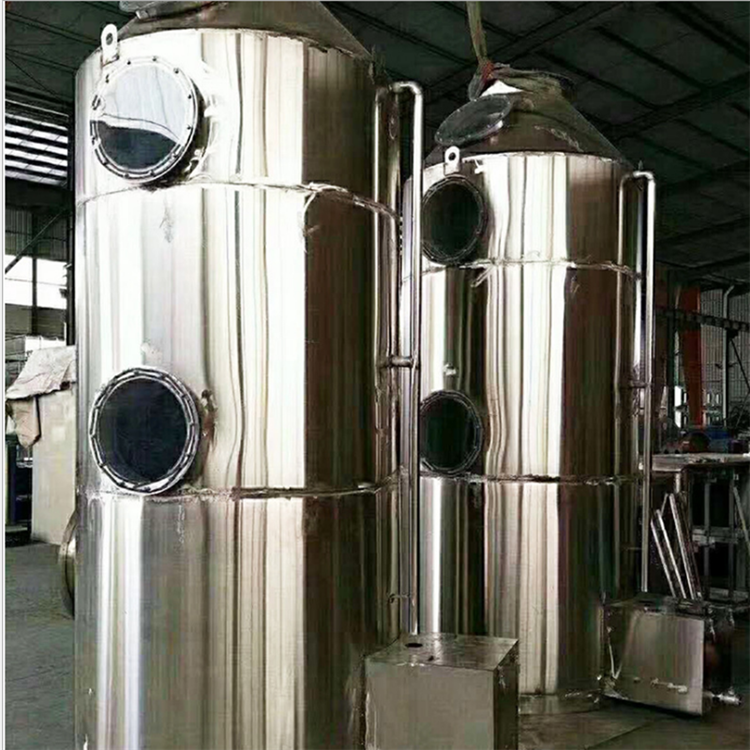
Organic waste gas purification suitable for industries such as wire, cable, enameled wire, machinery, electric motors, chemicals, instruments, automobiles, bicycles, motorcycles, engines, tapes, plastics, and household appliances.

Catalytic combustion can almost handle all types of hydrocarbon organic waste gases and malodorous gases. For waste gases emitted by industries such as chemicals, coatings, and insulating materials, which are low in concentration, contain multiple components, and have no recyclable value, the treatment effect of the adsorption-catalytic combustion method is superior.

Paint spray exhaust gas purification methods, currently widely used include four different methods: liquid absorption, direct combustion, catalytic combustion, and activated carbon adsorption. The purification rate of activated carbon adsorption can reach over 95%, but without a regeneration unit, the operating costs are too high; the purification rate of liquid absorption is only 60% to 80%, and this method has low absorption efficiency and oil mist carryover, making it generally difficult to meet national emission standards and posing secondary pollution issues; catalytic combustion also offers a purification rate of 95%, but it is suitable for treating high-concentration, low airflow, and high-temperature organic waste gases. However, the concentration of "three benzene" in paint spray exhaust gases is usually below 300mg/m³, so catalytic combustion is not suitable for treatment.

Most factories currently use water curtain washing units or granular activated carbon adsorption methods to handle paint spray waste gases. The treated paint spray waste gases generally do not meet the standards set in the "Air Pollutant Emission Standards" GB16297-96. Granular activated carbon adsorption methods usually do not employ regeneration measures, necessitating the replacement of new carbon after a certain period of facility operation, thus increasing operational costs.